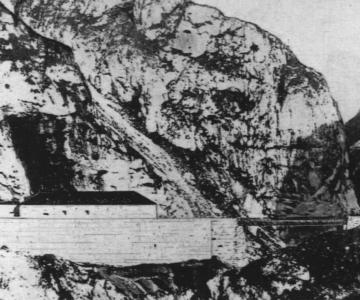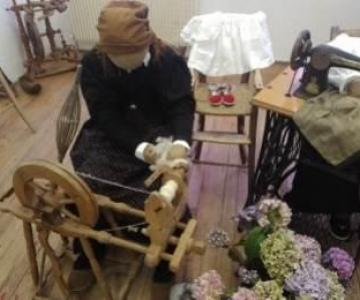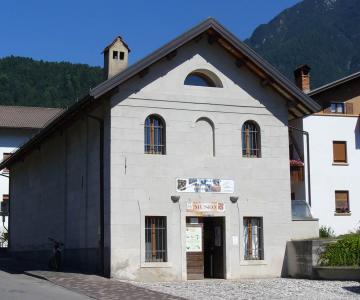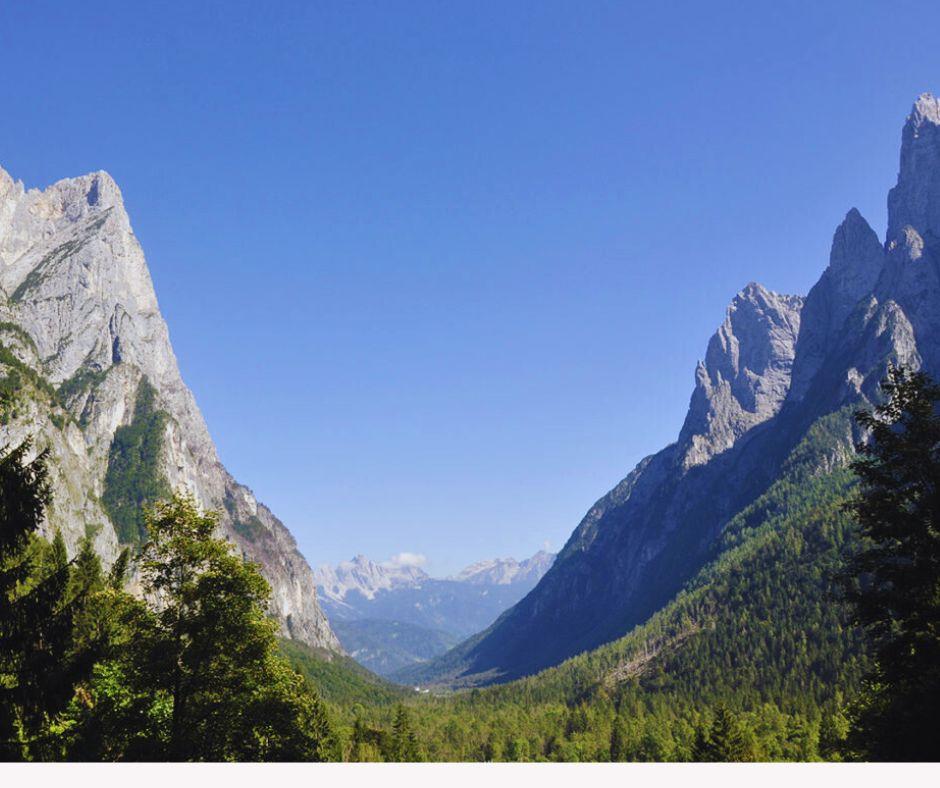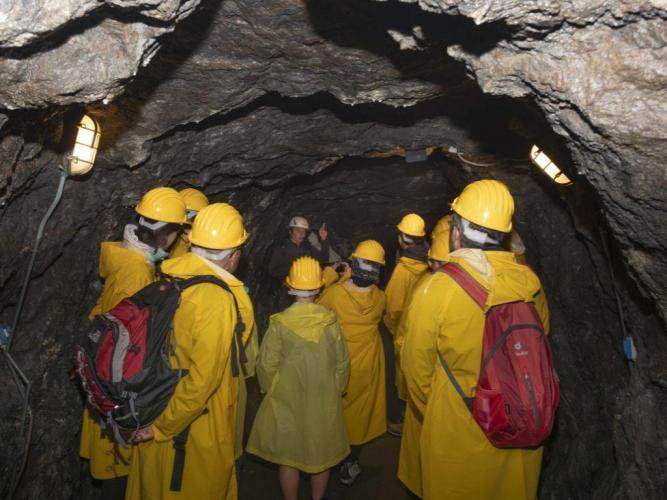
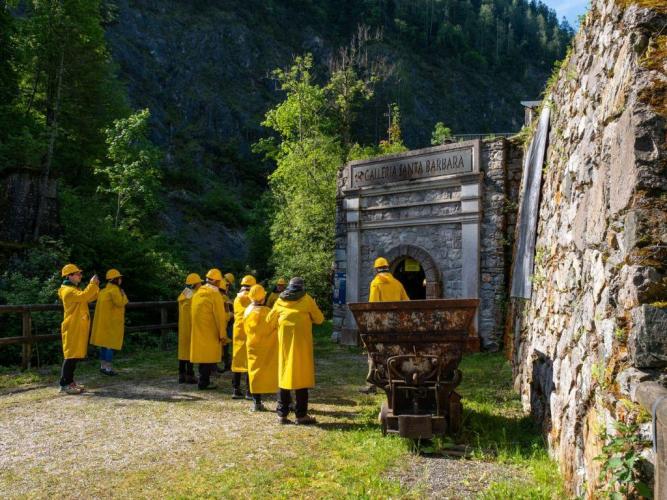
In the heart of the Basso Agordino and the Dolomiti Bellunesi National Park, Valle Imperina tells centuries of mining history, where the work in the mines shaped the life and economy of the local community. The first document recording mining activity dates back to 1409, when Enrico di Heslinger received authorization to extract copper.
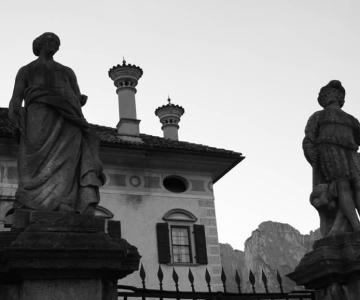
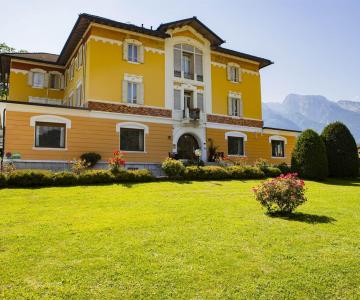
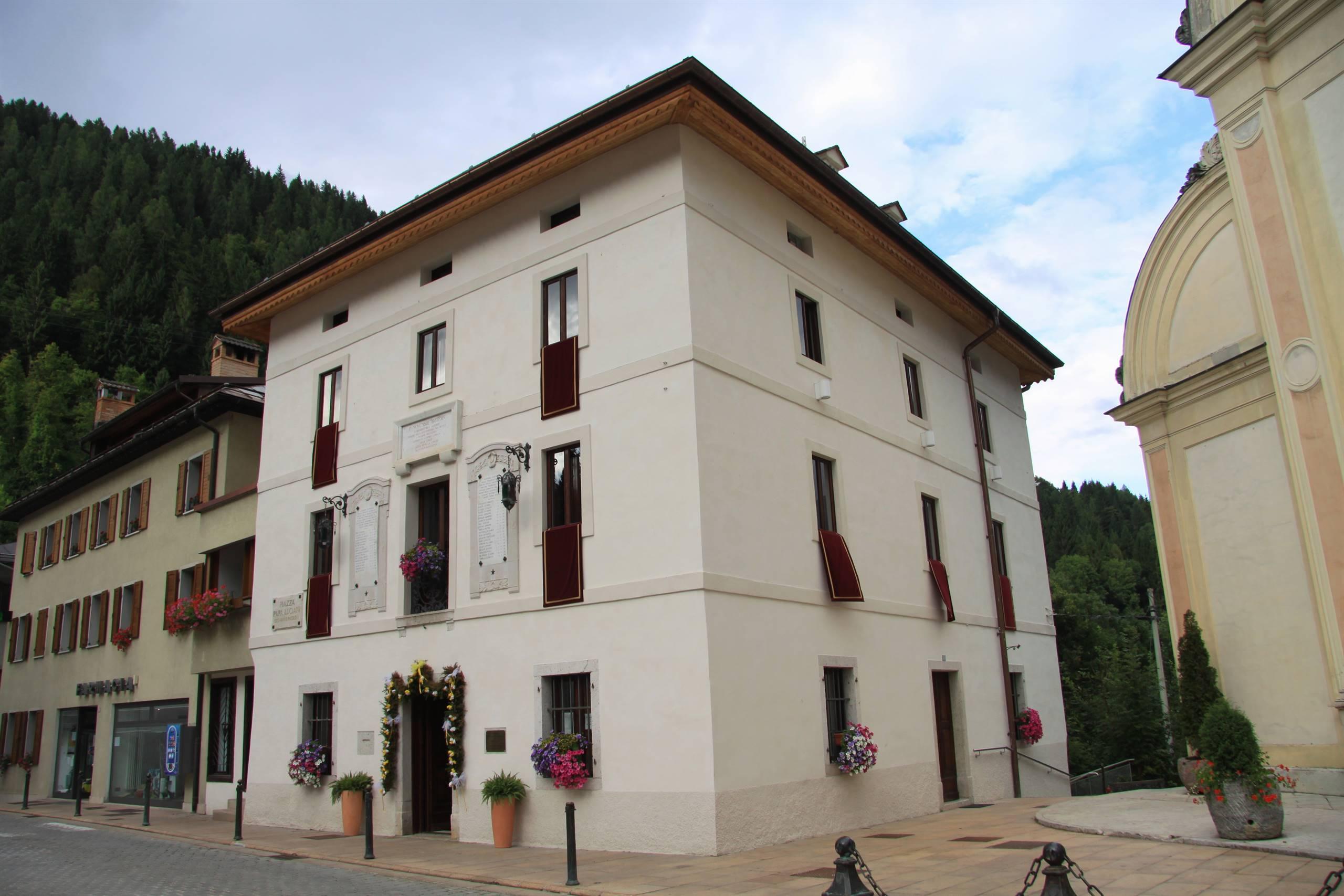
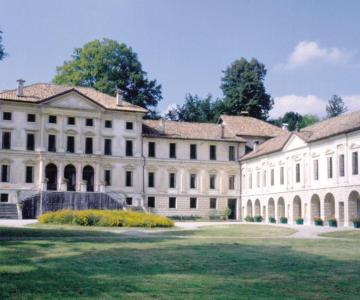
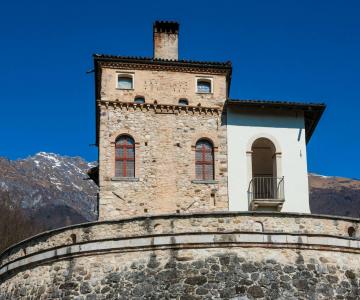
For a long time, small family-run companies managed the mines, until 1615, when Francesco Crotta discovered the richest copper vein. A skilled entrepreneur, Crotta built a true mining empire, continued by his children, who even entered the Venetian nobility. The Crotta-De’ Manzoni villa, in the heart of Agordo, remains a symbol of their importance today.
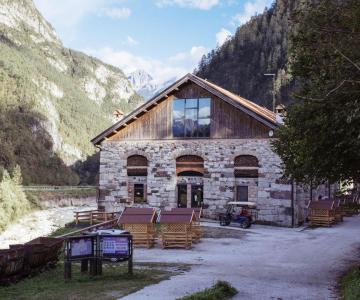
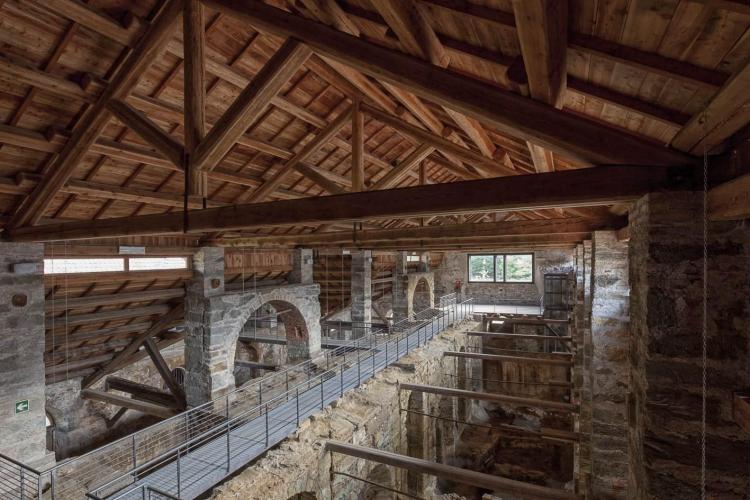
As production grew, the Republic of Venice recognized the strategic value of the mine for its Arsenal. It centralized management, building the smelting furnaces, still visitable today, and controlling half of the copper required by the Venetian Arsenal.
In the 19th century, under the Lombardo-Venetian Kingdom, the mine was modernized, further increasing production. With the unification of Italy, however, cheaper copper from America reduced the mine’s profitability: many workers were laid off, and the first wave of emigration from the valley began.
At the end of the 19th century, management passed to the Magni & C. company, which converted production to sulfuric acid and other derivatives. In 1910, Montecatini took over with an ambitious modernization plan: building a hydroelectric plant and a railway connection to Bribano, keeping the mine operational even during World War II.
In the 1950s, despite ongoing upgrades, plans for permanent closure began. After centuries of work, innovation, and economic growth, the Valle Imperina mine closed in 1962, leaving a unique historical and architectural heritage, ready to tell visitors a story of ingenuity, effort, and progress.