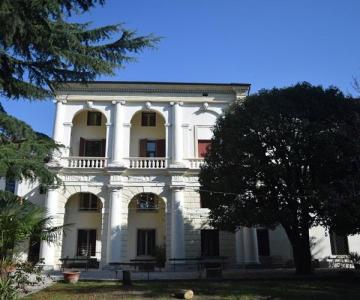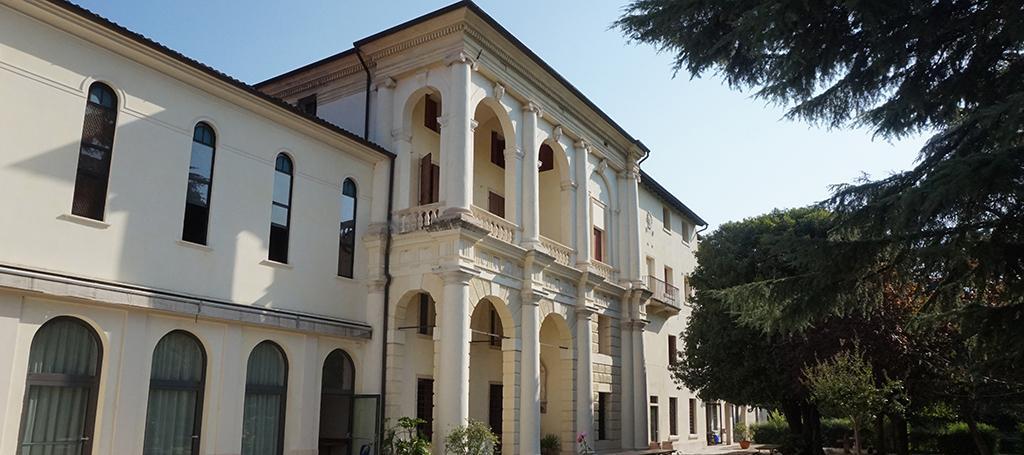
Villa Angaran San Giuseppe was born as a country residence for Count Giacomo Angaran del Sole, son of Stefano Angaran and Paola Capra, descendants of two important families of the Vicentine nobility. Giacomo, the firstborn, marries at a young age to Bianca Nievo, an educated woman, poetess, and entrepreneur, with whom he has five children.
The family lives in Vicenza but, given their great prosperity, decides to build a country villa, commissioning it, in the Bassano area, from the great architect Andrea Palladio. The two were close friends to the point that the architect dedicates his magnum opus to the count: the Four Books of Architecture, published in 1570, which includes the design for the villa for Giacomo, the current Villa Bianchi Michiel. During the construction of the first villa, Giacomo suffers significant financial losses, his firstborn son passes away, and his wife is investigated and executed as a heretic. Angaran then sells the construction site and the project of the first villa and begins, in 1588, the construction of his new residence, in the Cherubine area, entrusting the supervision of the works to Silla Palladio, the son of the great master.
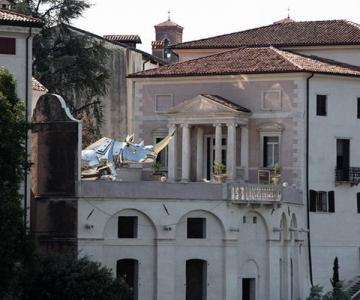
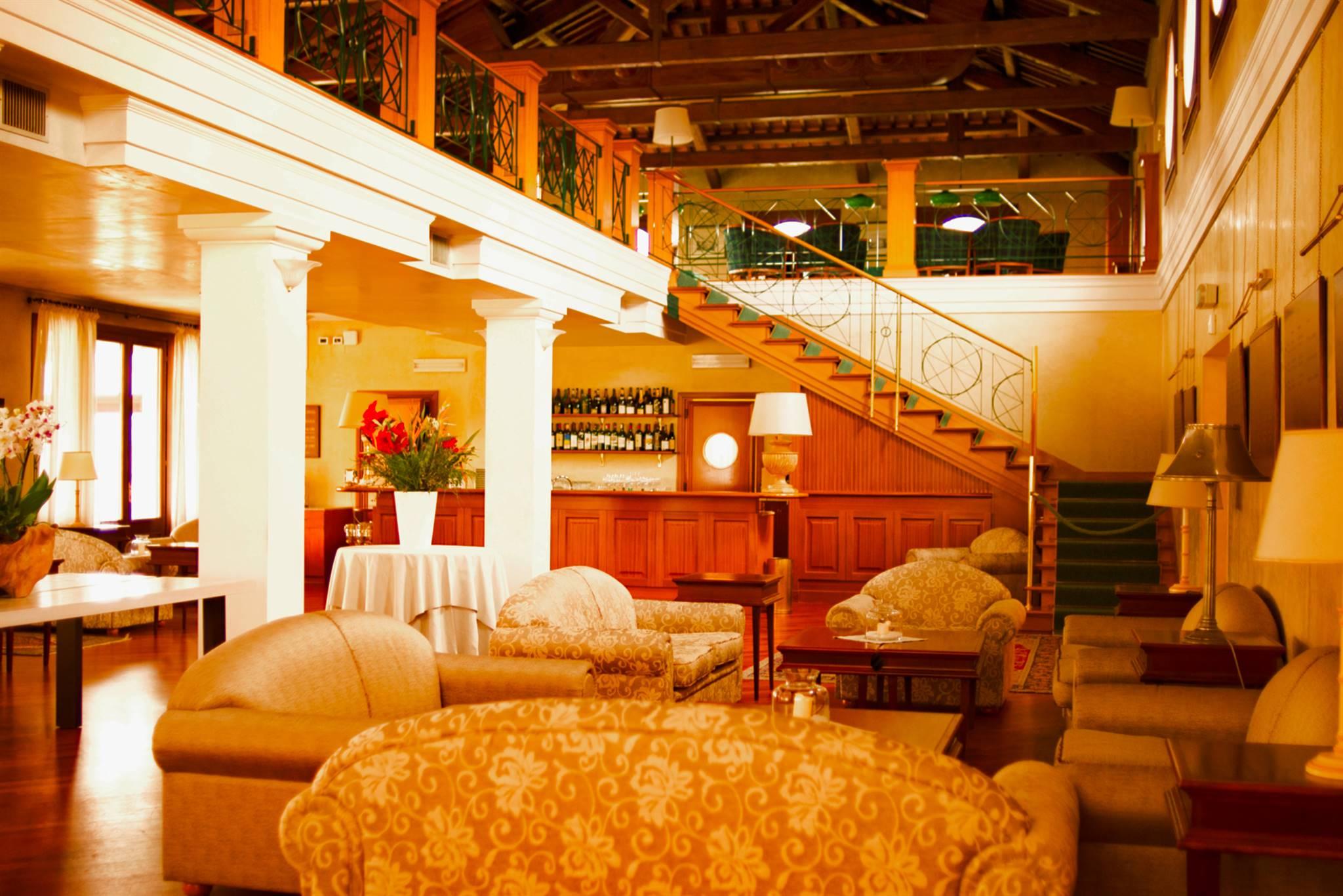
The name of the architect who designed the new villa is unknown, but the strong references to Palladio's teachings are still apparent in the façade and layout. The villa has a simple and regular plan, with a spacious atrium of double height at the center of the symmetry axis, which divides the two staircase blocks, two studies, and two square rooms at the ends. In 1595, the Villa passes to the Angaran delle Stelle, who own it for about 300 years before selling it to the Favero family and then, in 1921, to the Jesuit Fathers, who turn it into a house for spiritual exercises, inaugurated in 1924: Villa San Giuseppe. Throughout the 20th century, the structure underwent numerous modifications and extensions, losing its original symmetrical structure; in 1945, it was also hit by a wartime bomb that completely destroyed the northern façade.
Excellences of the villa: The most interesting element is the incomplete 16th-century façade, composed of 4 semi-columns with Doric capitals on the ground floor that frame two arched openings with rustication, and a section of wall with two architraved openings, and 4 semi-columns of Ionic order that frame 3 smooth arched openings on the first floor. A frieze with metopes and triglyphs completes the order on the ground floor and wraps around the side of the building. A dentil cornice caps the building. On the southern front, there is the 16th-century plaque and the stone banner of the "Angaran del Sole." The northern front instead bears the banner of the "Angaran delle Stelle," while on the western façade is the divided coat of arms representing the union of the two families. The western façade also features the portal of an old chapel, formed by two semi-columns with bas-relief motifs related to pastoral and evangelical themes supporting an arched frescoed pediment.
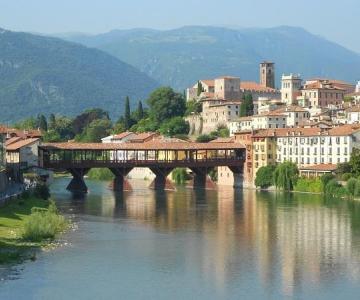
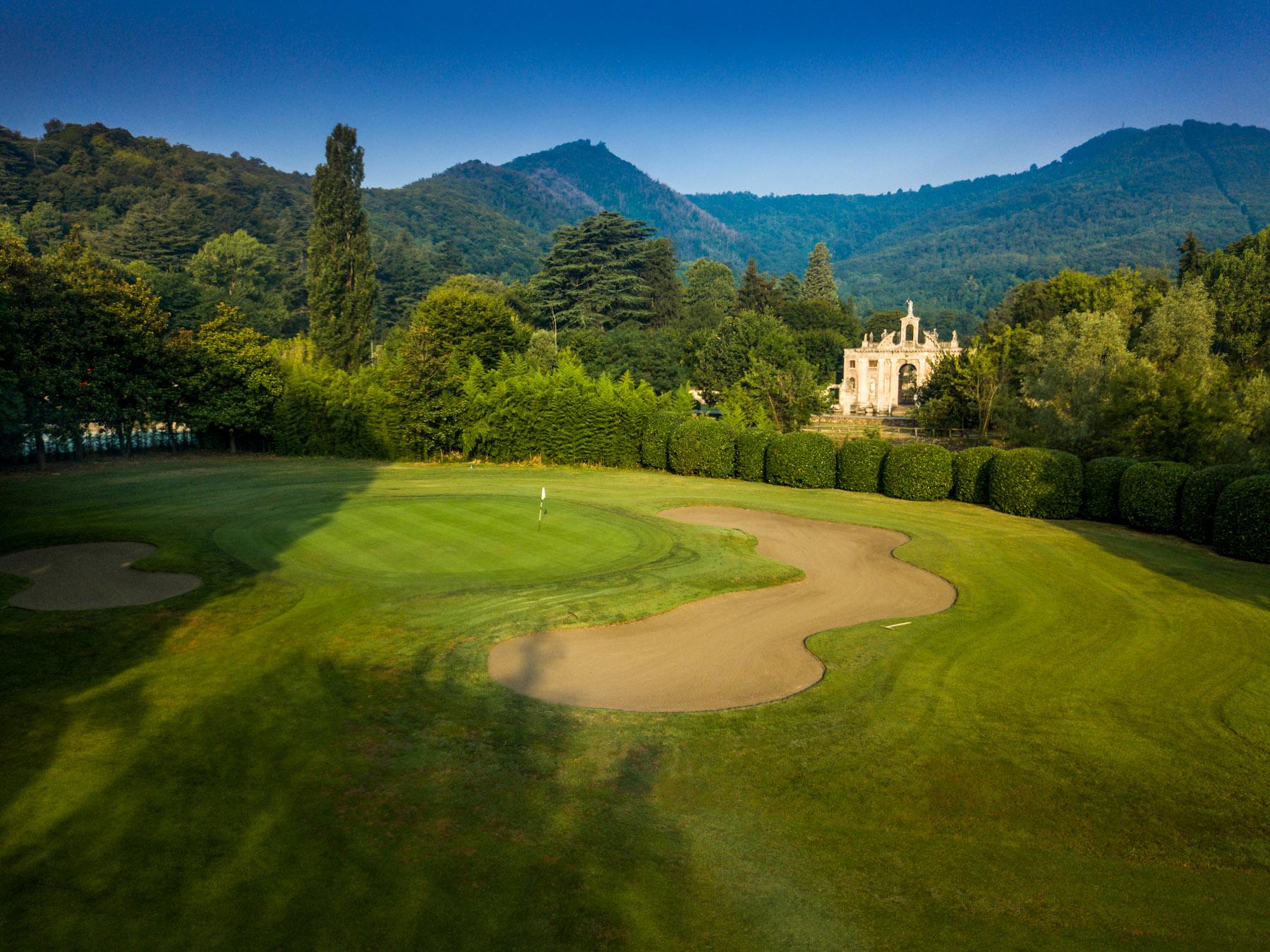
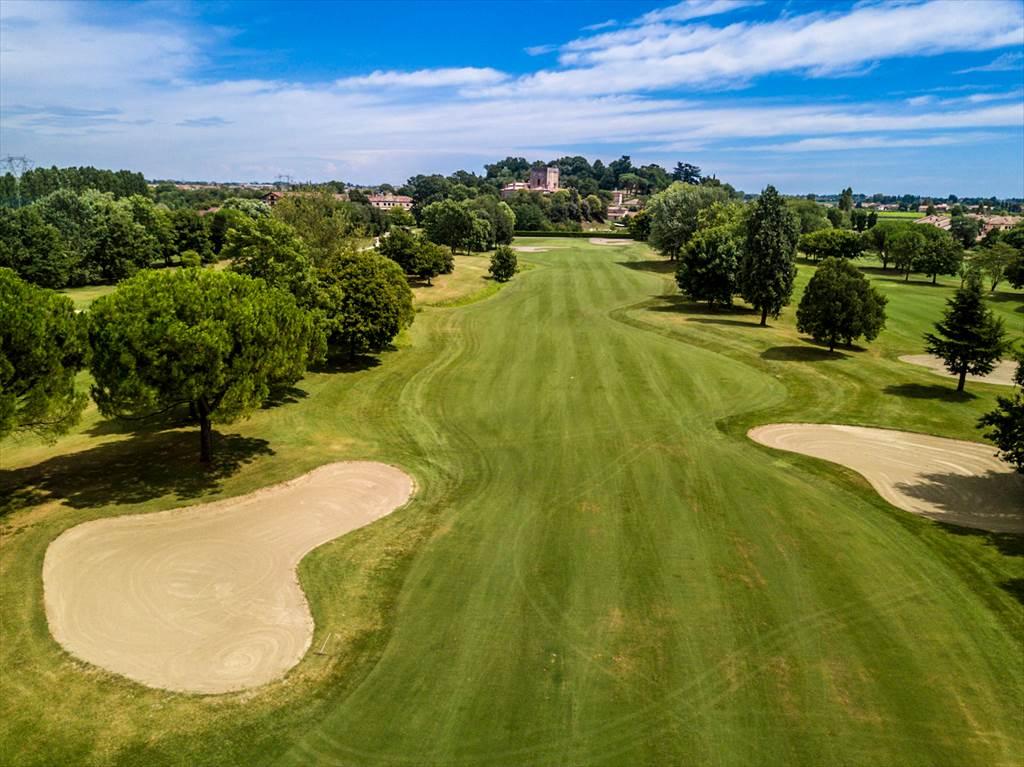
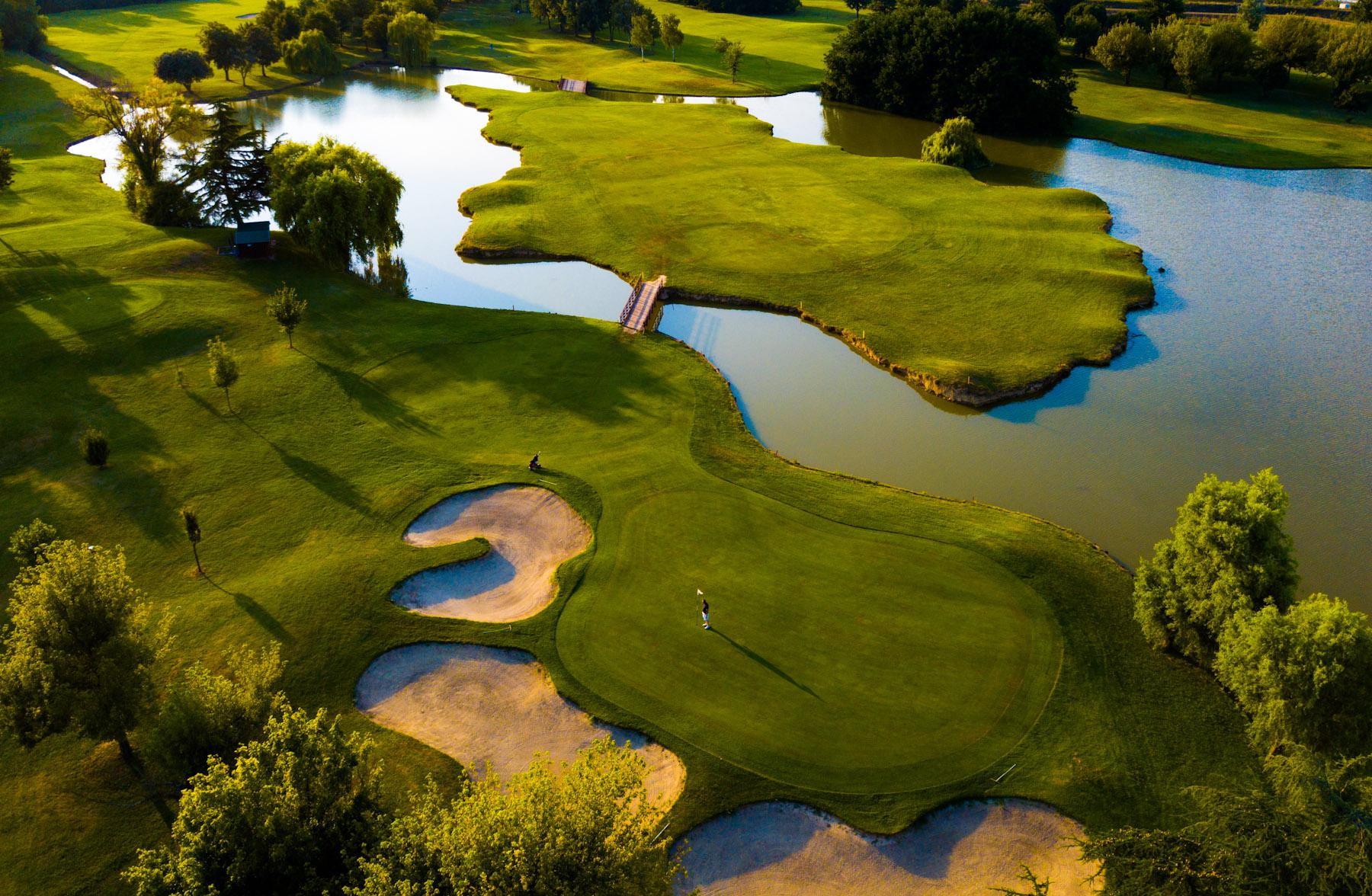
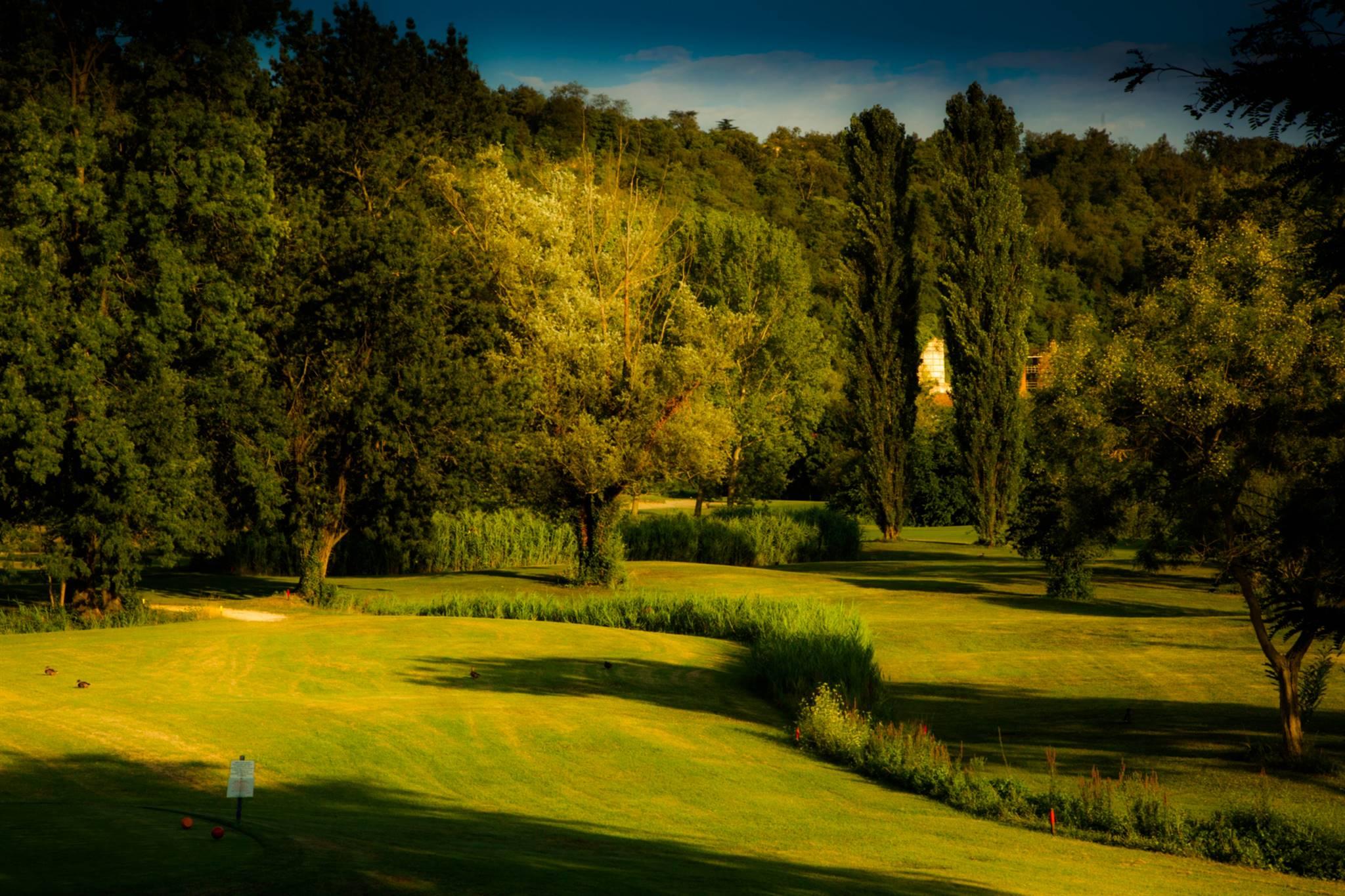
Excellences of the context: The villa is embedded in one of the largest green areas of the Bassano historic center: four hectares of park facing the Brenta River and directly connected through a pedestrian passage to the Ponte Vecchio, which is 700 m away. The green area is partly dedicated to the cultivation of vines, olive trees, fruit trees, and partly available for recreational activities.