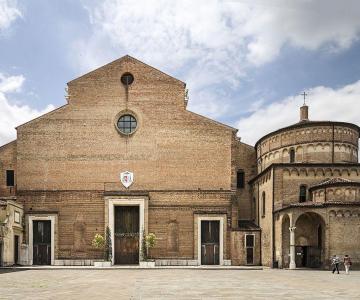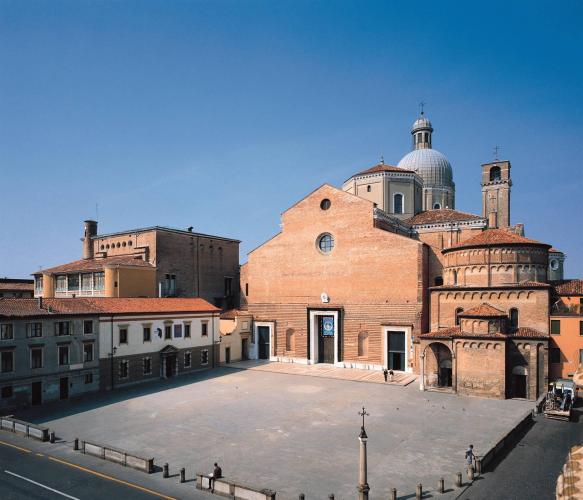
Meeting point: Piazza Duomo, 4.30 p.m.
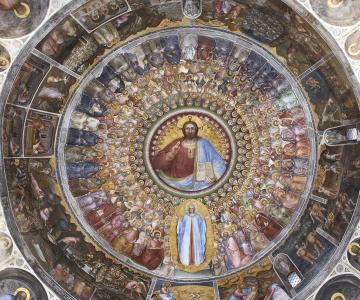
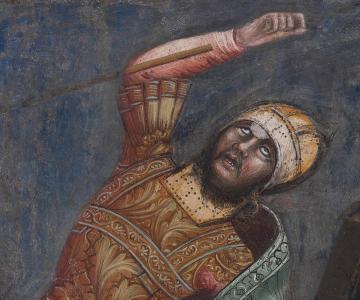
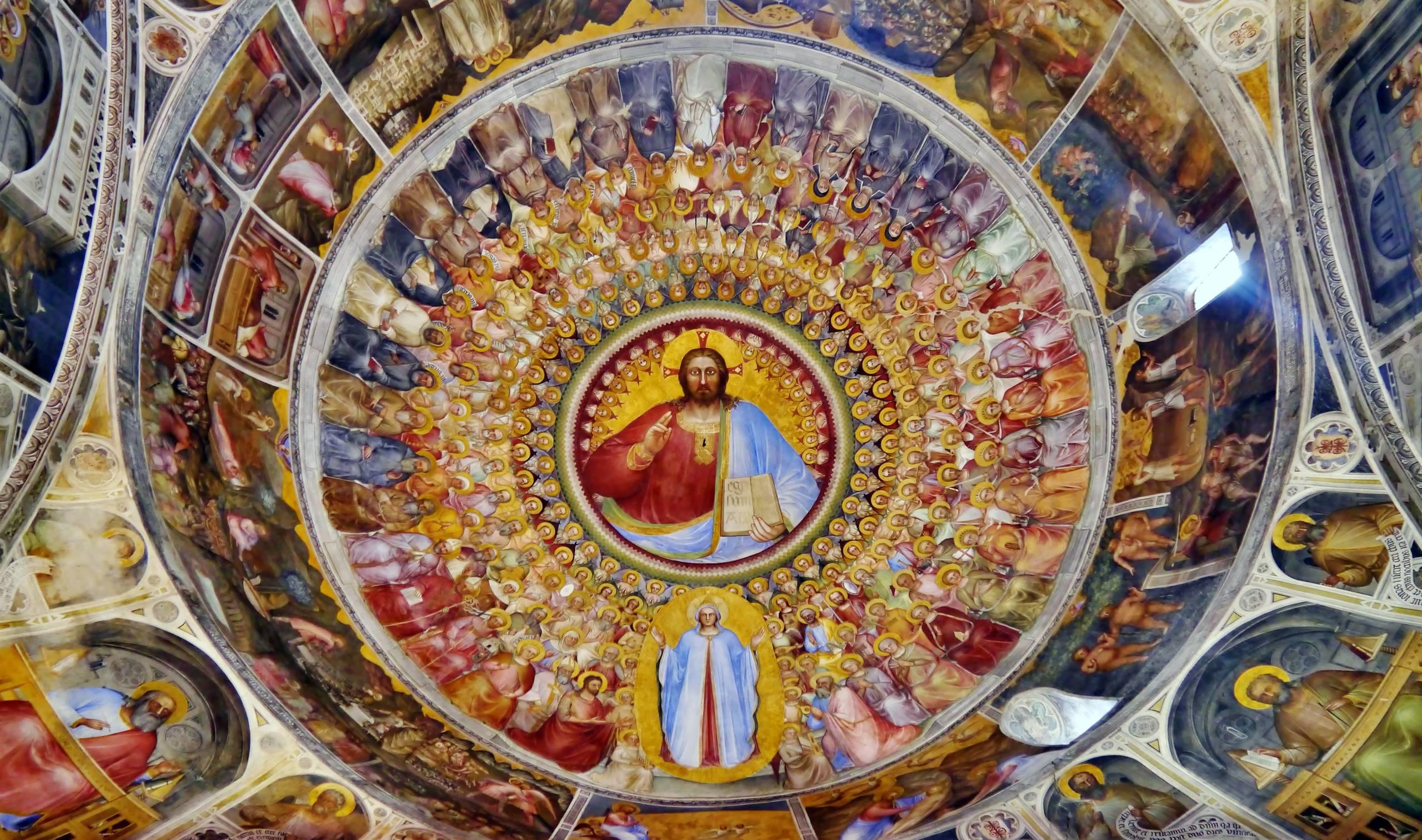
A visit to the religious Padua of the thirteenth century, which includes the Baptistery of the Cathedral and the Bishop’s Palace. Visit inside the Baptistery dedicated to San Giovanni, a Romanesque building that preserves one of the most important fresco cycles by Giusto dei Menabuoi from Giotto, part of the Urbs Picta circuit, now a UNESCO World Heritage Site. A true theological summa beautifully described by a great interpreter of painting of the fourteenth century in Padua.
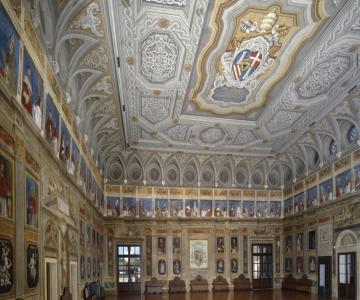
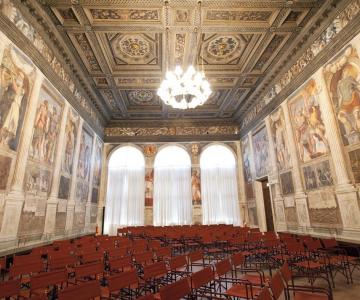
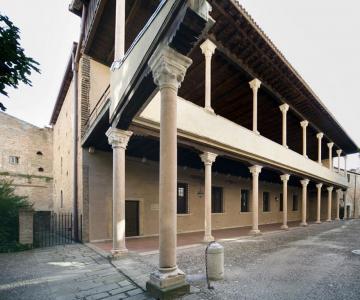
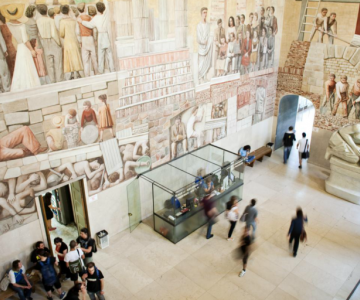
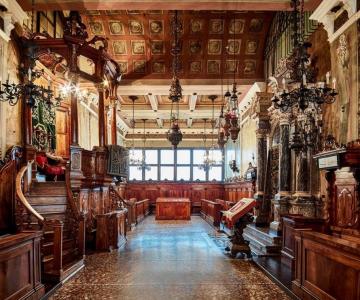
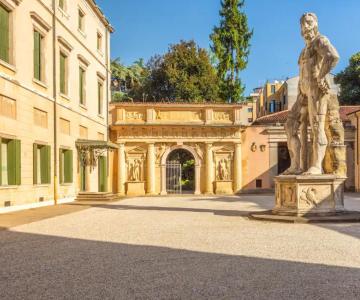
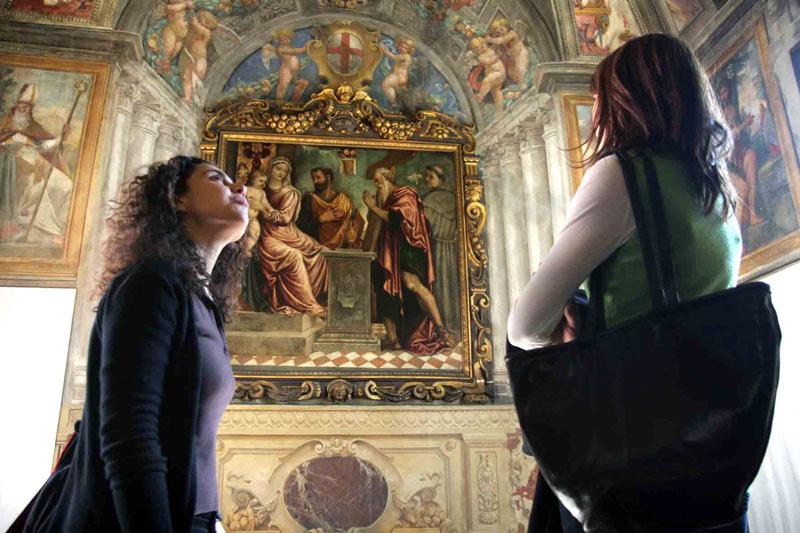
Then you will visit the inside of the Bishop’s Palace built in the 15th century next to the city’s cathedral. Here is the Diocesan Museum, set up in the prestigious rooms of the Bishop’s Palace (1309), which covers an area of over 2000 square meters. The Museum was established in 1973 under the name of Museo Diocesano d’Arte Sacra San Gregorio Barbarigo. The Diocesan Museum in Padua presents on the upper floor of the Palazzo Vescovile, overlooking the Salone dei Vescovi (completely frescoed and recently restored), twelve rooms dedicated to the permanent exhibition of works illustrating the richness of the historical and artistic heritage of the Church of Padua: works of painting, sculpture, goldsmith and sacred vestments from the entire territory of the Diocese of Padua. On the lower floor, in the hall dedicated to San Gregorio Barbarigo, formerly called the “doctors' room”, where the bishop chancellor of the University conferred degrees to students (and now the site of temporary exhibitions), there are periodically exposed codes and incunabula from theBiblioteca Capitolare di Padova. These include the fourteenth-century manuscripts Antifonari della Cattedrale, important for their artistic proximity to Giotto’s painting in the Scrovegni Chapel. Today, the appearance of the hall is affected by an arrangement of the end of the nineteenth century, which has collected on the walls coats of arms, busts and inscriptions from the different rooms of the building, however, traces of the fifteenth century decoration entrusted by Pietro Barozzi to Jacopo da Montagnana and his collaborators are still clearly visible.
The end of the tour is scheduled for 6.15 p.m.