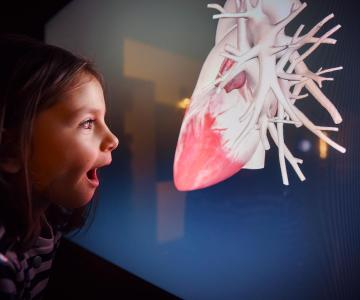
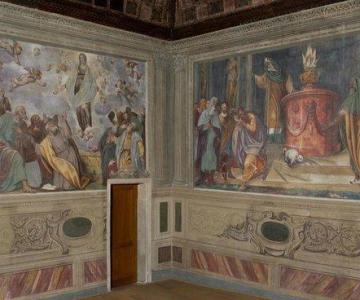
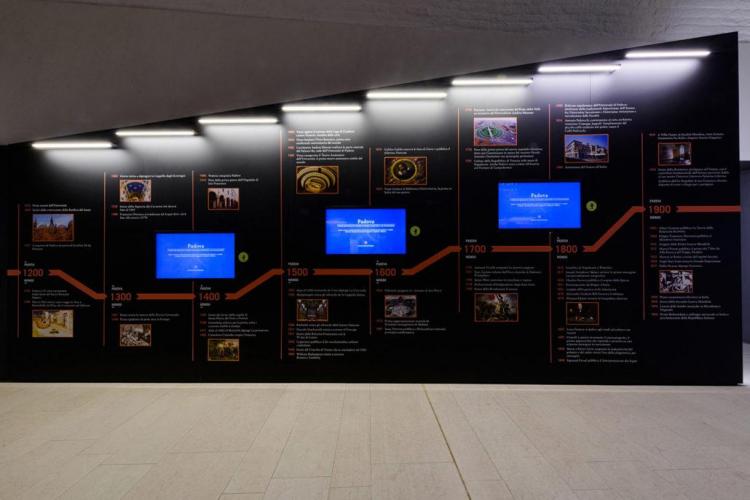
“Modern Medicine” was born in Padua, and the University of Padua was, between the 15th and 16th centuries, the birthplace of the Scientific Revolution, especially in the medical field. The process that led to this achievement began in antiquity: a succession of scientific discoveries and revolutions, studded with successes but also with changes of direction and perspective.
During this guided tour it will be possible to retrace this process and dive into the history of medicine to better understand the knowledge we have today.
At the beginning of the Renaissance, a Medicine proposed by Hippocrates (5th century B.C.) and Galen (2nd century A.D.) was still being taught and practiced throughout Europe, based on a view of the human body founded on analogies with the ancient image of the cosmos rather than on the observation of human anatomy and physiology. Starting from this way of considering Man and his body, astrological theories also made their way into Medicine over the centuries, both in the interpretation of pathologies and in therapeutic choices.
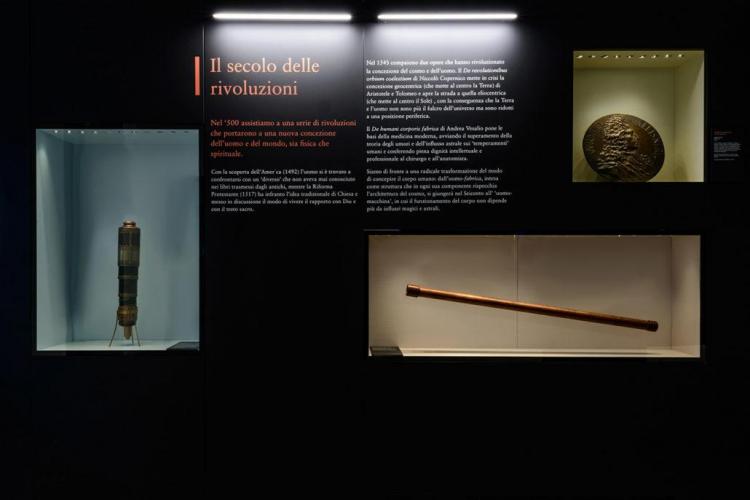
Between the 16th and 17th centuries, a new way of doing science emerged in Europe. Many scientists begin to question Aristotle's ipse dixit and blind trust in the great authorities of the past by giving greater importance to direct experience. The scientist most representative of the change in perspective is Galileo Galilei. It was he who made explicit in this very city a new method, the “experimental scientific method.”
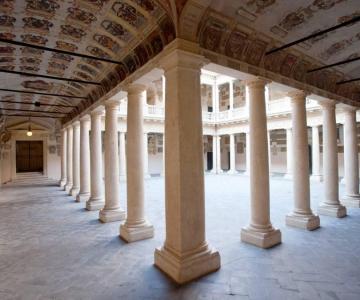
In Padua, therefore, thanks to the freedom given by the Republic of the Serenissima, students and professors could enjoy not only extraordinary freedom of thought and research but also could apply this new didactic method, which was based on direct observation and clinical practice, leading to great discoveries concerning Anatomy, Physiology, Pathology and Therapy.
Duration: 1 hour
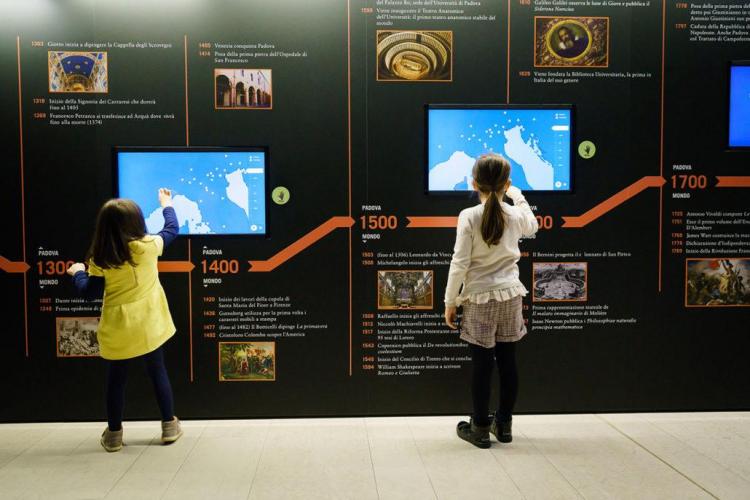
Museum of History of Medicine
- Company
- Consorzio di Promozione Turistica di Padova
- Contacts
- Duration
- 1 day
TAKE ME HERE: Museum of History of Medicine