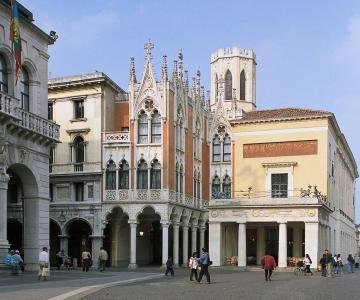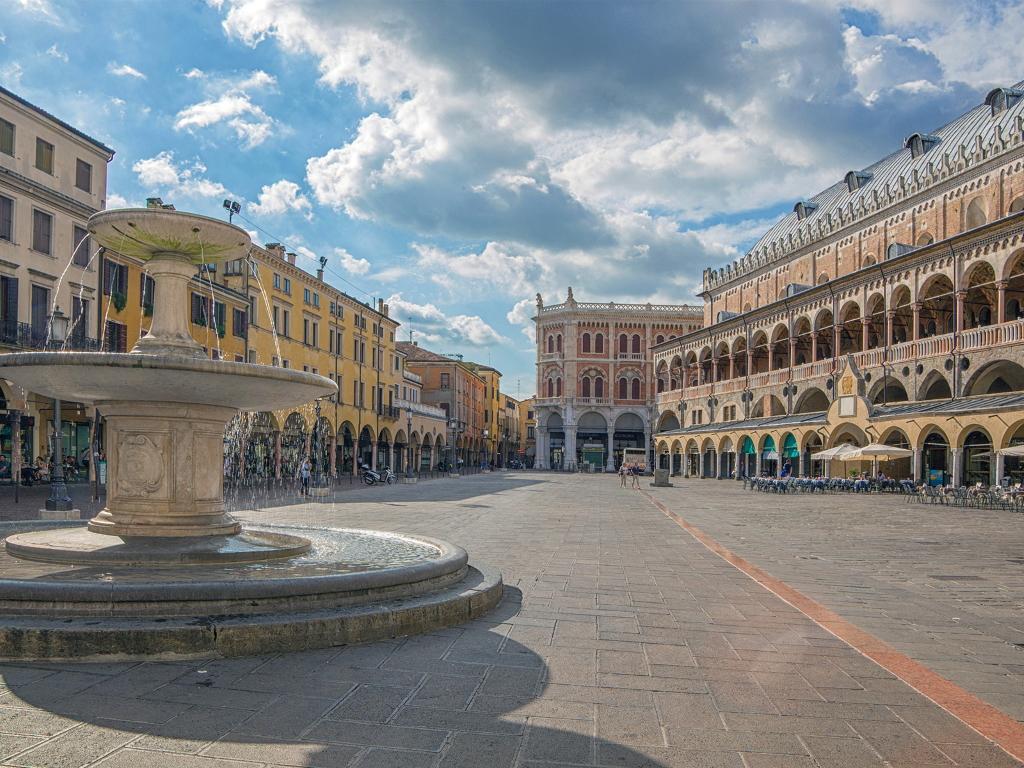
Padua is the ideal city to discover the path taken by humanity in the fields of science, technology, knowledge, and creativity, thanks mainly to the presence of the University, one of the oldest in the world (the second in Italy after Bologna).
Palazzo Bo became the seat of the University starting from the late 15th century.
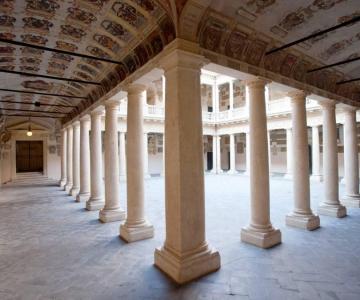
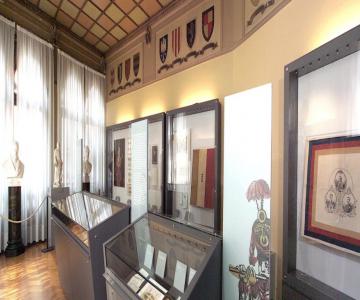
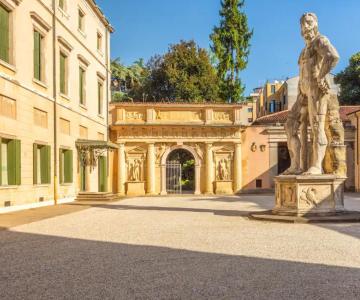
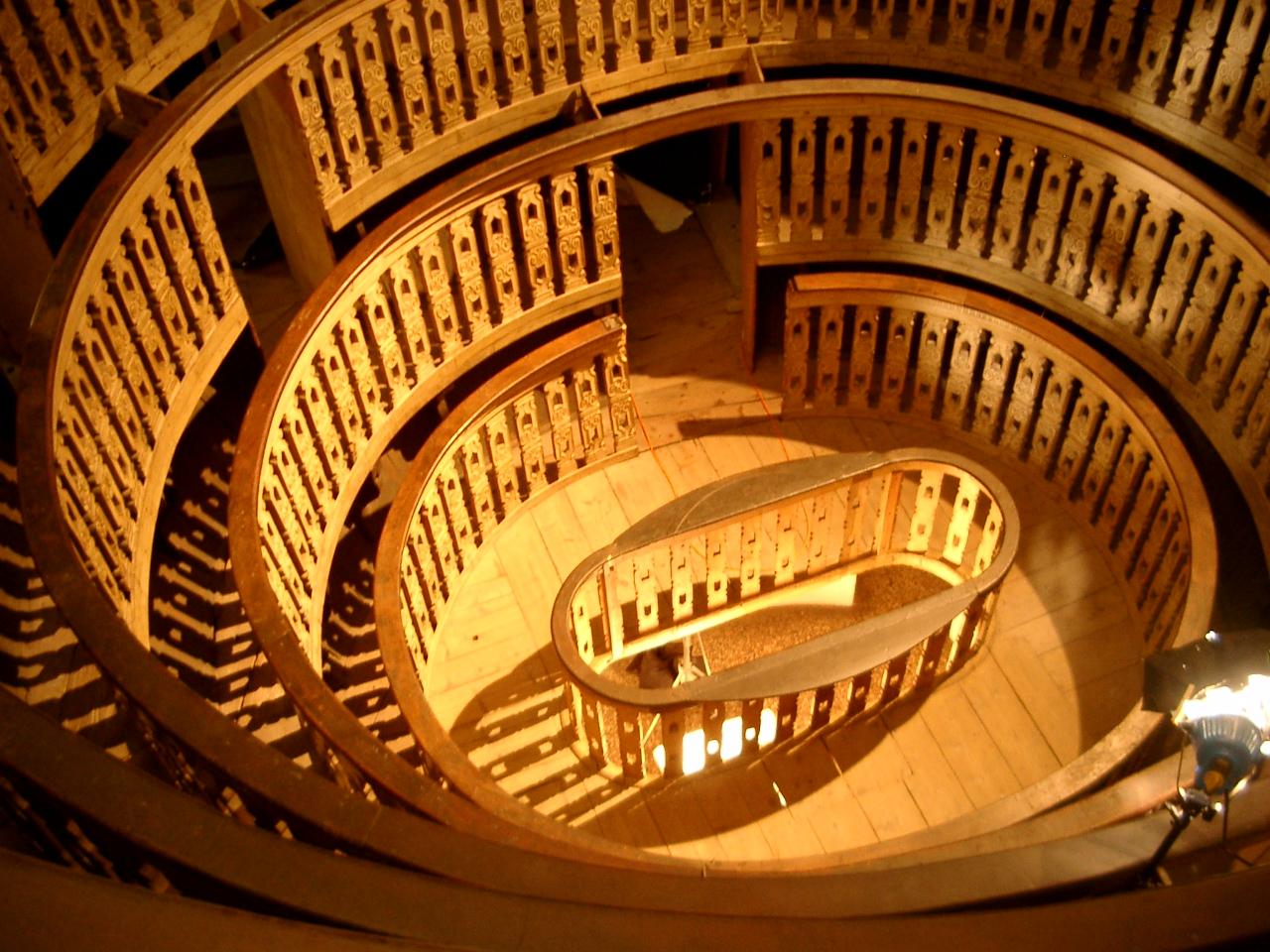
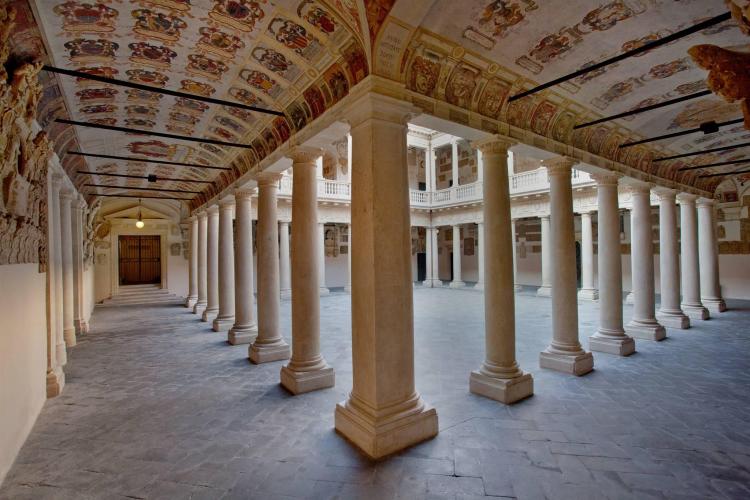
Of great architectural interest is the Ancient Courtyard (mid-1500s) by Andrea Moroni that we will visit, illustrating from the courtyard the other historical excellences of the Palazzo del Bò that we will not visit, such as the Hall of the Forty, where Galileo's chair is preserved; he taught in Padua from 1592 to 1610, the Great Hall rich in coats of arms and decorations, and the famous anatomical theatre of G. F. d'Acquapendente, the oldest permanent anatomical theatre in the world (1594).
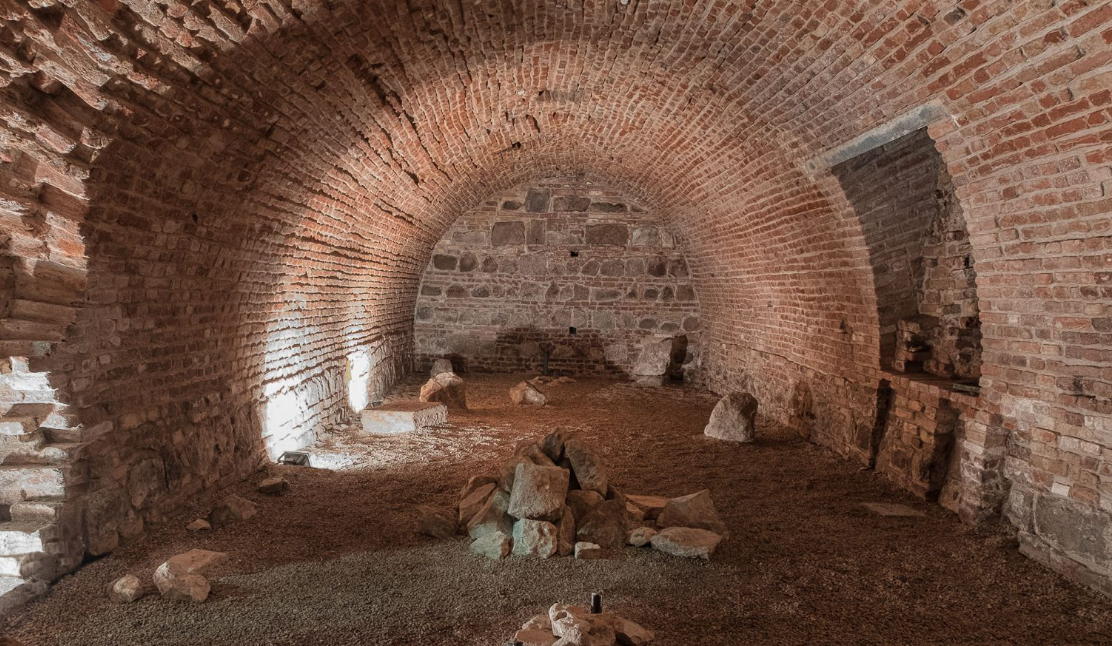
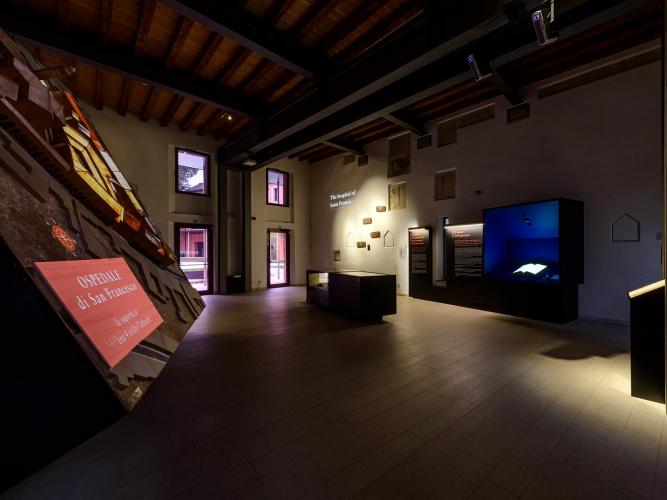
And in the ancient heart of Padua, in the old 15th-century building that was home to the first Padovan hospital of San Francesco Grande, we find the Museum of the History of Medicine, a complex that tells the extraordinary journey of Medicine from ancient discipline to modern science, with particular attention to the history of the Padovan medical school.
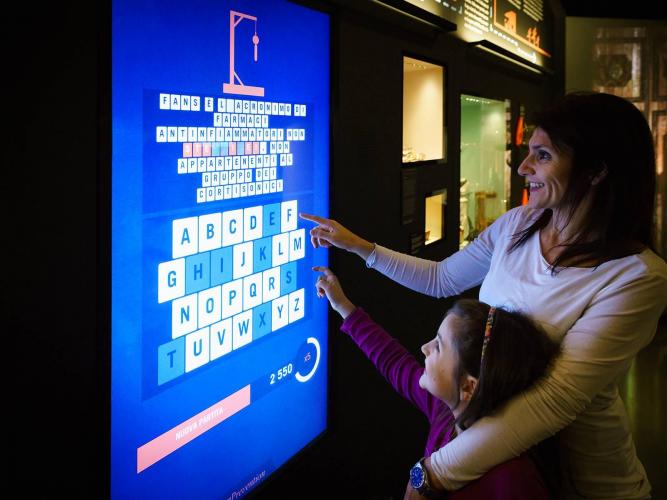
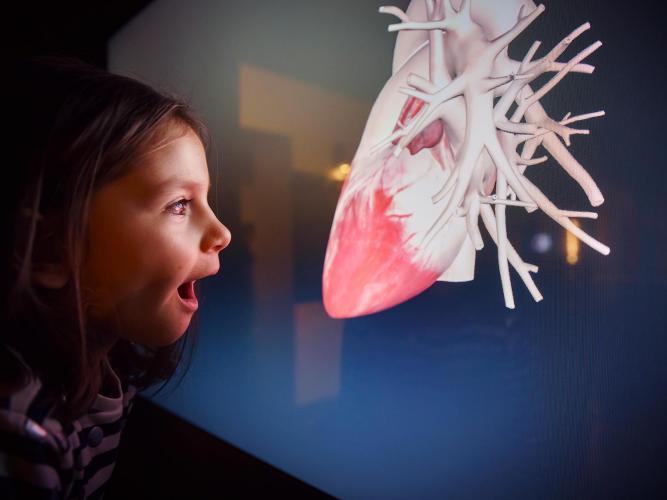
It is a next-generation museum that reveals, through state-of-the-art technology and the possibility of visitor interactions, the secrets of the human body and the extraordinary journey of Medicine from ancient discipline to modern science.
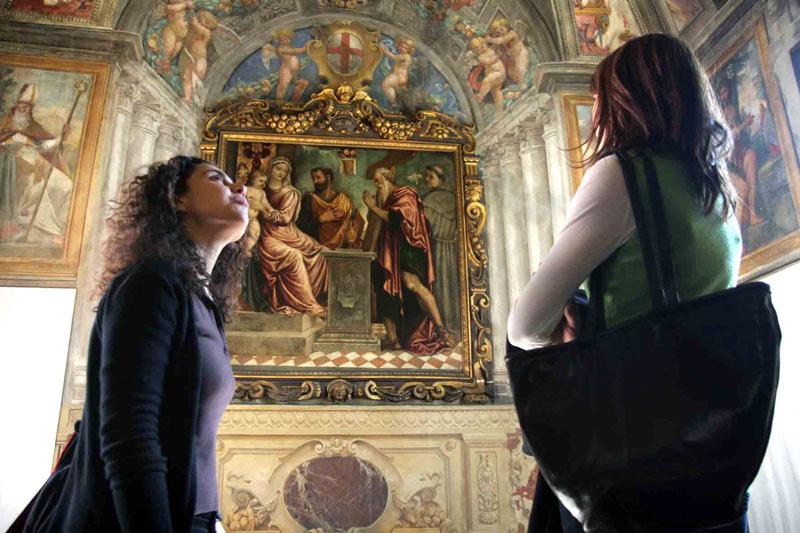
An emotionally impactful guided tour.