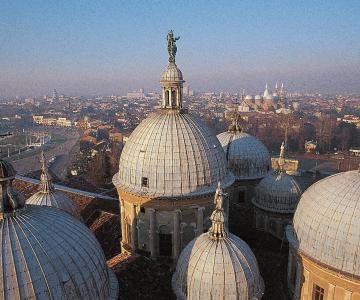
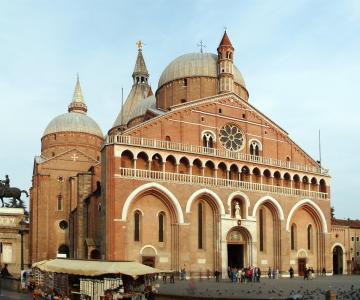
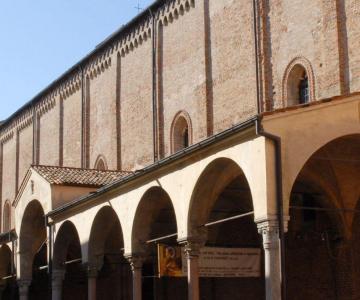
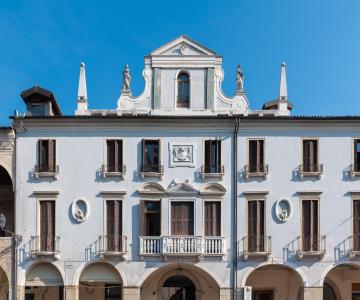
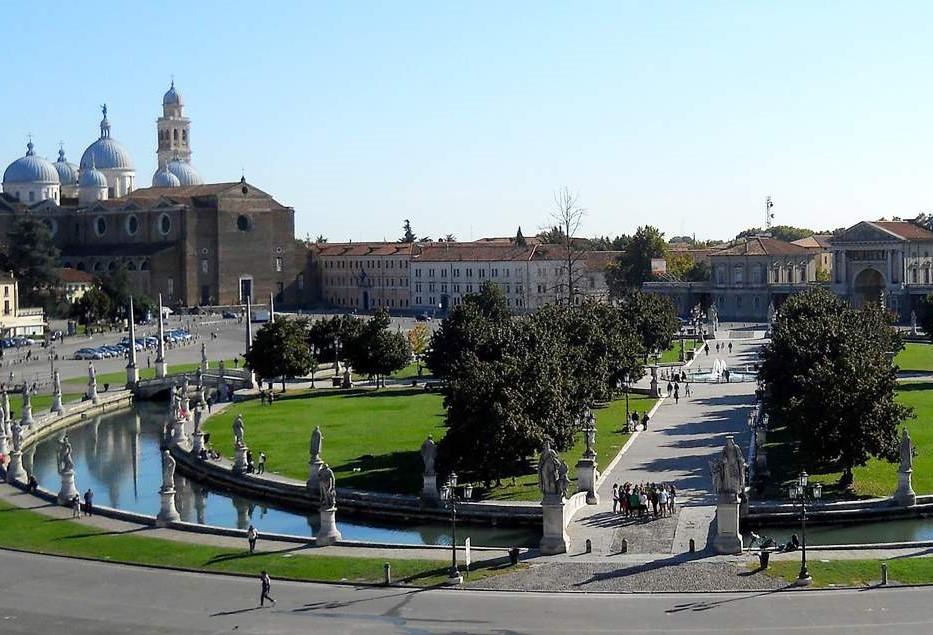
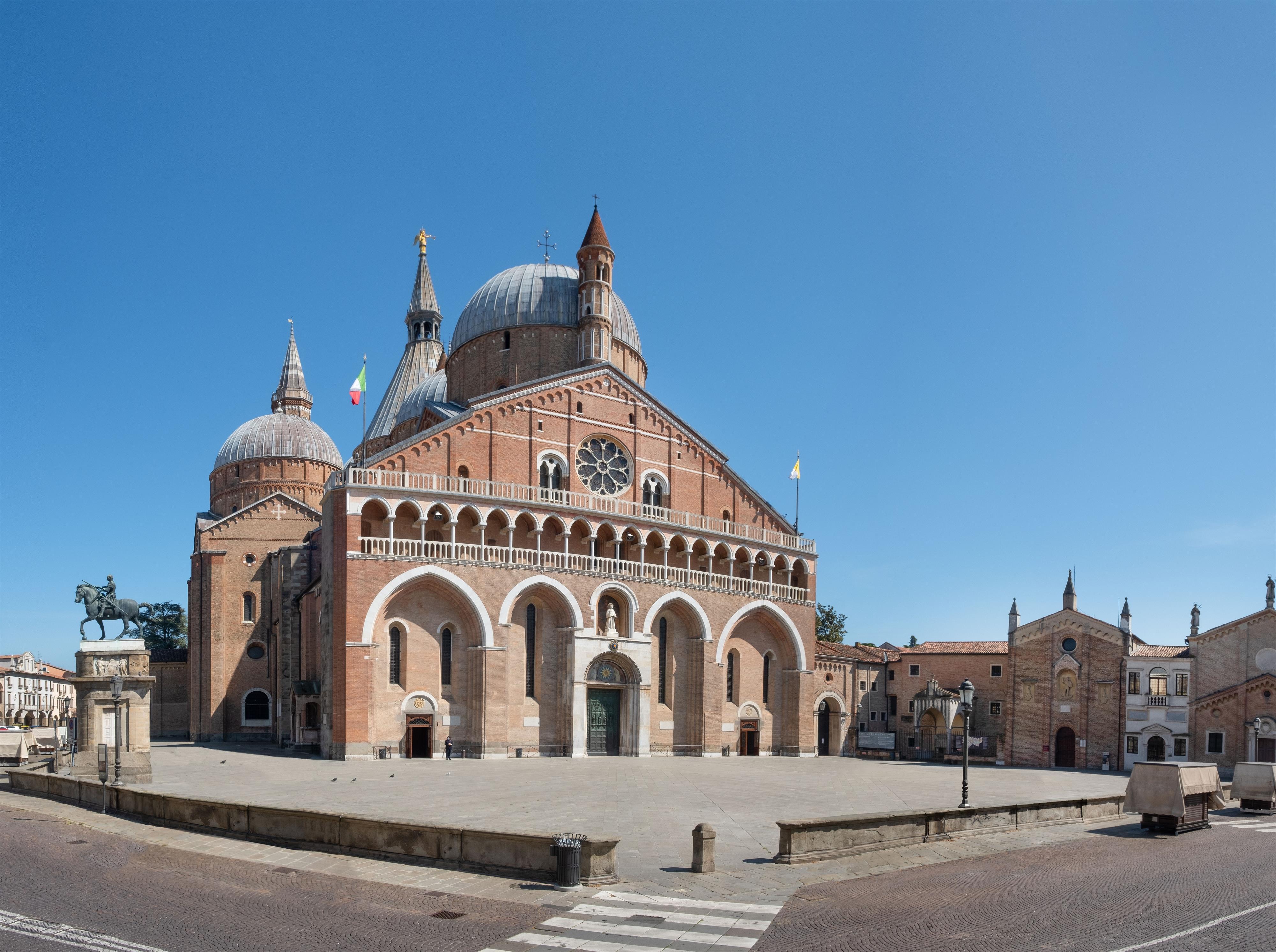
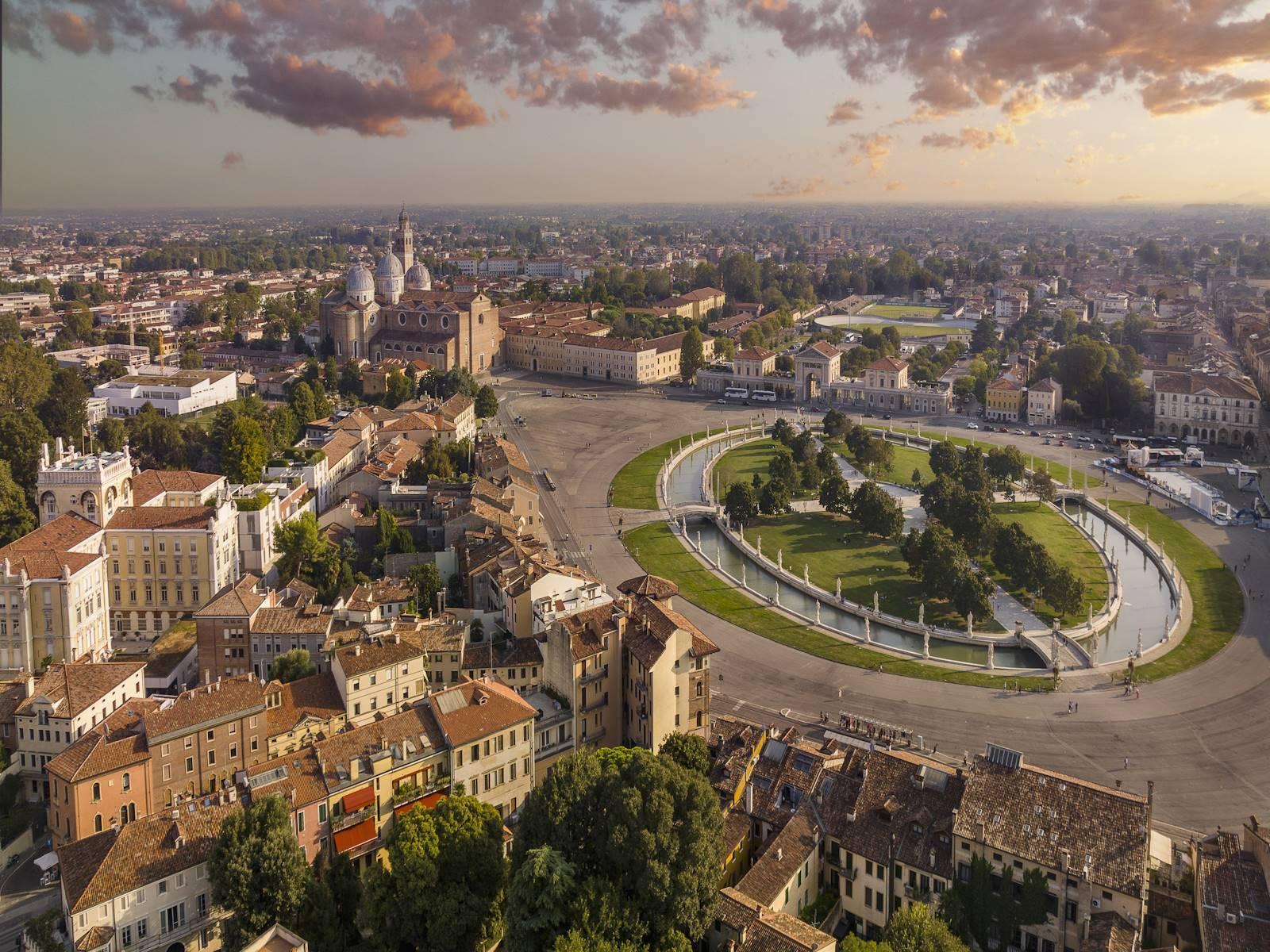
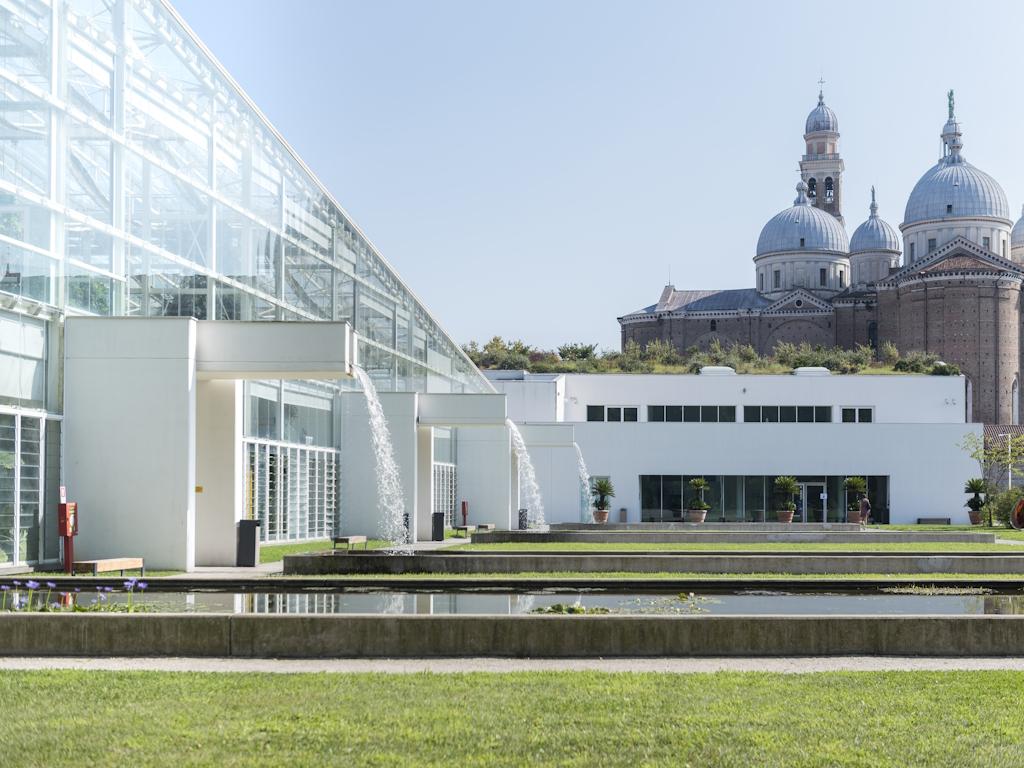
The imposing building of the Basilica and Monastery of St. Justina stands on the site of a Roman-era cemetery area and is an important witness to early Christianity in Padua.
The first Christian martyr of Padua, St. Justina, was buried there, and its interior houses the remains of St. Prosdocimo, the first bishop and evangelist of our territory, and St. Luke the Evangelist.
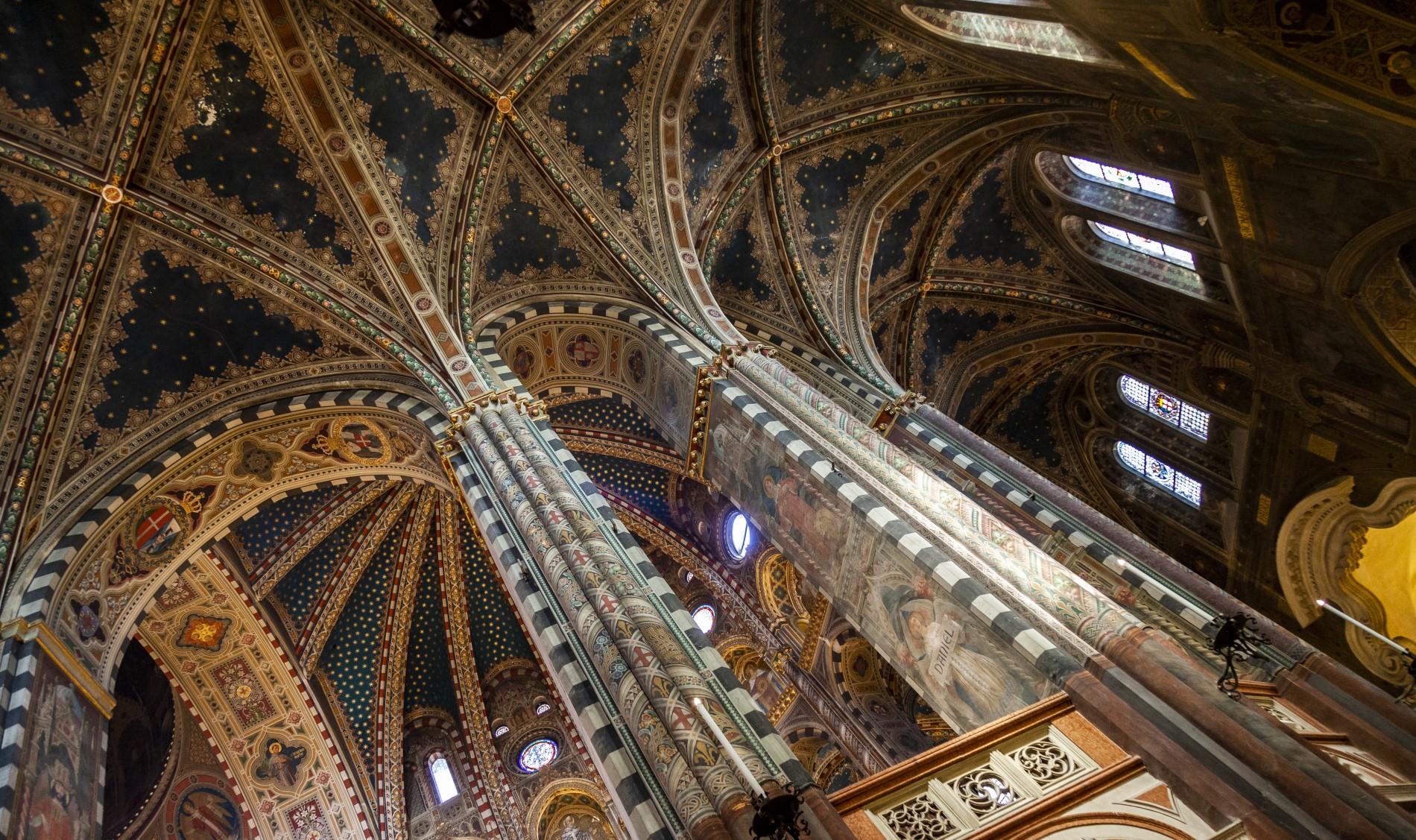
The Benedictine community, established starting in the 8th century, alternated moments of great spiritual fervor with dark periods and vocation crises, but was able, in propitious times, to seize opportunities to make itself the promoter of great and important architectural and decorative works, commissioning artists of wide renown to enrich the basilica and the adjoining monastery.
The visit will enable visitors to grasp some aspects of the historical events of the basilica and the community of monks, and will bring them into contact with the profound spirituality of the Rule and the daily life of the monastic community.
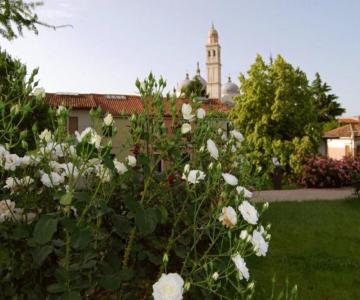
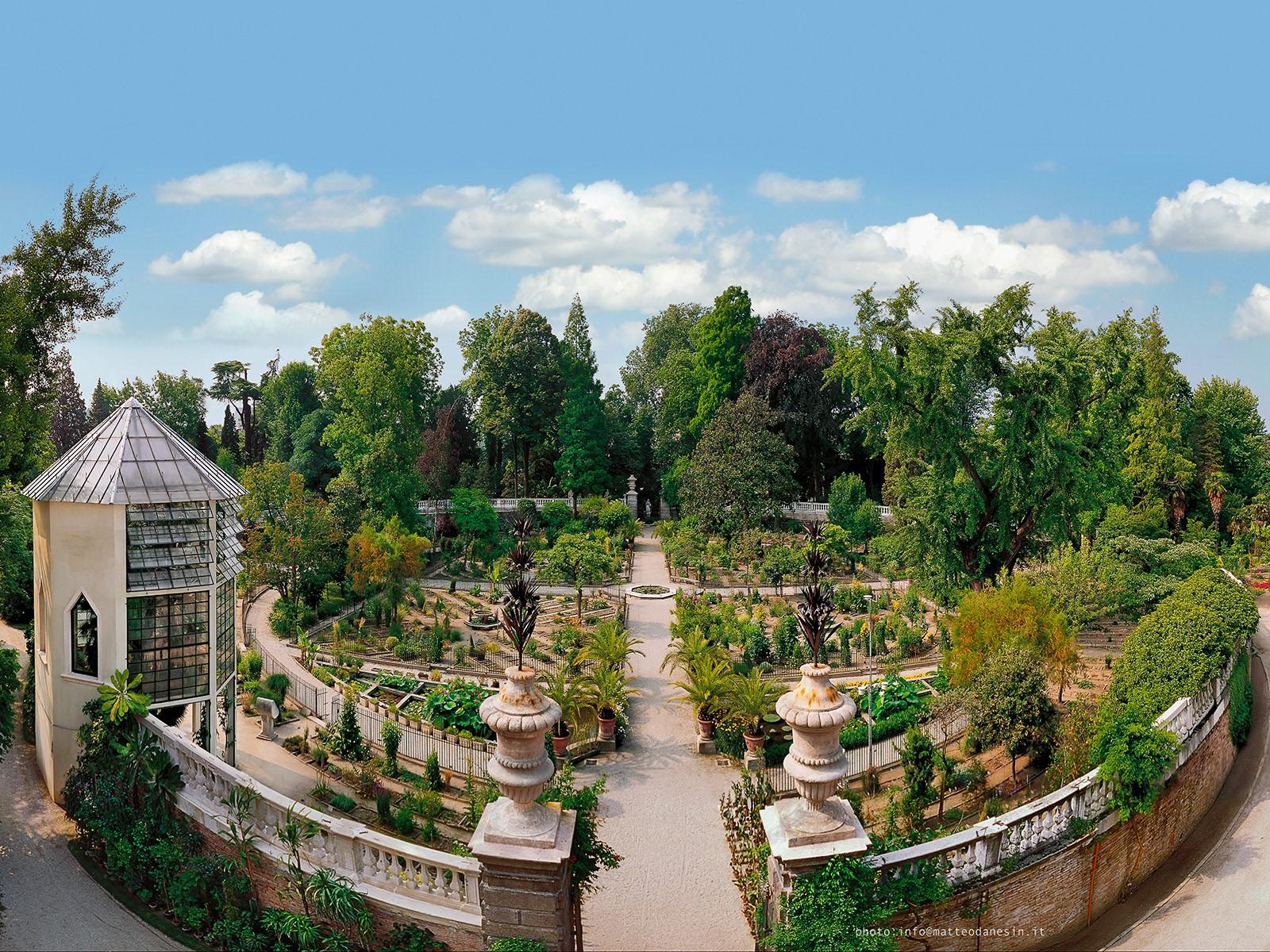
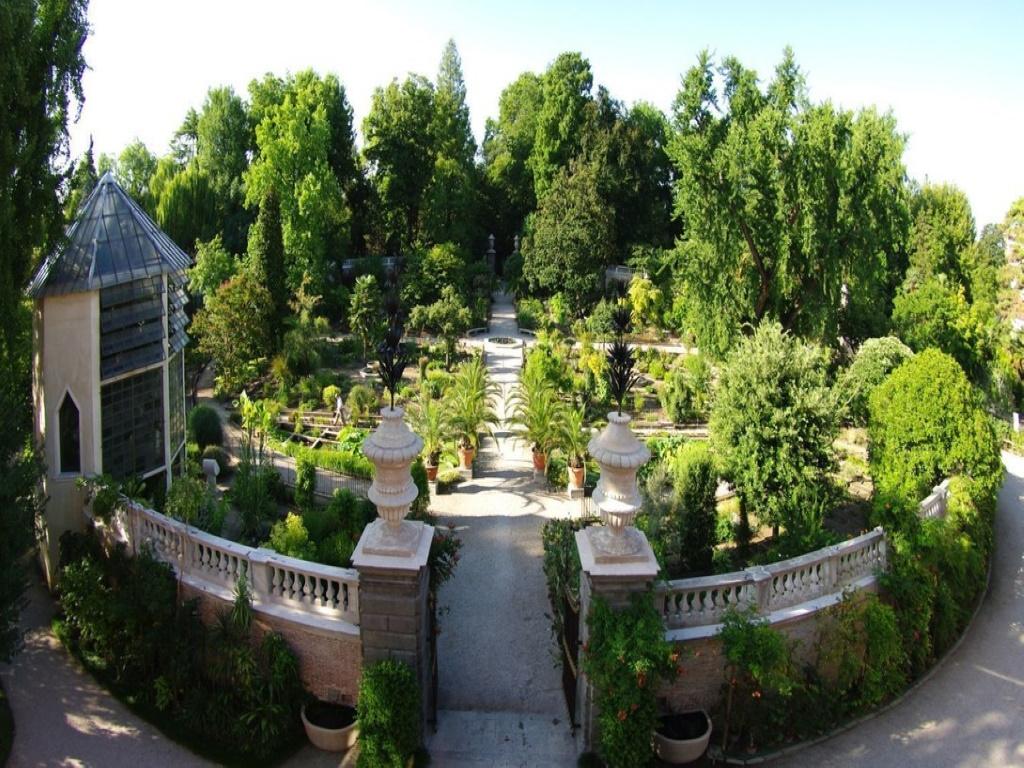
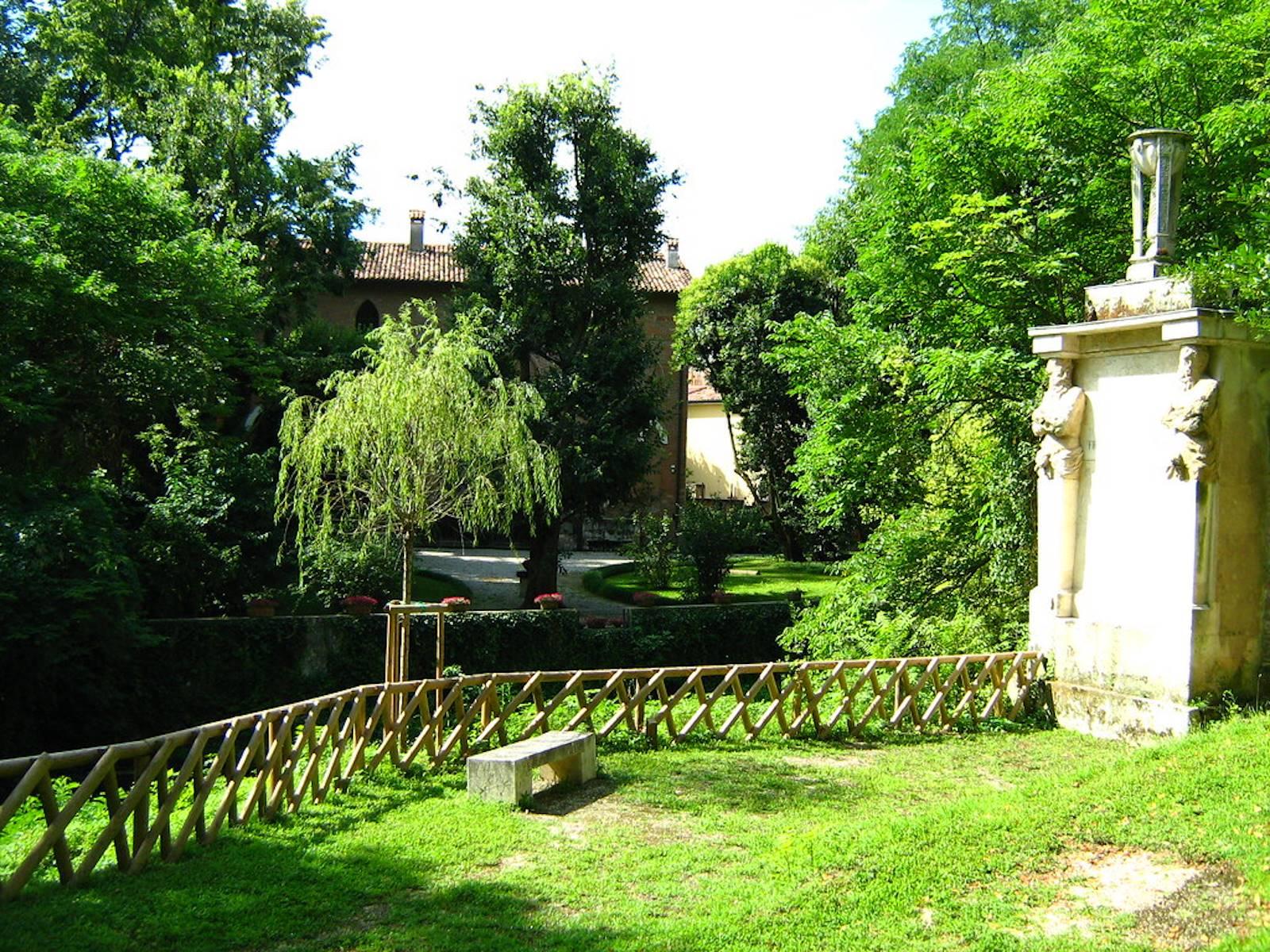
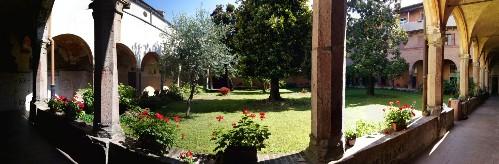
The centerpiece of monastic life is the cloister, a space enclosed by porticoes, immersed in silence and open to heaven and light, as a place of communion and intimate dialogue between God and man. The cloister encloses within it a secret garden, a small paradise, where nature, cultivated plants, water from fountains and wells take us back to the harmony and beauty of the Eden of Genesis.
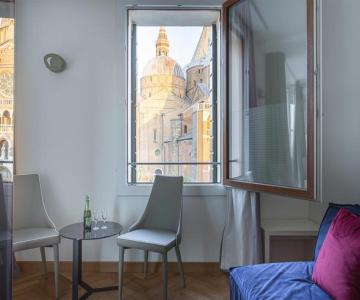
The tour itinerary winds through the interior of the Benedictine monastery, with visits to the Chapter Cloister, the Novitiate Cloister and the Parent Cloister in an atmosphere of great suggestion from the unprecedented glimpses of the majestic domes and external architecture of the monumental basilica.
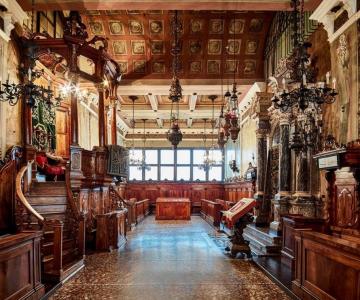
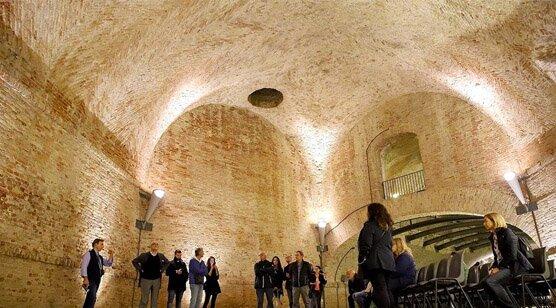
There will also be access to the interior of some private rooms of the monastery, which will be opened exclusively, used in the daily routine of Benedictine life or on special occasions, such as the Monumental Refectory, the Chapel of St. Martin and the Hall of St. Luke.
Duration of the tour: 1 hour and a half


Monastery of the Basilica of St. Justine
- Company
- Consorzio di Promozione Turistica di Padova
- Contacts
- Duration
- 1 day
TAKE ME HERE: Monastery of the Basilica of St. Justine