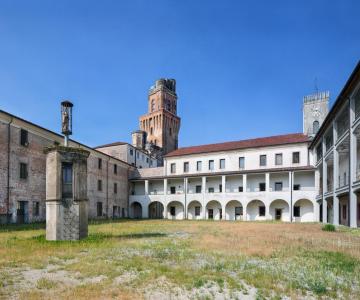
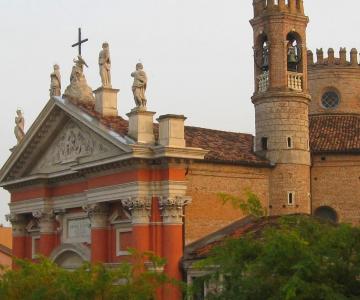
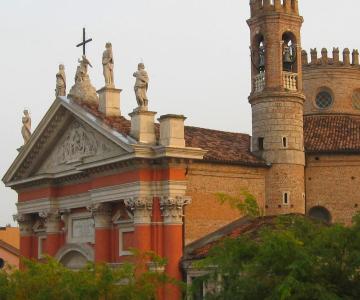
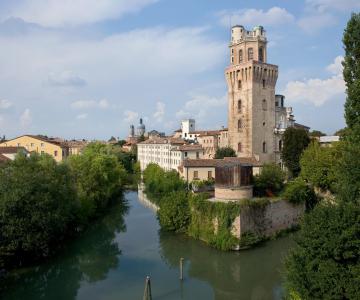
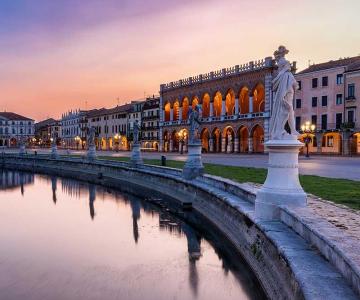
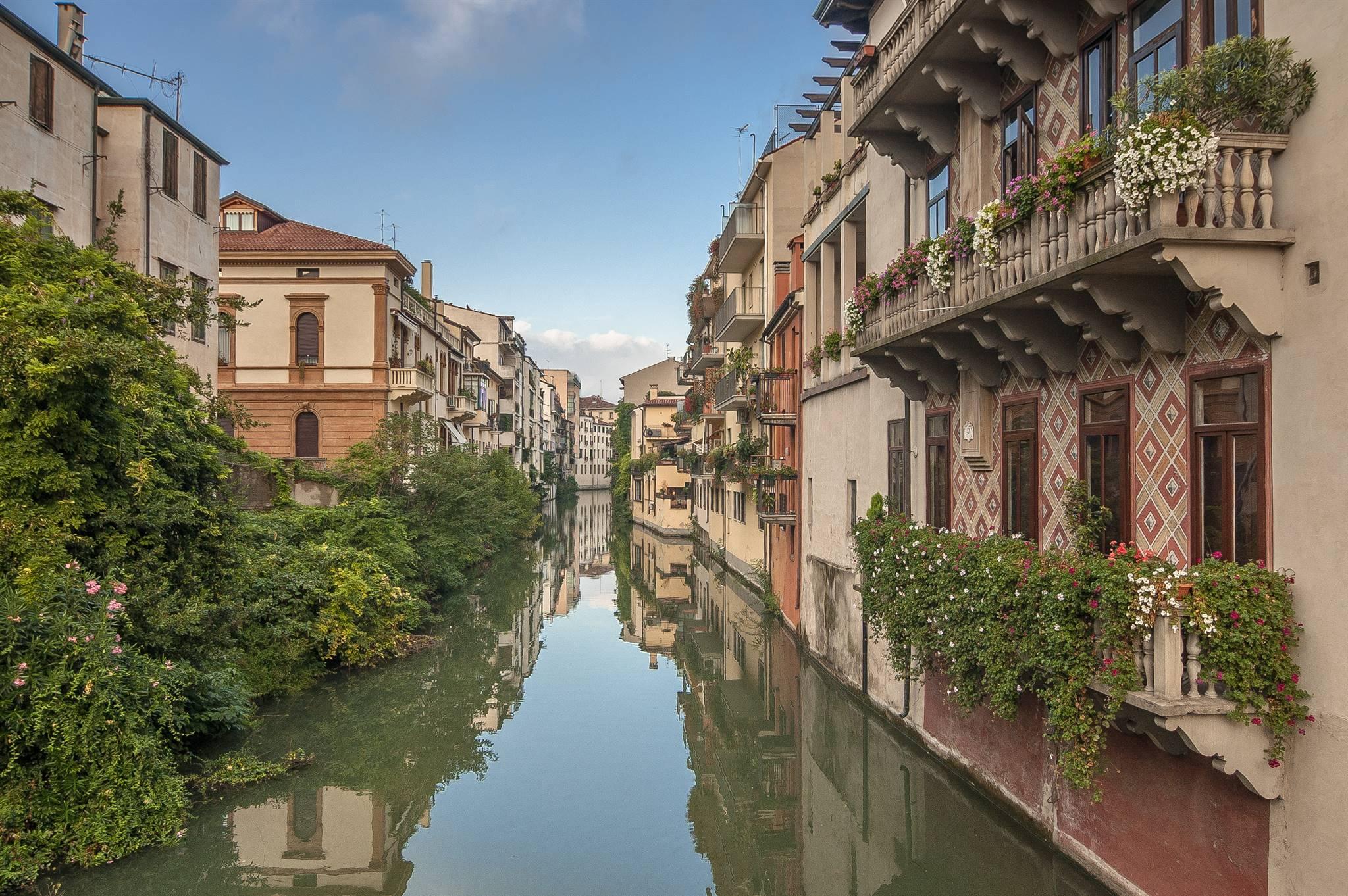
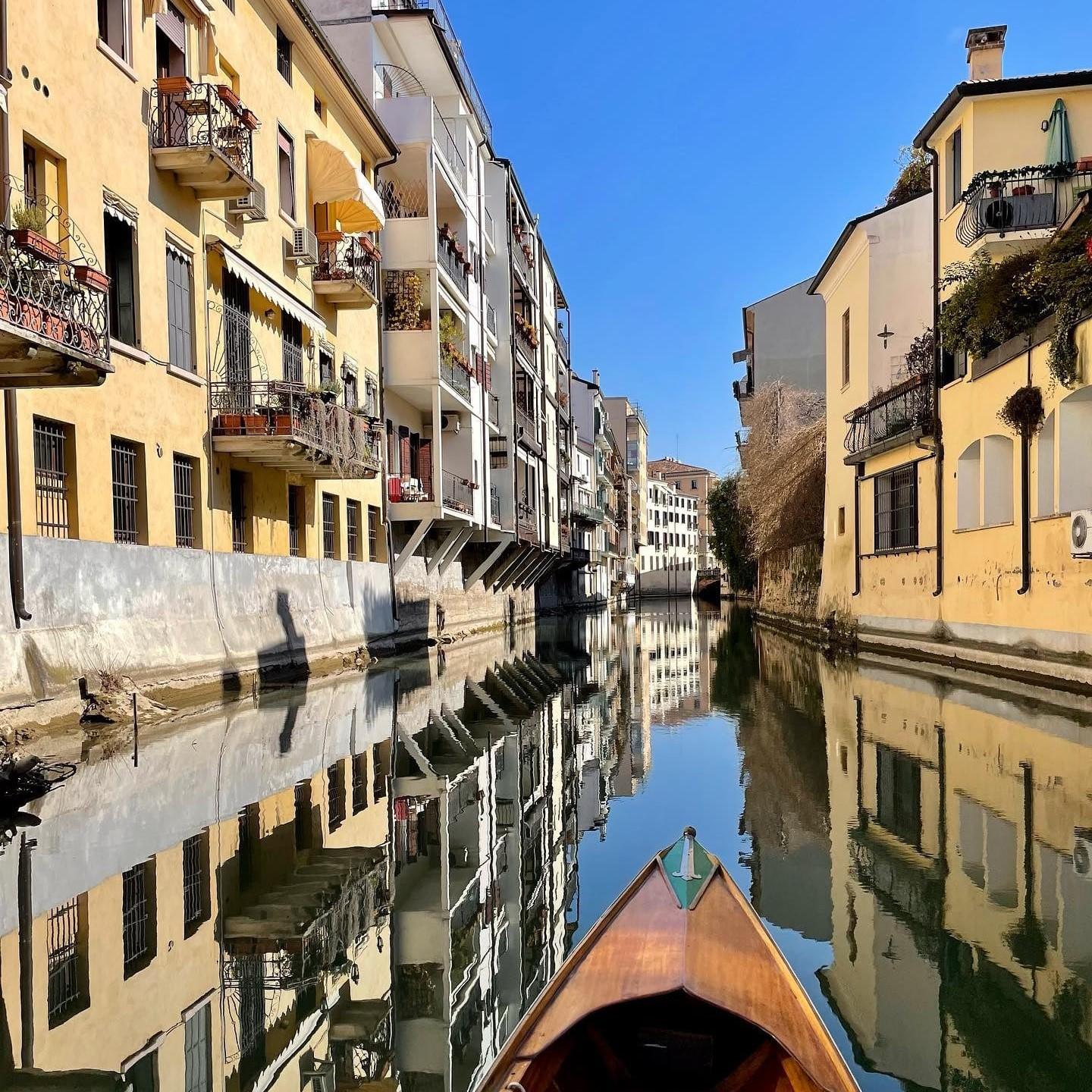
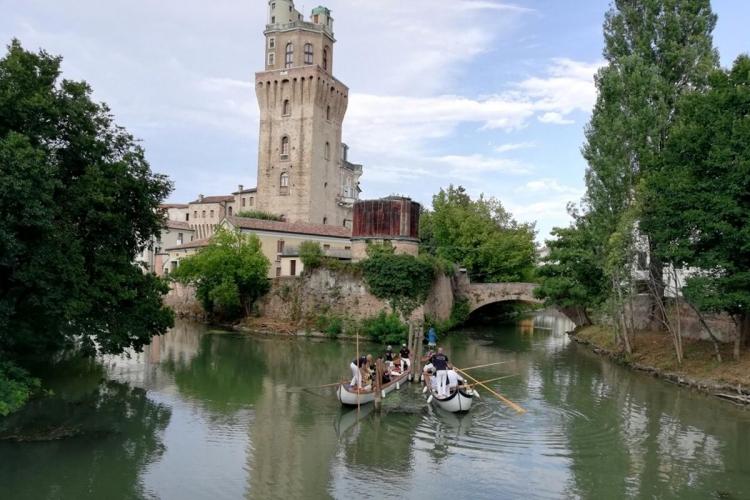
A fantastic and evocative guest rowing trip aboard a Caorlina rowboat propelled by 4 experienced rowers from Rari Nantes.The route includes an exciting navigation, from the Specola Tower to the Torricelle Bridge, navigating an ancient route among the palaces and admiring scenery and corners of the city mostly unknown to all.
Recall how, once upon a time, the Bacchiglione river, entering the city at Bassanello, from the Saracinesca Gate, forked into two branches in front of the Specola, running along the ancient medieval walls, and then rejoined in the area of today's Ponte Molino, creating a veritable river insula that defined the boundaries of the ancient city.
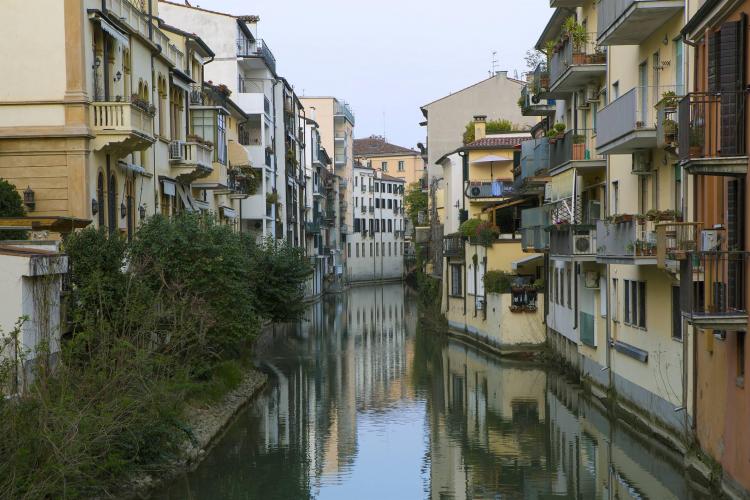
The right branch, called the Inner Canal, ran from the Specola Tower toward the Torricelle Bridge. This first stretch, in all likelihood, was an artificial excavation made around the year 1000, creating a clear urban boundary between the medieval City, within it, completely surrounded by water and, the largely marshy plain.
In the history of Padua, this first stretch of the Inner Canal was the site of important and historic productive structures in the ancient City.The thickening of river relations in the Veneto territory and the improvement of technologies applied to hydraulics caused, in Padua as elsewhere, many changes in the organization of work and a considerable increase in water-related production structures.
A large milling plant arose at Ponte delle Torricelle, the ancient Molino Grendene: a dozen wheels ground wheat, processed wool, and were used to produce oil. In 1342 Ubertino da Carrara made a special effort in the textile industry by promoting the construction of new wool cloth factories and establishing exemption from taxes and encumbrances. He granted possession of land near the mills of the Torricelle bridge to two Florentines so that they could manufacture gualchiere (woolen cloth factories) there.
The gualchiere were the places equipped for washing with water and soap, or by means of a special clay soil. And just downstream of the San Gregorio Barbarigo Bridge, located approximately halfway between the Specola and the Torricelle, there was the so-called "Riviera delle lavandare", an embankment devoid of buildings where the washerwomen took their cloths to be washed, as evidenced by period photos.
Until the 1960s in front of the present police headquarters were still the ancient Molini Grendene, which originated from the mills built in the 13th century at the point where the Santa Chiara Canal was diverted from the Naviglio near the Torricelle Bridge.
After the silting up of the Naviglio they were partly demolished and partly transformed; for years the Mills were the headquarters of the Provincial Treasury Department, in front of the Police Headquarters. Of the old structure remains, incorporated into the new building, the old covered passageway called "delle Gualchiere," joining the Torricelle with Riviera Ruzante.
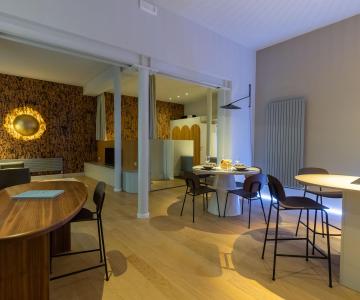
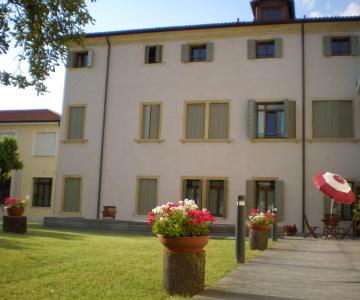
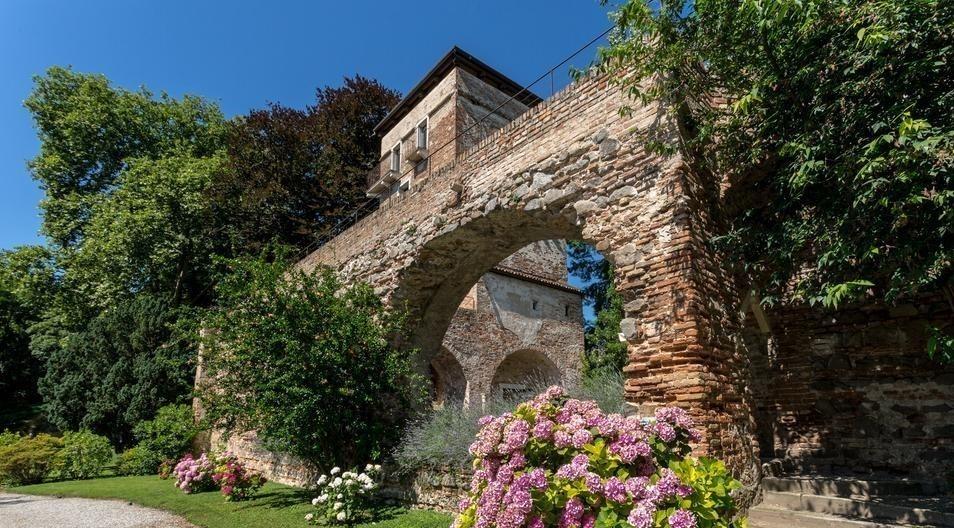
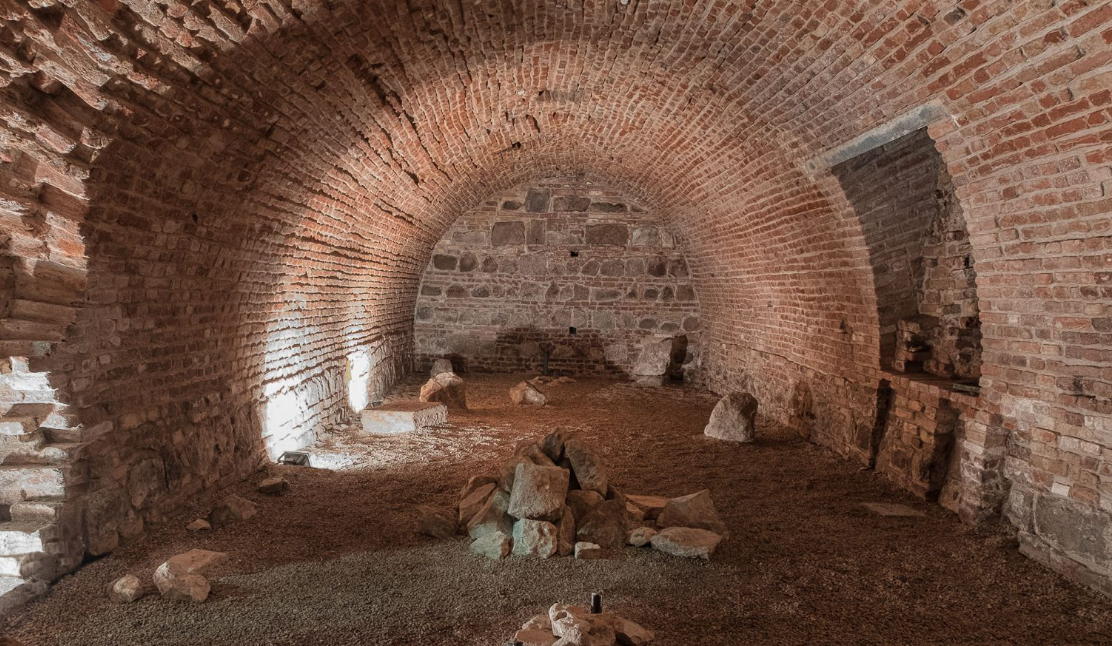
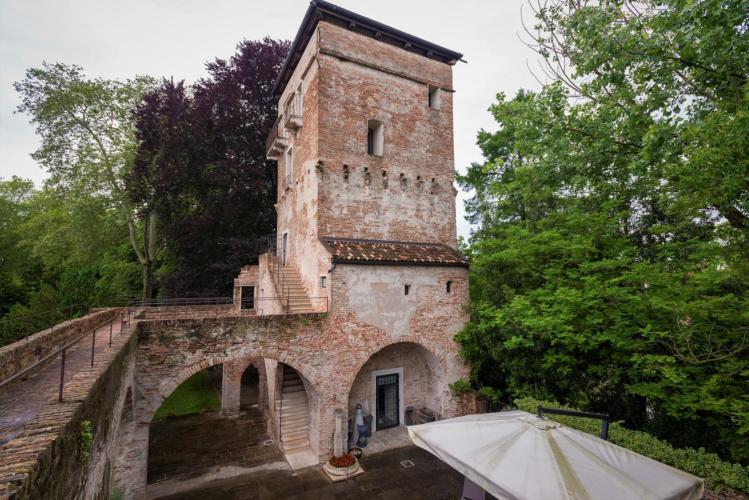
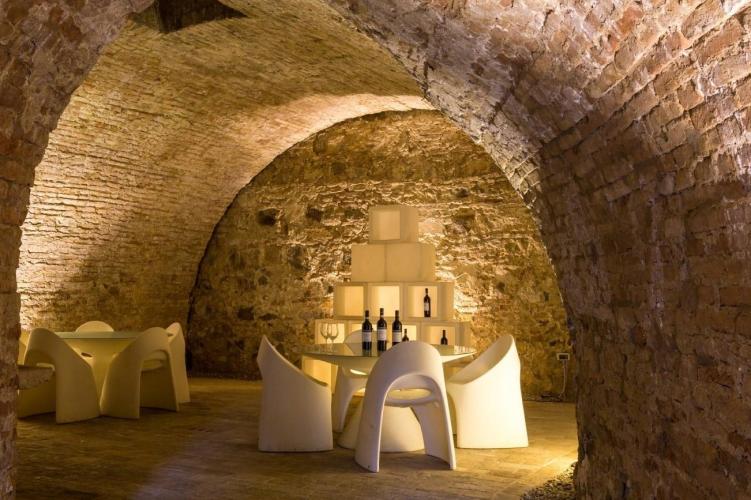
From the Specola we will then disembark at a private landing from which we will arrive in a beautiful garden where we will see the Torre della Catena “Chain Tower” (also known as the Devil's or Executioner's Tower). Here we will be hosted for a wine tasting in the relaxing setting of the park and the adjoining Bastione della Catena.
The Torre della Catena in Padua, also known as the Torre del Soccorso or Torre del Diavolo or as the Torre del Boia, is a defensive bulwark, built in the Carrara era between the 12th and 13th centuries on the Soccorso fortification, which-connected to the Cittadella Vecchia (present-day Piazzetta Delia) - allowed cavalry sorties. In medieval times a chain was lowered from the tower (hence the name Torre della Catena), which, connected on the opposite side of the canal to the disappeared Porta della Saracinesca Vecchia, barred river traffic and thus regulated the entry of boats into the city. Of the wall facing the river, one section is still preserved, stretching for a length of about forty meters, just over a meter high; the other section, relieved by two arches opened in the 1930s, runs at a height of about six meters, by twenty meters in length. The walkway is accessible from the second floor of the Tower, now recovered in all its charm by careful restoration. Incorporated in the Renaissance period into the city walls, it was later called "del diavolo," probably because of the sinister appearance it gave to sailors entering the city as they passed in front of it. Today the Chain Tower is located within the private property of Massimago Wine Tower.
The Soccorso Tower is an ancient defensive structure near the castle of the Carrarese family, the family that ruled Padua from 1318 to 1405. Built between the 13th and 14th centuries, it was part of the first circle of walls that protected the city.The Soccorso Tower, rampart and garden were the protagonists of exchanges, purchases and sales by many important personalities. In 1654 the land was put up for sale and purchased by the Canal family of S. Barnaba, an ancient Venetian lineage. A member of this illustrious family is credited with a heinous crime: the killing of his pregnant wife; this bloody deed, perhaps not occurring in the tower, however, gave the structure the grim epithet of "Devil's Tower." Between 2011 and 2012, major restoration works were undertaken to transform the tower into a hospitality facility and the Bastion into a venue for events related to the tasting of the wines and olive oil produced by the Rossi Chauvenet family in their properties in Veneto and Puglia.
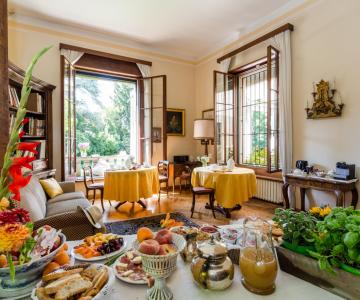
At the end of the tour you can enjoy a delicious tasting with a glass of wine and cicchetti. With the tasting the experience ends and those who wish can return to Riviera Tiso from Camposampiero in a 7-minute walk (approx. 500 meters)
Duration: 2 hours


Rowboat tour and tasting at the Massimago Wine Tower
- Company
- Consorzio di Promozione Turistica di Padova
- Contacts
- Duration
- 1 day