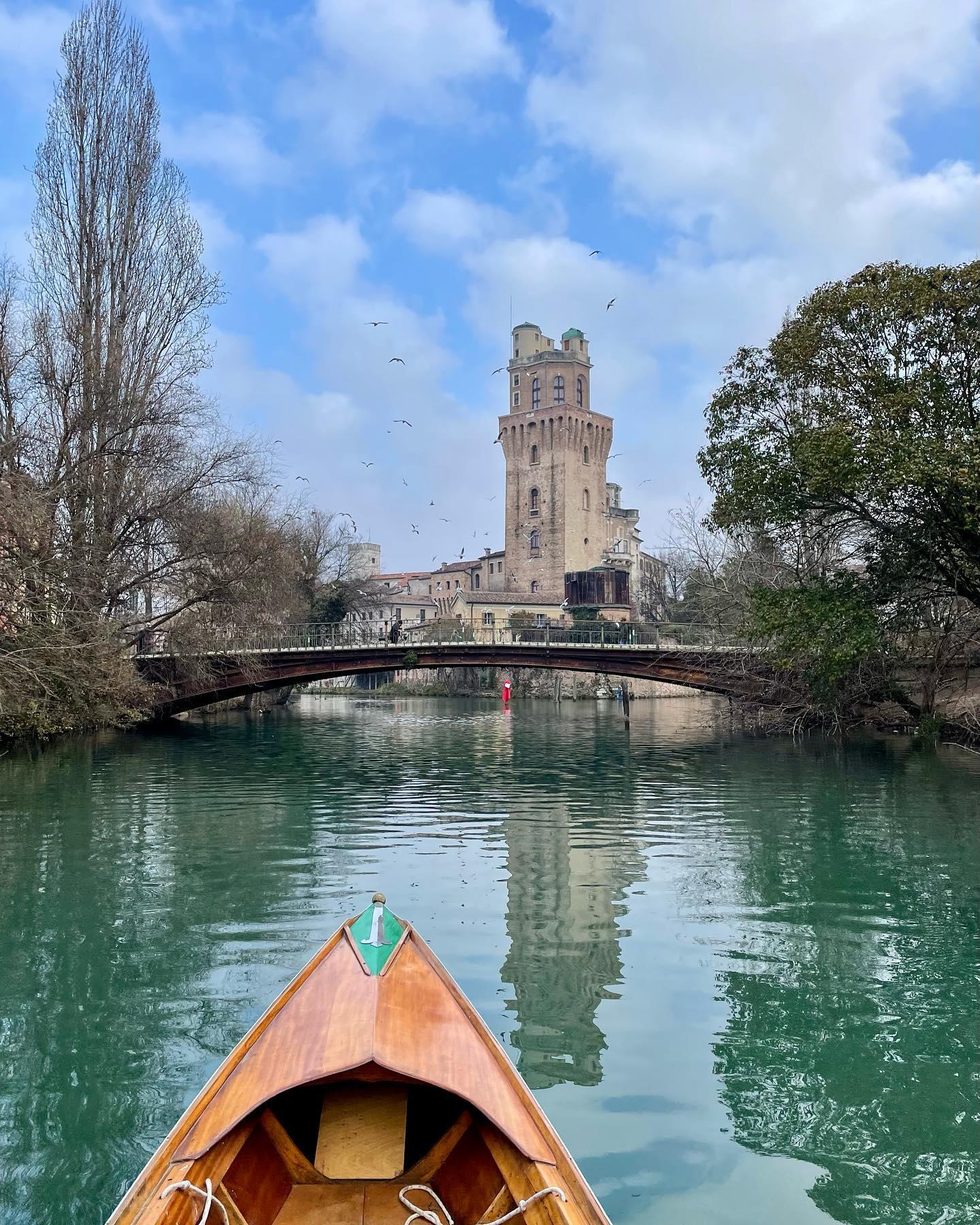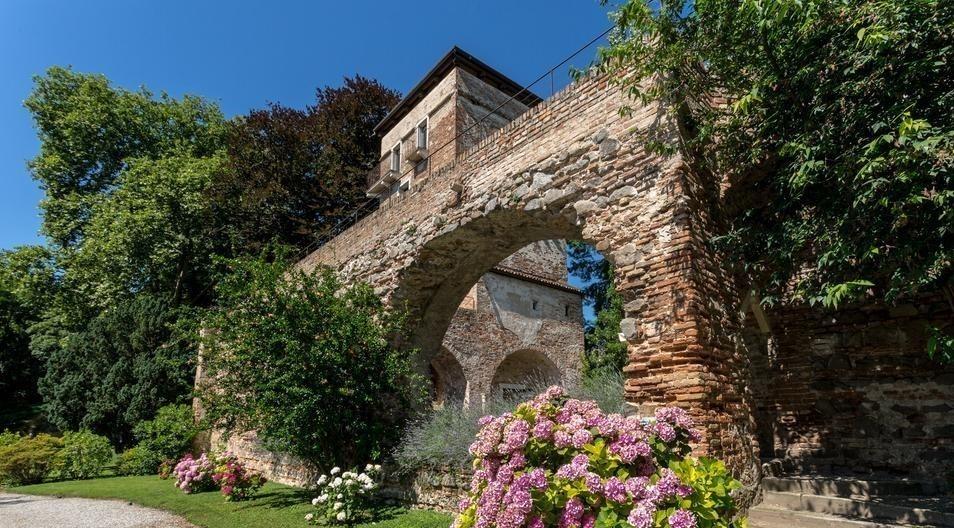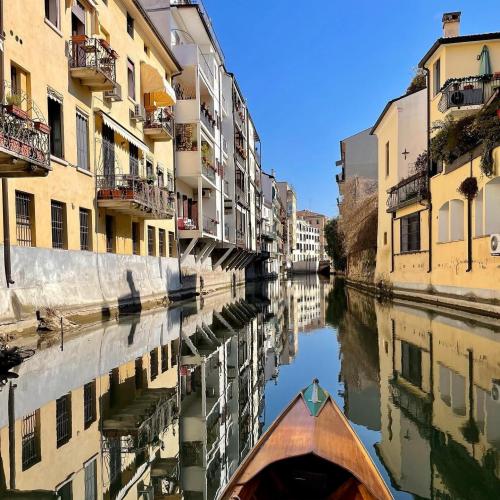
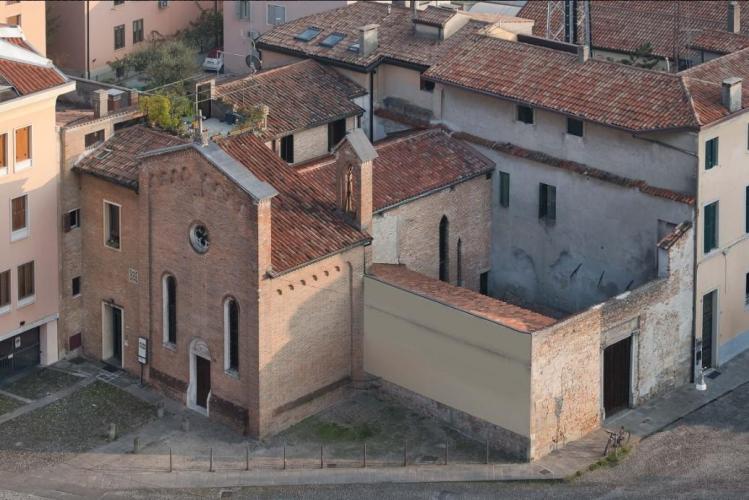
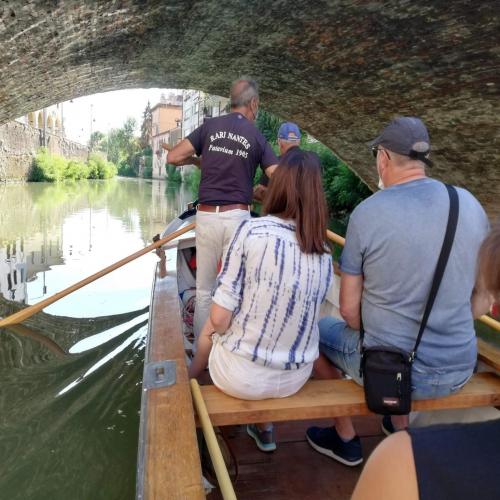

The program includes a visit to the Oratory of Saint Michael and a fantastic and evocative guest rowboat ride aboard a “Caorlina” rowboat propelled by 4 experienced rowers from Rari Nantes company.
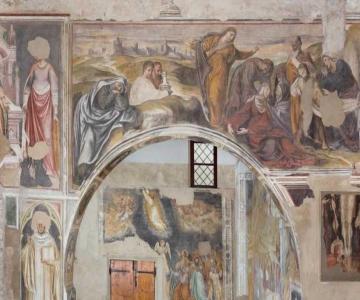
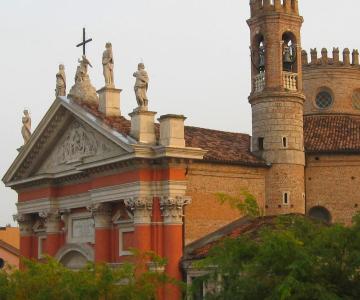
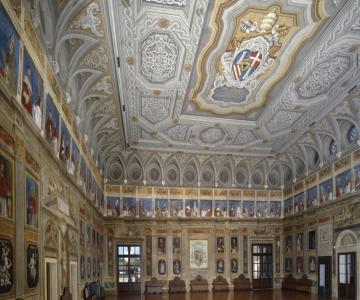
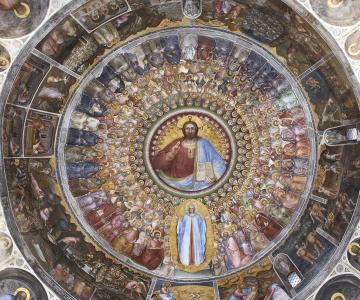
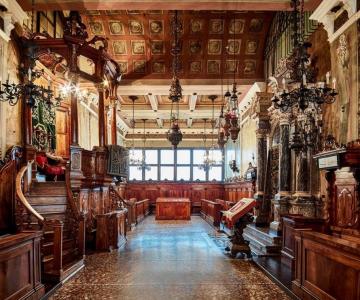
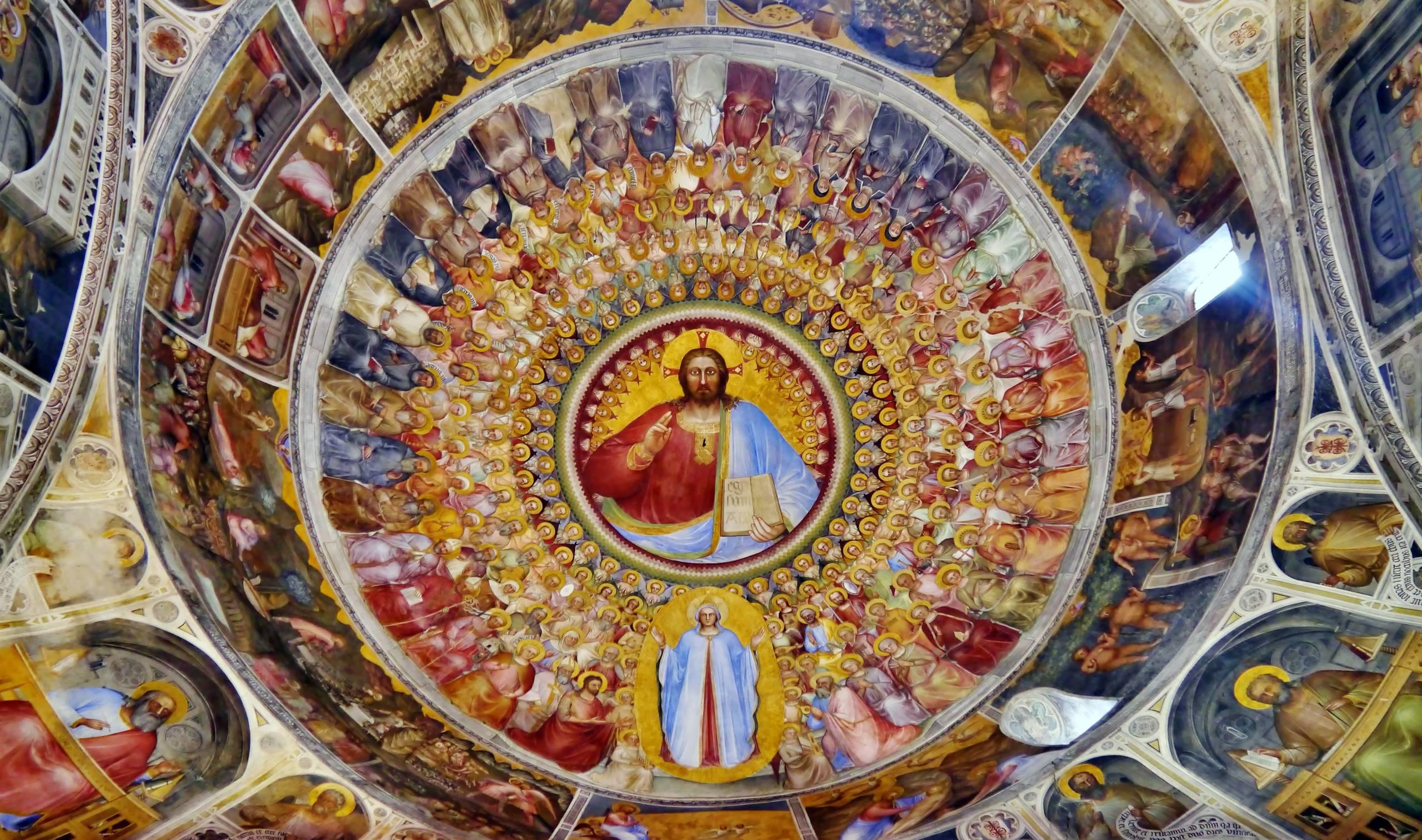
The Oratory of St. Michael is part of the URBS PICTA circuit, that is, of "The Frescoed Cycles of the 14th century" included in the UNESCO World Heritage List. Recall that, unlike a church, Oratories were once sacred places intended for public divine worship but built and reserved for certain people, with restrictions on the entry of other worshippers.
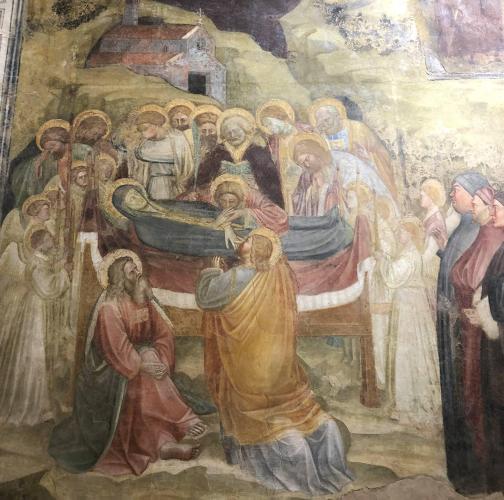
On the foundations of an earlier sacred building of Longobard origin, the Chapel was built by the important Paduan de Bovi family: for the decoration, Jacopo da Verona, already active in Altichiero da Zevio's building site in the Oratory of Saint George was commissioned.
Created in 1397, the frescoes focus on the Marian cycle, and the Gospel stories are interwoven with episodes from daily life and portraits of prestigious figures of 14th-century Padua. The present building is the result of a 19th-century expansion.
From the frescoes emerges the figure of an eclectic painter, who alongside elements derived from his training with Altichiero, whose art he offers a more domestic vision, welcomes others taken from Giotto, Jacopo Avanzi, and Giusto de' Menabuoi. The everyday tone of the decoration contrasts with the aristocratic elegances that had characterized the city's figurative culture in earlier years.
Characters appear in the scene of the Dormitio Virginis who have been variously identified as Petrarch, Francesco il Vecchio and Francesco II Novello da Carrara, and Bovi himself depicted bareheaded in the foreground.
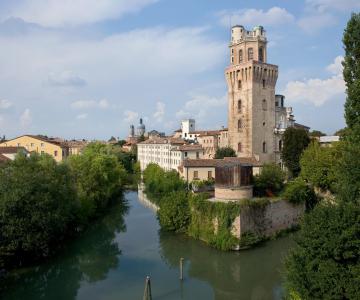
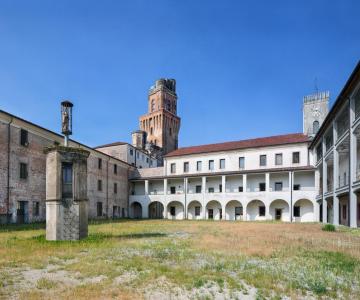
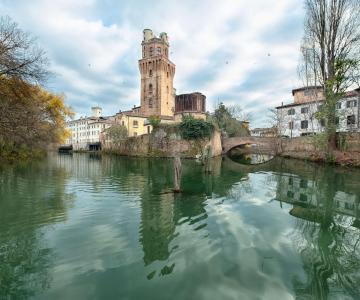
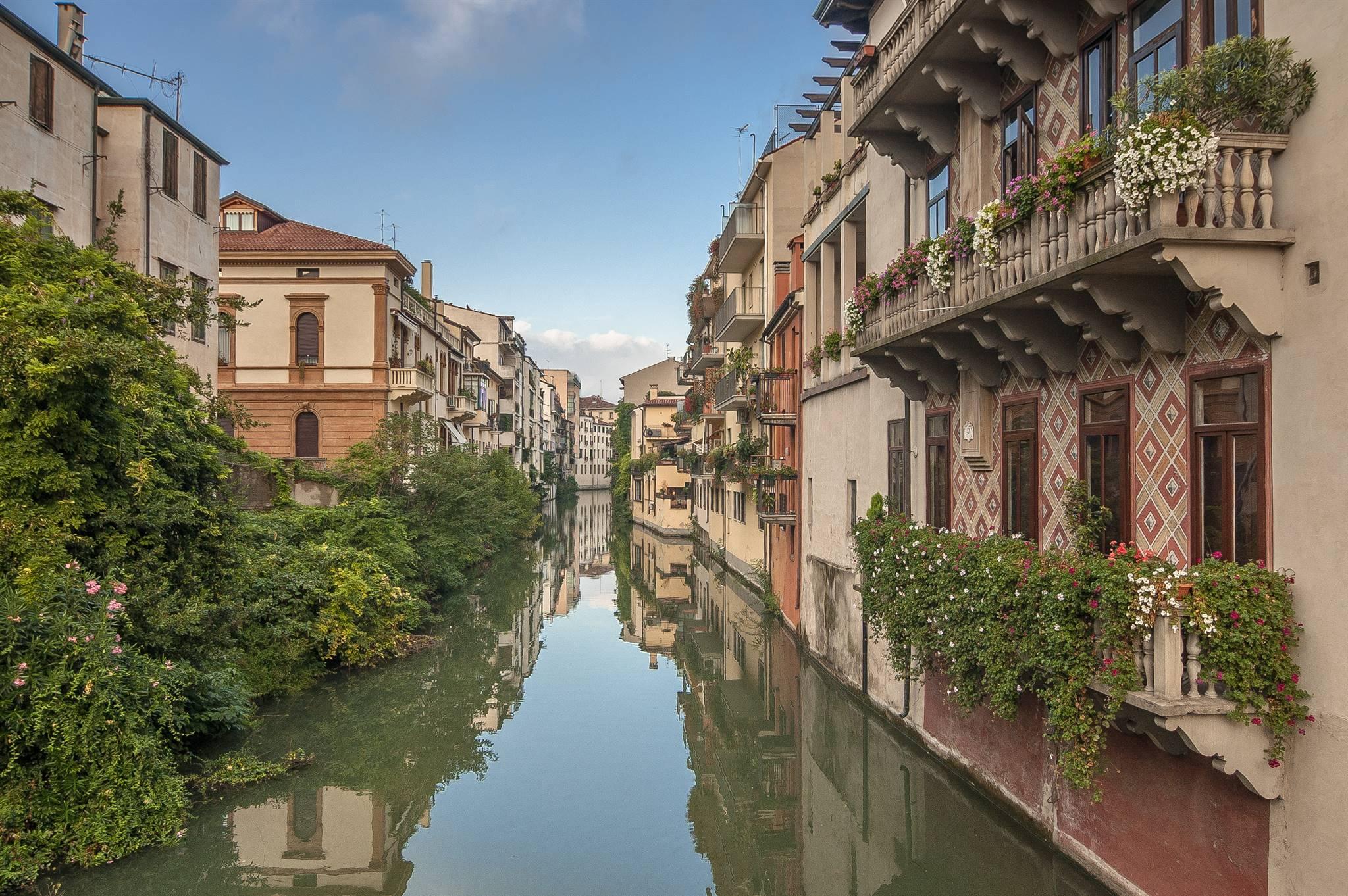
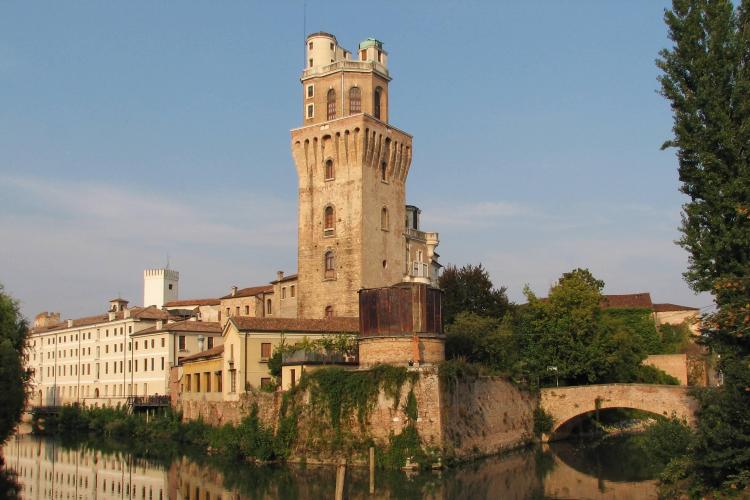
The route then includes an exciting navigation, from the Specola Tower to the Torricelle Bridge, navigating an ancient route among the palaces and admiring scenery and corners of the city mostly unknown to all.
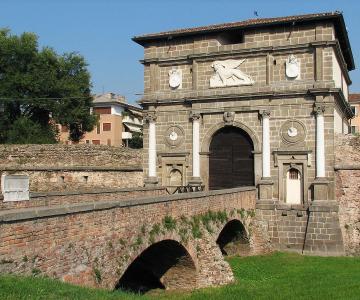
Recall how, once upon a time, the Bacchiglione river, entering the city at Bassanello, from the Saracinesca Gate, forked into two branches in front of the Specola Tower, running along the ancient medieval walls, and then rejoined in the area of today's Ponte Molino (Molino Bridge), creating a veritable river insula that defined the boundaries of the ancient city.
The right branch, called the Inner Canal, ran from the Specola Tower toward the Torricelle Bridge. This first stretch, in all likelihood, was an artificial excavation made around the year 1000, creating a clear urban boundary between the medieval City, within it, completely surrounded by water and, the largely marshy plain.
In the history of Padua, this first section of the Inner Canal was the site of important and historic productive structures of the ancient City.
The thickening of river relations in the Veneto territory and the improvement of technologies applied to hydraulics caused, in Padua as elsewhere, many changes in the organization of work and a considerable increase in water-related production structures.
A large milling plant arose at Torricelle Bridge, the ancient Molino Grendene: a dozen wheels ground wheat, processed wool, and were used to produce oil. In 1342 Ubertino da Carrara made a special effort in the textile industry by promoting the construction of new wool cloth factories and establishing exemption from taxes and encumbrances. He granted possession of land near the mills of the Torricelle bridge to two Florentines so that they could manufacture “gualchiere” (woolen cloth factories) there.
The gualchiere were the places equipped for washing with water and soap, or by means of a special clay soil. And just downstream from the san Gregorio Barbarigo Bridge, placed approximately halfway between the Specola Tower and the Torricelle Bridge, there was the so-called "Riviera delle lavandare," an embankment devoid of buildings where washerwomen took their cloths to be washed, as evidenced by period photos.
Until the 1960s in front of the present police headquarters were still the ancient Molini Grendene, which originated from the mills built in the 13th century at the point where the Santa Chiara Canal was diverted from the Naviglio near the Torricelle Bridge.
After the silting up of the Naviglio they were partly demolished and partly transformed; for years the Mills were the headquarters of the Provincial Treasury Department, in front of the Police Headquarters. Of the old structure remains, incorporated into the new building, the old covered passageway called "delle Gualchiere," joining the Torricelle with Riviera Ruzante.
Once reached the Torricelle Bridge, we retrace the Inner Canal, returning to the boarding point.
Duration: about 90 minutes