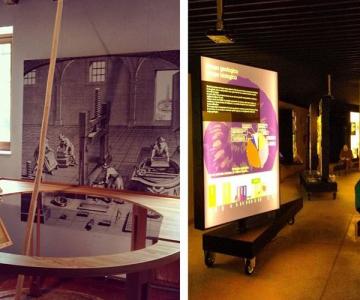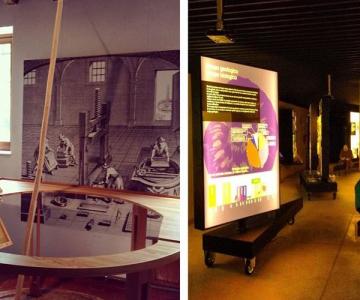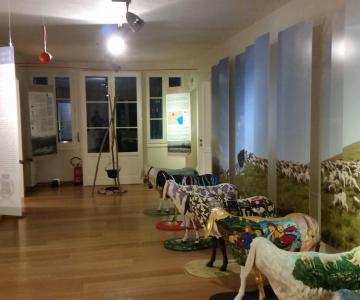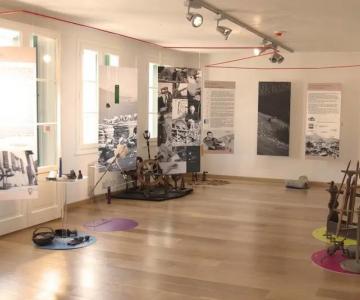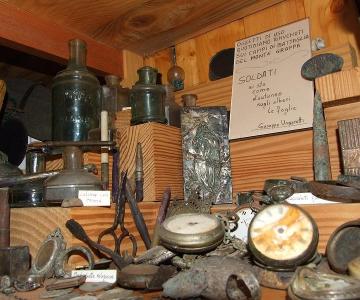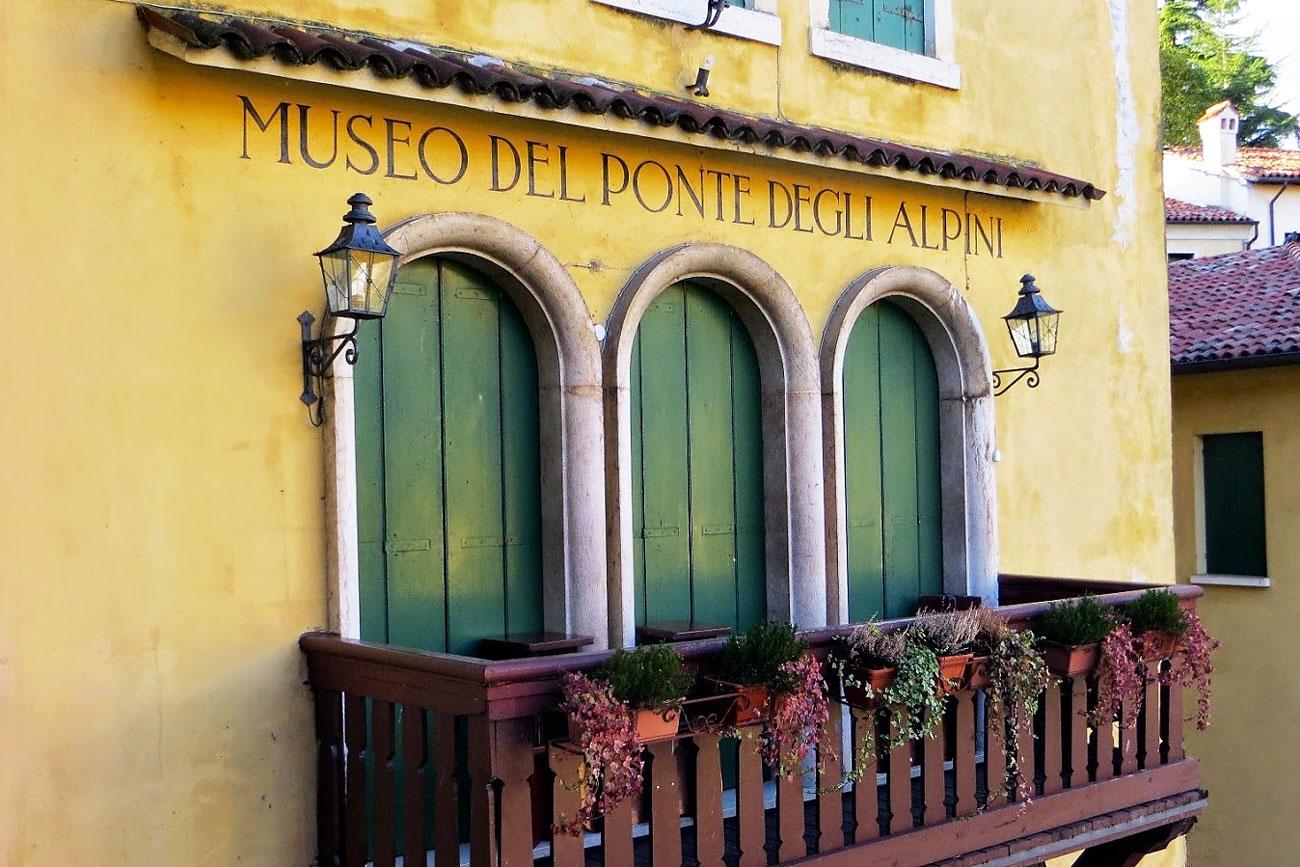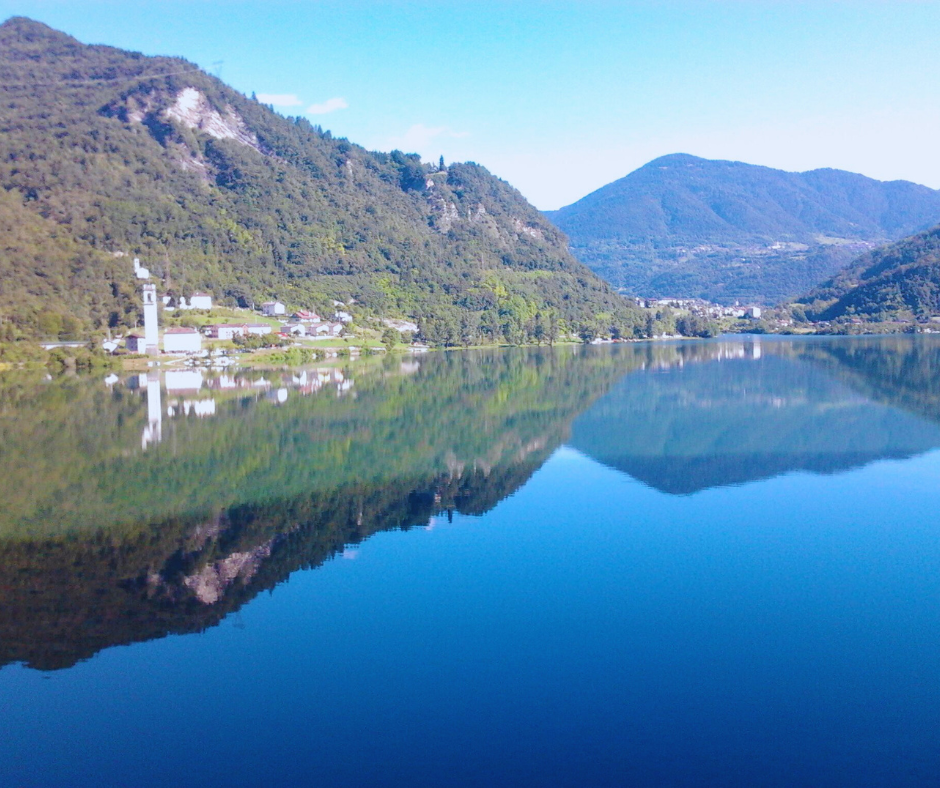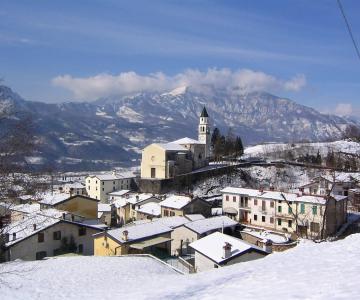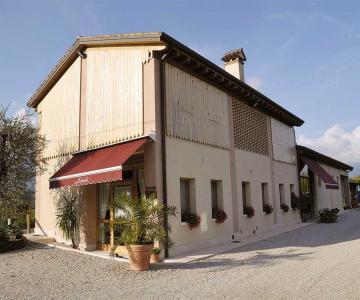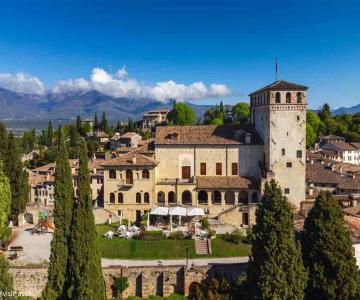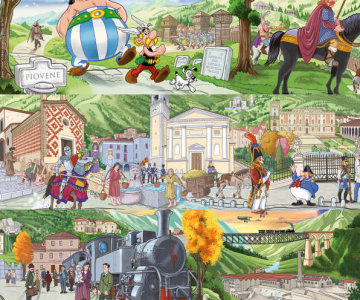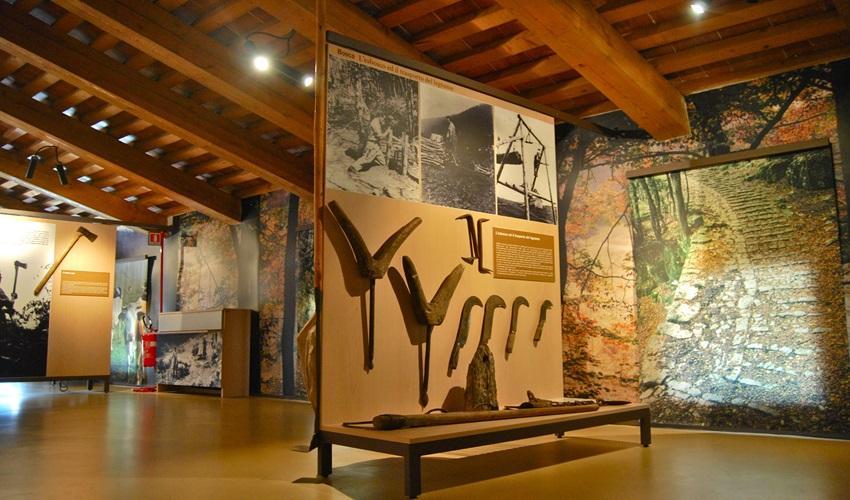
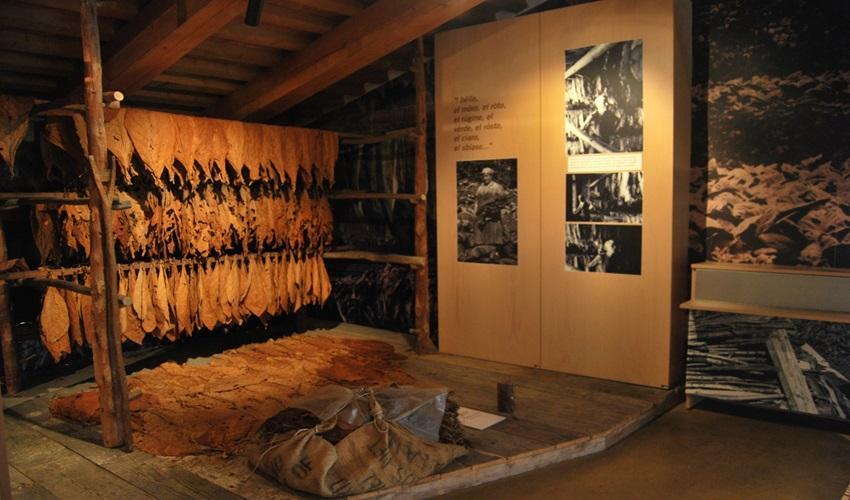
The Brenta Canal Ethnographic Museum is located right along the river from which it takes its name and houses a series of objects, which explain how life took place in this place, what were the main activities, but above all how people have placed themselves in dialogue with the environment, exploiting the forests of the Plateau above for timber, creating terraces on which to grow tobacco. The Museum also documents how there were migrations, when tobacco was no longer able to support families and pay for the effort to cultivate such poor lands.
The visit to the museum starts from what was the hall of the palace and continues in the attic, accompanying the visitor to know a world of objects, words, thoughts, but especially people, through the reasons that have made the history of this land. Above all the cultivation and smuggling of tobacco with the work on the masière, the dry walls that enchant those who pass by, as massive structures on the void.
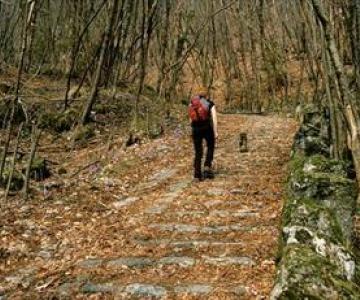
FInally, the relationship with the fishing river and the devastating Brenta, term that evokes the disaster that the overwhelming floods leave behind them. Also part of this landscape are the voyages by raft, of which today remains the famous Palio delle Zattere in late July, the cutting of the link in the woods and the transport along the wooden roads.