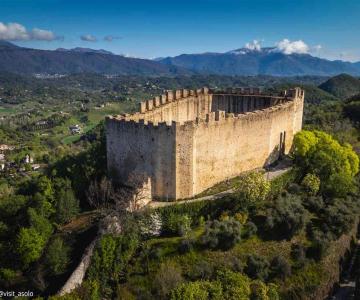
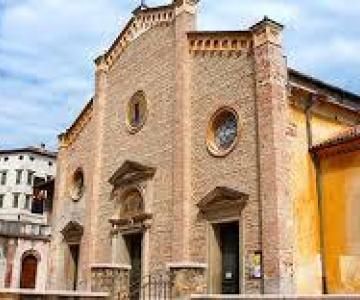
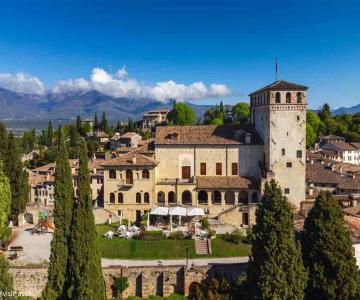
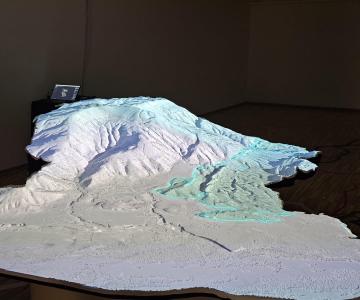
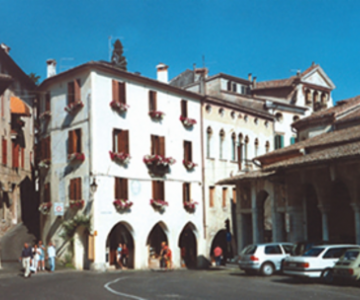
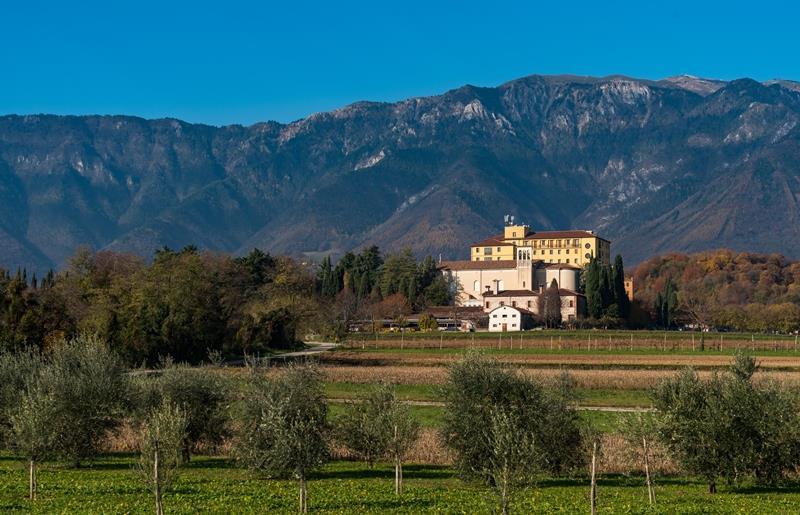
Asolo is located on the top of a hill with a particular elongated shape in pits and dominated by Monte Ricco, on which stands the medieval fortress.
The particular elevated position of Asolo is perhaps the element that gave its name, in Latin Acelum, from the Indo-European root *ak, meaning “acute place”.
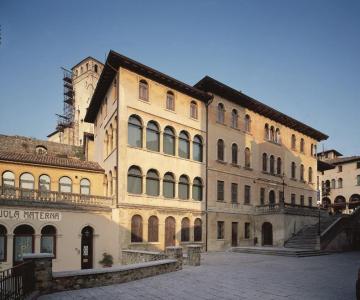
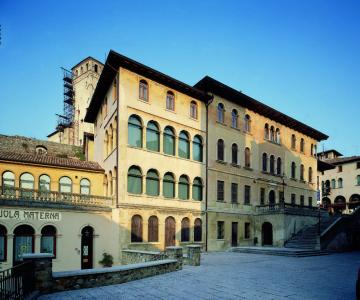
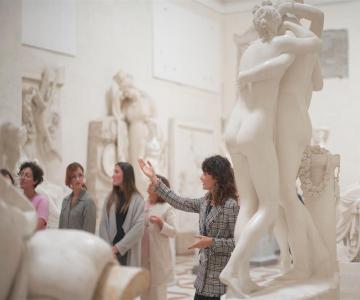
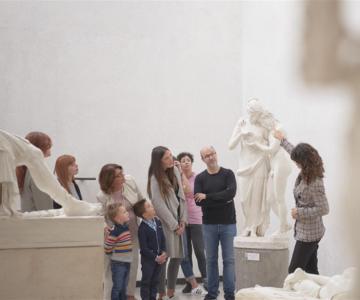
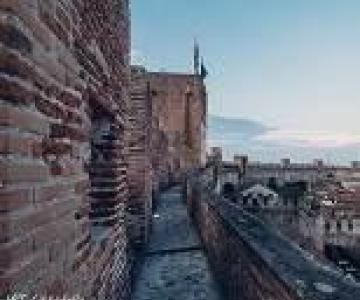
The current Civic Museum occupies the Bishop’s Palace and the building of the Lodge of Reason; the latter was built during the fifteenth century to house the Venetian minor representations and the Podesta in his capacity as administrator of justice. The Lodge was frescoed around the middle of the sixteenth century. The Fortress called “Ricco” is a military structure built by the Bishop of Treviso between the end of the twelfth century and the beginning of the thirteenth and intended to house the soldiers assigned to protect the dwelling.
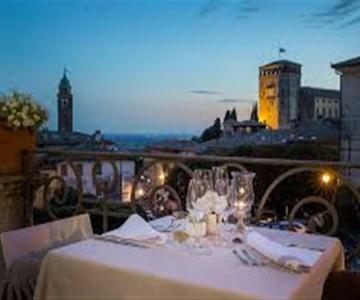
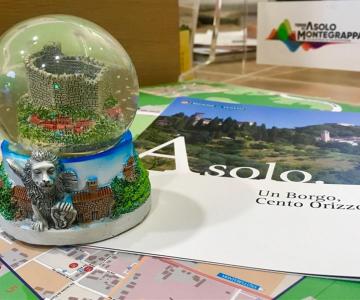
The fortress stands on the top of Monte Ricco (about 316 m high – the southern extension of the hills that go from Asolo to Cornuda, where a similar fortress stood) and came to erase the existing structures. The Civic Tower, or Clock Tower, is one of the four towers of Asolo Castle. The defensive building, known from sources since the 10th century, stands on a rocky spur located southwest of the Asolo hills. Built probably in wood, it was rebuilt in stone between the 10th and the 11th centuries, like all the castles in our territory.