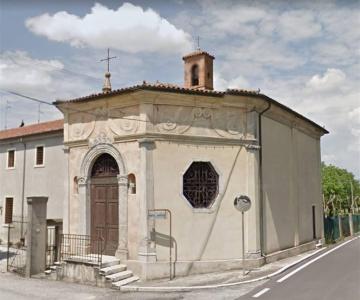
A walk between faith and culture.
In the Middle Ages, pilgrimage put together two of the ambitions which have always been typical of the humankind: on one side, the tension towards the divine, so an exclusively spiritual need, on the other the willingness to know, a distinctive human trait. This trip would deeply connect spirit and body, nourishing one with moments of meditation and reflection in places where one could perceive the divine presence, and and the other through the hardships and dangers of a long trip.
The ultimate goal of this long adventure, generally undertaken on foot to ask for a grace or to fulfill a vow, was to reach important destinations for Christianity, first of all Rome and the Holy Land, but also Santiago de Compostela. Thousands of people would cross the European streets for many months, dressed in the typical hooded cloak, wearing a wide-brimmed hat, carrying a pilgrim’s staff, a sack, and a canteen. They would get refuge and care regardless of their status, in a network of small sanctuaries, hospitalis, taverns, and inns.
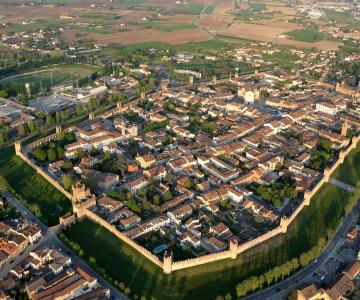
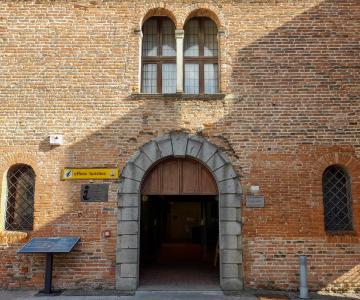
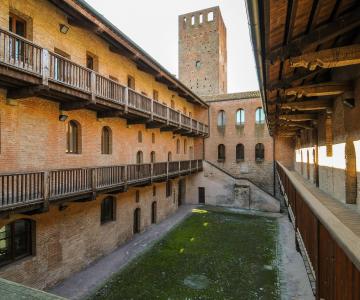
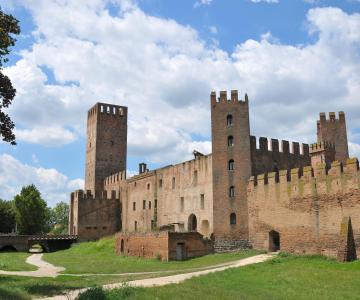
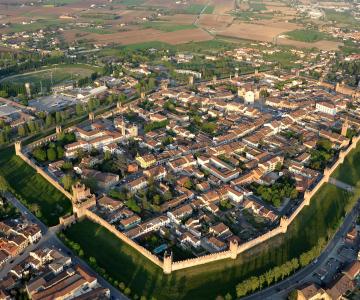
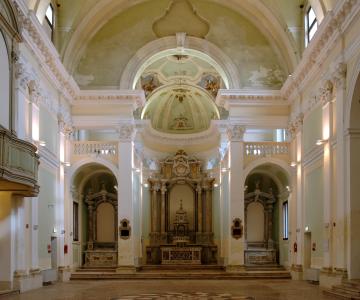
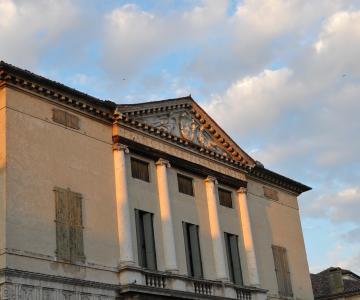
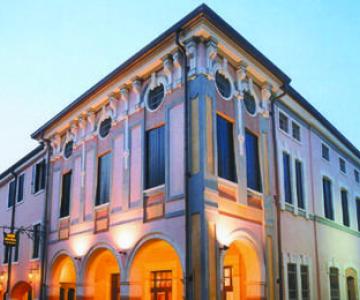
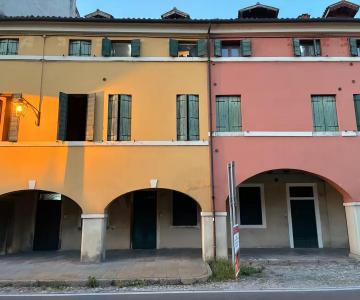
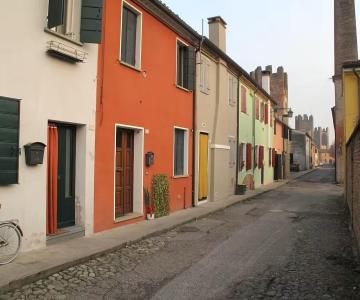
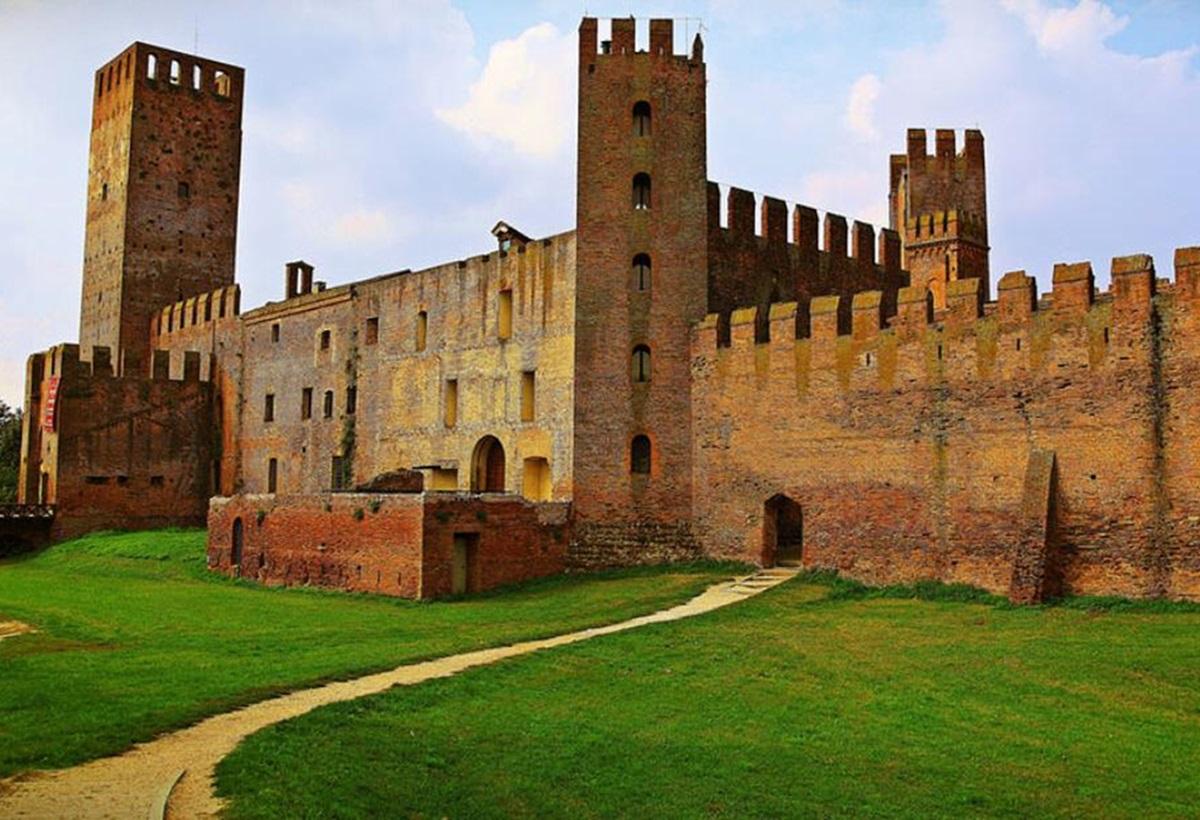
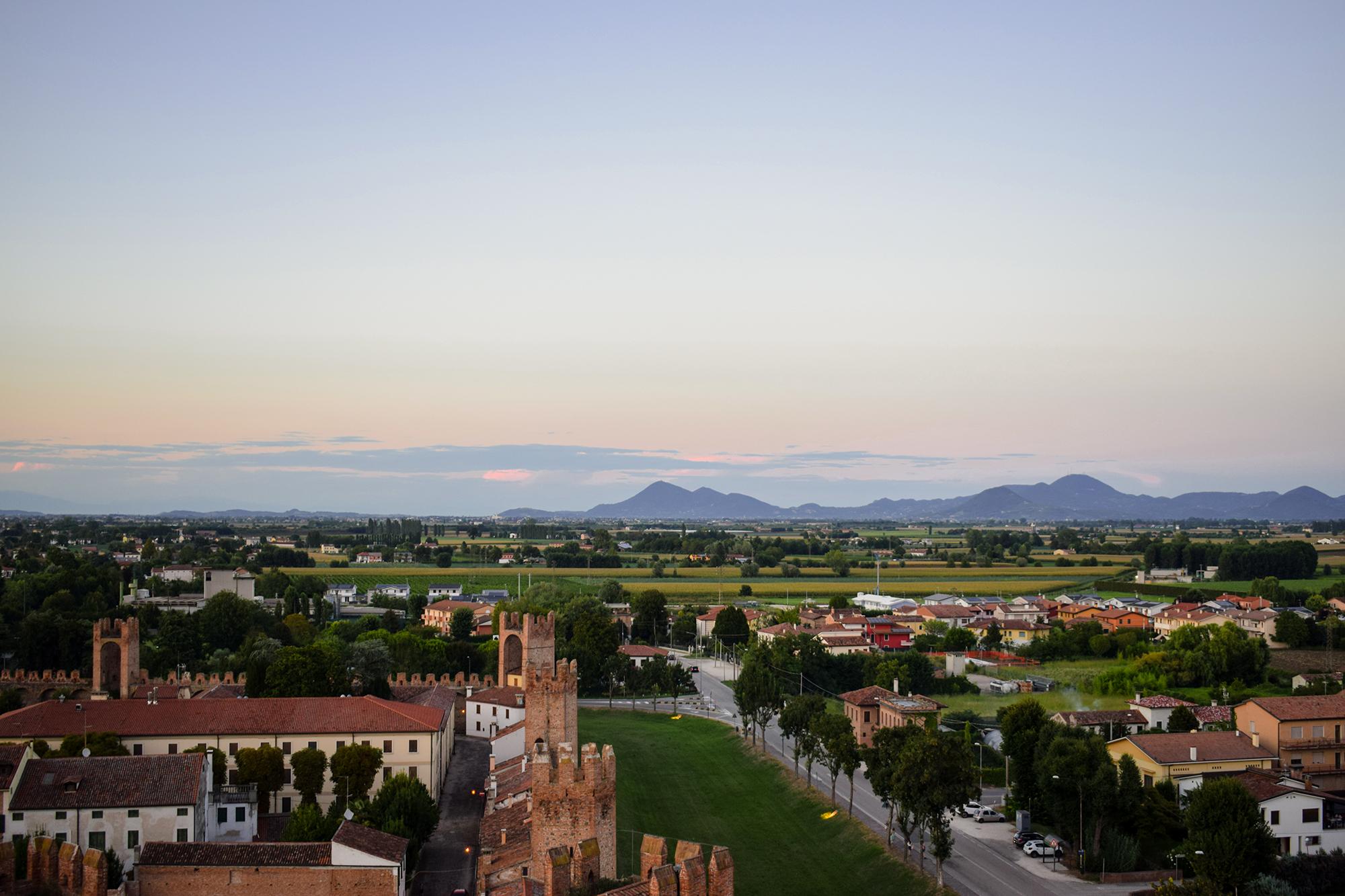
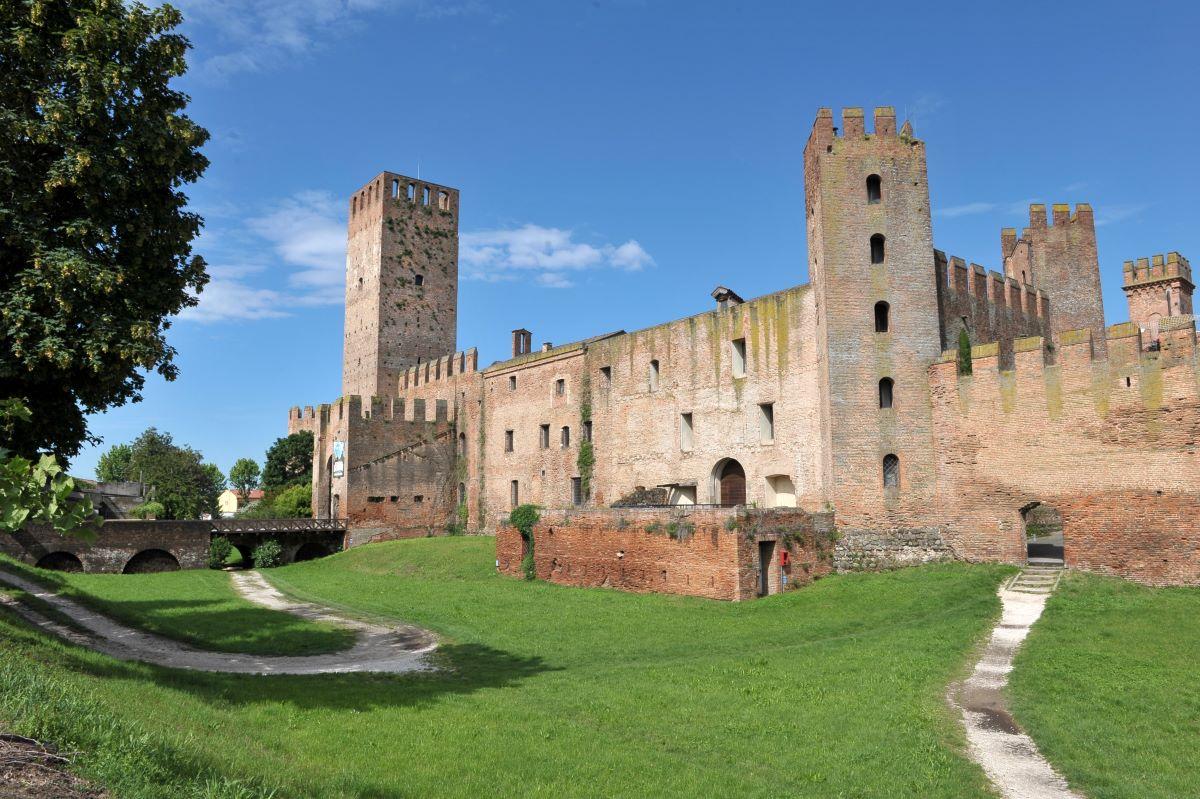
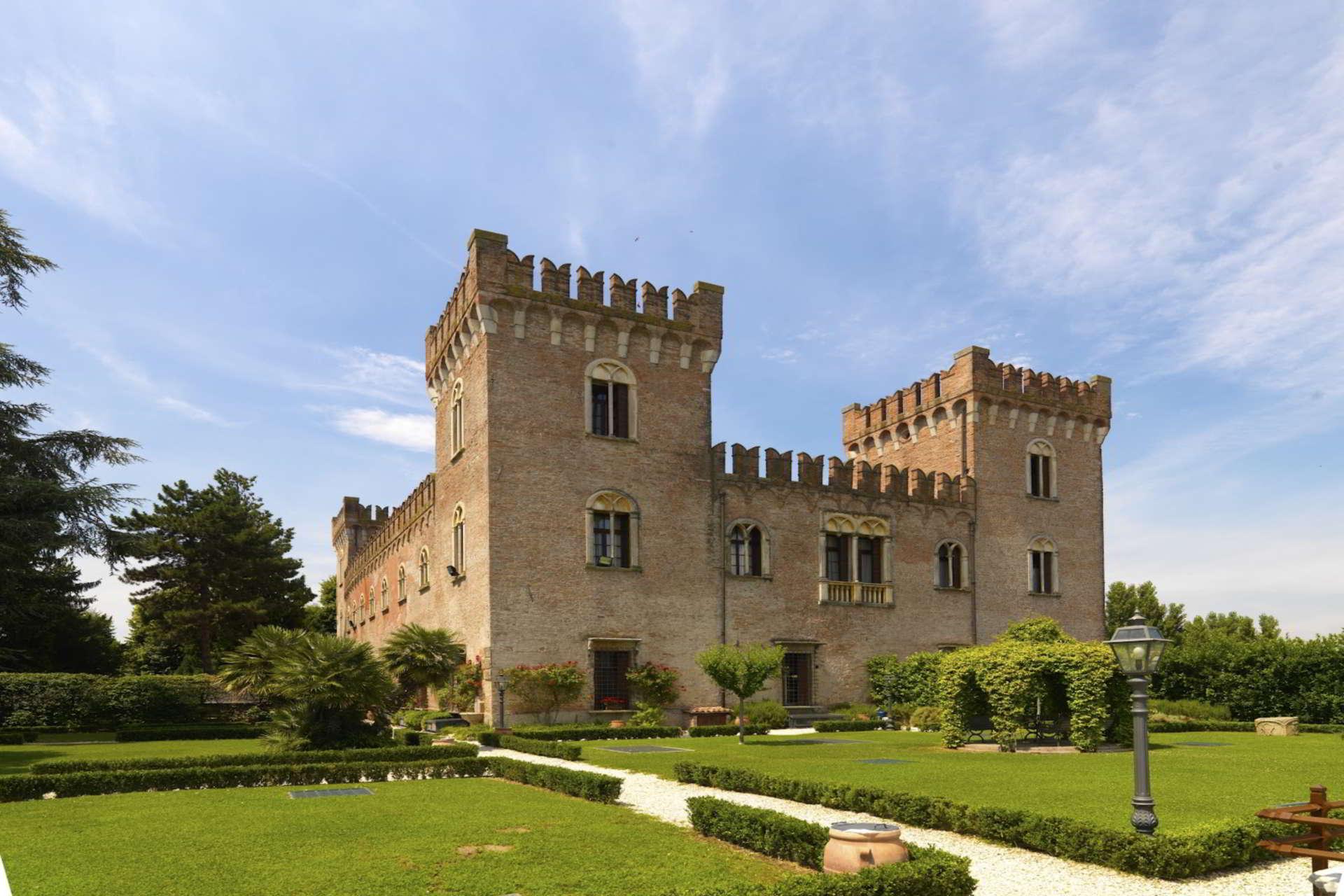
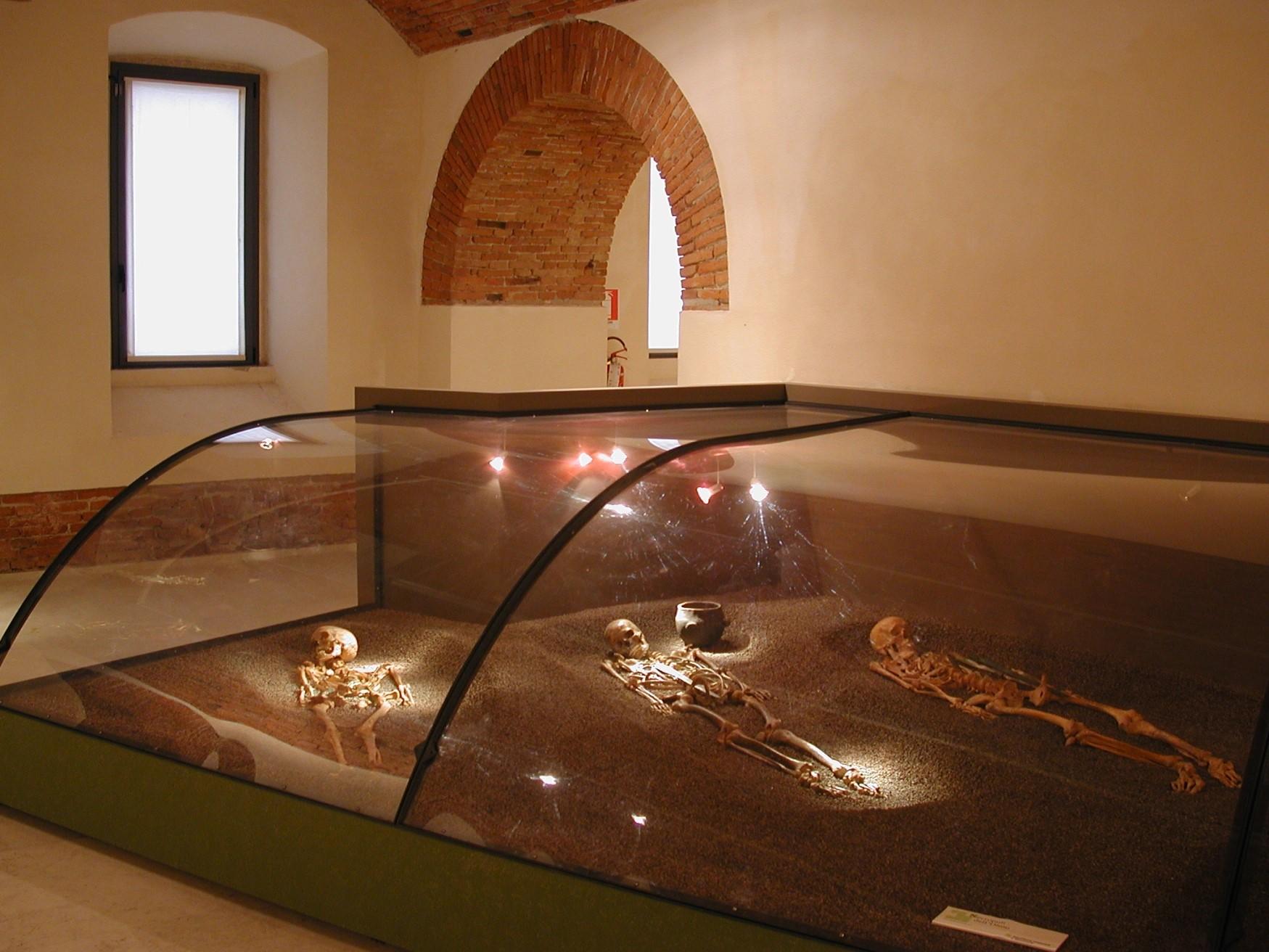
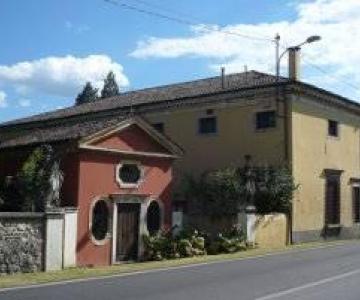
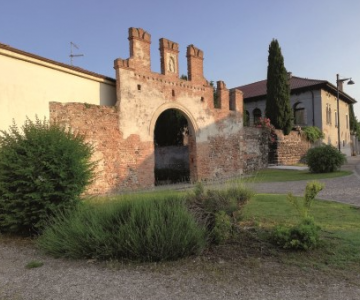
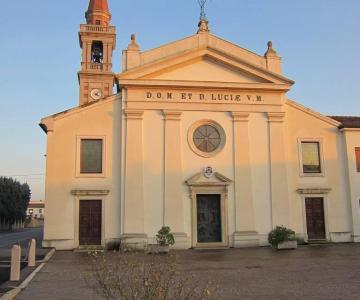
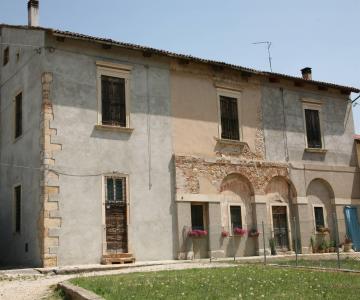
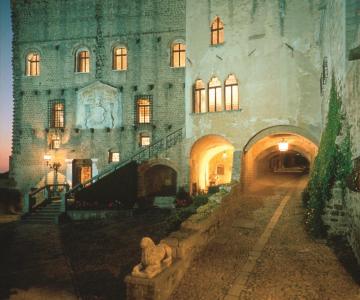
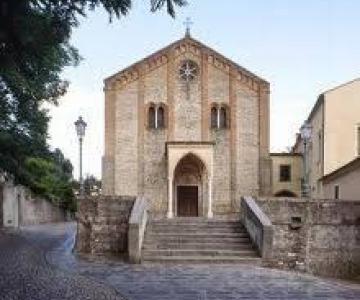
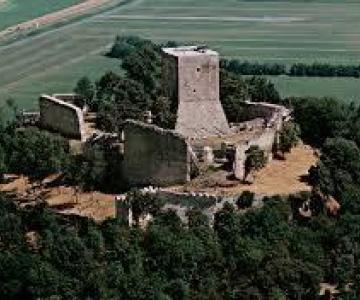
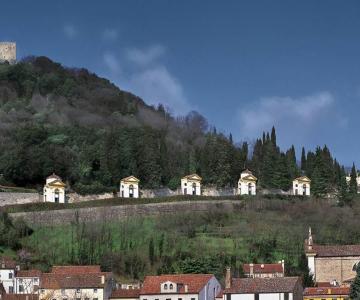
Montagnana and its territory fit into this context as it has been an important stop and shelter for pilgrims since remote times. Nowadays it is still again and proudly this crucial role as fundamental stop along the spiritual path of the Romea Strata. This spiritual trip was accurately mapped after years of research. The small oratories and hospital which are scattered on the territory would offer shelter to the faithful coming from Baltic countries, Poland, Czech Republic, and Austria on their way to Rome to visit the graves of the saints Pietro and Paolo. Under the name ‘Romea Strata’ are collected all the many ancient devotional routes which would lead to the capital of Christianity crossing five Italian regions for a total length of 1400 km: from north they would cross the Appennines and would join the via Francigena (Francigena way). An important spiritual trip to make, now as then, looking for mystery and sacred or to fill your should with culture and beauty.