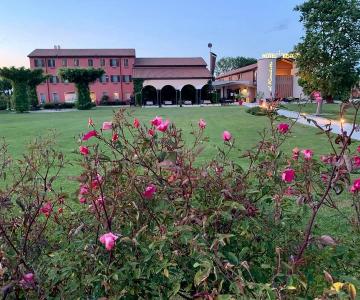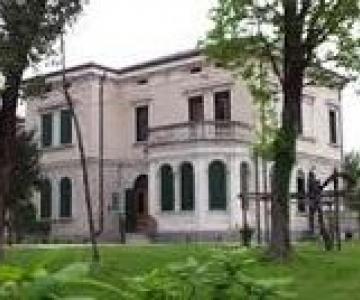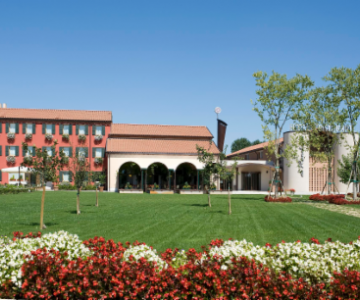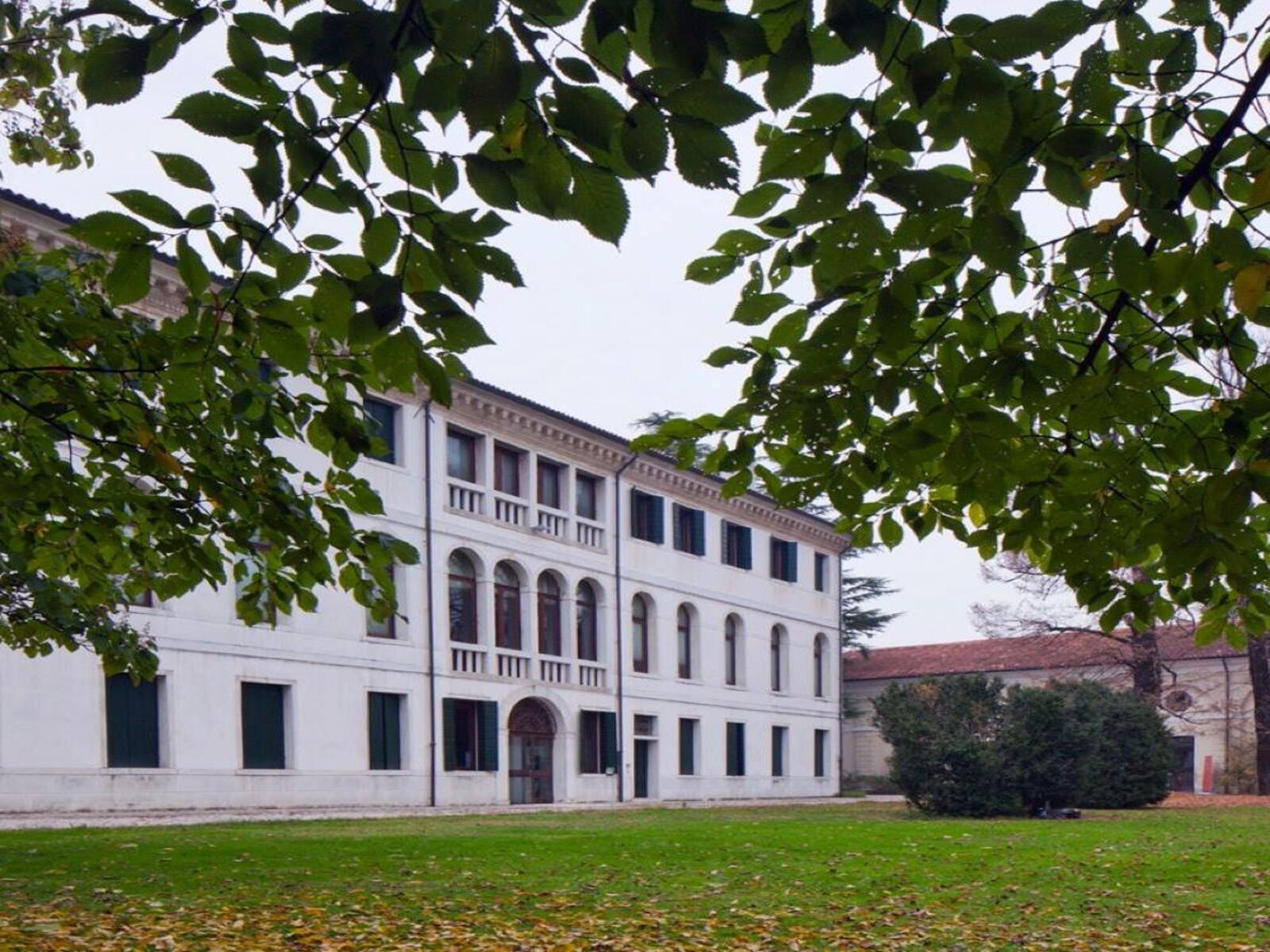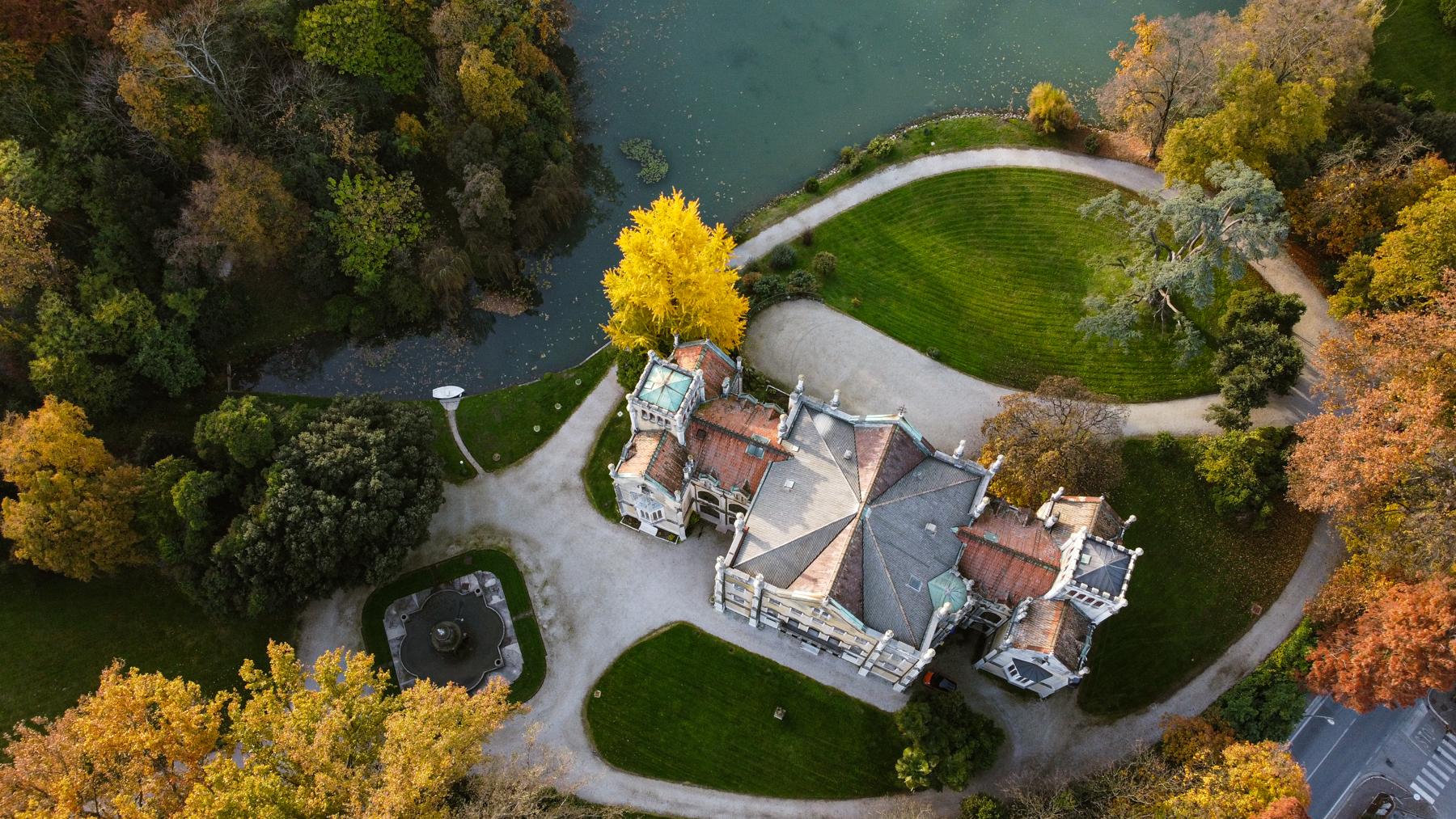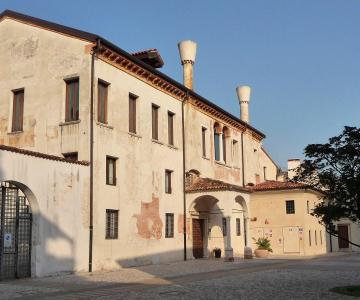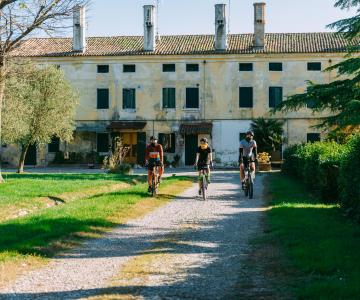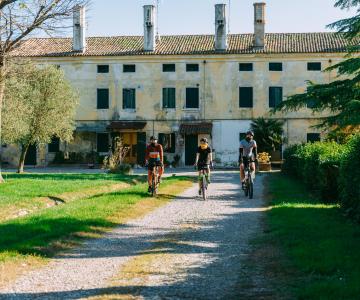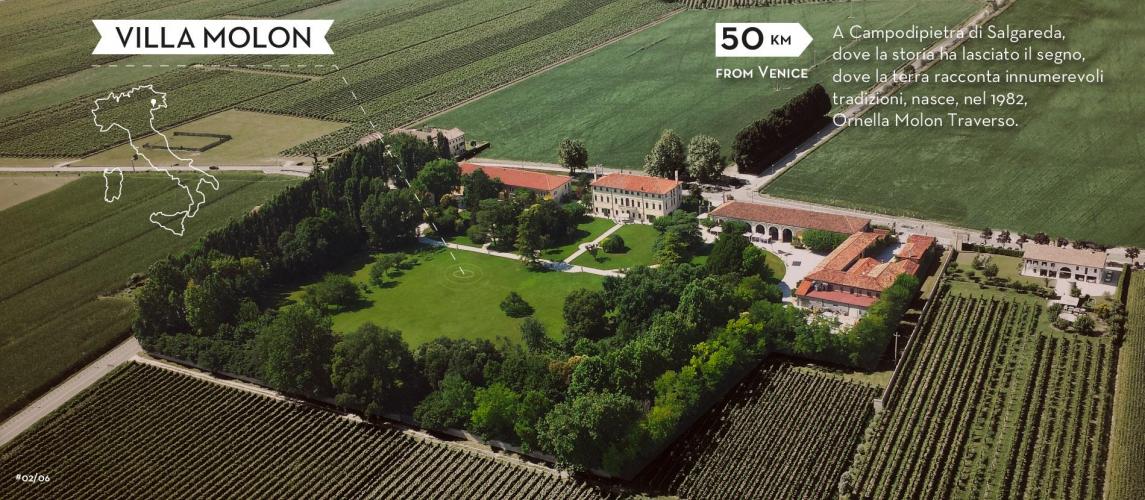

Villa Giustinian – Molon Traverso was built around 1680 at the behest of the Venetian nobleman Girolamo Giustinian, belonging to the “delle Acque” branch, named after the Venetian street not far from Rialto where their residence stood.
From 1711 to 1735, the Bishop of Torcello, Venice, Marco Giustinian spent his summer holidays at the Villa in Campo di Pietra. Upon his death, he left a sum of money by will for the parish of San Mauro at Campo di Pietra.
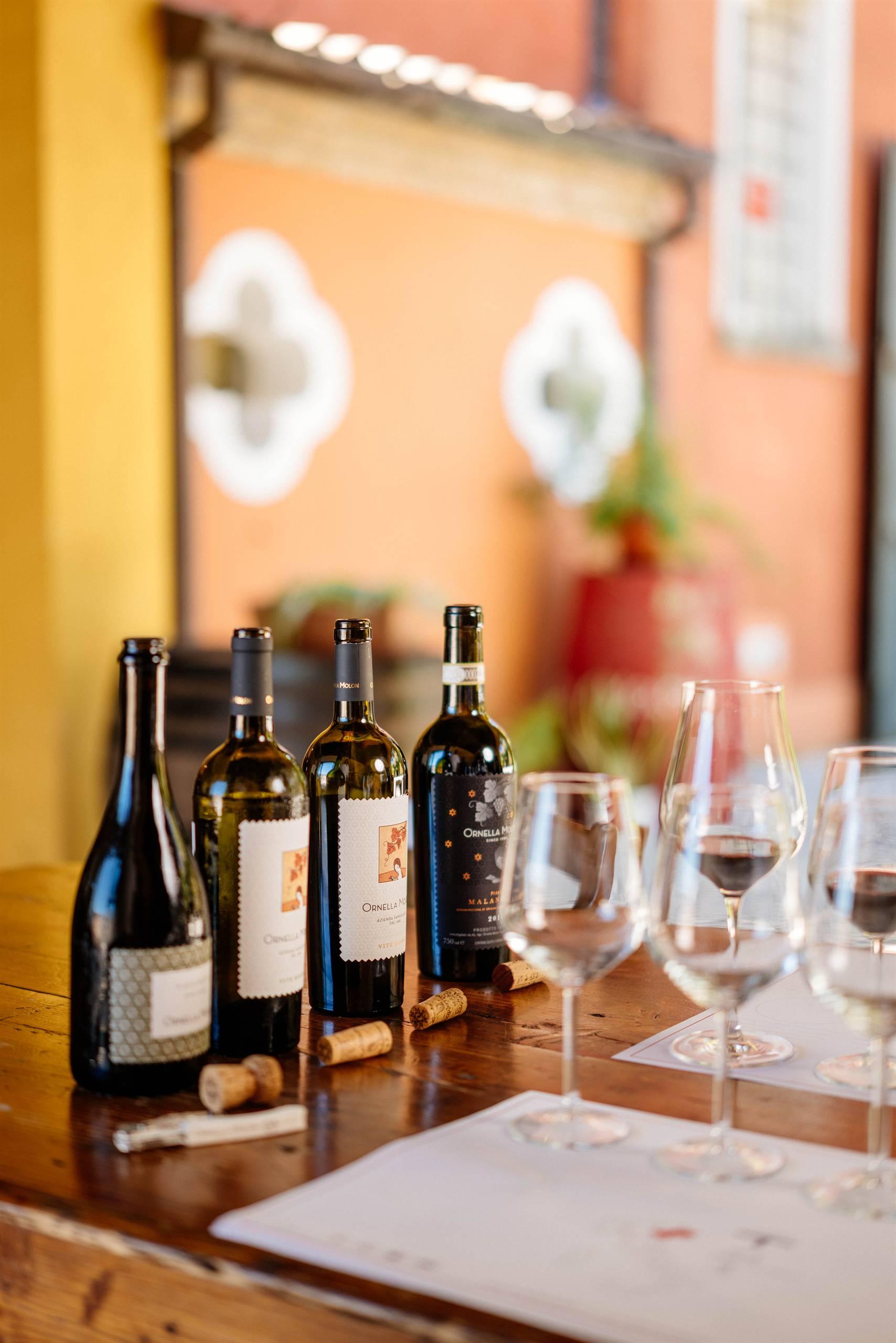
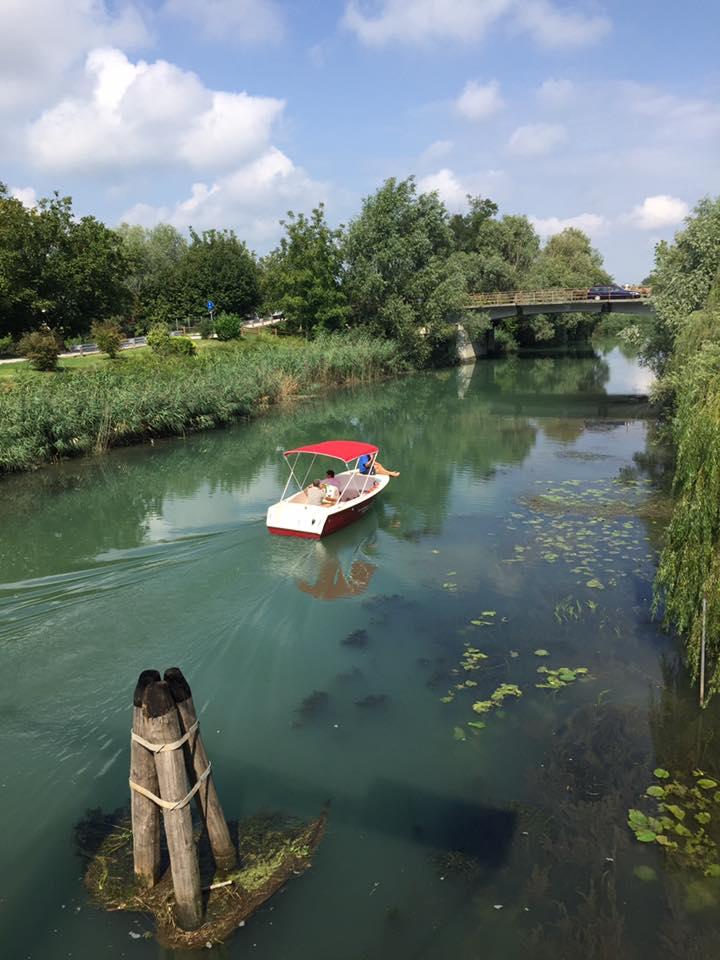
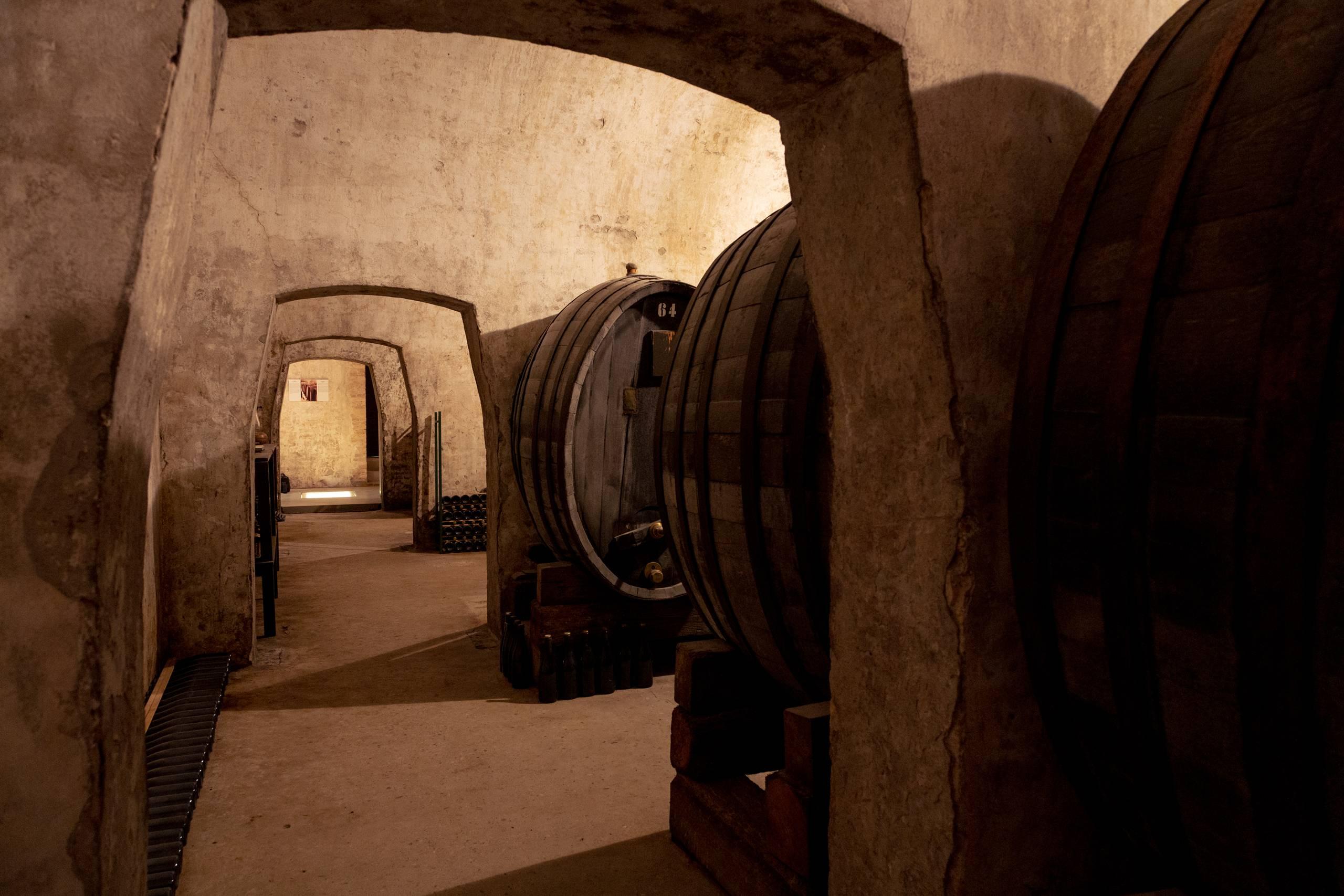
Consulting the accounting books of the Giustinian family, it is interesting to learn about the production of wine “in caneva de Campo de Piera” and how it was later shipped via river to Venice either for personal use in Calle delle Acque or to be sold in the market.
In March 1792, due to complex testamentary issues, the properties passed to the Querini Stampalia and the Morosini Gatterburg family. The latter subsequently sold off much of what they inherited. “IL DOMINICALE DI CAMPO DI PIETRA,” as the property was called by the Querini Stampalia, experienced a period of agronomic expansions and prosperity, thanks also to the reclamation of some surrounding lands and the raising of silkworms.
In 1851, Count Giovanni Querini participated in the first universal exposition (London) with the silk produced in the Campo di Pietra silk factory, winning an important recognition.
The estate remained with the Querini Family until 1869 when the last family member, Count Giovanni Querini Stampalia, passed away. In his will, he left all his properties for the establishment of the Pia Querini Stampalia Foundation of Campo Santa Maria Formosa, Venice. The Foundation still exists today and opens its museum and library to the public. However, over the years, to maintain the foundation, much of the properties in the Veneto hinterland were sold, along with the Villa of Campo di Pietra.
In 1909, the Villa passed to Giuseppe Tommaseo Ponzetta, who shortly thereafter sold it to the Tagliapietra family.
In 1917, it came under the control of Guido Carretta from Santa Maria di Campagna, who effectively created, in conjunction with the raising of silkworms, an agricultural business of about a thousand hectares with vineyards, wheat, and grain.
In 1918, the Villa, located about 3 km from the Piave river, was occupied by Austrian troops during the final phase of the First World War and was hit by several shells from Italian artillery, suffering heavy damage. Between 1919 and 1923, the complex was restored to its original condition and enlarged with the construction of new cellars.
In 1969, the Villa was registered with the Regional Institute of Venetian Villas, thus imposing a structural protection constraint still in place today.
In 1995, the Molon Traverso Family purchased the Villa and, with courage, commitment, and passion, began a long renovation, restoring it to the glorious times of the Serenissima Republic of Venice. The inauguration took place in August 1996.
In 2015, Villa Giustinian – Molon Traverso was awarded by the Regional Institute of Venetian Villas at the Palazzo Ducale in Venice with the prize “Best Venetian Villa 2015” for the activities carried out and the commitment shown towards the conservation and enhancement of Villa Molon.
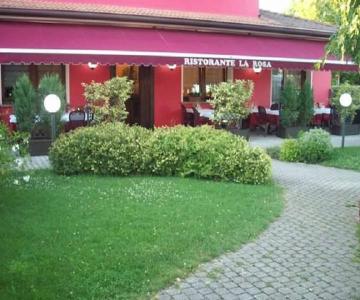
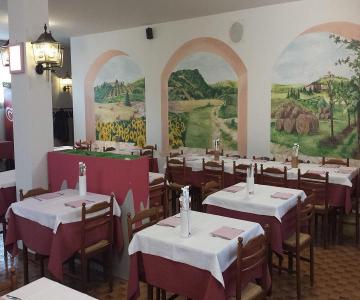
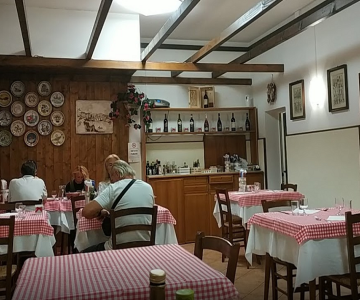
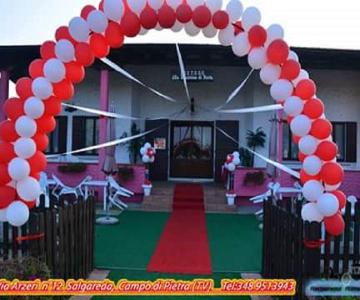
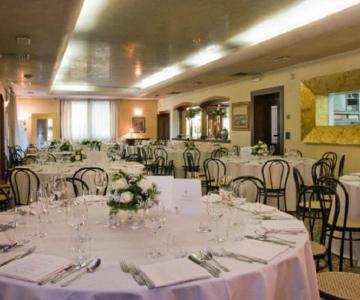
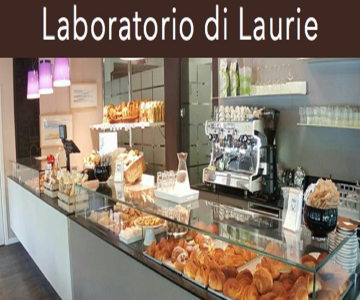
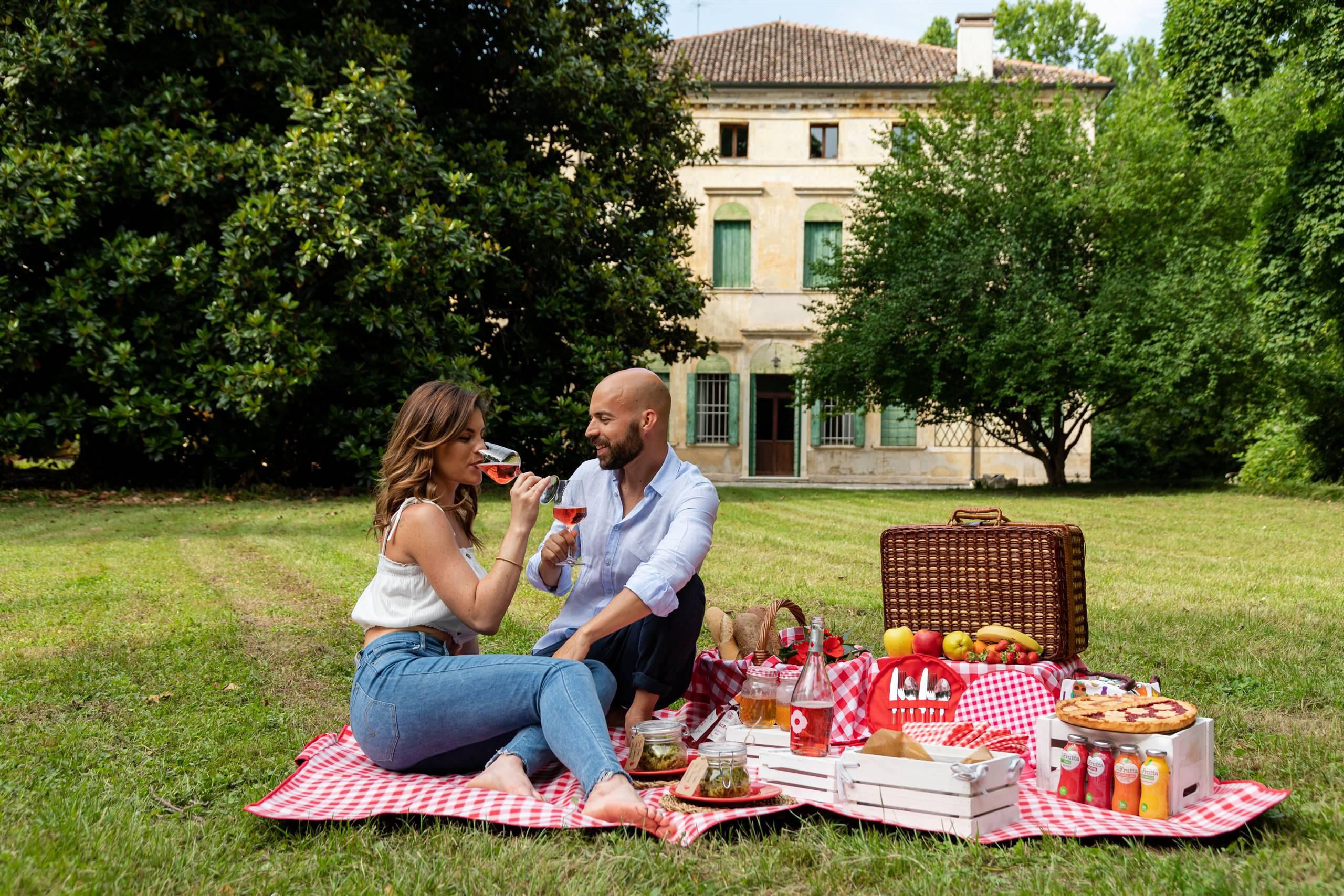
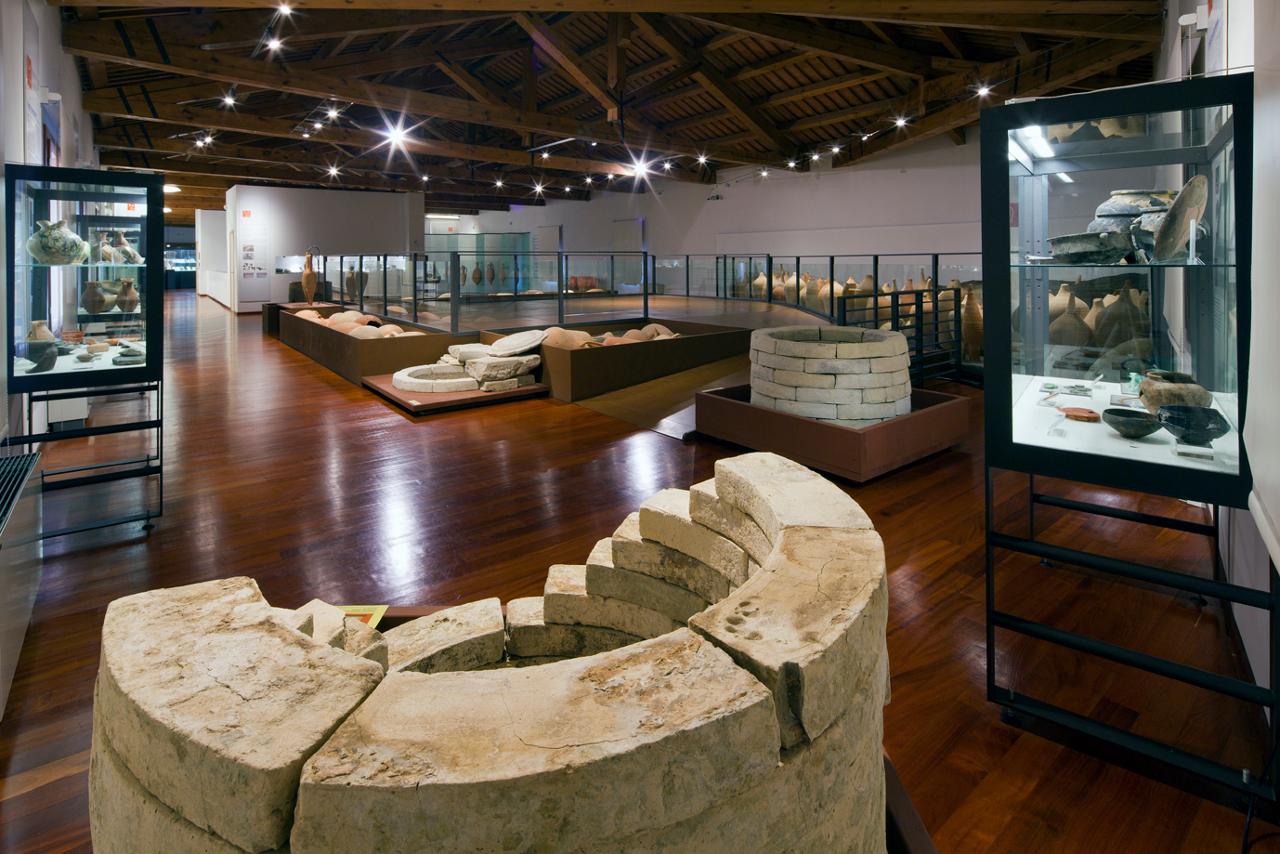
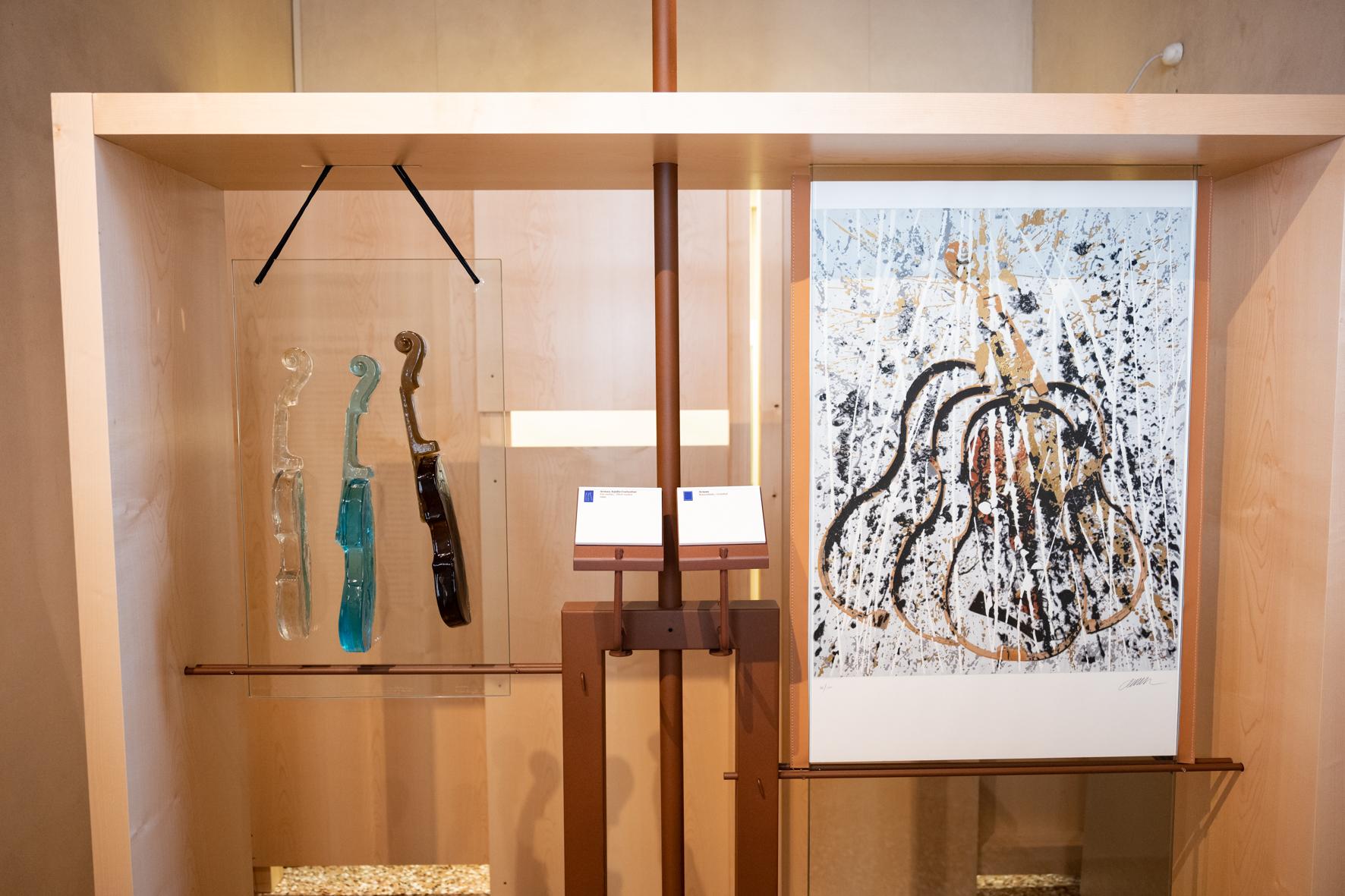
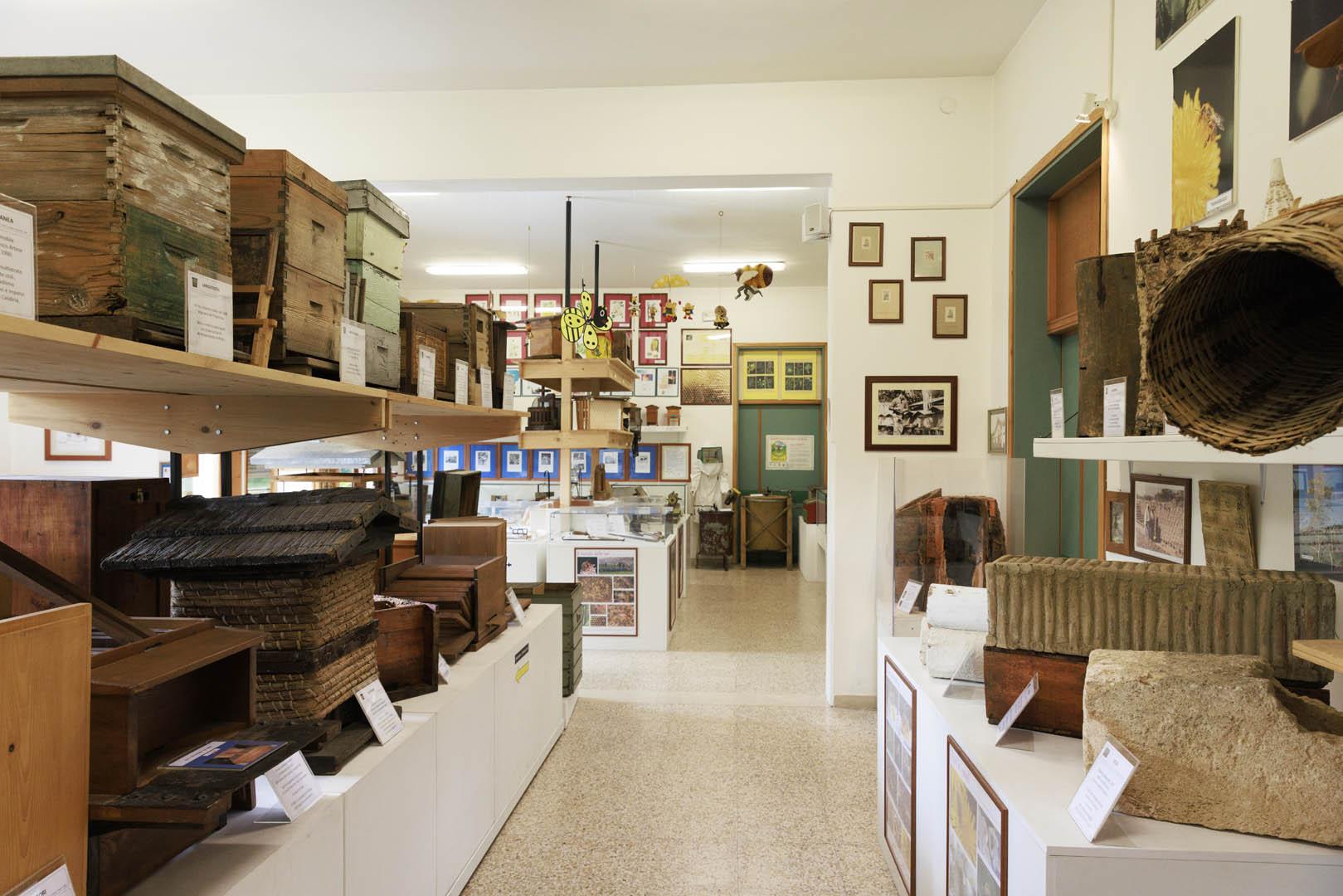
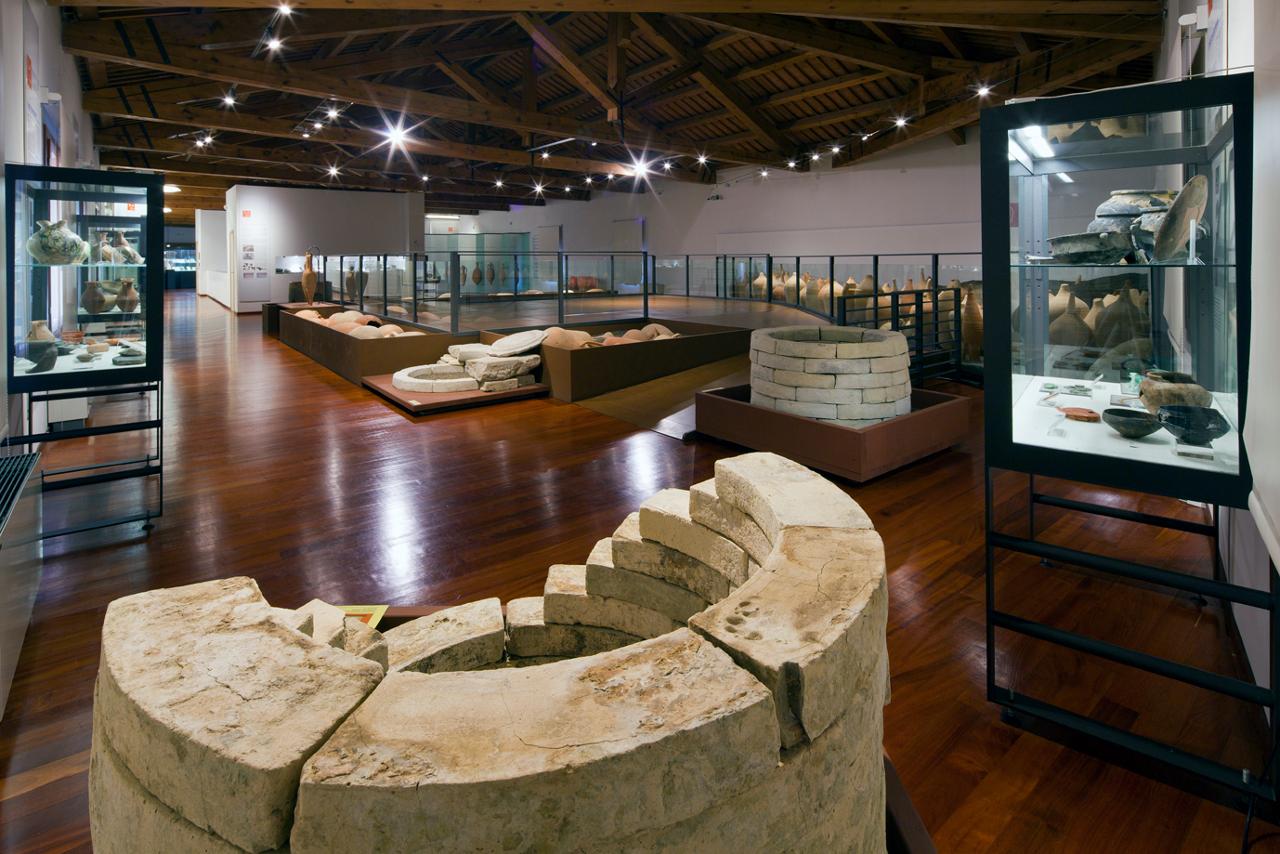
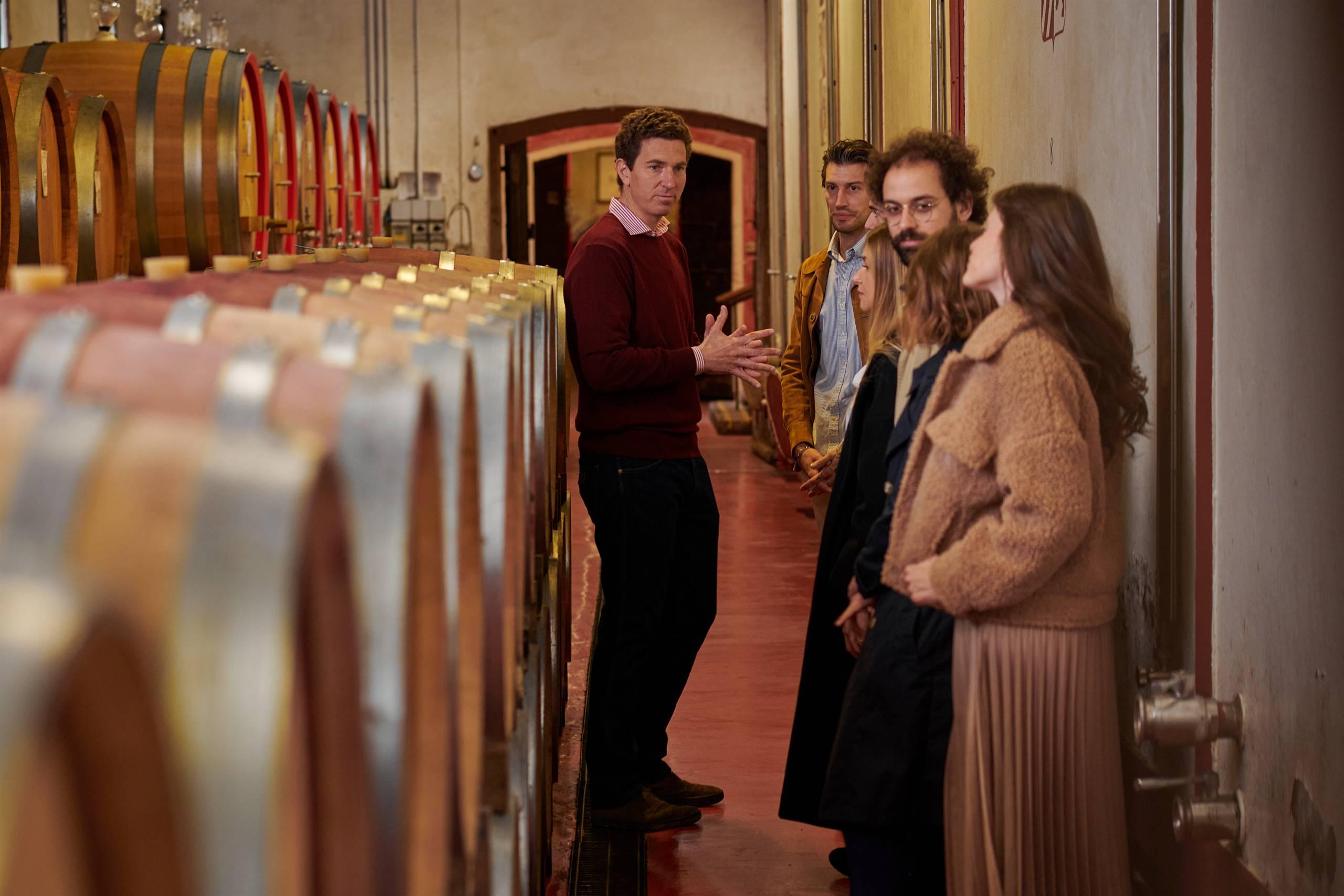
Today, the facilities host, as in the past, the aging cellars, the small Osteria, the wine shop with gastronomic excellences, the museum of rural civilization, administrative offices, and spaces dedicated to various types of events.