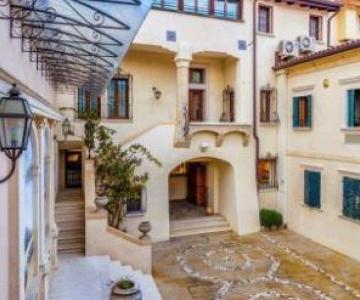
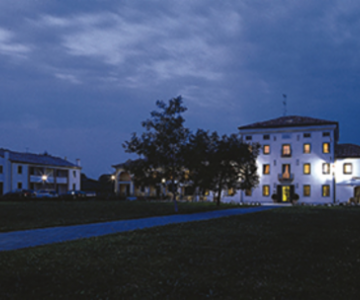
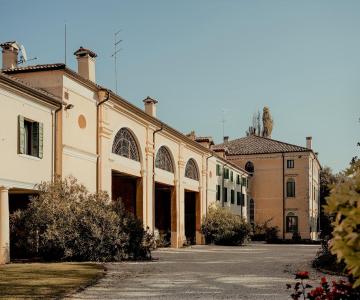
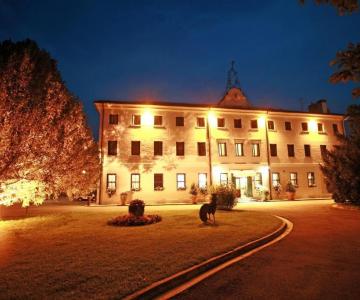
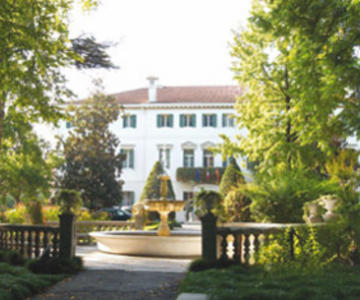
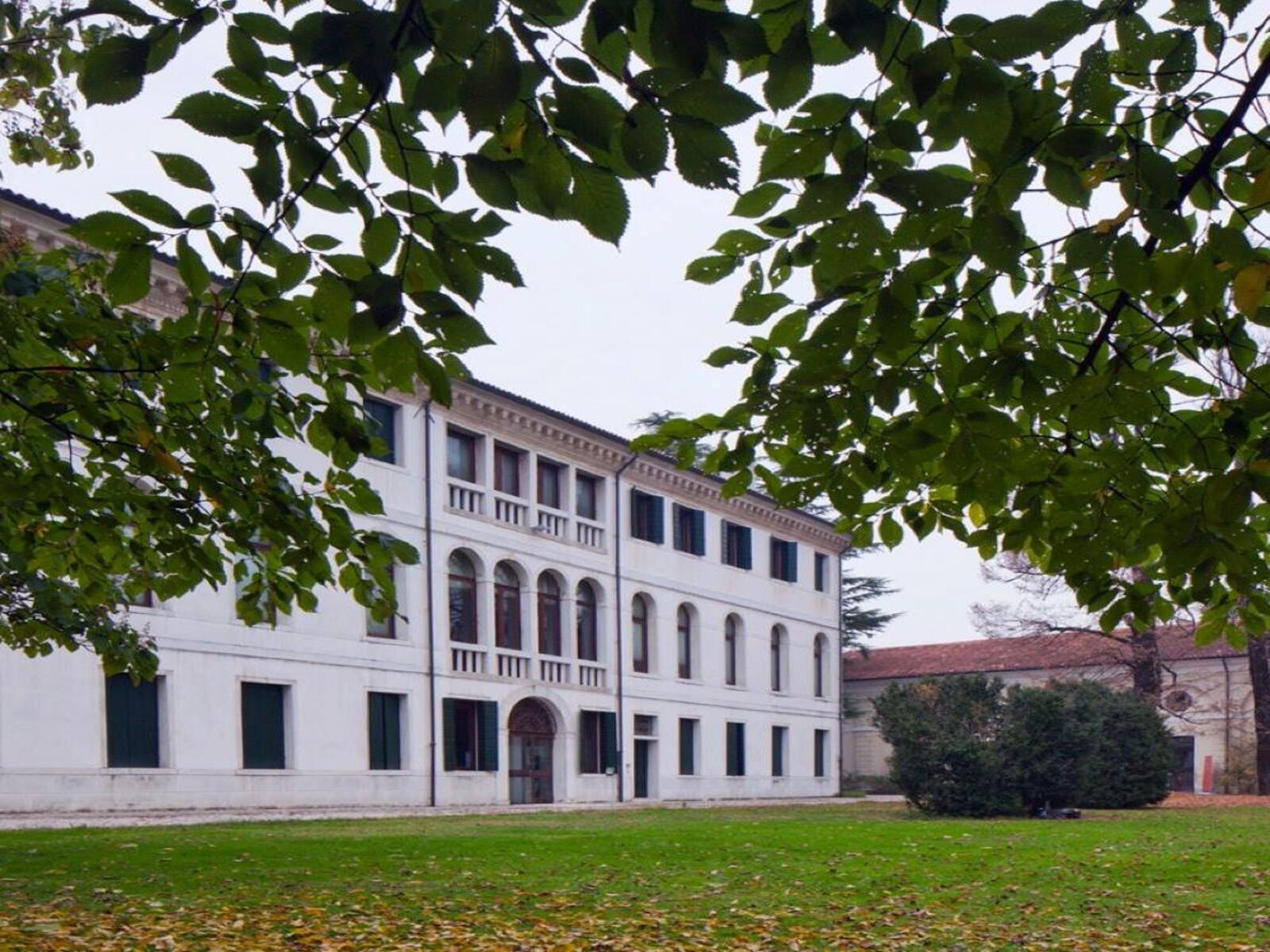
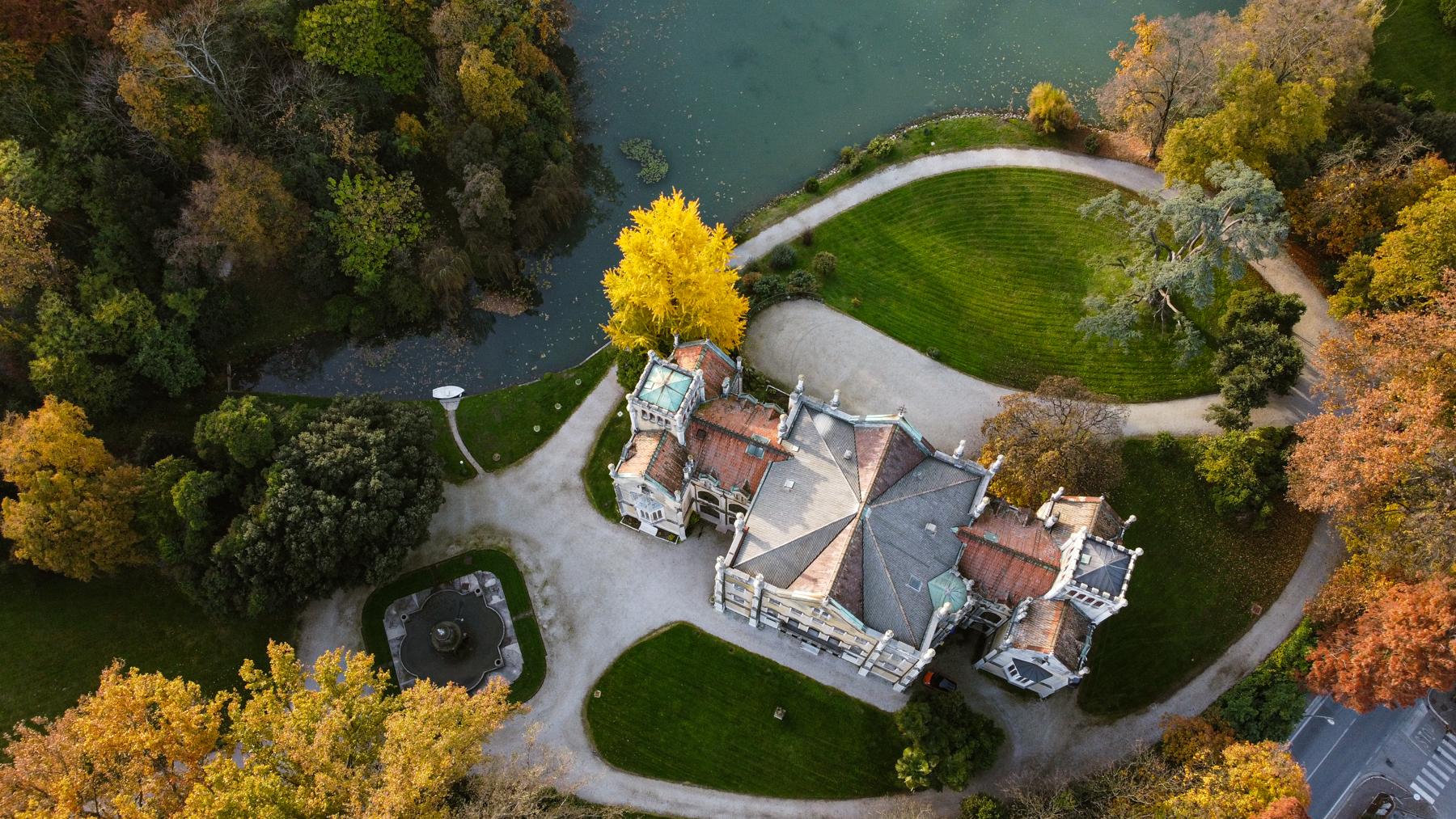
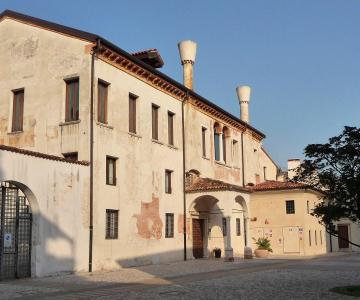
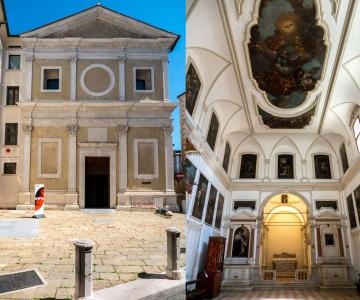
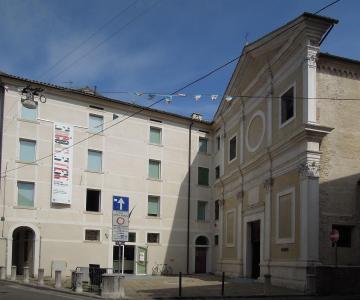
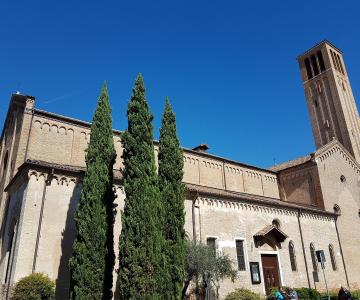
Built in the 16th century for Alessandro Contarini, this building still showcases the architectural features typical of the Venetian villa of the 1500s: a tripartite facade, arched windows on the noble floor, a central element with a balustraded loggia both on the front and back façades, and a large atrium on the ground floor that transitions into a salon on the two upper floors, accessed by a staircase adorned with Sansovino-style stucco. Over time, the palace has undergone various changes, both in its use and in its structure and integrity: it transitioned from a hunting lodge to a country house, from a noble palace to a seat for public and religious institutions, and even hosted military commands during the First World War. During this last period, the palace experienced its greatest degradation; after losing one of the two side barchessas to the French in the early 1800s, military troops contributed to further scar the and deface the works inside the palace and its garden. However, thanks to a careful restoration in the 1980s, today Palazzo Foscolo has become an important cultural center, managed by the Oderzo Culture Foundation and owned by the Municipality of Oderzo since 1978.
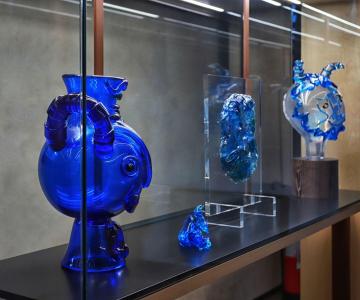
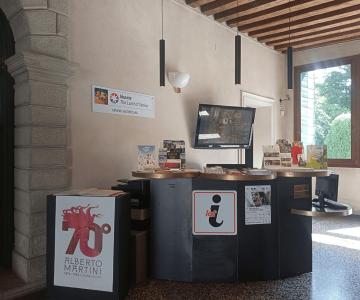
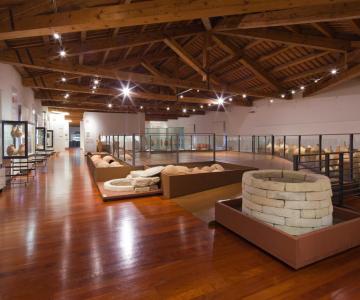
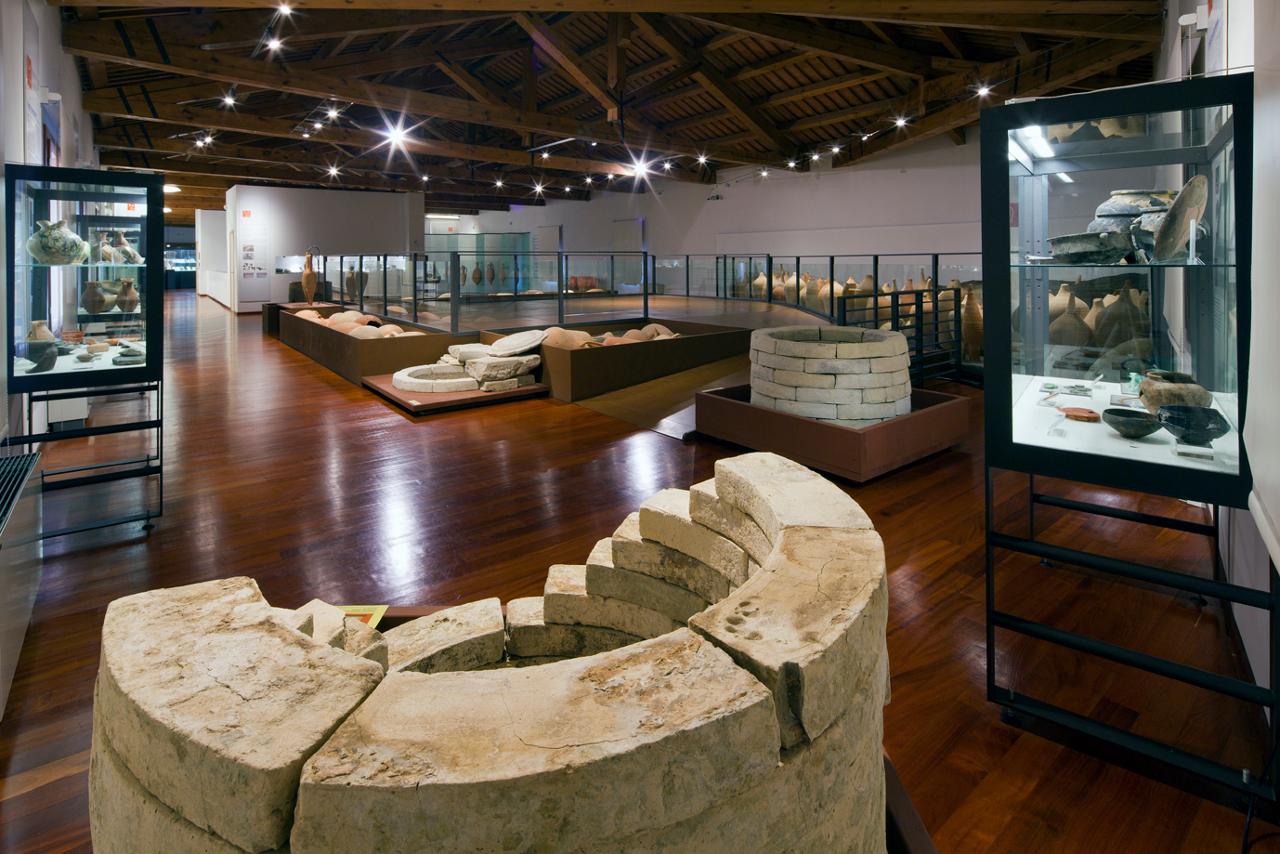
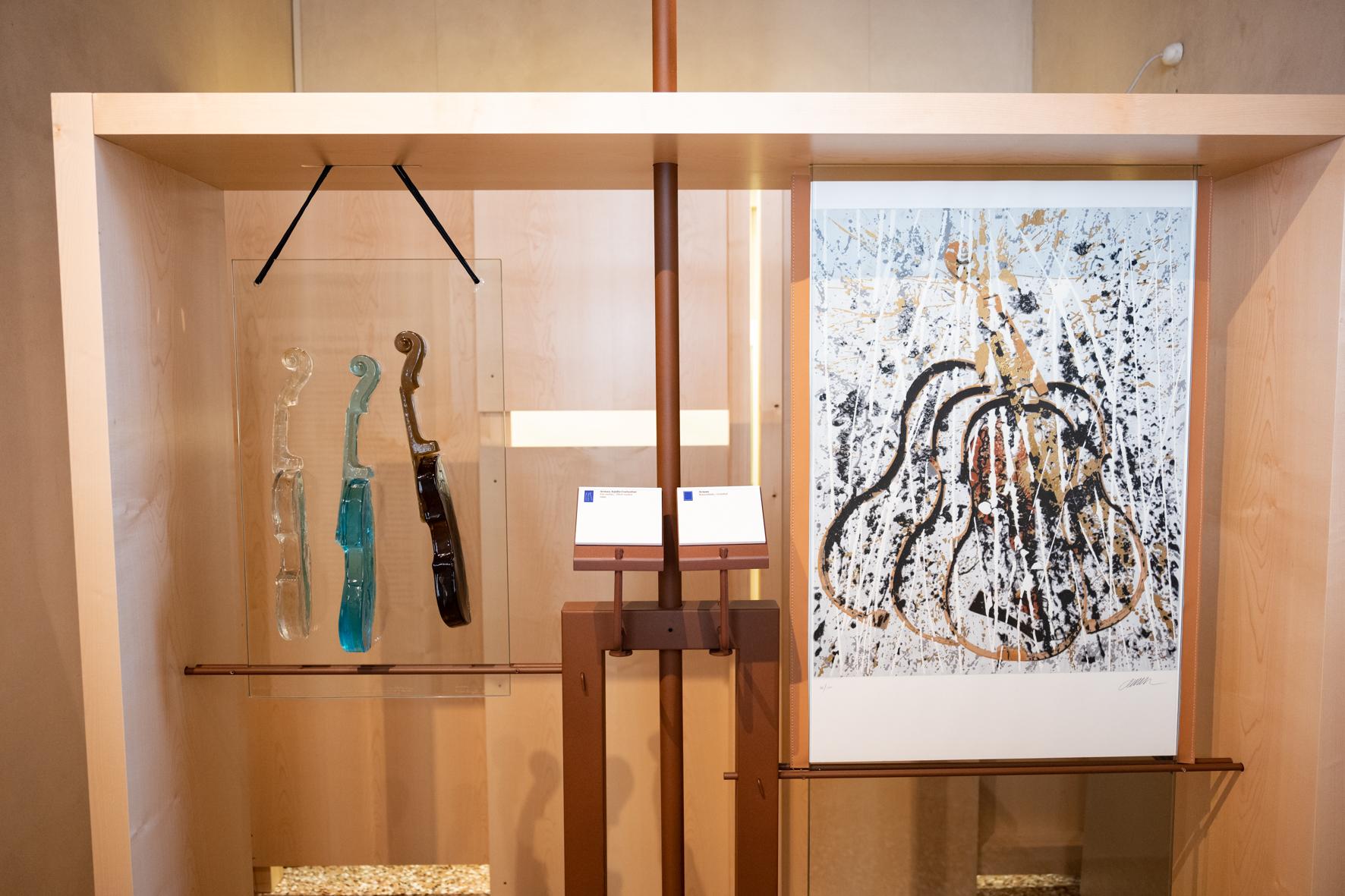
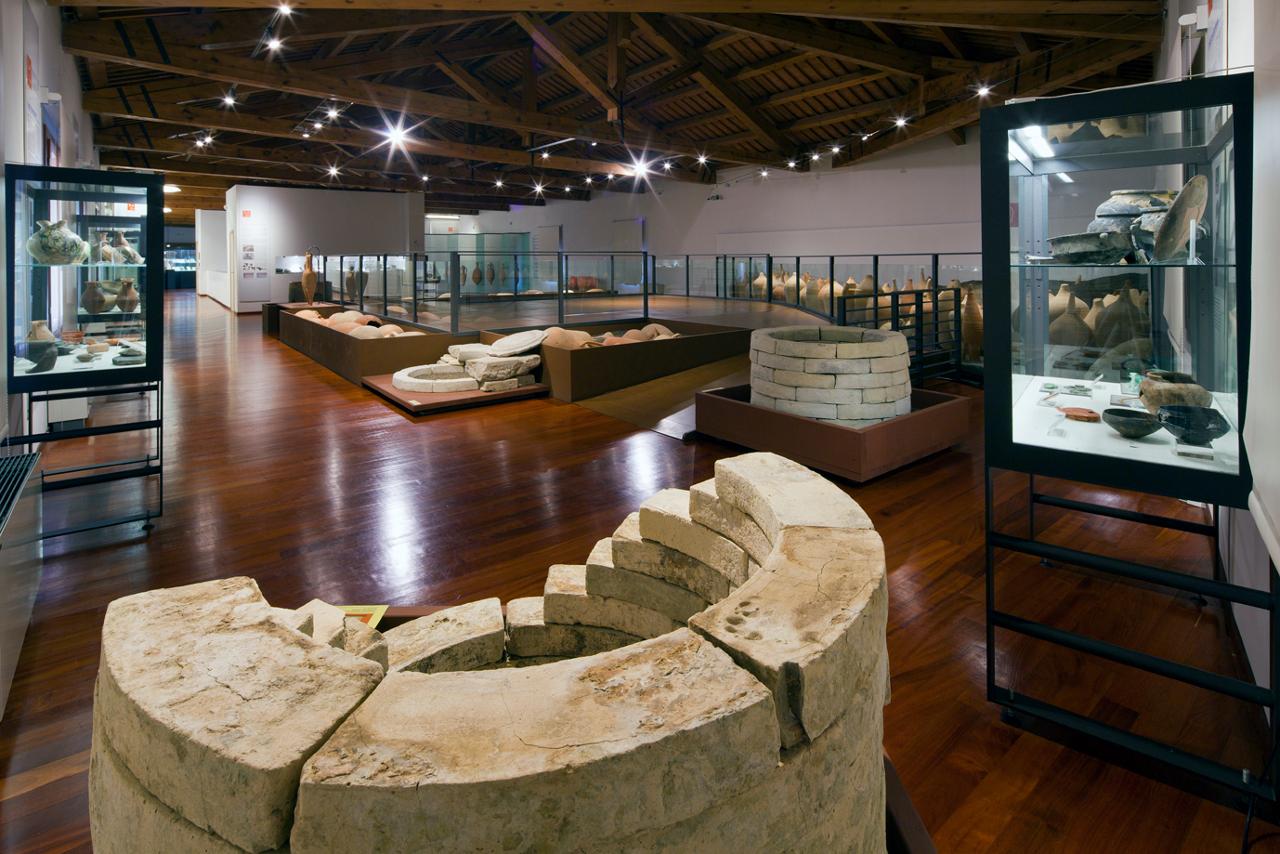
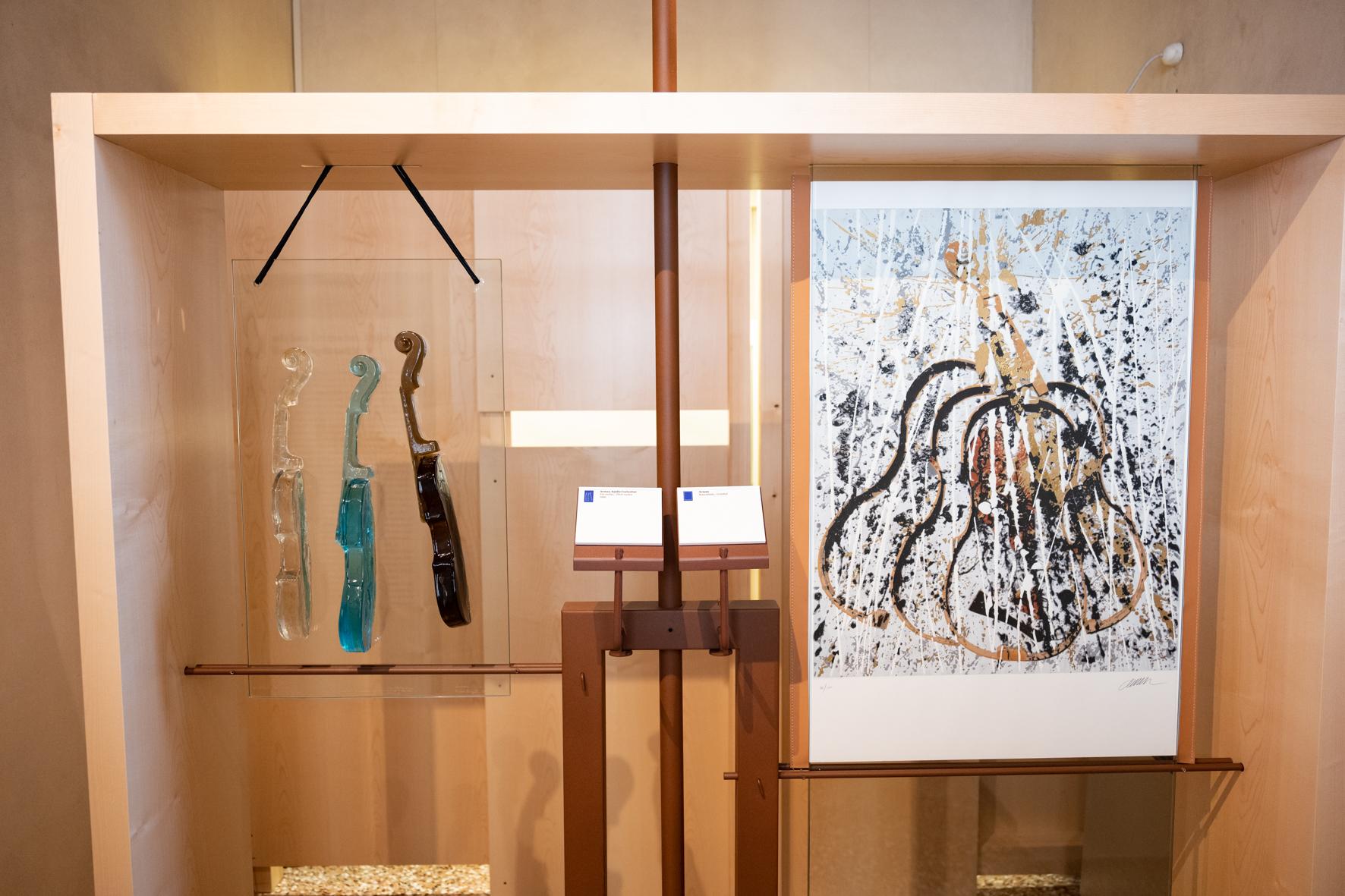
In order to promote and enhance the historical, artistic, and cultural heritage of the Opitergino territory, the building hosts various exhibitions inside: the top floor has become the home of the Pinacoteca dedicated to Alberto Martini (1876-1954), and since 2008, following an additional enrichment of works, the ground floor has been converted into the current GAMCO – Galleria Arte Moderna e Contemporanea Oderzo. The remaining barchessa instead houses the Eno Bellis Archaeological Museum, which displays various archaeological collections from the city, ranging from the pre-Roman age to late antiquity.