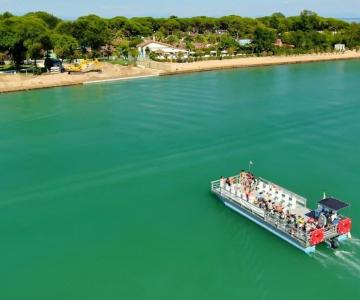
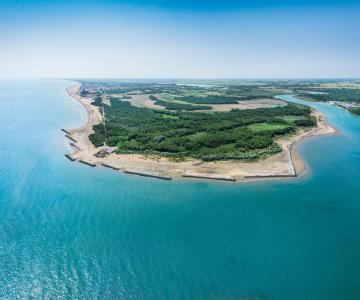
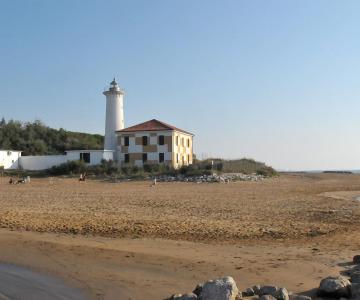
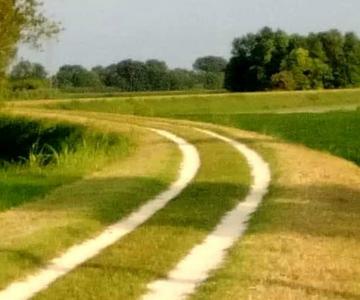
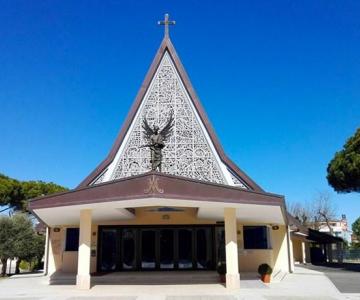
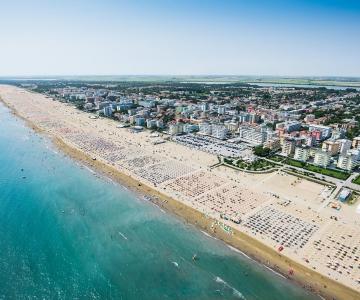
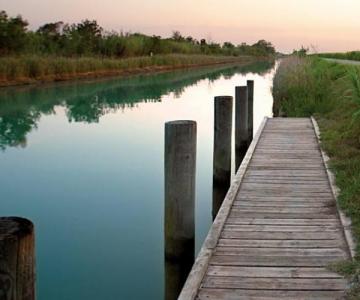
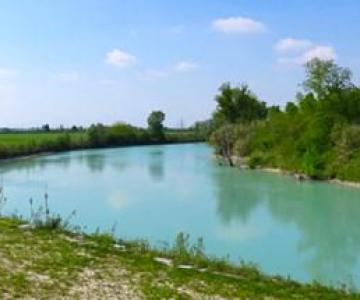
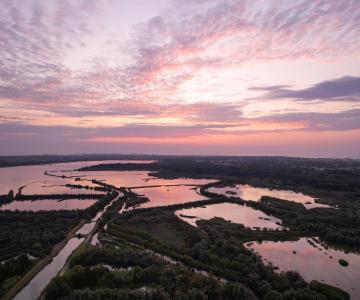
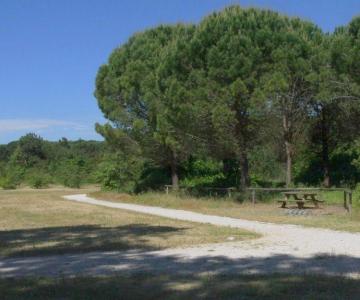
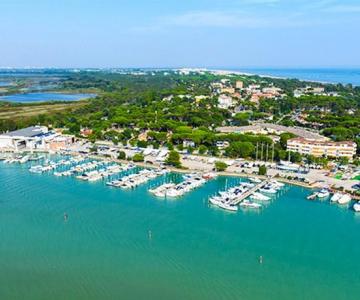
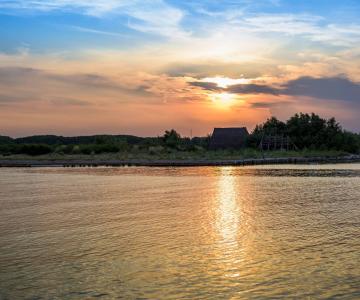
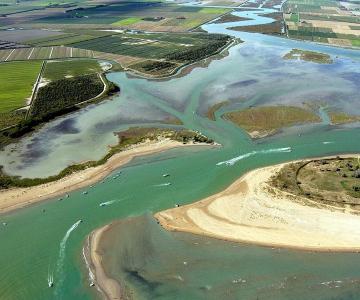
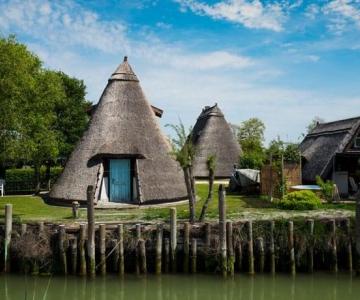
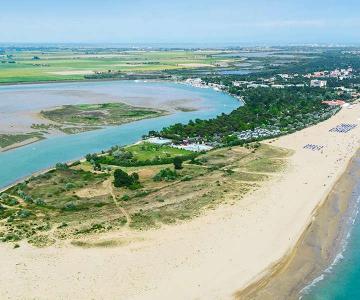
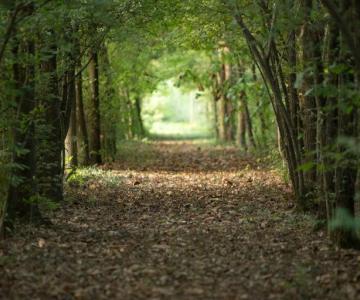
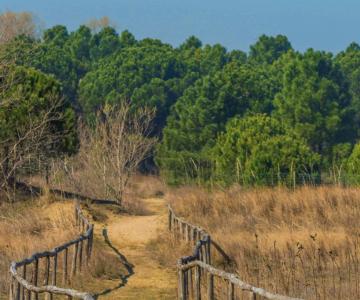
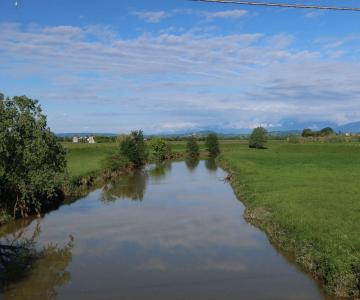
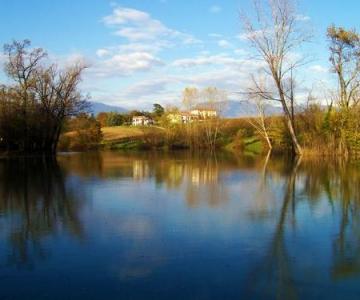
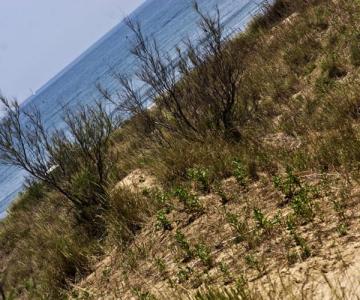
At the mouth of the Tagliamento River, the beauty of the landscape is breathtaking among dunes, pine trees, the beach, and the old lighthouse. Biodiversity is the true wealth of this place, accessible by traveling along a dirt road rich in vegetation or directly from the beach. Here, there are tree species typical of mountainous landscapes such as black pine, oak, heather, and German broom, brought here by the river's current. Alongside these, golden lilies, gladiolus, gentianella, primrose, and typical marsh plants like Parnassia also thrive.
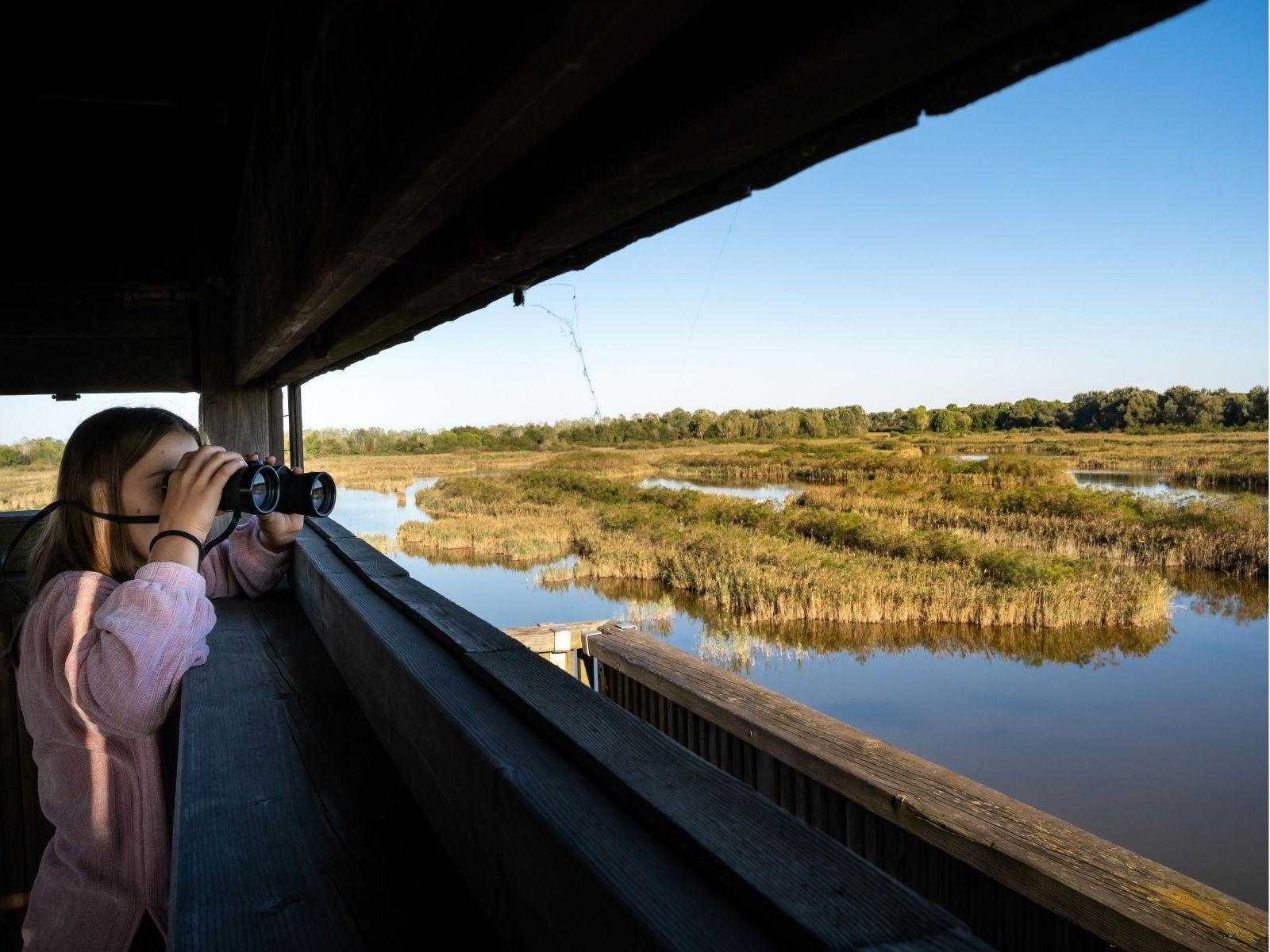
Particularly striking are the orchids that can be identified in several species: Lesser Orchid, Spotted Orchid, Greater Listera, Red Cephalantera, Greater Cephalantera, and Tree Flower. It isn't difficult to also see hedgehogs, small rodents, and birds like herons, the gray heron, and the famous Black-winged Stilt.
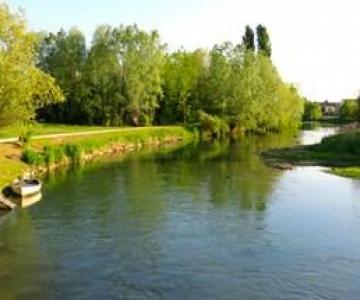
The Tagliamento originates near the Passo della Mauria, in the Carnic and Grail Alps, on the border between Veneto and Friuli Venezia Giulia. In its first stretch, it flows through the Carnia region, in the northern part of the province of Udine, and then serves as the border between this province and the Province of Pordenone, and later the Province of Venice, eventually flowing into the Gulf of Venice between Lignano Sabbiadoro (UD) and Bibione (VE). Its hydrographic basin covers approximately 2,916.86 km² and is located almost entirely within other Friulian mountain valleys (86.5%).
The Tagliamento River is considered an extremely valuable and interesting ecosystem, being regarded as the last morphologically intact river corridor of the Alps. In fact, for a large part of its course, human intervention has been virtually nonexistent, and the river dynamics exhibit a unique level of naturalness in Europe. Thanks to this characteristic, the Tagliamento is studied by universities and research institutions worldwide and has been taken as a model for river renaturalization projects. Morphologically, the Tagliamento is characterized by its braided channel dynamics, consisting of a very broad gravel bed with numerous intertwining water channels along its course. This shape typically manifests in rivers with high solid transport. This type of riverbed allows for the creation of morphological elements such as vegetated islands and gravel bars, which are now at risk across Europe, and in turn have enabled the development of a rich riverine ecosystem. The riverbed acts as a natural corridor both longitudinally and latitudinally, connecting typically mountainous habitats with those of the plain. As a result of this phenomenon, known as dealpinism, it is not uncommon to find plant species typical of mountain screes within the riverbed; numerous rare or extinct animal species from the rest of the Po Valley can also be found here due to human actions, namely the transformation of their natural habitat into cultivated fields or built-up areas. The bed of the Tagliamento also serves as a migratory corridor and visual reference point for numerous species of migratory birds and is often used for their nesting.