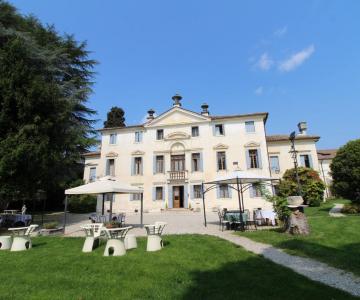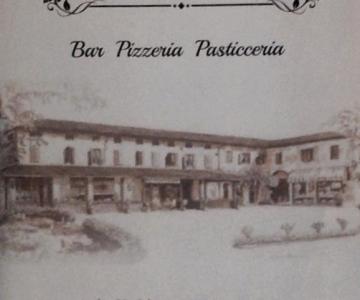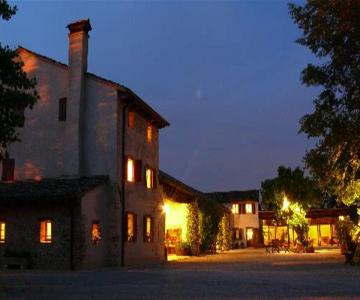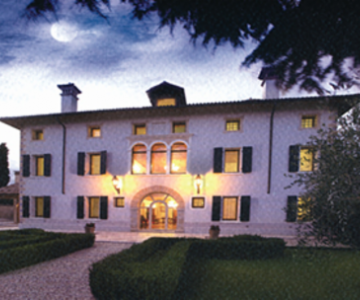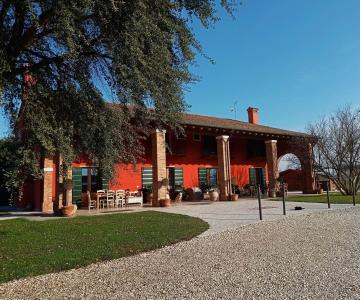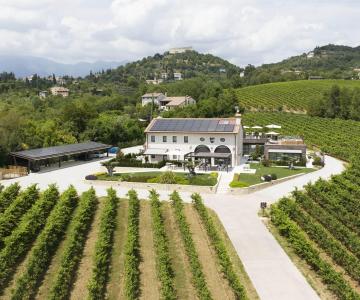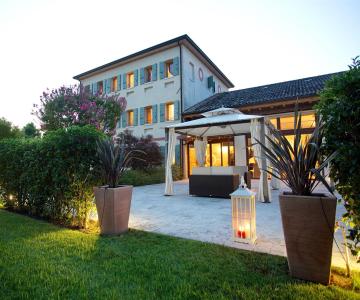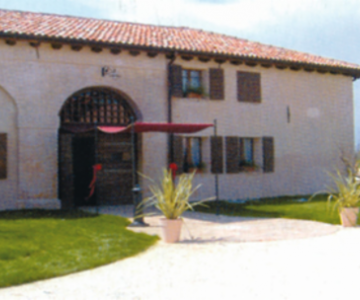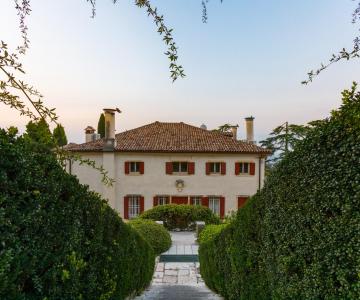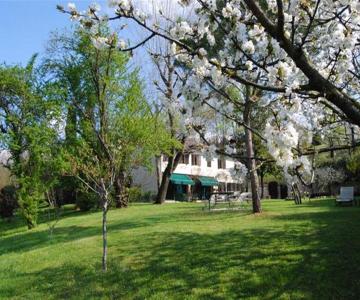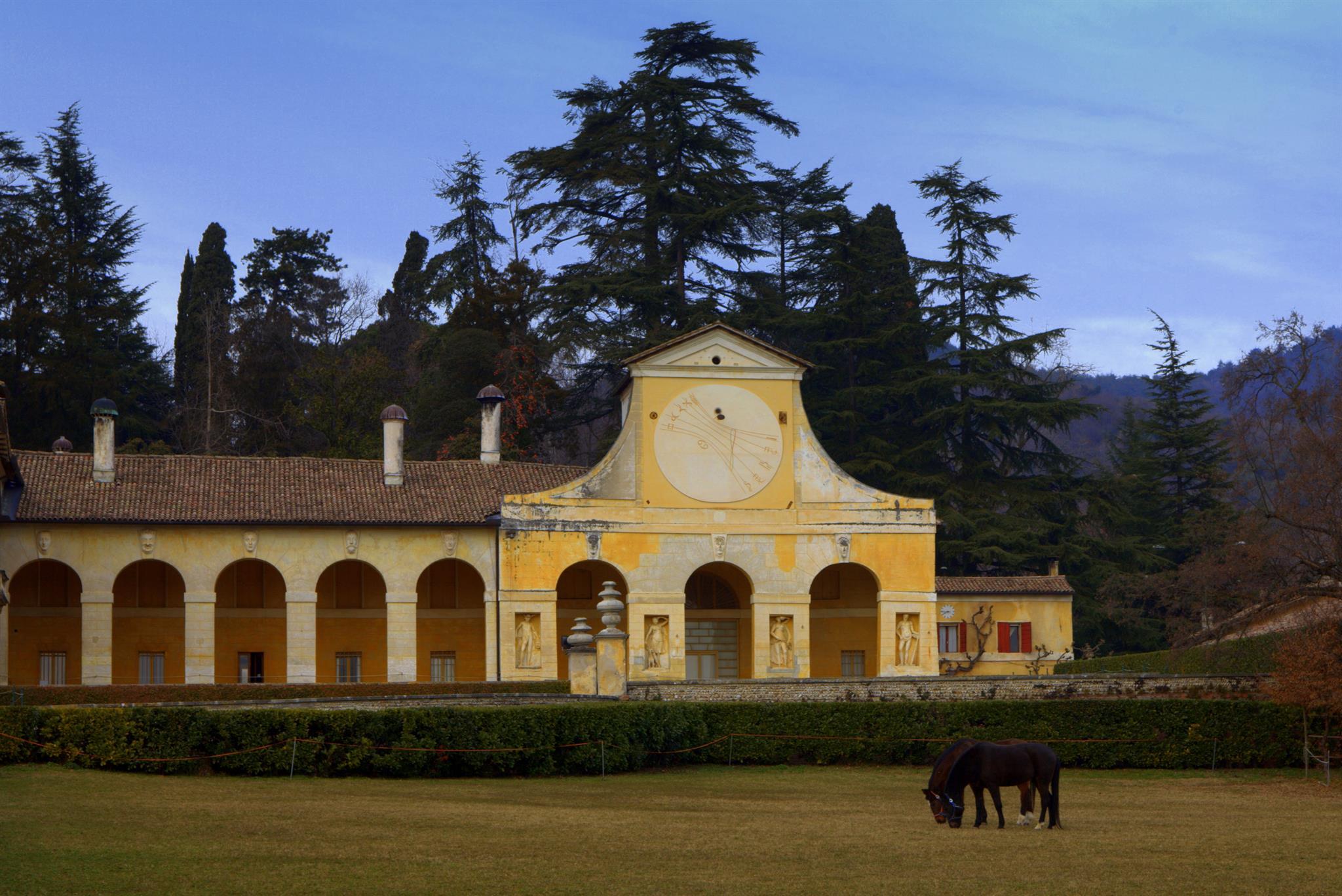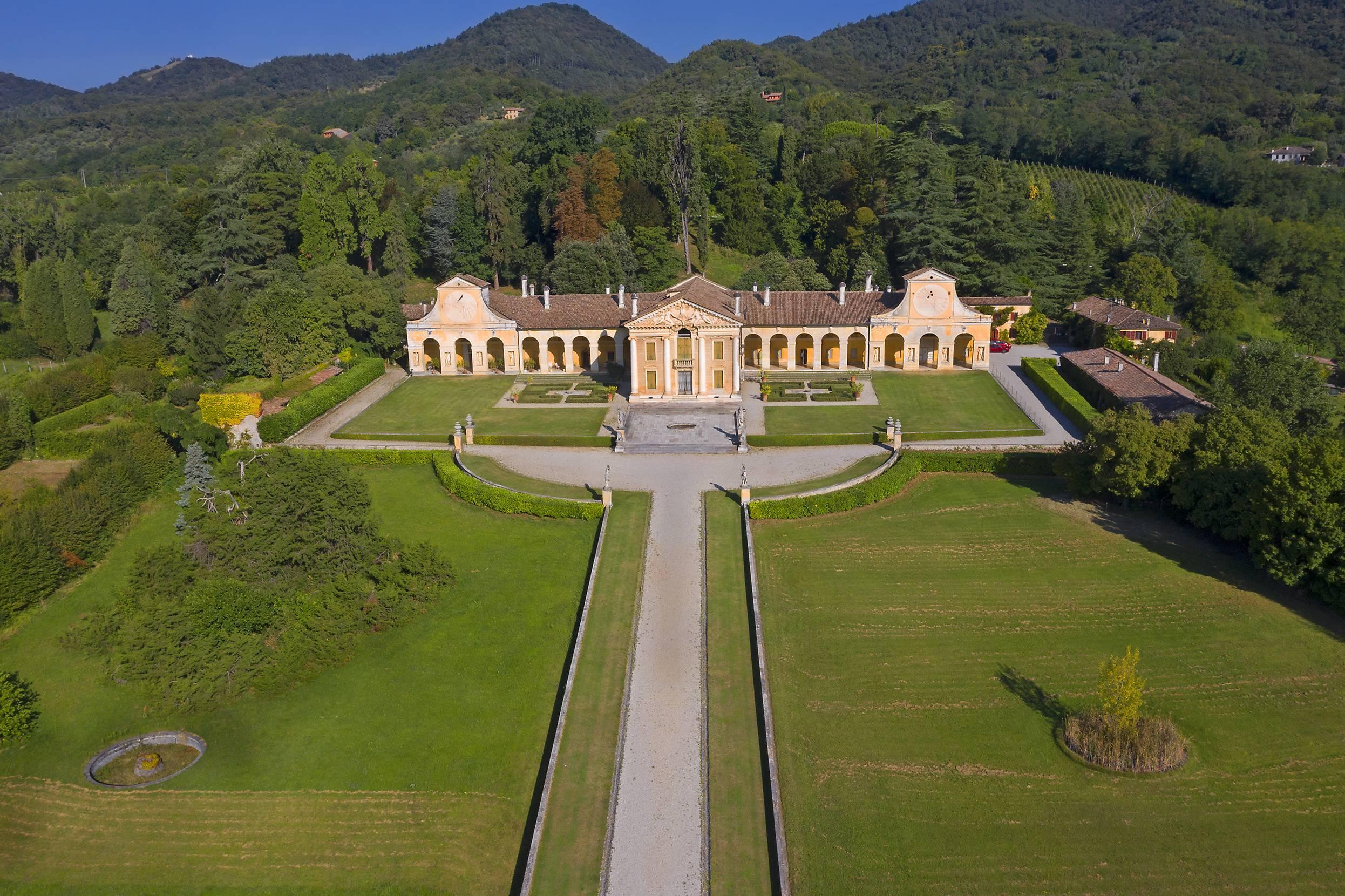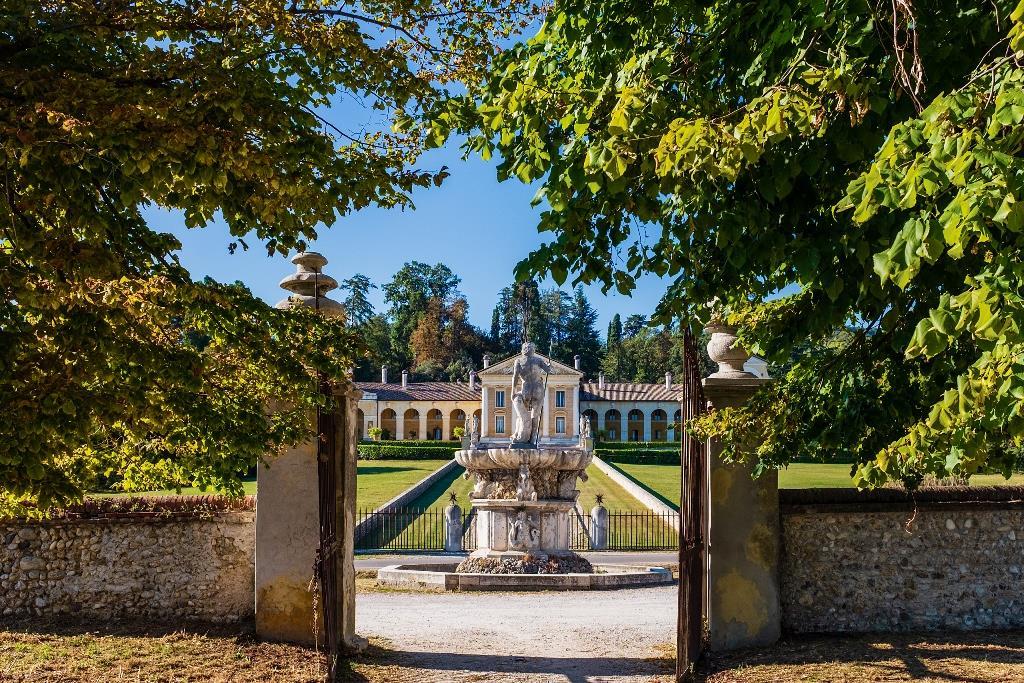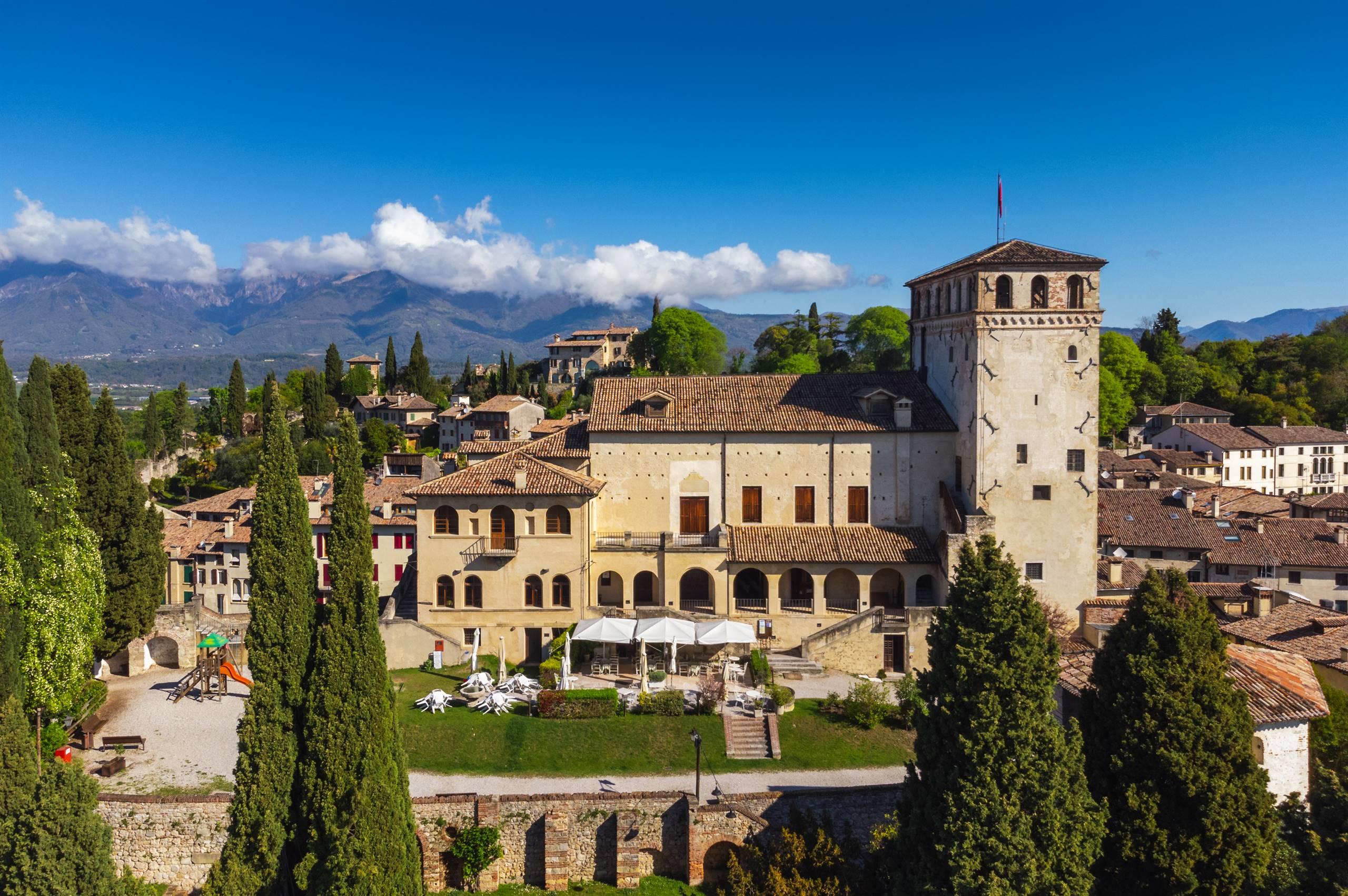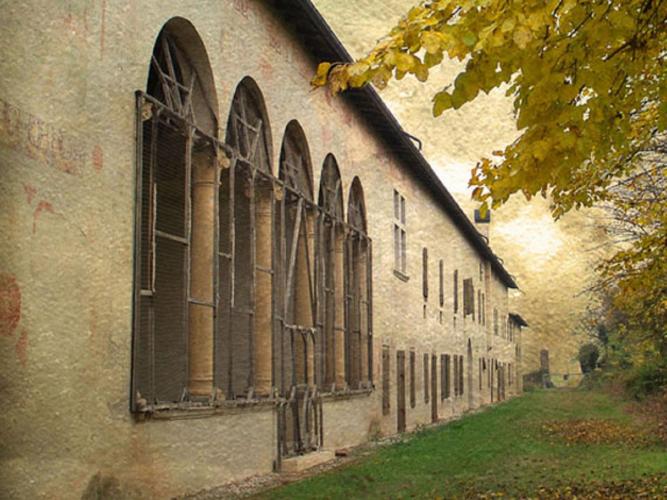
The Barco della Regina Cornaro is a barchessa of a Venetian villa, which constituted the residential part of a large architectural and landscape complex.
The project is traditionally attributed to Francesco Graziolo and Pietro Lugato and is structured around three walled enclosures. The largest of the three spaces housed the hunting park, rich in waterways and served by a large dovecote; the second enclosure formed a vast courtyard in which the only building still existing today was incorporated. The last walled enclosure hosted the actual palace, with gardens and a fishpond.
The complex was home to the court of the queen of Cyprus and a humanist center frequented by major Renaissance literati, such as Pietro Bembo and Ruzante.
Begun in 1491, the project was never completed. Today, the barco is the only building that recalls the splendor of the queen's court.
The barco consists of three main areas, which form a single block: a noble chapel occupies the northern side, an elegant loggia rises in the center, while on the southern side the barchessa develops over two levels.
The entire facade surface is decorated with 16th-century frescoes.
The Barco can only be visited during events and exhibitions, such as the FAI Days.