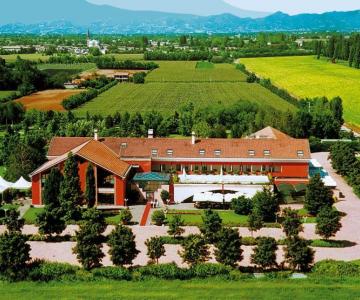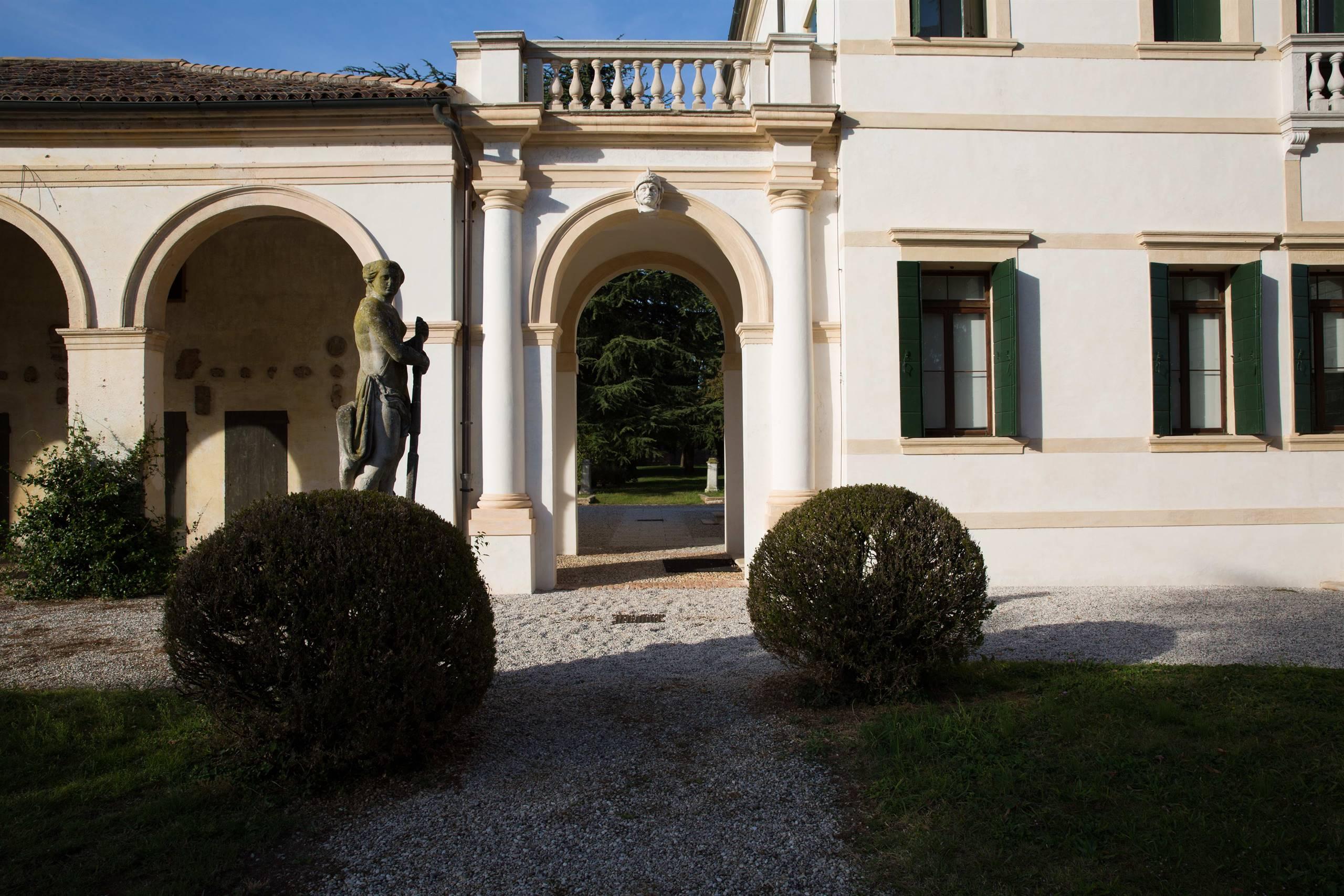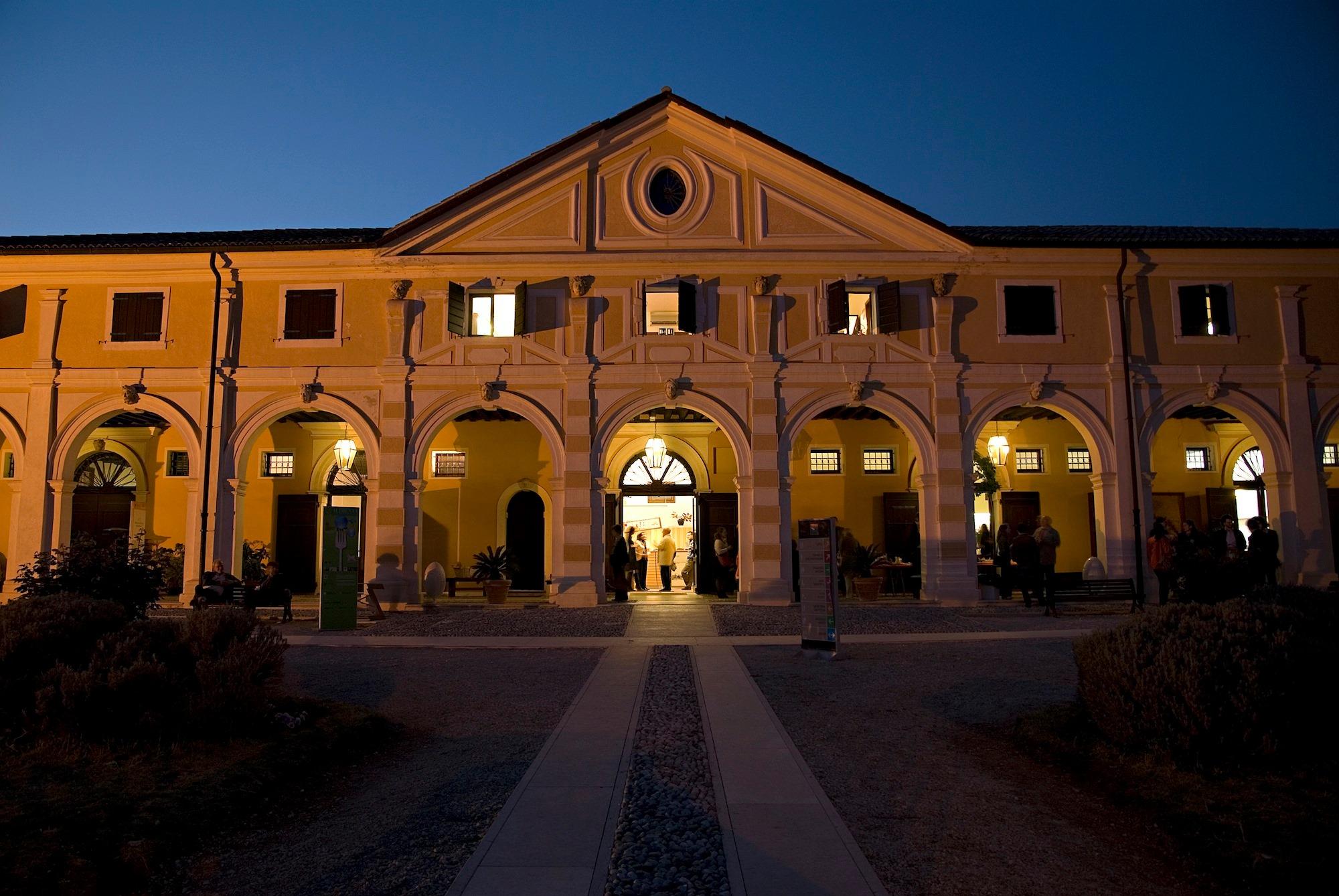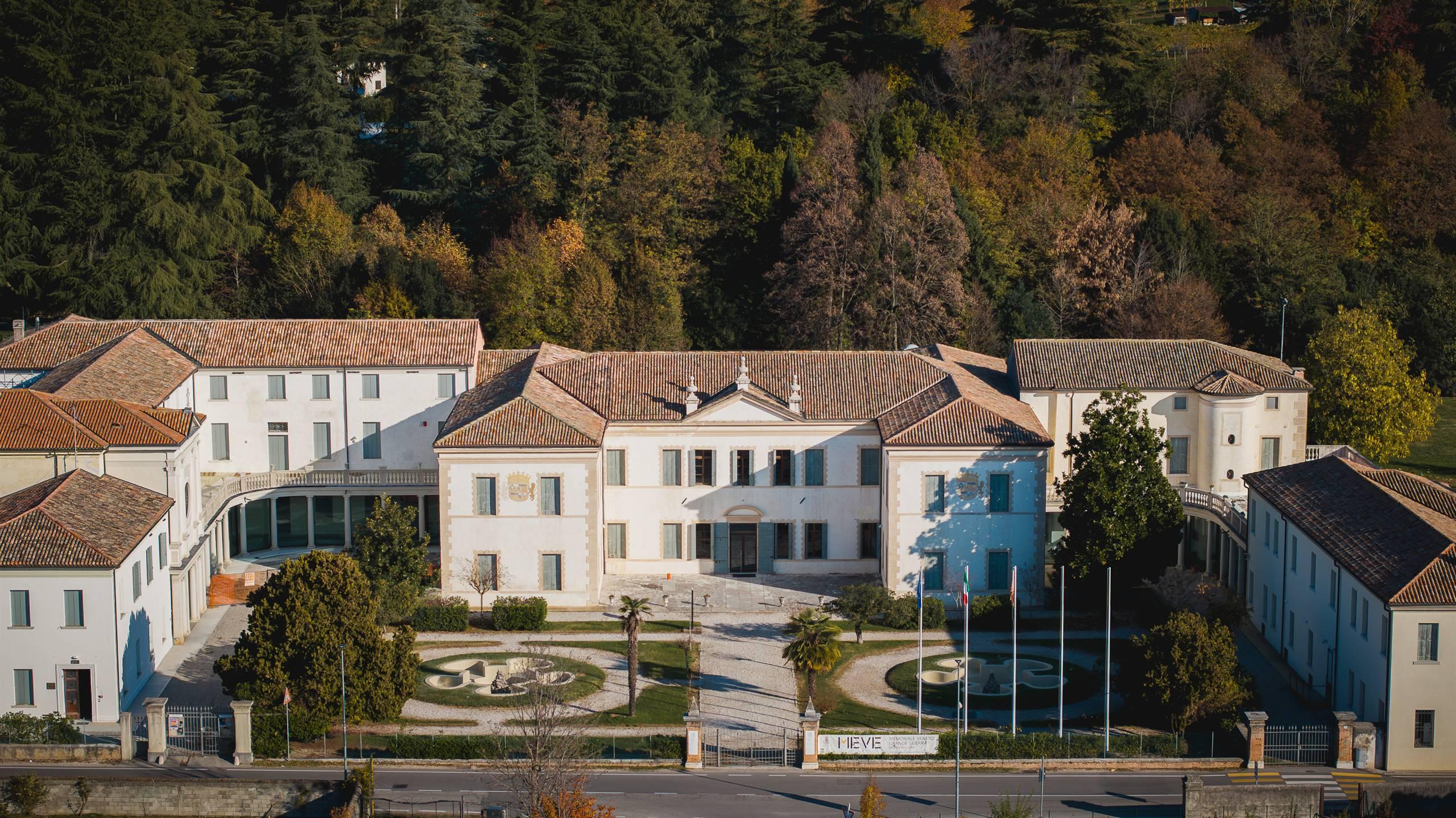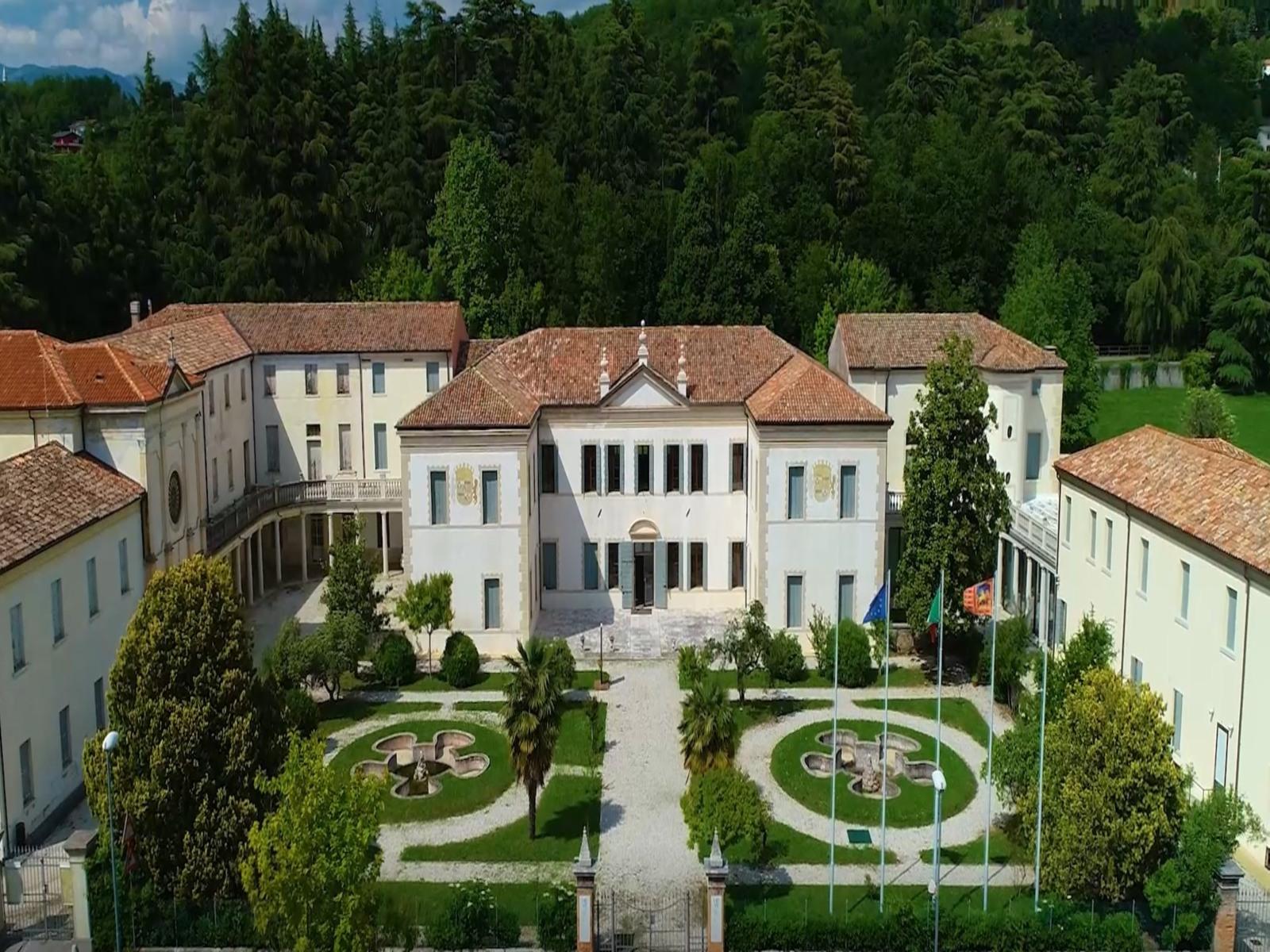
Villa Emo is a Venetian villa built by architect Andrea Palladio (1508-1580) near Fanzolo, within the municipality of Vedelago.
The work, realised between 1556 and 1559, was commissioned by the Emo family of Venice, whose property it remained until 2004. Since 1996, the villa has been included in the UNESCO heritage list, together with the other Palladian villas scattered throughout the Veneto region.
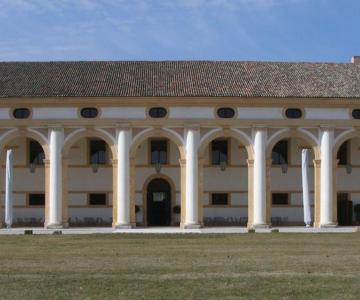
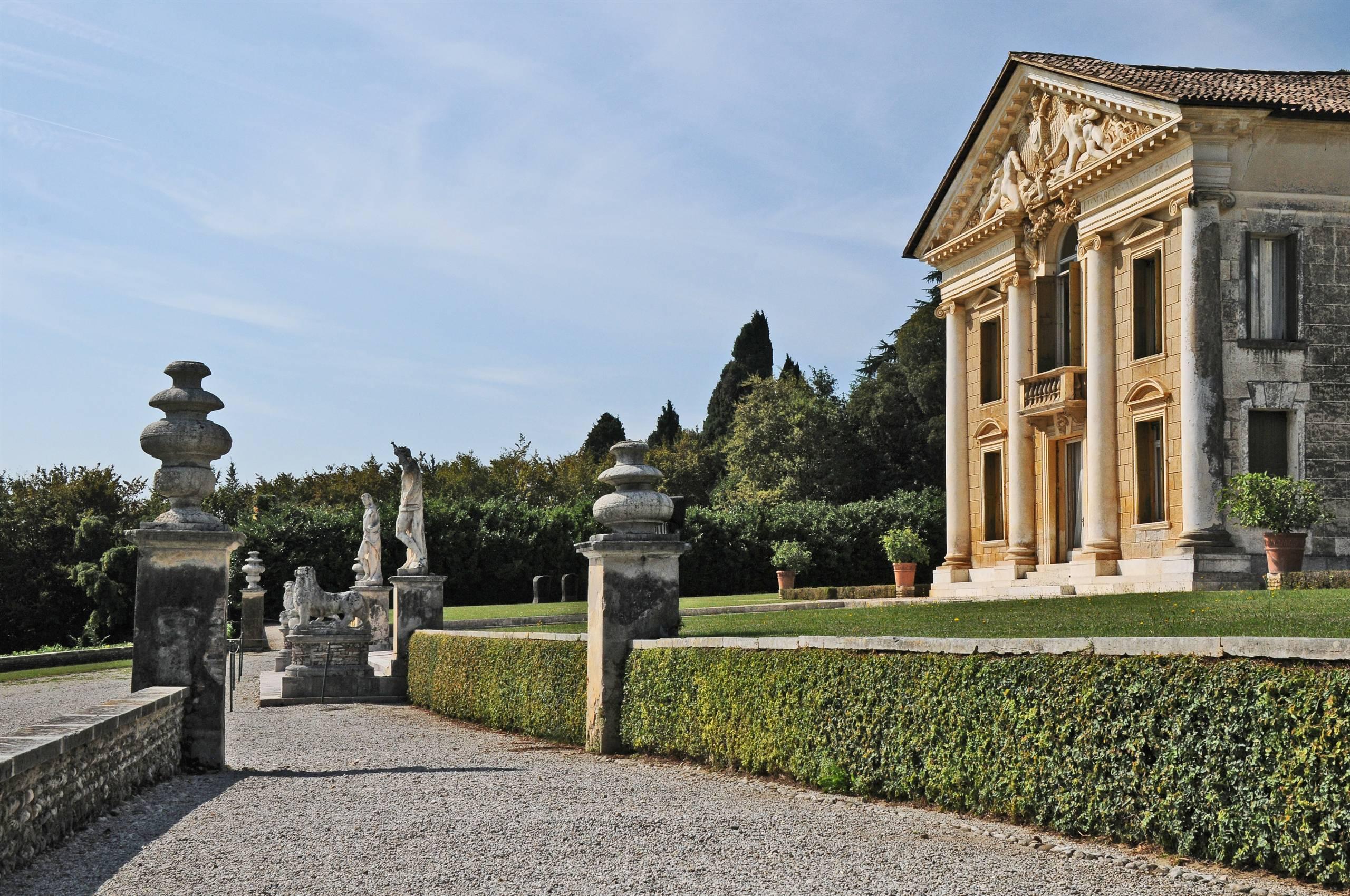
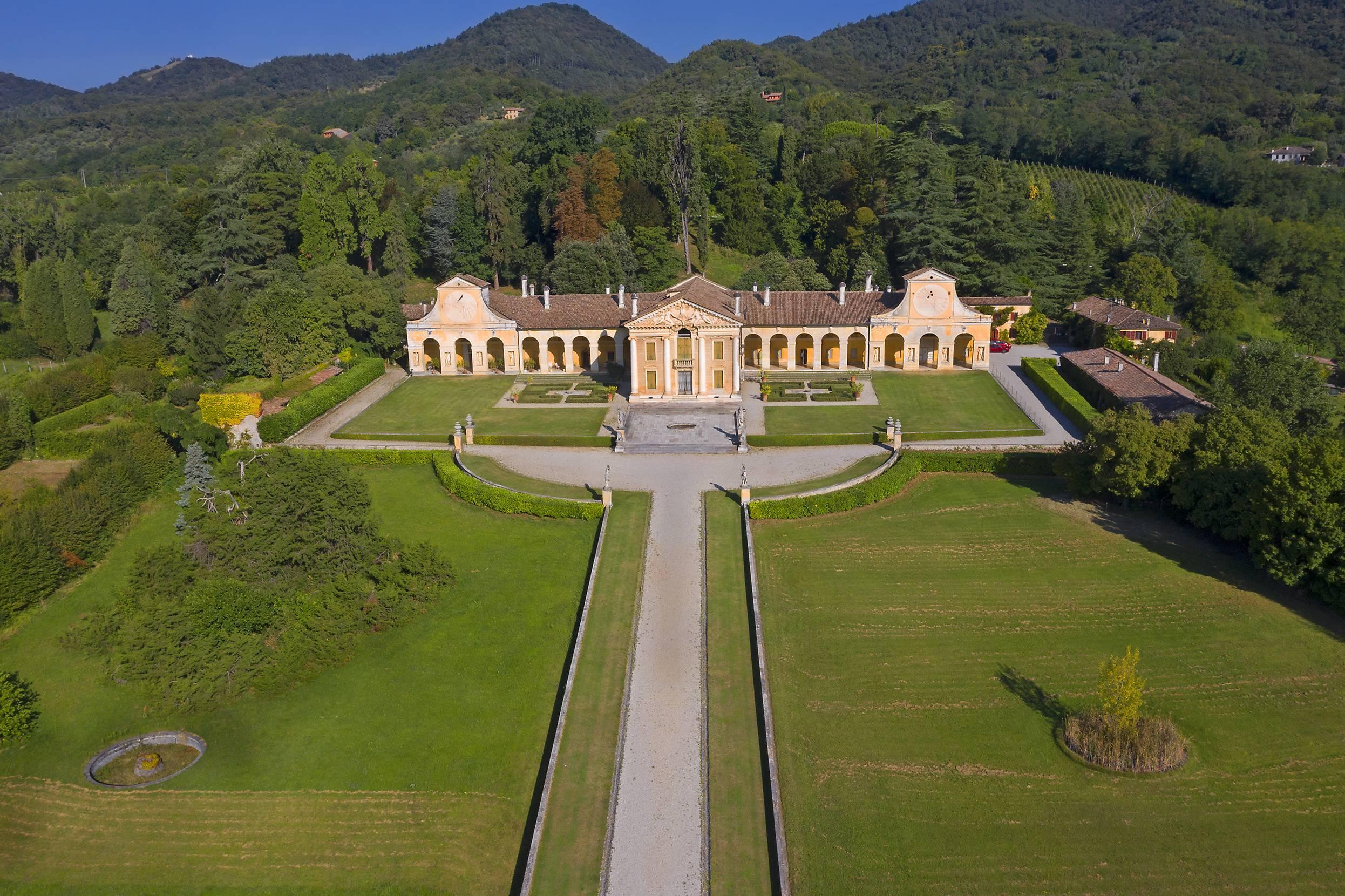
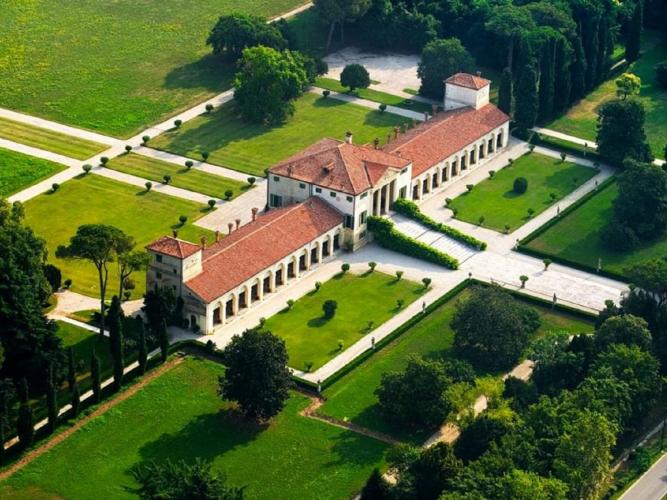
The building consists of a central body, divided into three floors - a characteristic feature of Palladian villas - from which unravel two columned barchesse, the fulcrum of the farm, complemented by two dovecote towers.
The villa is positioned on two perpendicular lines, one formed by the villa itself, and one formed by the avenue, originally completely planted with poplars. The area was crossed by the ancient Via Postumia and the plot of fields followed the grid of the Roman centuriazione. The villa is oriented according to this ancient plot, as can be clearly seen from the entrances to the building, aligned in a long perspective.
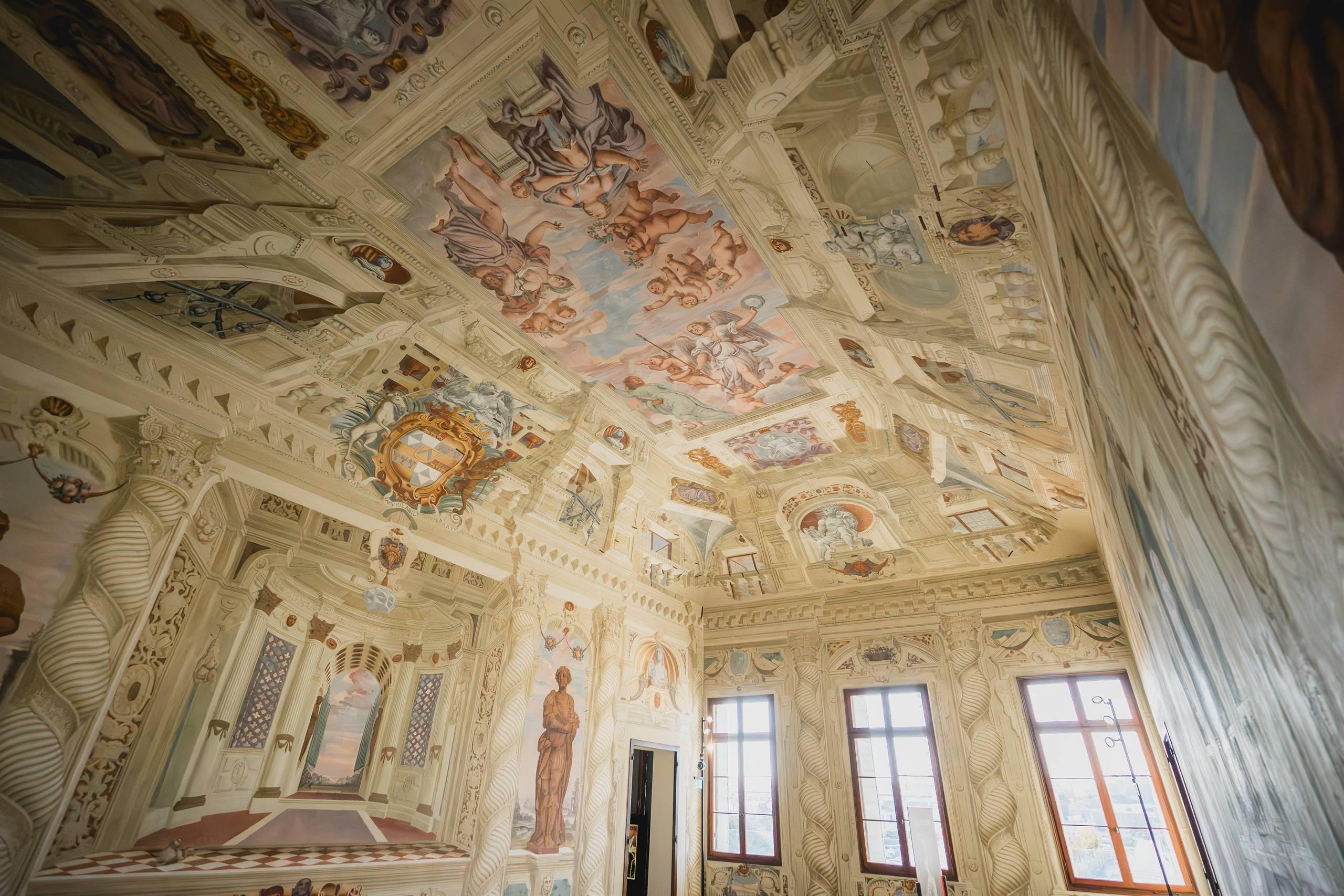
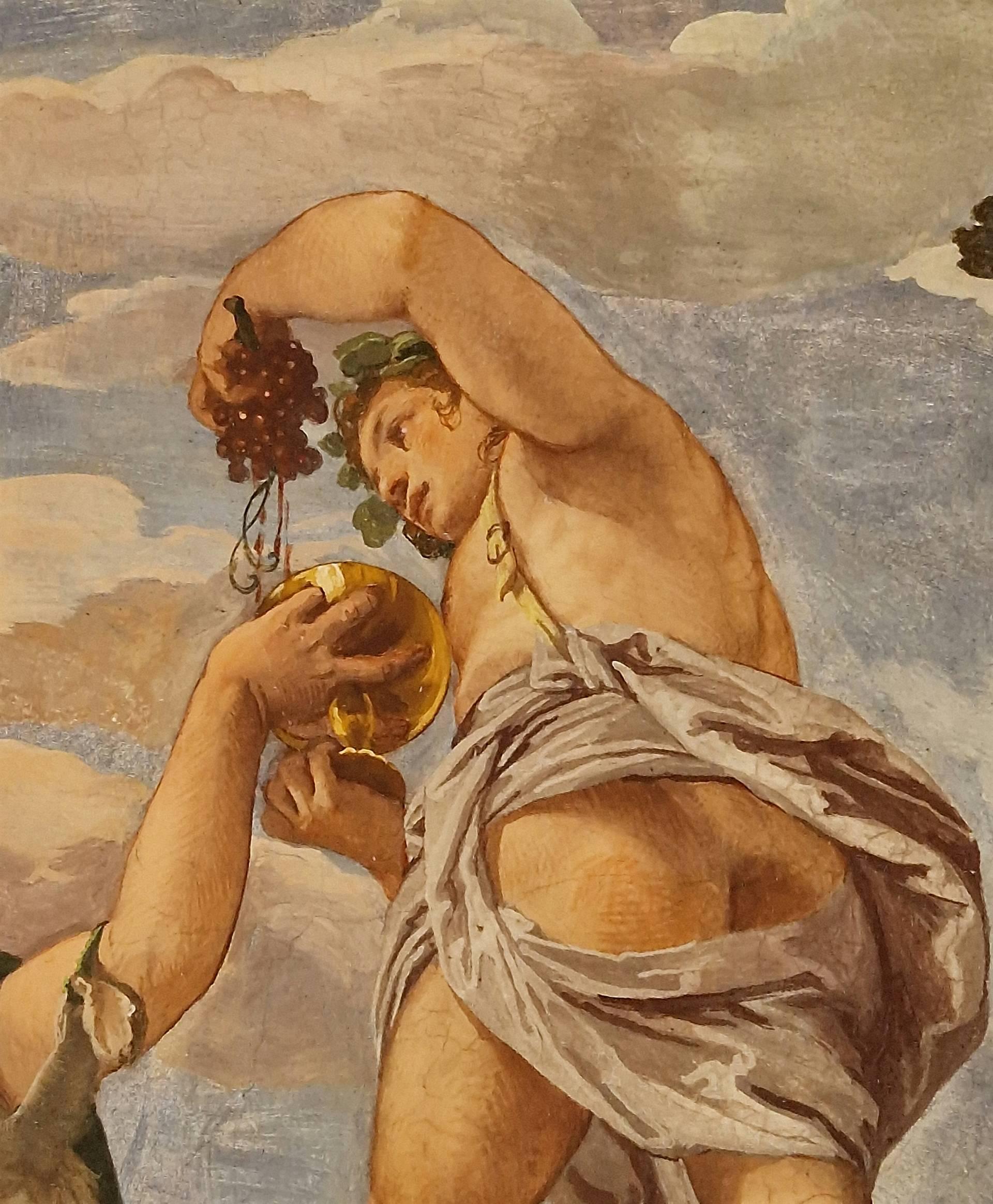
The exteriors are essential, the architectural order chosen is Doric, the simplest, and the windows have no cornices. On entering the interior, however, one can see the rich decorations and numerous frescoes that the villa contains, attributed to the painter Battista Zelotti, companion and collaborator of Paolo Veronese.