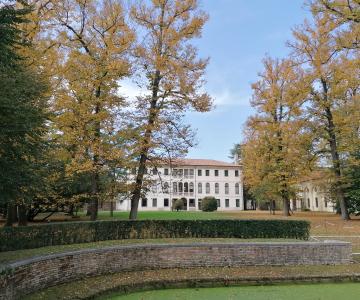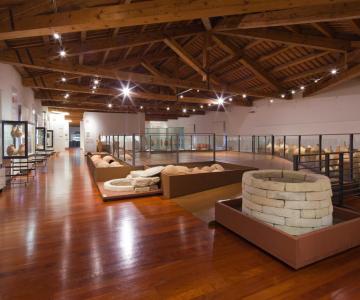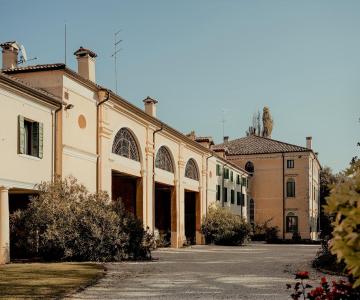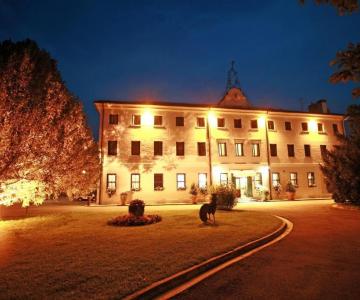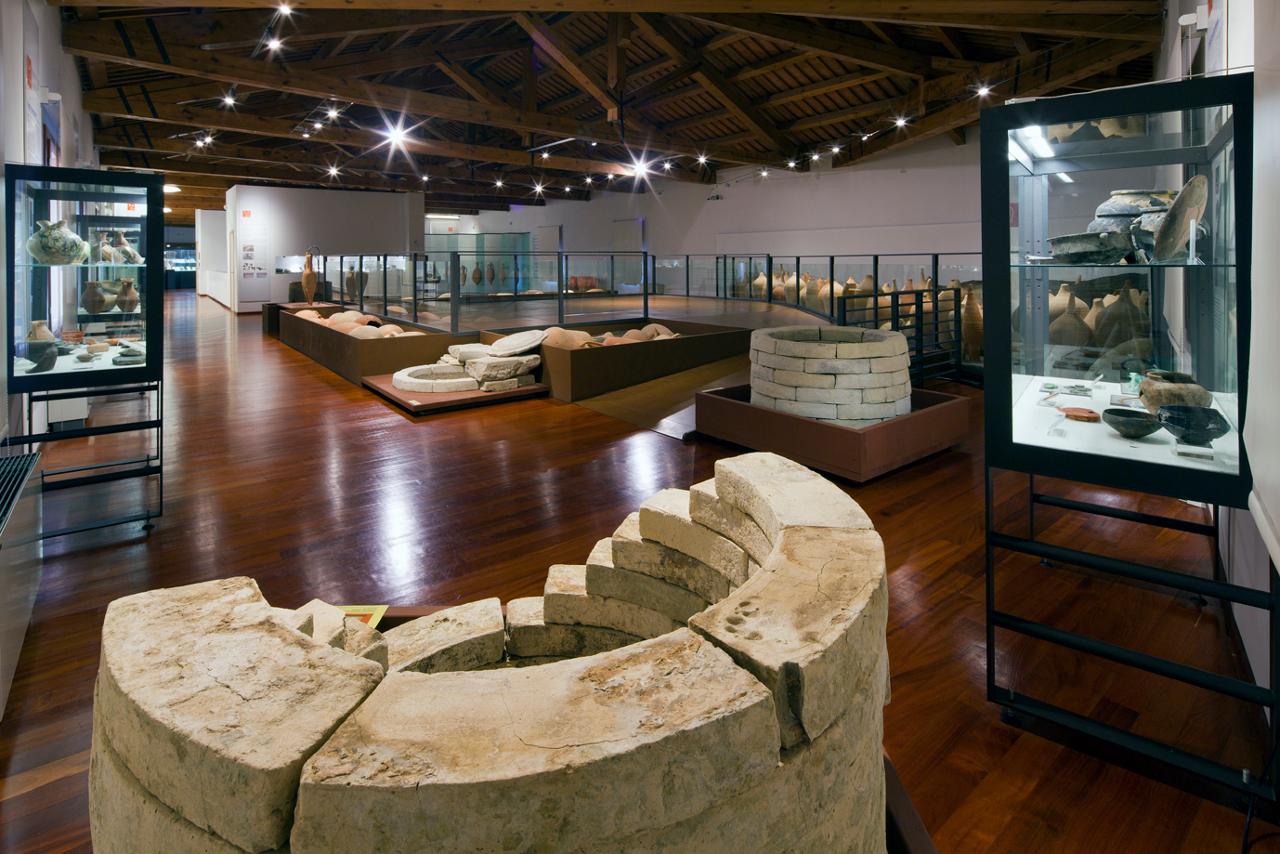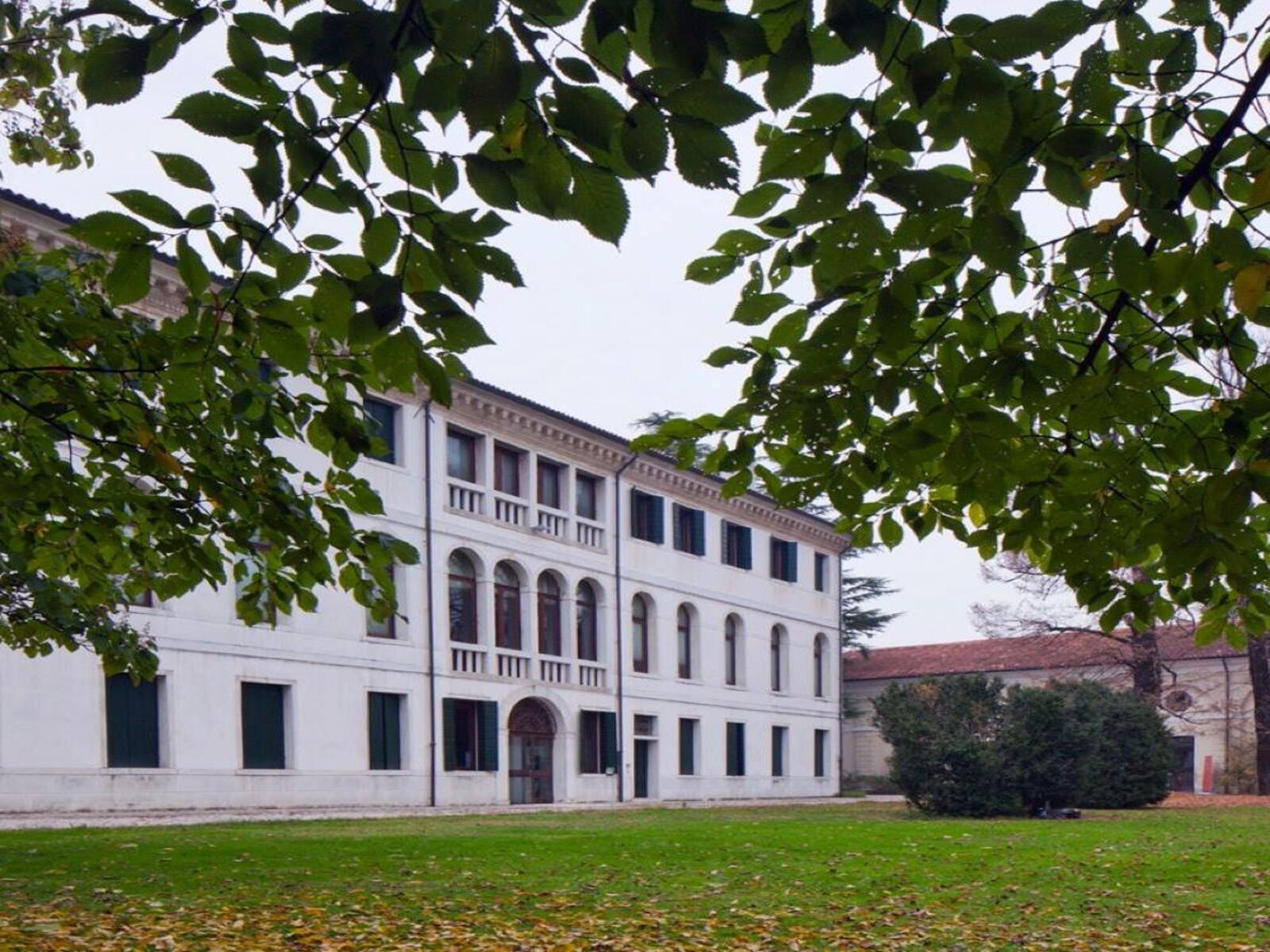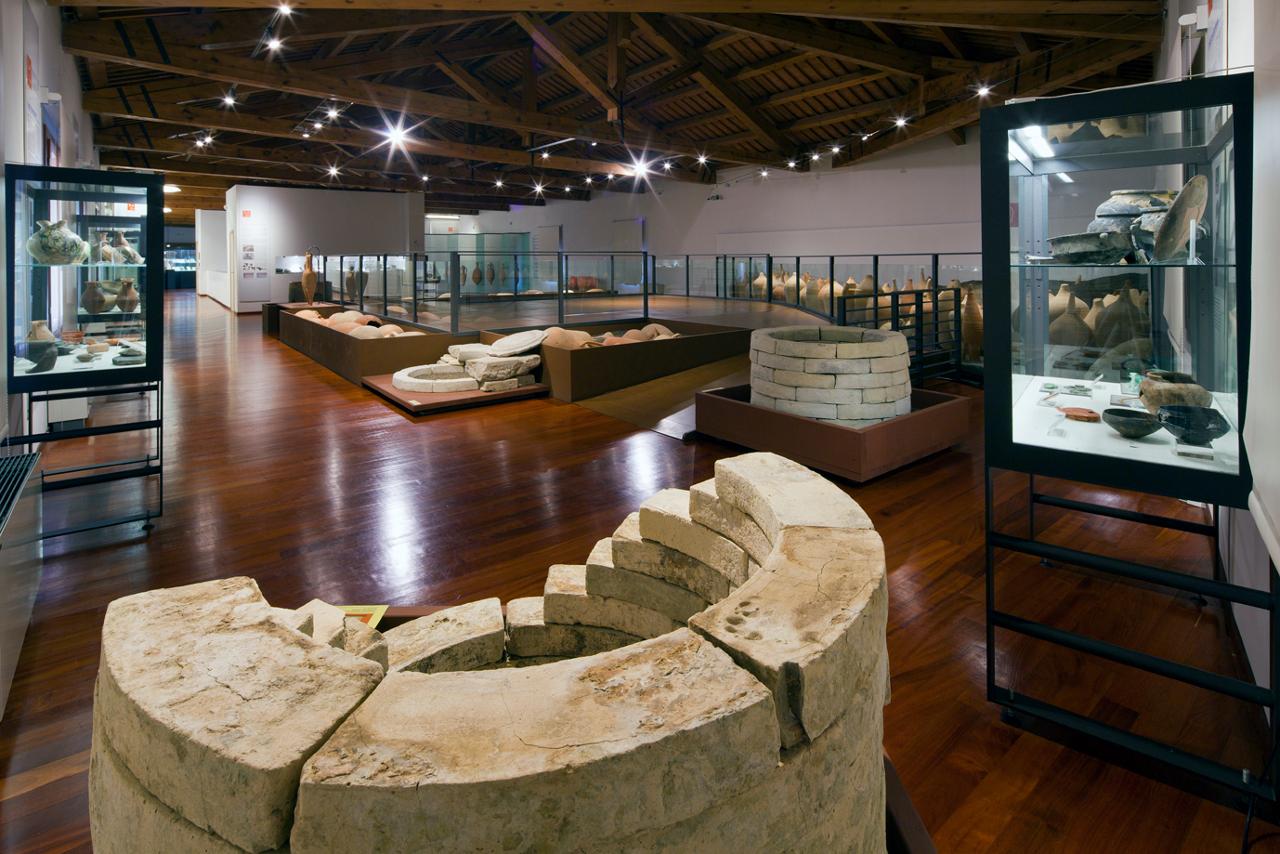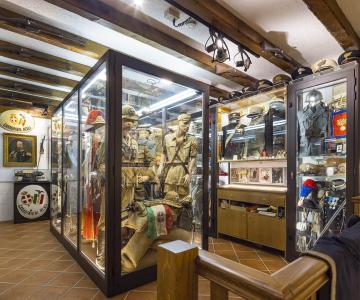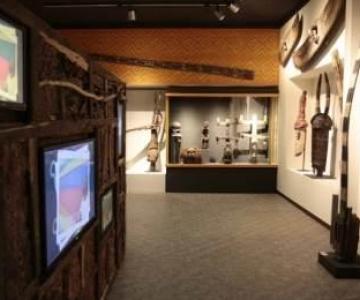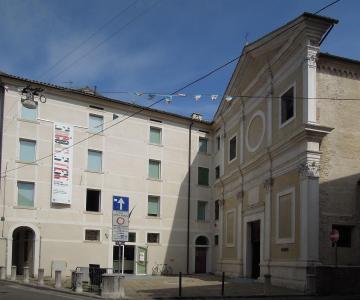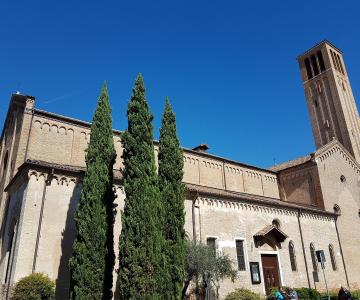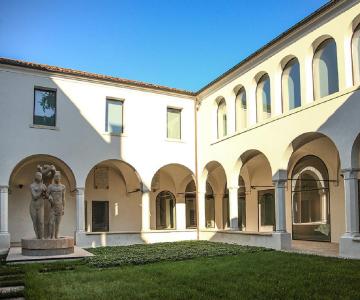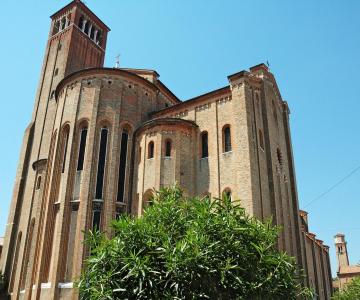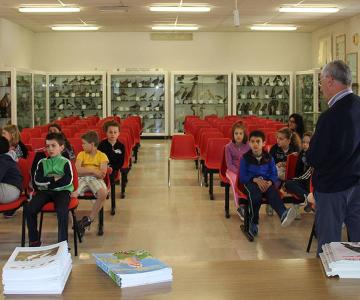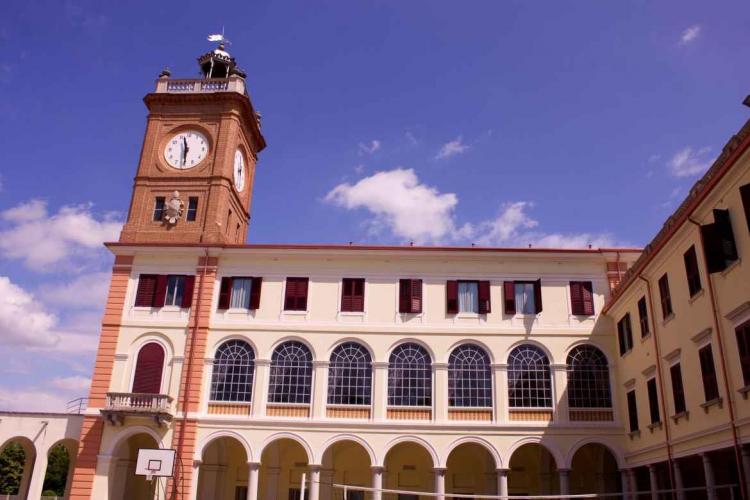
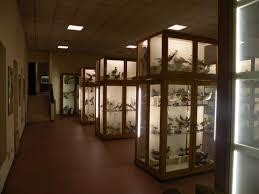
It contains artifacts from the Venetian Territory. The Natural History Museum “Brandolini Giol” was founded in 1938 and it brings together a geological collection (Brandolini collection), an ornithological collection (Giol Collection), an ethnographic collection (from Ecuador) and different archaeological finds, discovered mainly in the Venetian territory.
Room 1
Inside the first room, in showcase number 9, are exposed several prehistoric finds of unknown origin. Among these is possible to see bones, teeth and horns of prehistoric animals (mastodon tooth, ursus spelaeus teeth from Asiago, a bear vertebrae from Asiago and a deer horn from the Berici Hills), flint instruments and ceramic materials (olla with decoration with horizontal lines engraved).
Room 3
The third room hosts , in addition to a rich entomological collection, two showcases intended to house archeological materials. The corner display case contains some fragments of Roman amphorae collected in front of the Brandolini Institute and artifacts of pre-Columbian civilizations discovered in Ecuador. The lower display case contains remains of amphorae, several ceramic fragments from the Roman era (table ceramics, black paint and kitchen ceramics), a piece of Roman tile, circular frame weights in stone, iron objects, granite of the Egyptian pyramids, fragments of Roman glass, an Etruscan pipe and ceramic fragments from Matera.
Room 4
Two small display cases placed on the ground and two slightly raised shelves house the archeological evidence present in this room. In the two cases are exposed various lithic artifacts found near Ponte di Veja and a skeleton of burial found in Thiene (6000 years ago). In the two shelves there are flints worked by Montello and other lithic artifacts , collected in the excavations conducted in front of the Brandolini Institute.