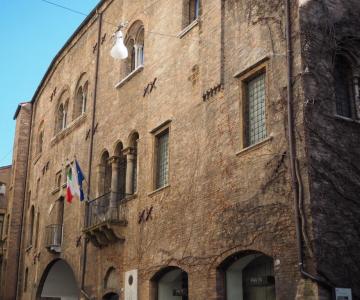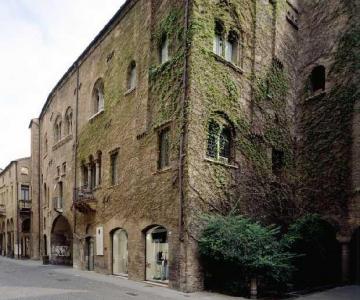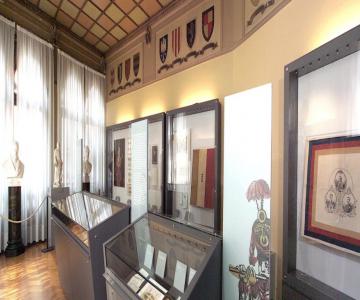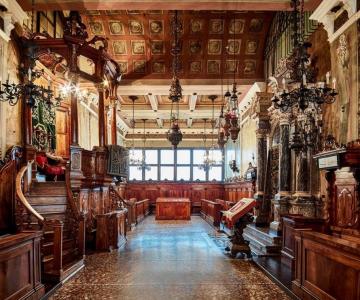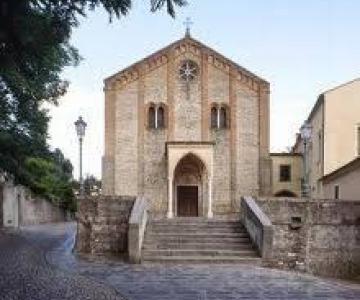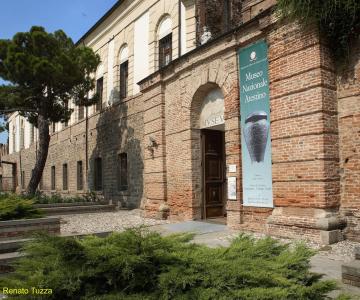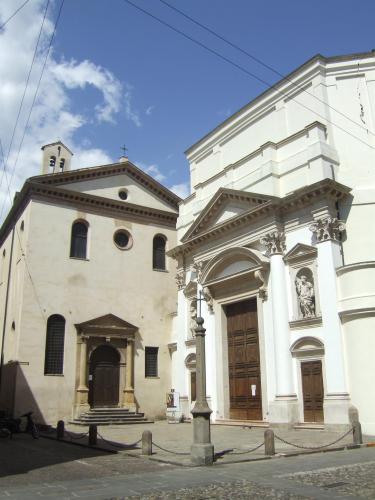

Founded in the Middle Ages, the building was renovated in 1525, when – on behalf of the Confraternity of San Rocco – the Paduan noblewoman Costanza de’ Rossi purchased the “ruined houses of the Onara family”. The fraglia [confraternity] then fitted out the structure to house the assemblies of their guild chapter, initiating a project of artistic decoration that attracted some of the most important artists in Padua during the first half of the sixteenth century. The work was concluded in 1542, the year when the bishop consecrated the Oratory.
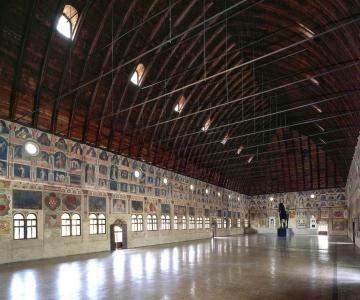
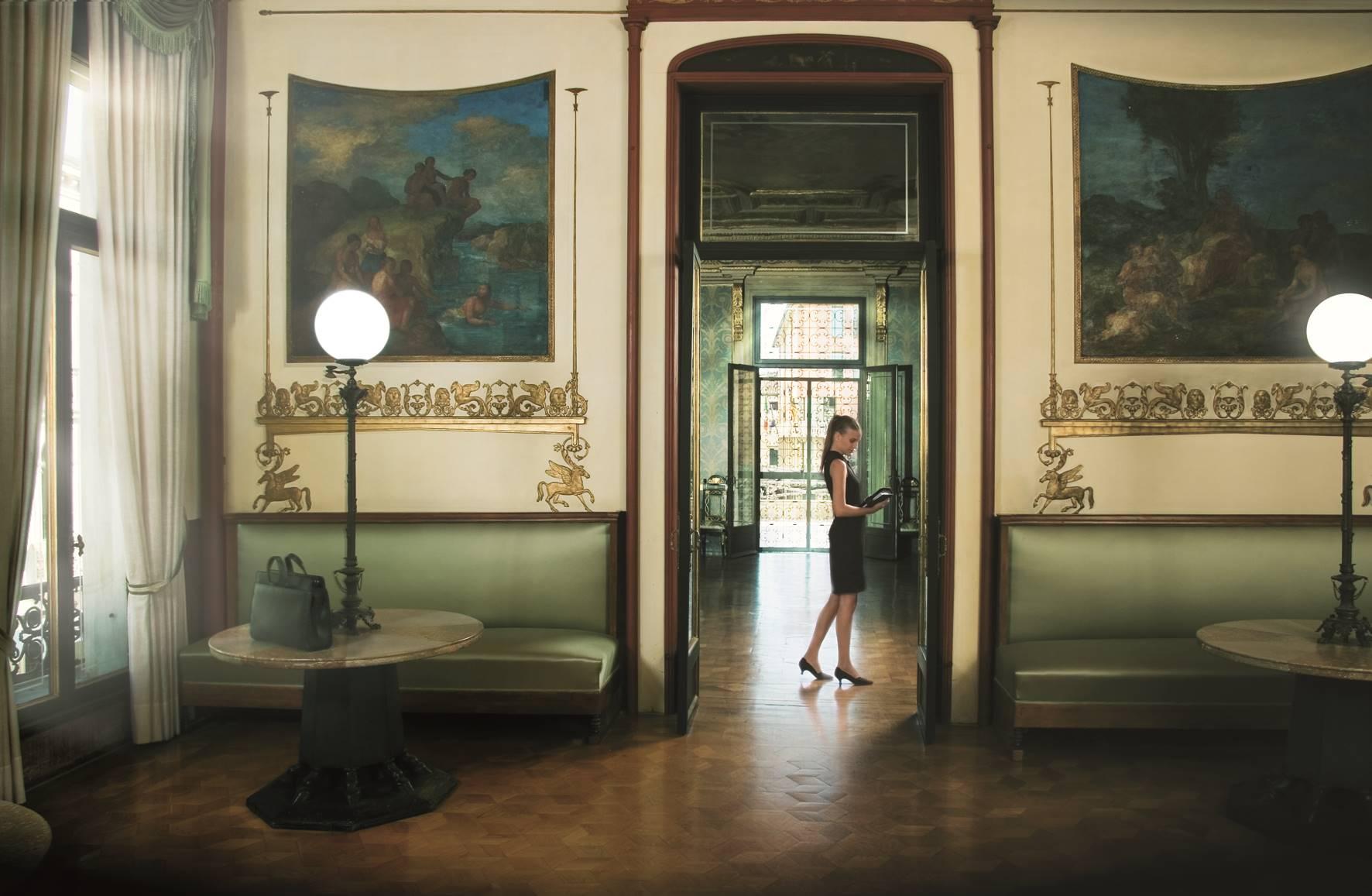
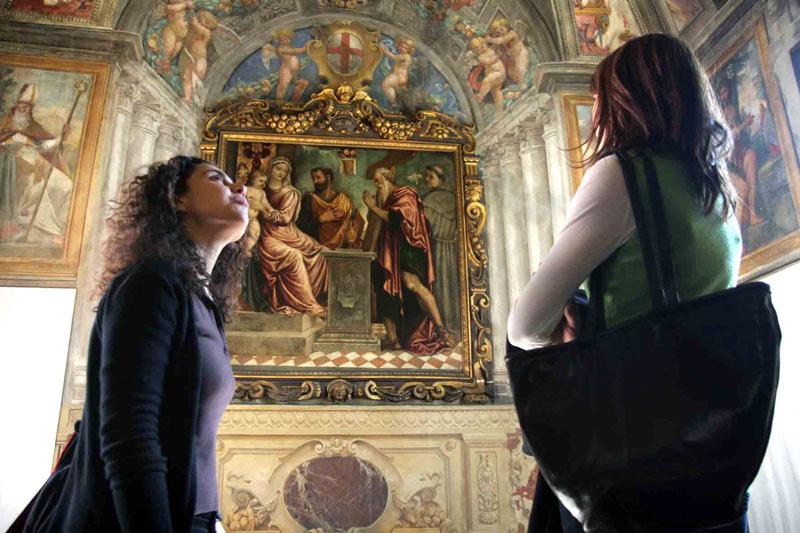
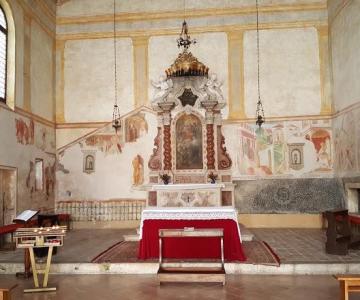
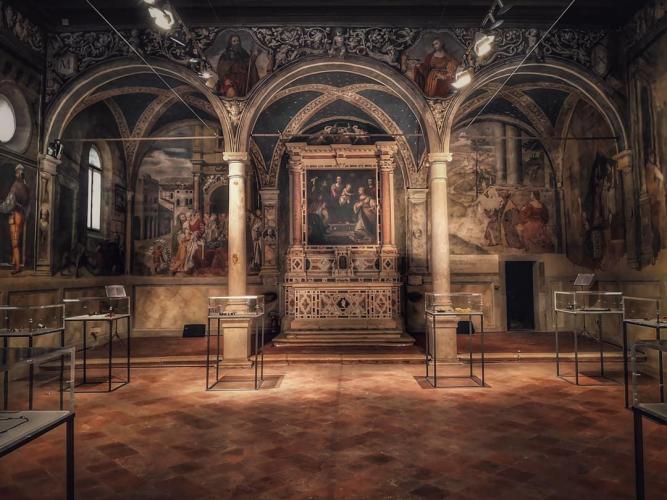
The walls of the lower room have splendid frescoes of scenes from the Life of St. Roch; the faux colonnade, together with the windows and oculi create a wonderful trompe-l’oeil effect in a framework of faux architectural features surmounted by friezes decorated with grotesques. The cycle of decoration, in which landscapes and domestic scenes alternate, was painted in the years 1536-1545 by Domenico Campagnola, Girolamo Tessari (known as Girolamo del Santo), Gualtiero Padovano and Stefano Dall’Arzere; each of these was a famous local painter and their work clearly reflects the influence of Venetian art. The upper room, which is not open to visitors, is decorated with further frescoes by Campagnola and has a precious reredos by Tiziano Minio.
With the suppression of religious confraternities in the Napoleonic period, the guild school became state property, and was then acquired by the City Council at the beginning of the twentieth century. There have been two extensive projects of restoration within the Oratory, both to conserve the frescoes and to analyse the materials and techniques used in painting them. Nowadays the building often hosts temporary exhibitions.