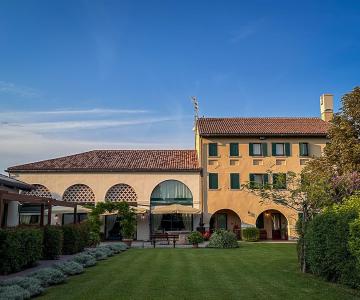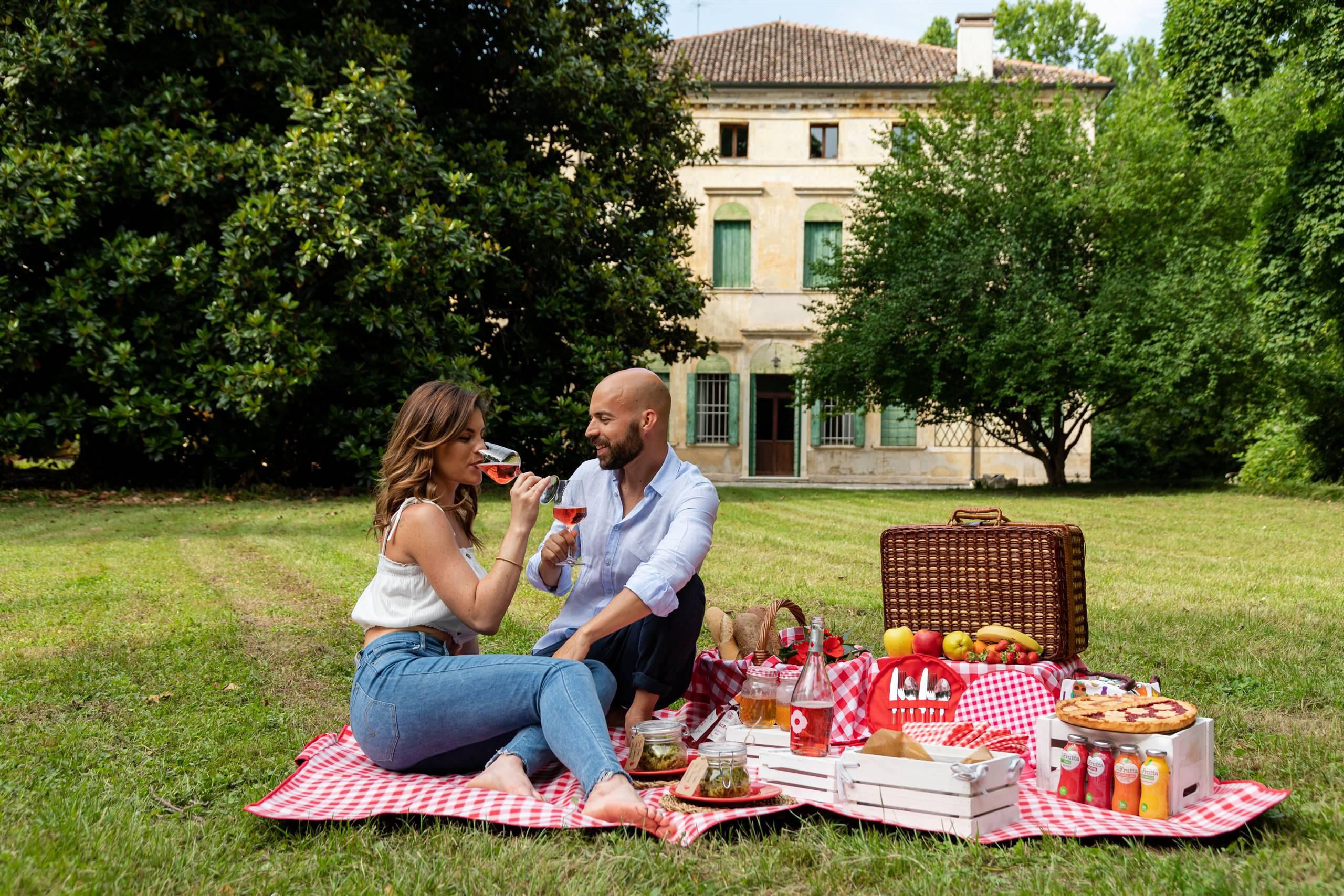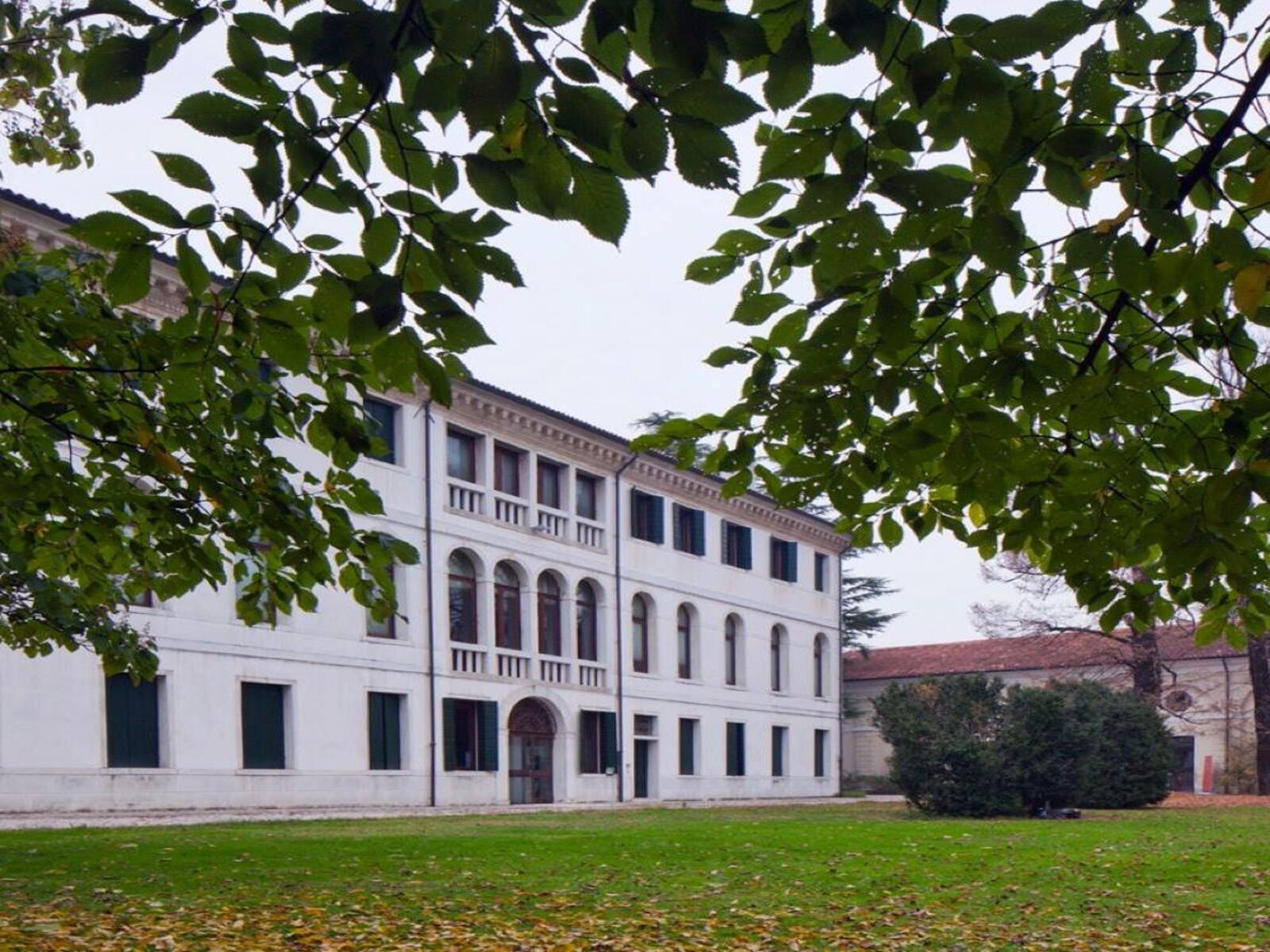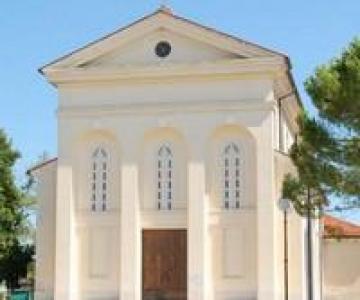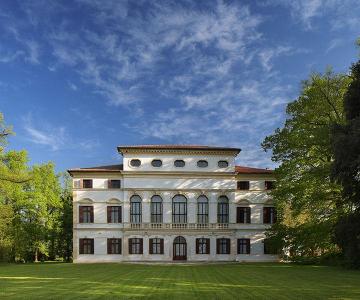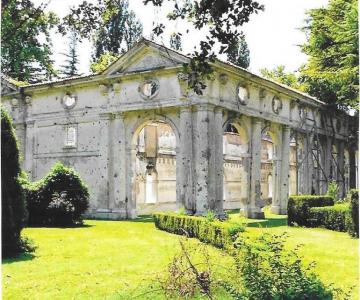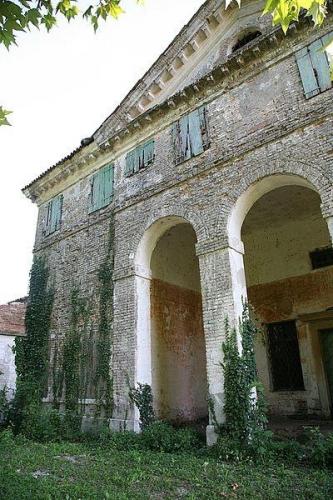

Villa Zeno was commissioned before 1566, when it is registered, by the Venetian patrician Marco Zeno to Andrea Palladio, who lists the project in the Second Book of Architecture. The central body corresponds quite faithfully to the Palladian project, except for the lack on the facade of the three lunette windows, bricked up in the eighteenth century and replaced with two normal rectangular windows. The use of some stylistic and distributive elements typically Palladian, such as the loggia with three arches on pillars topped with a pediment, the thermal window, and the passing hall, links this experience to earlier works by the master, such as Villa Saraceno and Villa Pisani in Bagnolo. Villa Zeno is part of the UNESCO World Heritage list along with the other 23 Palladian Villas since 1994. In 2014, the restoration work of the villa was completed.
The villas in Cessalto: the most well-known is the Palladian villa Soranzo-Zeno in Donegal, followed by Villa Bronzini, which originally served as a customs house, later as a summer residence, and it is hypothesized that it was built with stones from the “castle of castles.” Villa Giusti, now Giacomini, is precious for the frescoes of the Veronese school that adorn the walls of the ground floor; Villa Pisani, now Casa Canonica, is undergoing renovation; Villa Contarini-Martinengo, today Zanasso, is an imposing building complex that seems to have arisen on the ruins of a monastery, whose monks would have reclaimed a good part of the surrounding land covered by dense underbrush; Villa Melchiori, former residence of the Emo-Capodilista patricians; Villa Vio, built on the edge of the S.Marco forest; Villa Cristofoletti Storti, now De Rienzo, and Villa Gurian, formerly Storti, whose attached mills, operational until a few years ago, gave way to an elegant residence.