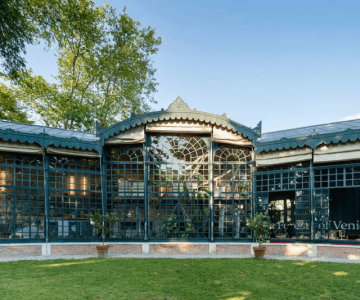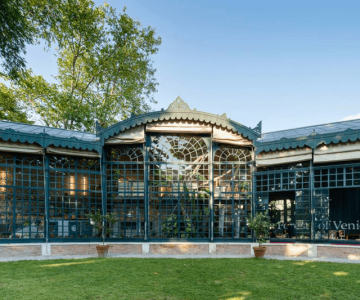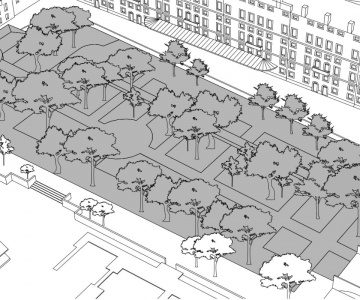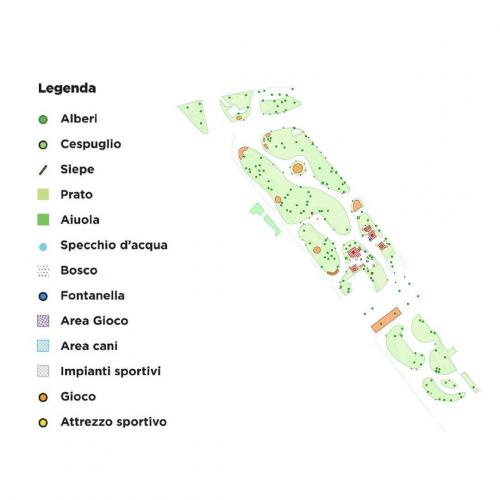
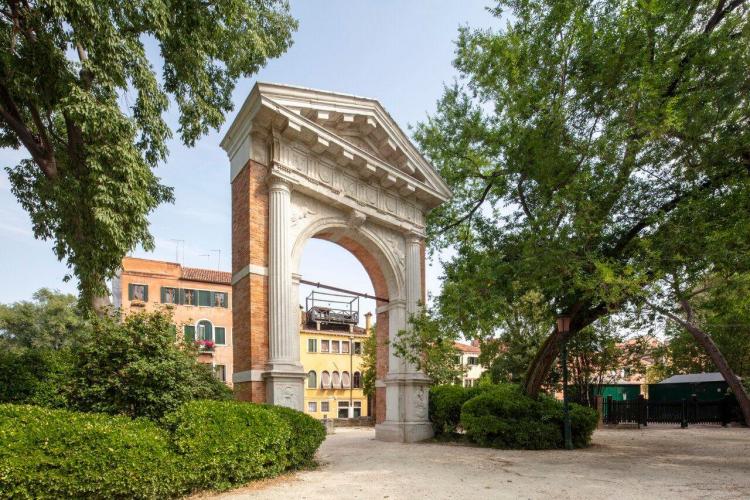
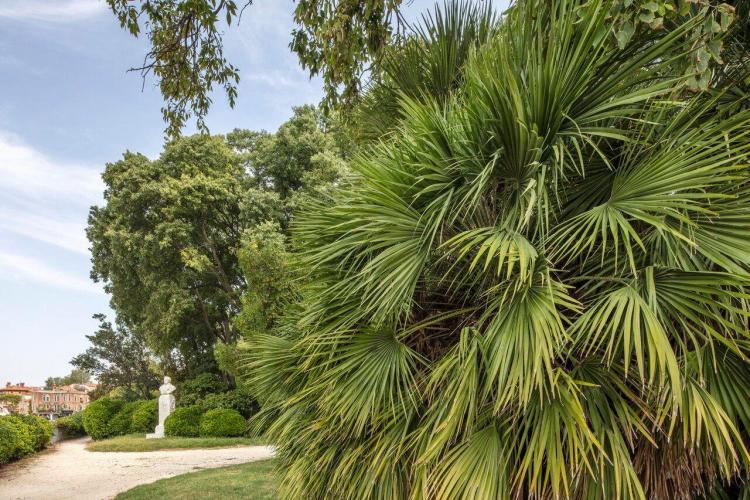


Today, they occupy about two-thirds - 42,000 square meters - of the exhibition spaces of the Venice Biennale: here every year, art and architecture exhibitions alternate within the 30 pavilions set in greenery, built in various eras by the exhibiting nations. The remaining part, 18,000 square meters, is designated as a public garden.
The origins of this garden, created between 1808 and 1812, are attributed to Napoleon, who wanted to build a park for the citizens in this area of the Castello district, one of the first in Italy.
It was the architect Giannantonio Selva who developed the park's design. It was also decided to connect these "popular" gardens with the Royal Gardens of San Marco through a promenade that began along the Strada Eugenia - the widest street in Venice, created by filling in the Castello canal, renamed Via Garibaldi in 1866 - and continued along the Riva degli Schiavoni, which was also widened.
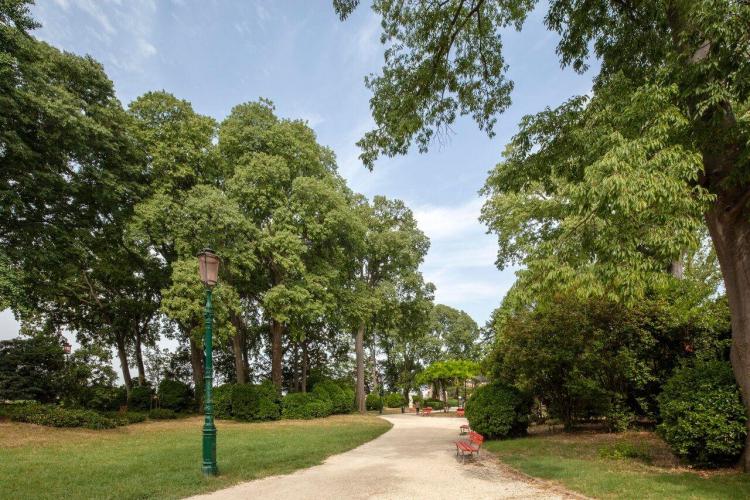
Today, the Napoleon Gardens of Castello are a perfect combination of art and nature, with benches inviting you to pause and sculptures immersed in greenery, under the shade of trees along the avenues.
Accessible by ACTV vaporetto lines (stop “Giardini”), the area is equipped with play areas for children, a drinking water fountain, waste bins; there are also toilet facilities provided by Veritas.
POINTS OF INTEREST NEARBY
- Riva degli Schiavoni
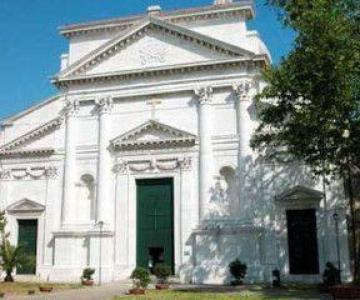
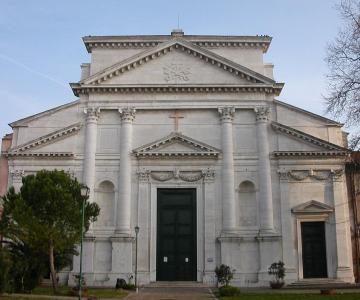
- Church of San Zaccaria
- Church of the Pietà
- Church of San Giorgio dei Greci
TOILETS NEARBY
Napoleon Gardens WC, Castello
wc women
wc men
wc disabled
TOURIST INFORMATION
Tourist Information and welcome point in front of the entrance to the Correr Museum (Piazza
San Marco).
Visit the page curated by the Public Green Office of the City of Venice for information on conservation, maintenance, and development of urban greenery: go to the dedicated page