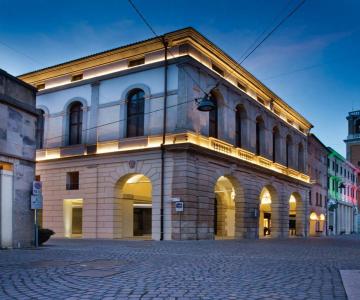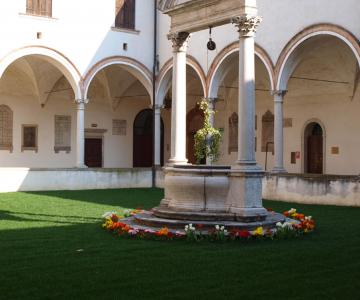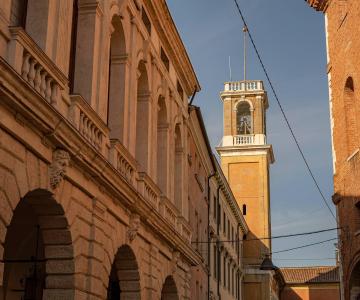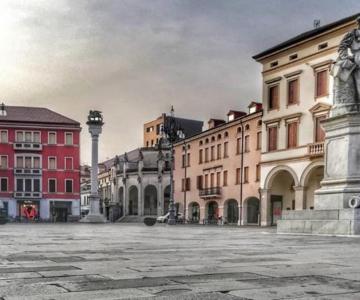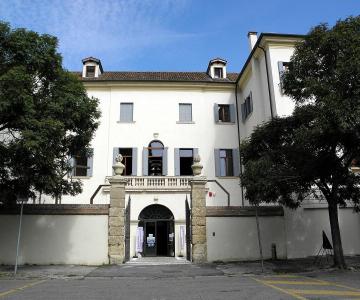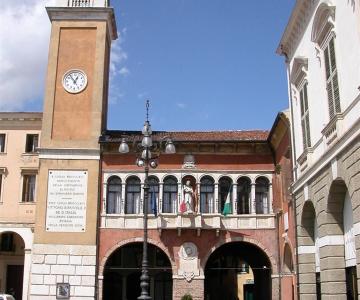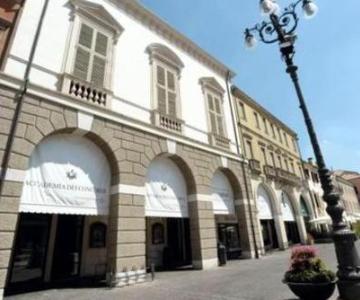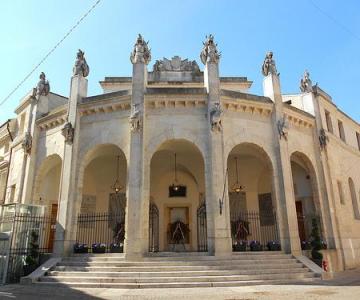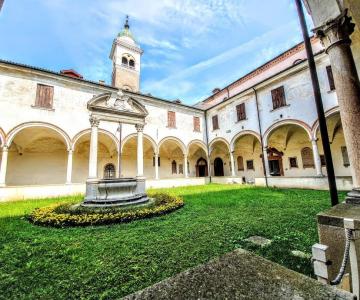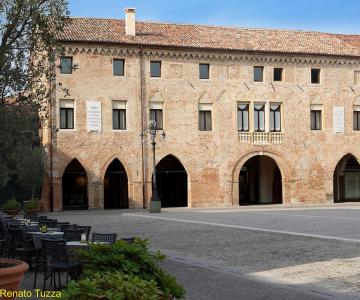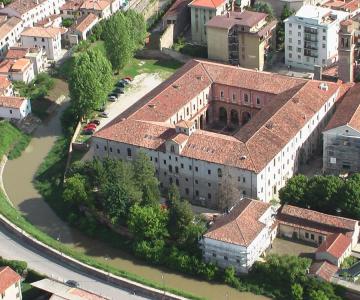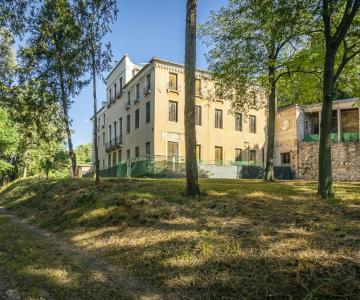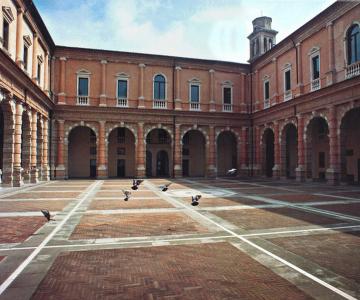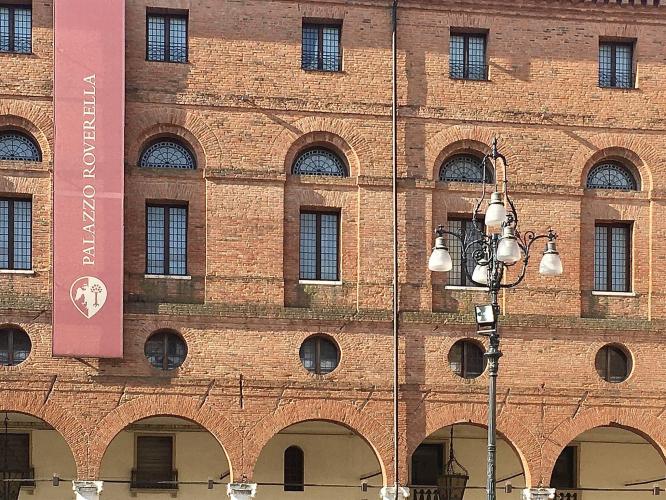
Palazzo Roverella is one of the most representative historic buildings in Rovigo, located along the eastern side of Piazza Vittorio Emanuele II.
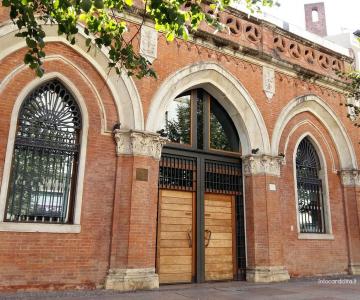
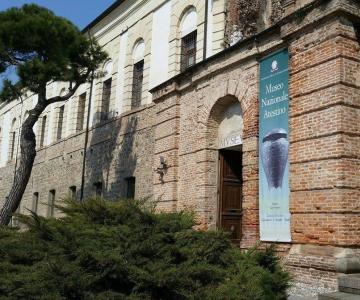
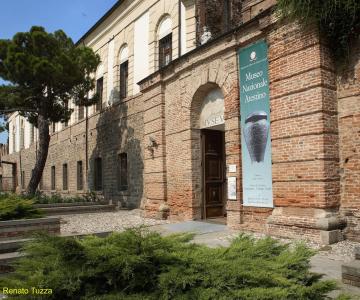
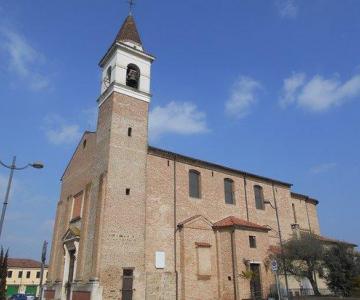
It was built in the second half of the 15th century at the initiative of Cardinal Bartolomeo Roverella, a member of one of the most influential families of Renaissance Rovigo. The building was conceived as a noble residence, but also as a symbol of family power and prestige. The original structure was designed in the Renaissance style, with a sober elegance that can still be appreciated today in the brick façade and the semicircular arched windows.
Over the centuries, Palazzo Roverella has undergone various renovation and expansion interventions, including the 19th-century renovation that gave the building its current appearance, combining Renaissance and Neoclassical elements. Today it houses important cultural institutions, including the Pinacoteca dell’Accademia dei Concordi.
Inside, the palace hosts temporary exhibitions of national and international significance, significantly contributing to the enhancement of the artistic and cultural heritage of the area.
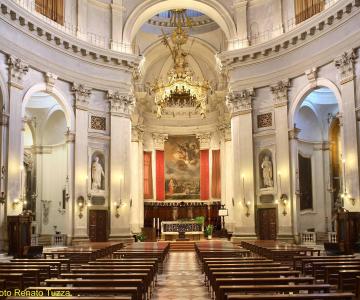
The Pinacoteca houses works of extraordinary value, including paintings by Giovanni Bellini, Palma il Vecchio, Tiepolo, Piazzetta, and many other leading figures of Venetian and Italian painting. The exhibition spaces, carefully restored, combine the sobriety of the ancient structure with the modernity of the museum installations.
Palazzo Roverella is not only a treasure trove of art but also a place for meeting, research, and dissemination, which over time has transformed into a true point of reference for the cultural life of Rovigo and the entire Polesine.