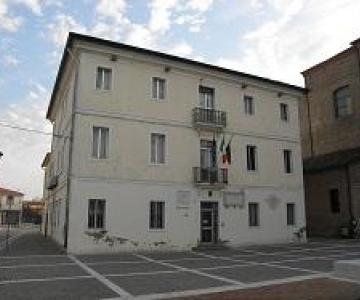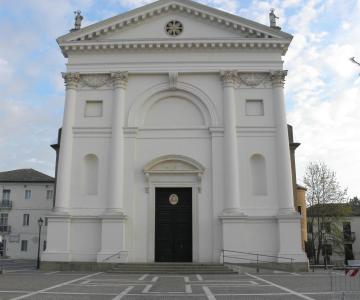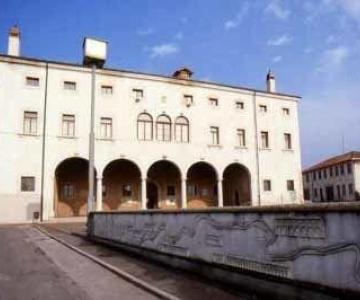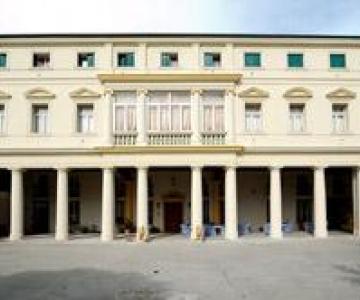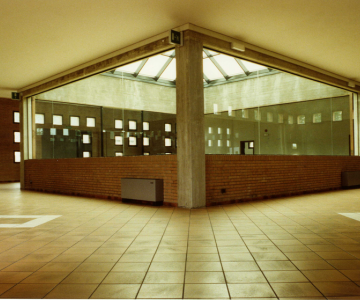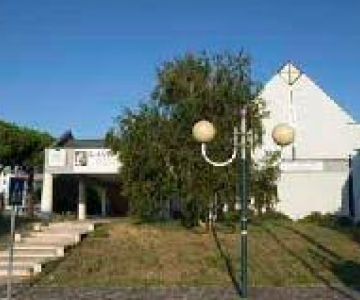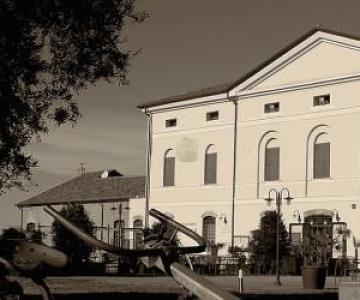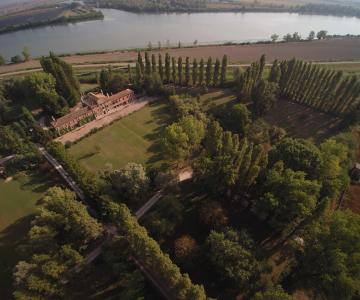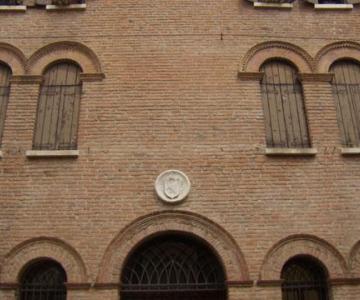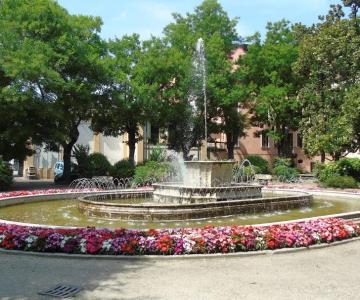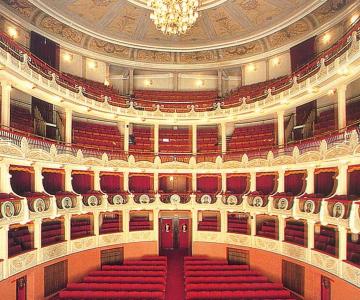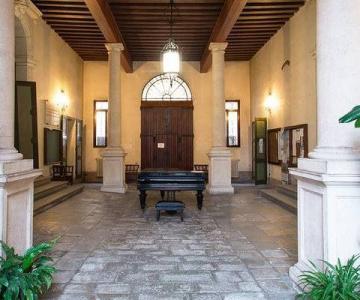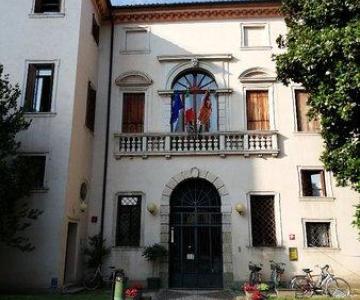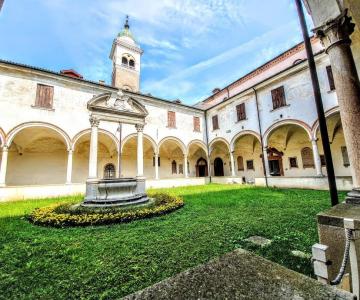


The Museum, surrounded by a large publicly accessible park, aims to enhance the archaeological heritage of Adria, whose name is indissolubly linked to the Adriatic Sea.
The heart of the Greek and Etruscan city, founded in the early 6th century B.C., is located in the southern part of the current center, while to the south, east, and north lay the necropolises. Discoveries began between the 18th and 19th centuries, thanks to illustrious representatives of the Bocchi family; in particular, Francesco Girolamo and Francesco Antonio were the first to identify the archaeological importance of Adria. Their 'domestic museum', which housed a collection of tens of thousands of finds, was visited by the most famous archaeologists and representatives of noble European families. The collection now forms the core of the museum, enriched by numerous finds from recent excavations.
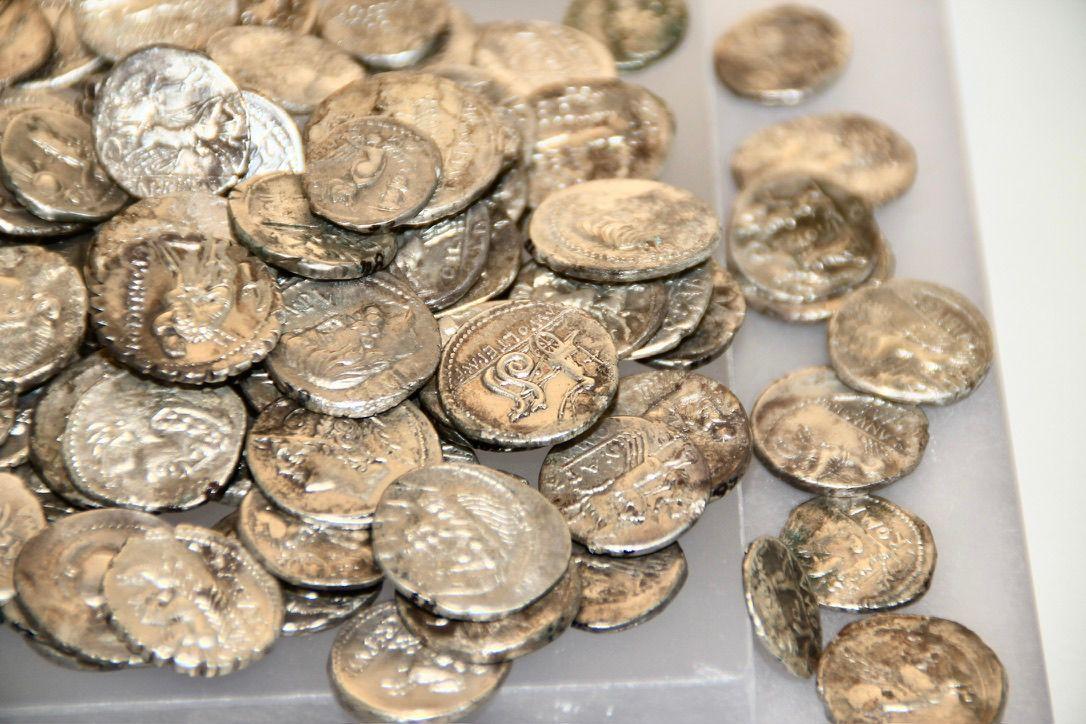
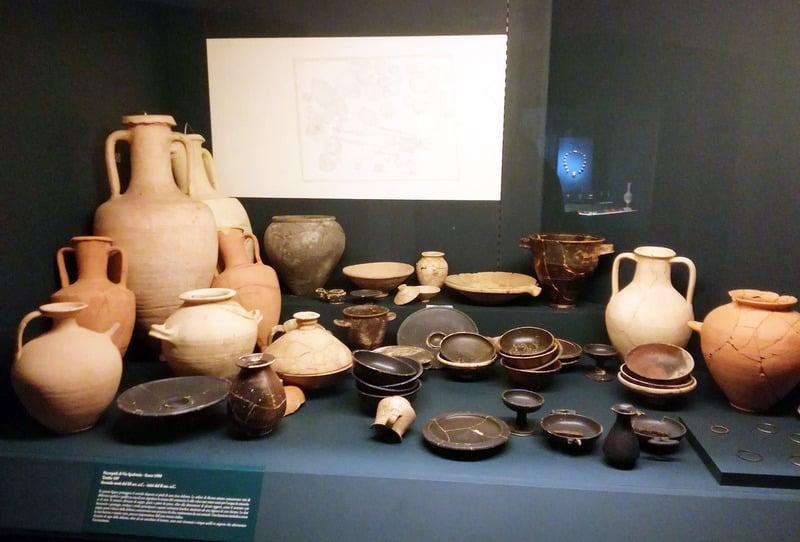
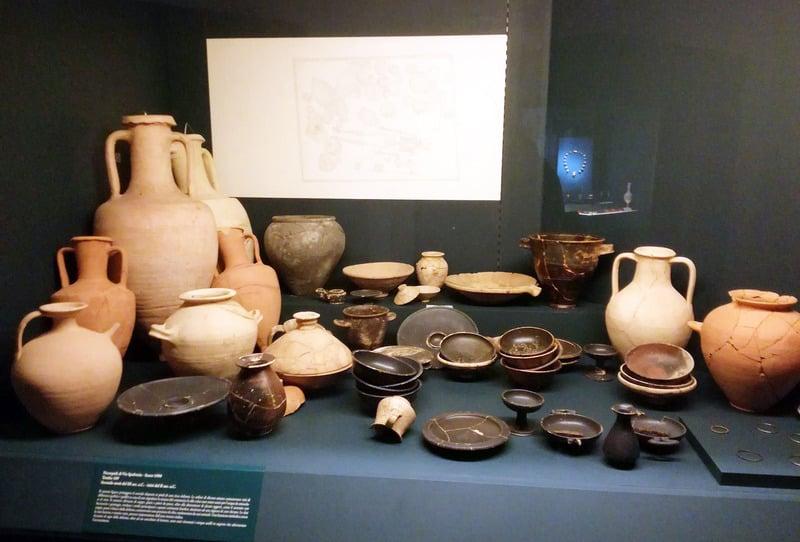
The museum illustrates the characteristics of Adria in antiquity: daily life, funerary rituals, the delicate transition to the Roman era, and the imperial Roman phase, with particular attention to its characteristic as a multi-ethnic city, a true receptacle of diverse traditions, languages, cultures, and religious practices. Among the most important collections are numerous finds of Attic ceramics in black and red figures, valuable discoveries from the archaic and Hellenistic necropolises, enriched by objects in amber and glass paste as well as Etruscan jewelry in gold and silver. Famous is the so-called 'Tomb of the Chariot', from the 3rd century B.C., containing a chariot with its pair of horses and a third saddle horse following. The excavation context, recovered in 1938, forms one of the focal points during the visit to the Hellenistic necropolises.
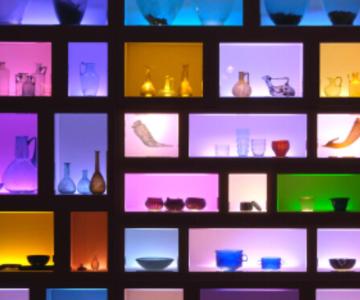
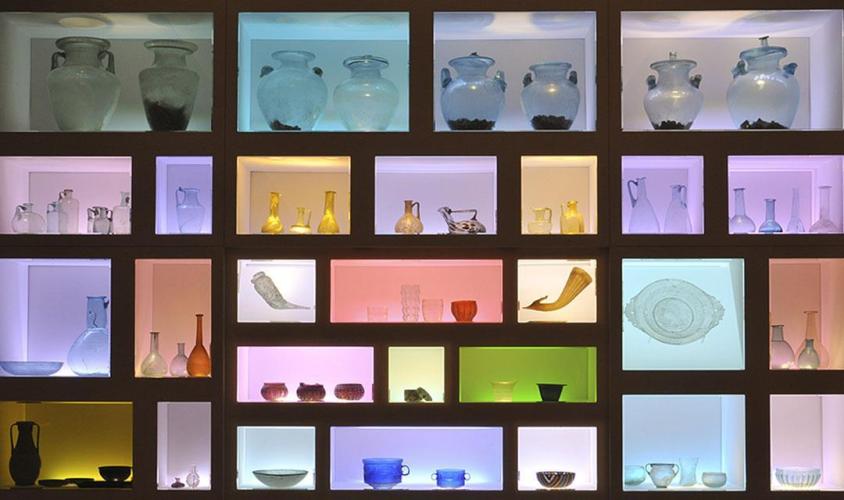
In the sections dedicated to Romanization and the imperial age, documents of territorial reorganization stand out, such as the milestone of Popilius Lenate, which testifies to the passage of the Via Popillia through the city, and some monumental decorations. Attention is drawn to the spectacular display of Roman glass, where free-blown and molded glasses, with polychrome ribbons, murrine, network patterns, and engraving are enhanced through computer-controlled lighting management.
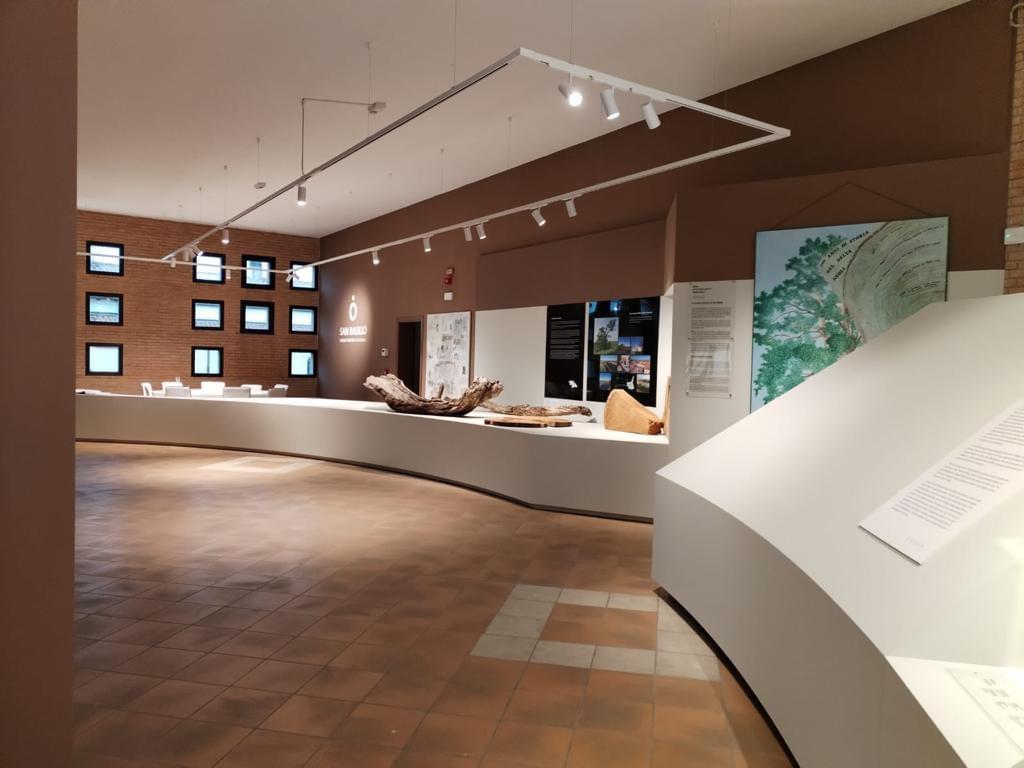
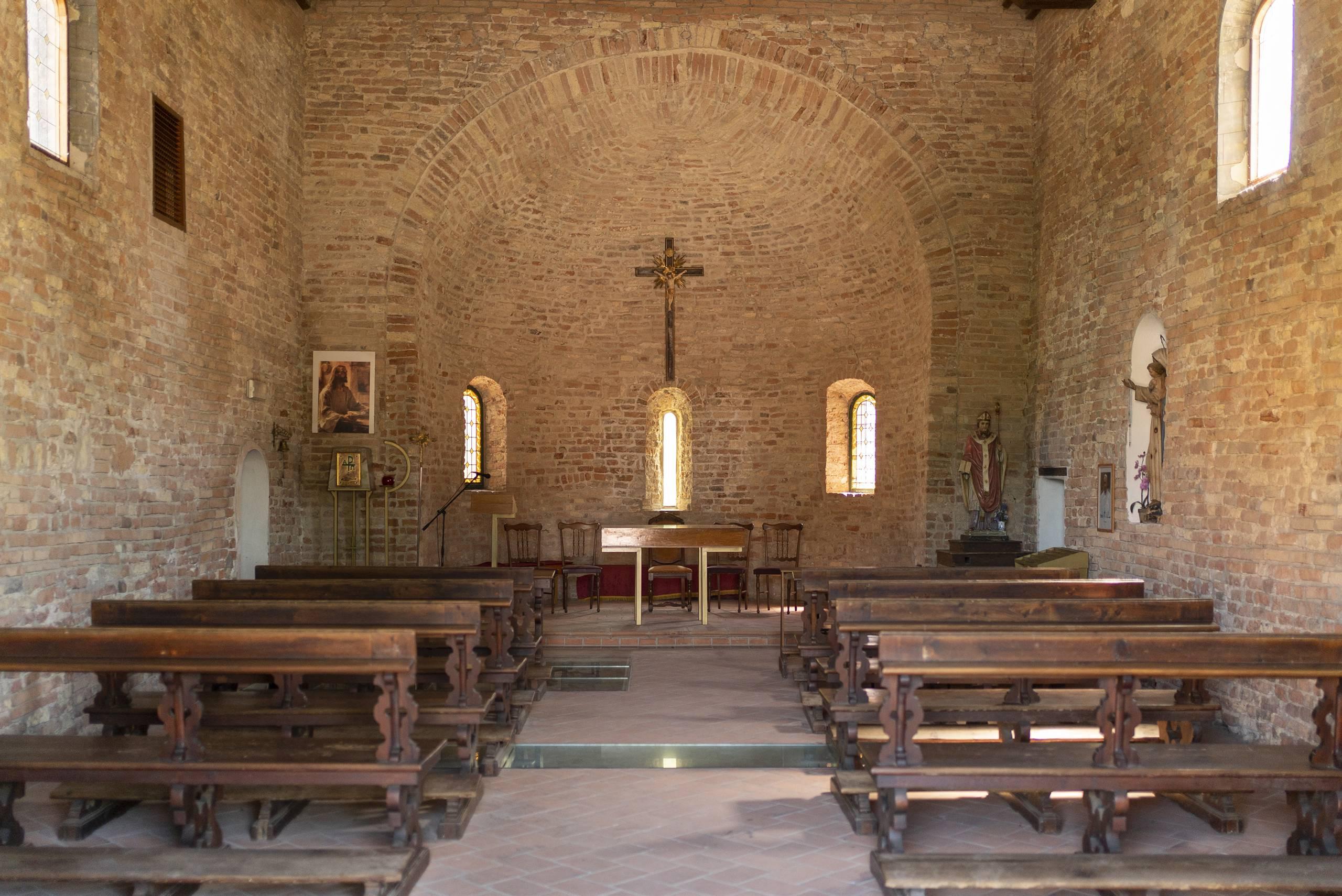
The last sections of the museum illustrate the development of the coastal area in the later periods of the empire, through finds from San Basilio di Ariano in Polesine and Corte Cavanella di Loreo, where two mansiones, post stations, facilitated the transit along the coastal Via Popillia.
Full ticket: € 4.00
Reduced ticket: € 2.00 (for teachers, young people aged between 18 and 25).
Free admission: Minors under 18 of any nationality, provided with a valid identity document. Minors under 12 must be accompanied by an adult