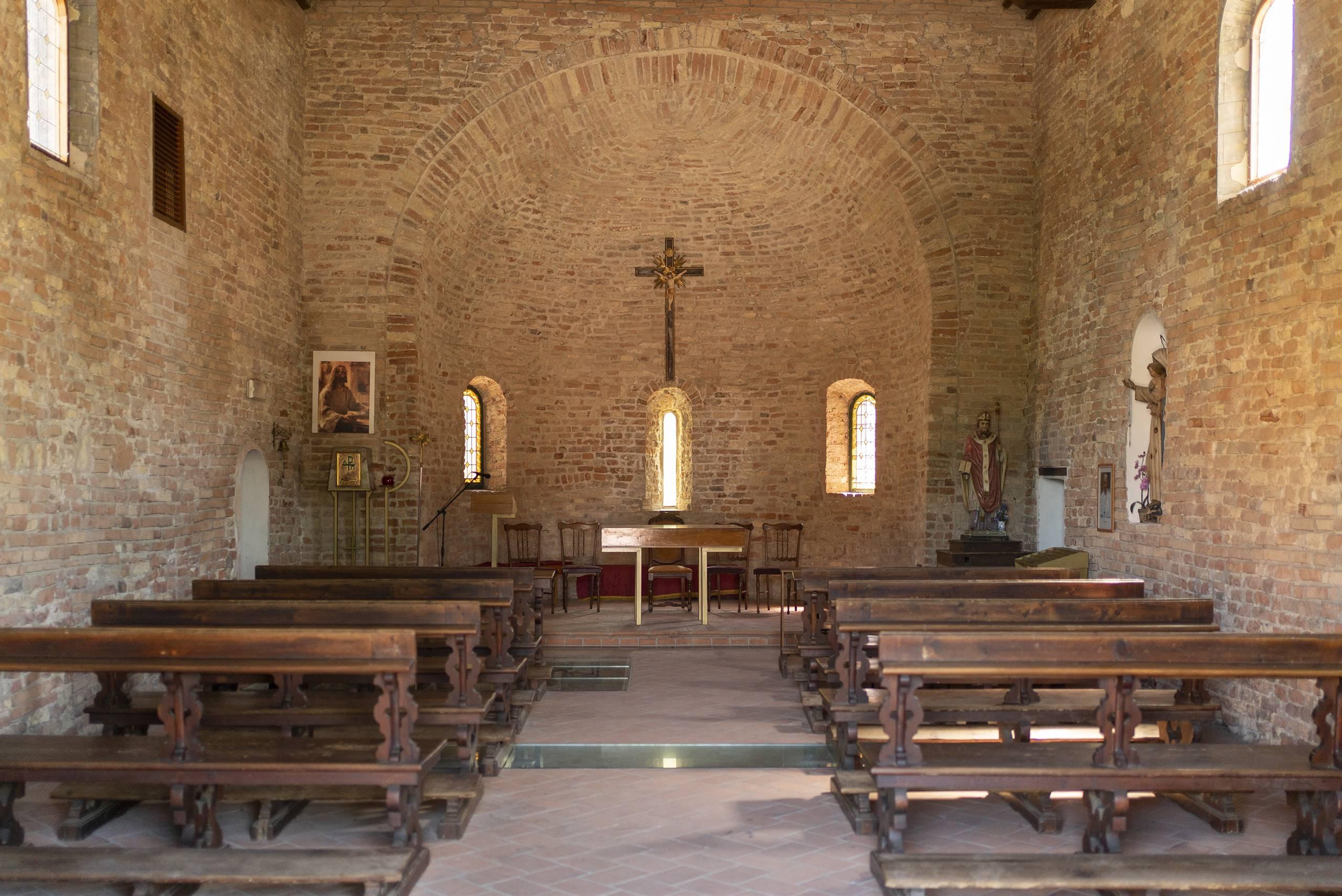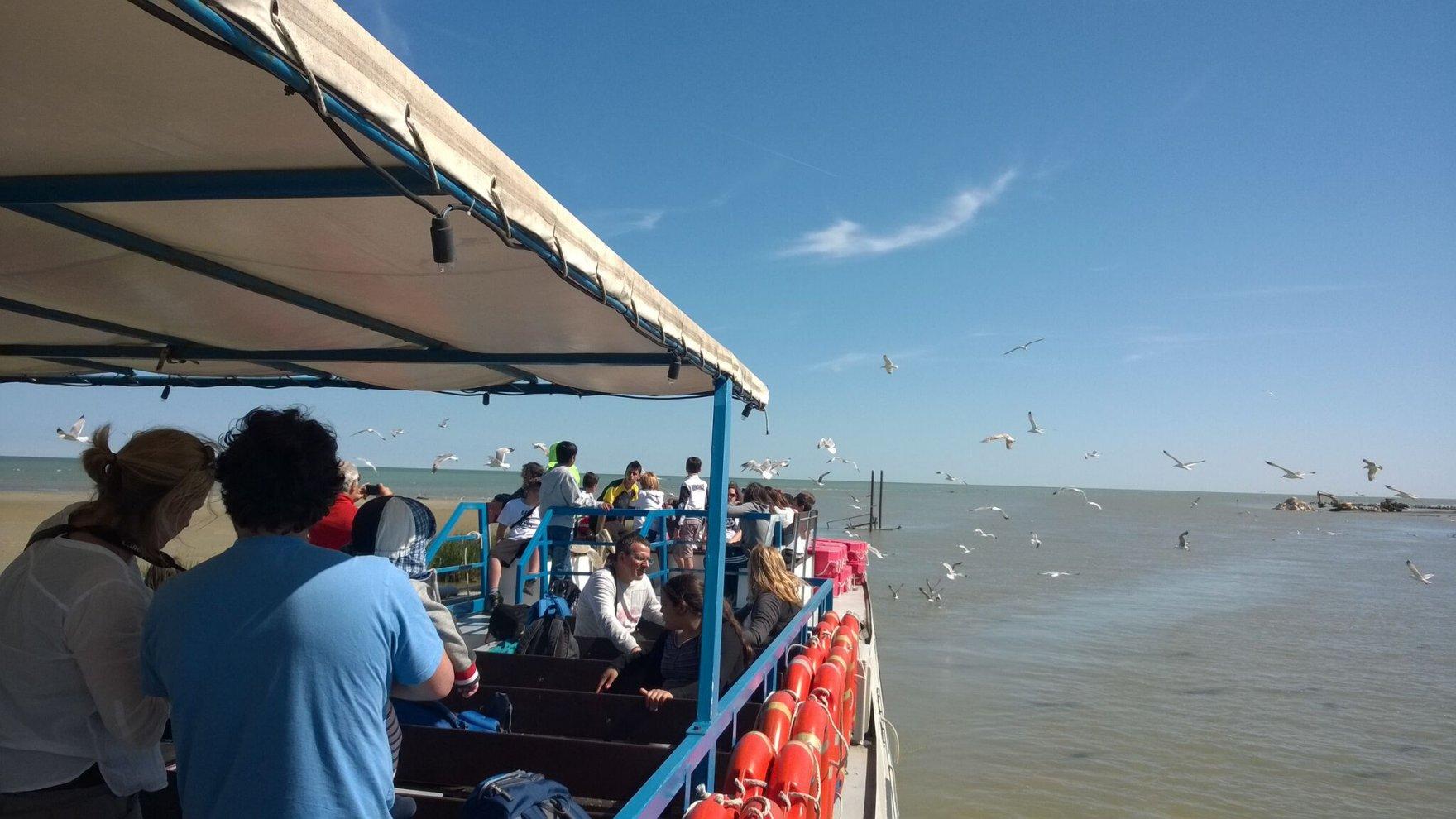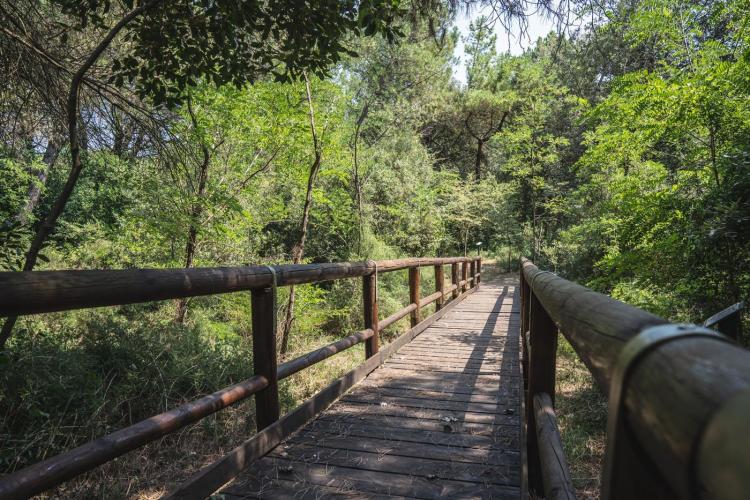

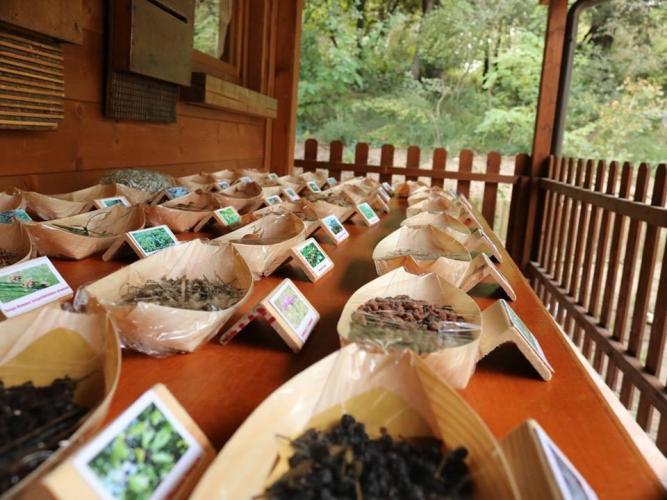
The fossil dunes are classified as Sites of Community Importance and are subject to hydrogeological and landscape-environmental constraints.
In order to protect these landscape and natural emergencies, a part of the sandy area of Donada, approximately 24 hectares, was purchased in 1997 by the Veneto Region, utilizing community funding (LIFE-DELTA PO Program).
The area was then entrusted to the Regional Forestry Service of Padua and Rovigo, which implements a strictly educational-conservative management similar to that of the Botanical Coastal Garden of Veneto in Porto Caleri (Rosolina).
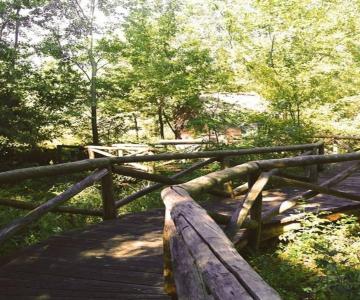
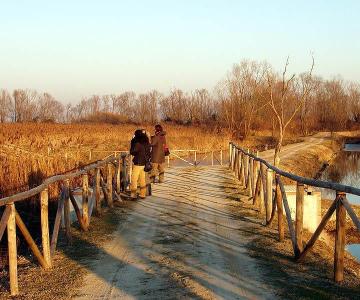
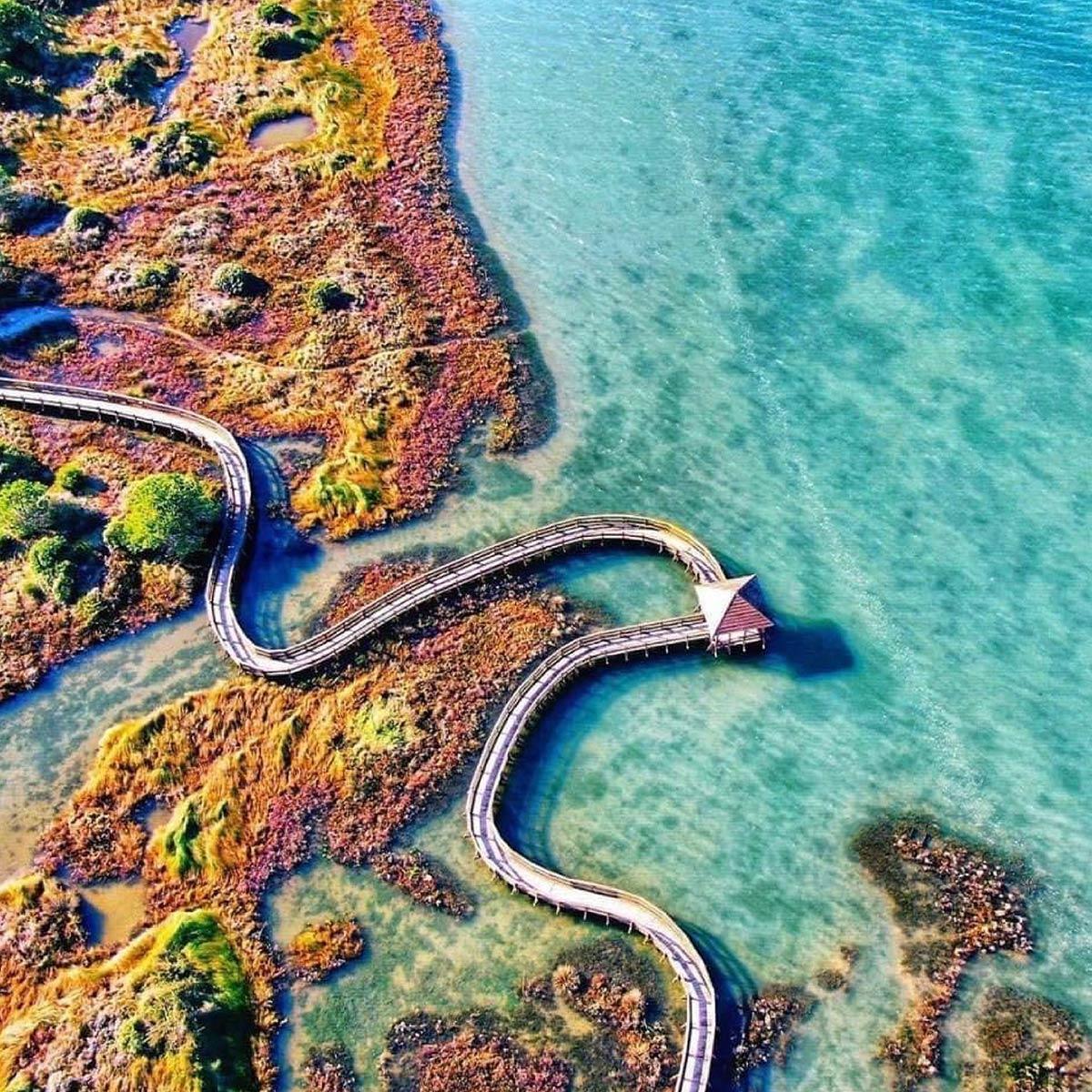
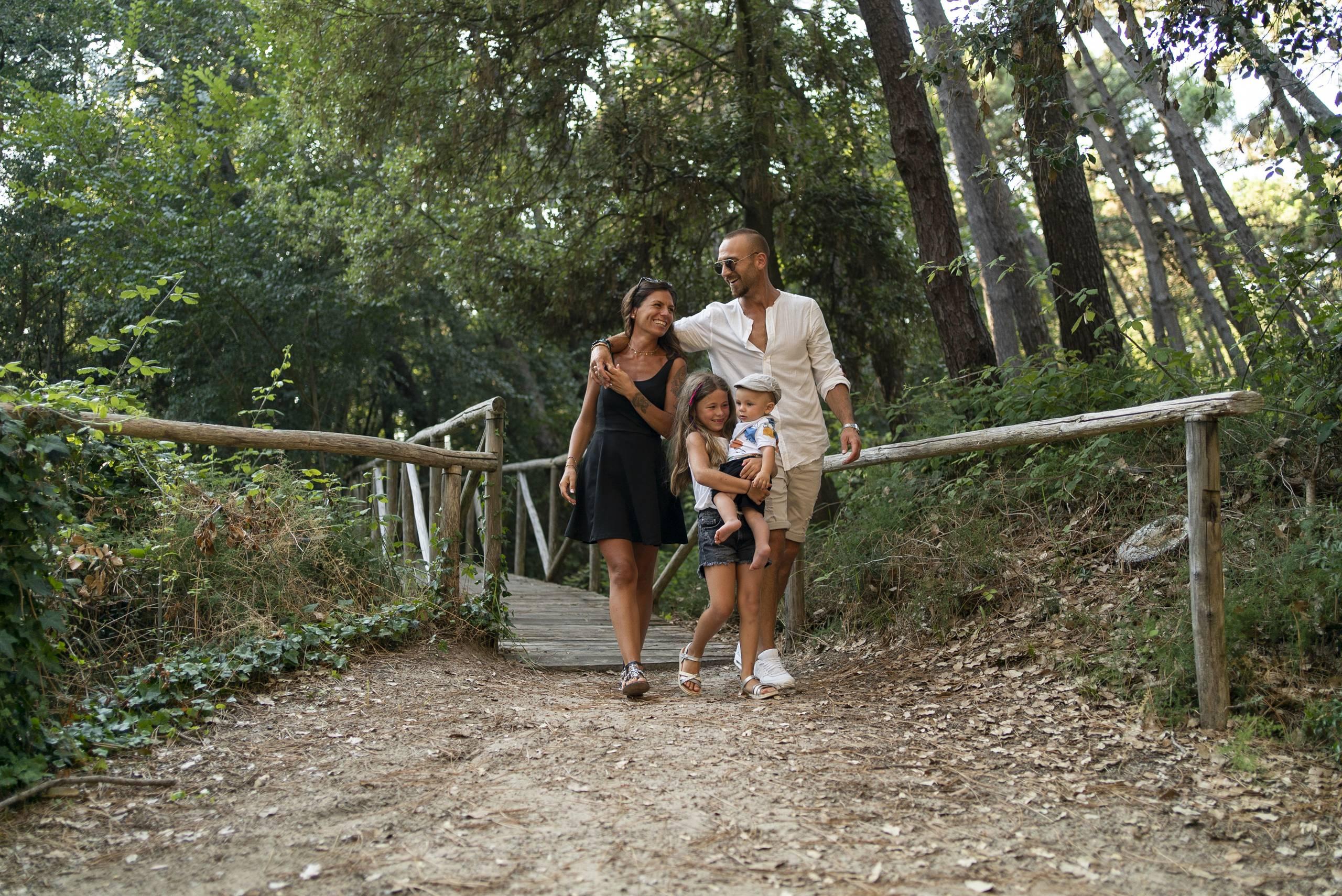
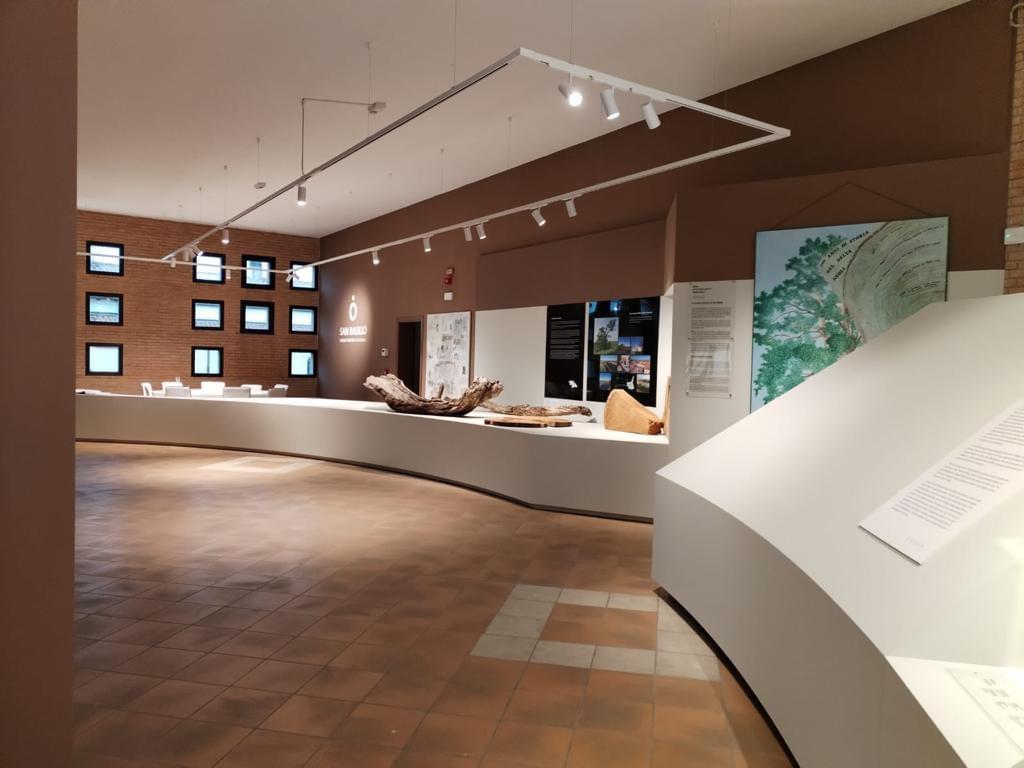
Thanks to a subsequent LIFE NATURA project, it was possible to completely fence the area and carry out various maintenance interventions on paths, create small structures, and improve visitor access and signage. With the collaboration of the Veneto Delta Po Regional Park Authority, it was finally possible to carry out further enhancements of the informative and educational structures.
Historical and geomorphological aspects
From a historical and landscape perspective, the fossil dunes of Donada allow for the identification of what, during the Etruscan age, was the ancient Adriatic coastline.
The advance of the coastline caused by the sediment deposition from the Po has thus isolated these dune ridges in the countryside. Today, the remaining fossil dunes constitute one of the last remnants of that vast system of coastal ridges formed between pre-Etruscan and early medieval times.
This vast system, which included dunes reaching heights of up to ten meters, has been irreparably destroyed due to sand excavation and the expansion of agricultural and production activities.
The fossil dunes of Porto Viro are the only ones preserved in the province of Rovigo, along with the remaining dune remnants in the municipalities of Rosolina (Volto) and Ariano nel Polesine (Grillara and San Basilio).
The vegetation
In the fossil dunes of Donada, the presence of characteristic herbaceous species such as Centaurea tommasini, Scabiosa argentea, Osyris alba, and rare orchids like Anacamptis pyramidalis, Orchis morio, and Orchis simia are certainly noteworthy. Fragments of thermoxerophilous scrub are also recognizable, representing the intermediate stages in the evolution toward the holm oak forest, phytosociologically referable both to Quercetalia ilicis, with holm oak (Quercus ilex), Mediterranean myrtle (Phillyrea angustifolia), wild asparagus (Asparagus acutifolius), and butcher's broom (Ruscus aculeatus), and to Prunetalia spinosae, with blackthorn (Prunus spinosa), privet (Ligustrum vulgare), and hawthorn (Crataegus monogyna).
Paradoxically, the less significant plant formation is the most obvious one, namely the pine forest of Aleppo pine (Pinus pinea), a result of reforestation efforts from the 1940s and 1950s.