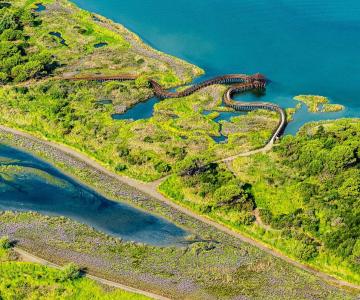
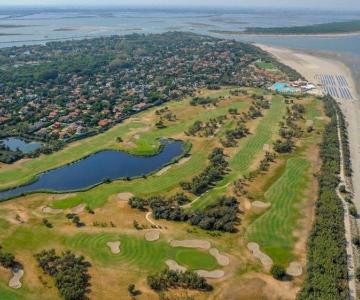
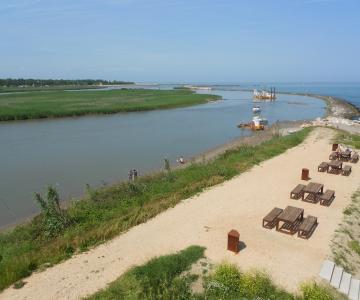
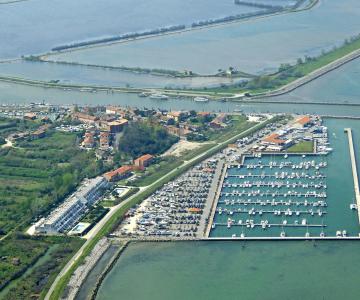
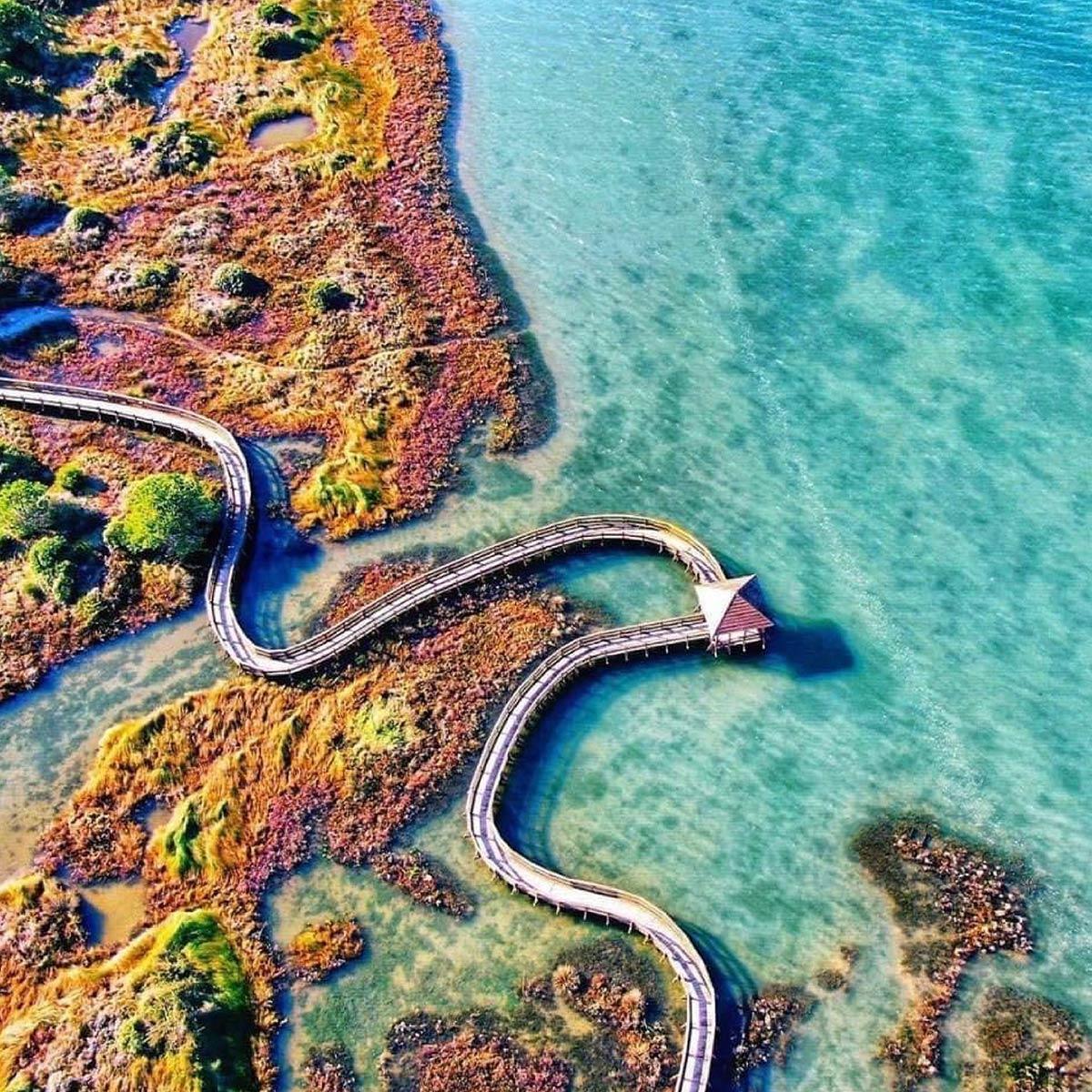
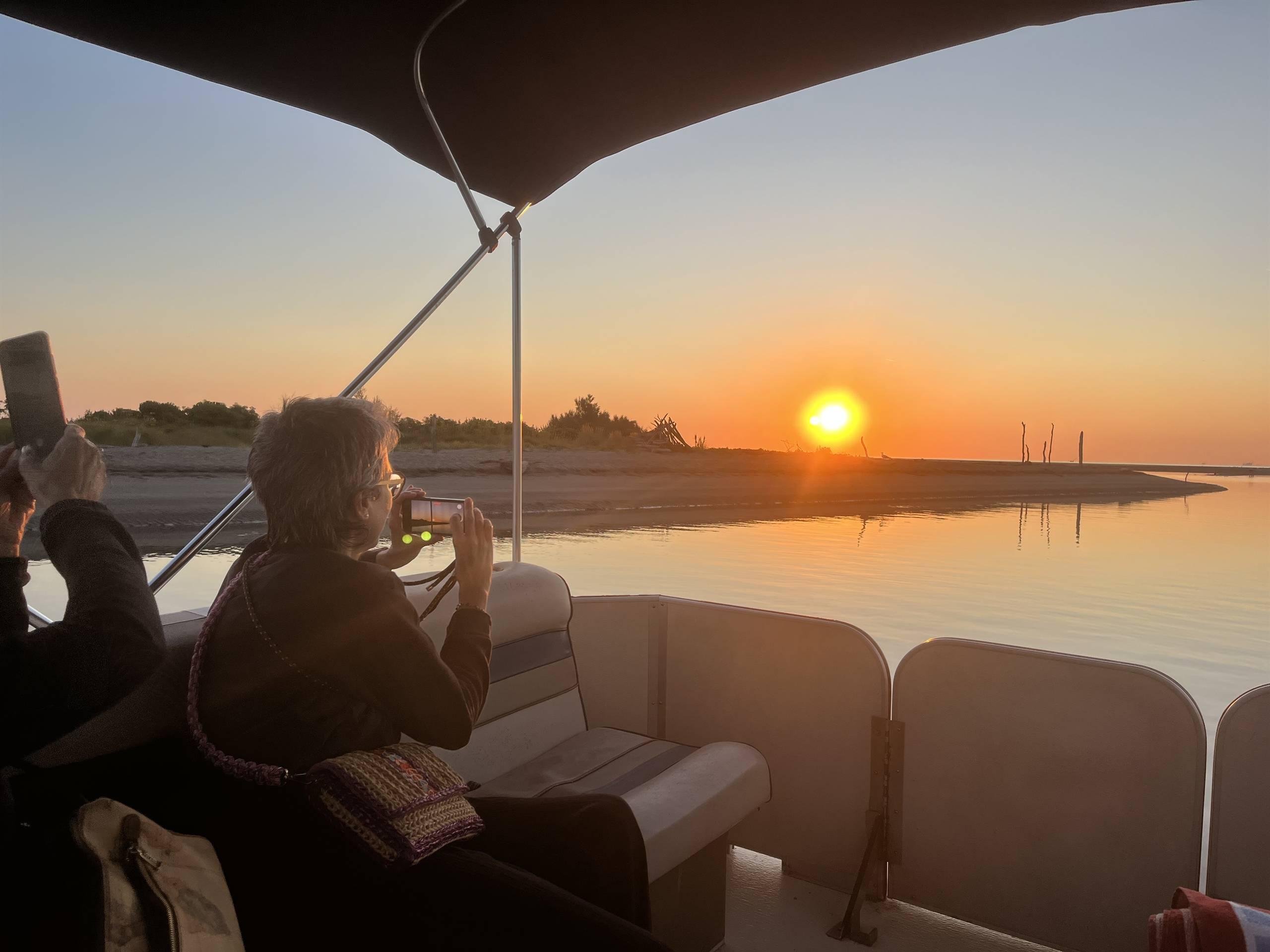
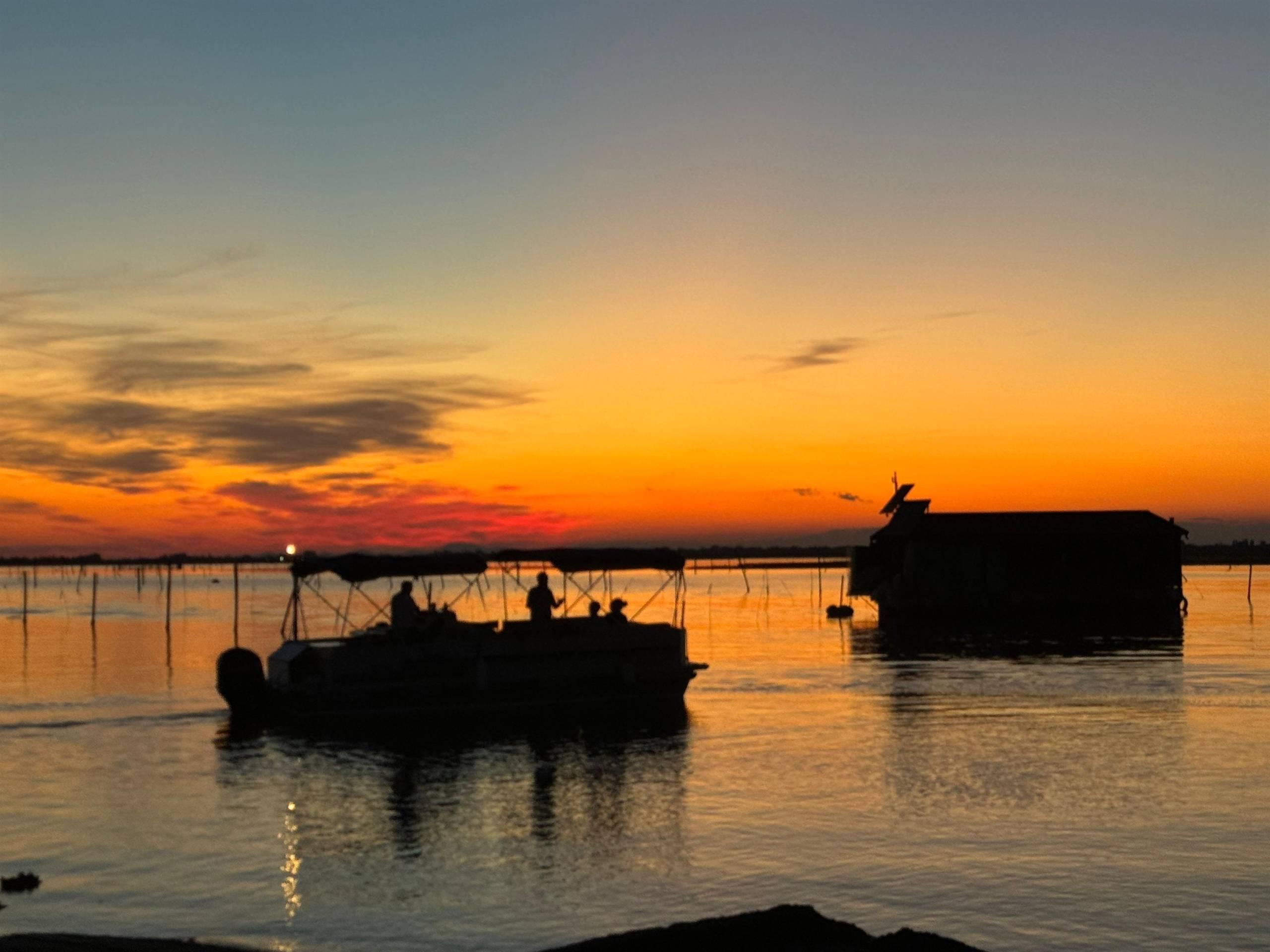
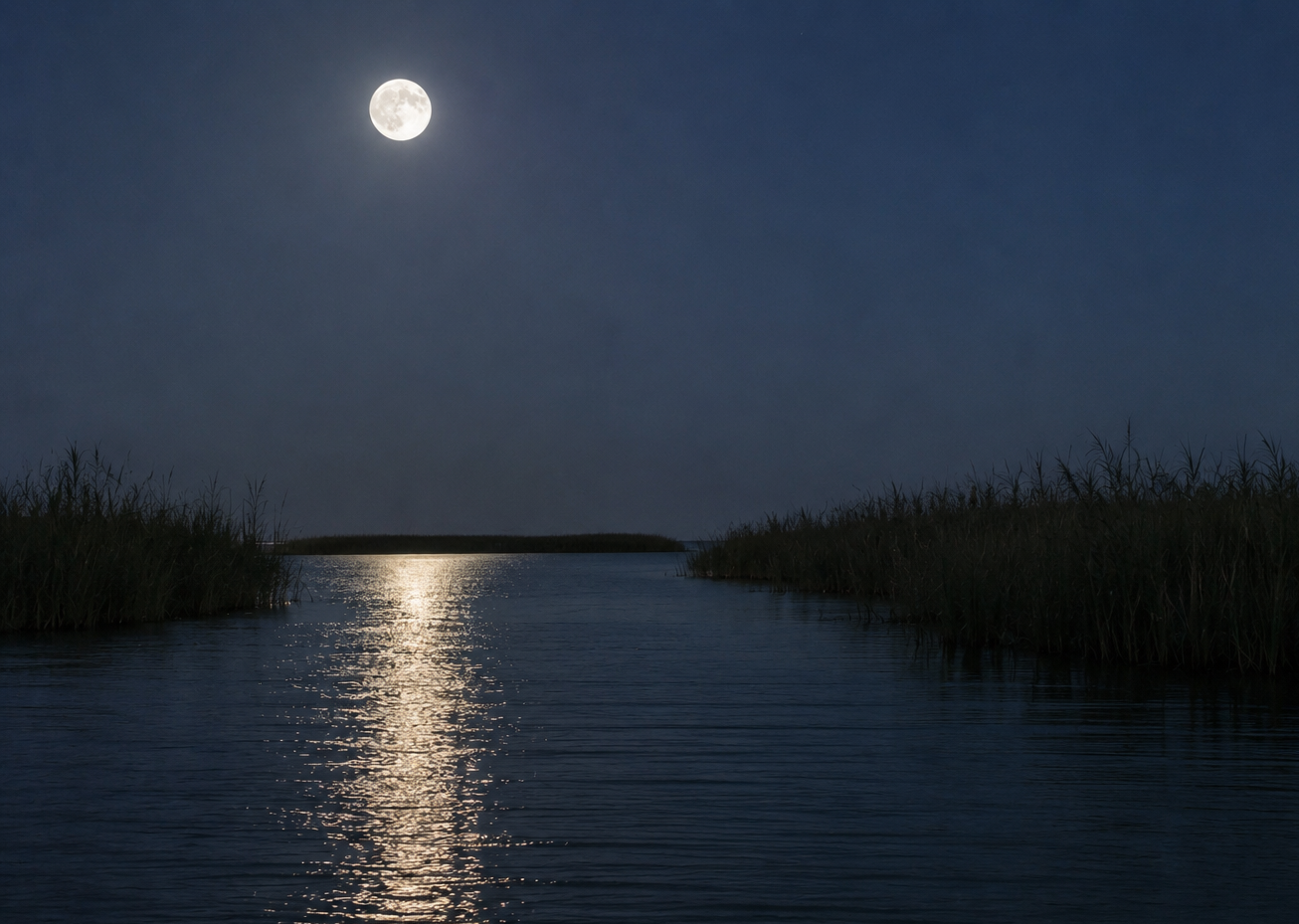
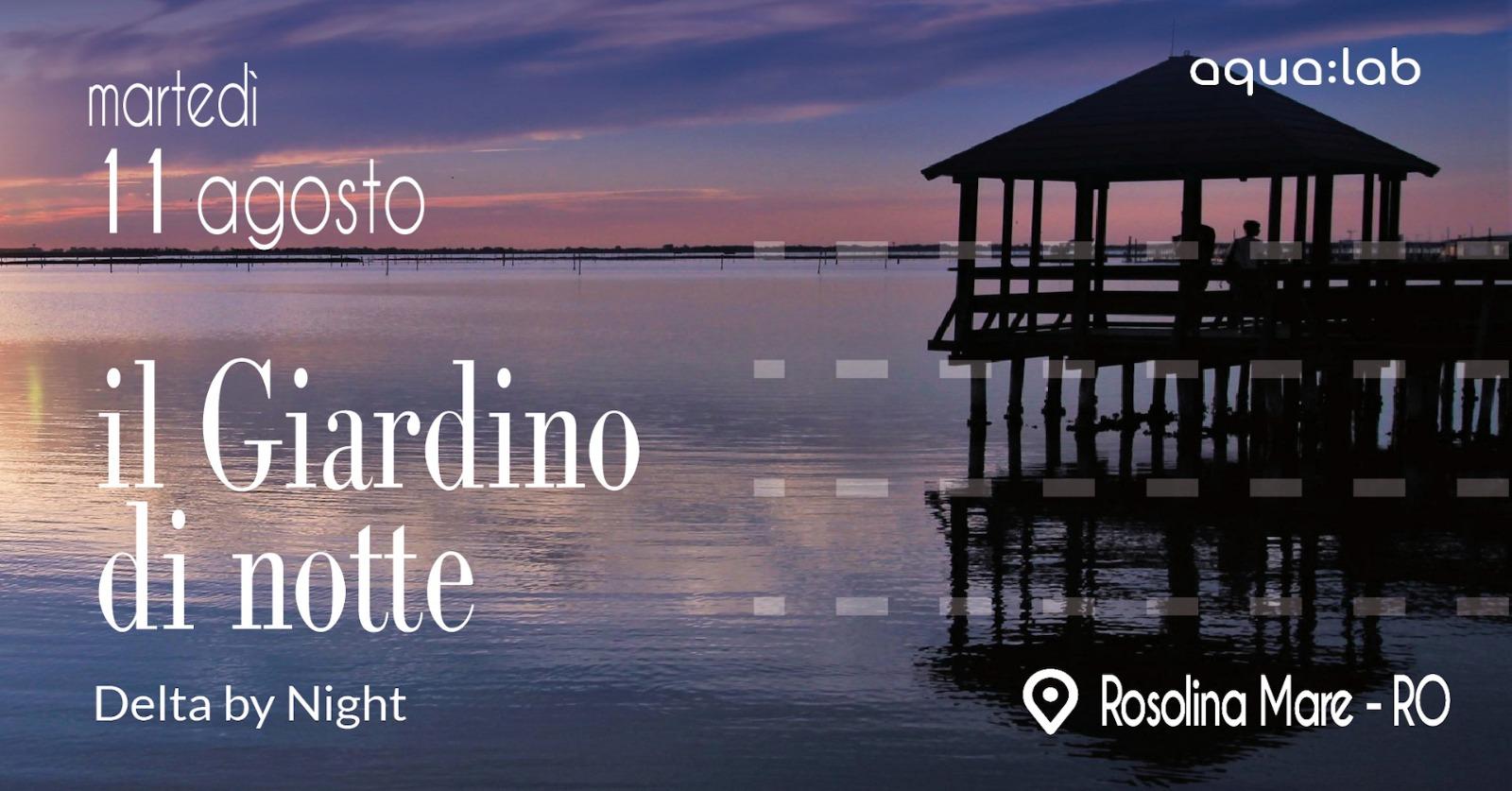
The fishing valley is a brackish environment where the inflow of fresh and saltwater is artificially regulated by sluices (locks).
A product of human intervention, the fishing valley is an extensive fish farming area, where fish grow naturally over three to four years. The word "valley" comes from the Latin vallum, the embankments built to delimit these areas. To capture the fish to be introduced into the valley, the "upstream" period is awaited, when in summer the young fish enter from the sea into the lagoons because they find more nourishment and warmer waters there. Nets placed at crossing points allow for excellent catches, a system already exploited by the Romans, who called the valleys piscinae piscariae.
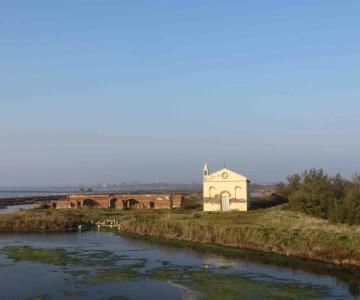
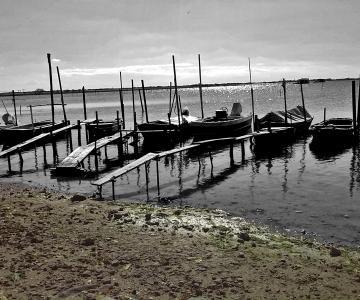
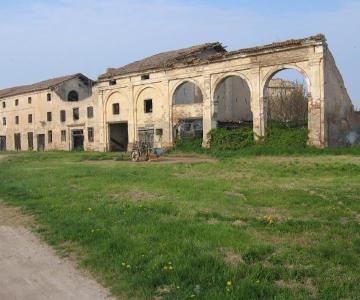
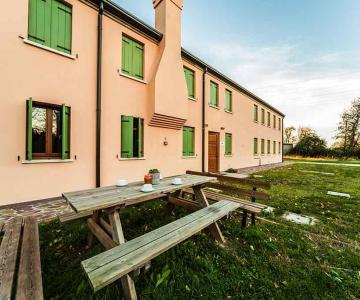
Besides the beauty of the landscape, the valley environment is characterized by typical constructions: the "cason de vale," with its large semicircular chimney, home to the owner and shelter for the guardians; the "casonetto," a room used for storing tools; and the "cavana," a covered place where boats are moored.
Valle Boccavecchia, Canelle, Spolverina, Morosina, Segà, Passarella, Capitania, Veniera, Sagreda, Pozzatini are valleys in Rosolina found along Via delle Valli Nord.