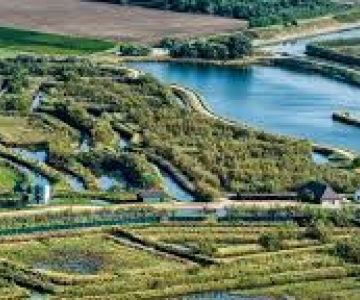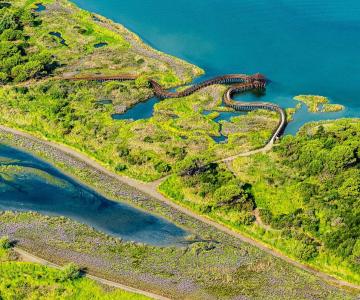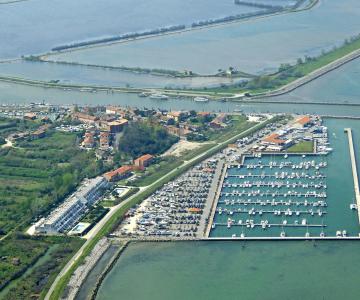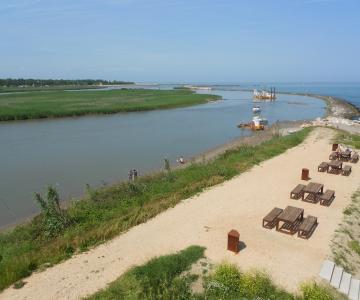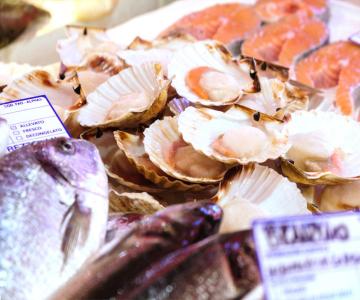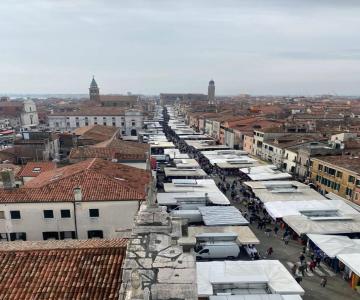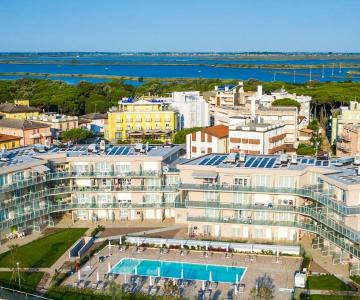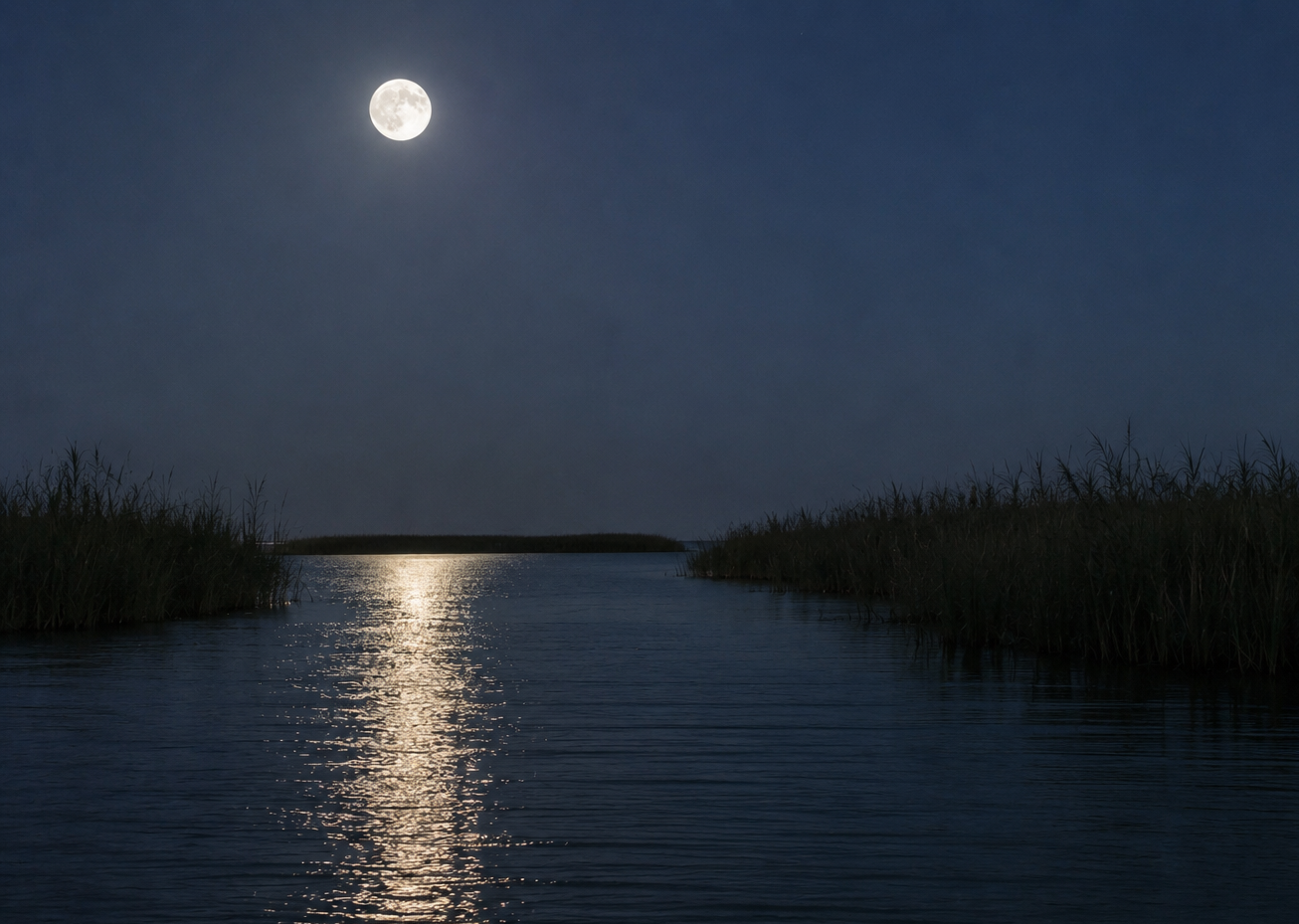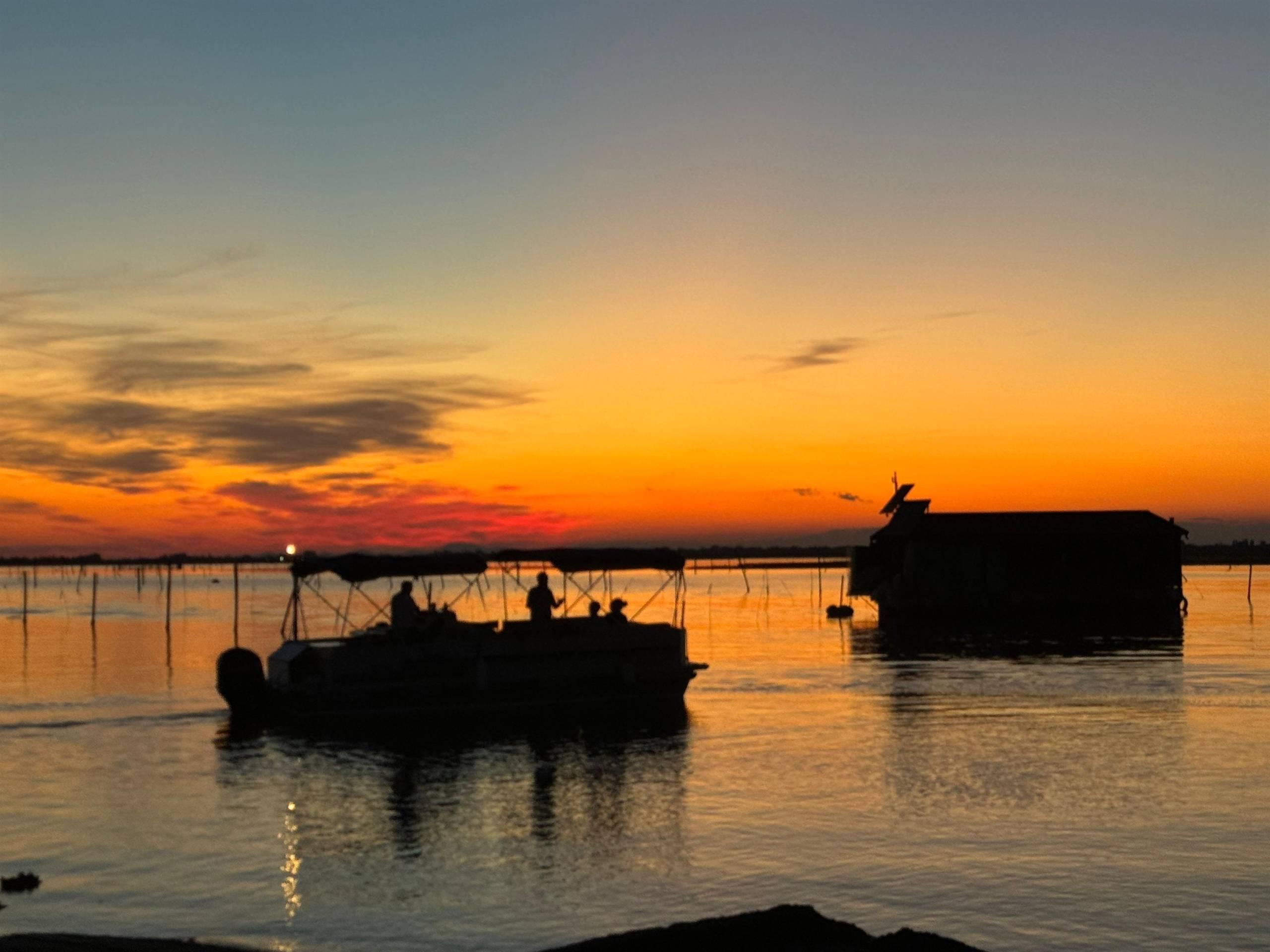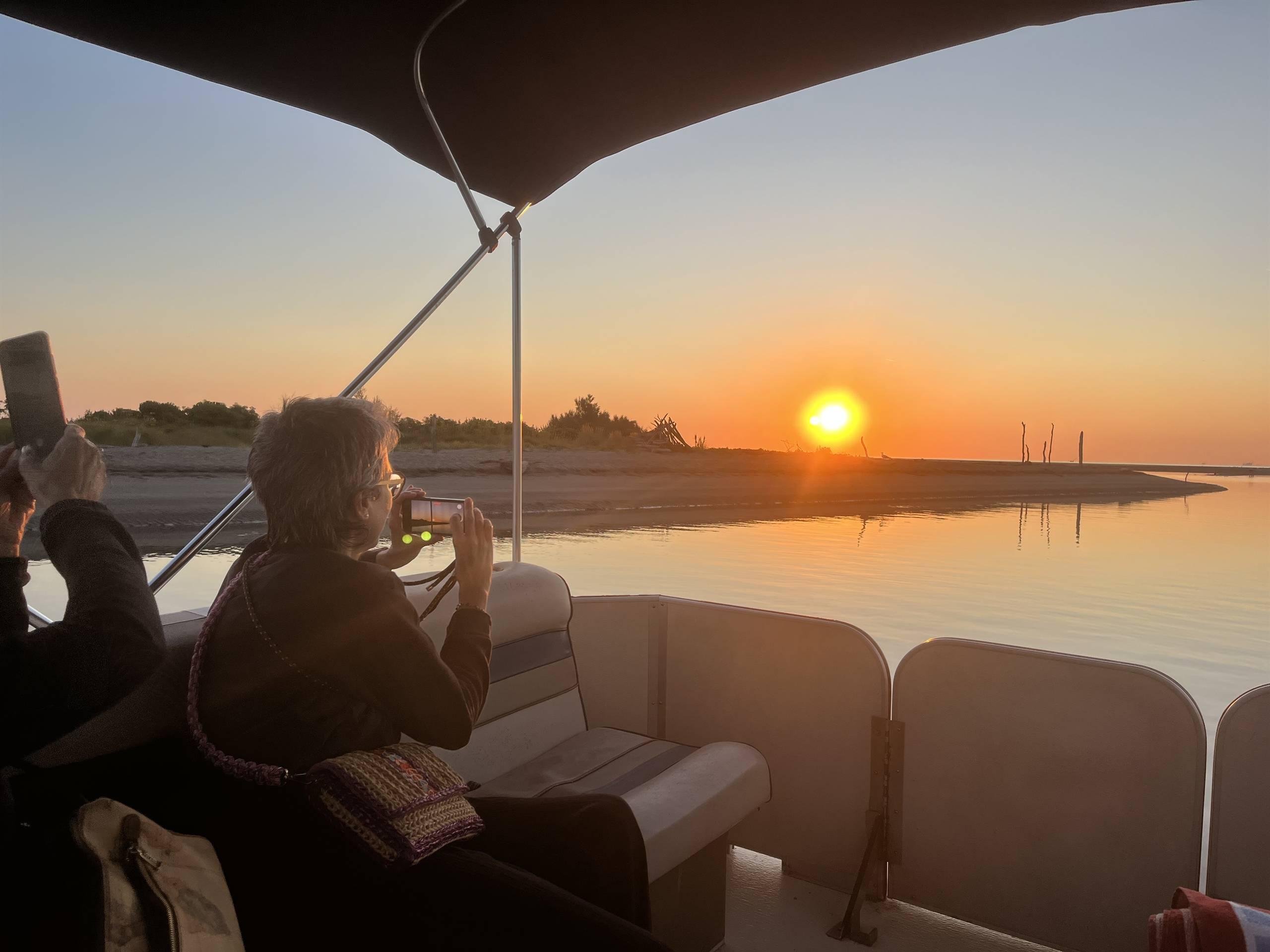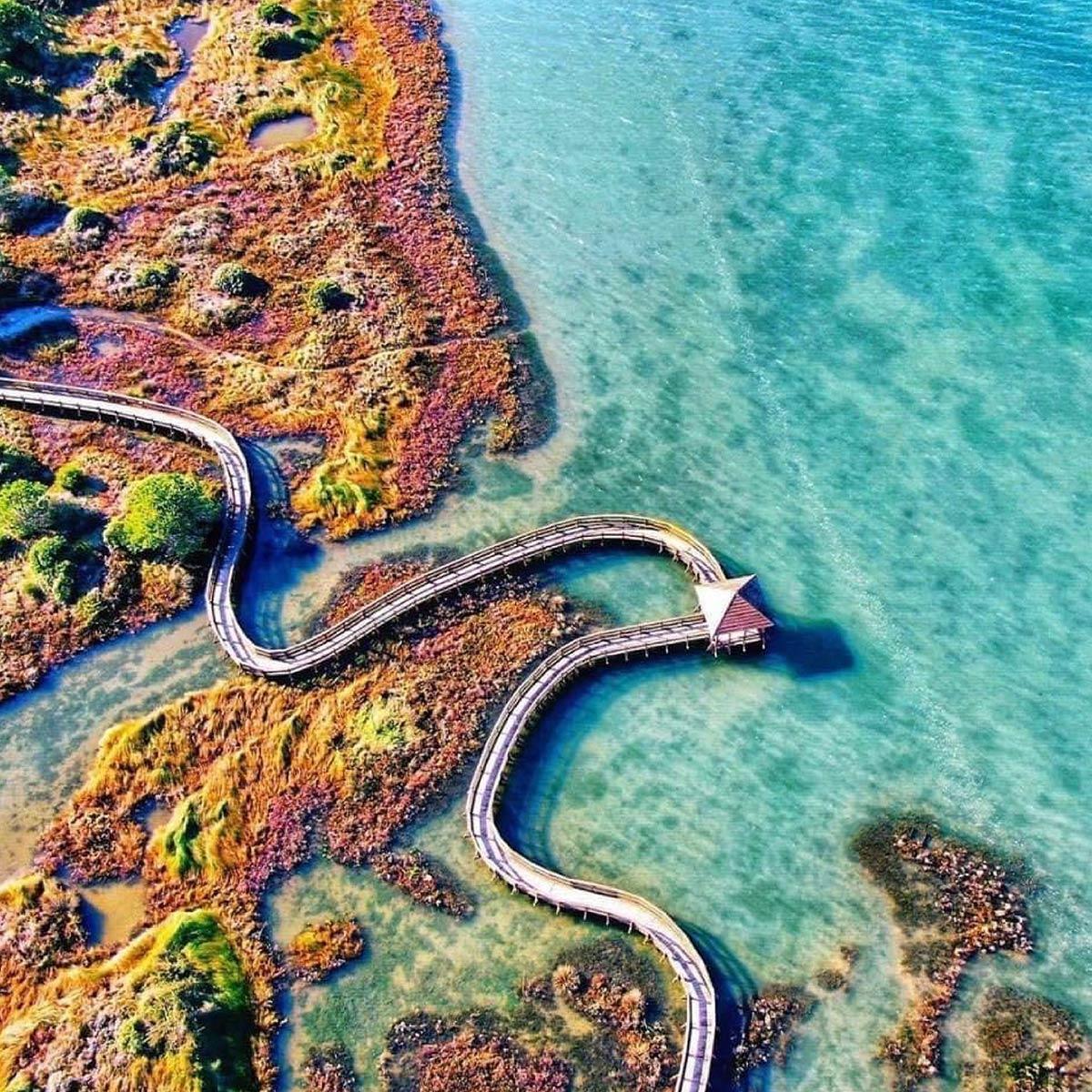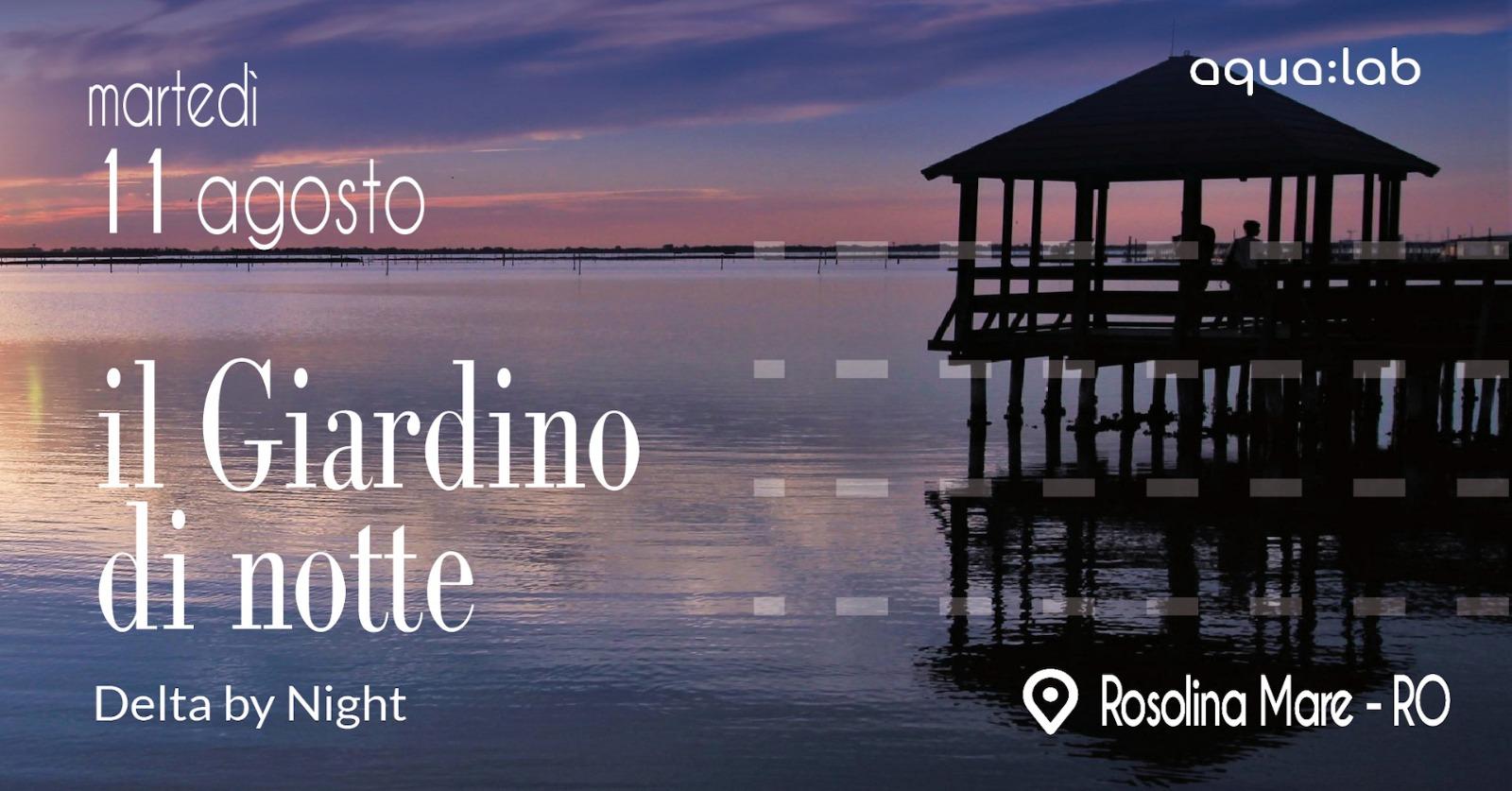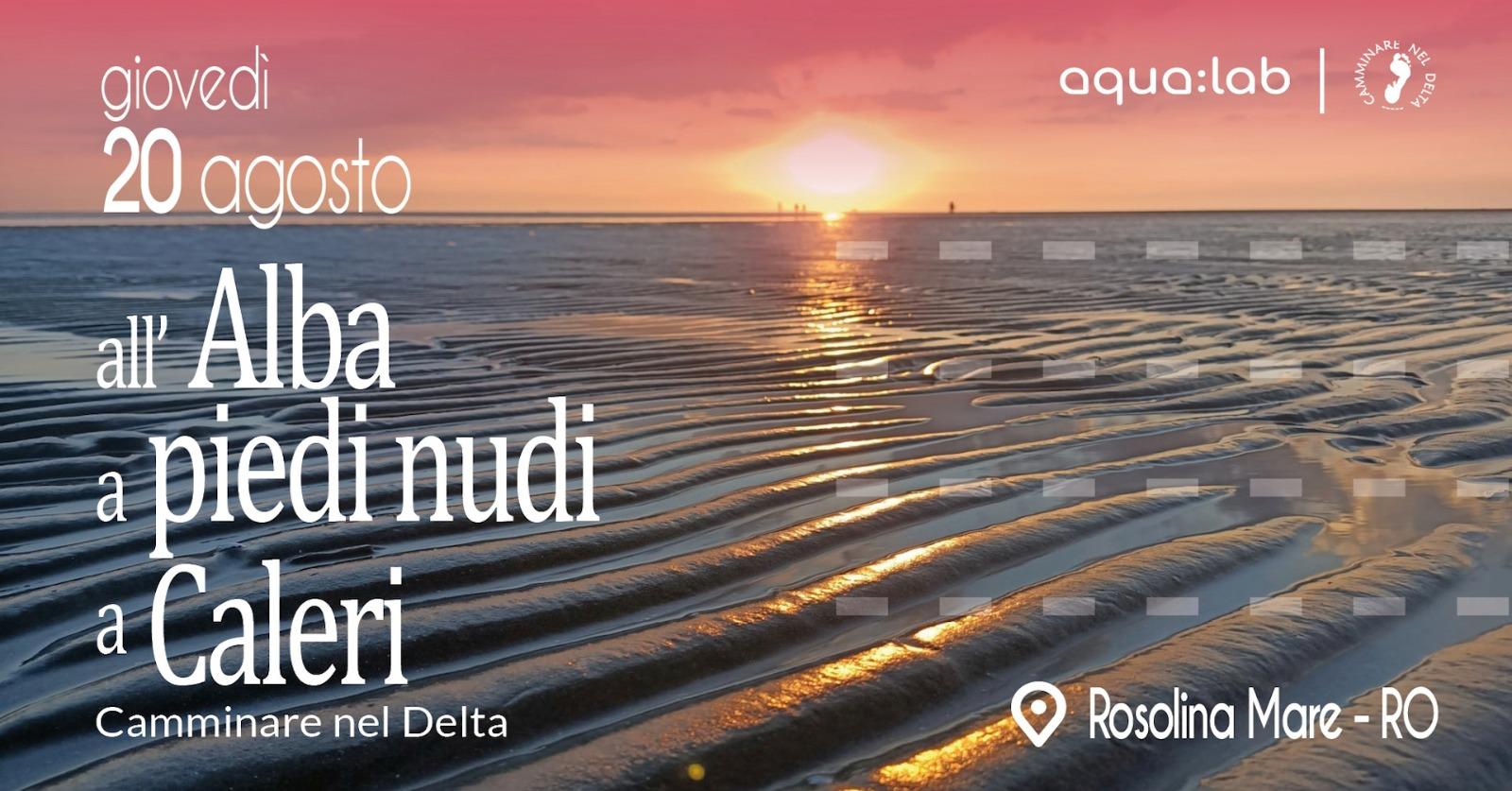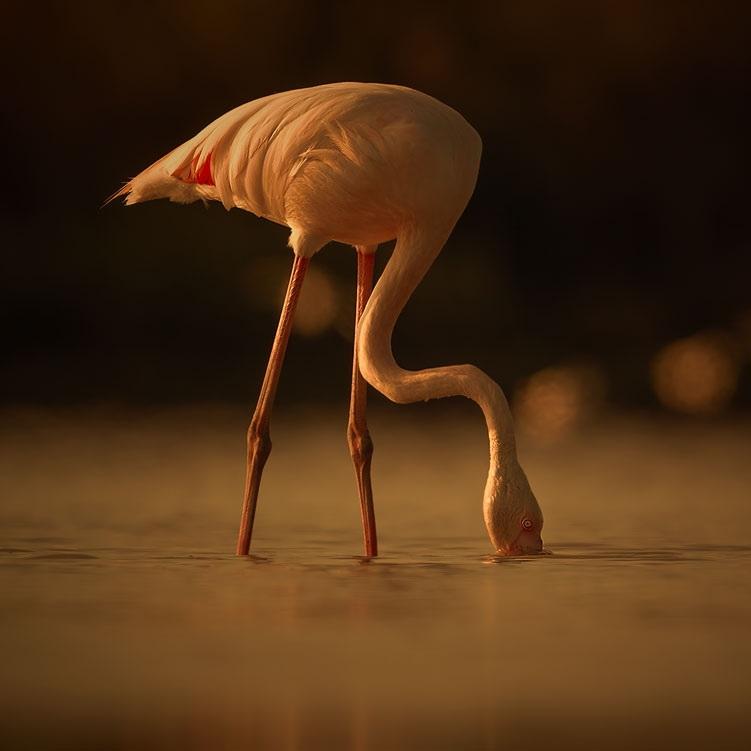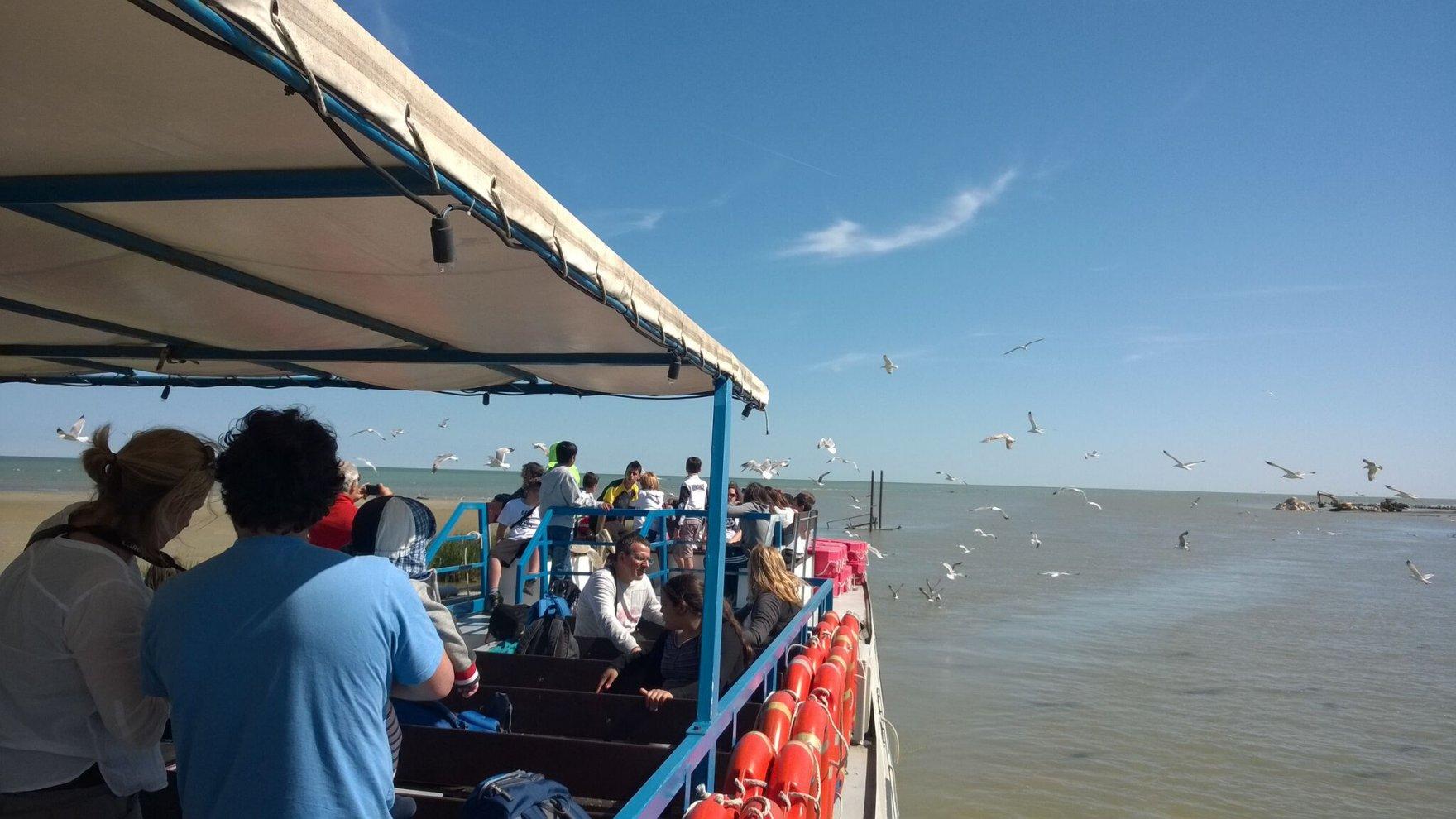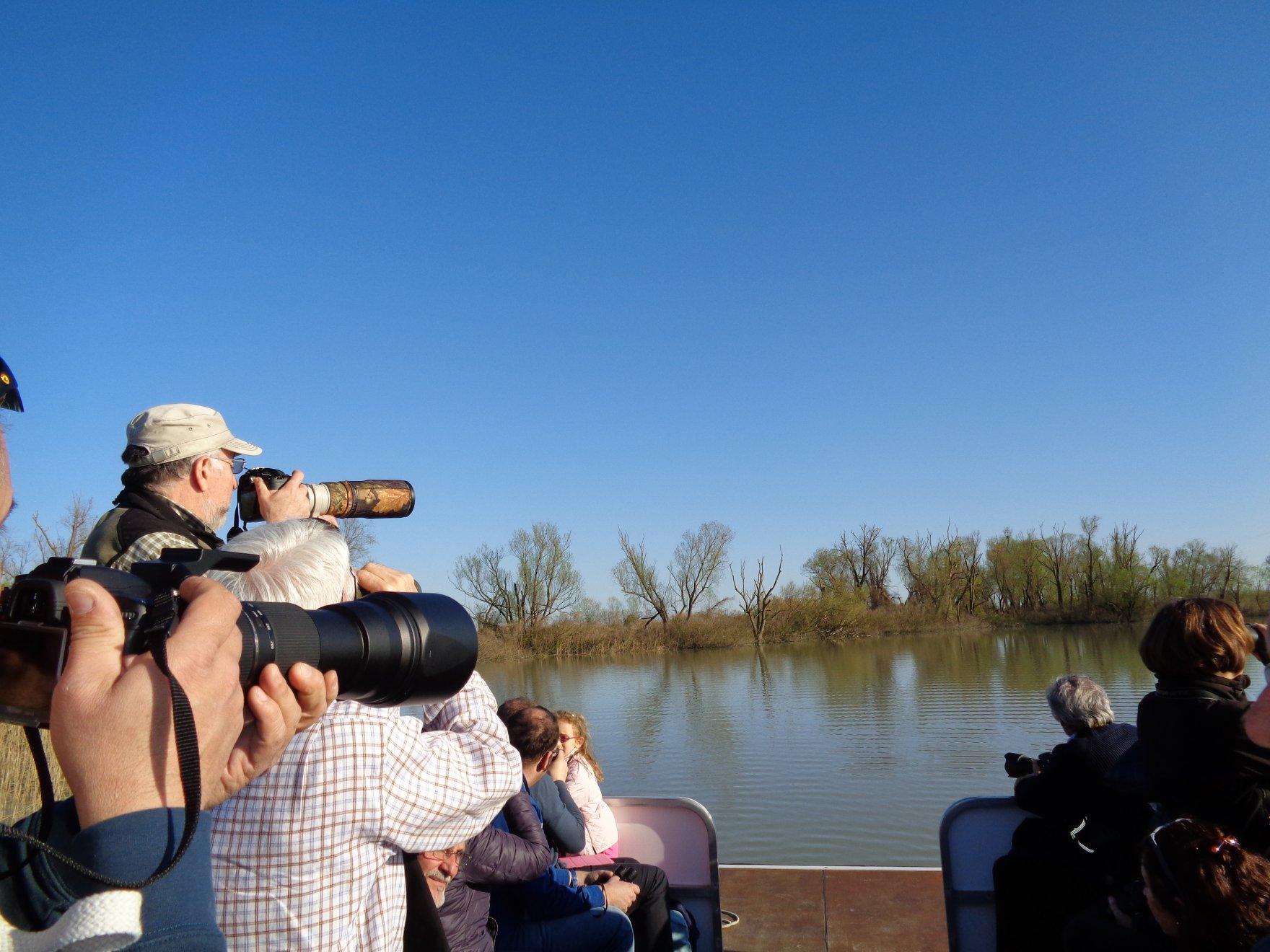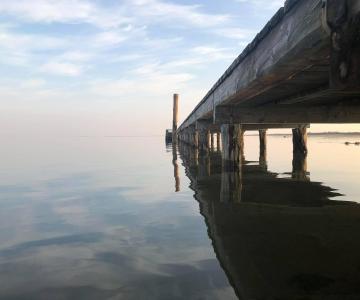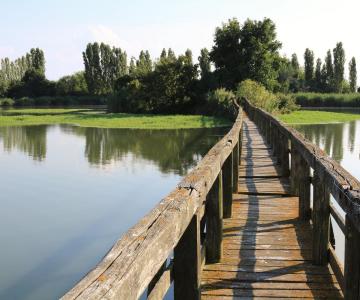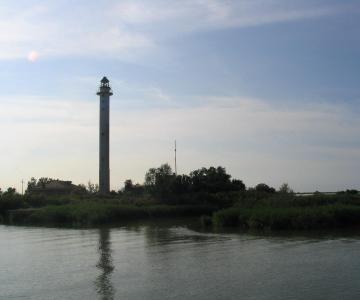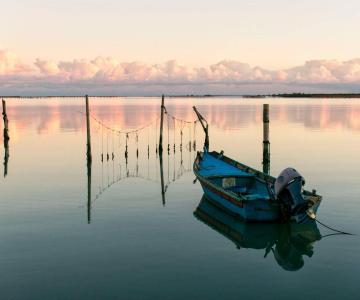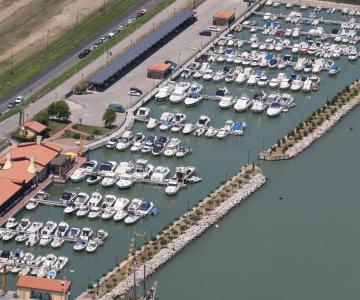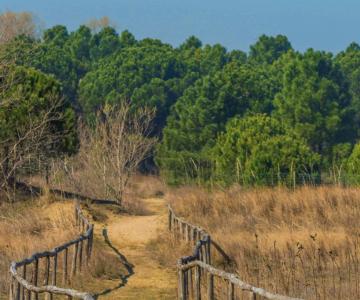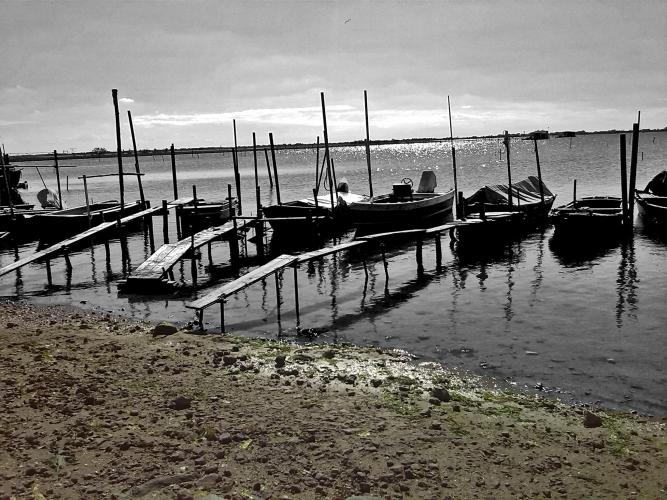
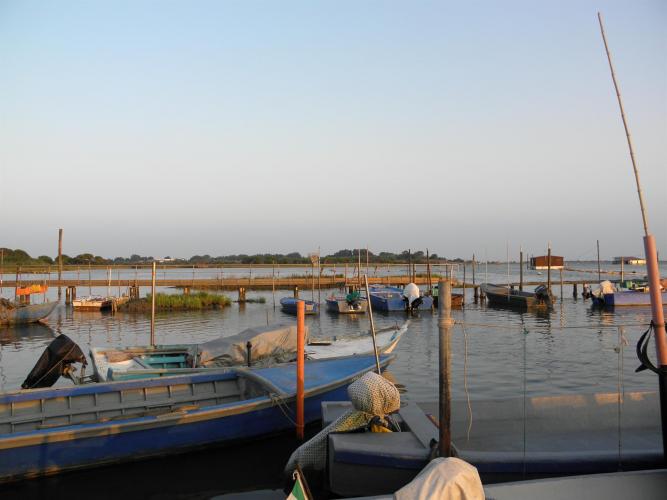
One of the wonders of Rosolina is the water, that brackish water of the Caleri Lagoon, a precious treasure in terms of biodiversity, with dozens of bird species that observe the movement of the water to catch, with acrobatic flights, the small fish they feed on, with the mudflats covered by glasswort and sea asparagus, but at the same time the Caleri lagoon is a trove for the "farmers of the sea," those fishermen who every day as soon as the sun rises go to gather the clams they have sown in the "sea gardens," a surprising and widespread economy that employs thousands of workers.
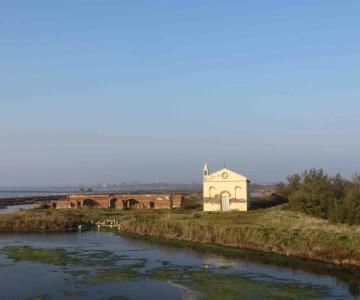
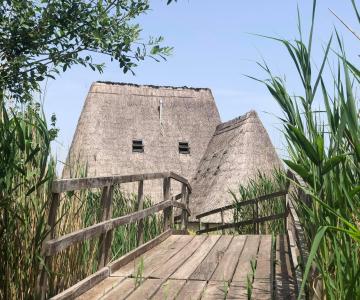
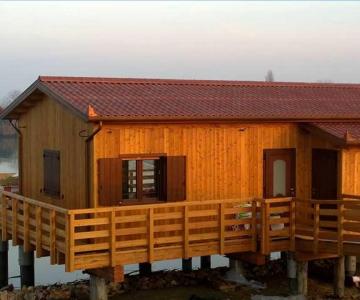
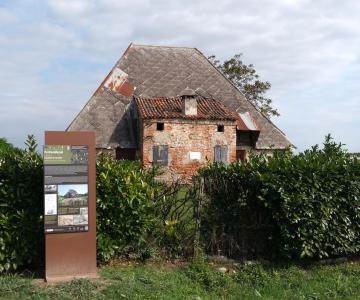
A lagoon largely bordered by the Valli road, a road that, besides showcasing the Delta's nature, highlights humanity's ability to find sustainable economic resources by building that environment: the fishing valley that seems an apotheosis of nature but is undeniably the product of human hands. The vallicultore encloses the old lagoons with embankments, the Latin vallum, and exploits this environment to raise fish, sowing the fry and "calling" the fish to the working water through the colauro when they are adults. For centuries now, he has demonstrated his skills as a fisherman in the countryside, showing in every season how he manages to "cultivate water" and above all showcasing the jewels of architecture and knowledge of water, which are: the valley casoni, cavane, and colauri.