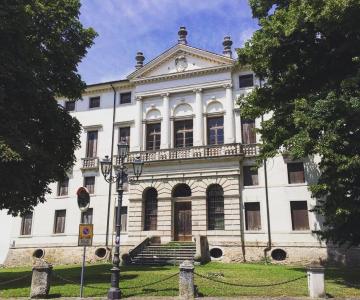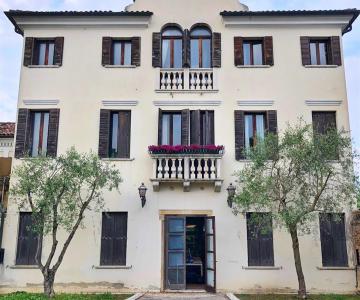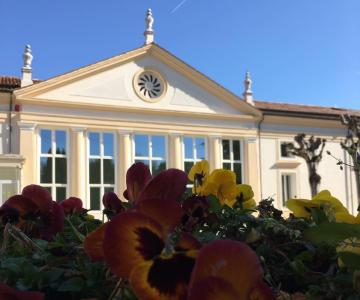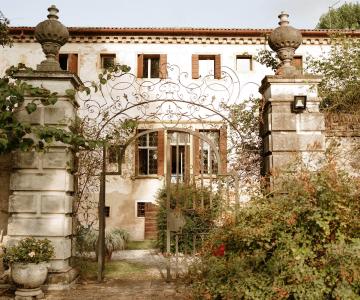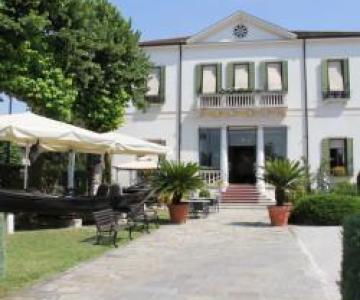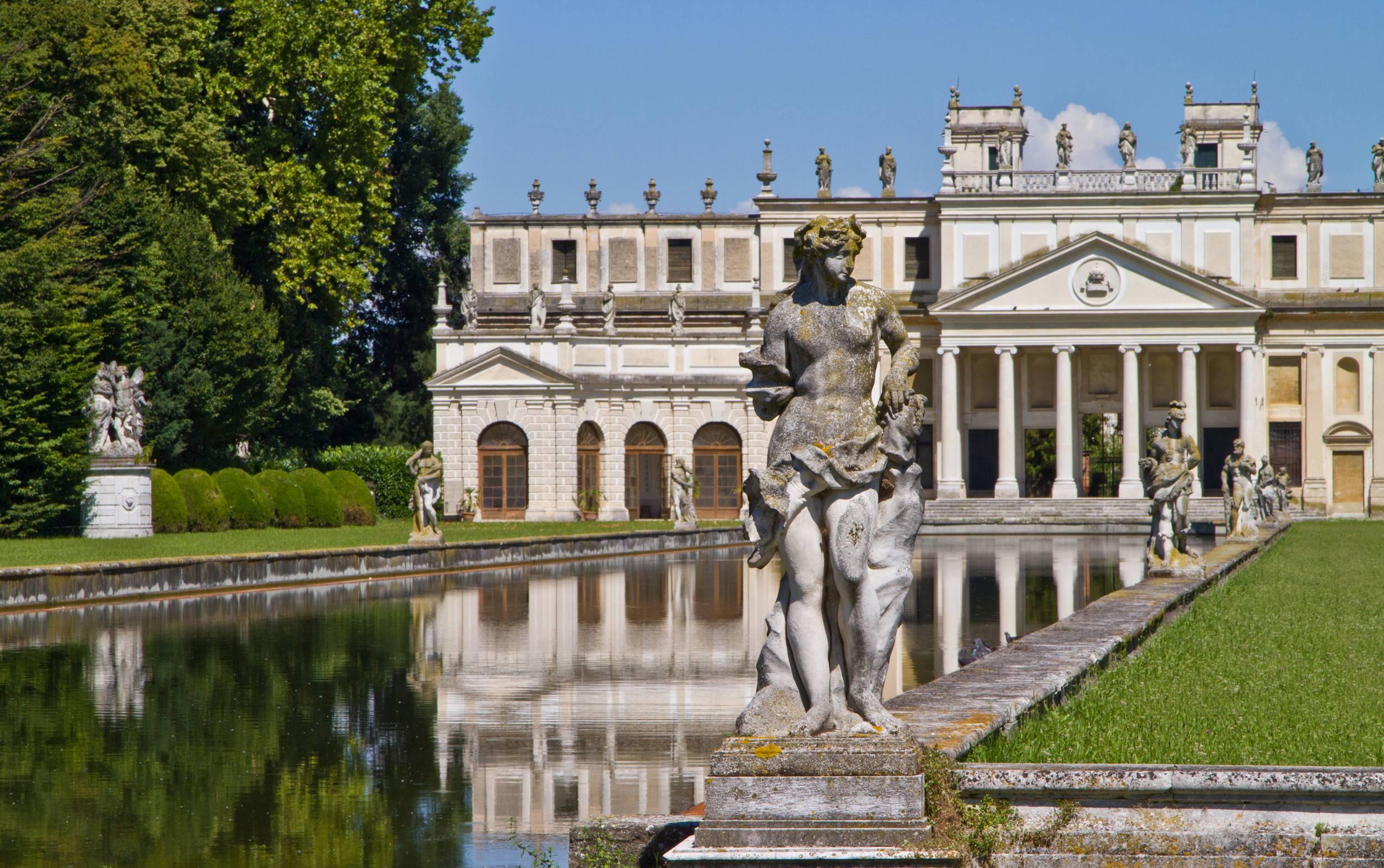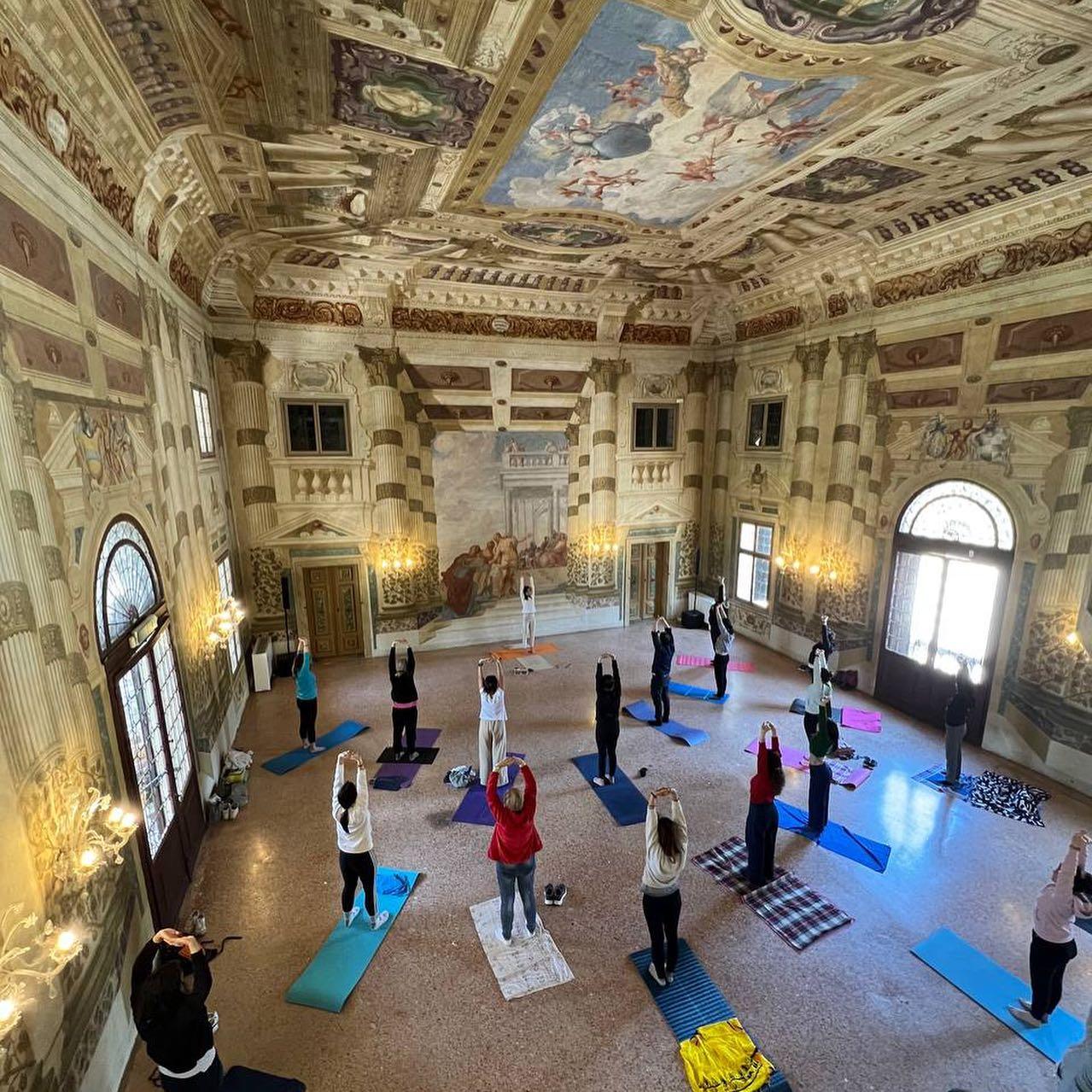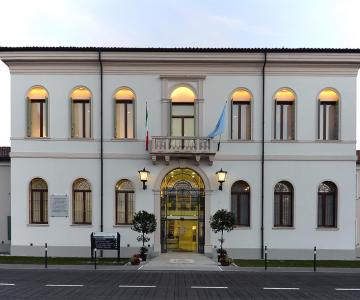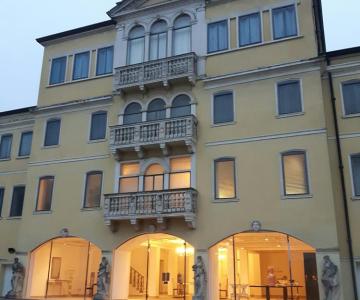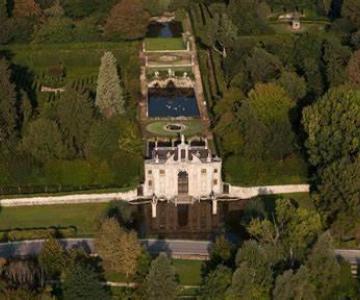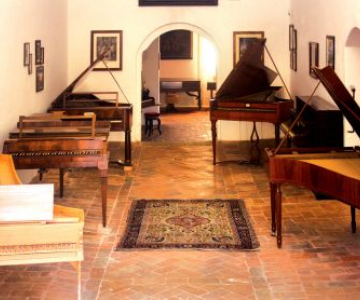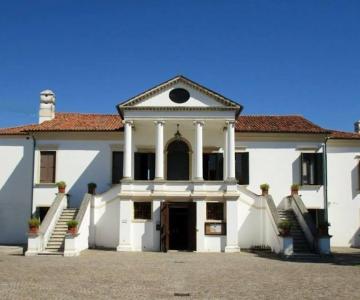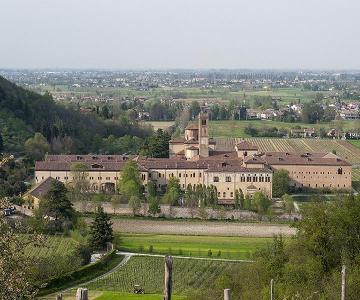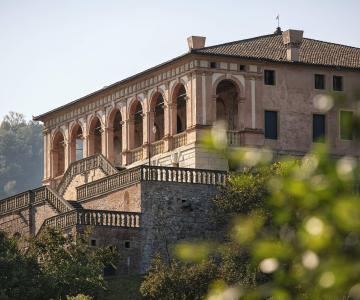


A masterpiece of the Venetian Renaissance, set in a large park, it houses frescoes by P.Veronese and G. Zelotti, inspired by Ovid's Metamorphoses.
OPEN every first Sunday of the month from 8 a.m. to 6 p.m. during the Mercatino
GUIDED TOURS: market day: 11:00 a.m.-3:00 p.m. or by appointment daily, minimum 4 people
Historical notes
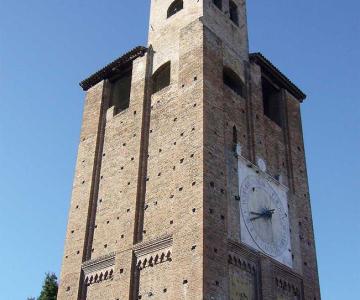
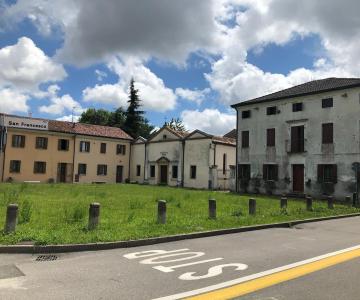
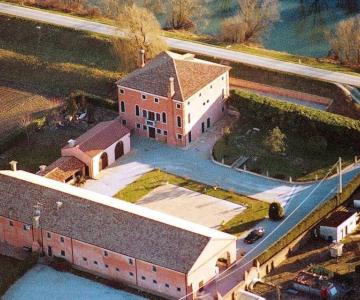
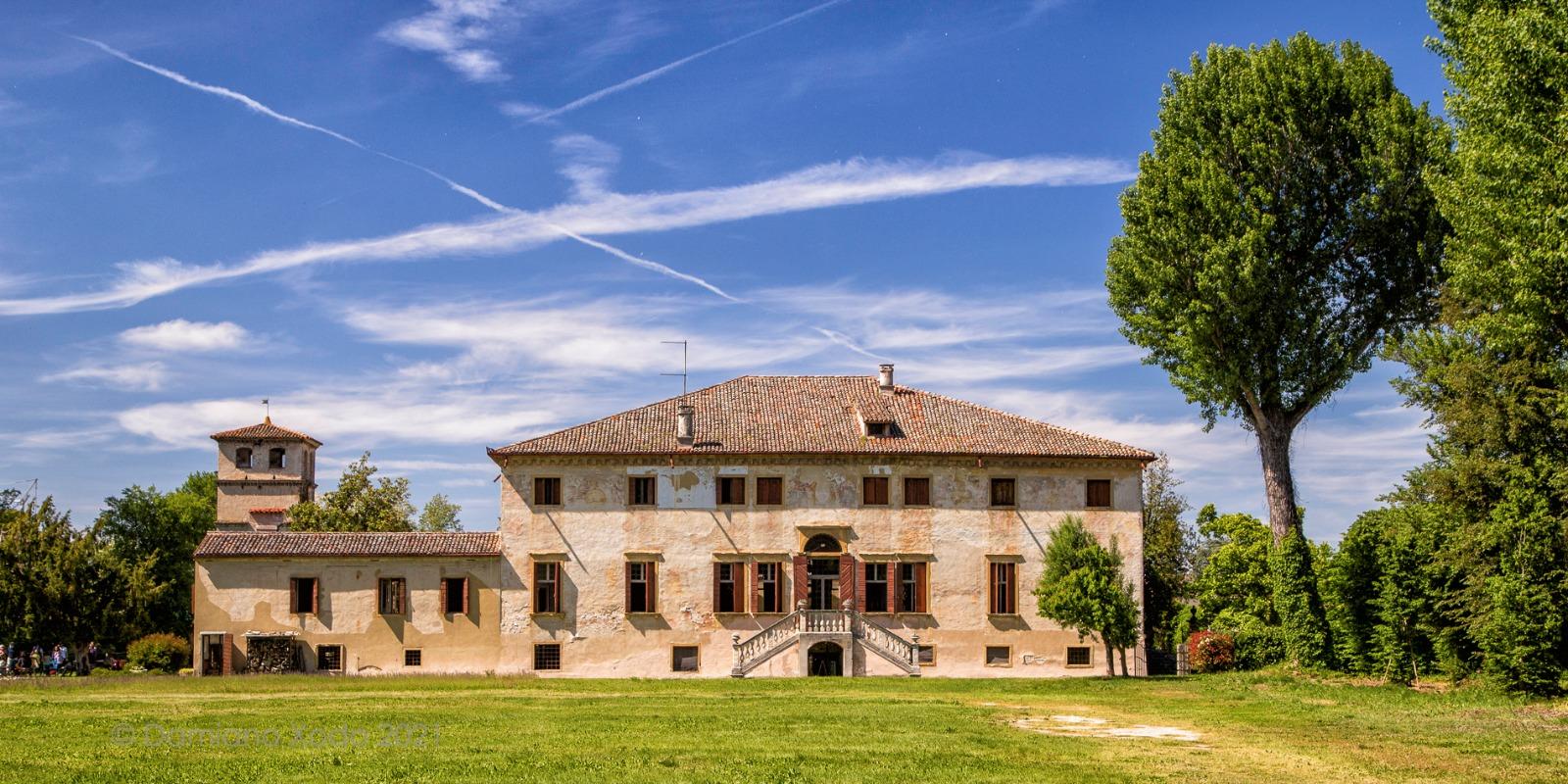
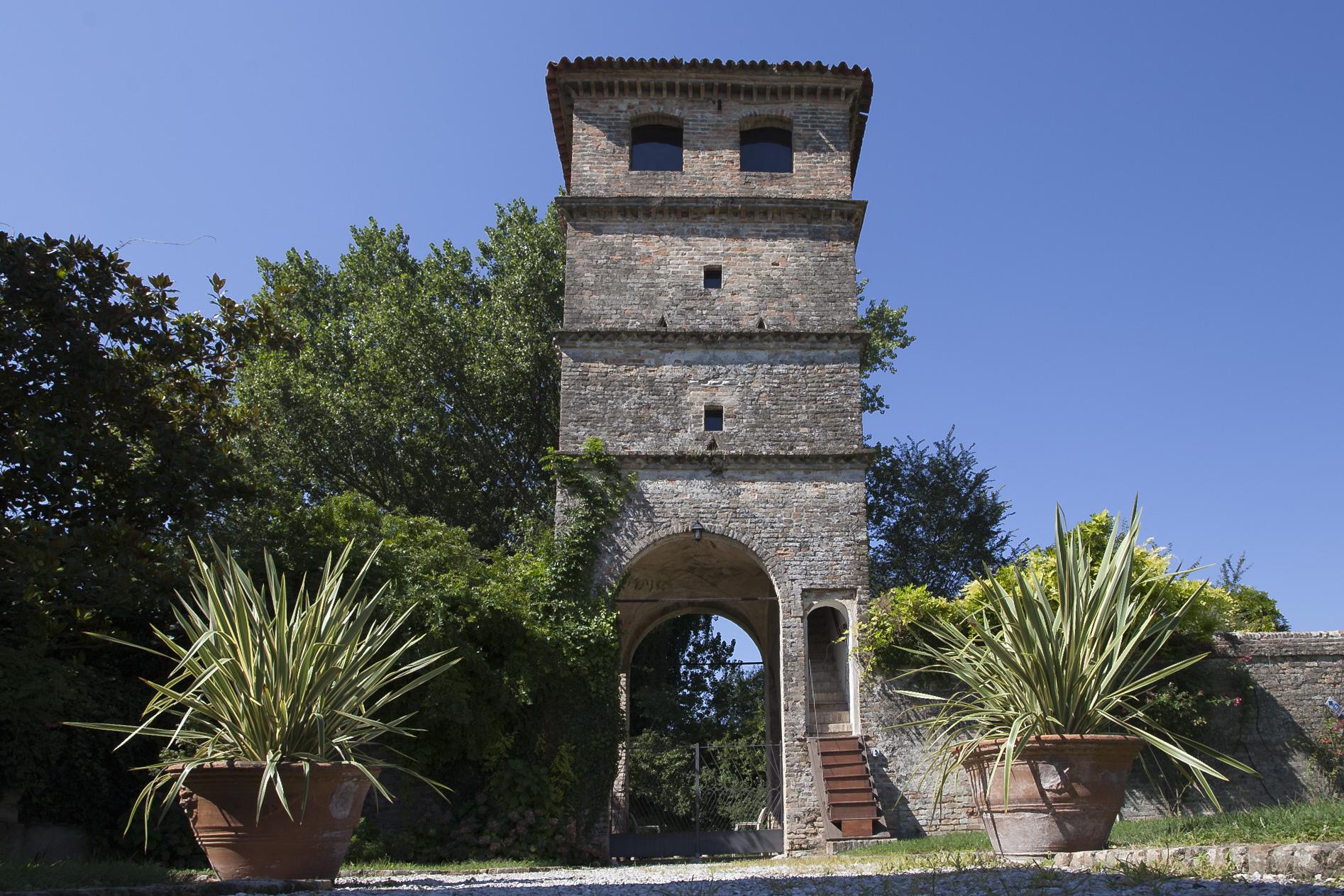
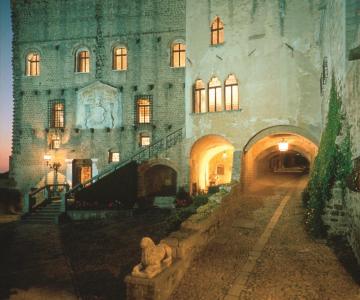
The house on which the Roberti family built their palace was built on the ruins of the Macaruffo castle, of which the medieval tower, later used as a colombara, remains.
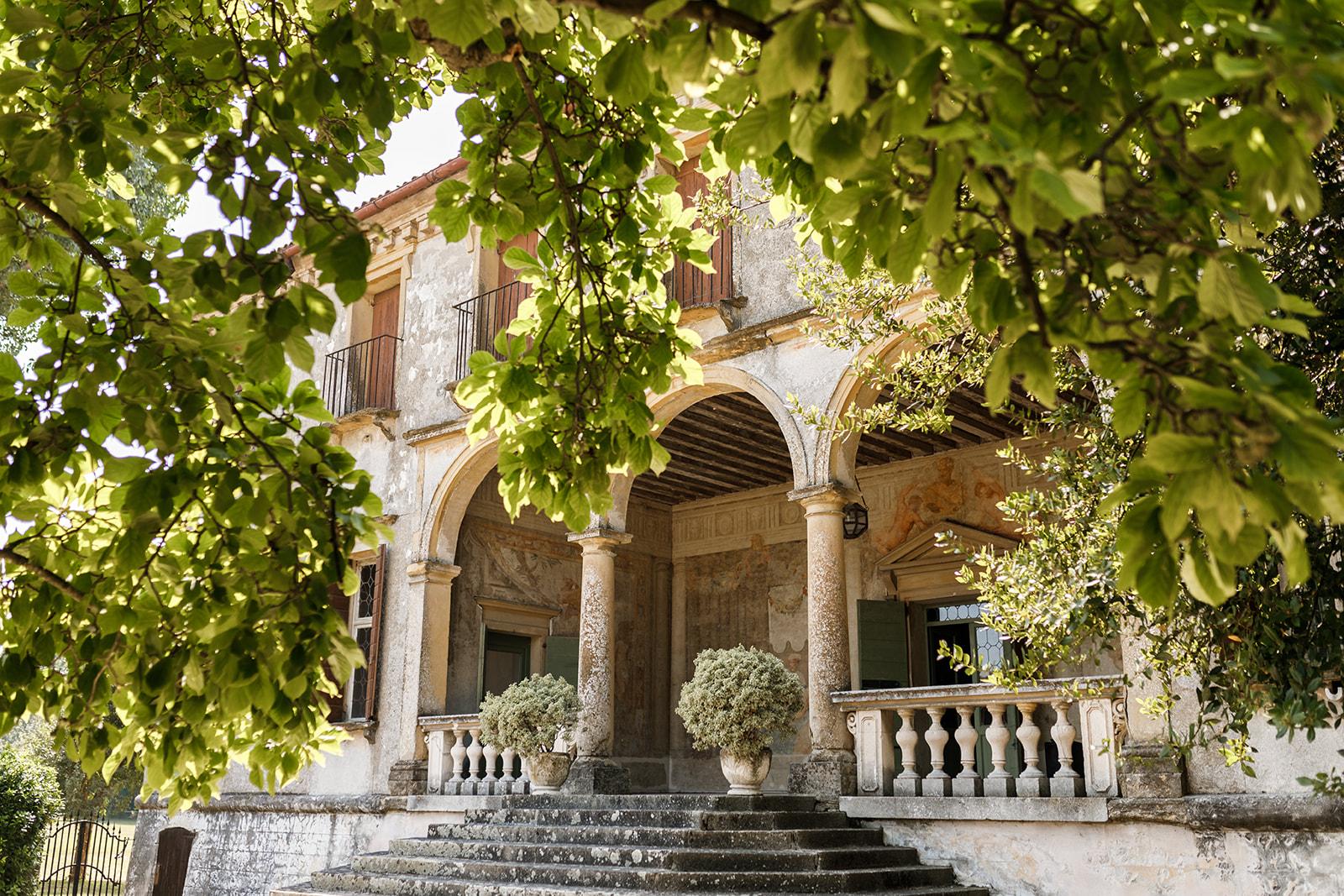
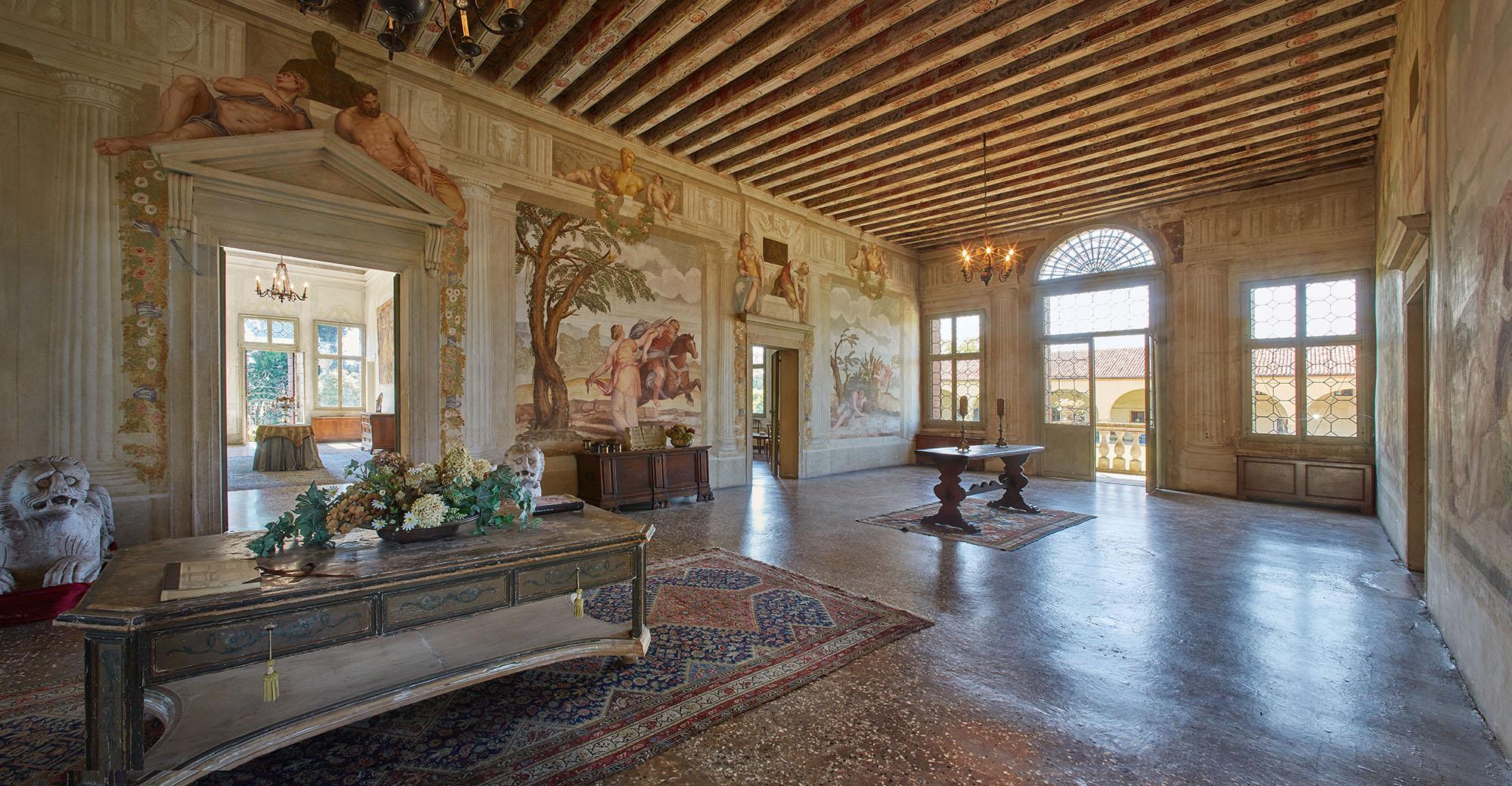
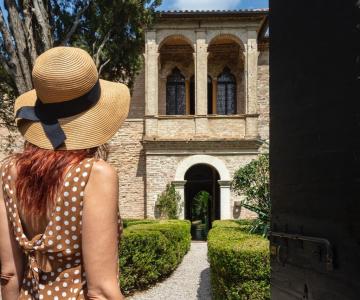
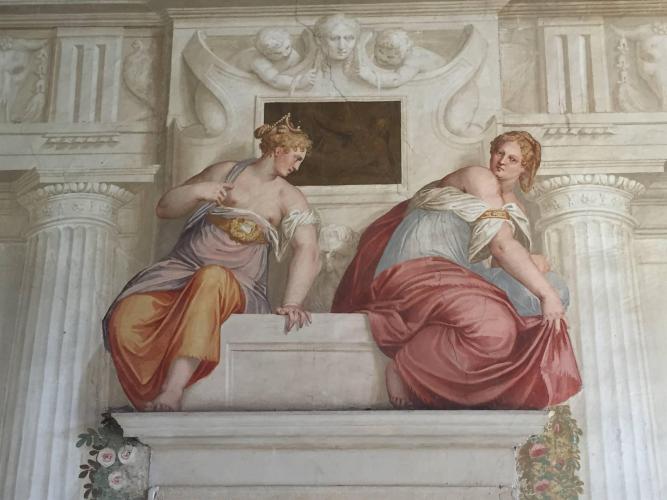
In the "Palace," the exteriors, loggia, hall, and entrance hall were frescoed by Zelotti, Fasolo, and Paolo Veronese, with depictions of mythological scenes from Ovid's Metamorphoses and with figures representing the Virtues and Giants.
In the recently discovered frescoes on the upper floor of the Villa, there is a curious interplay between the external landscape and the frescoed one.
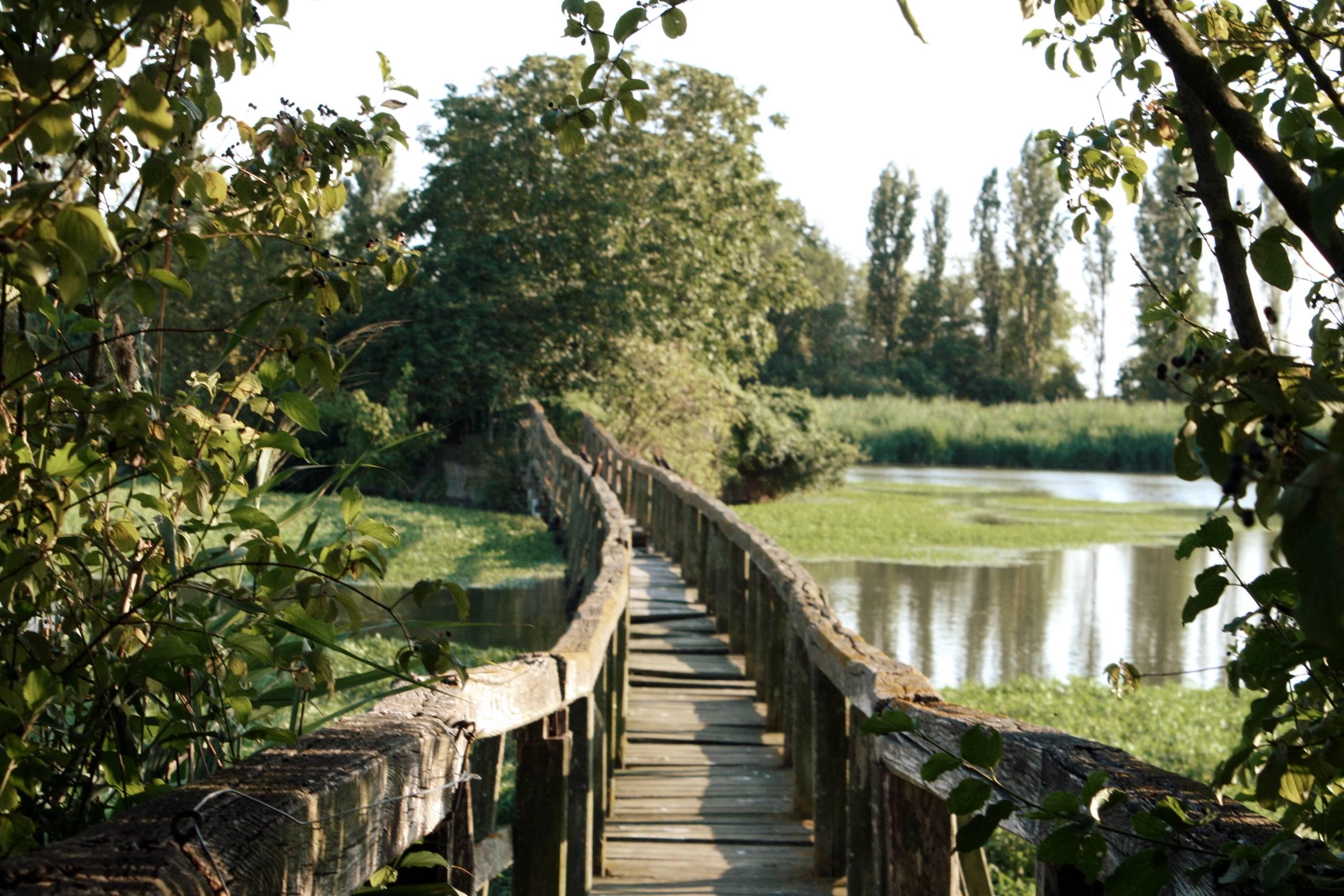
The Park and the Forest
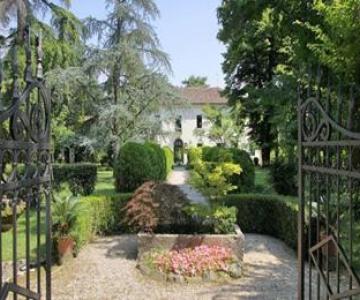
The Forest, recently restored, thanks to the help of the Municipality of Brugine, can now be visited. Inside there are botanical and dedicated paths for children.
The 1842 Guide to Padua and its Province, points out that the garden of Marquis Domenico de Lazara in Brugine "was among the first in our province to set the example of the gardens that are called English."
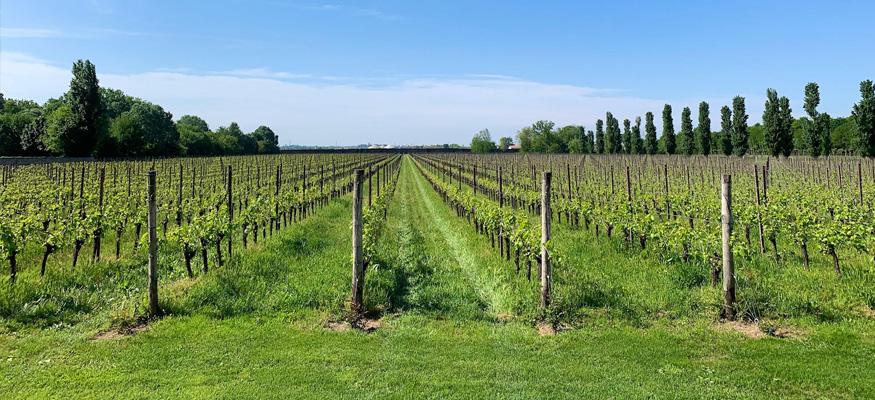
In reality, the actual English park must be dated to 1830, that is, when some of the most important Jappellian gardens, such as Treves de' Bonfili in Padua, Cittadella,Vigodarzere in Saonara, and Meneghini in Battaglia Terme, had already been designed and were being built. Much of the original compositional arrangement has disappeared, the extent of the park area and the brolo, in which the greenhouses and fishpond, covered by the hazel grove, still remain.
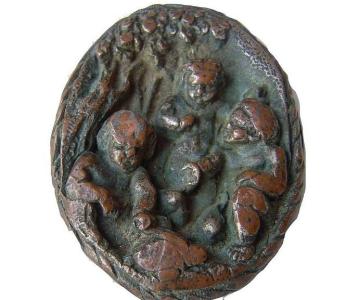
There are still scattered here and there among the greenery, relics of ancient brick artifacts, two statues of cherubs, and in the middleground area, the tombstone commissioned by Giuseppe Salom.
The special selection of roses, which can be found along the Villa Park and gardens, deserve attention.
The Villa and the Roberti family
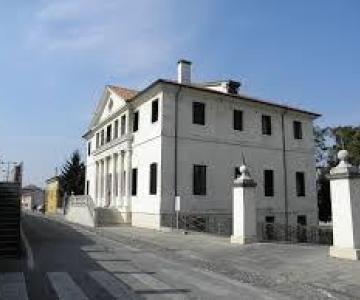
Villa Roberti bears witness to the origins and splendor of the Venetian pictorial and architectural Renaissance.
The Roberti family was one of the most influential in Padua because of the prestige of its diplomatic appointments and the enormous wealth accumulated through its activity as bankers.
Around 1544, Canon Girolamo commissioned architect Andrea da Valle to build the monumental complex.
Andrea da Valle, a contemporary of Palladio and Falconetto, famous for his work on Santa Giustina in Prato della Valle and the Cathedral of Padua, finished the work in 1553. At the same time a group of painters from Verona - Zelotti, Fasolo and others - around 1550, was called in to fresco the exterior walls and interior halls of the Villa.
The Maccaruffo Castle Tower
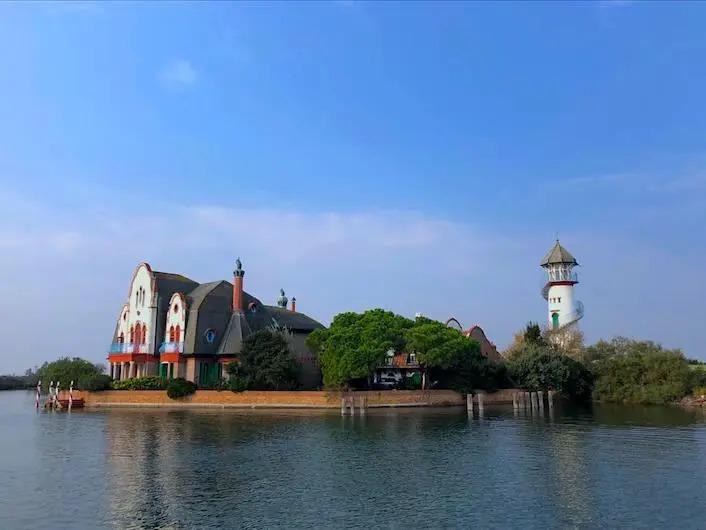
The 14th-century tower along with the well in front of the barchessa are all that remains of the Maccaruffo Castle. Traces of frescoes with the Carraresi emblem are still visible on the tower. In later centuries the tower was used as a colombara, but thanks to recent restoration it has been restored to its original beauty,and is currently used as an apartment.
The barchessa
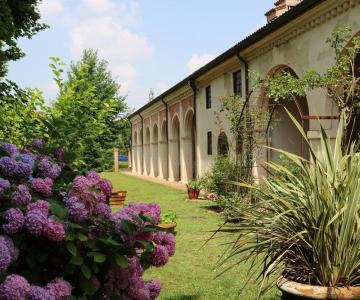
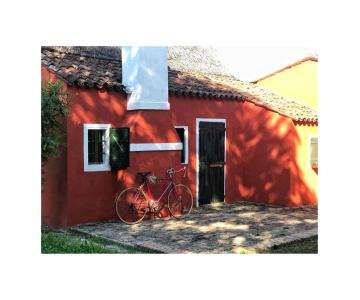
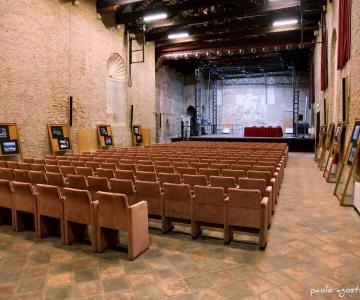
The barchessa dates back to the late 15th century. Inside there are two large Renaissance fireplaces, the portico cadenced by eight arches rests on columns softened by capitals with the Roberti coat of arms.
The frescoes of the Renaissance
The Fresco Paintings of the halls and exterior walls of the Villa are certainly among the earliest works executed by the Veronese group of artists.
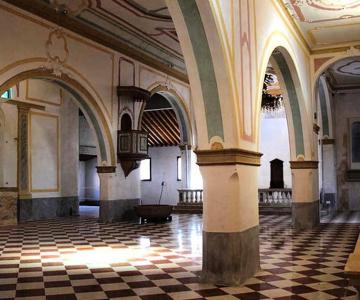
The Roberti family, portrayed in the two scenes of life in the loggia, welcomes the visitor who, through the vestibule of the Grotesques and Landscapes (the Lagoon and the Euganean Hills) enters the sumptuous Salone del Piano Nobile, characterized by its Sansovinian-decorated ceiling. Zelotti, frescoed eight mythological scenes telling of the loves between gods and mortals. The figures of the Giants and Virtues in the superstructures and the episode of Venus and Adonis turn out to be interesting.
On the upper floor we find the Studiolo, decorated by the frescoes Amor sacro and Amor profano executed by Zelotti and Veronese artists.
The faux mesh tapestry, in imitation of a brocaded damask, gold and silver, that decorates the other rooms represents the first example of a series of replicas of the design module that Paolo Veronese would use in painted textiles in his own canvases beginning in 1552.
On the ground floor can be visited the ancient kitchen with the fireplace, and the floor still with the original slope, which was used to drain water, and the well room with the foundations of the medieval castle and cistern.