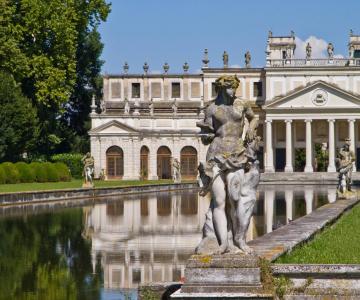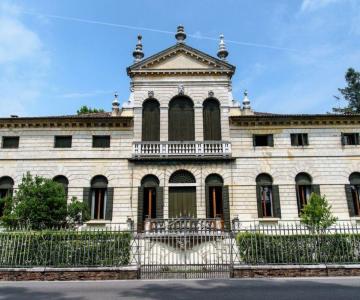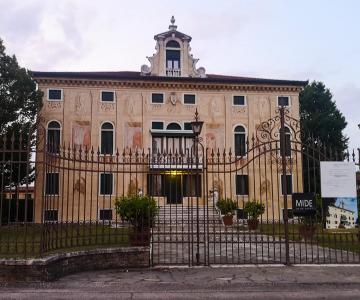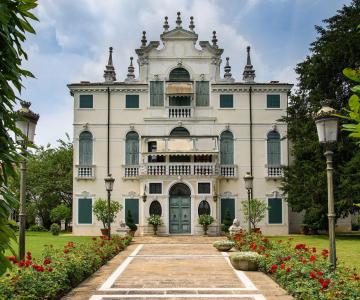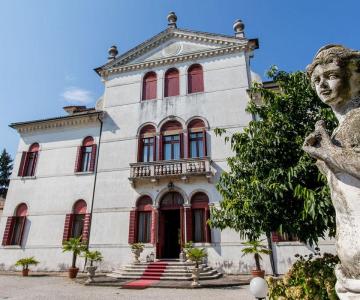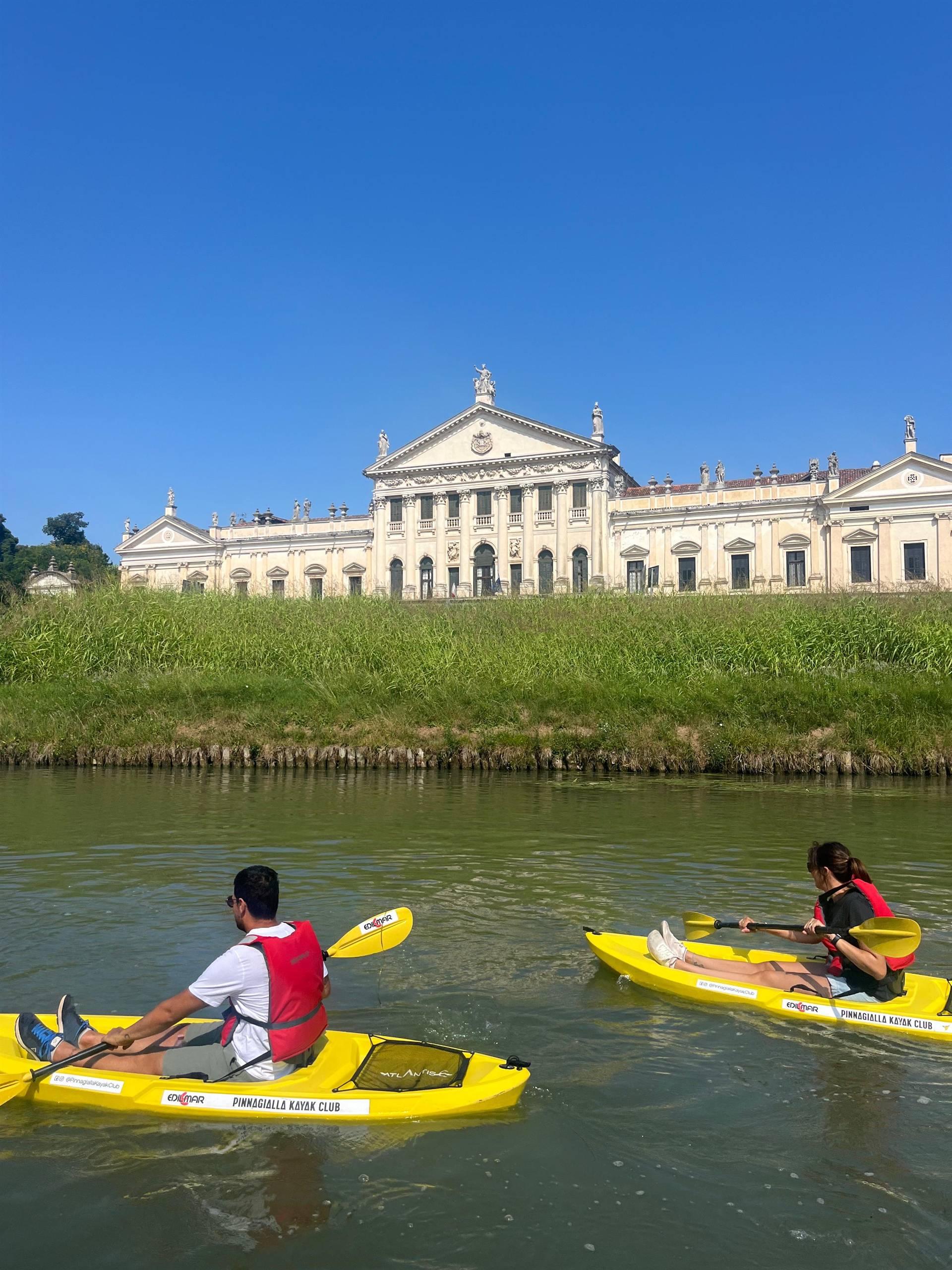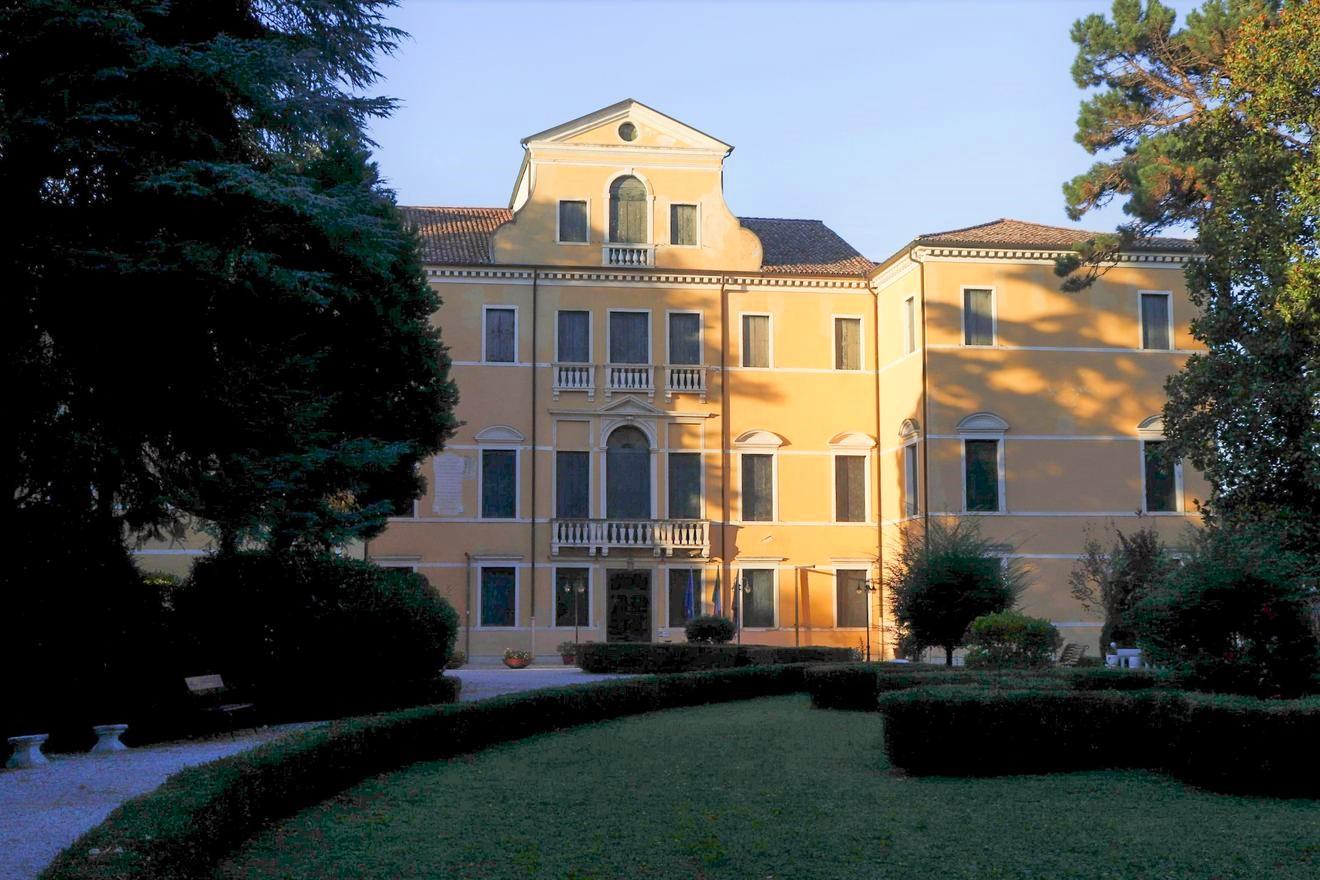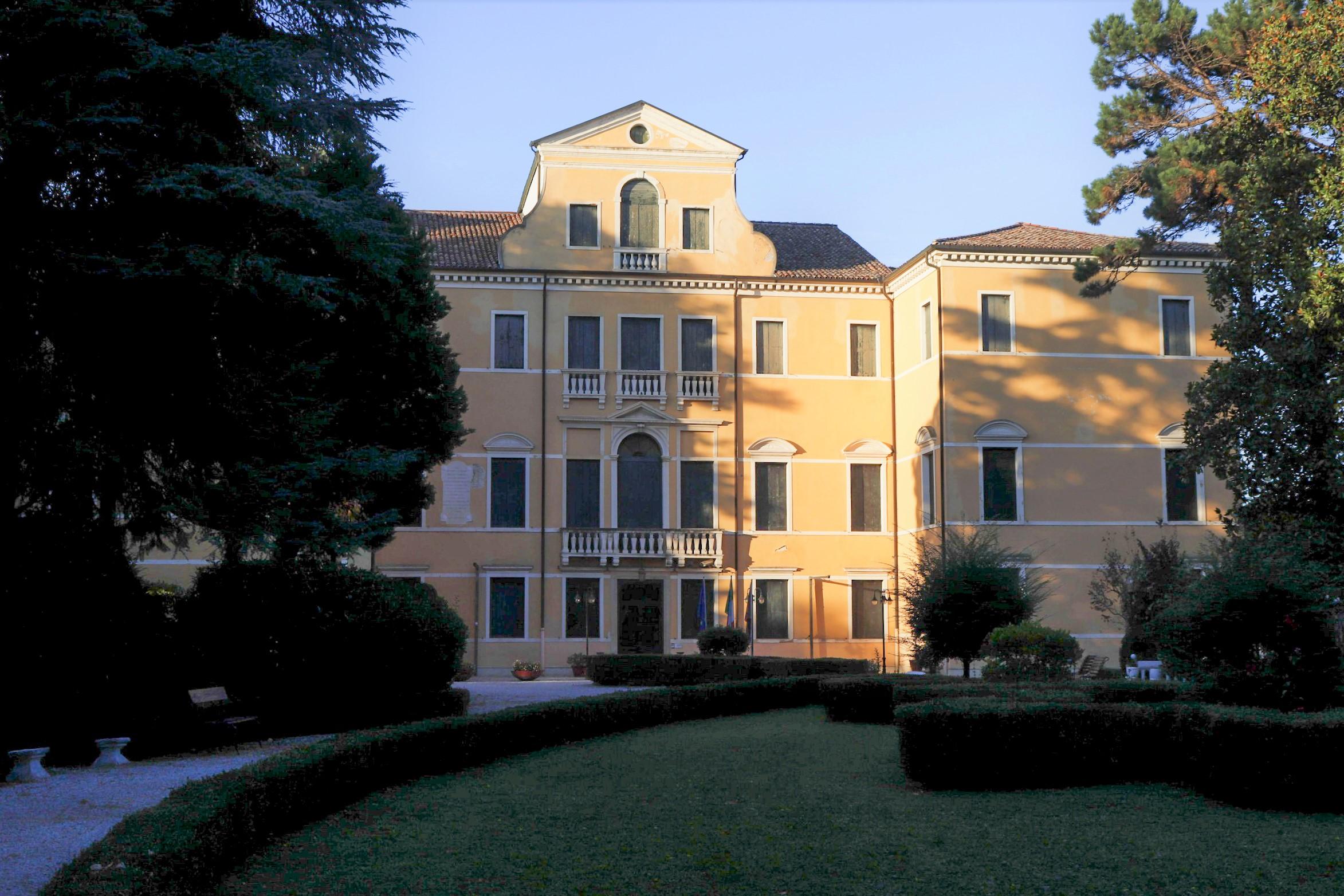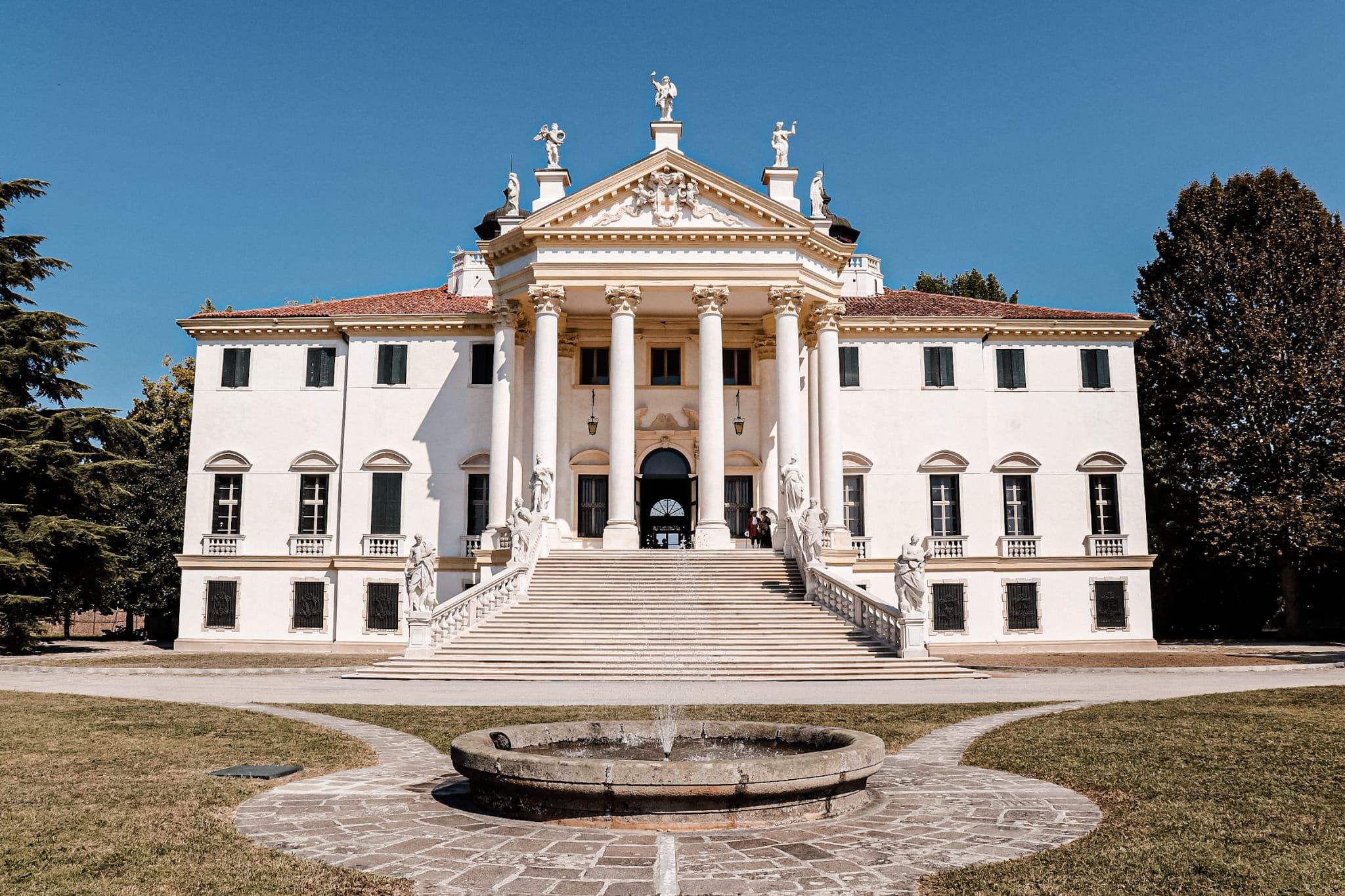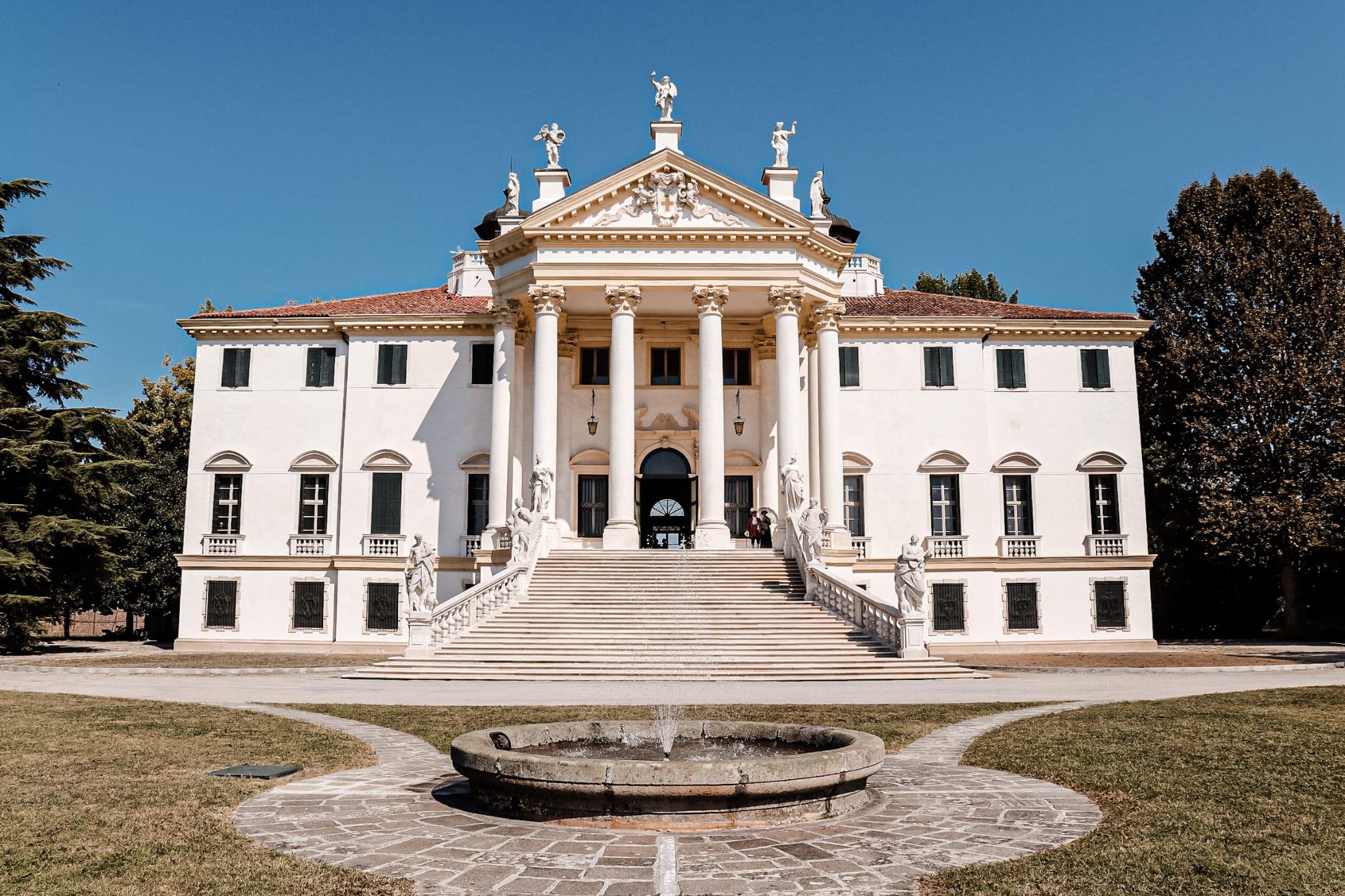


Villa Pisani National Museum, the "Queen of Venetian Villas," is one of the main tourist destinations in the Veneto region, located along the enchanting Rivera del Brenta, 10 minutes from Padua and 20 from Venice.
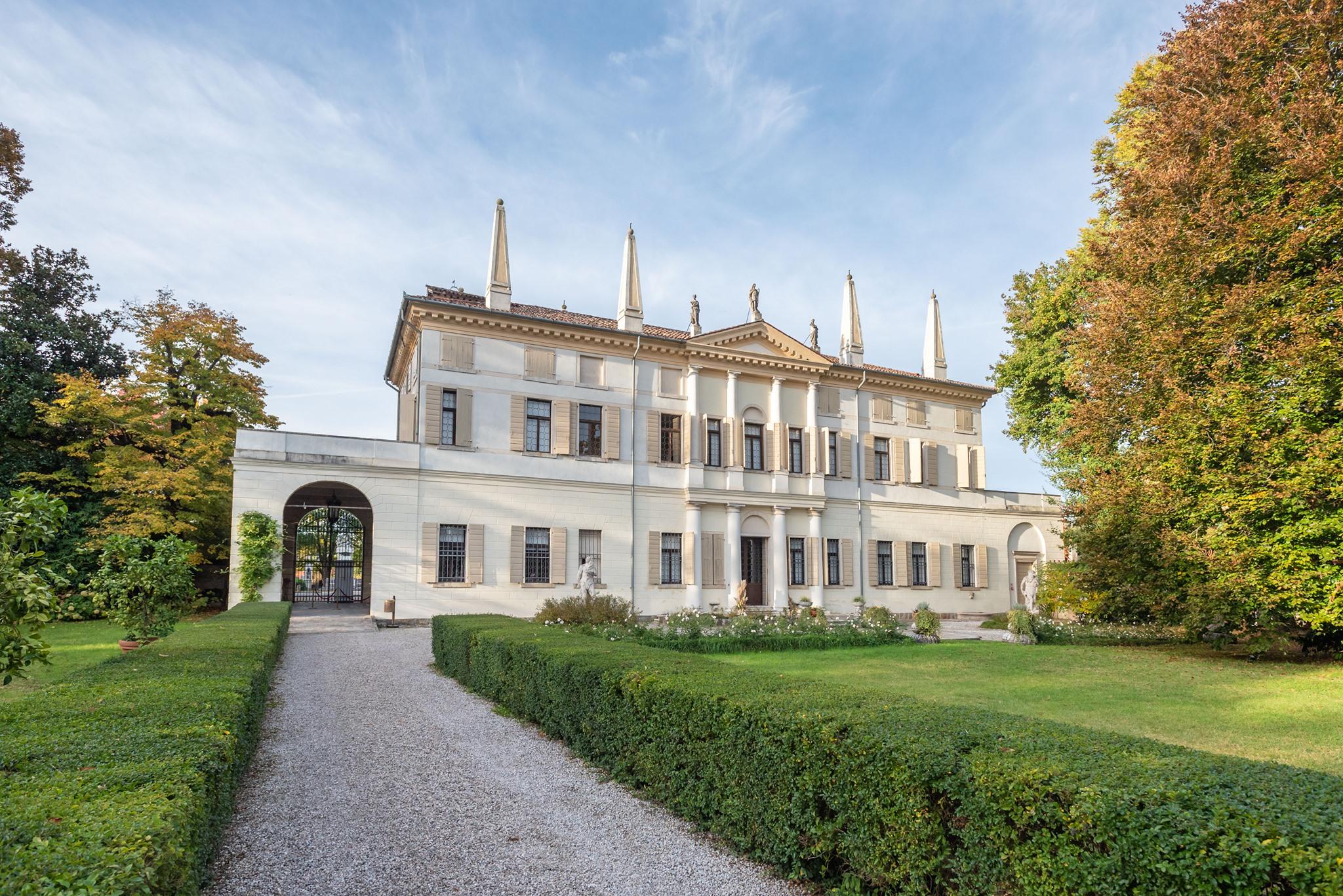
The majestic villa of the noble Pisani family was built in the 18th century, during the family's heyday, when Alvise Pisani (1664-1741) was elected doge of the Republic of Venice in 1735. However, after the fall of the Serenissima, in 1805 the family was forced to sell the villa to Napoleon Bonaparte, former emperor of France and king of the Napoleonic Kingdom of Italy.
In the 19th century the villa passed into the ownership of the Habsburg imperial family, becoming an important holiday residence. Its 114 rooms also hosted many other important European rulers such as King Charles IV of Spain and Tsar Alexander I of Russia.
In the late 19th century the entire complex was transformed into a museum that hosted such illustrious artists as Wagner and Gabriele d'Annunzio, as well as the first official meeting between Hitler and Mussolini in 1934.
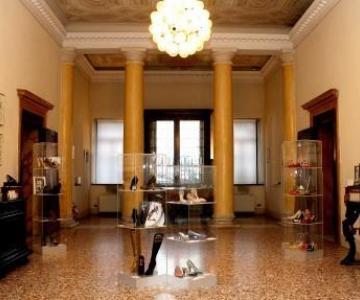
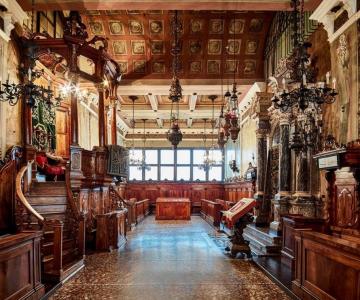
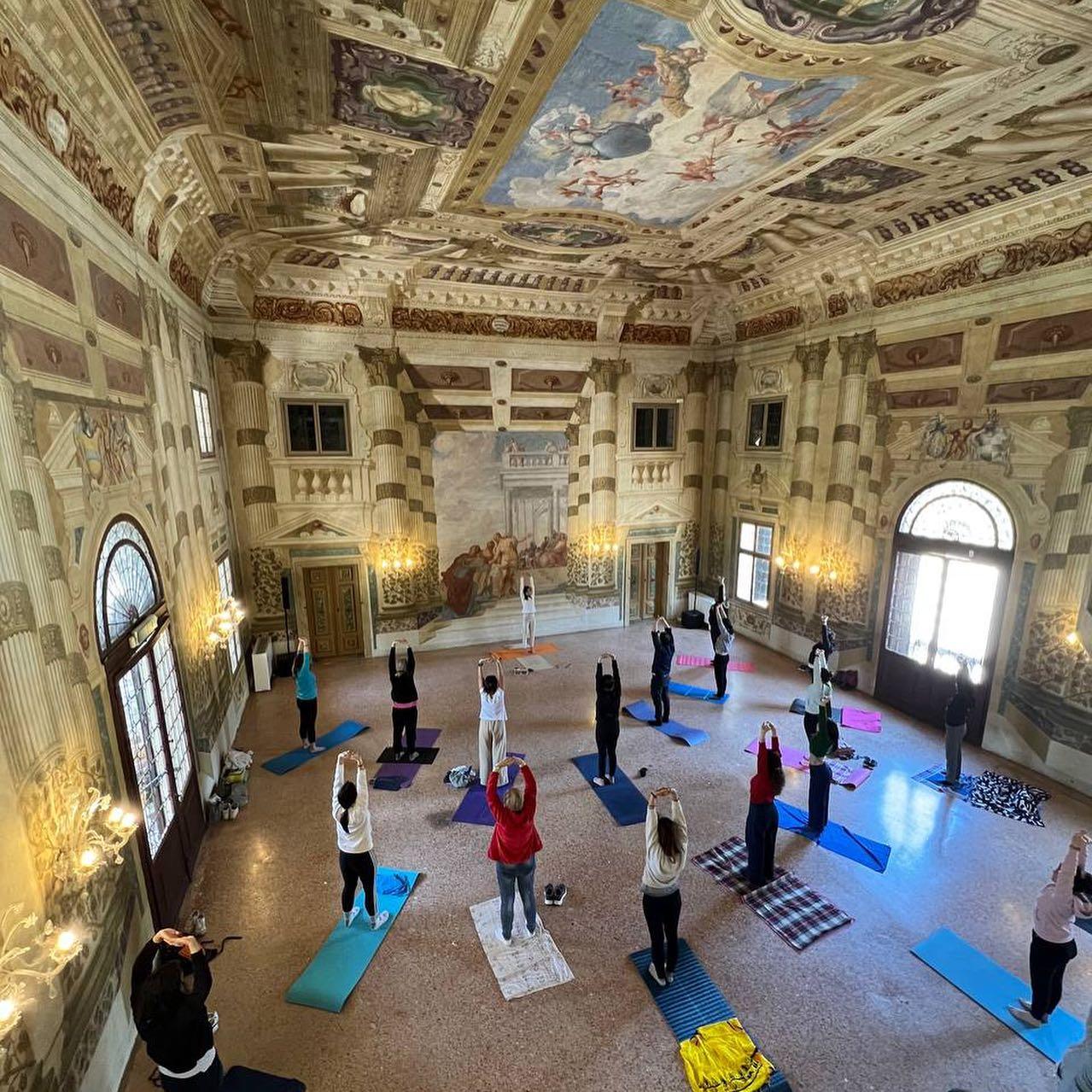
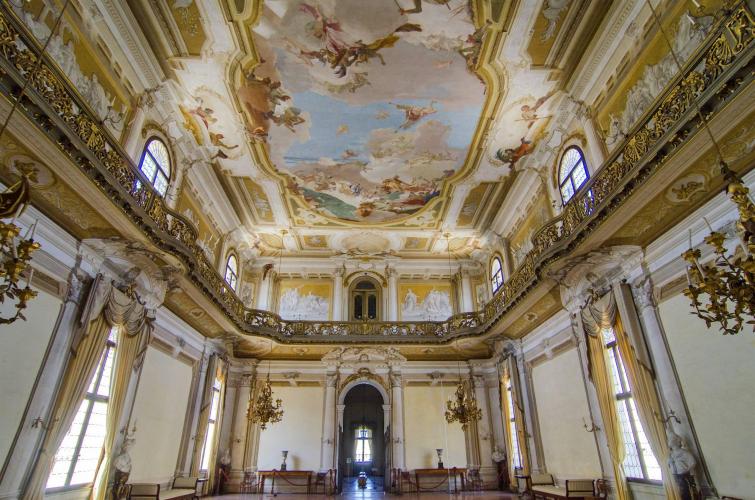
Today the villa is a National Museum that preserves furniture and works of art from the 18th and 19th centuries, including master Gianbattista Tiepolo's masterpiece, "Glory of the Pisani Family," frescoed on the ceiling of the majestic Ballroom. In addition to the Rococo-style rooms, it is also possible to visit some more modern Empire-style rooms dating back to the Napoleonic era.
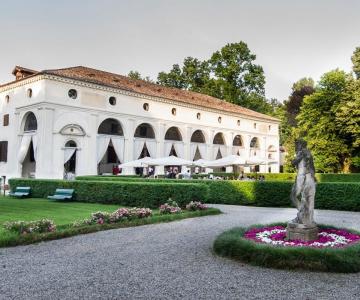
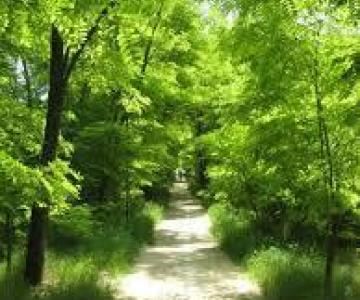
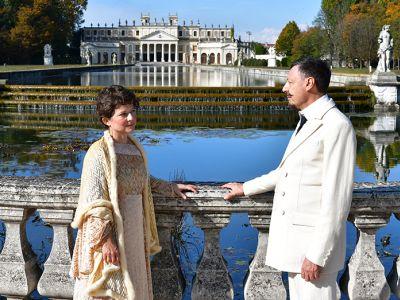
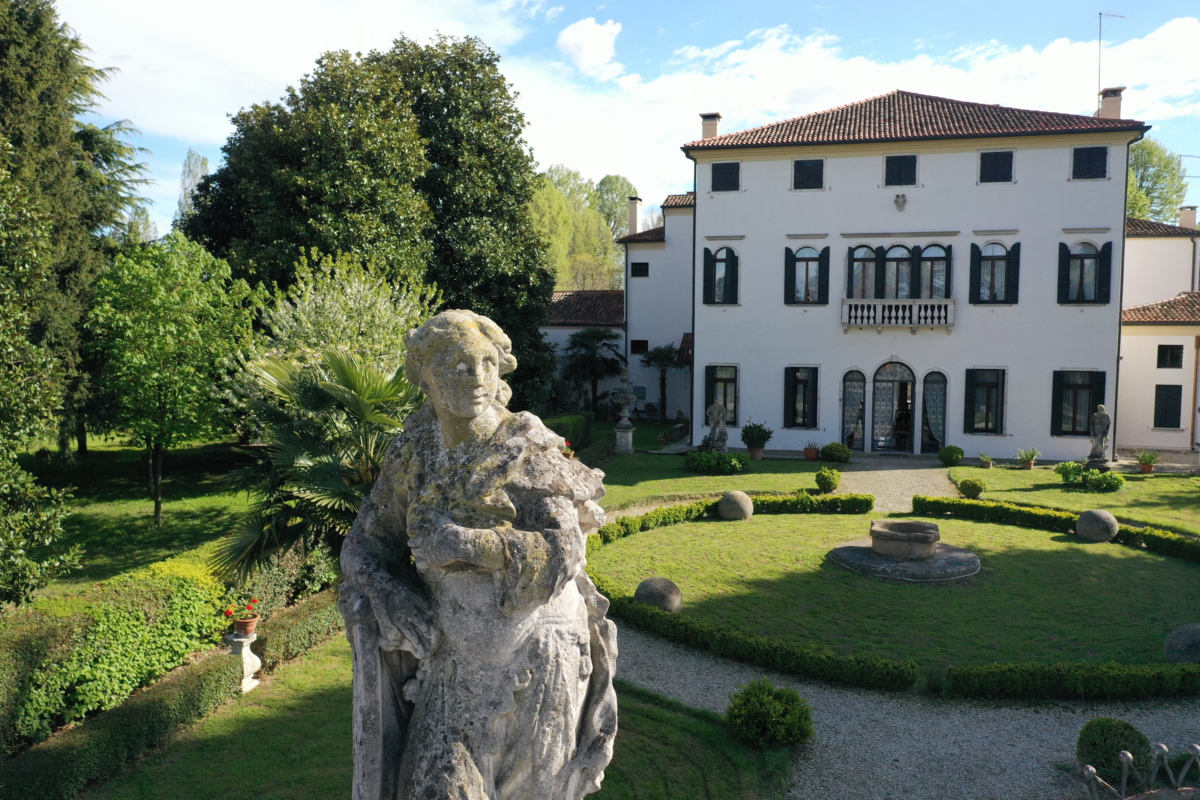
The visit continues in the equally monumental park, inspired by the Palace of Versailles and designed by Padua architect Gerolamo Frigimelica in the 18th century. "Step was not taken without finding new spectacle and new wonder," an enthusiastic 19th-century visitor said of Villa Pisani's park. It houses the famous hedge maze, one of the most important in Europe, with its central turret, exedra, stables, Coffee House, Tropical Greenhouses, Orangery, "everything that can recreate the sight and satisfy the taste," as Almorò Pisani boasted.
Duration of the visit: about 60-90 minutes