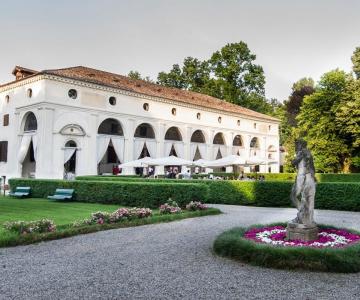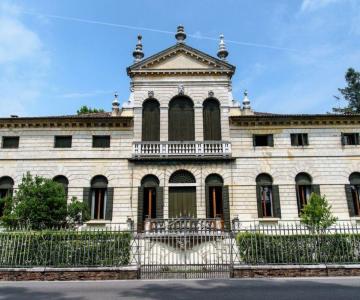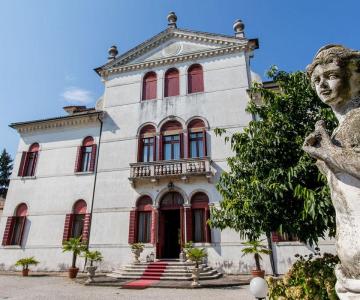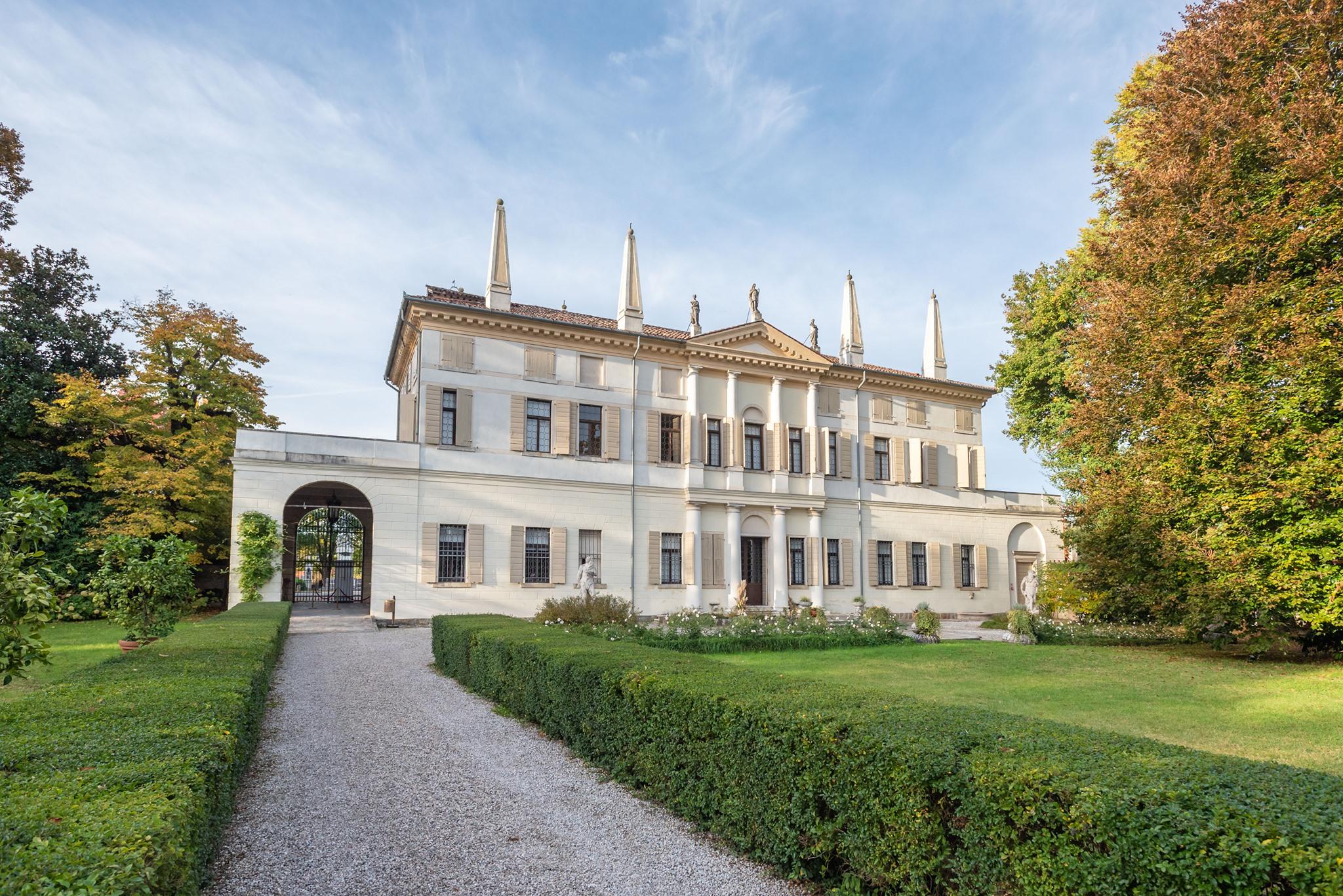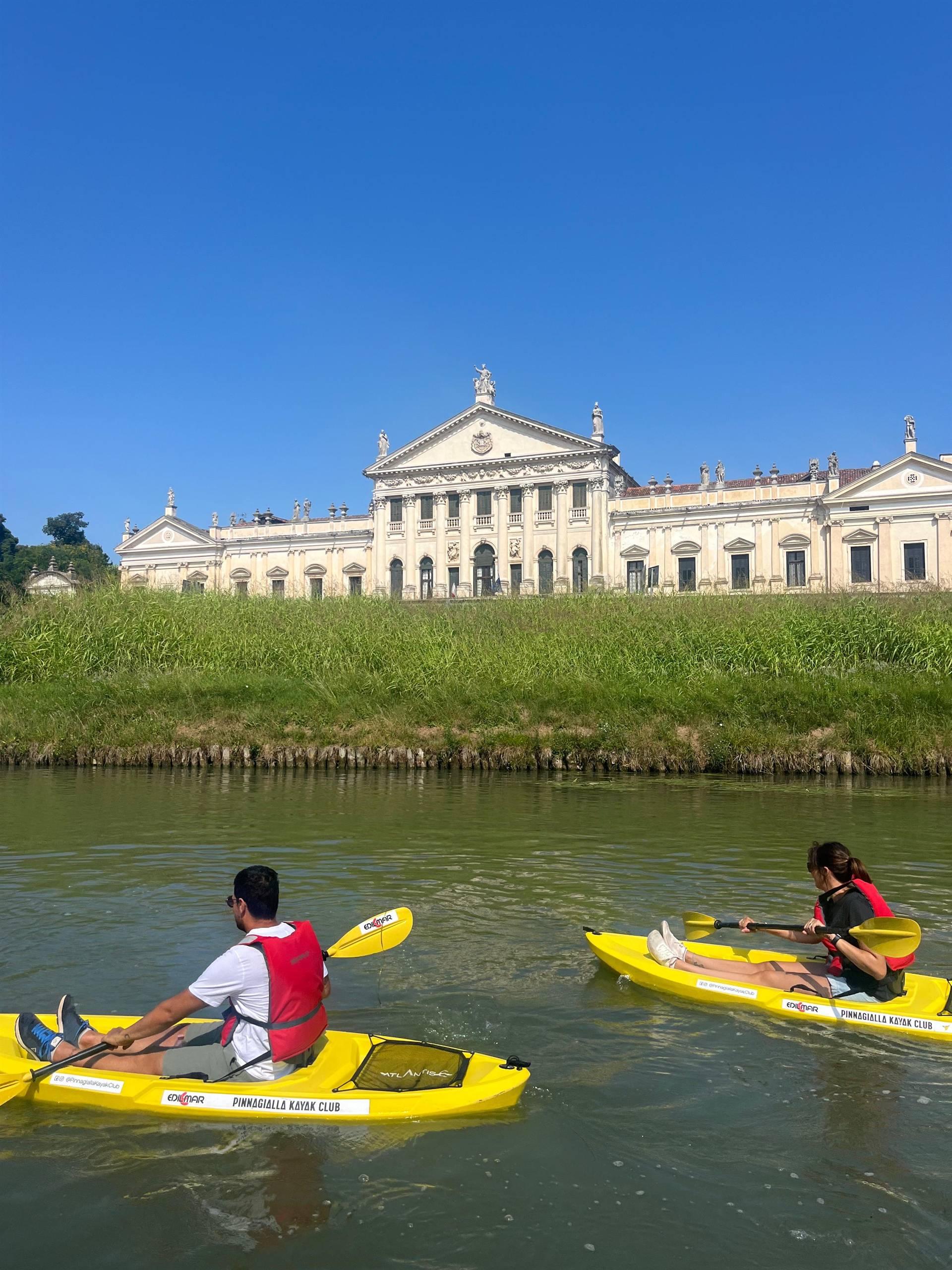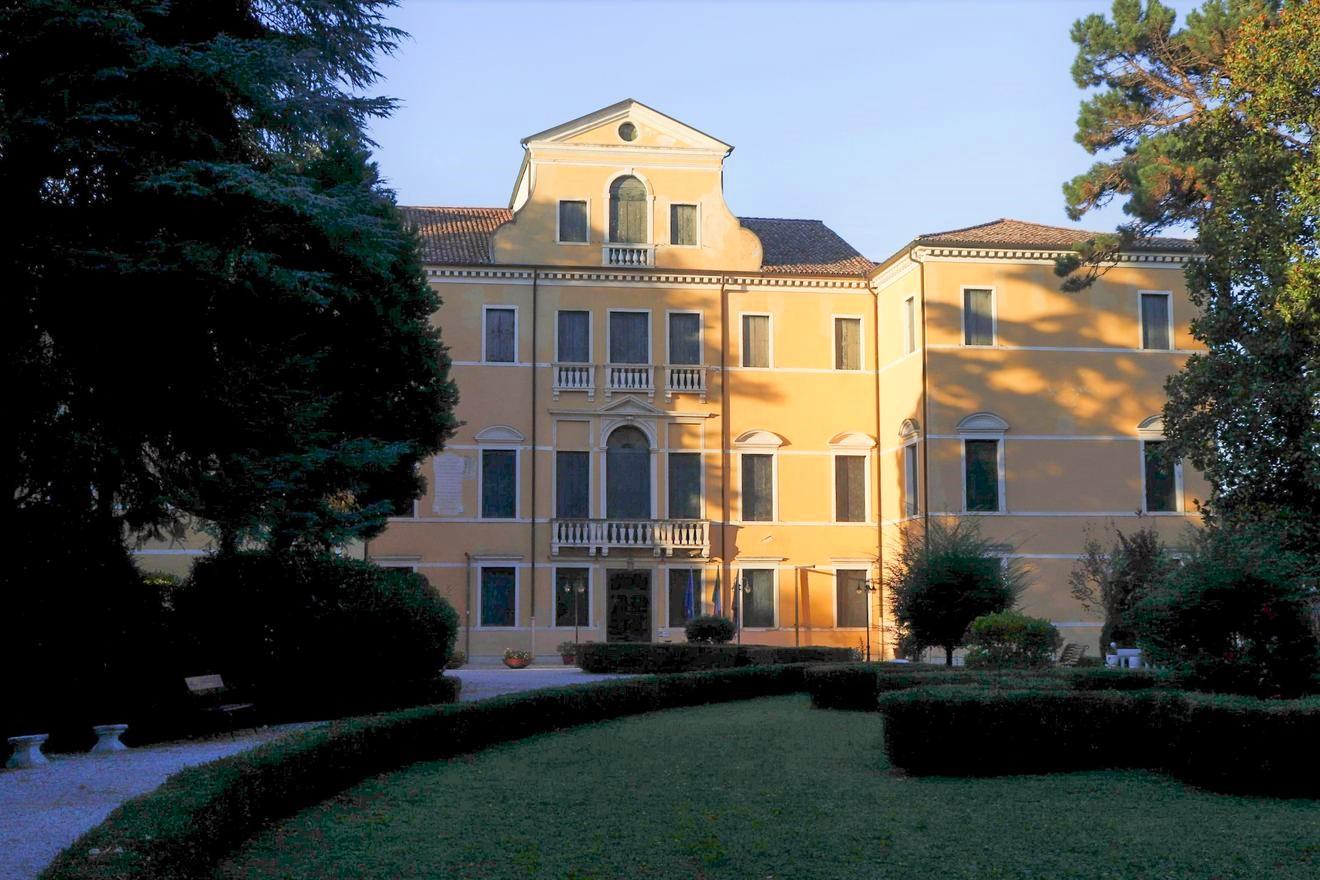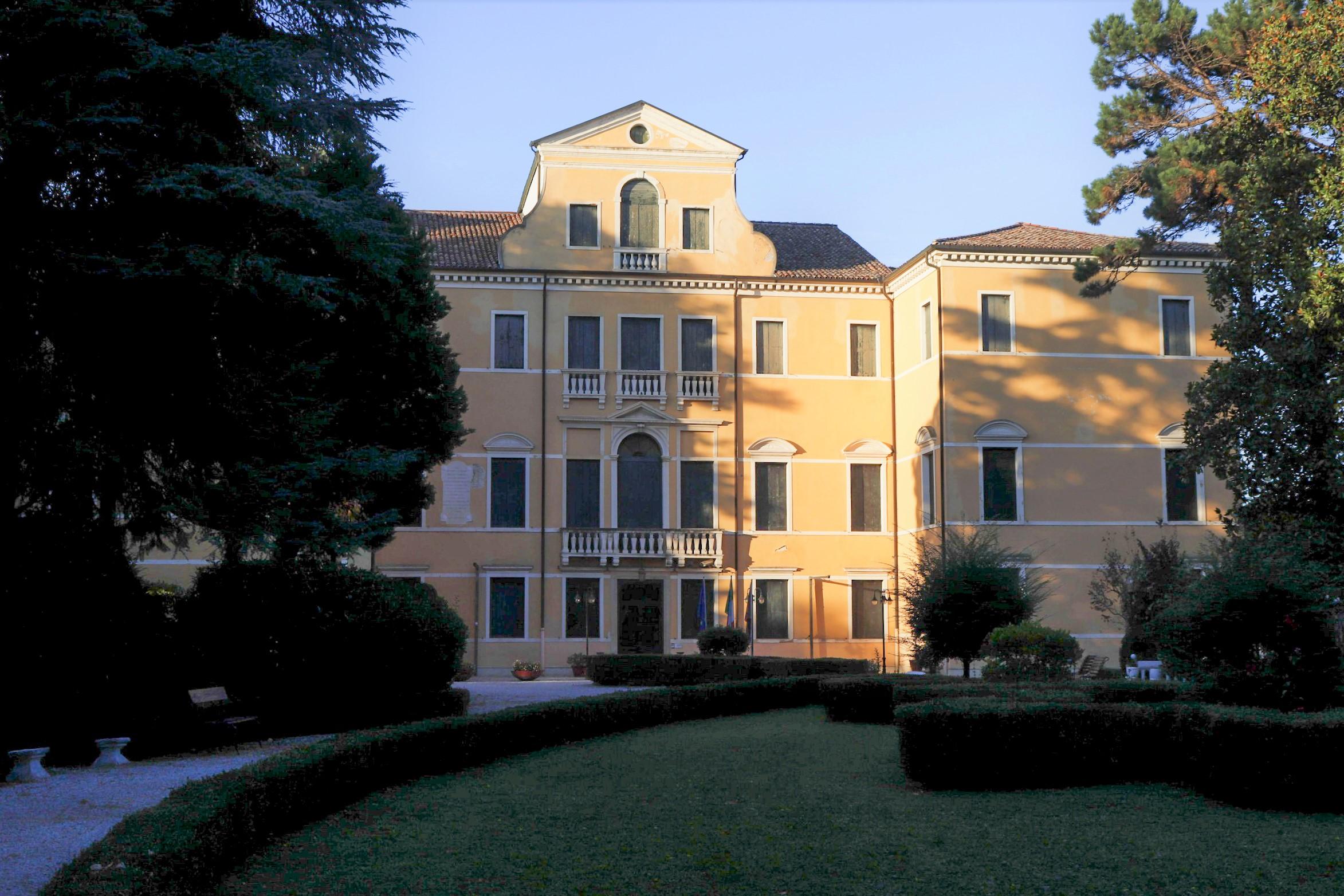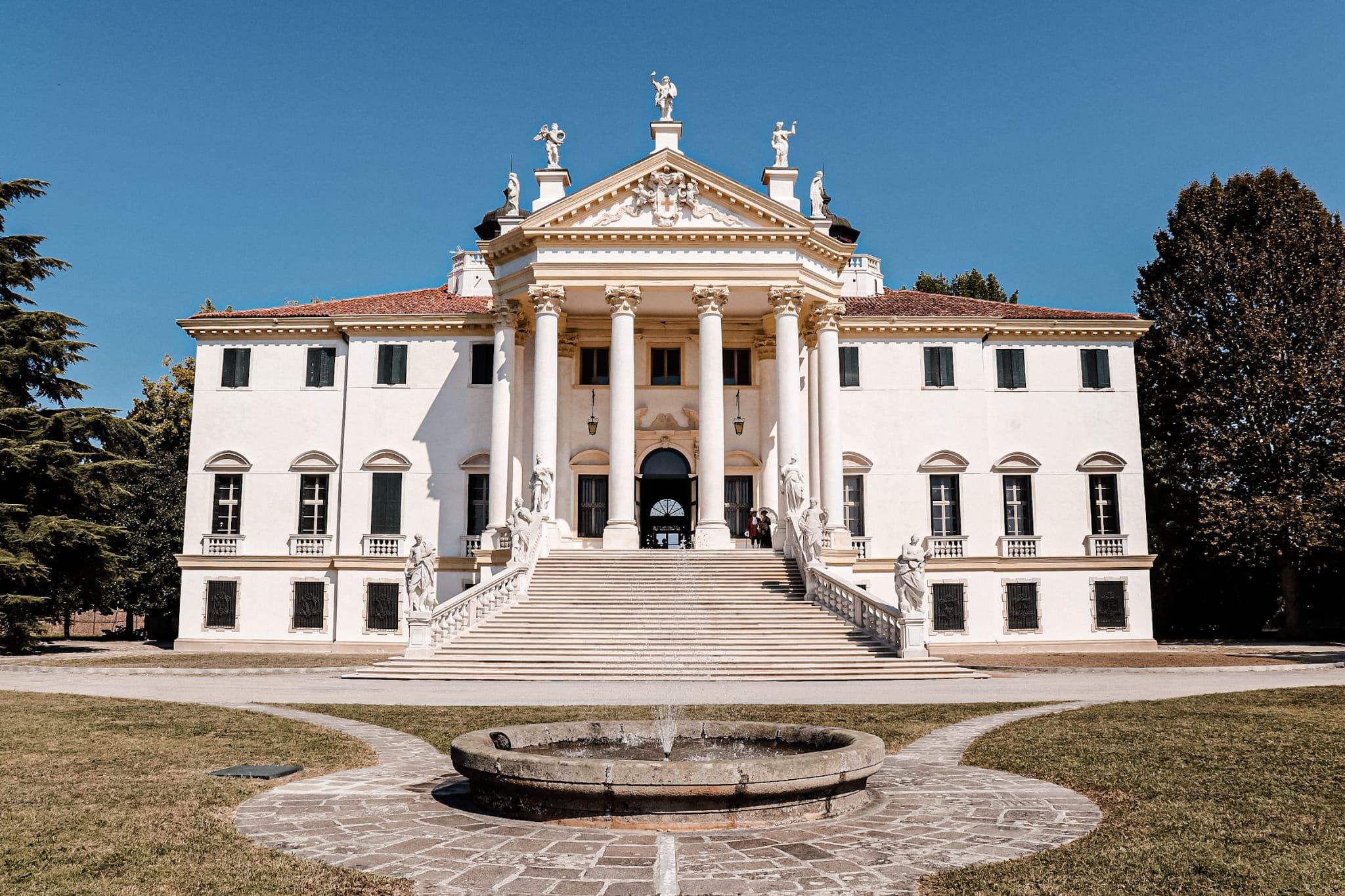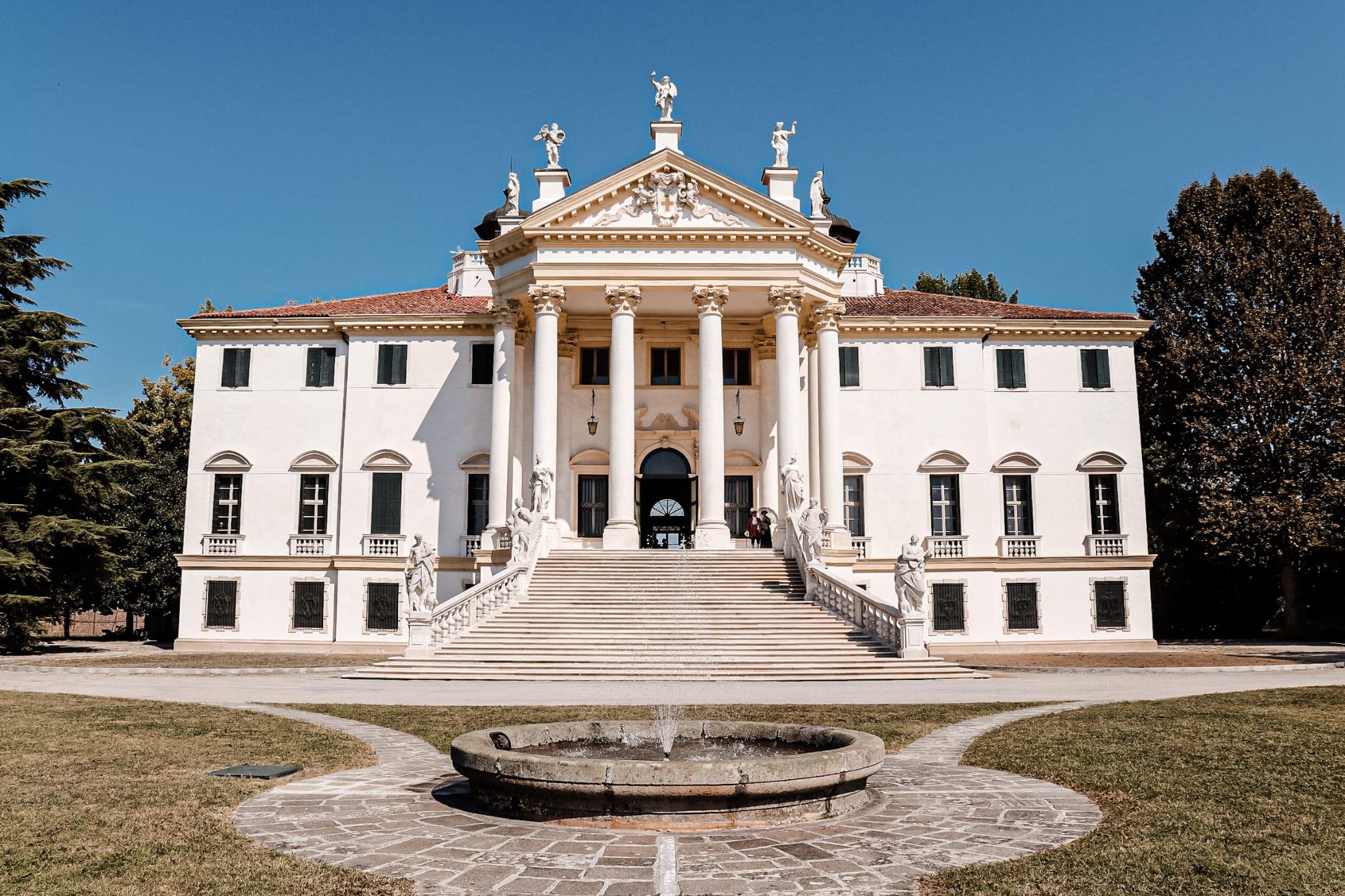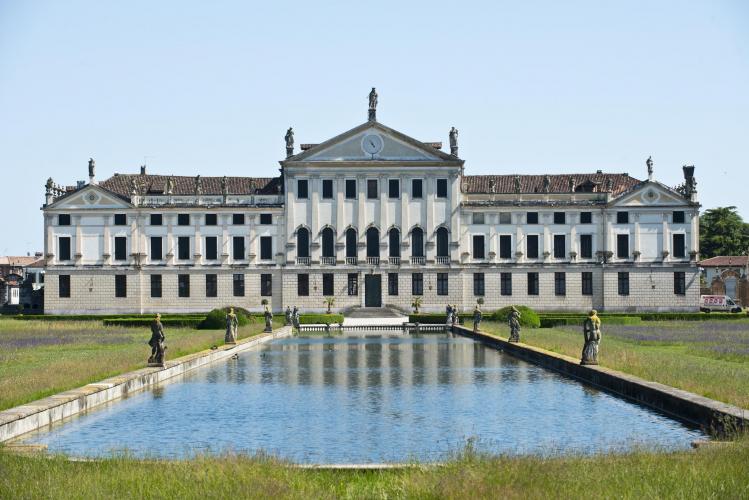


The Pisani family of Santo Stefano, responsible for the construction of the villa, was an important branch of the Pisani lineage, an ancient Venetian patrician family. They became immensely wealthy during the fourteenth century thanks to commerce and real estate income, and in the fifteenth century, they became owners of a large estate in the lower Padua and during the same period began the construction of the grand Venetian palace in Campo Santo Stefano (the current "Benedetto Marcello" conservatory), which was completed only in the eighteenth century. This latter century was the family's golden age, reaching the highest offices in the Republic of Venice. Alvise Pisani (1664 - 1741) was an ambassador at the court of the Sun King, who was the godfather of one of his sons, and was later elected doge in 1735. But decline was already on the horizon: the collapse of the Republic (1797) and later the vice of gambling drove the Pisani into ruinous debt. For this reason, they were forced to sell the villa to Napoleon Bonaparte, who became King of Italy in 1805, on January 11, 1807, for 1,901,000 Venetian lire.
The villa was then gifted by Emperor Bonaparte to his stepson Eugène de Beauharnais, viceroy of Italy, who commissioned a series of modernization works that changed the appearance of many rooms in the residence and the park.
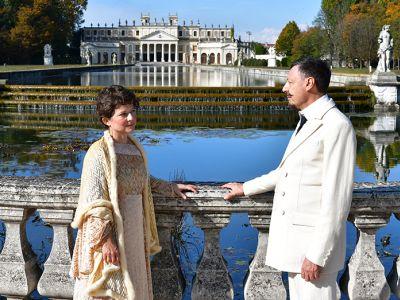
In 1814, the fate of Europe, decided at Waterloo, brought the Habsburg imperial family to Villa Pisani, now the rulers of the Lombardo-Veneto kingdom. The residence thus became a preferred summer retreat for Empress of Austria Maria Anna Carolina and hosted the entire elite of European aristocracy, from King of Spain Charles IV, to Tsar of Russia Alexander I, from King of Naples Ferdinand II, to King of Greece Otto, and many others. The brilliant courtly atmosphere came to an end in 1866, when Veneto was annexed to the Kingdom of Italy. The Villa did not become part of the crown properties of the House of Savoy but instead became state property, thereby losing its representative function. No longer inhabited, it became a museum in 1884 and was visited by figures such as Wagner, D'Annunzio (who set a crucial scene of his novel "The Fire" there), Mussolini and Hitler (whose first official meeting took place here in 1934), Pasolini (who filmed a scene of his movie "Porcile" in the villa and the park).
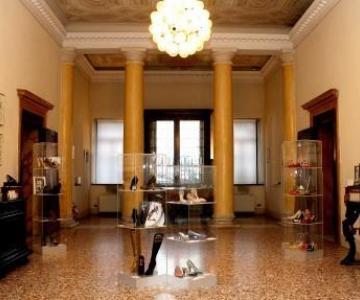
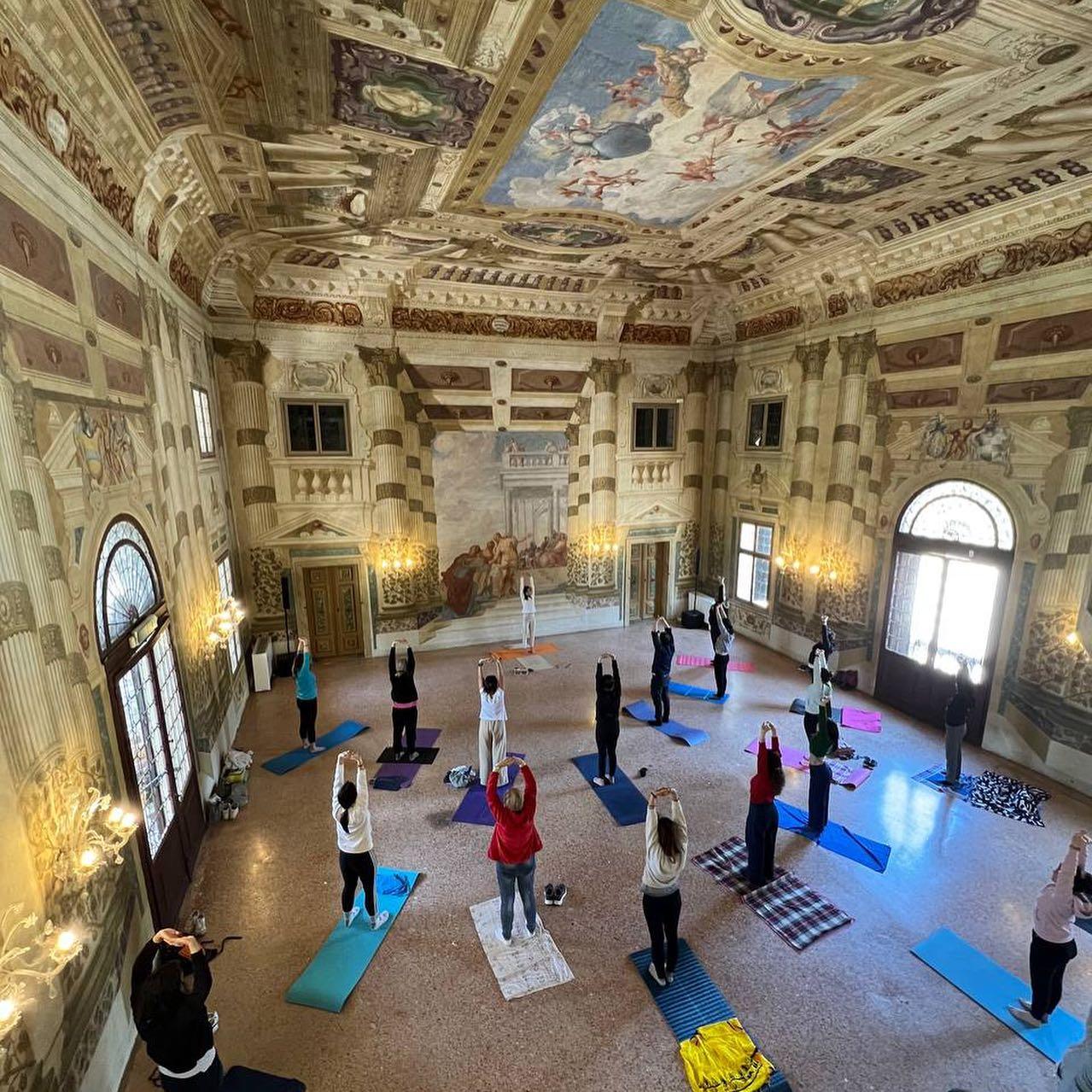
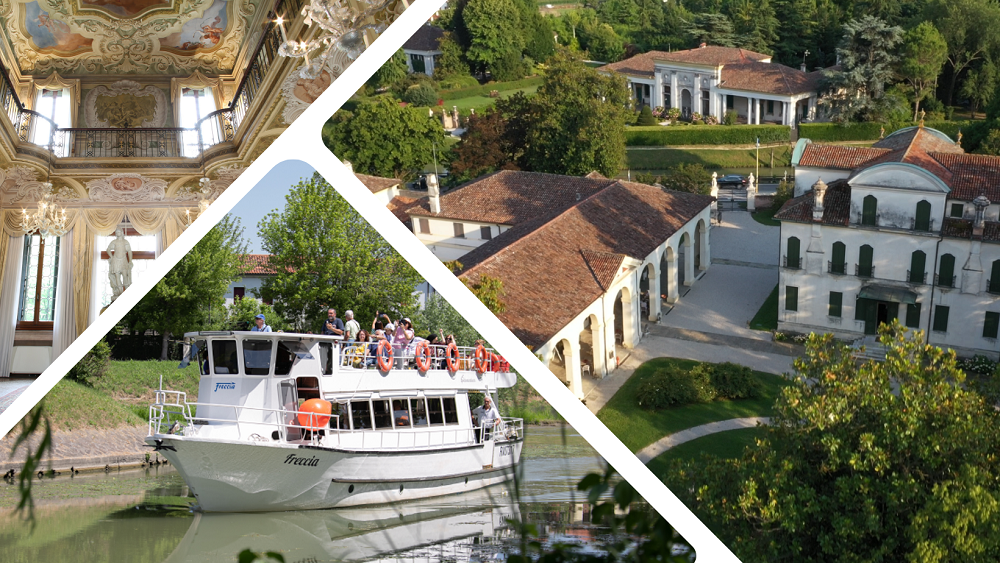
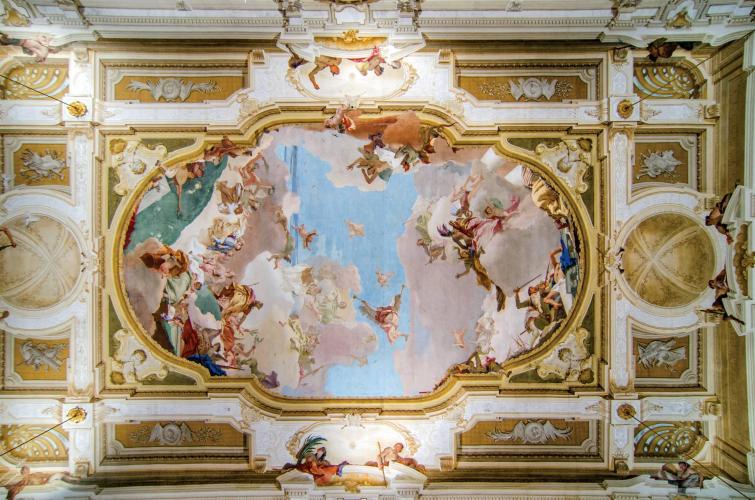
The noble floor, consisting of thirty rooms, preserves frescoes, paintings, and original furnishings. A great splendor is achieved in the ballroom, located at the center of the building. Giambattista Tiepolo, the leading exponent of eighteenth-century painting in Italy, frescoed the Glory of the Pisani family on the ceiling, a masterpiece that survived by miracle, since in the early nineteenth century, it was about to be removed as part of the grand project of modernization of the building wanted by Eugène de Beauharnais. Of particular interest is the Napoleonic apartment, rich in treasures: the grand canopy bed surmounted by the emperor's initial, the splendid chests made by the Lombard inlayer Giuseppe Maggiolini, favored by European courts, the monochromes of Giovanni Carlo Bevilacqua narrating the myth of Eros and Psyche, and the precious Empire-style furniture made especially for Villa Pisani. Inside the Dining Room, the table is set with a service of dishes used by the Napoleonic court.
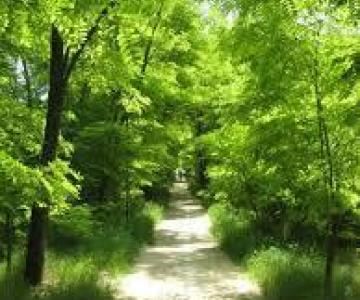
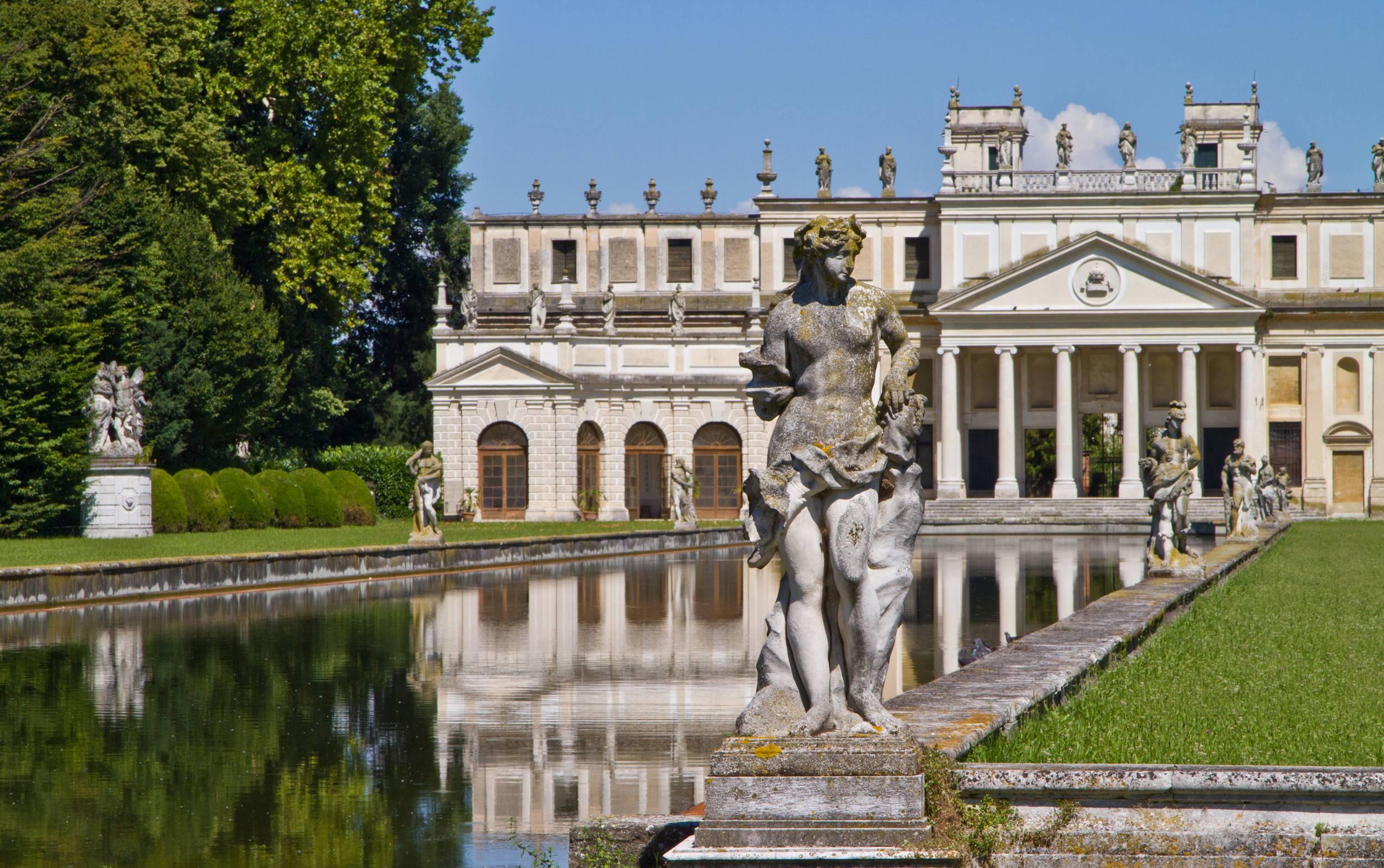
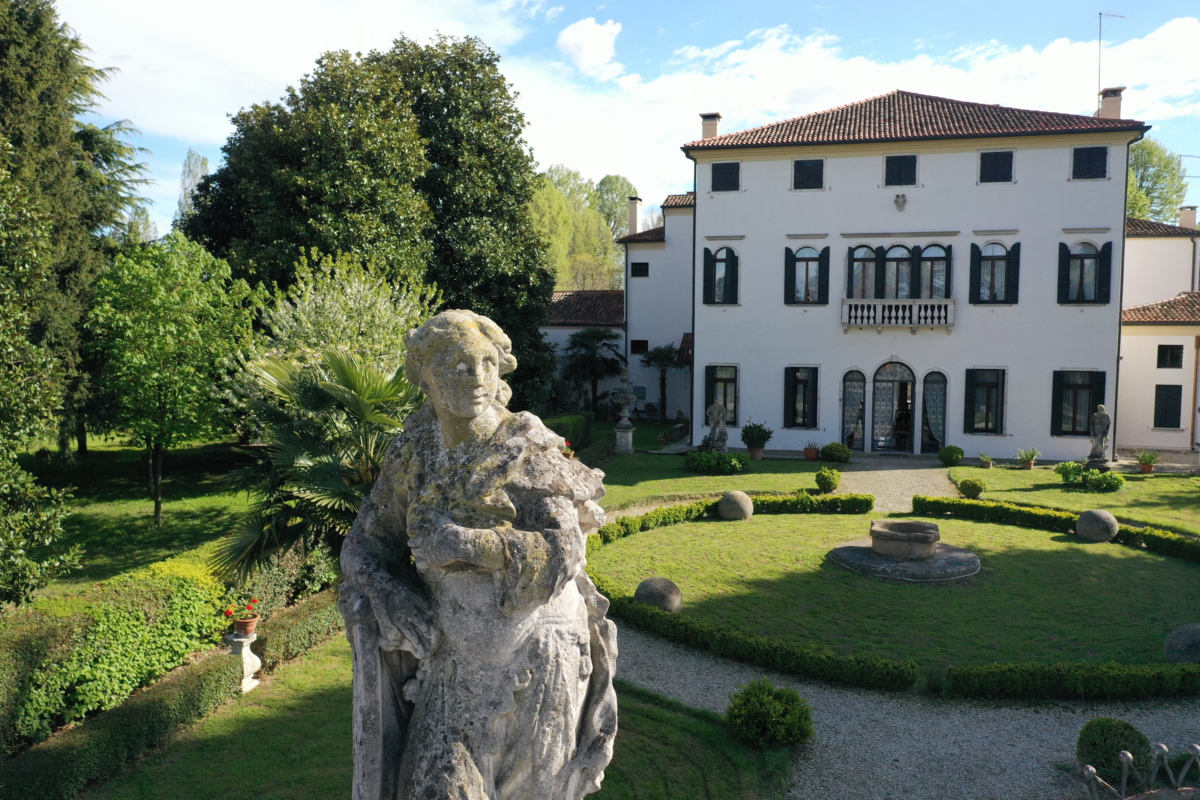
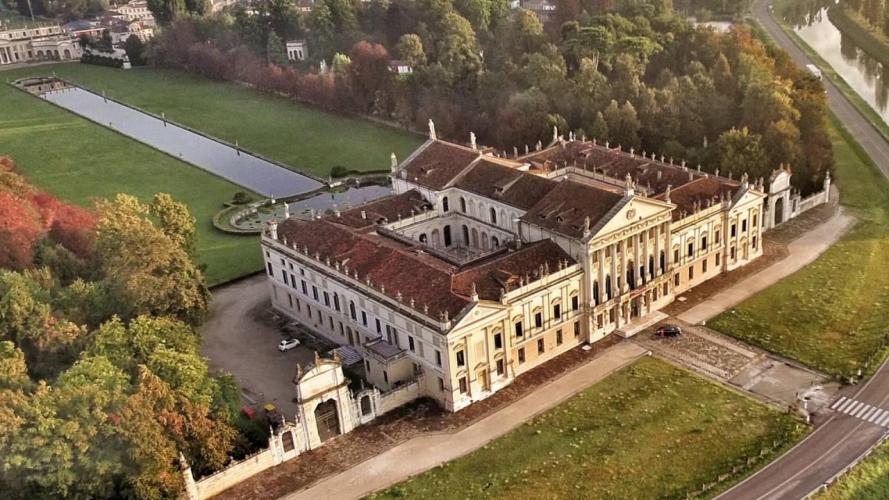
The park, winner of the award "Most Beautiful Park in Italy 2008", occupies an entire bend of the Naviglio del Brenta, covering as much as 11 hectares with an external perimeter of about 1,500 meters. It was created based on a project by the Padua architect Girolamo Frigimelica de' Roberti. In the eighteenth century, the spectacular view was enhanced by broderies with large colossal statues on either side. The organization of the park for long perspectives recalls the French models applied by André Le Nôtre at Versailles and intersects with the Venetian tradition of the walled garden, open through portals and windows that extend the views over the Brenta. The Austrian nineteenth century will be characterized, however, by great attention paid to potted and planted botany, with tropical greenhouses and the inclusion of large tree specimens, before the revival of the '900 introduced long box hedges and the large water basin of the parterre.