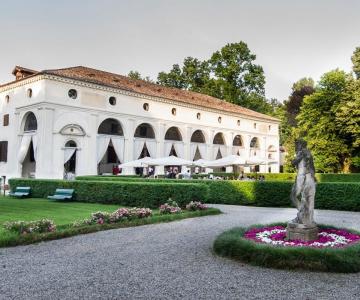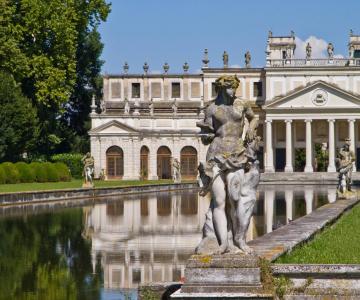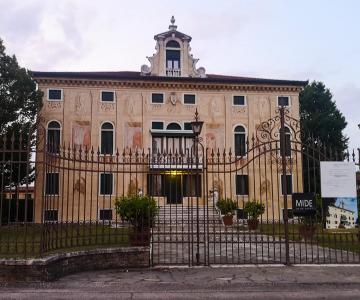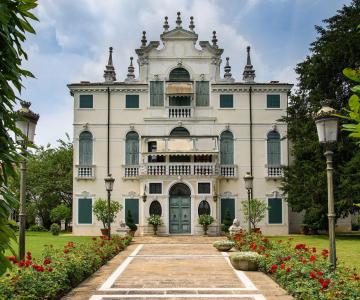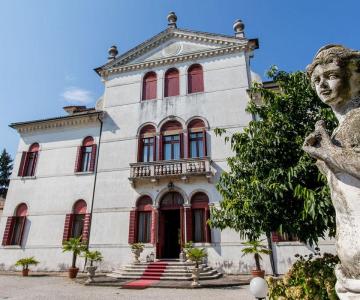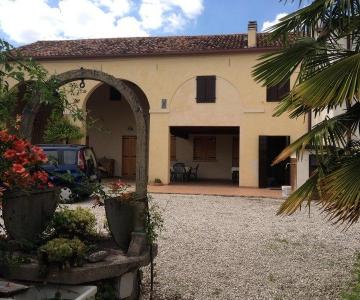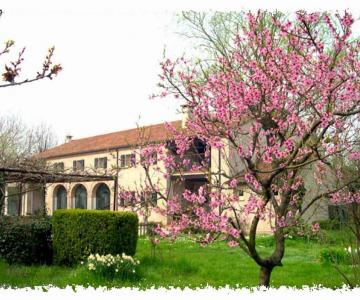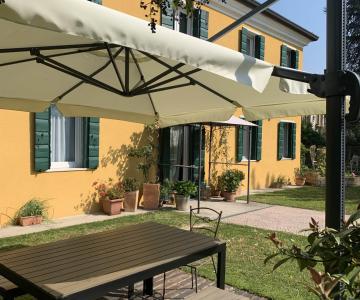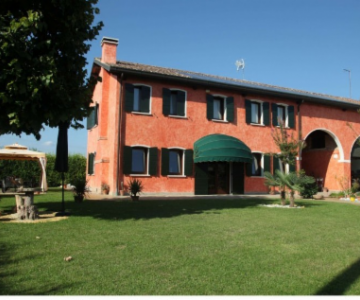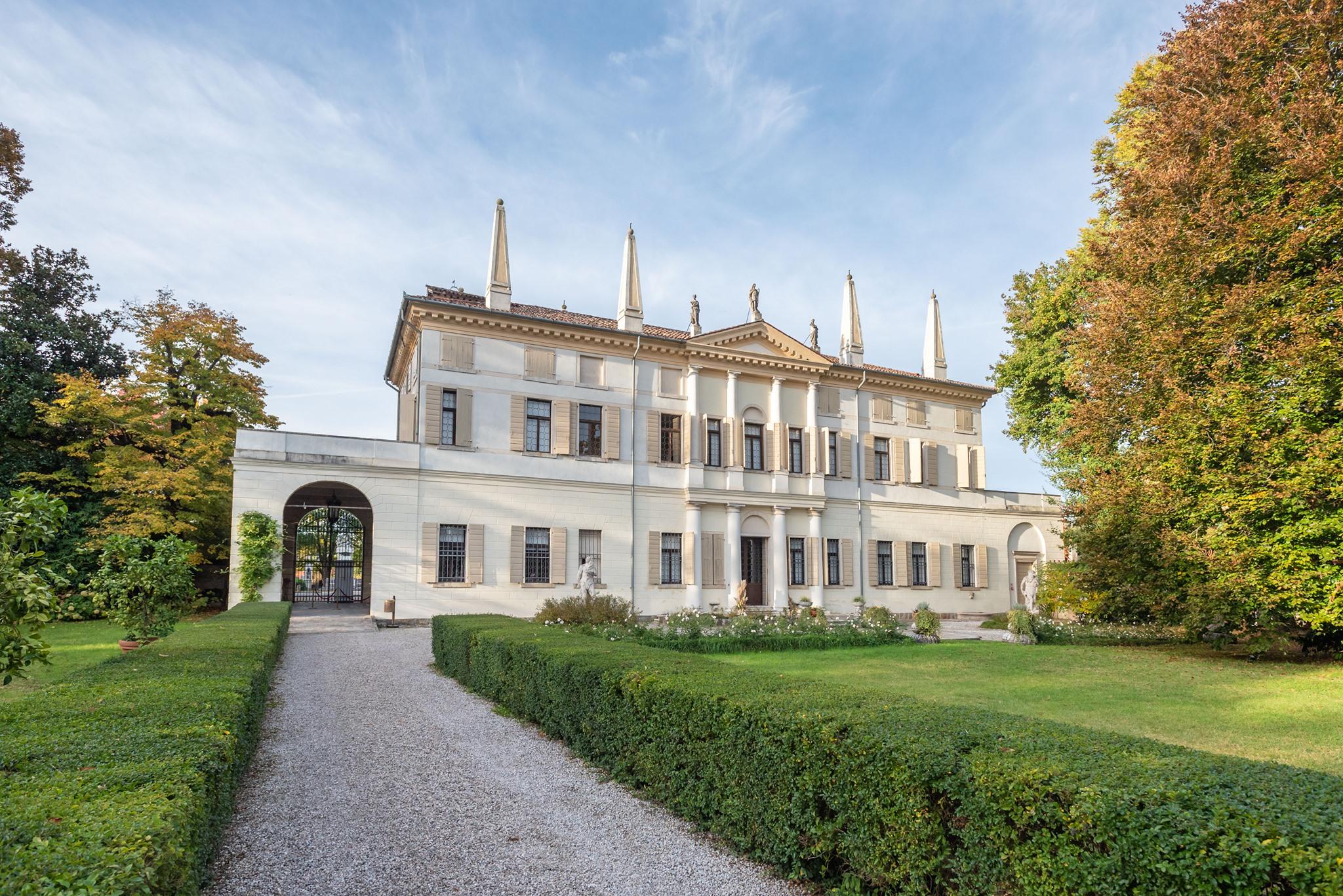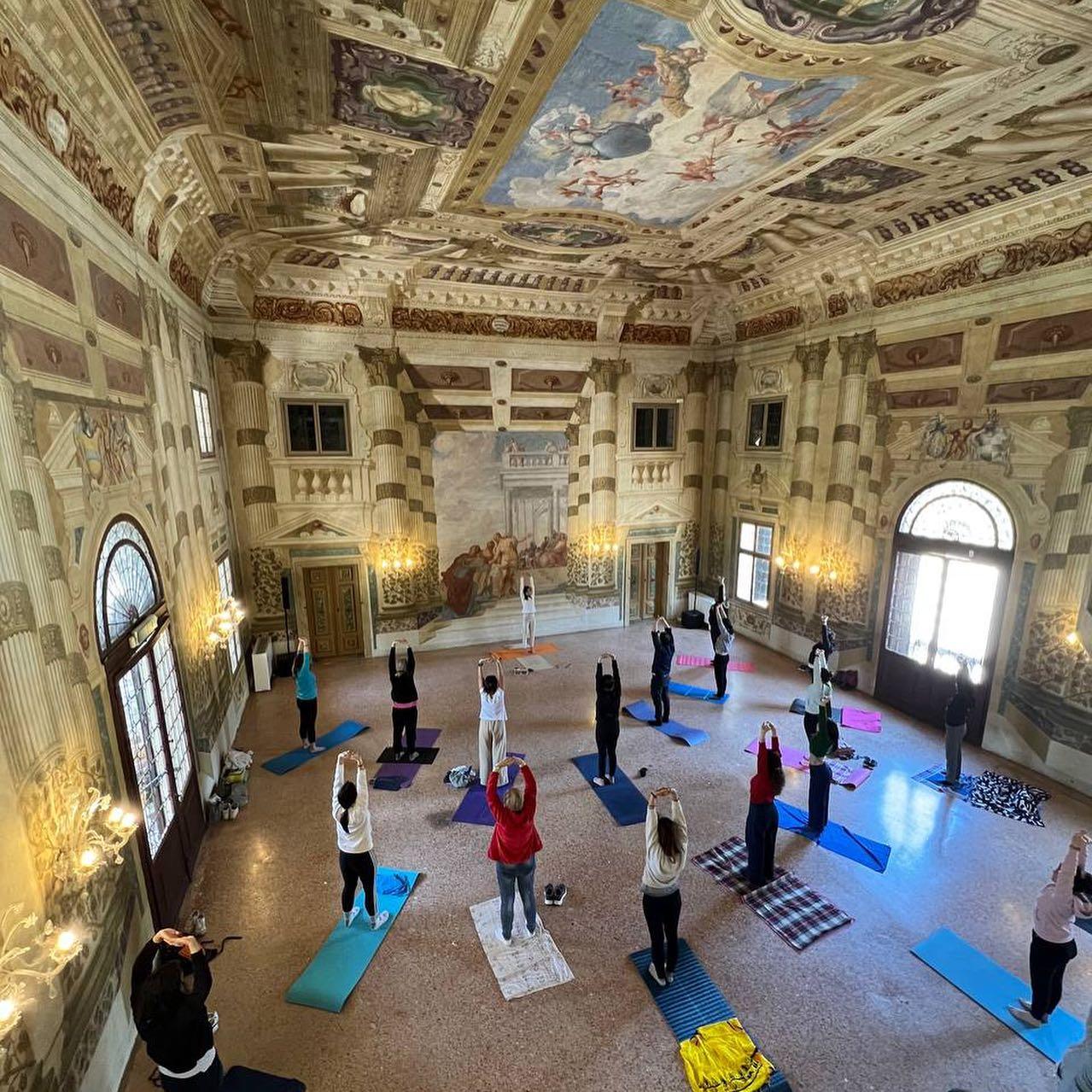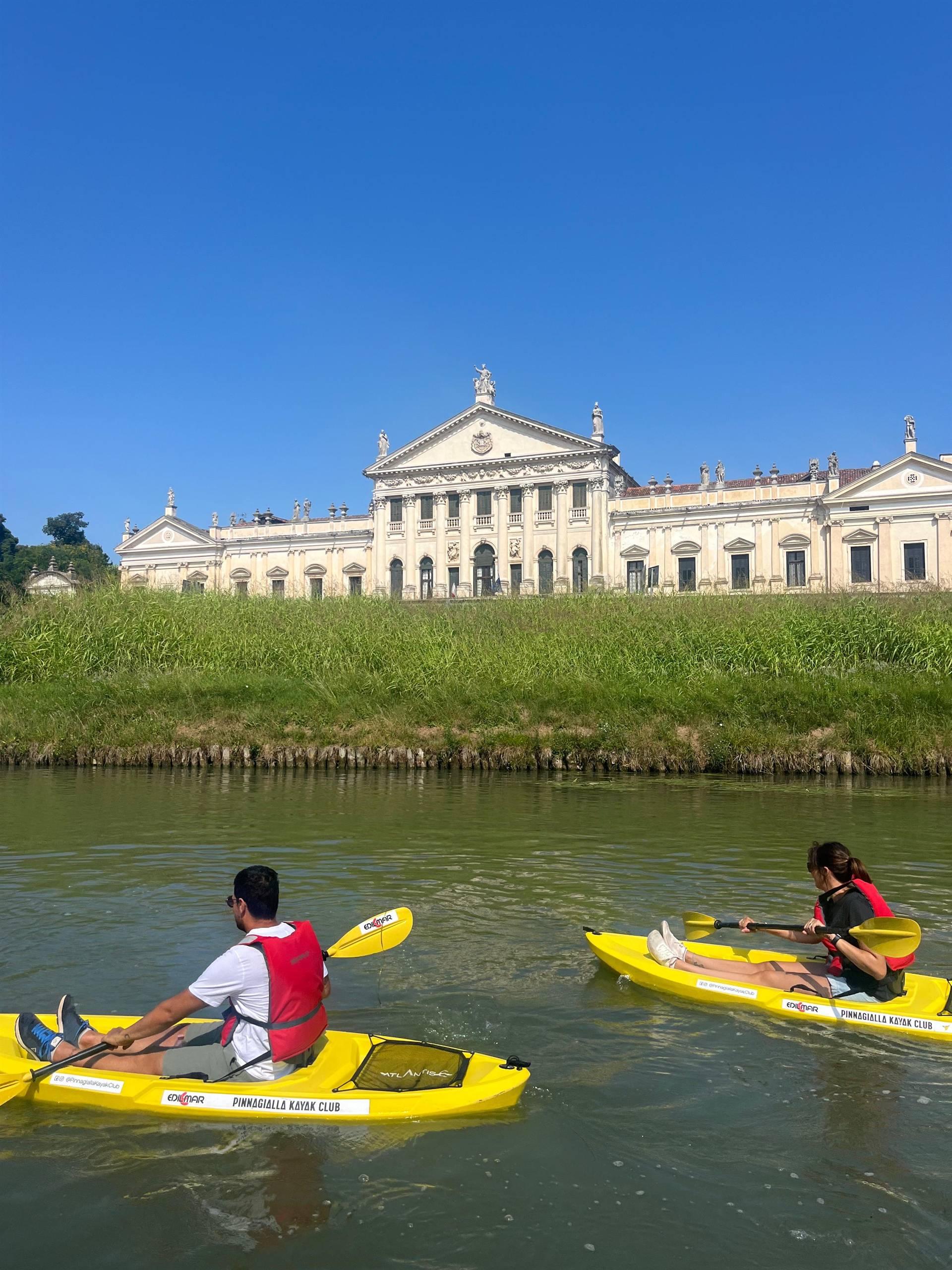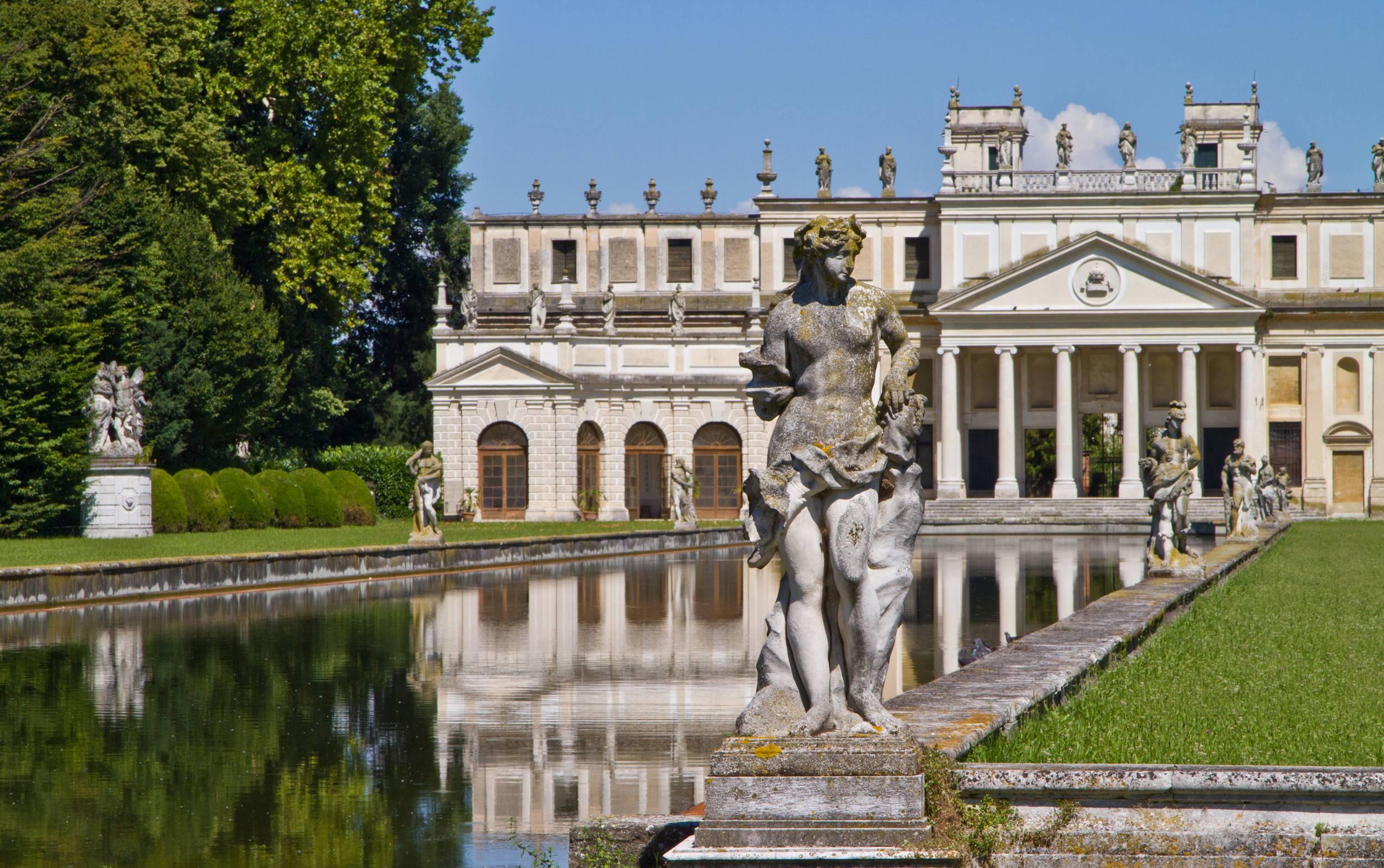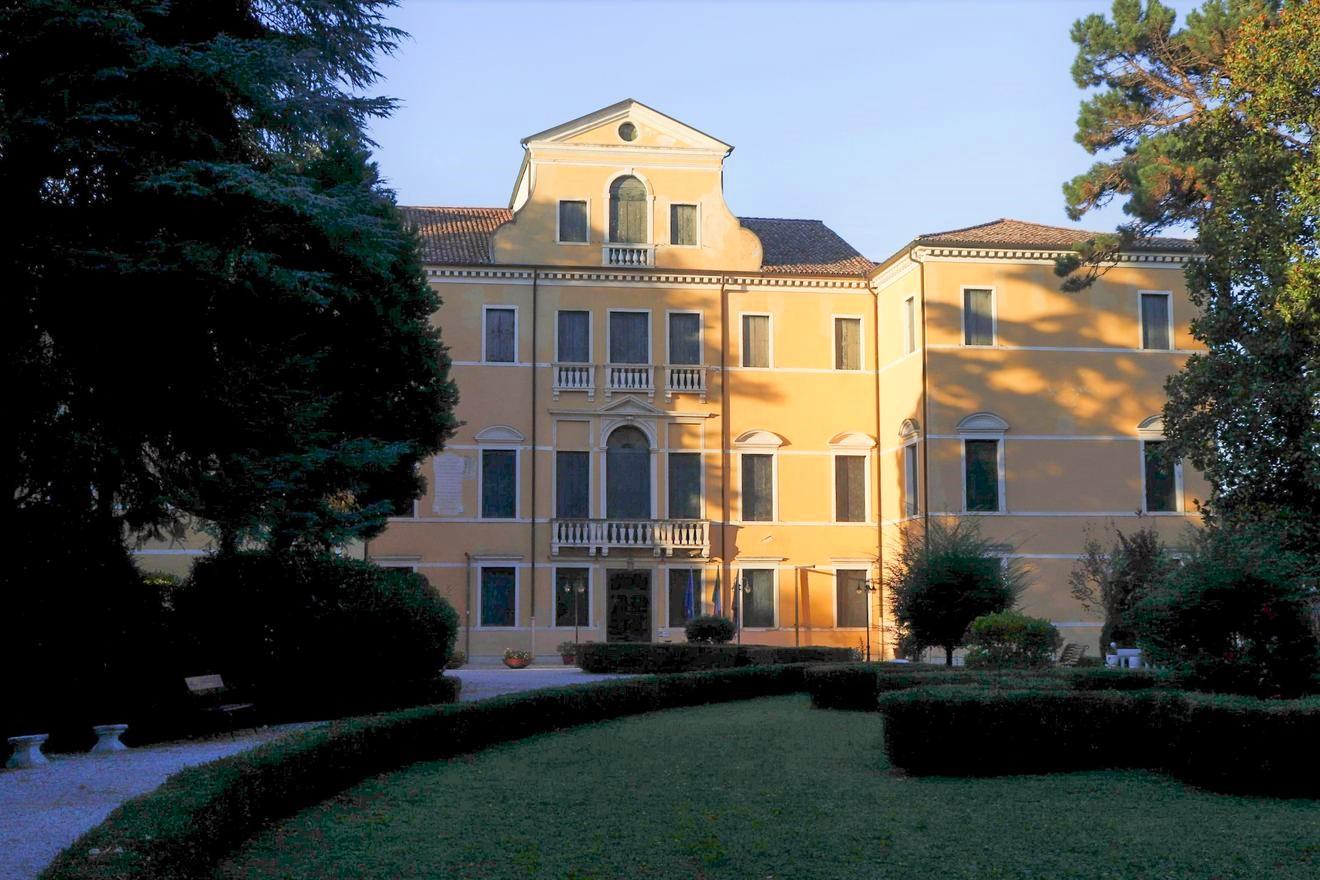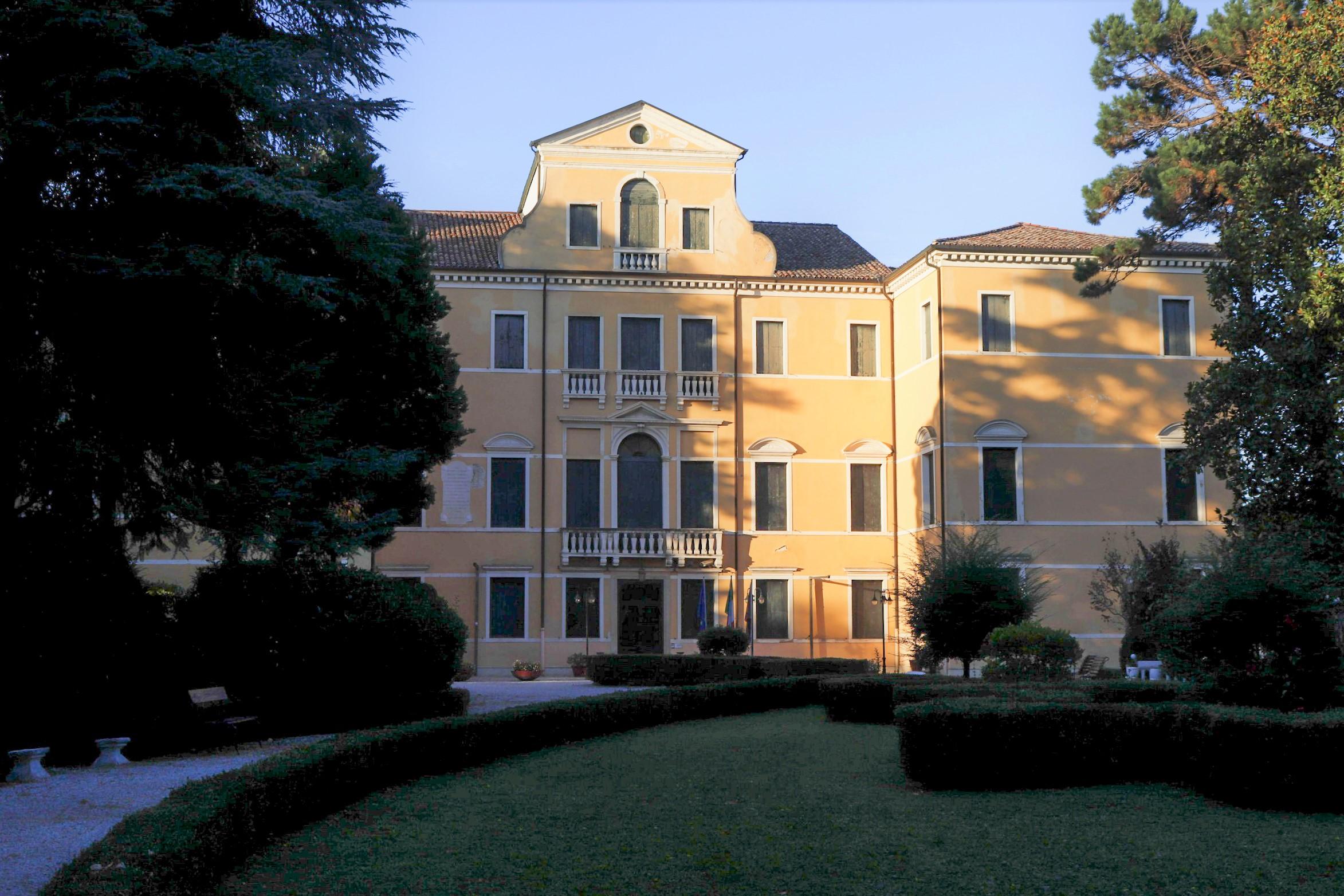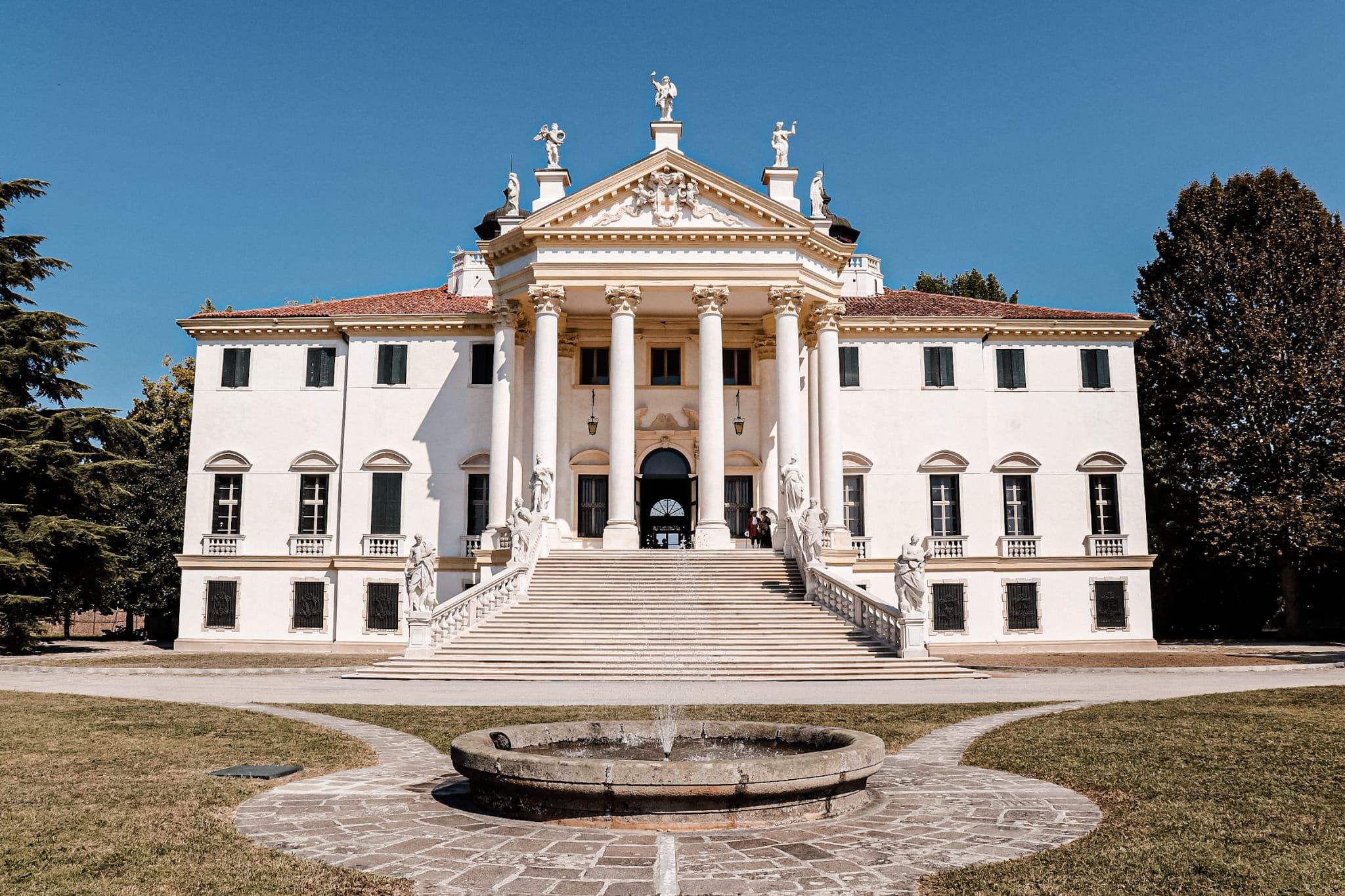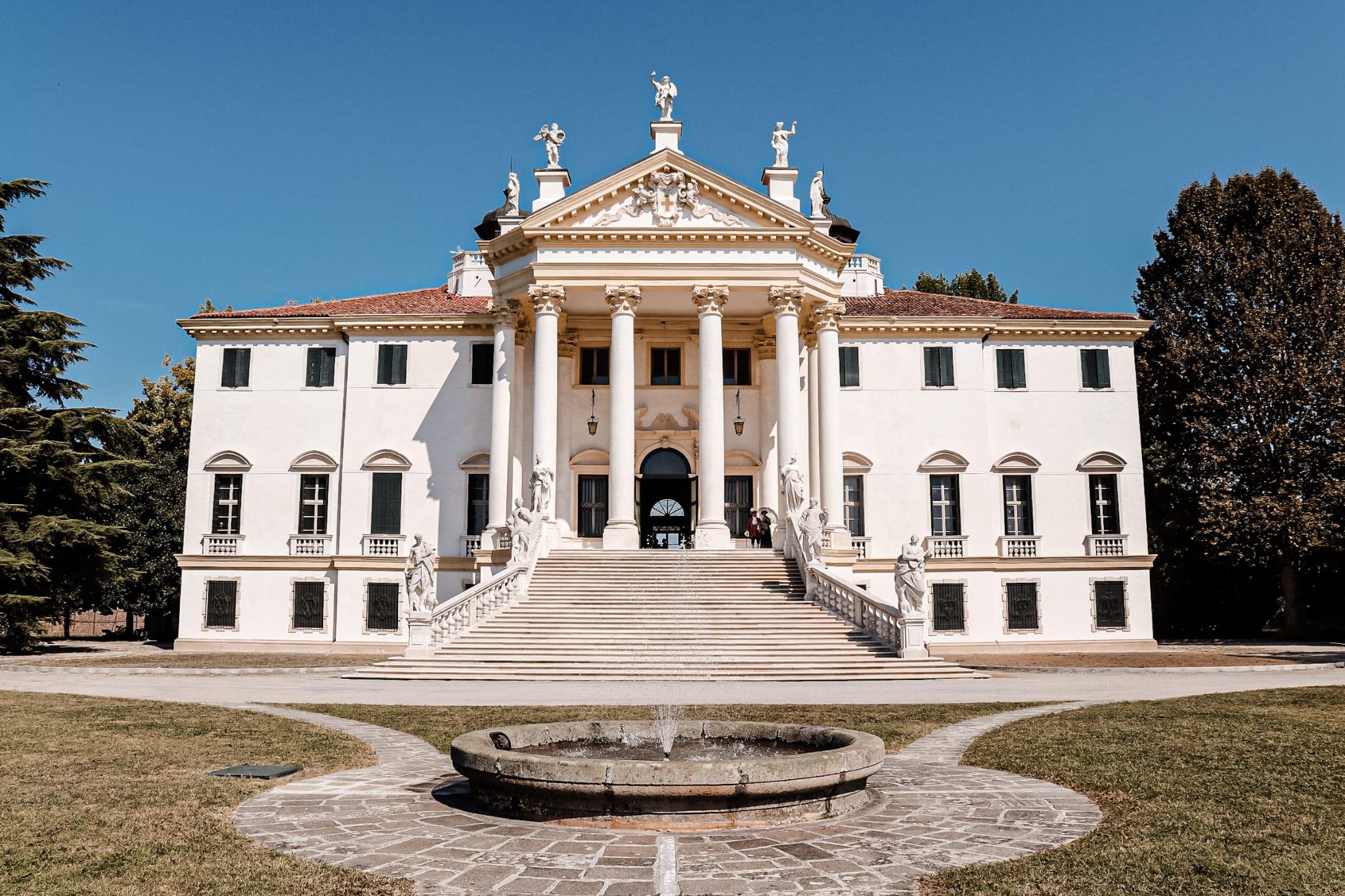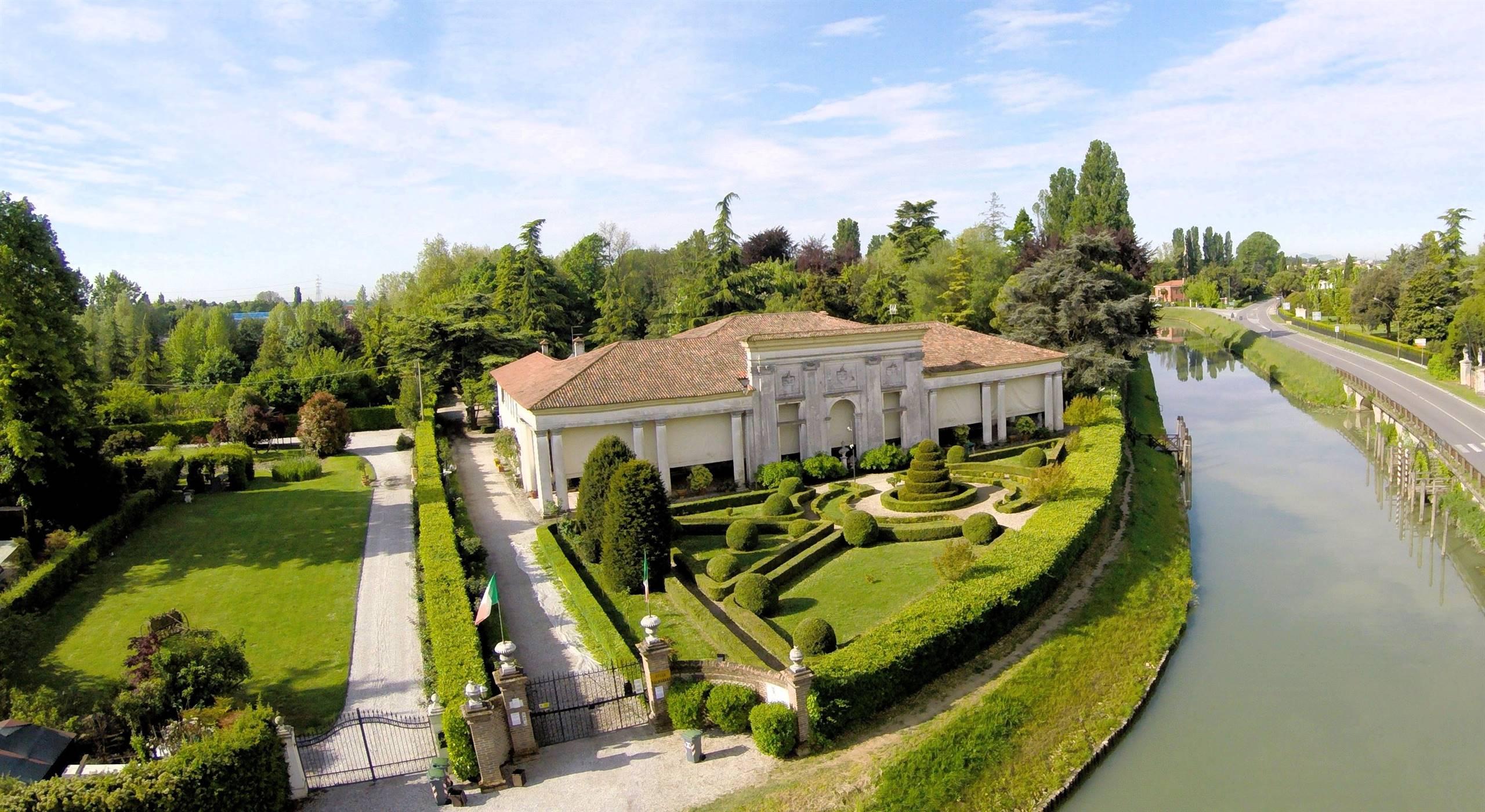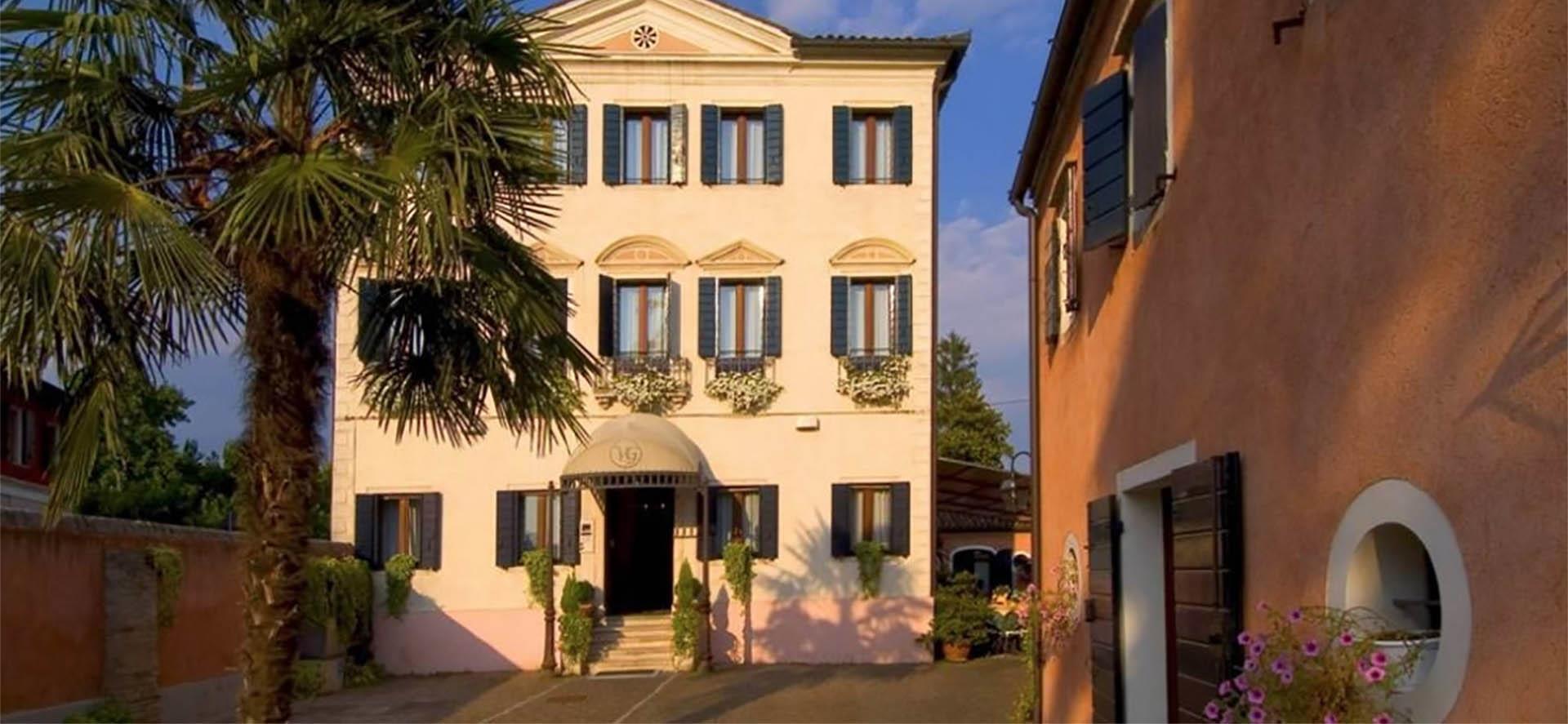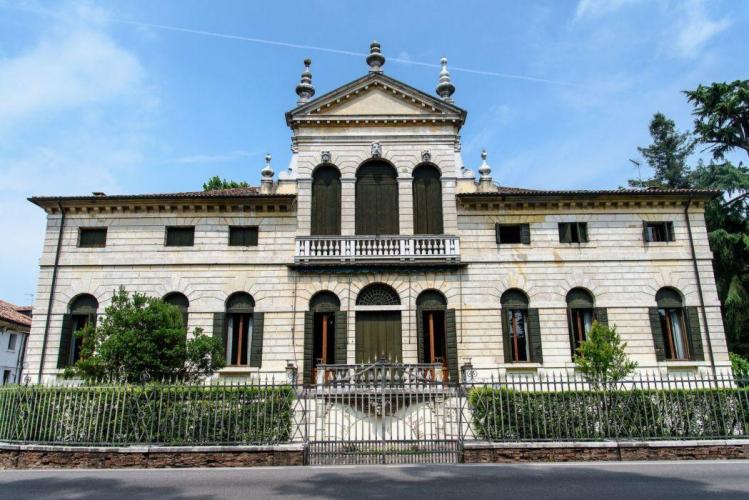
It is assumed that the villa is from the early sixteenth century although over the centuries it was enriched with several interventions. In 1740 in addition to the manor house, there are mention of a garden, a vegetable garden and a "casino". It remained the property of the Cappello family until the Napoleonic era. In 1807 the complex was acquired by the public and merged with Villa Pisani.
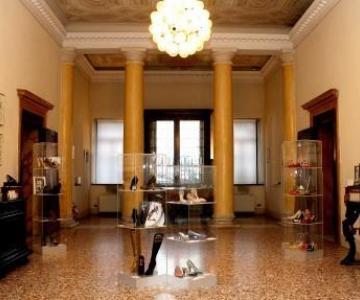
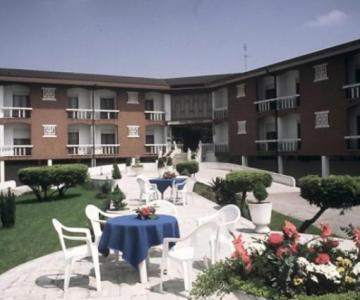
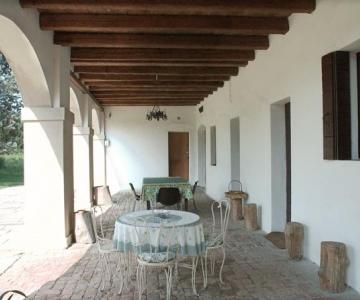
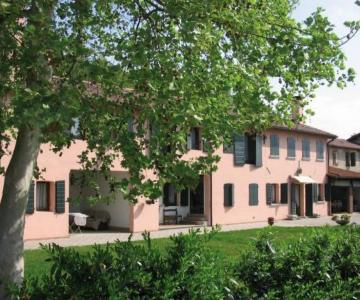
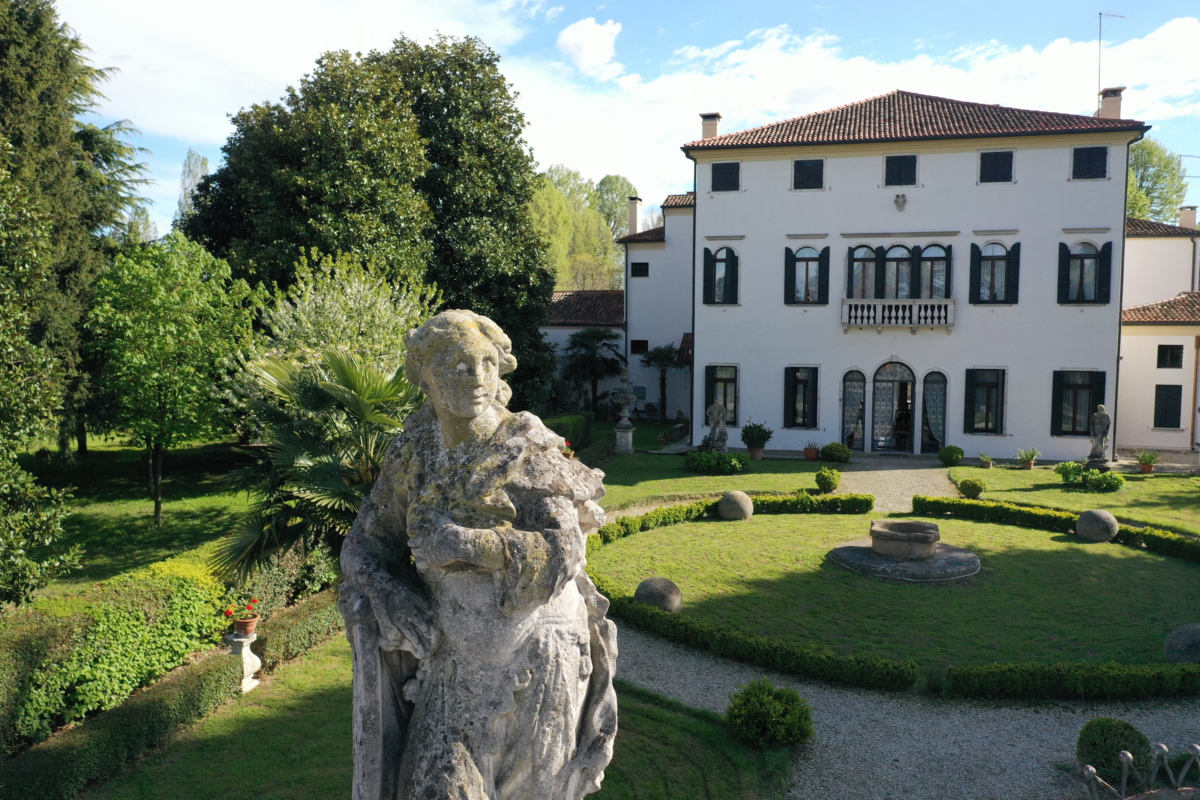
In the meantime it becomes the residence of Eugene Beauharnais. Later the villa became the residence of Austrian officers and governors and the adjacent building was used as a barracks. The residential block has a rectangular plan and a traditional layout with a passing lounge. It is spread over three levels: a basement, two main floors and a mezzanine on the sides of the second level. At the back of the villa there is a boxwood garden and tall trees. At the bottom of the property there is a service building with arched spans and large Doric pilasters that mark the elevations.