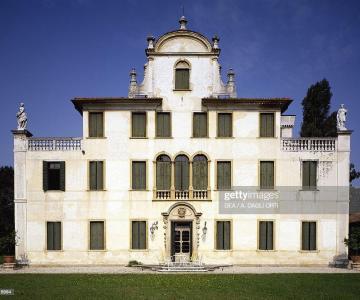
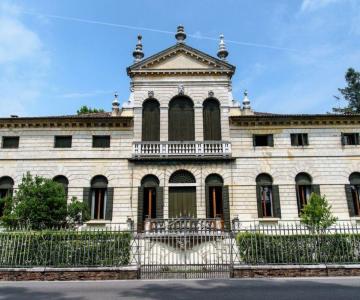
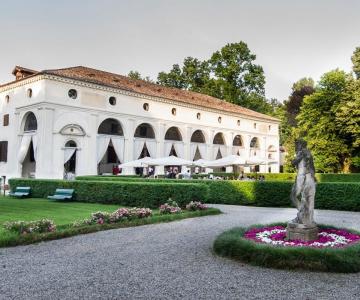
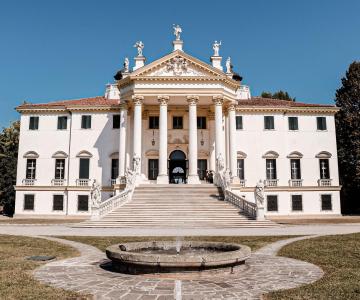
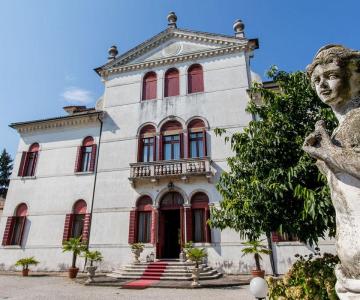
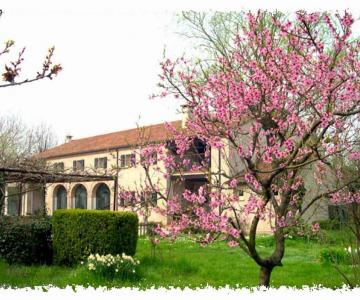
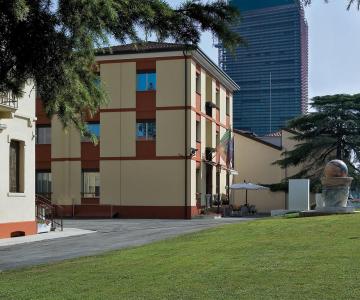
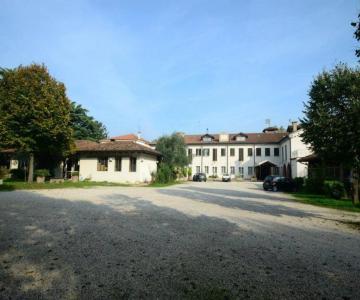
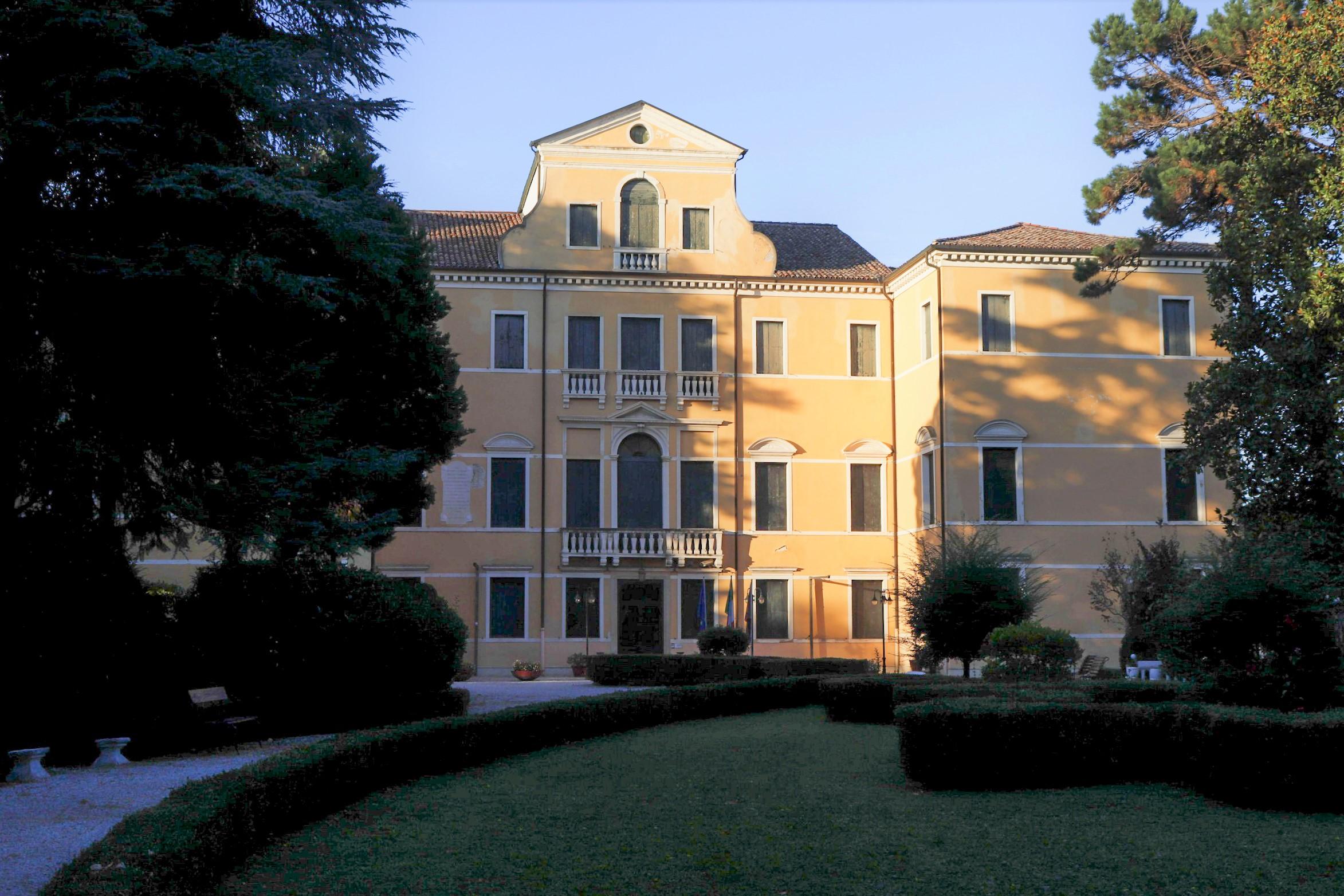
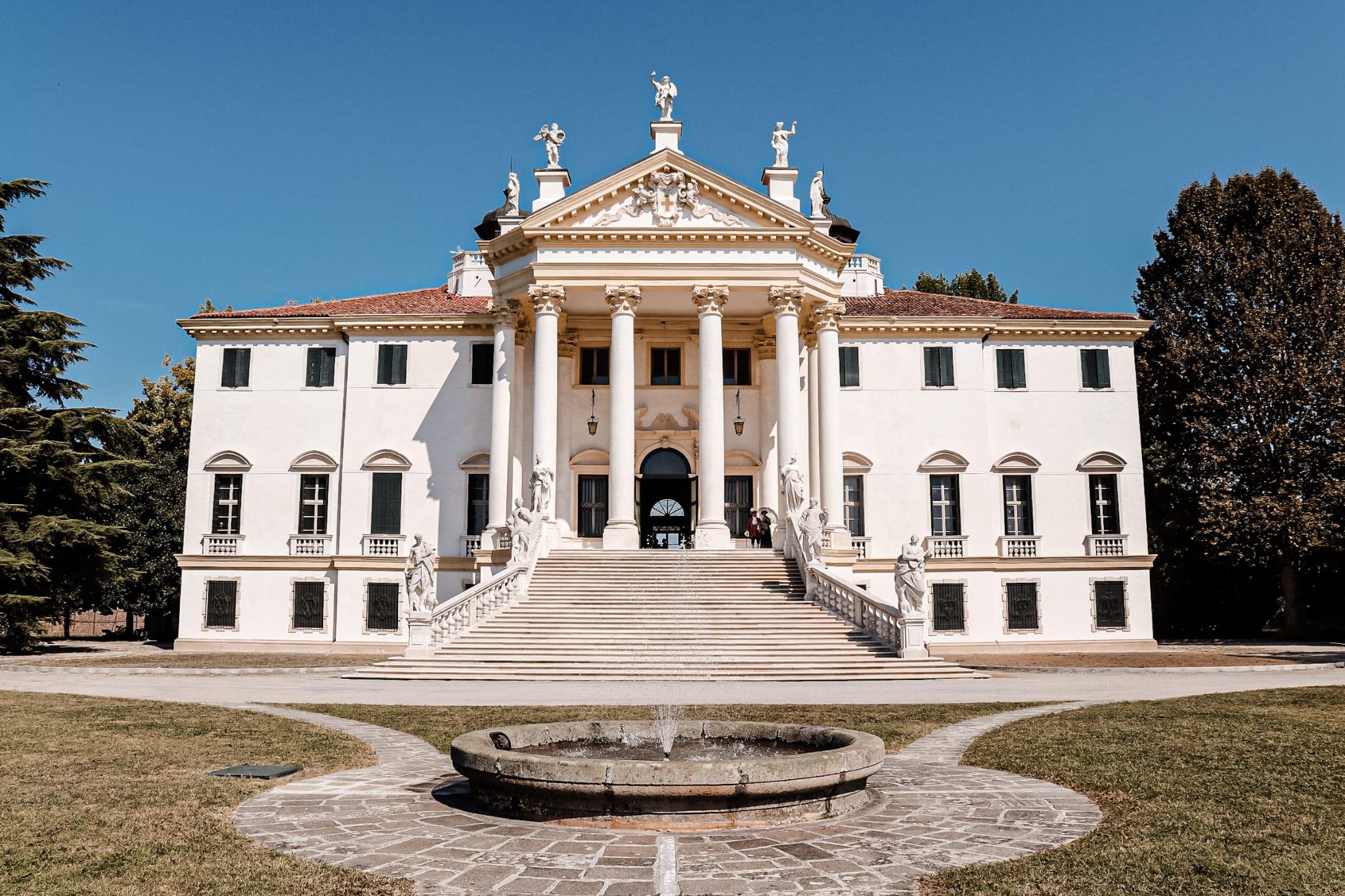
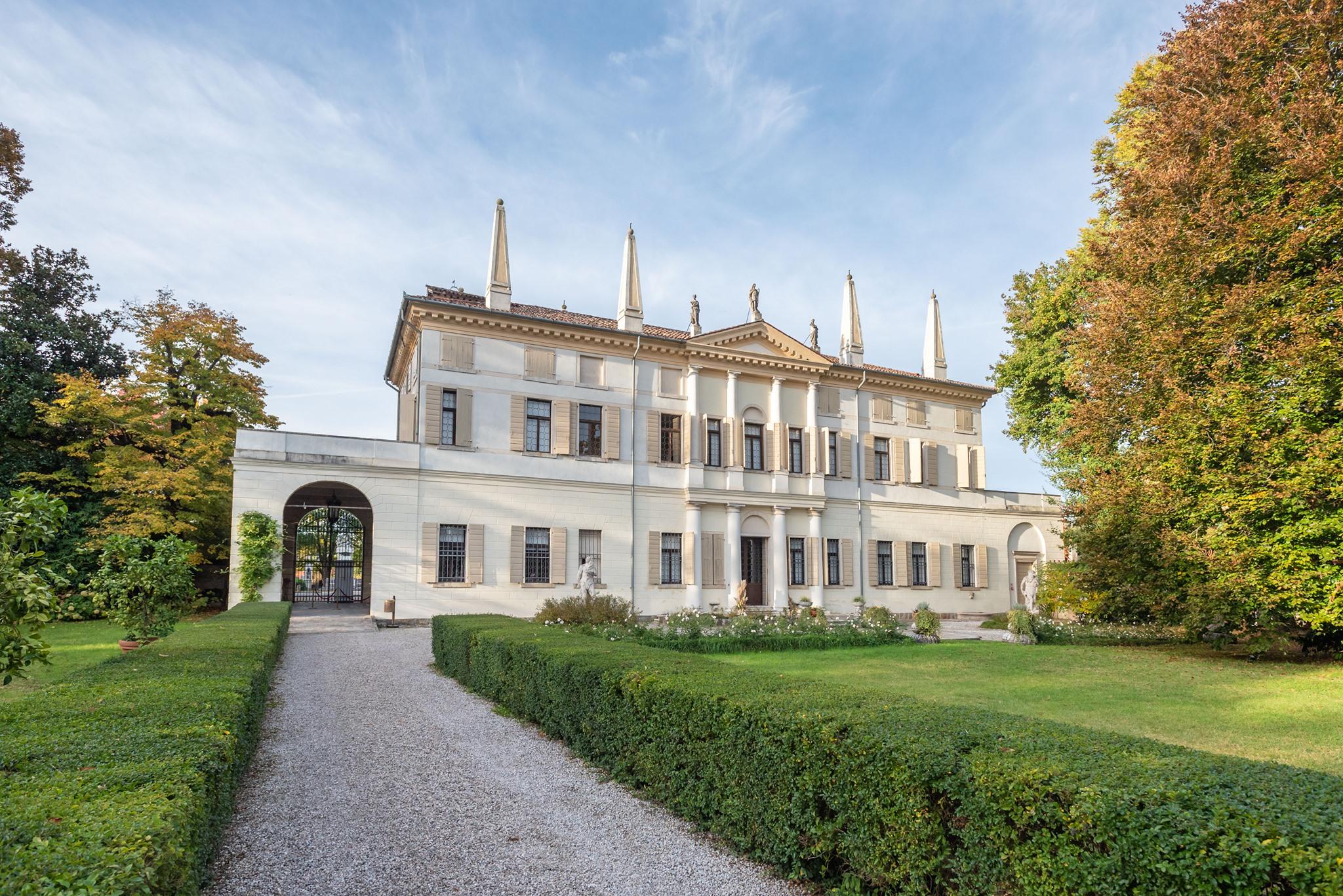
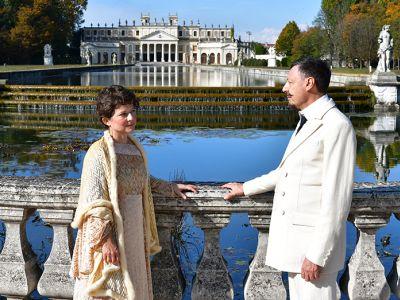
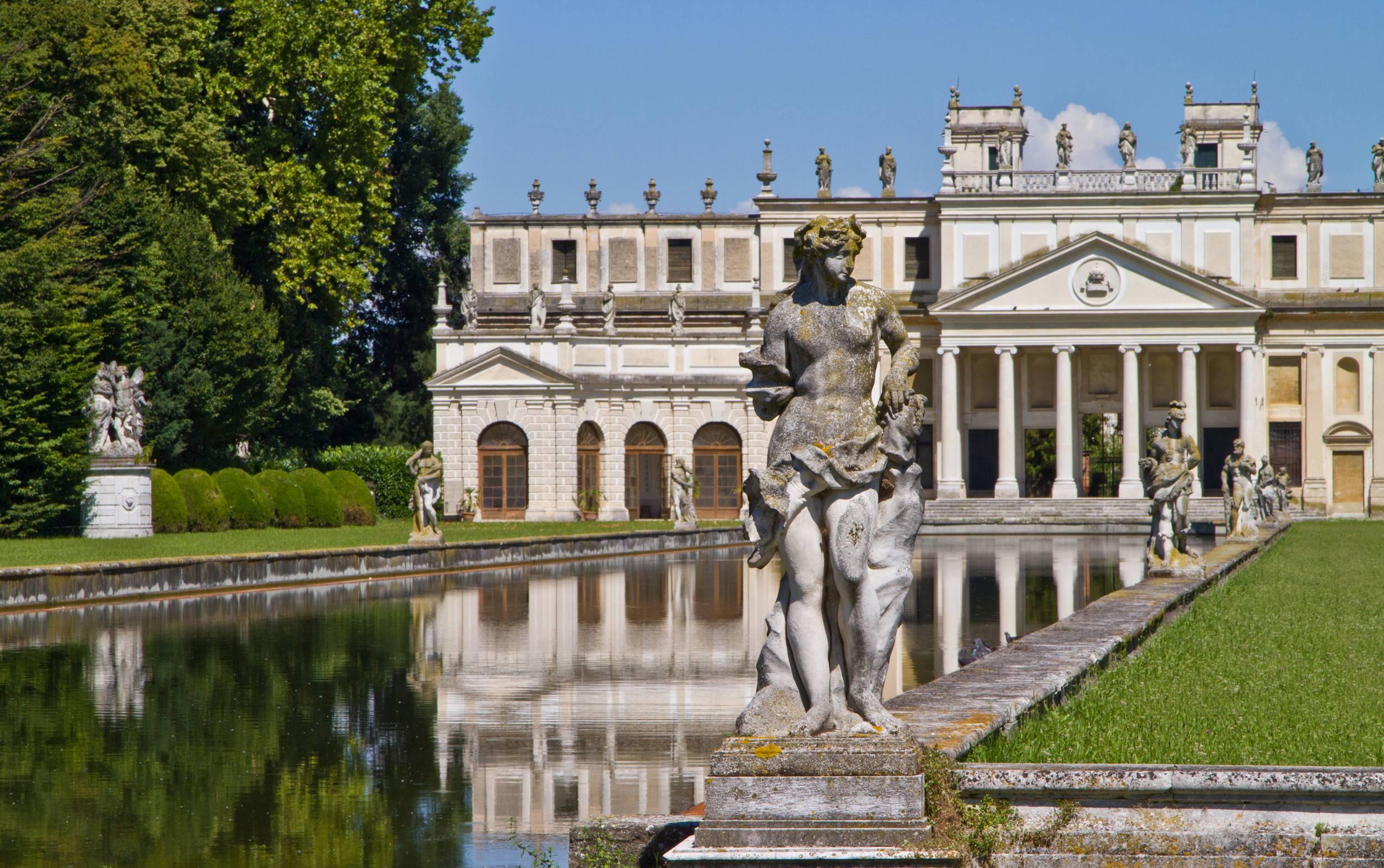
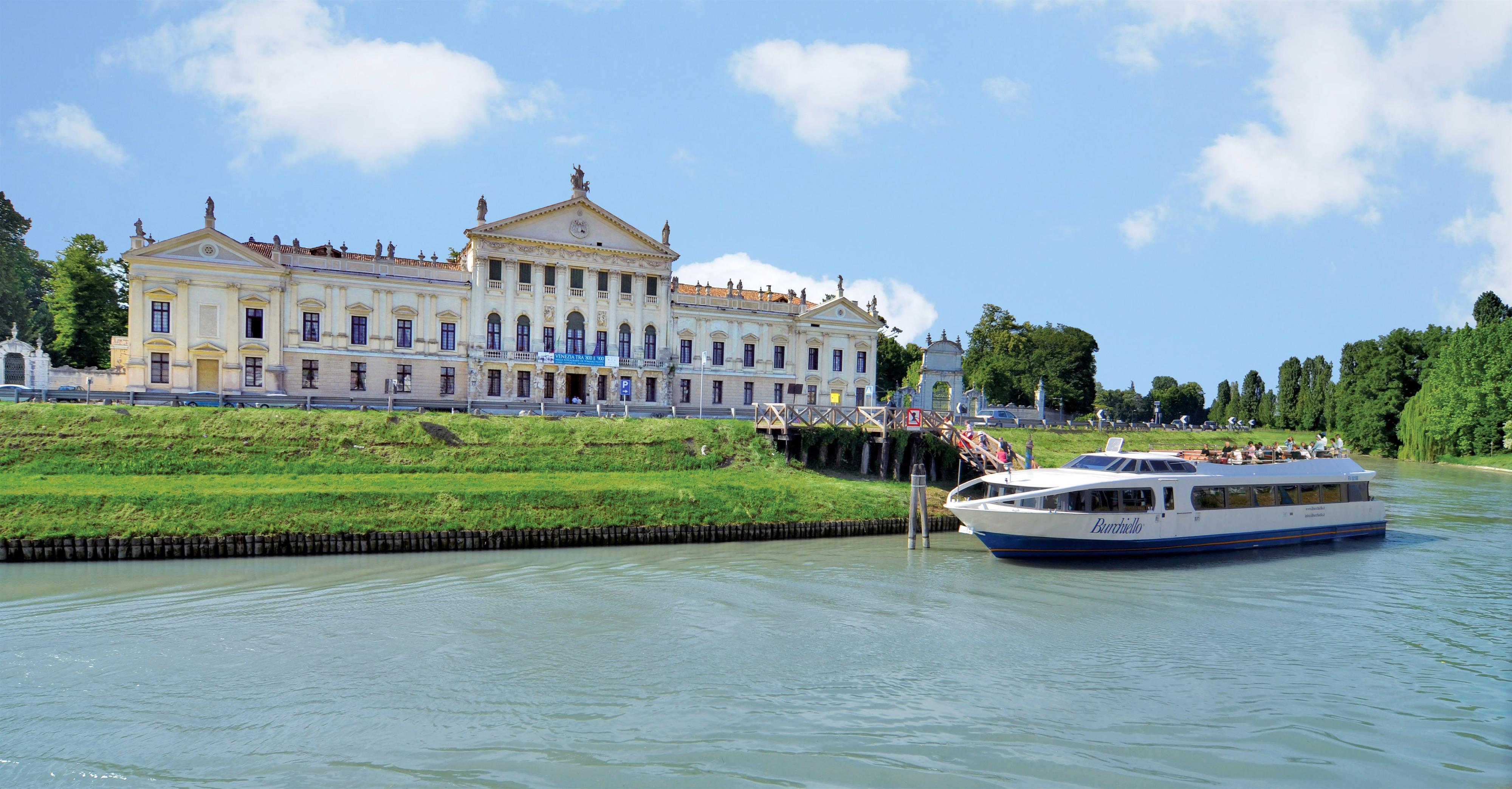
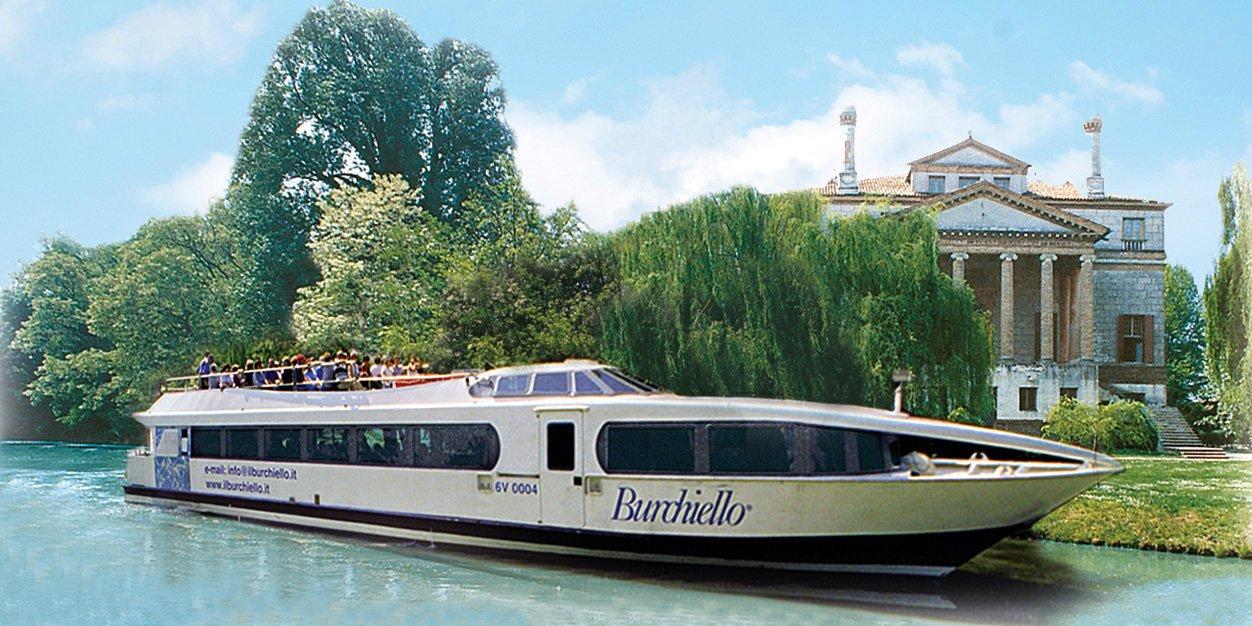
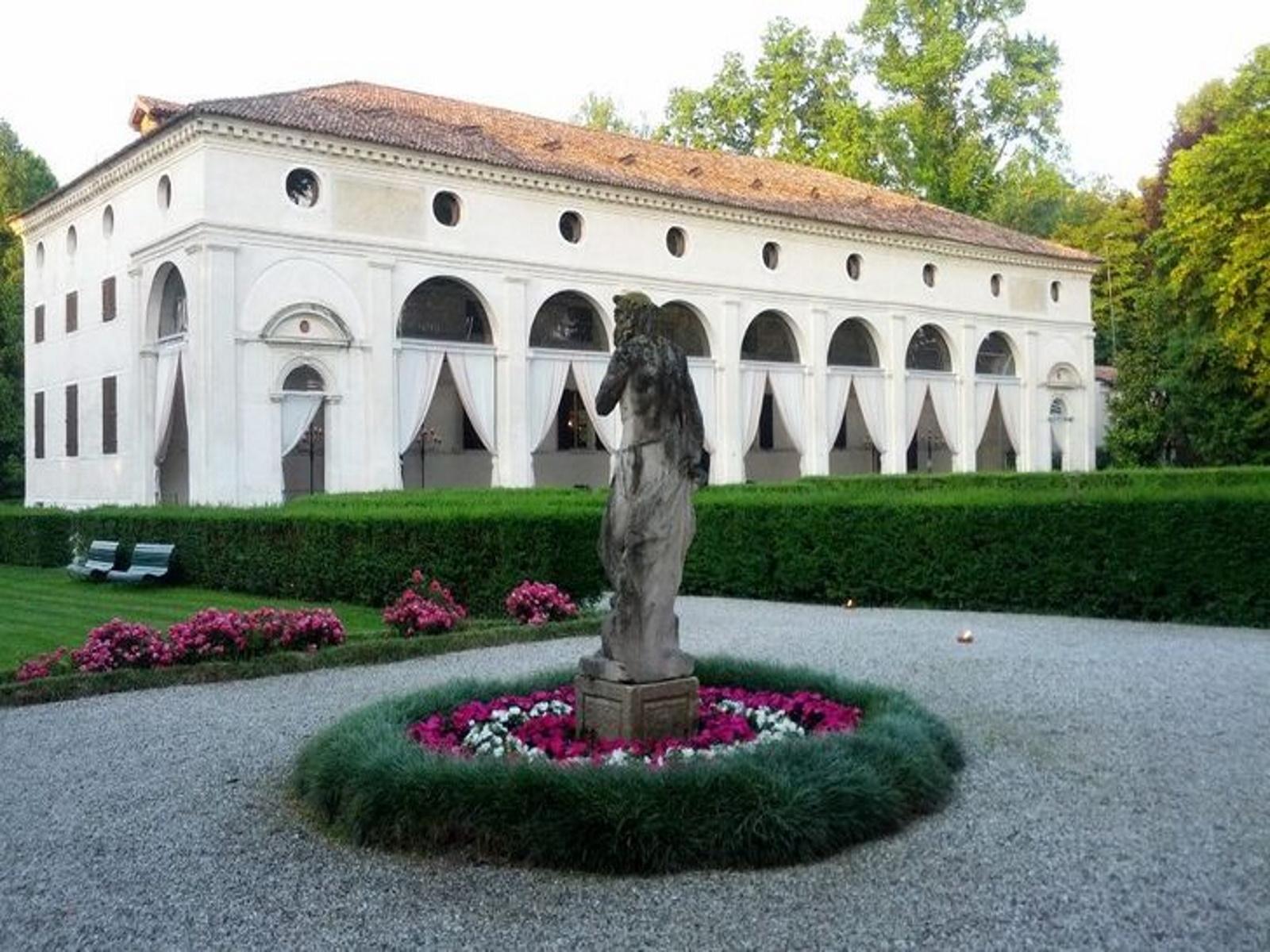
Villa Grimani Valmarana stands on a medieval castle belonging to the Delesmanini family, who ceded the land on which the villa stands to Enrico Scrovegni. In 1502 the villa, "a large house in masonry with a courtyard all around enclosed by a wall with a few fields near the Brenta River," was sold to the patriarch of Aquileia Domenico Grimani; in the early 1600s the villa followed a young Grimani who married Vettor Calergi, scion of a powerful Venetian patrician family. Inherited in 1738 by Nicolò Vendramin, his great-granddaughter Elena Marina Maria Vendramin-Calergi married Count Andrea Valmarana, who left her a widow in 1861. In her will, the countess bequeathed the villa to the municipality of Noventa Padovana with the obligation to establish a school for deaf-mute girls and not to move the portrait of the countess and her husband from its original location.
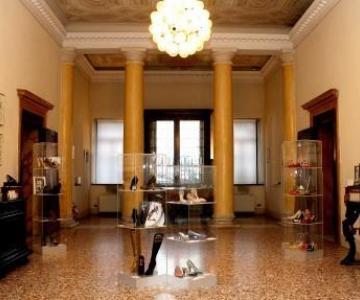
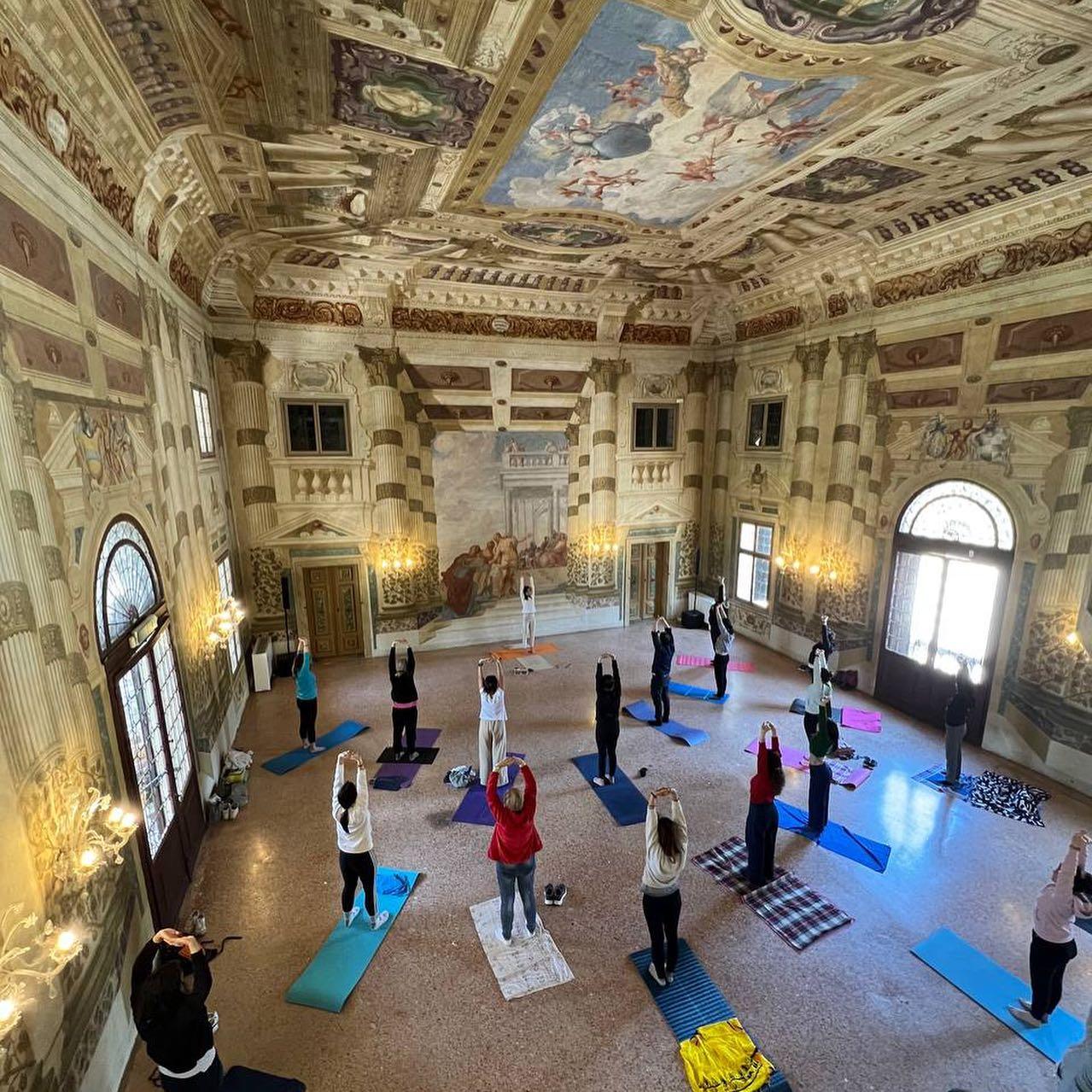
Inside the villa, particularly on the main floor, are vast eighteenth-century fresco ensembles by set designer and painter Andrea Urbani, who painted them around 1772. The decorations, typical of the Baroque and Rococo eras, depict landscape views and vistas and allegorical figures, but chinoiserie-themed depictions with oriental fantasy scenes can also be admired. The ground floor, on the other hand, houses a Renaissance altarpiece by the artist Palma the Younger, an important exponent of Mannerist art of the Venetian school.
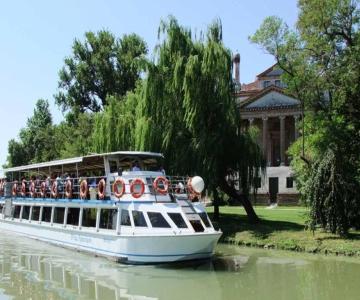
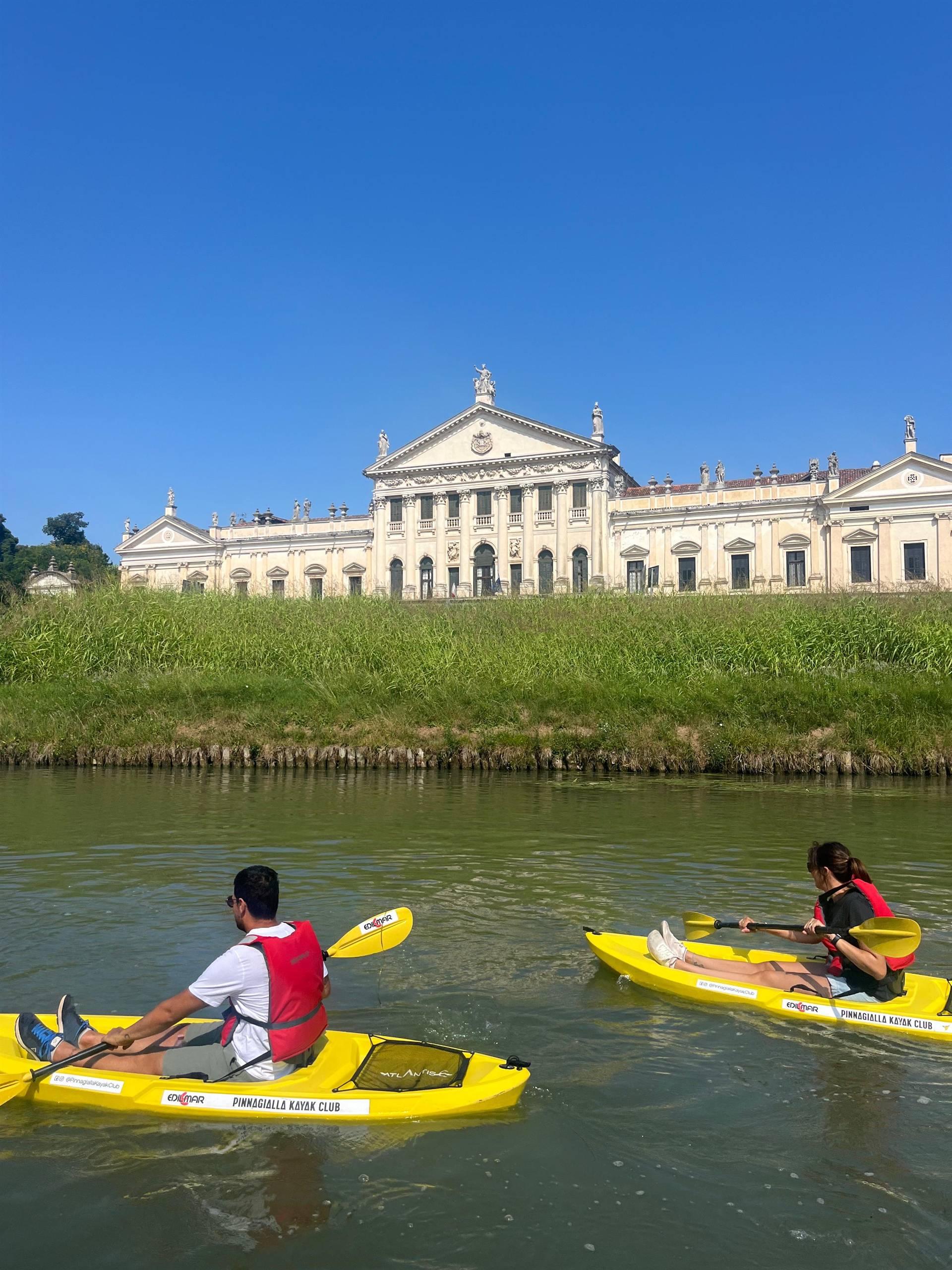
Behind the villa passed the Brenta River: in fact, originally, the main facade was at the rear of the present villa.
Duration of the visit: about 1 hour