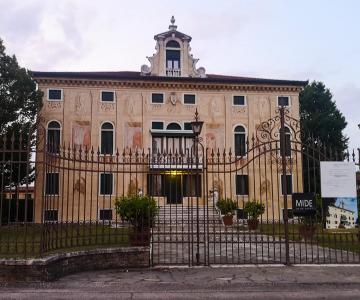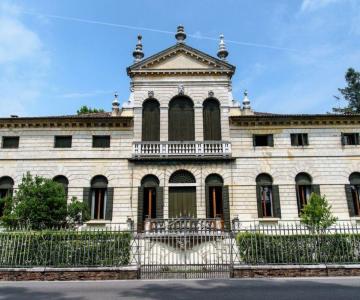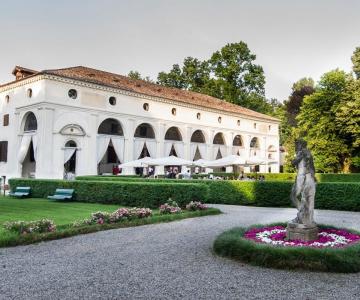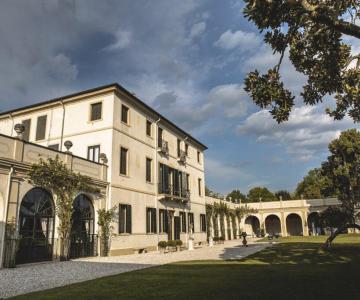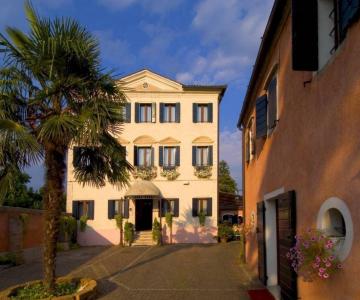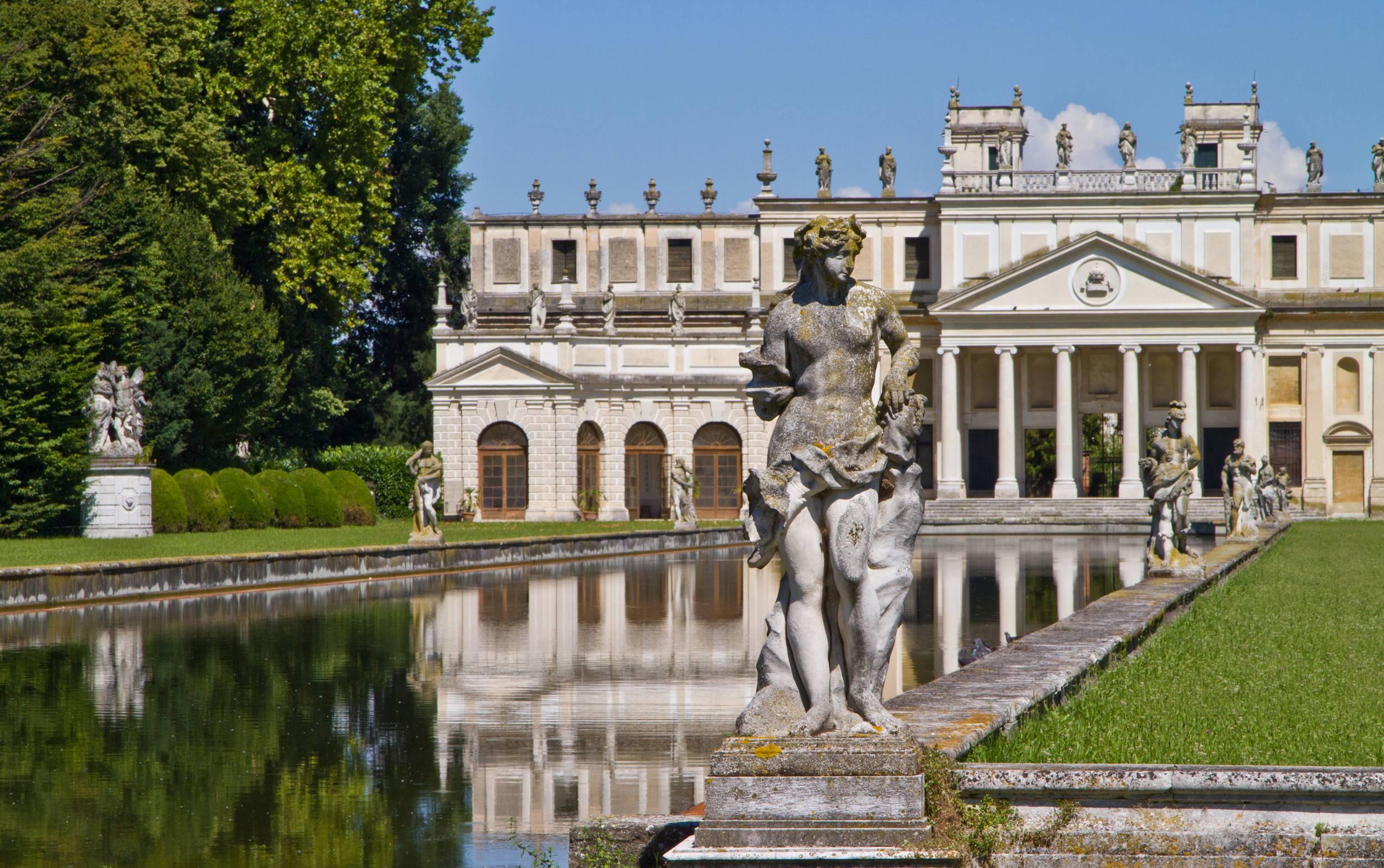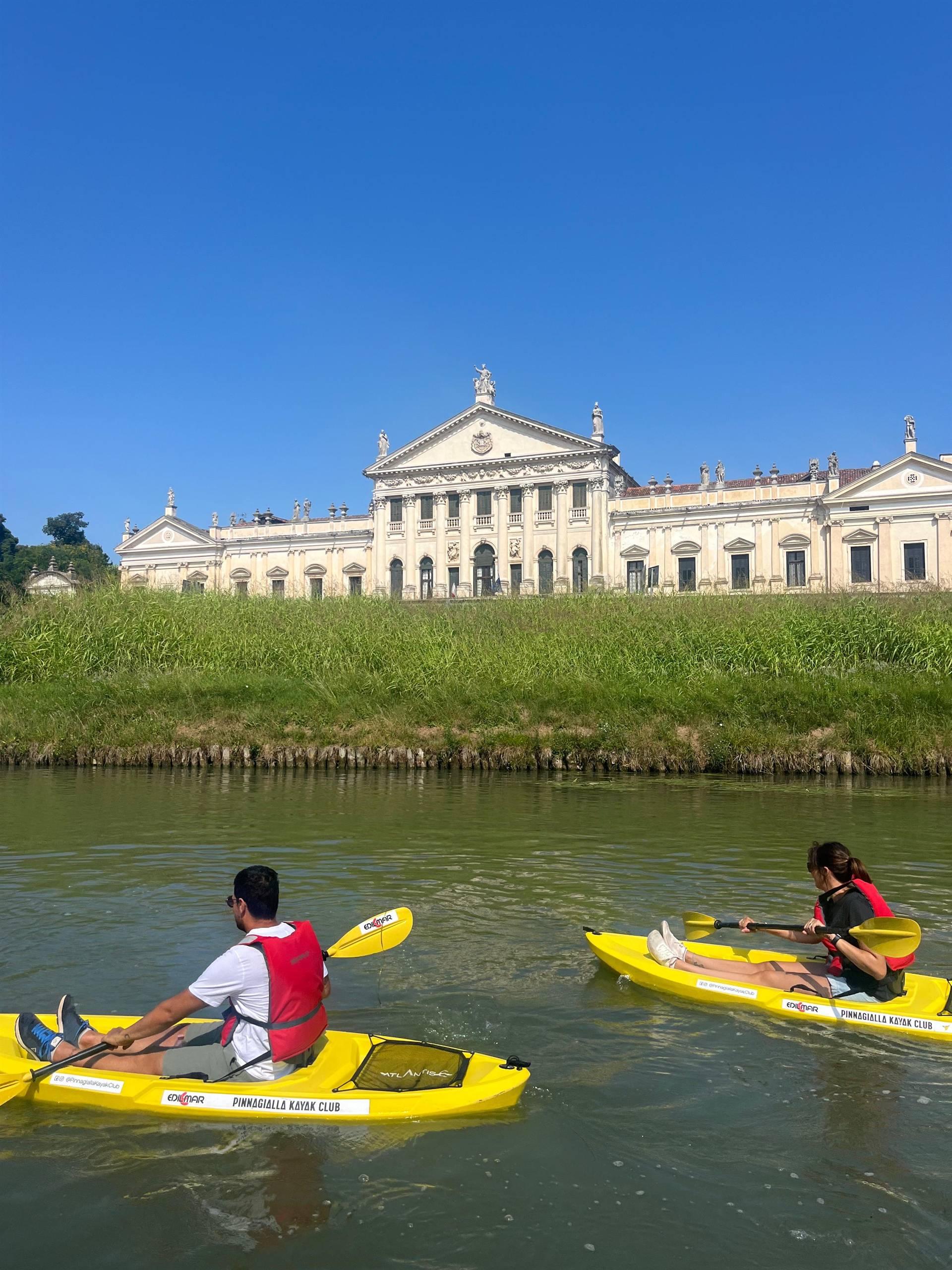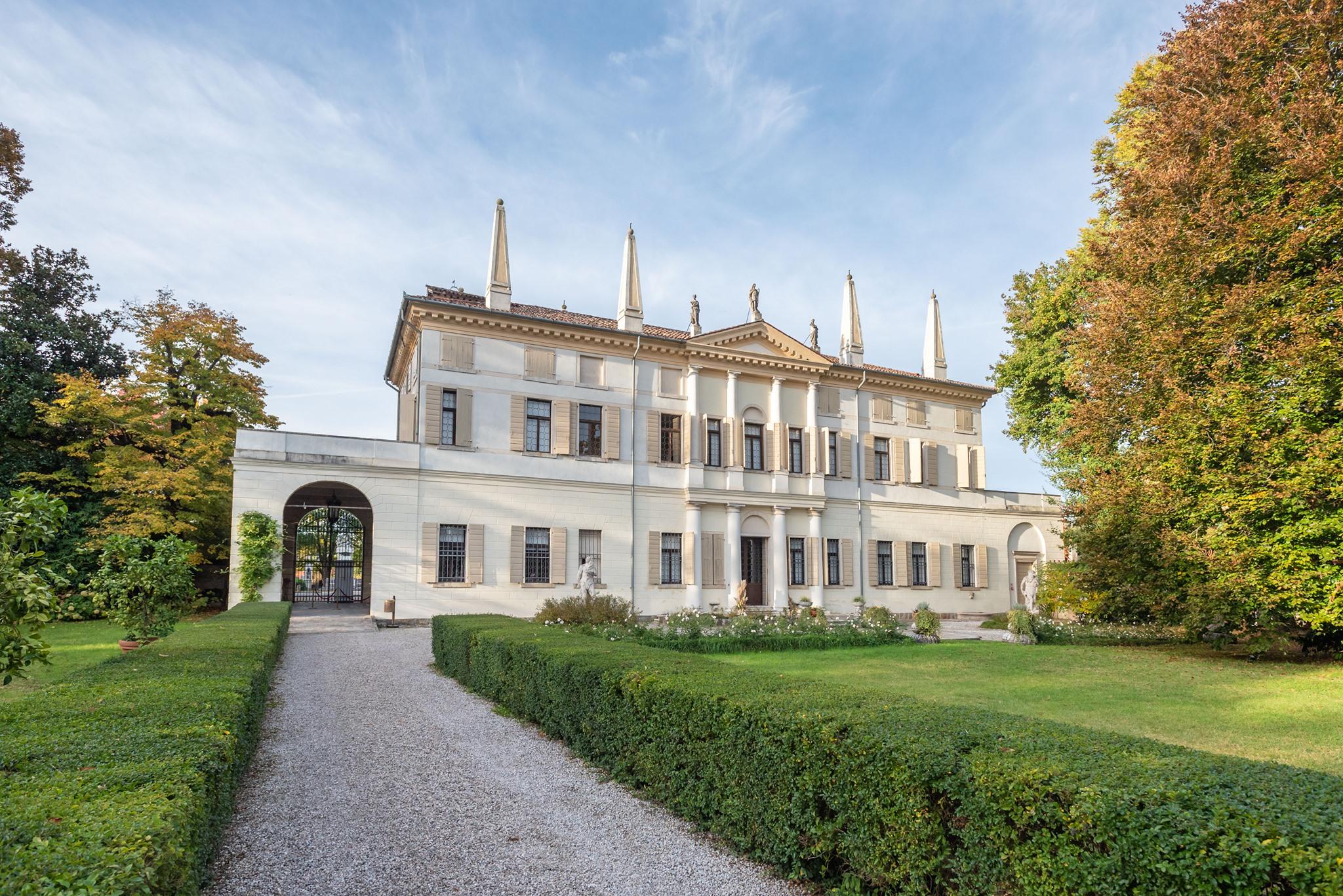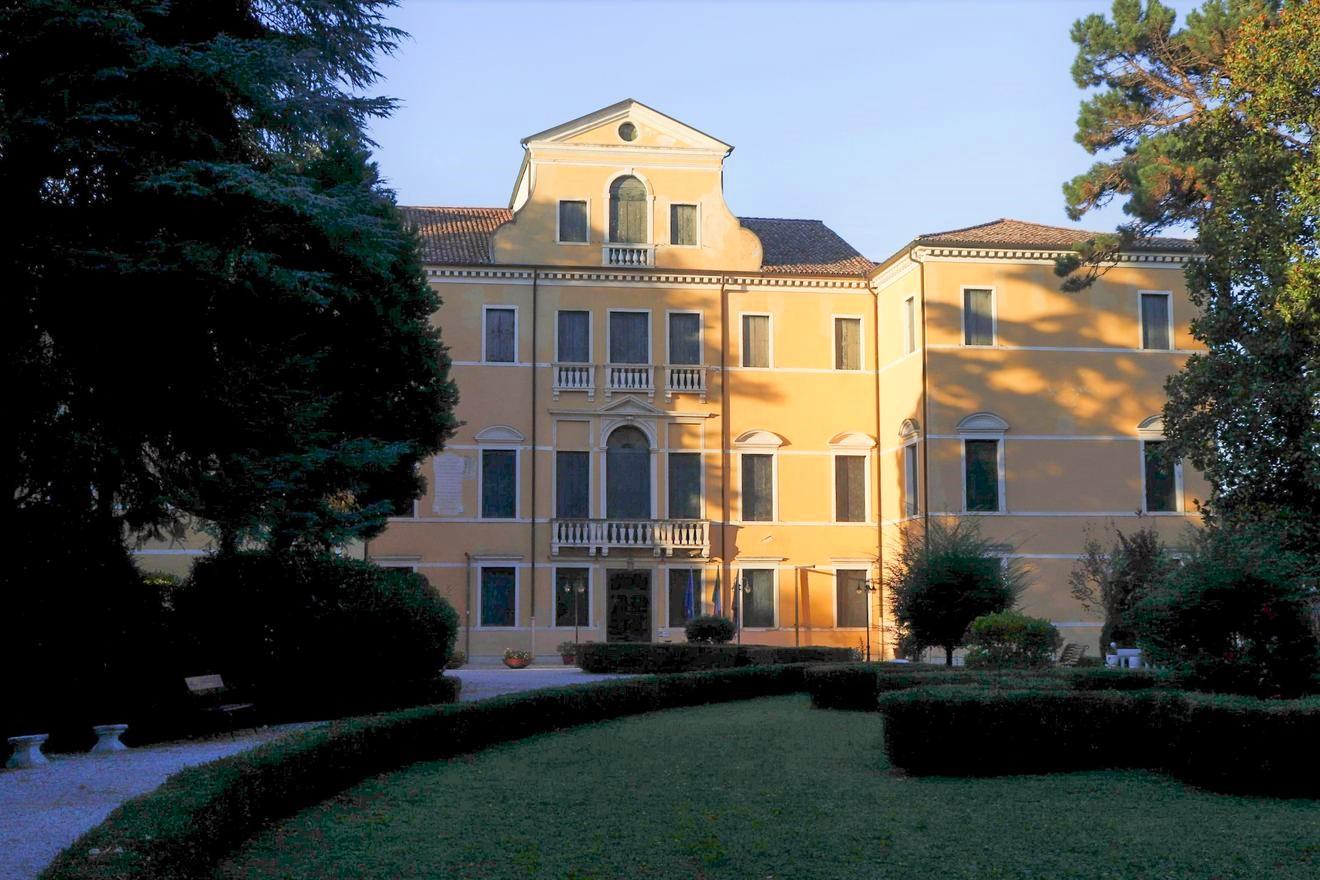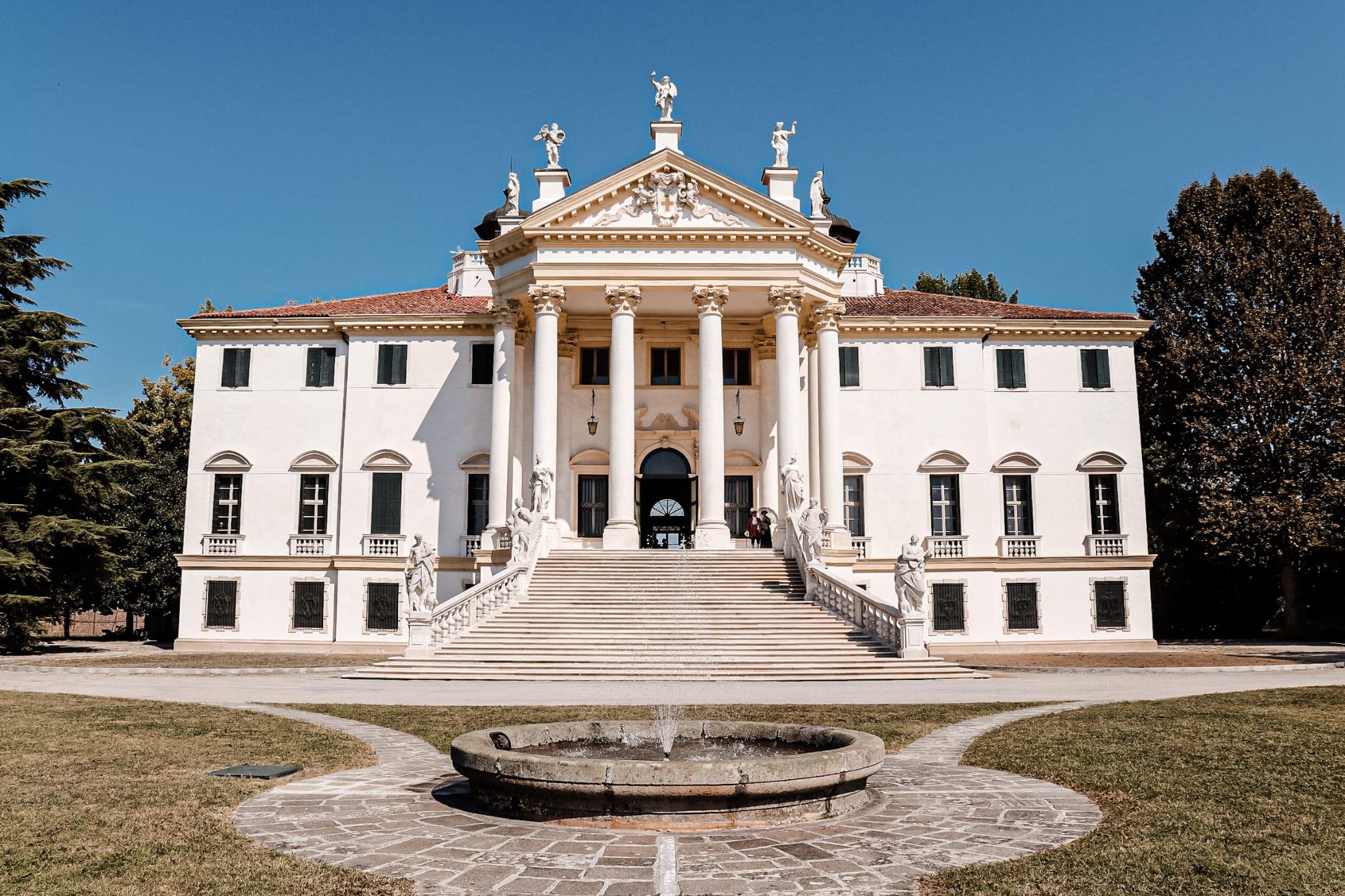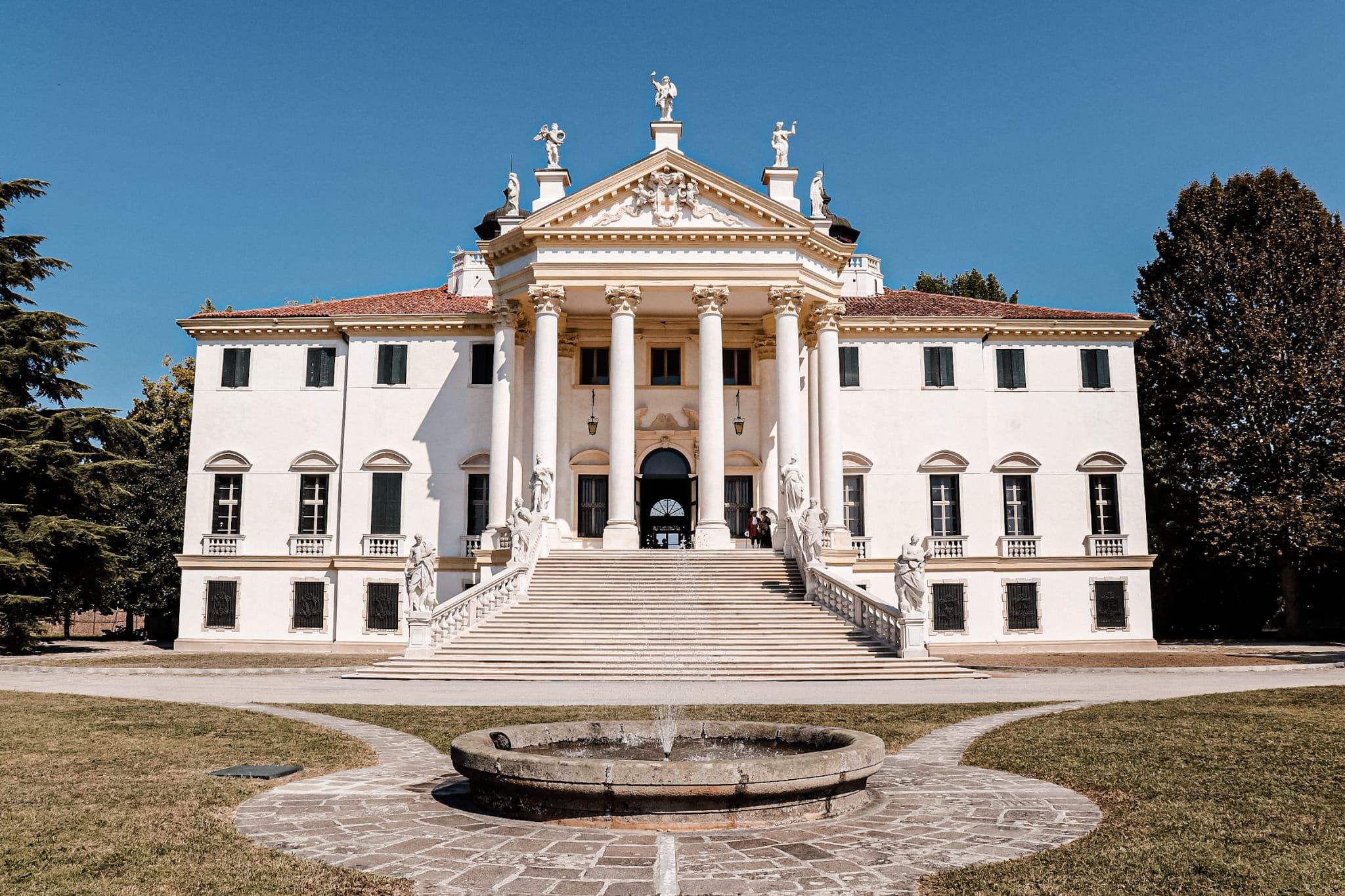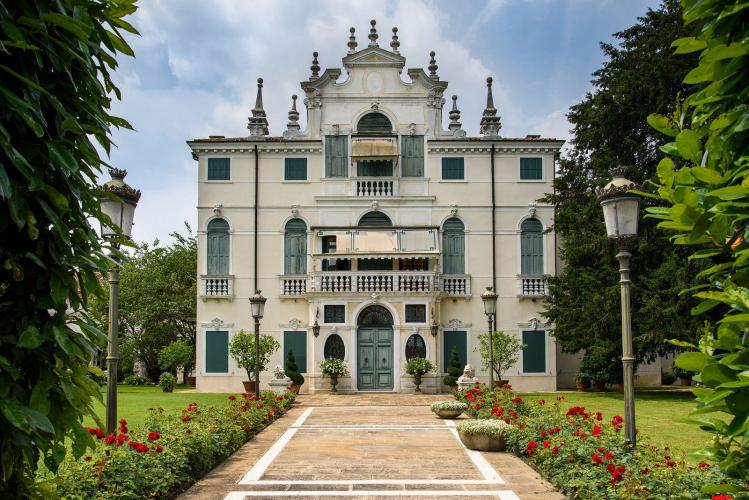
The complex is certainly affected by the decorative exuberance and upward momentum typical of the seventeenth century: "it is perhaps the most baroque of the villas that are located on the Riviera del Brenta not so much for the variety and freedom of the decorative elements, but for the dynamism of the holes that alternate in heights and dimensions in the rigorous symmetry of the building" (Scarpari, 1980). Its strictly tripartite layout, both in plan and in prospectus, is counterpointed by the decoration that from the ground floor brings the gaze upwards through new formal solutions, such as the two ovals surmounted by square openings in the forepart of the ground floor, up to the triangular tympanum on the central underground axis.
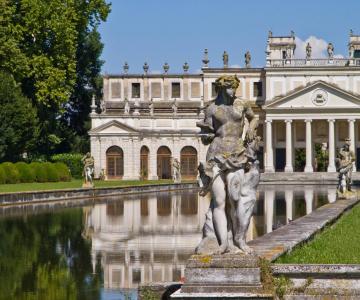
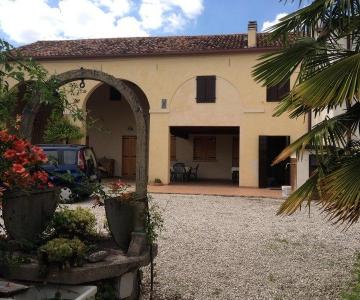
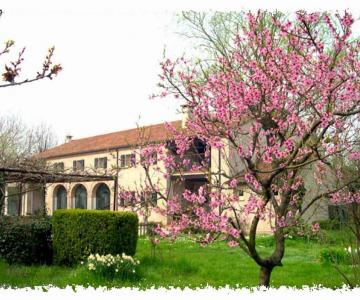
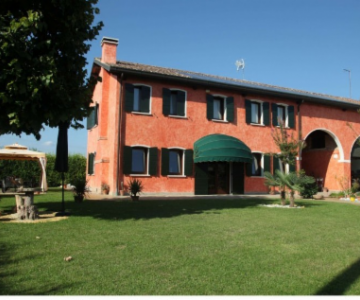
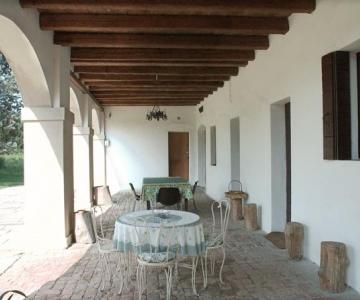
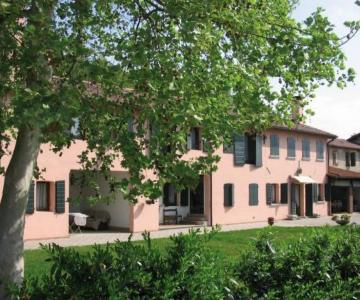
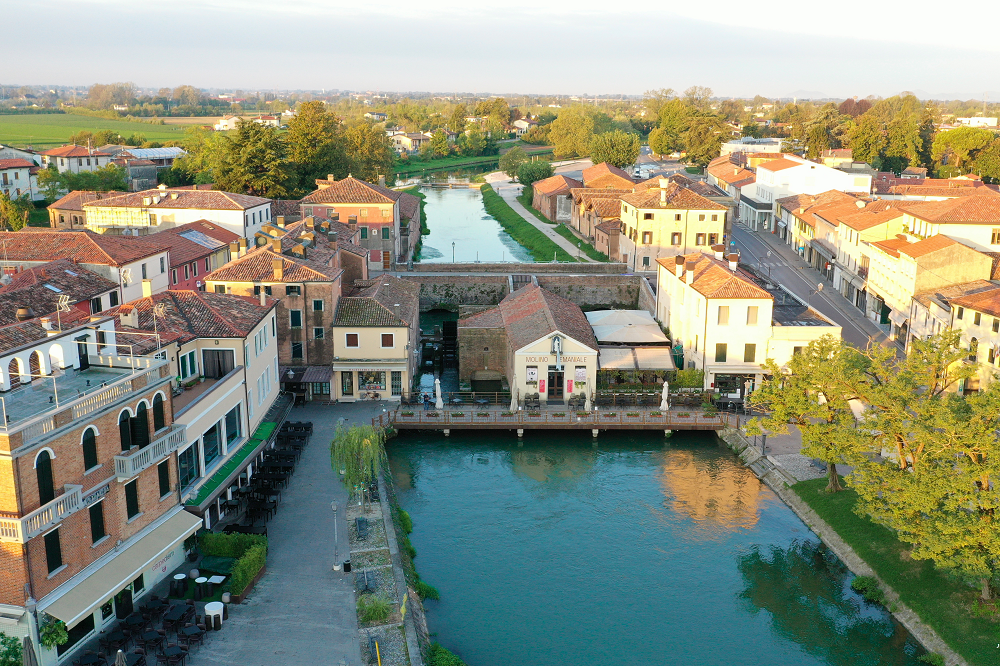
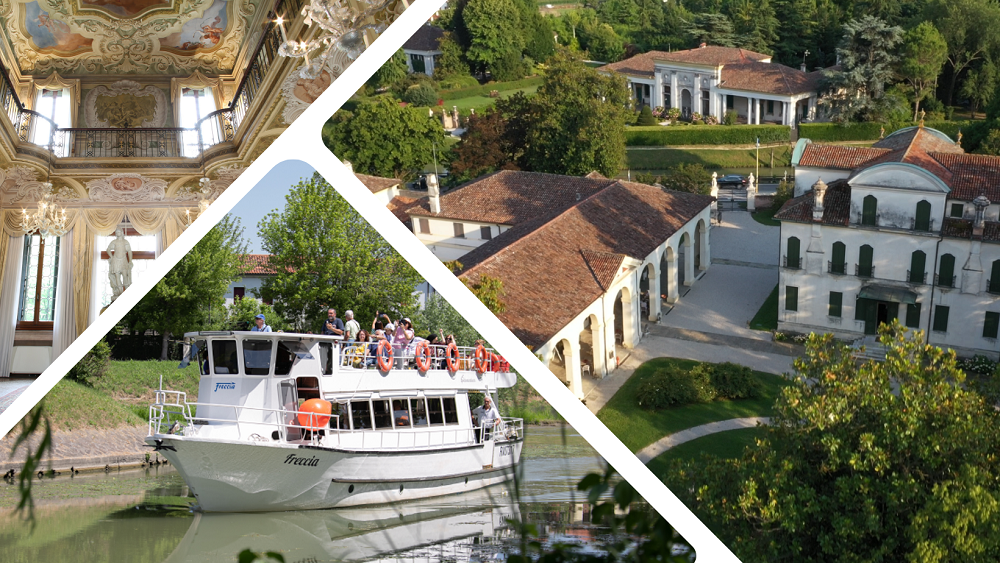
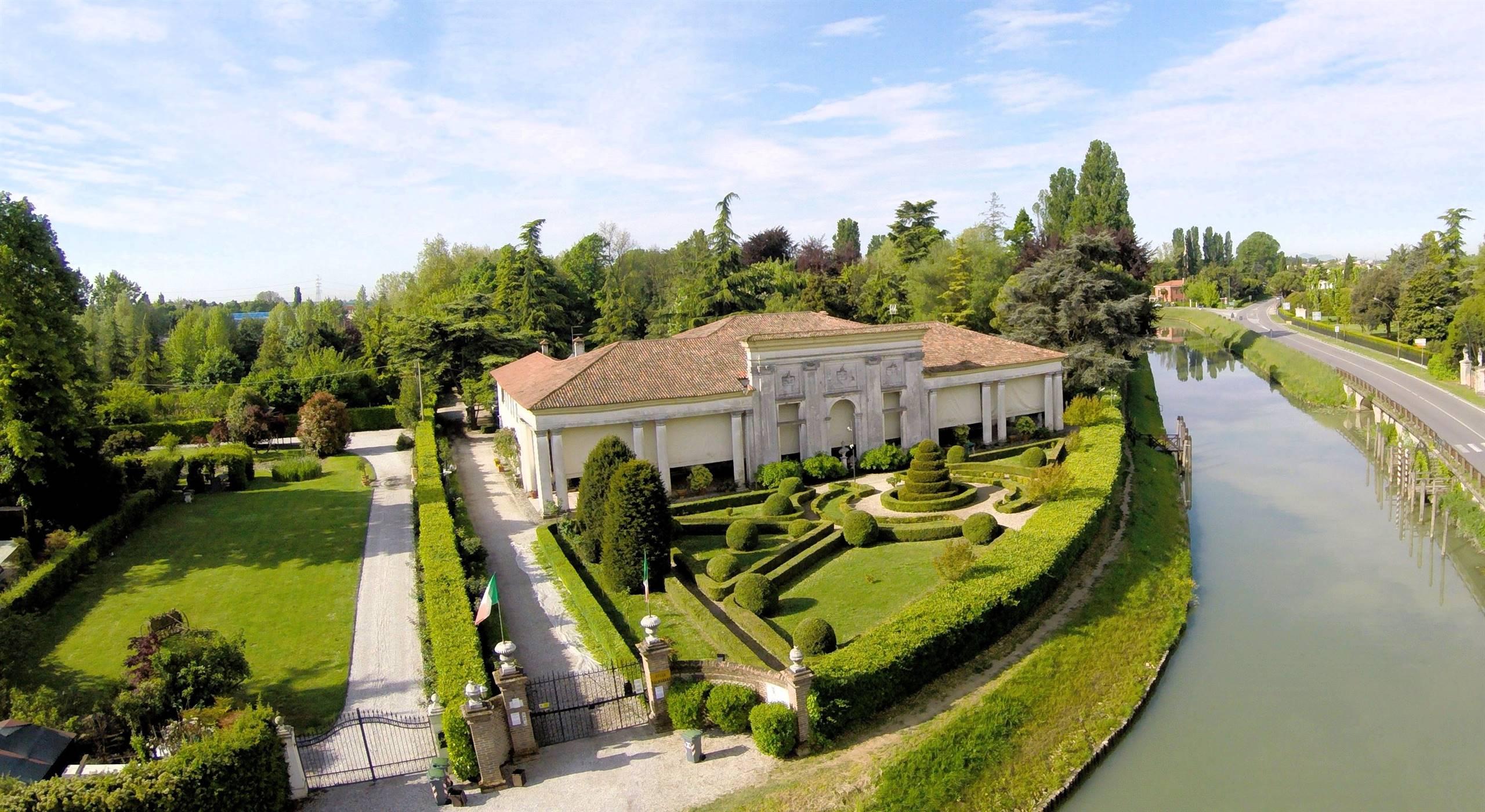
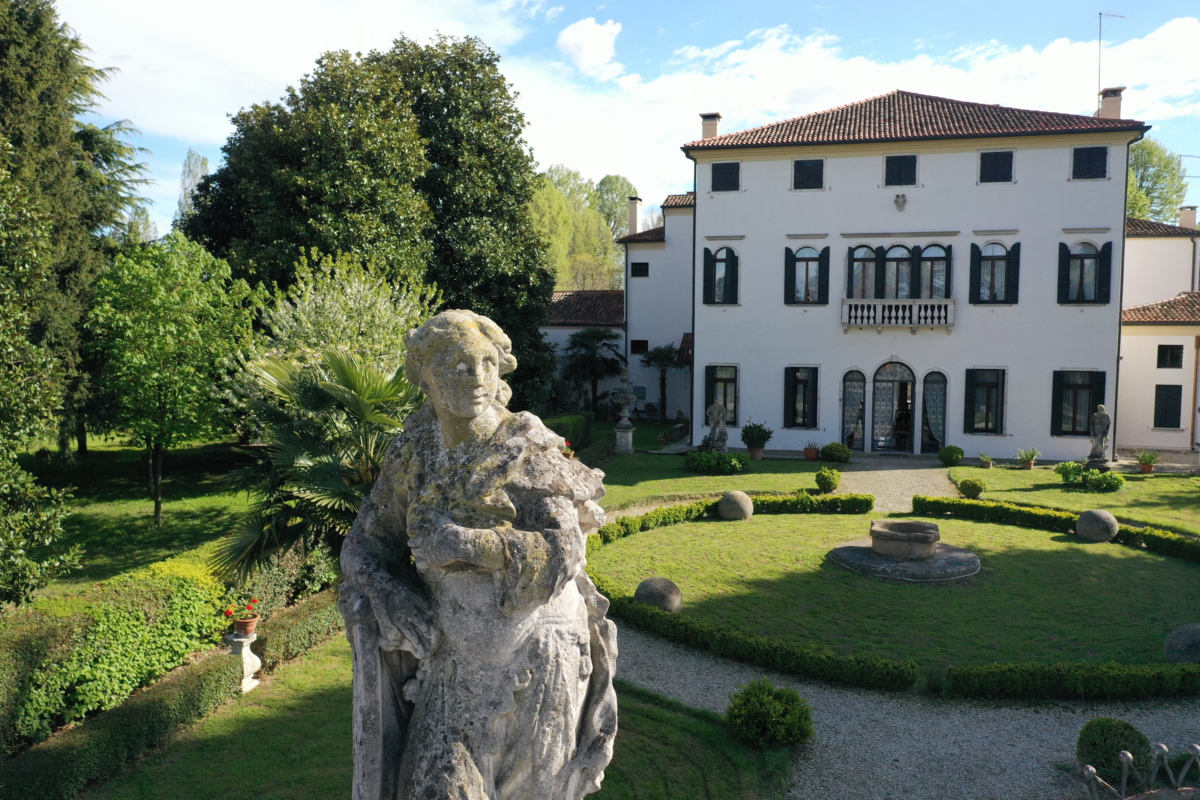
The villa, which stands on the left bank of the Naviglio Brenta, is immersed in a centuries-old park and has to the west an elegant barchessa with stone elements and, to the east, a small oratory still consecrated and some rustic outbuildings. The back, in sharp contrast with the front front, instead has an anonymous façade characterized by the serial repetition of rectangular openings on the ground floor and on the first and square at the level of the attic. Of particular interest is the porticoed barchessa, probably coeval with the main body (Bassi, 1987), located along the east-west axis: it is a long parallelepiped body characterized by five arches, with a round arch. On the opposite side, however, there is the small oratory with a single nave, with the main façade surmounted by a triangular tympanum supported by beaten pilasters of pseudo-Corinthian order.