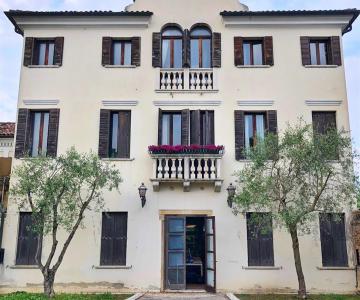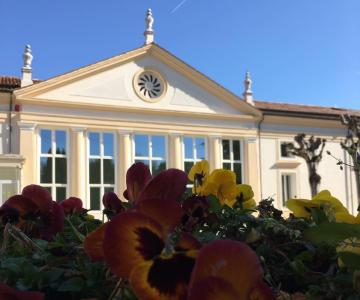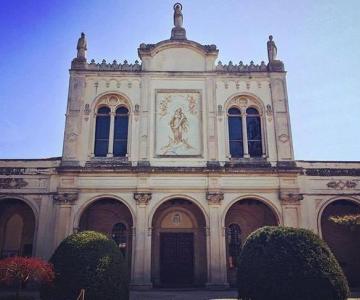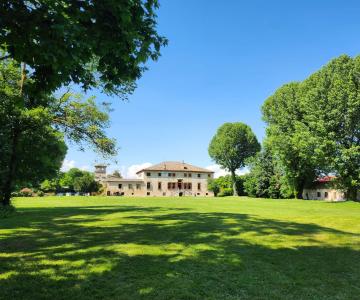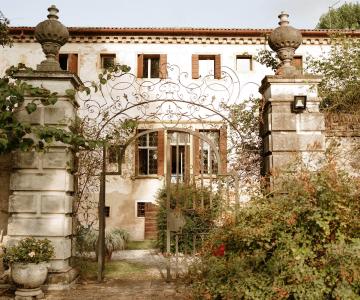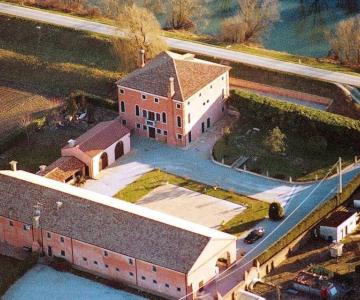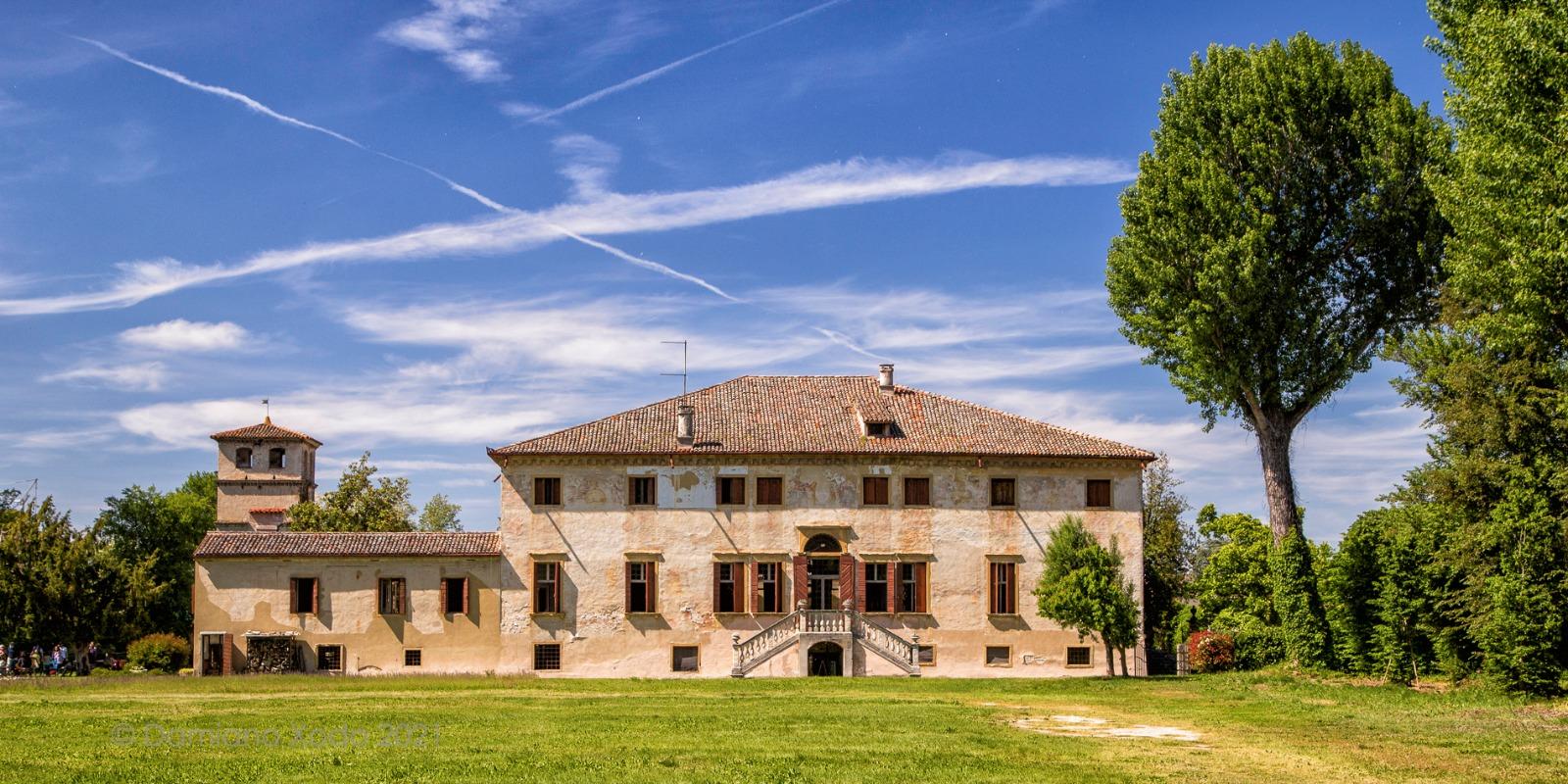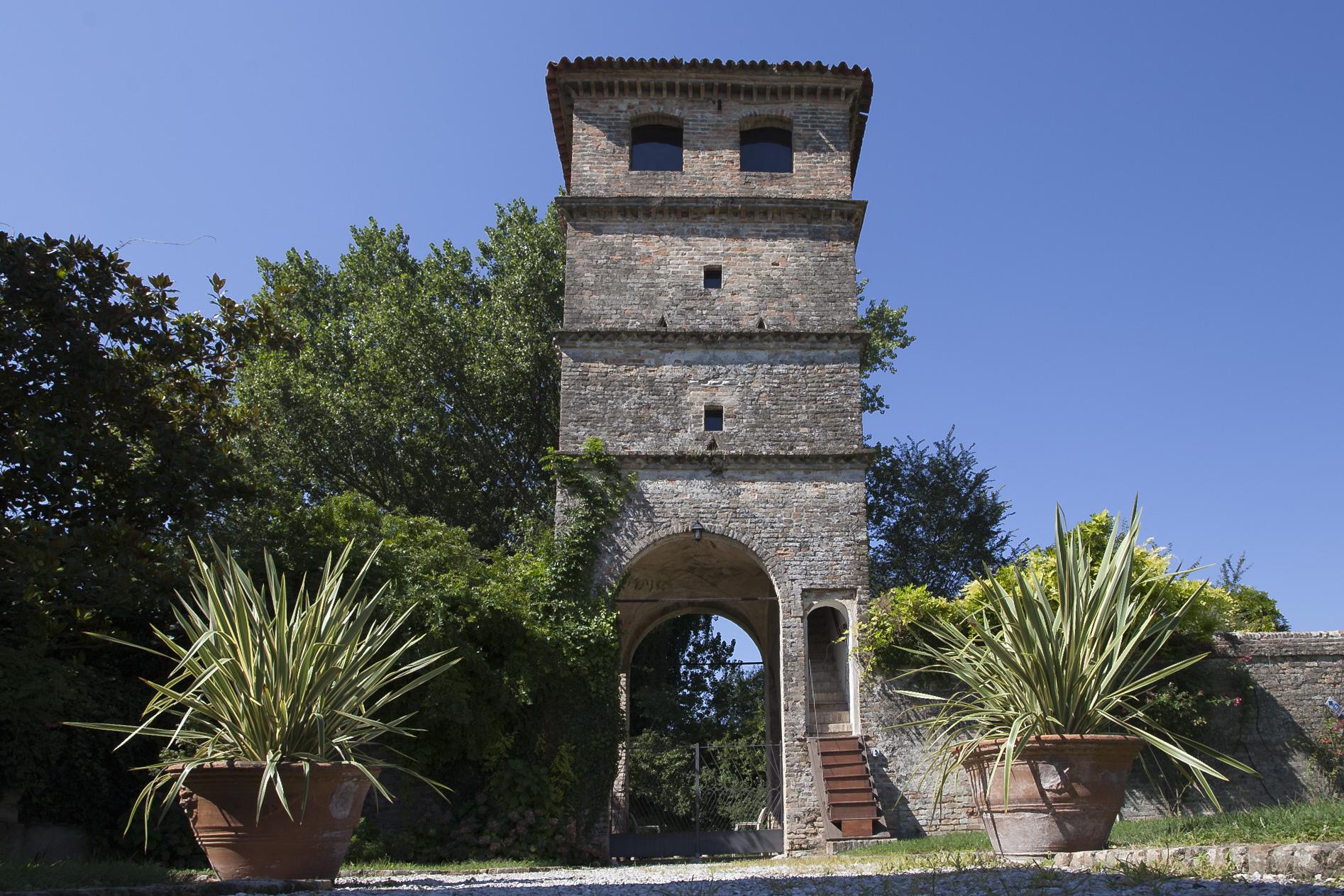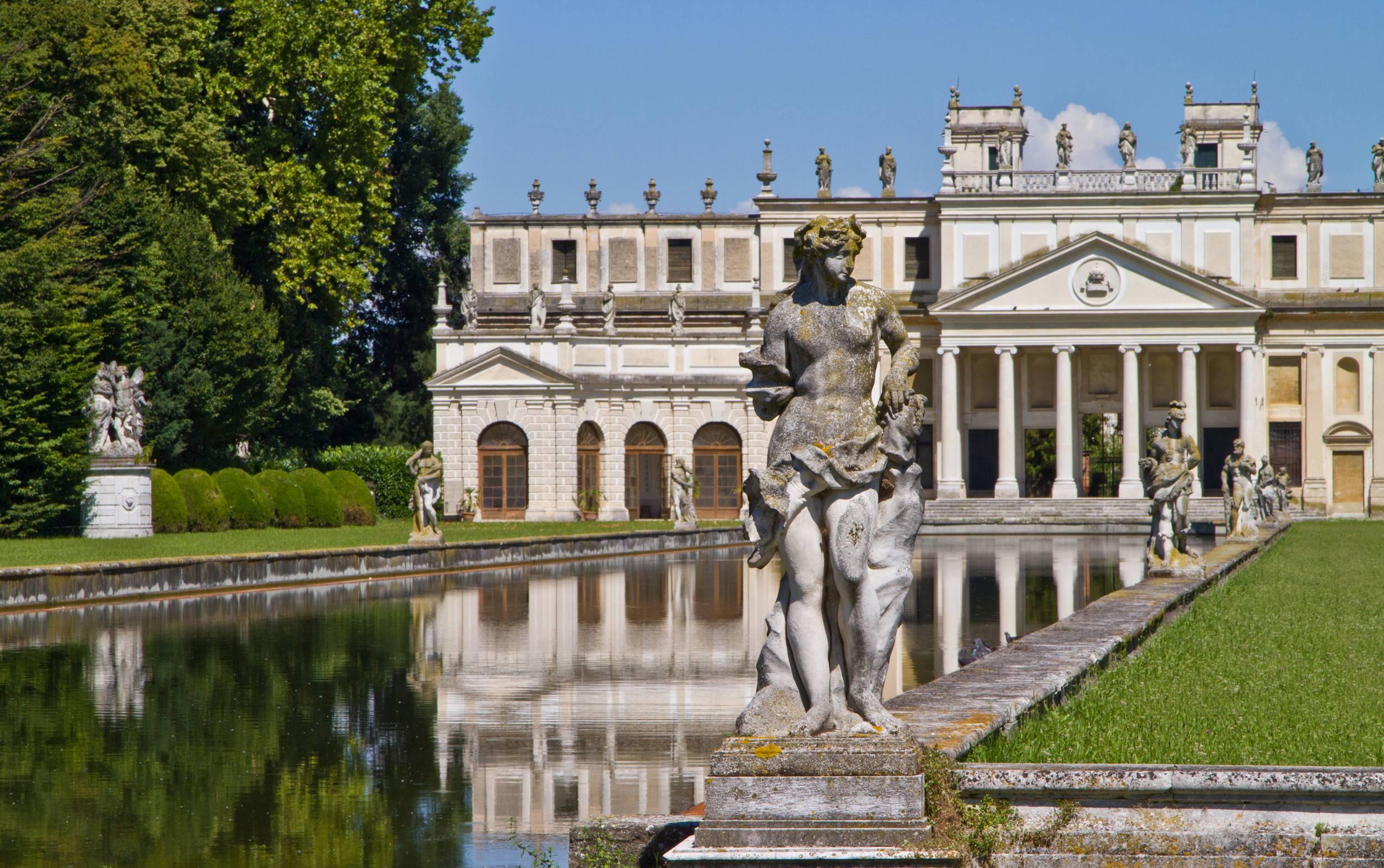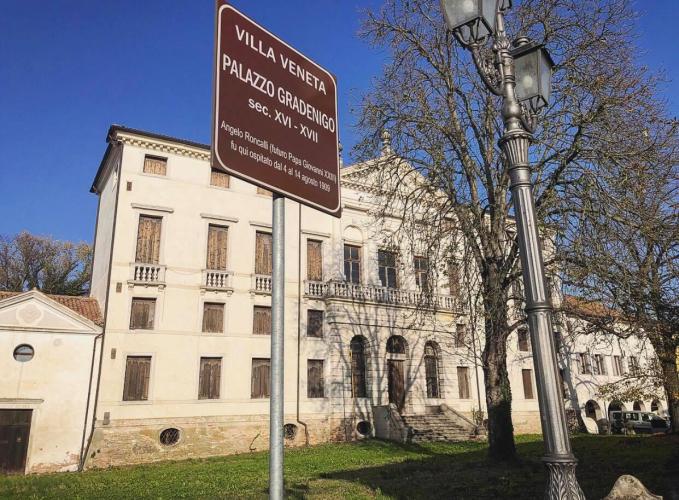
At the end of Via Garibaldi stands majestic Villa Gradenigo.
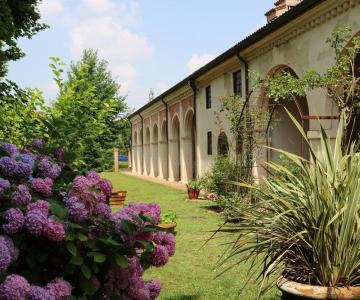
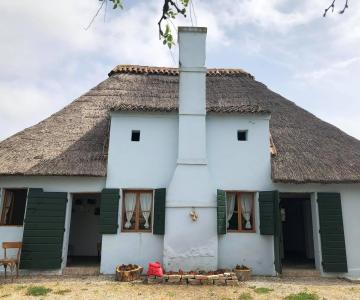
According to Palladio, its destination is between a town house and a country house: the presence of the barchesse, as well as of the farmer's house, the aratorio vitato and the vegetable garden, testify to its agricultural function; the documented presence, at least in the eighteenth and nineteenth centuries, of a park and the definition "holiday home" confirm the other typical function of the Venetian villa, that of leisure.
The residential palace, with its five floors, undoubtedly constitutes, in Piove di Sacco, the most imposing residential building among those of historical-artistic significance. The basement occupies only half the floor plan and was intended for cellars, on the side facing the garden we find instead the ground floor home to the kitchen, where the hearth is still preserved.
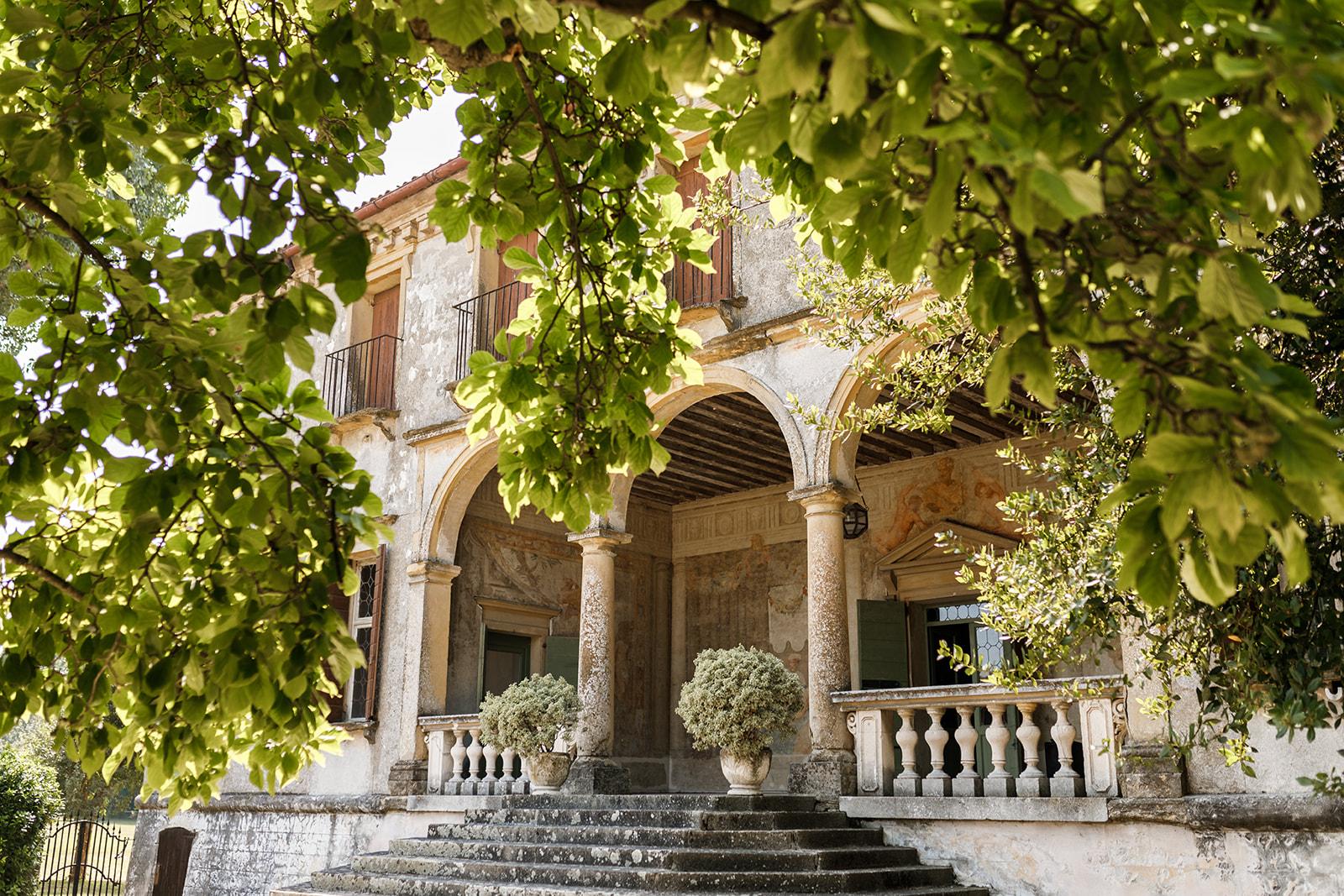
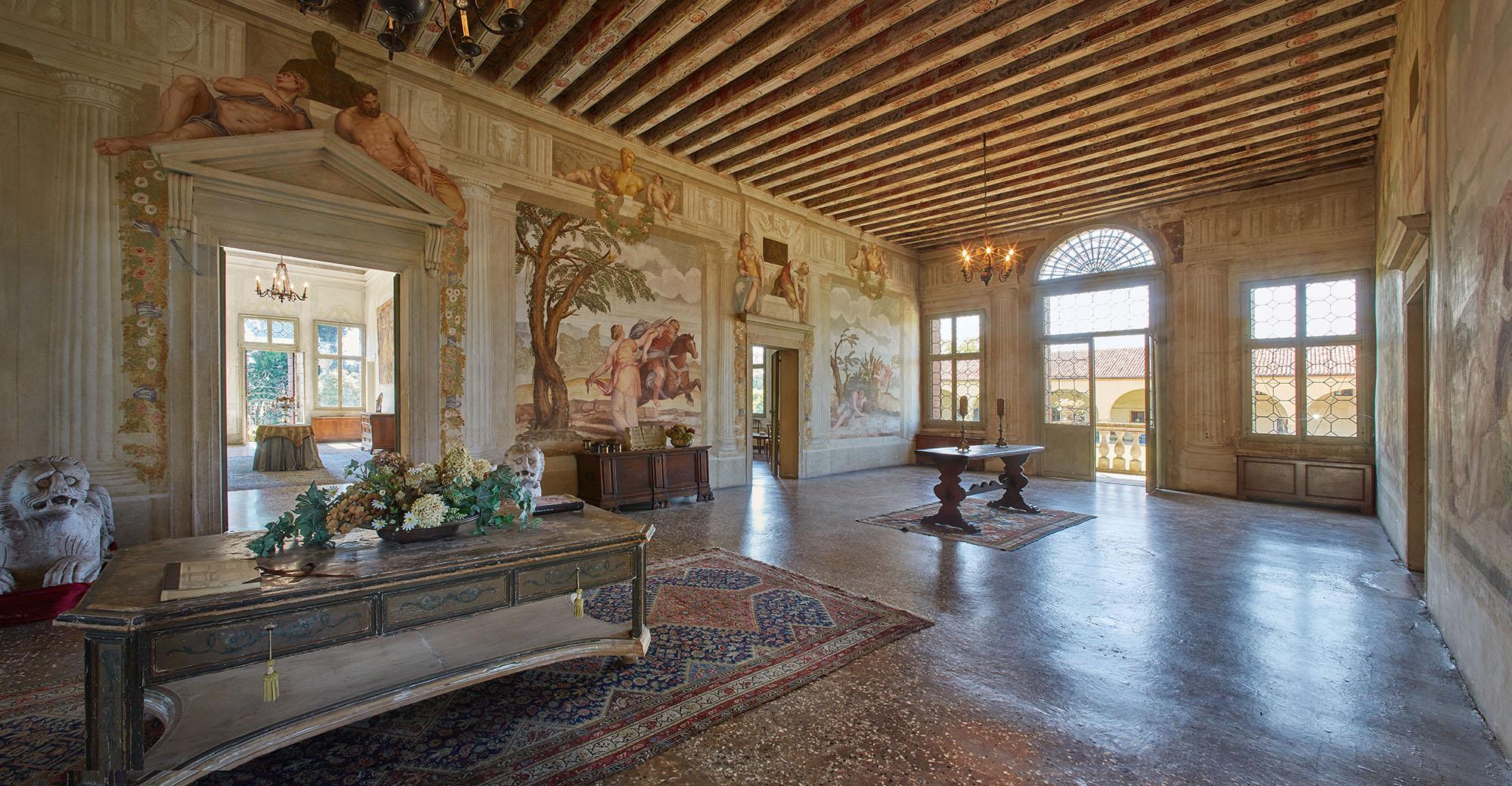
External staircases - of which only the one on the main façade has been preserved, otherwise altered from its original semicircular shape - lead to the passing hall on the mezzanine floor. The walls and ceiling are entirely frescoed with faux architecture and bold perspective breakthroughs.
From the two large side rooms, also richly decorated in monochrome, two mirrored staircases lead directly to the main floor. Here opens spacious and sumptuous the ballroom lit by the central triple lancet window. This room, too, is entirely decorated with 17th-century frescoes, interrupted on the smaller sides by small loggias reserved for the orchestra.
The privately owned palace is currently not available for public use, however, negotiations are underway aimed at restoring it to its former glory.