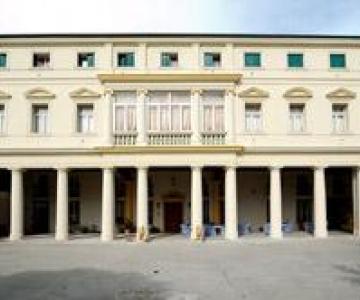
The National Archaeological Museum of Adria constitutes a stop for understanding the history and vitality of Adria and its territory.
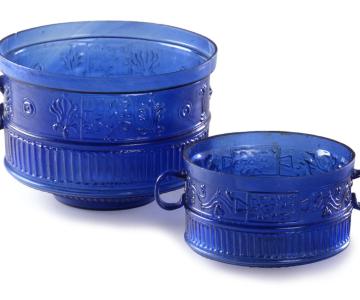
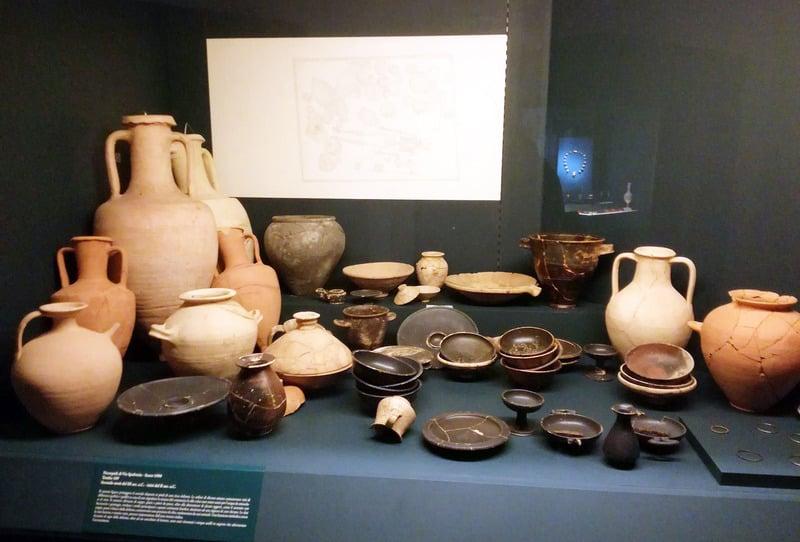
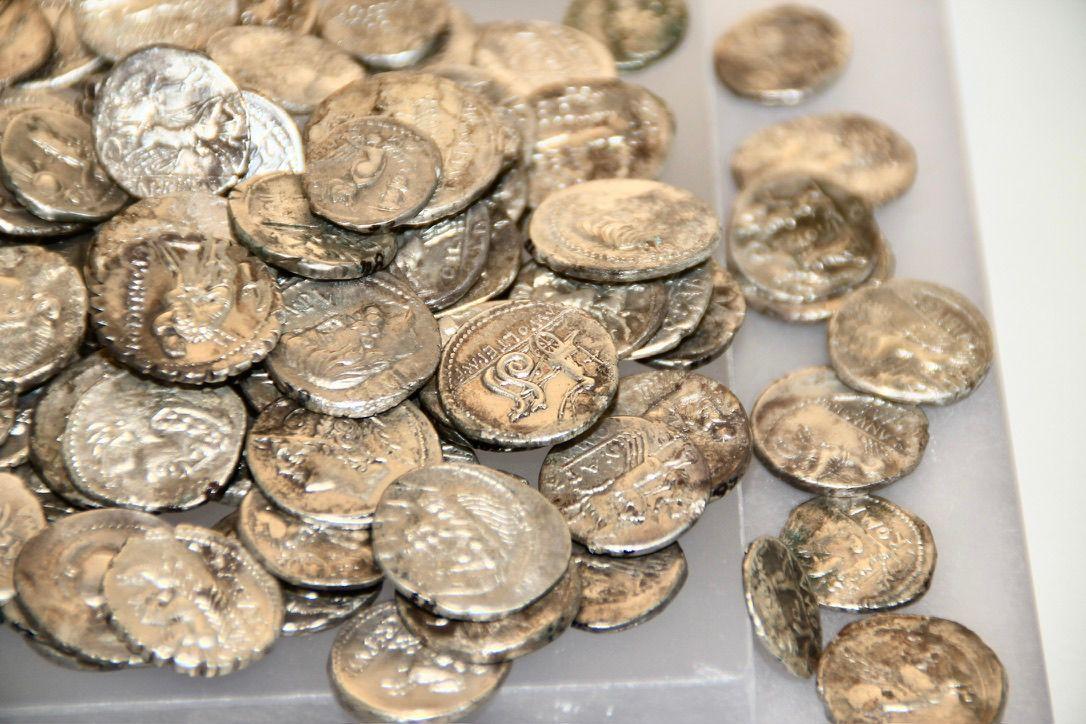
The museum showcases a wide selection of archaeological finds from the ancient port city of Adria, which was the main Etruscan center in northern Italy and later a Roman municipality.
The first floor is dedicated to the theme of the formation of the city and the development of settlements in the Po Delta starting from the 6th century BC by the Veneti, Greeks, and Etruscans.
The raised floor is entirely dedicated to the Roman age, with the exception of two small concluding sections: the first on the Early Middle Ages, and the second on documents related to the formation of the Bocchi collection. An indispensable corollary to the new section is the Lapidary, set up since 2006 in the cloister of the Museum, which presents important aspects of Adria's society in the Roman age derived from the interpretation of inscriptions on funerary monuments.