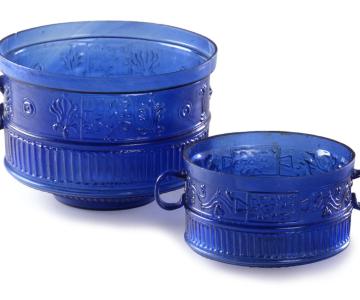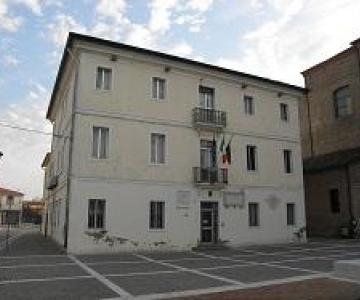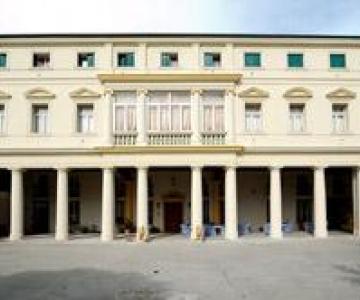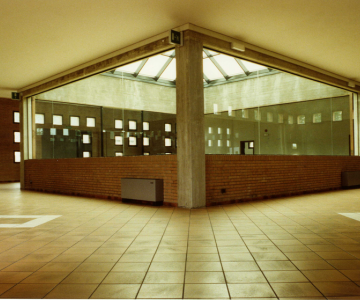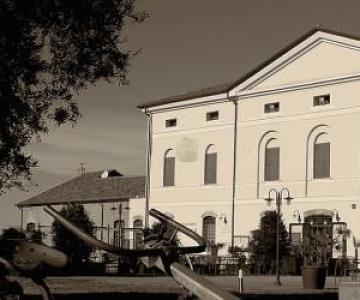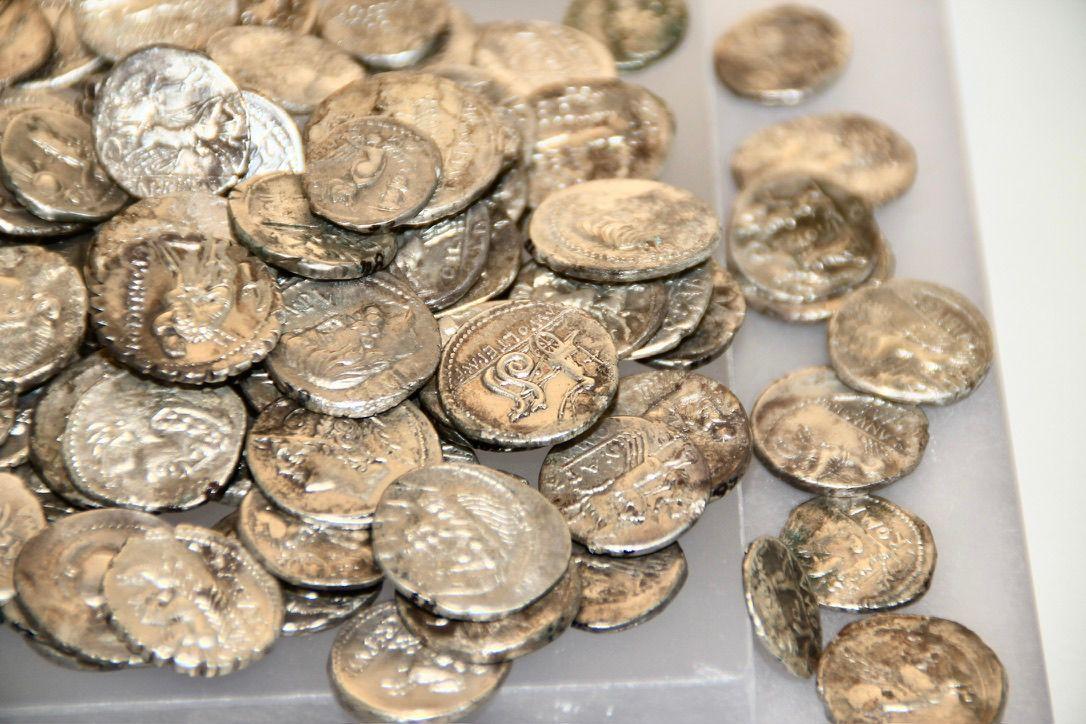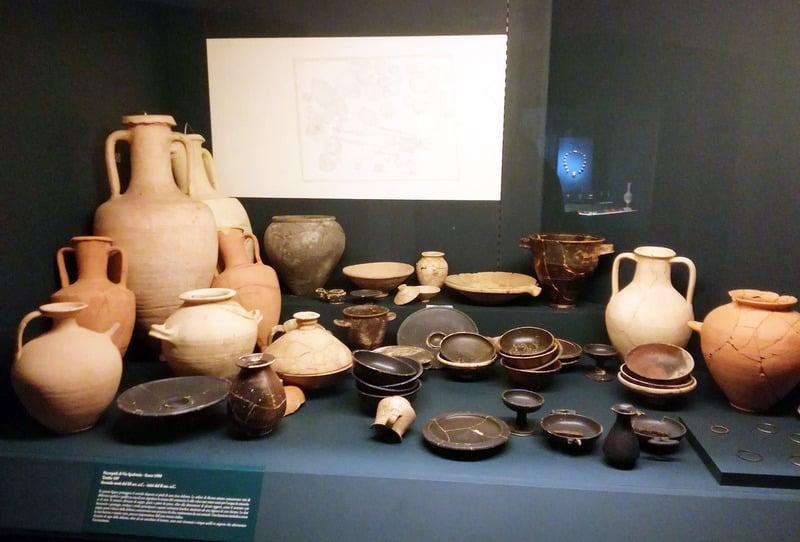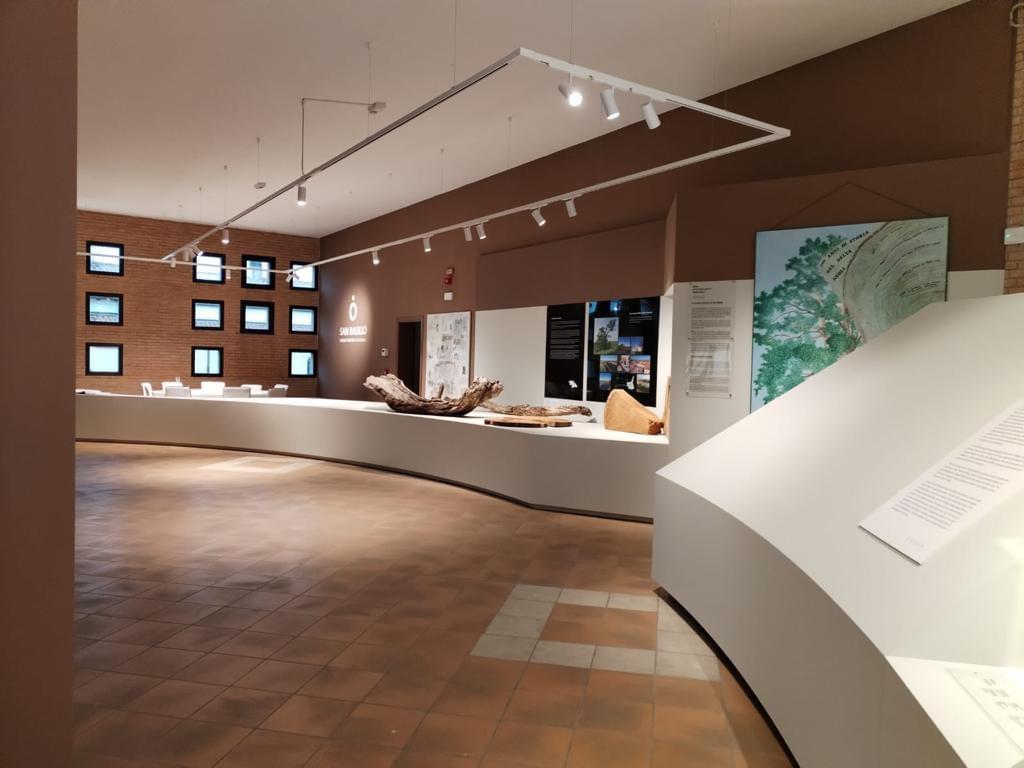


The National Archaeological Museum of Adria was opened to the public in 1961 and it preserves the finds from the Bocchi Collection and from the pre-Roman and Roman archaeological areas discovered in the surroundings of the city.
The idea of setting up a domestic museum to be visited came from Francesco Girolamo Bocchi, who began recording the names of visitors in 1787: among the guests stand out the archdukes of Austria, Francis Charles with his wife Sofia of Bavaria, and Theodor Mommsen, famous German epigrapher. Francesco Antonio Bocchi, following his appointment as Inspector of Excavations and Findings of Polesine, undertook the excavations where the museum stands today, recovering Etruscan and Roman finds. The new headquarters was built between 1956 and 1957, consisting of the building designed by the architect Giambattista Scarpari and located in the public garden in front of the entrance to the Civil Hospital. In July 1961 the finds were transferred to the new structure and the exhibition apparatus was prepared, which led, on 17 September of the same year and on the occasion of the celebrations for the centenary of the Unification of Italy, to the inauguration of the new Civic Museum. On 1 February 1972, the Minister of Public Education, as the last formal act, decreed the establishment of the National Archaeological Museum of Adria.
The museum is divided into 10 sections:
1. Etruscan Adria and its territory from its birth to the characteristics of the town
2. The archaic and classical age burials, between the 6th and 4th centuries BC
3. Adria in the 3rd century BC; changes in daily life
4. The burials of the 3rd century BC (the tomb of the chariot)
5. Adria and its territory in the age of Romanization (from the 2nd to the 1st century BC), evidence from the town center and burials
6. Adria in the imperial age: the development of the city
7. The imperial age necropolises
8. The lapidary
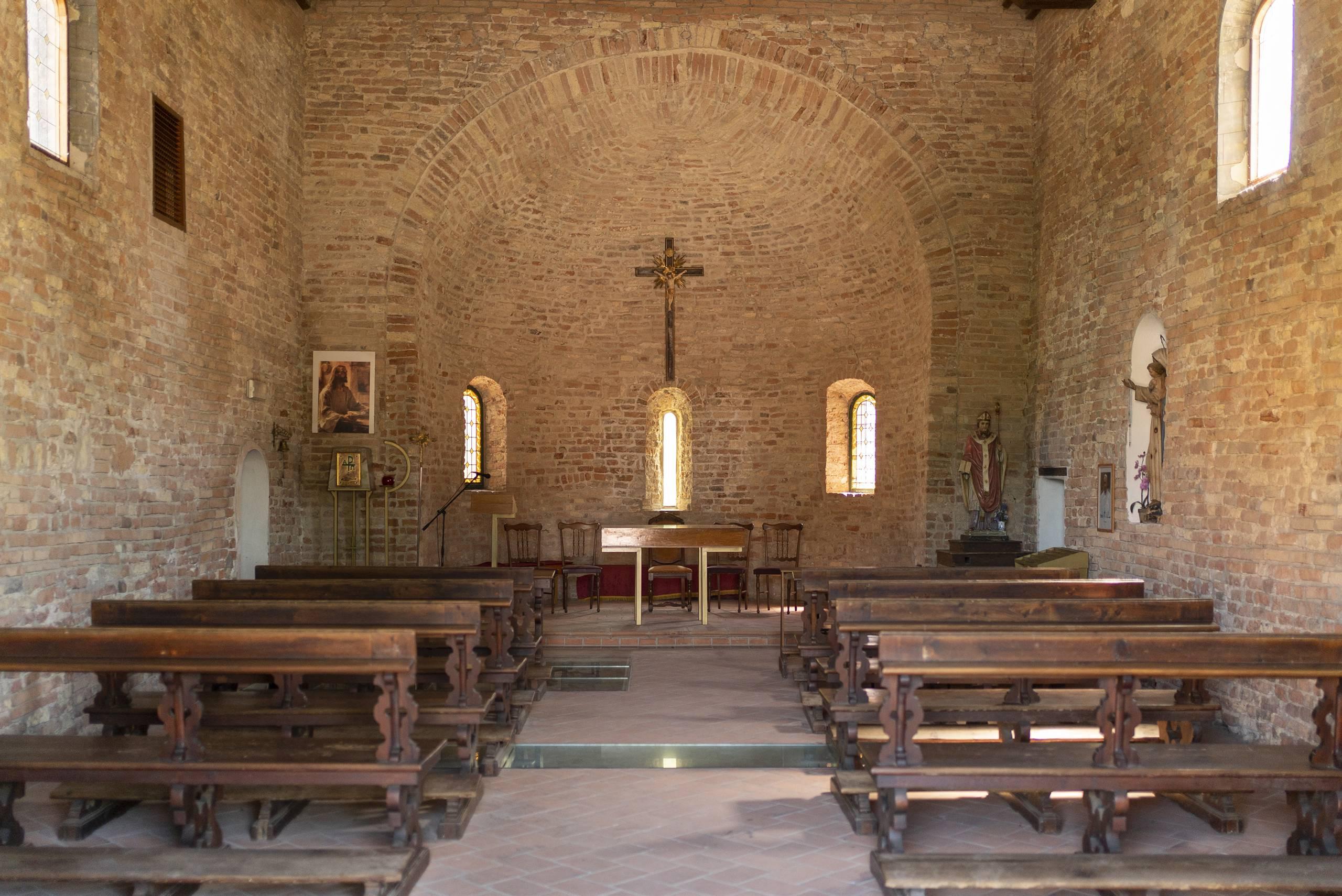
9. The territory: Corte Cavanella di Loreo and San Basilio di Ariano nel Polesine
10. Adria between Late Antiquity and the Middle Ages and the research work of the Bocchi family in Adria