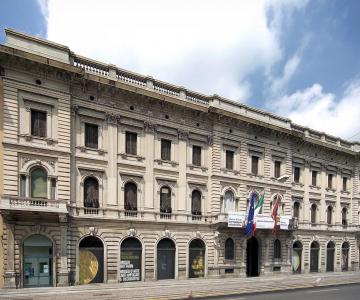
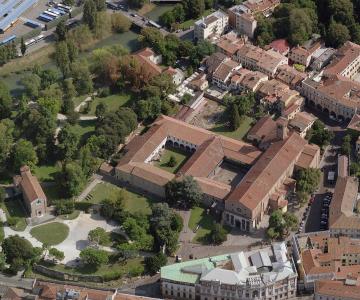
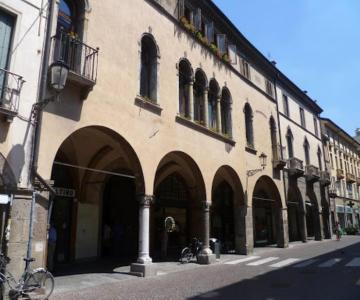
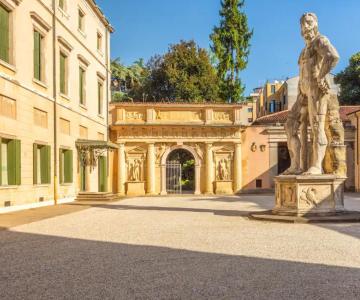
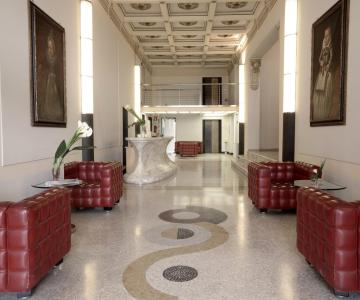
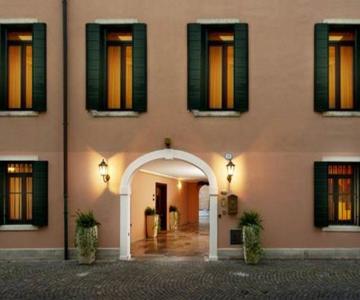
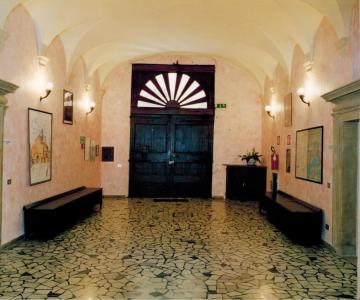
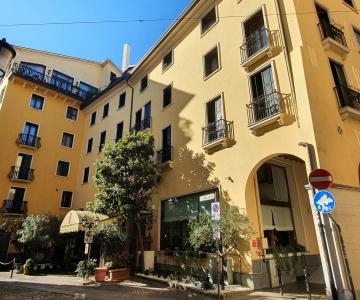
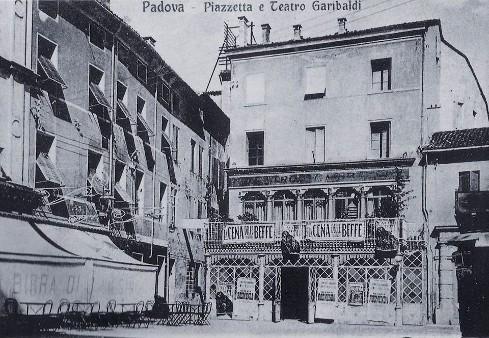
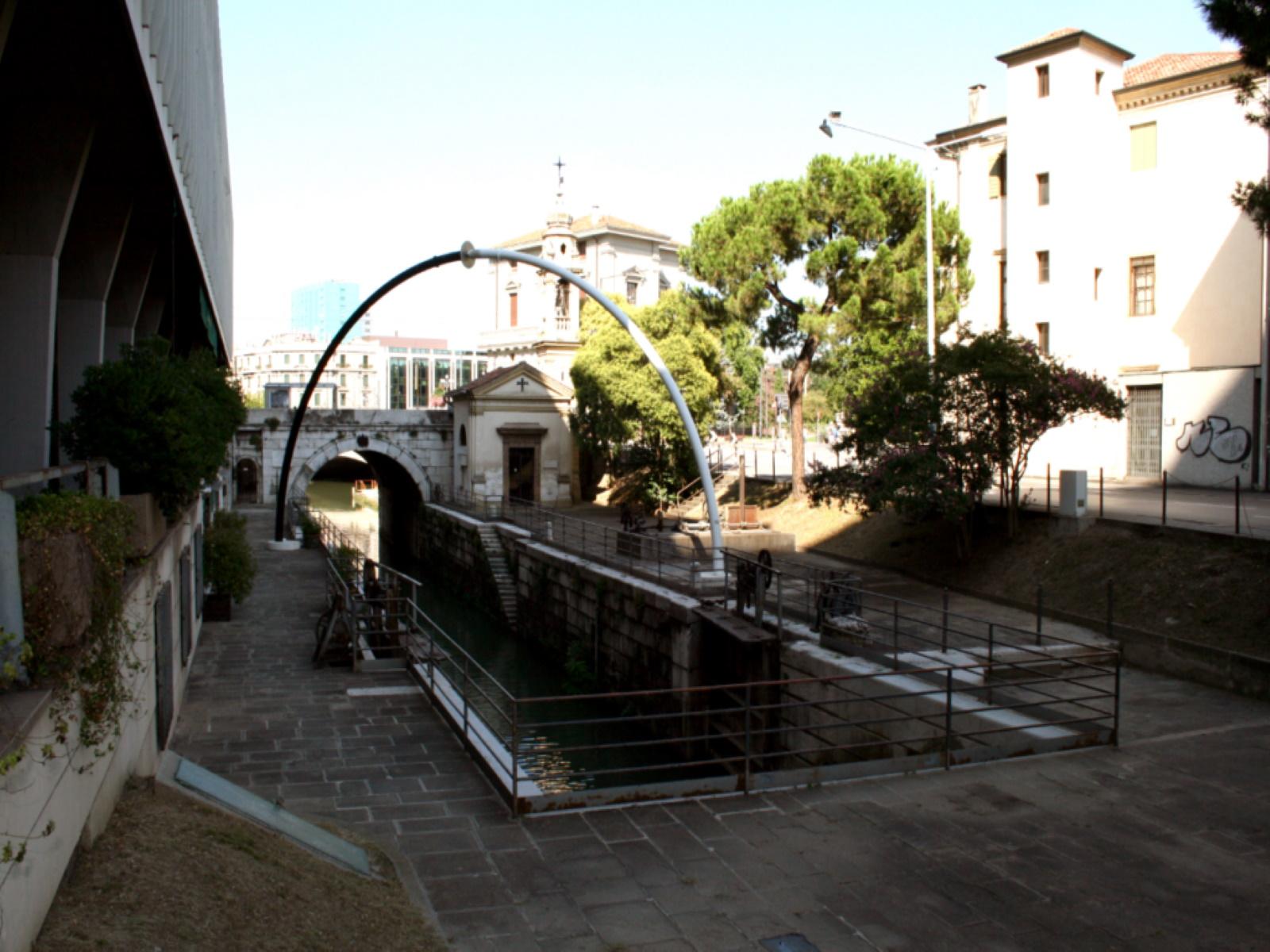
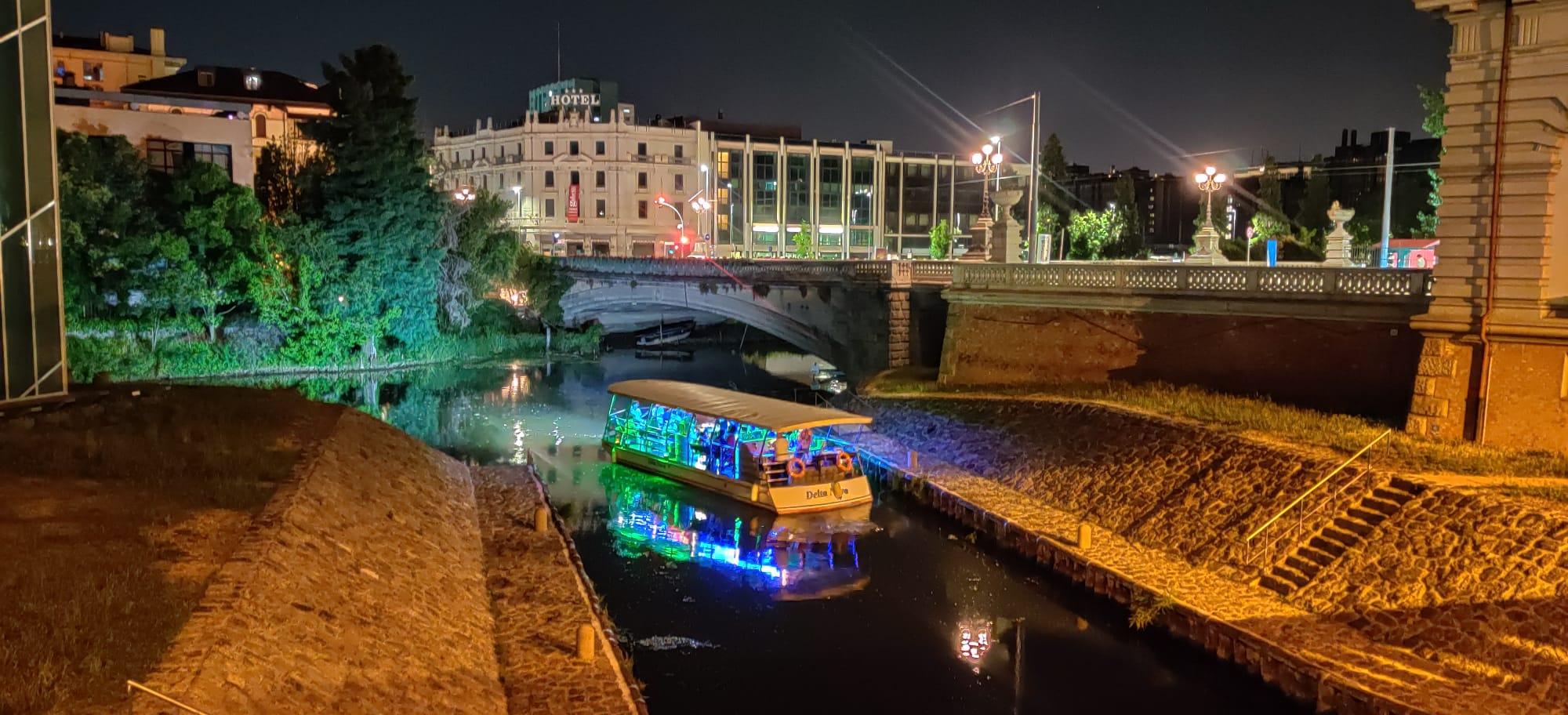
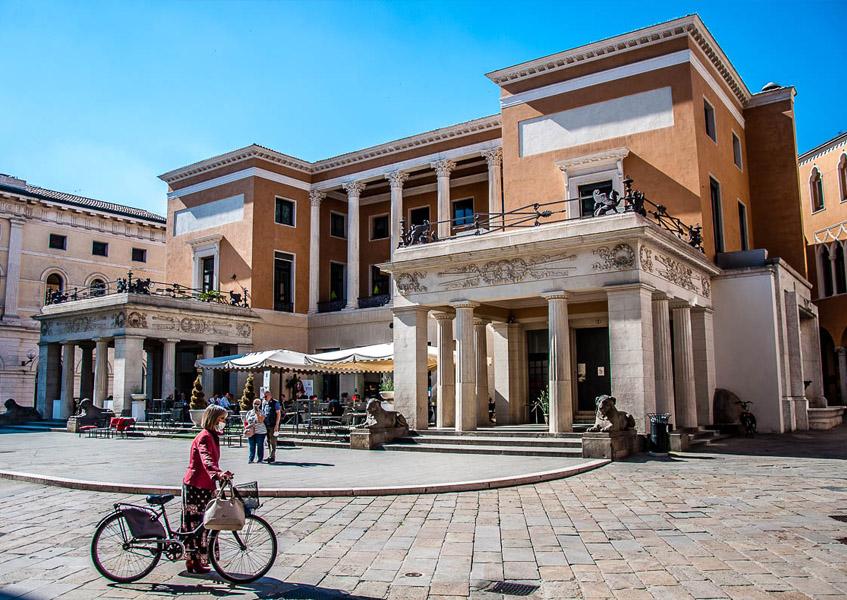
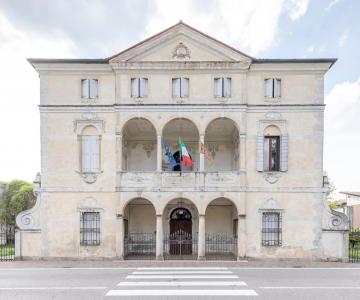
Built in the years 1912-19I4 by the Milanese architect Arosio, the palazzo is in a nineteenth-century style and was commissioned by the industrialist Enrico Zuckermann. Standing on the new street that ran direct from the train station to the city centre, it is a symbol of the new middle-class city as it emerged at the end of the nineteenth/beginning of the twentieth century.
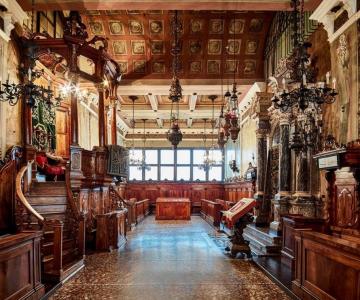
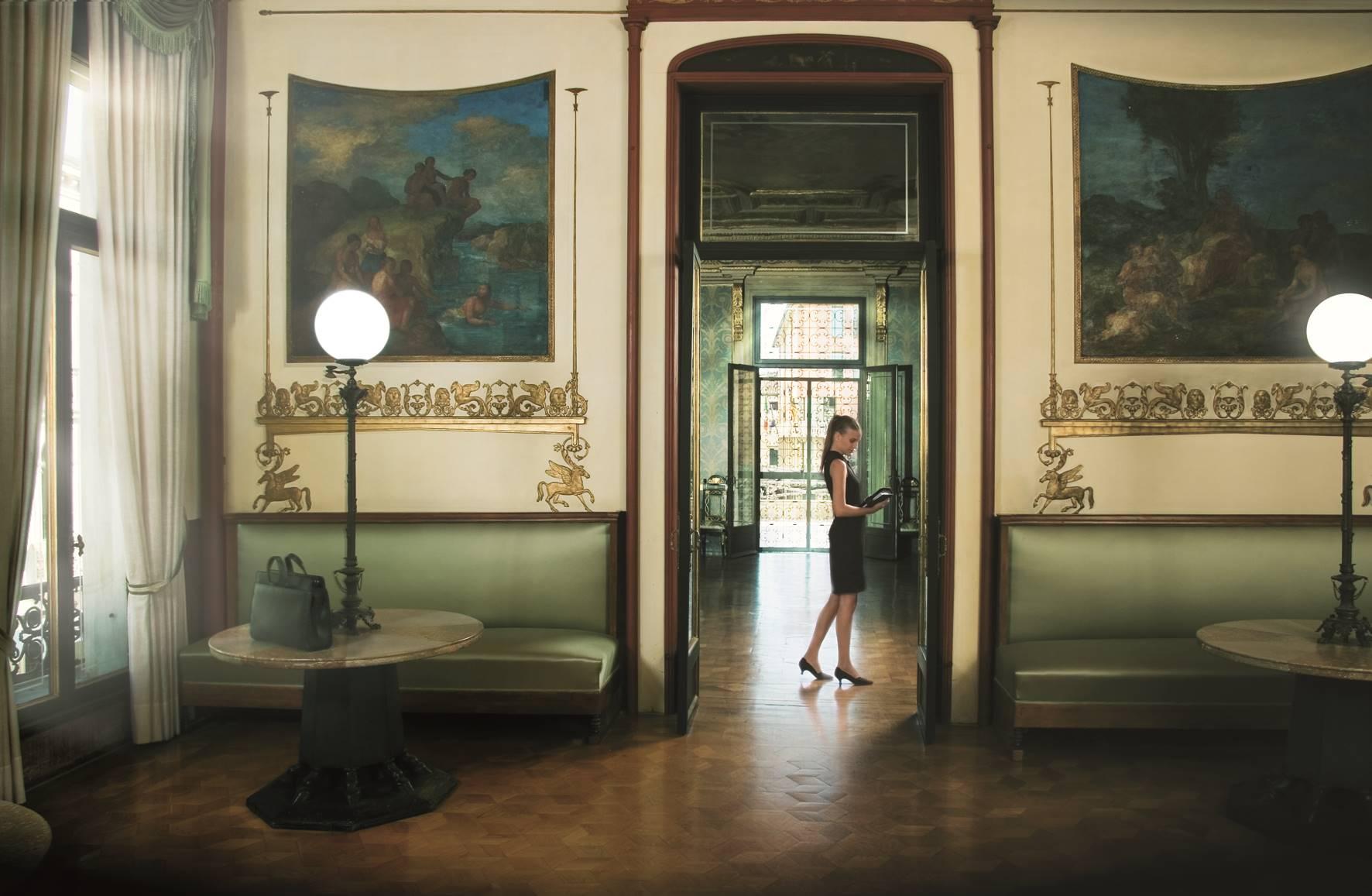
On the first floor is the Museum of Applied Arts, with the Museo Bottacin on the second. The over two thousands objects in the Museum of Applied Arts come from the vast collections of the Museum of Medieval and Modern Art: glassware, intaglio-work, ivories, ceramics, textiles, jewellery and furniture, all illustrating the different types of product in use in Padua. Atmospheric recreations of contemporary interiors evoke the atmosphere of life at various periods in history, enabling visitors to appreciate how tastes evolved and how the different areas of manufacture influenced each other.
The Museo Bottacin provides an effective setting for the collections put together by Nicola Bottacin, a wealthy merchant who left his entire legacy of coins and works of art to Padua in 1865. The collections had taken form in Trieste around the middle of century, and the Museum interiors reflect the interiors of Bottacin’s villa in that city: to adorn that house, which he had had built in an eclectic style typical of the nineteenth century, Bottacin had amassed a wide array of paintings, furniture, sculpture, Chinese ceramics, antique weapons and other works. The museum layout is divided into two parts: one focuses on the works of art, one is dedicated solely to numismatics.


Palazzo Zuckermann
Corso Garibaldi, 33 , Padova - 35137
- Contacts
- Opening
- From 2022/01/01 h. 10:00 To 2023/12/31 h. 19:00 - Tuesday, Wednesday, Thursday, Friday, Saturday, Sunday
- Links
TAKE ME HERE: Corso Garibaldi, 33