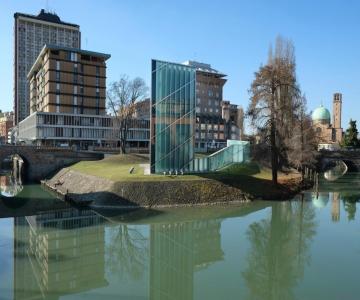
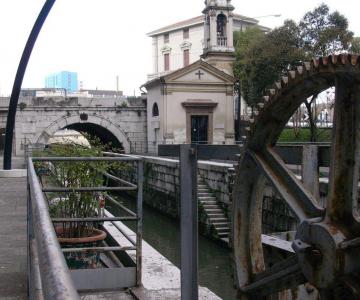
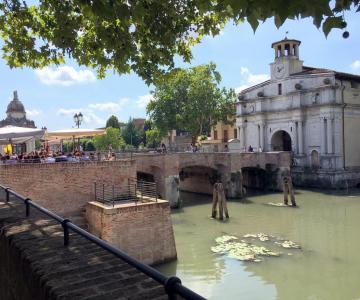
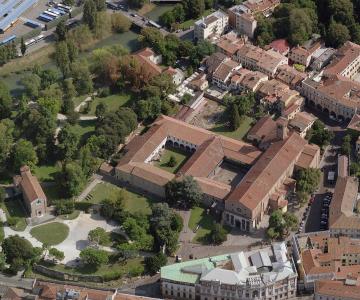
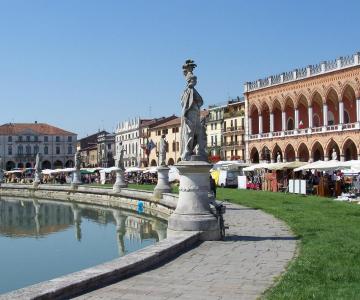
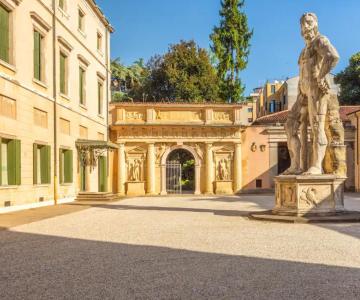
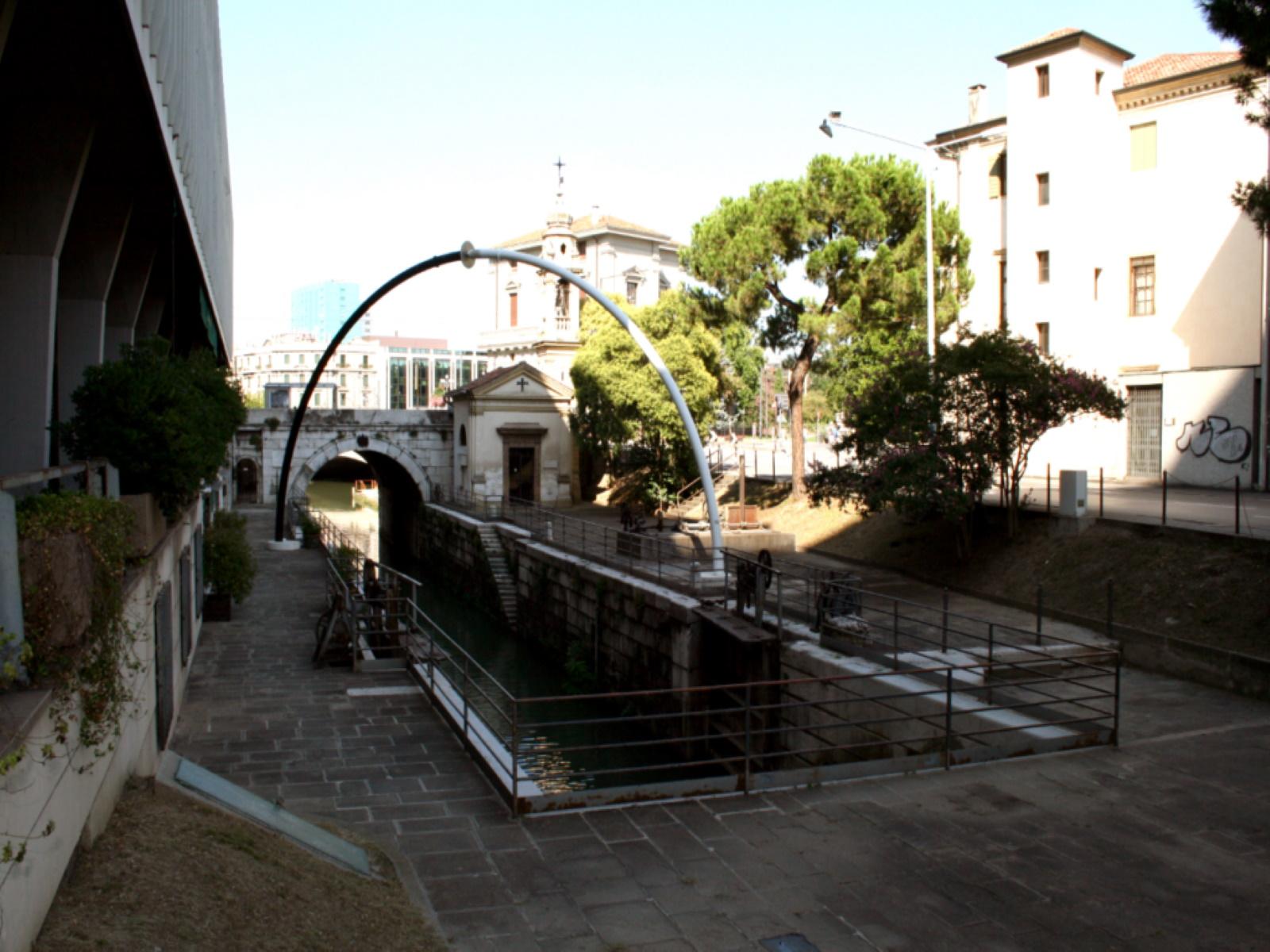
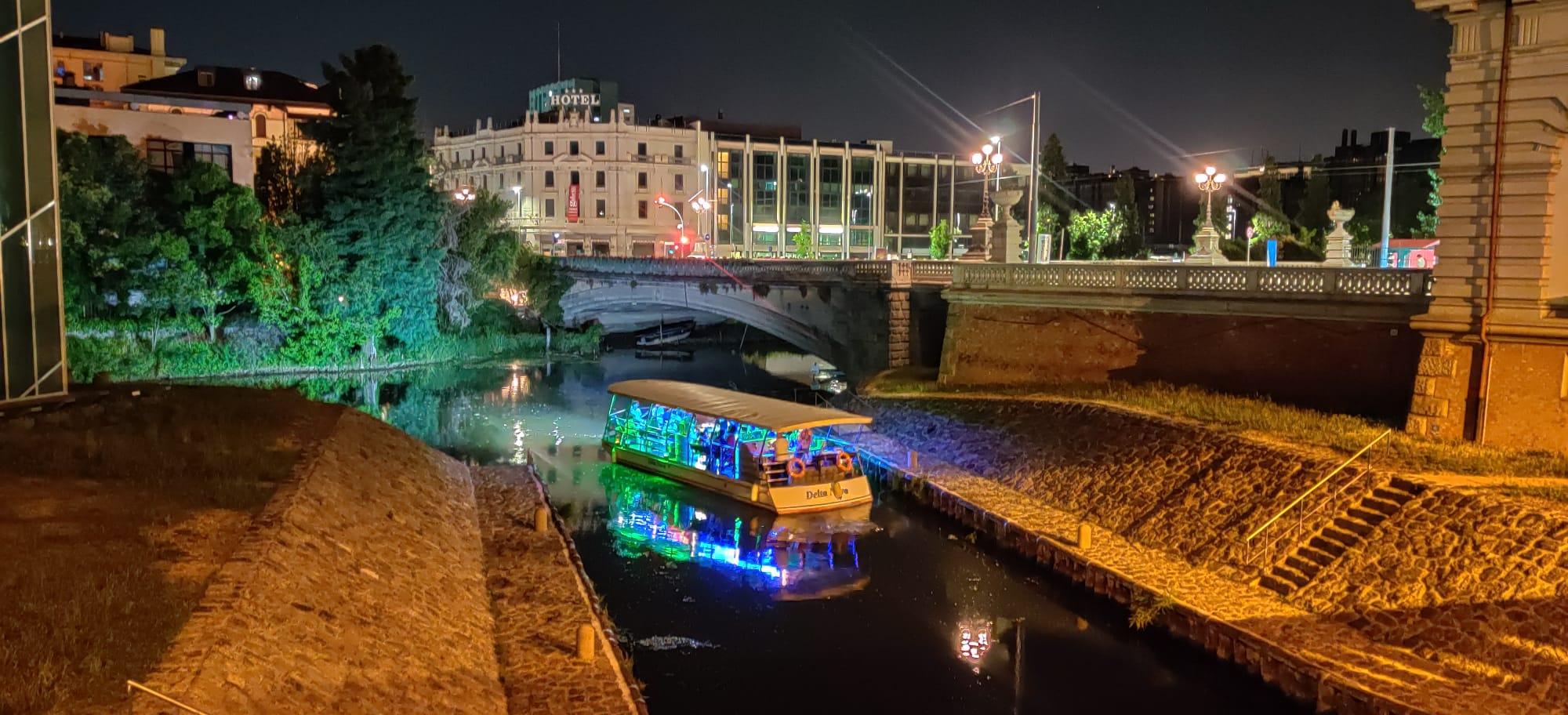
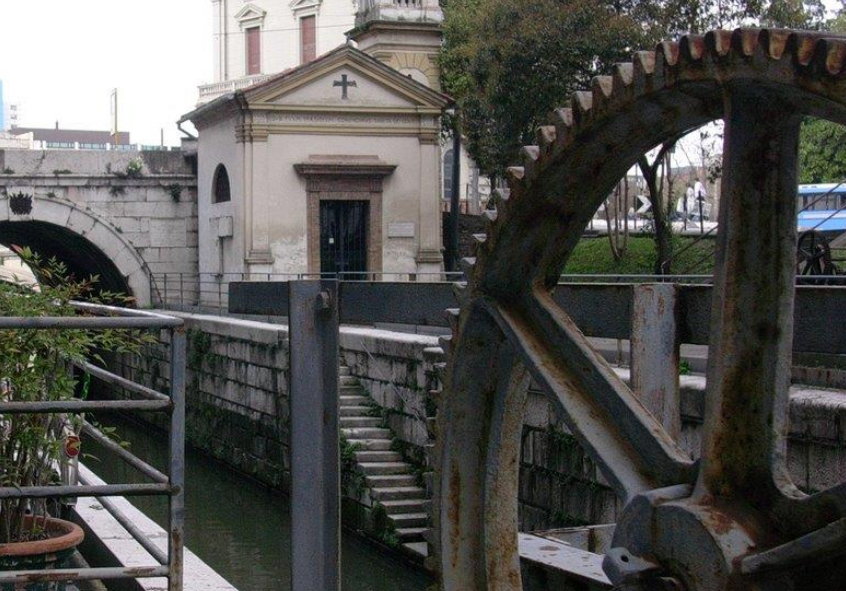
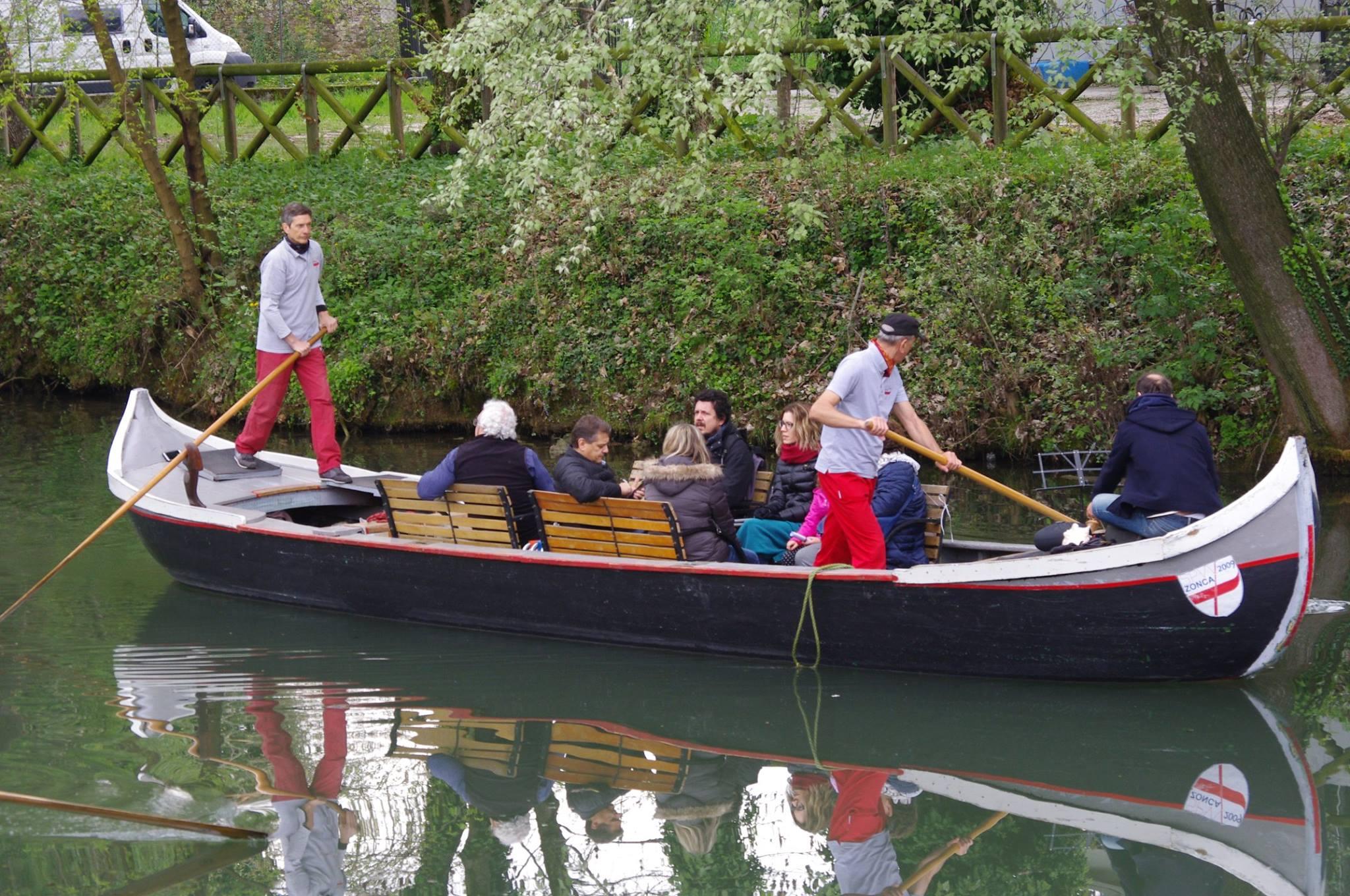
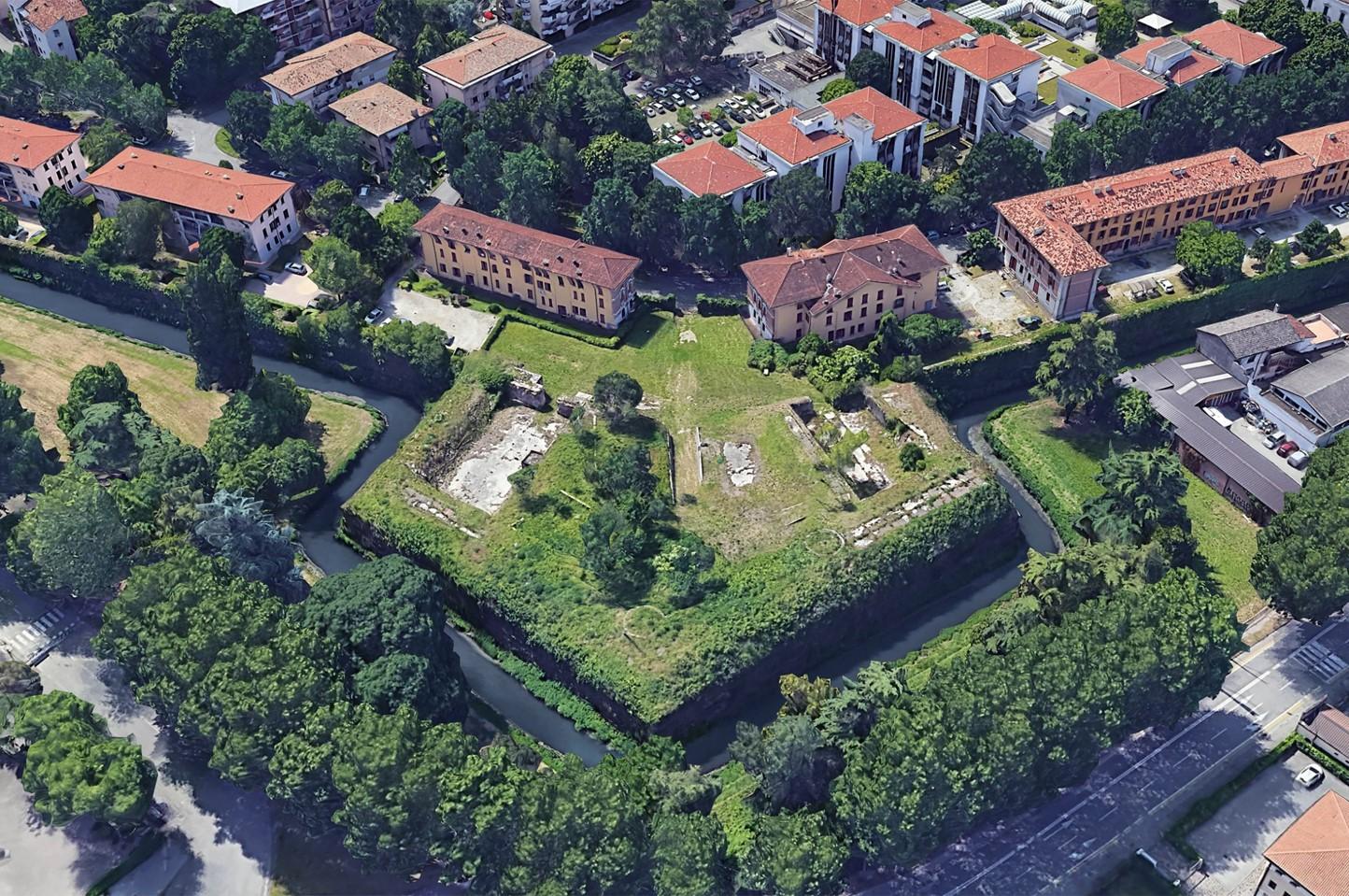
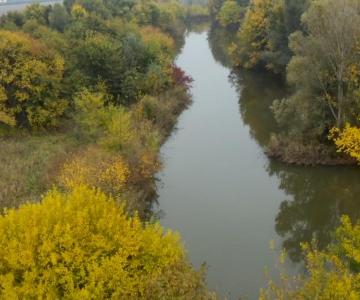
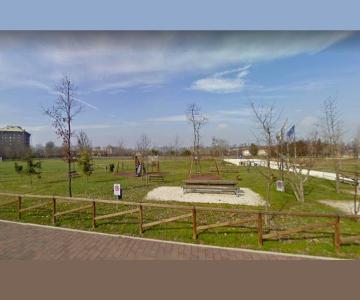
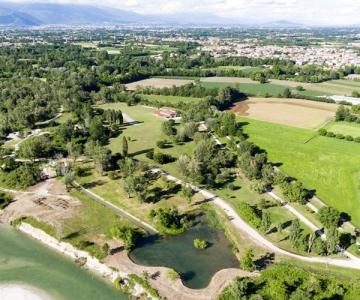
The Arena Public Gardens occupy an area that is bound on one side by Corso Garibaldi, on another by Via Porciglia, and another by the main stretch of the river Bacchiglione. On the water side of the Gardens there are the remains of the Arena Bastion, which was part of the old city walls; across from it you can still see the old Gasometer and the remains of the quay where boats once unloaded coal.
Within the Gardens themselves are the remains of the foundations of the Roman amphitheatre, which was built around the year 70 AD. The elliptical wall around the theatre is in blocks of limestone, and would have served as the base for the ramped seating inside. In size, the structure will not have been smaller than the Verona Arena, something which demonstrates the exceptional economic wealth of Padua at the time.
The theatre was known as an ‘arena’ because of the particularly fine sand (harena) which was sprinkled across the ground before gladiatorial combats.
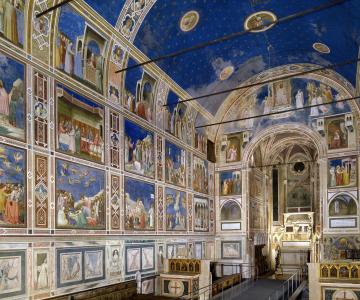
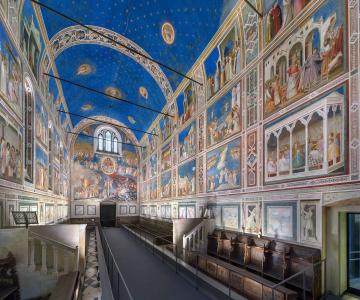
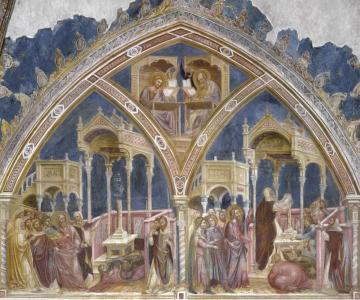
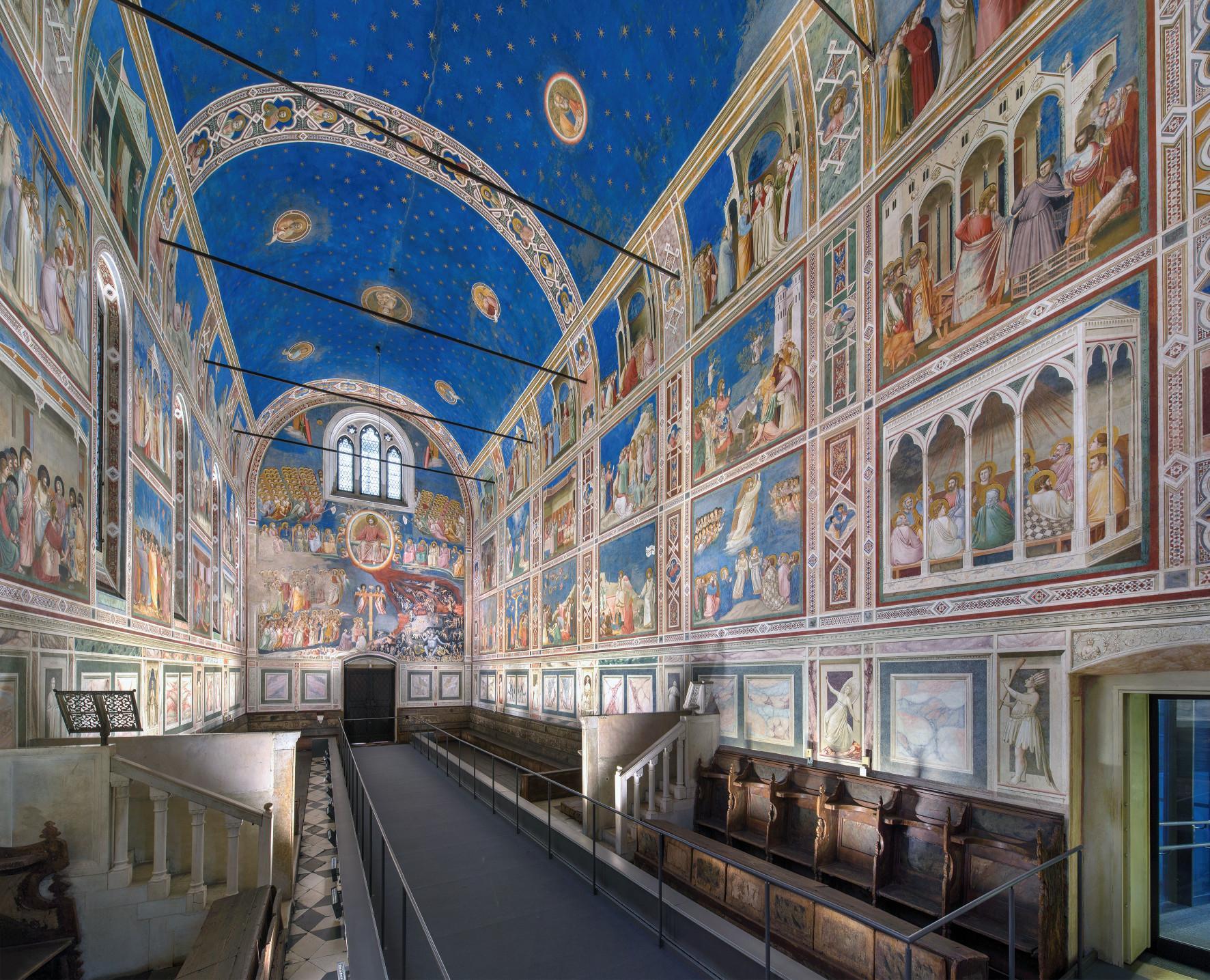
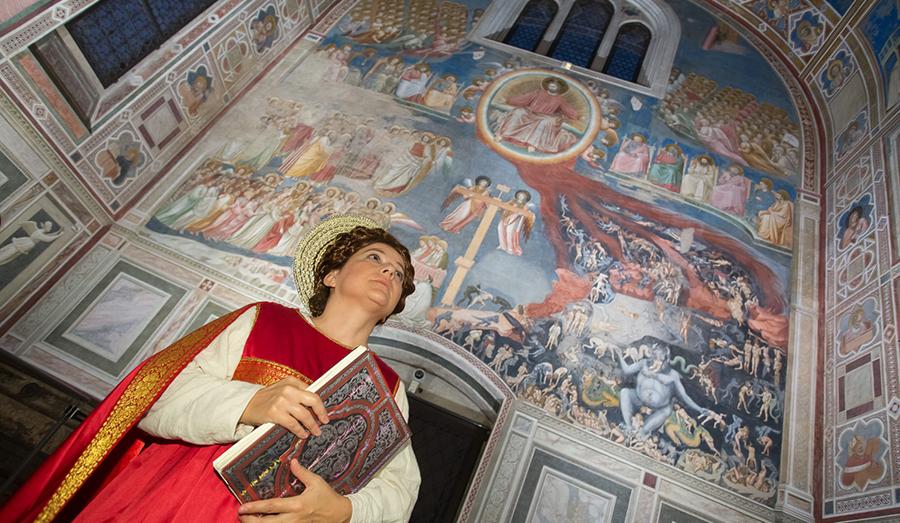
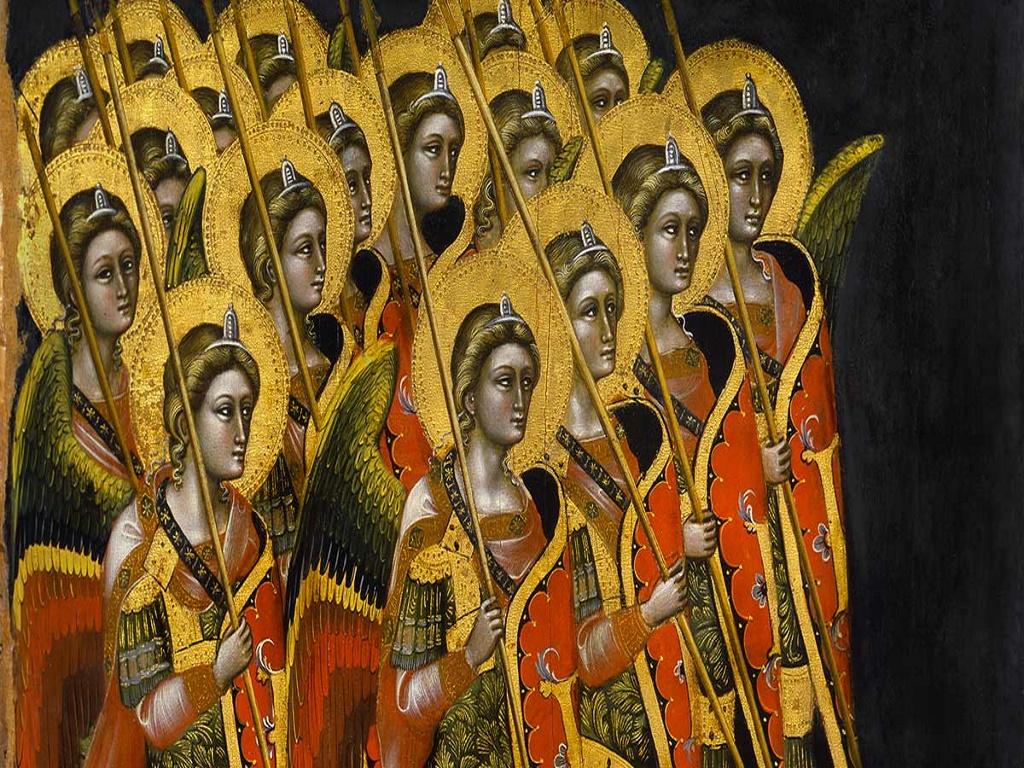
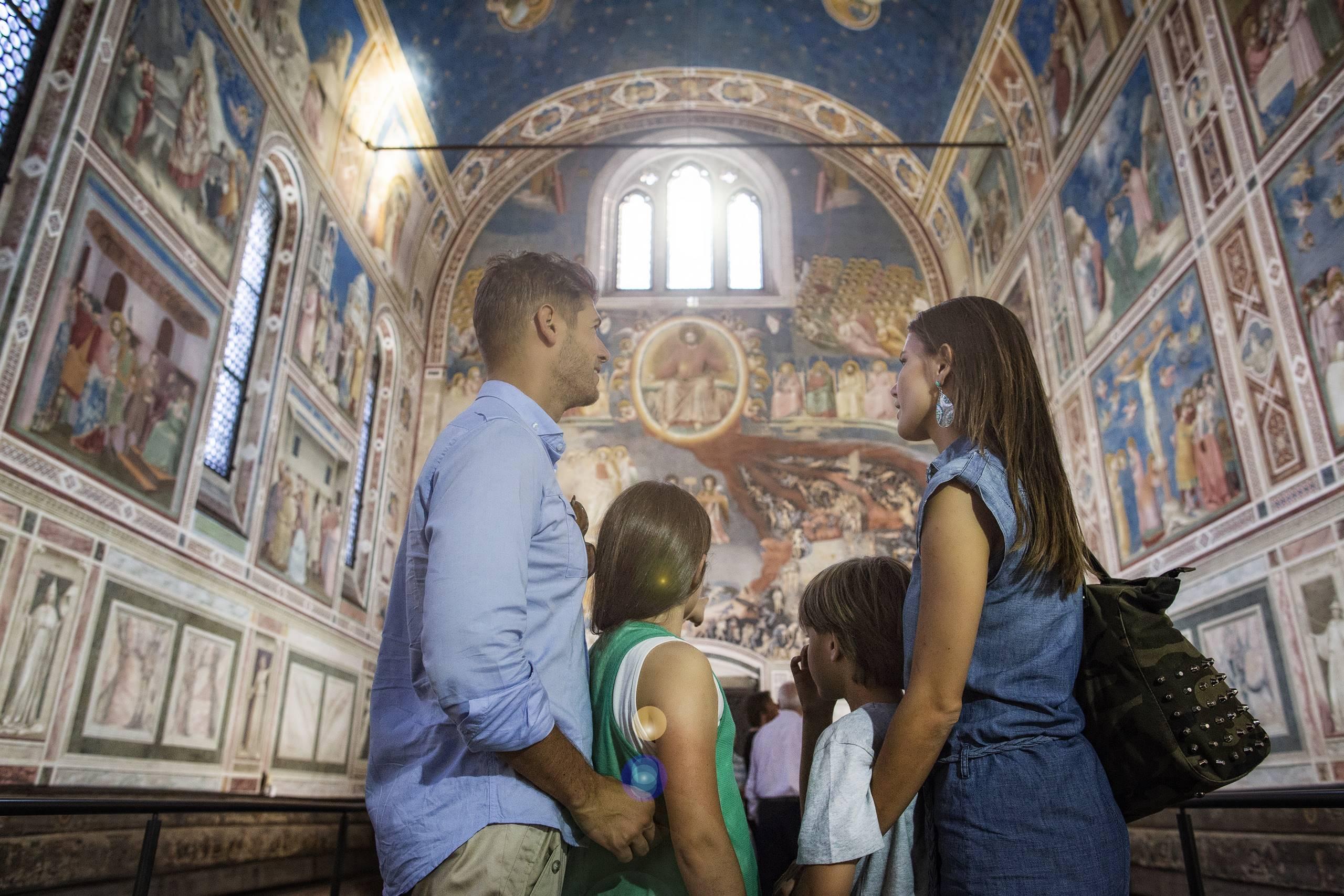
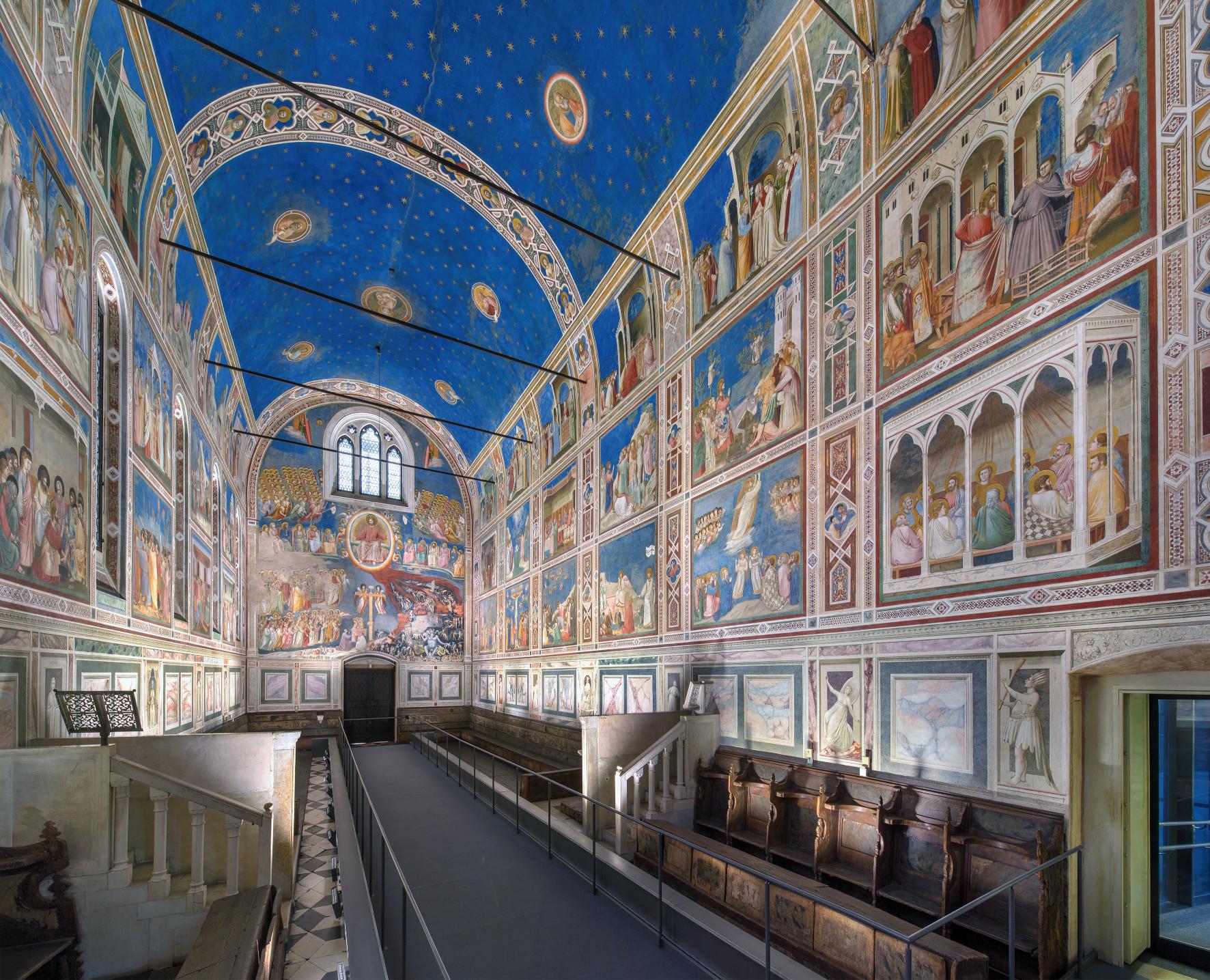
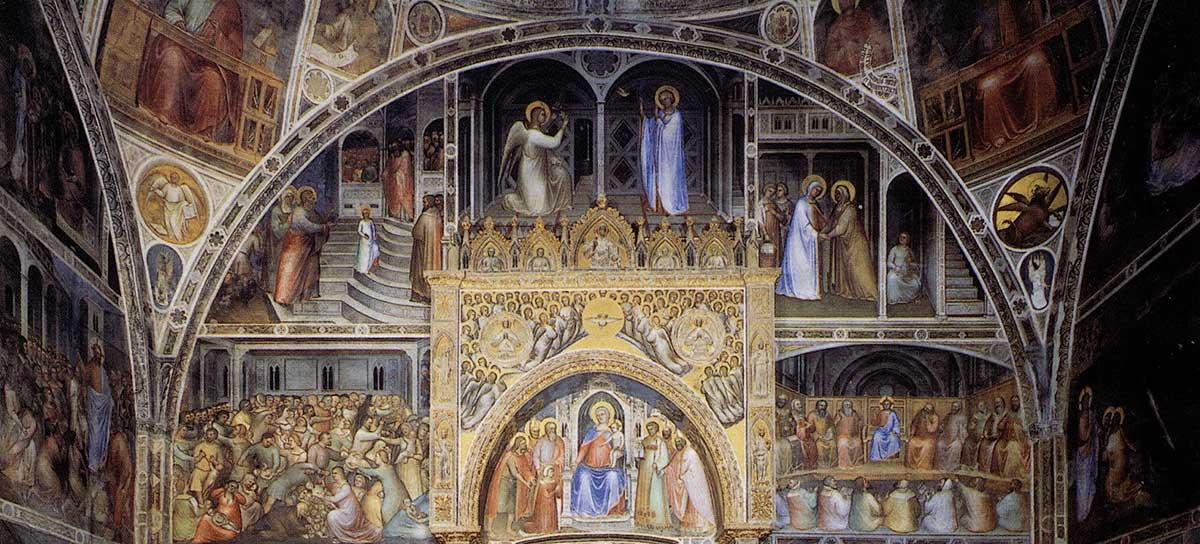
In the Middle Ages, the theatre was demolished, becoming a quarry for building stones. Later, the remains were purchased by the rich Scrovegni family, who had their family palazzo built on the site, along with the famous Chapel that still bears their name. In 1801 the palazzo was itself demolished, whilst the Chapel was acquired by Padua City Council in order to preserve the famous Giotto frescoes.
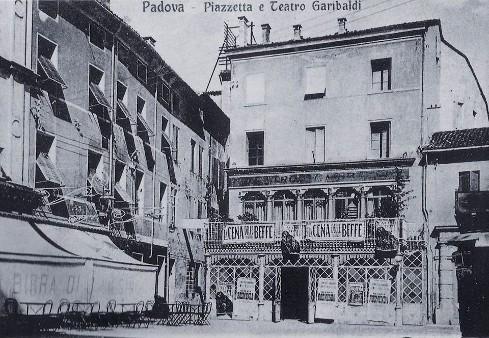
At the main entrance to the Gardens stands a marble monument to Giuseppe Garibaldi which is the work of Ambrogio Borghi.
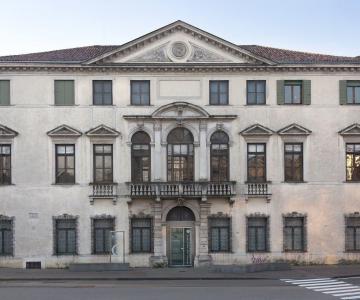
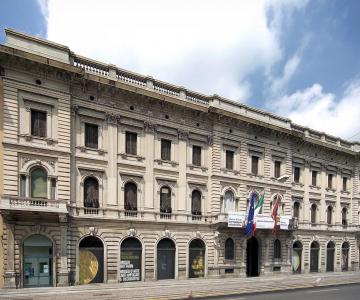
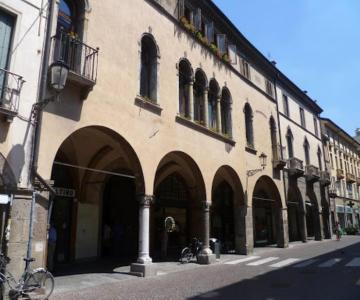
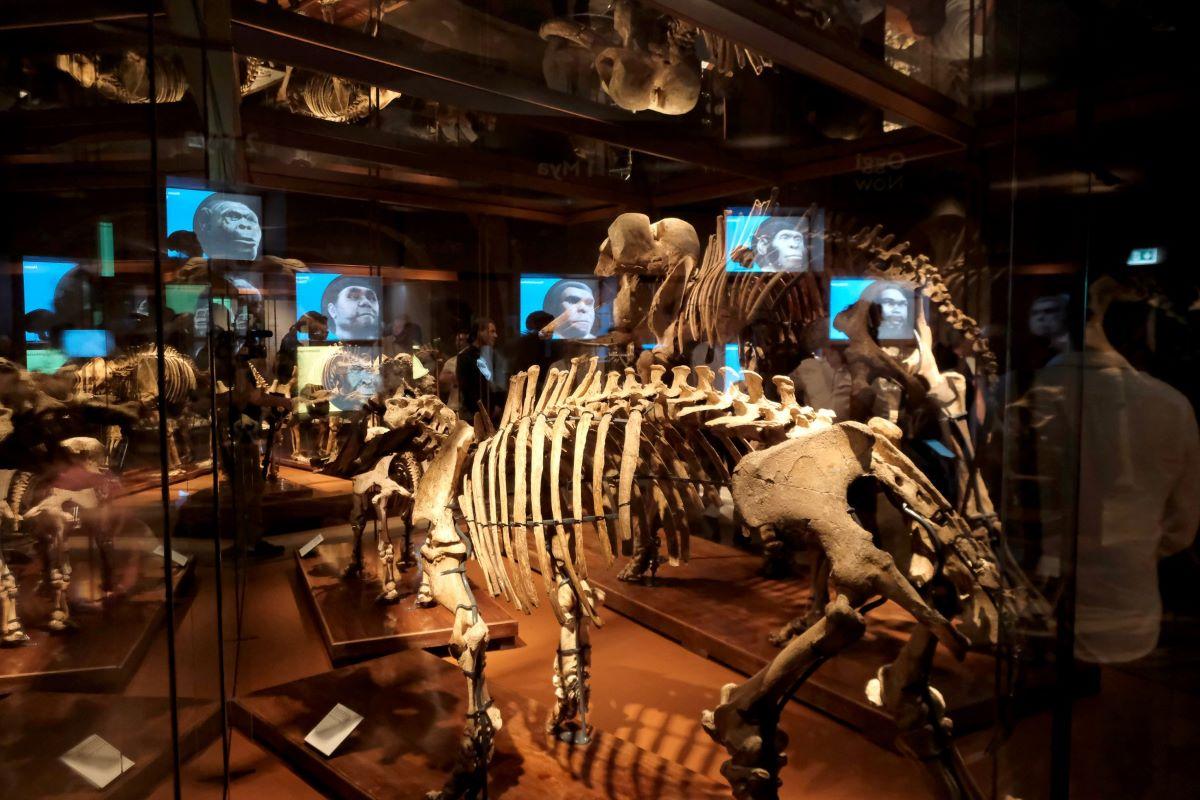
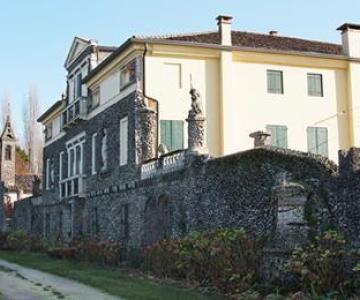
Opposite (on the other side of the road) is Palazzo Cavalli, which is now home to the Institute of Geology and the Geological Museum, while a little further on, towards the city centre, stands the Museum of Palazzo Zuckermann.


Giardini dell'Arena
Piazza Eremitani, 8 , Padova (PD) - 35121
- Contacts
TAKE ME HERE: Piazza Eremitani, 8