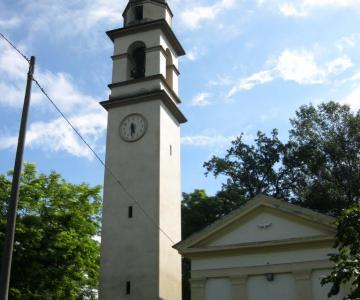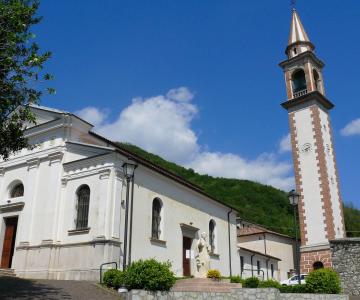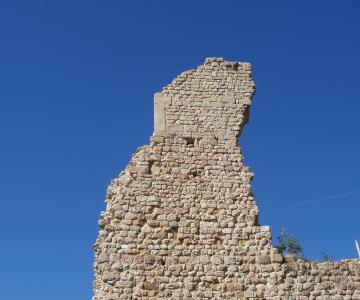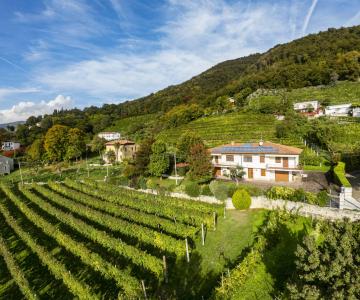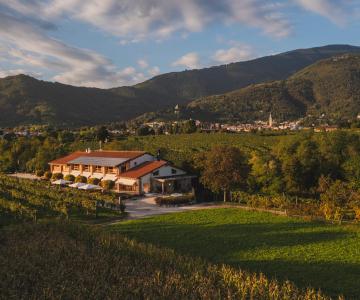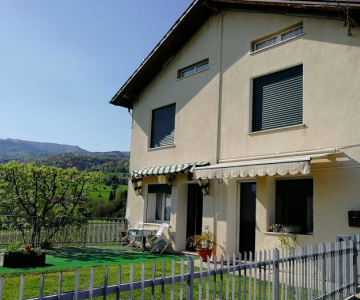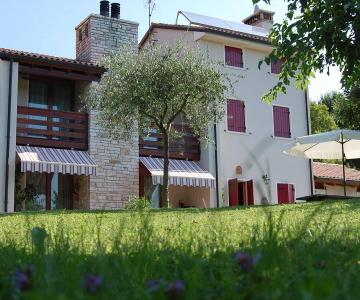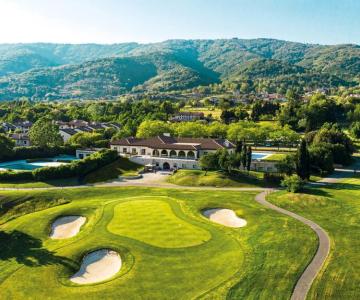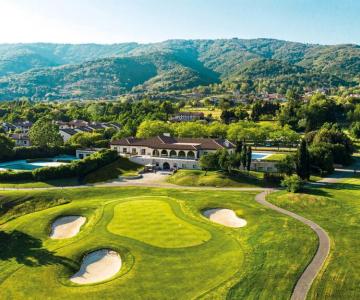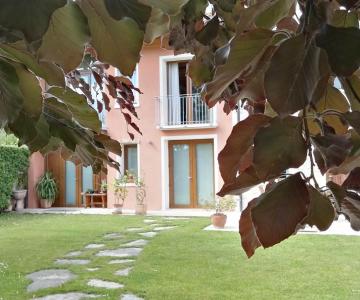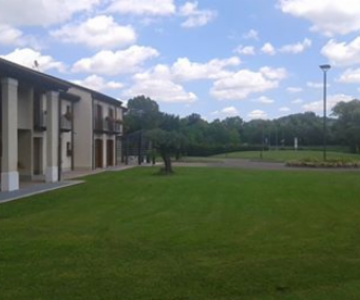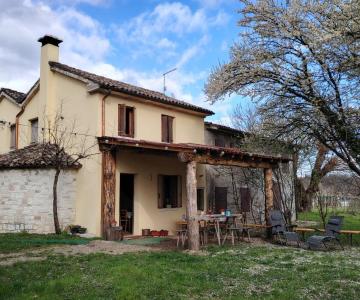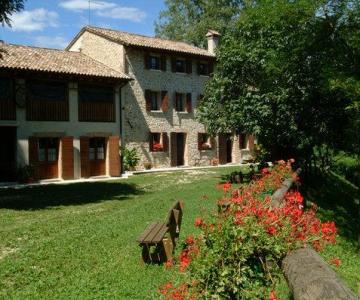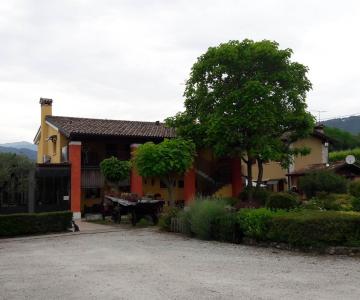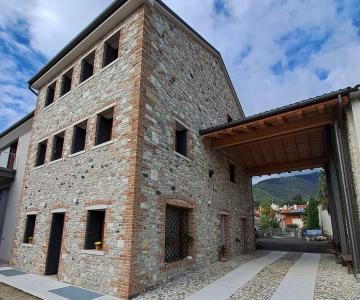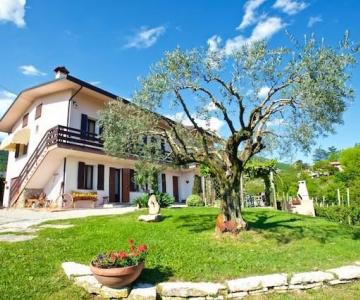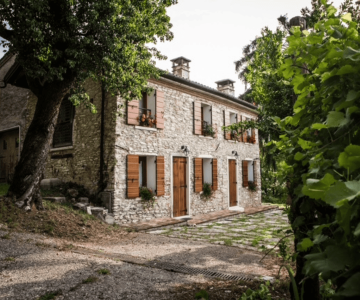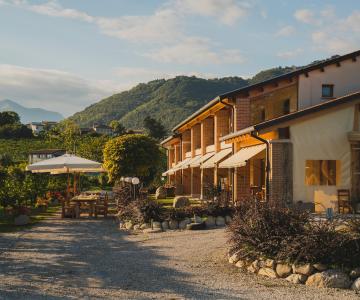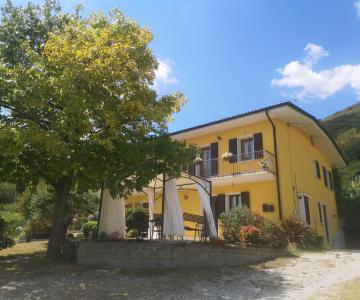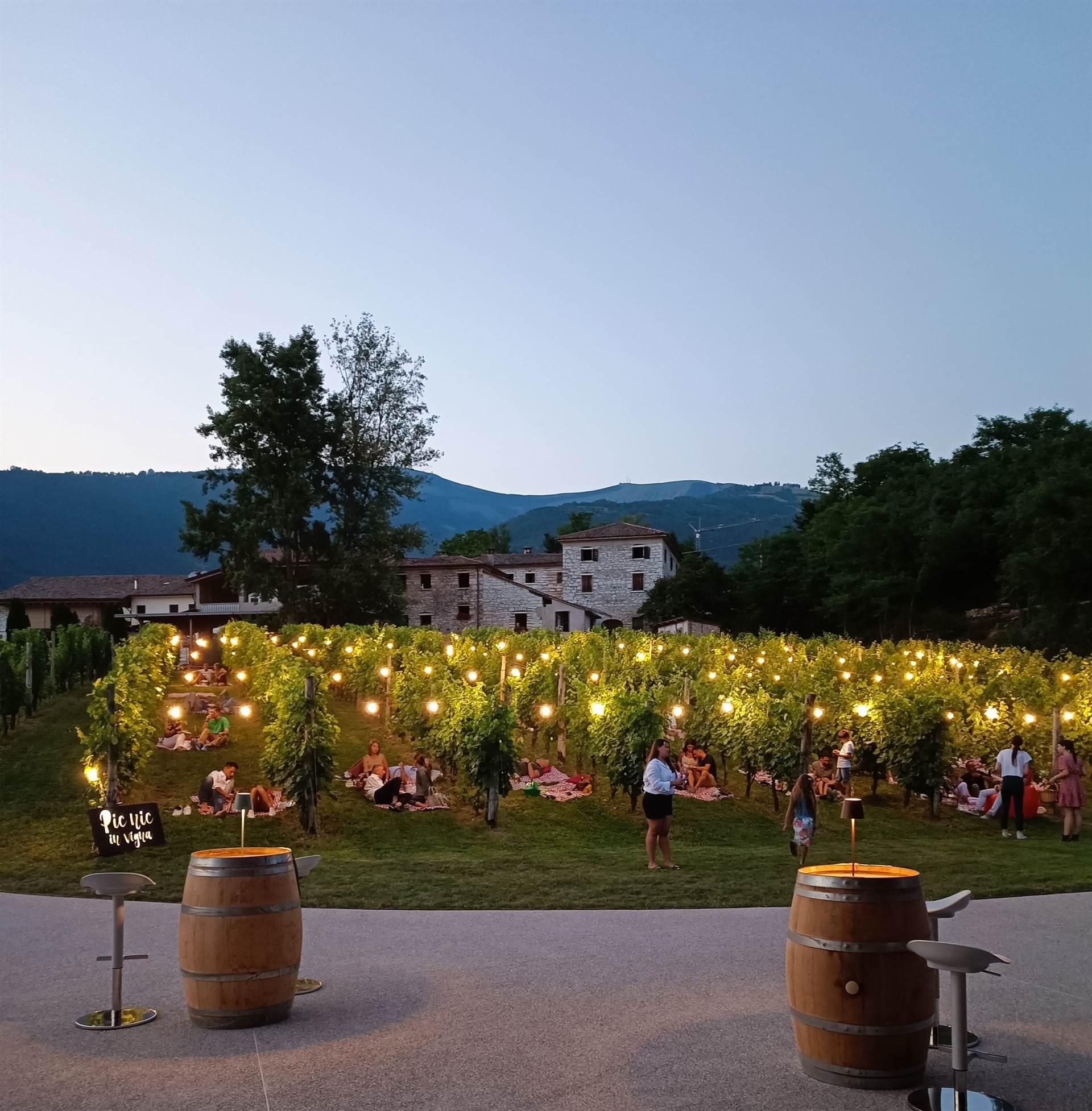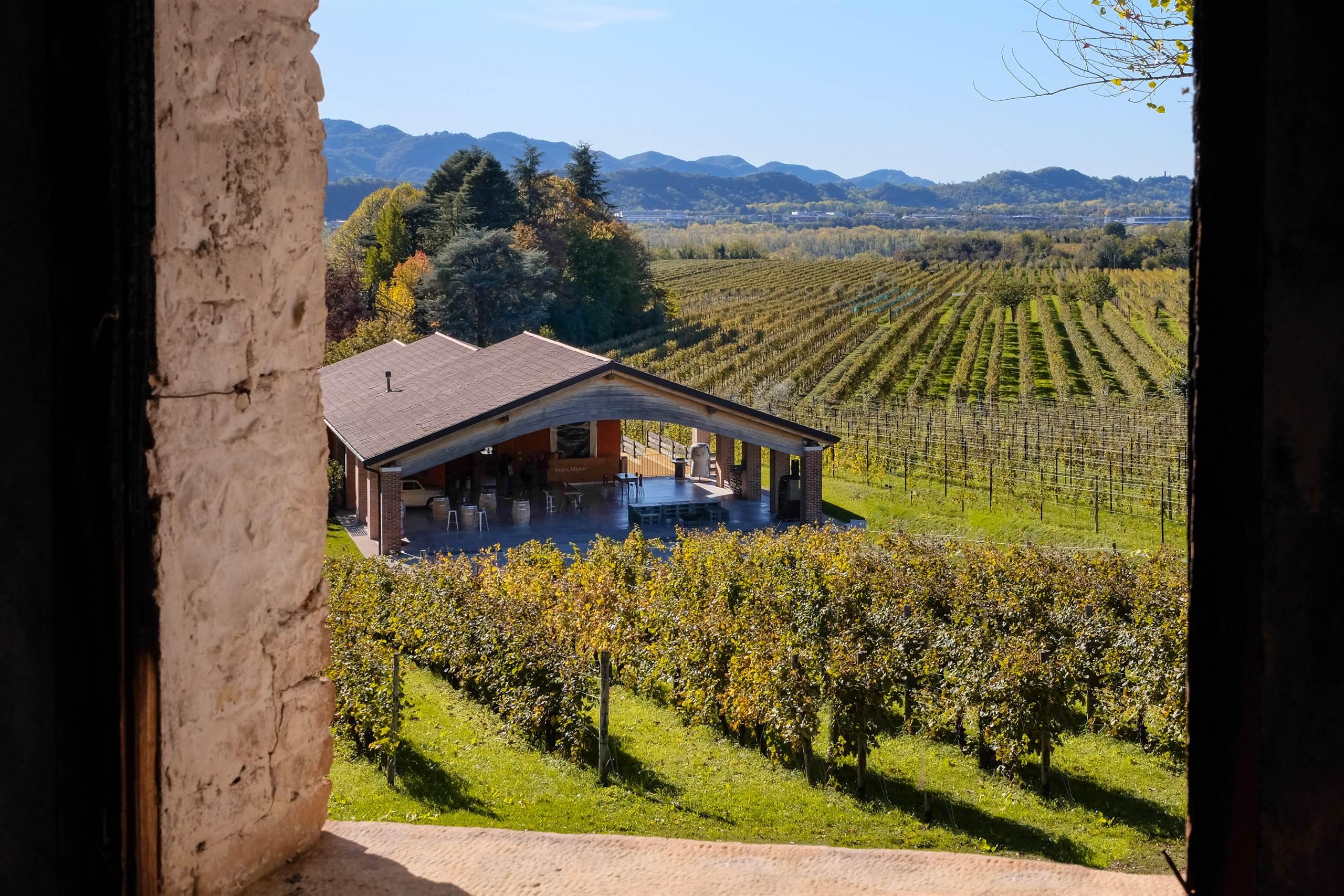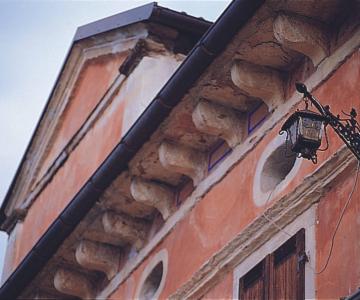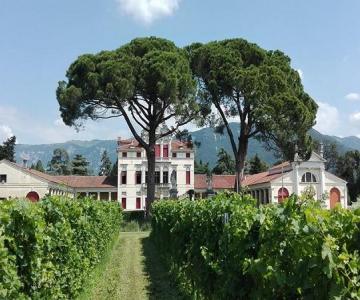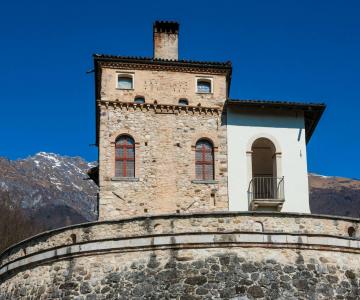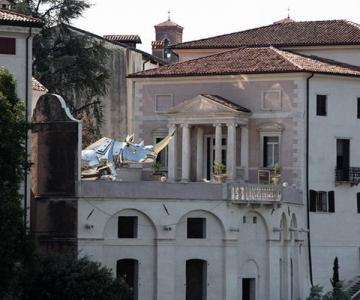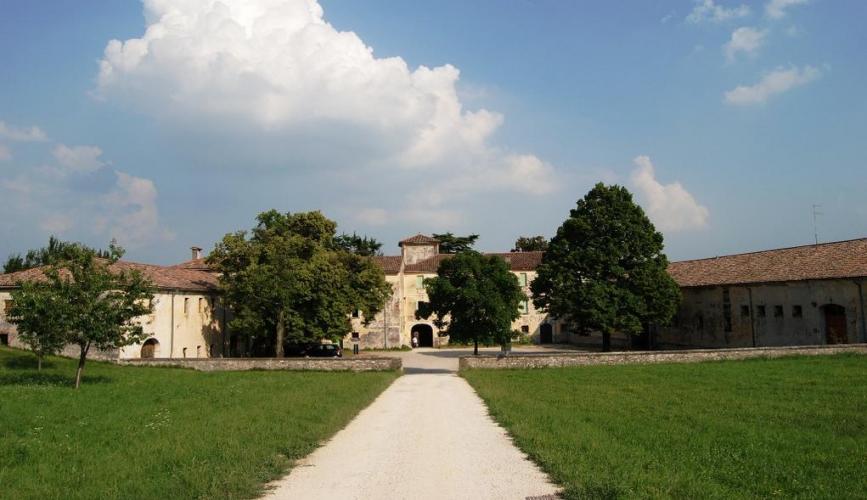

The building was constructed in Pederobba between the 17th and 18th centuries as a country residence of the Counts of Onigo, but also as a control center for the vast agricultural estate that the Onigo family owned in the Treviso area, which later allowed for the establishment and functioning of the Opere Pie d’Onigo, still existing today. The building originated from the 19th-century aggregation of older structures and featured a beautiful facade decorated with “trompe-l'œil,” which is now almost gone.
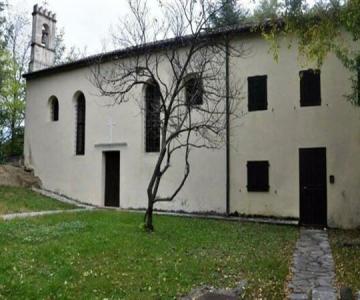
In the park behind the villa, there is the chapel of Guglielmo d’Onigo (1808 – 1872), remembered for his participation as a patriot in the wars of independence. In the same chapel, his daughter Teodolinda is also buried; she was killed in 1903 by Pietro Bianchet for having refused him a loan. Following this event, in 1907, her mother Catterina established the Opere Pie d’Onigo and had the hospital dedicated to Guglielmo and Teodolinda d’Onigo built northwest of the Counts' Villa, erected between 1904 and 1906 and inaugurated in 1910. The Villa was used for logistical purposes during the Great War, and on that occasion, much of the furnishings, paintings, the historical archives of the Onigo family, and the medieval parchments contained therein were lost.