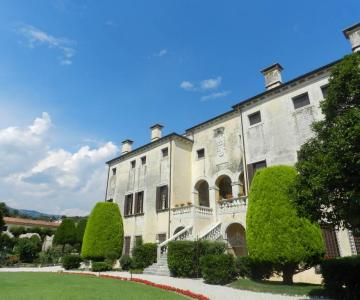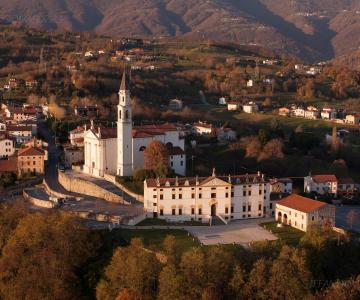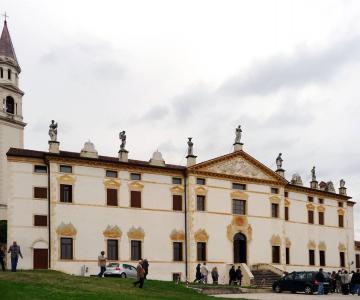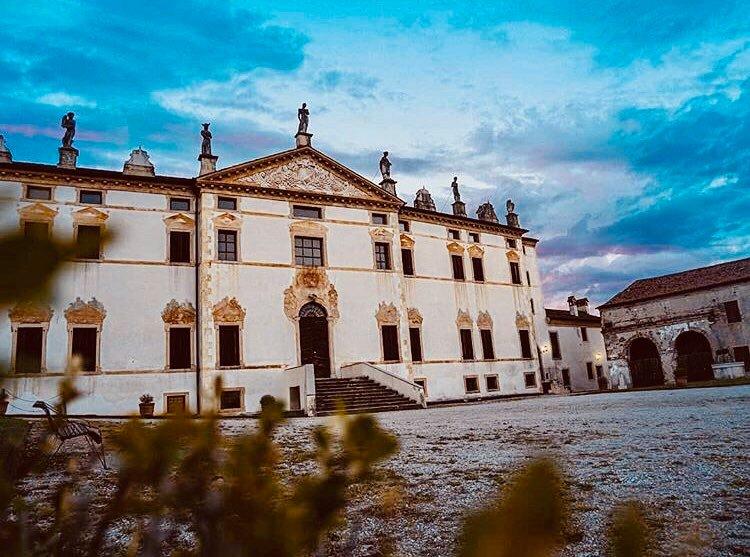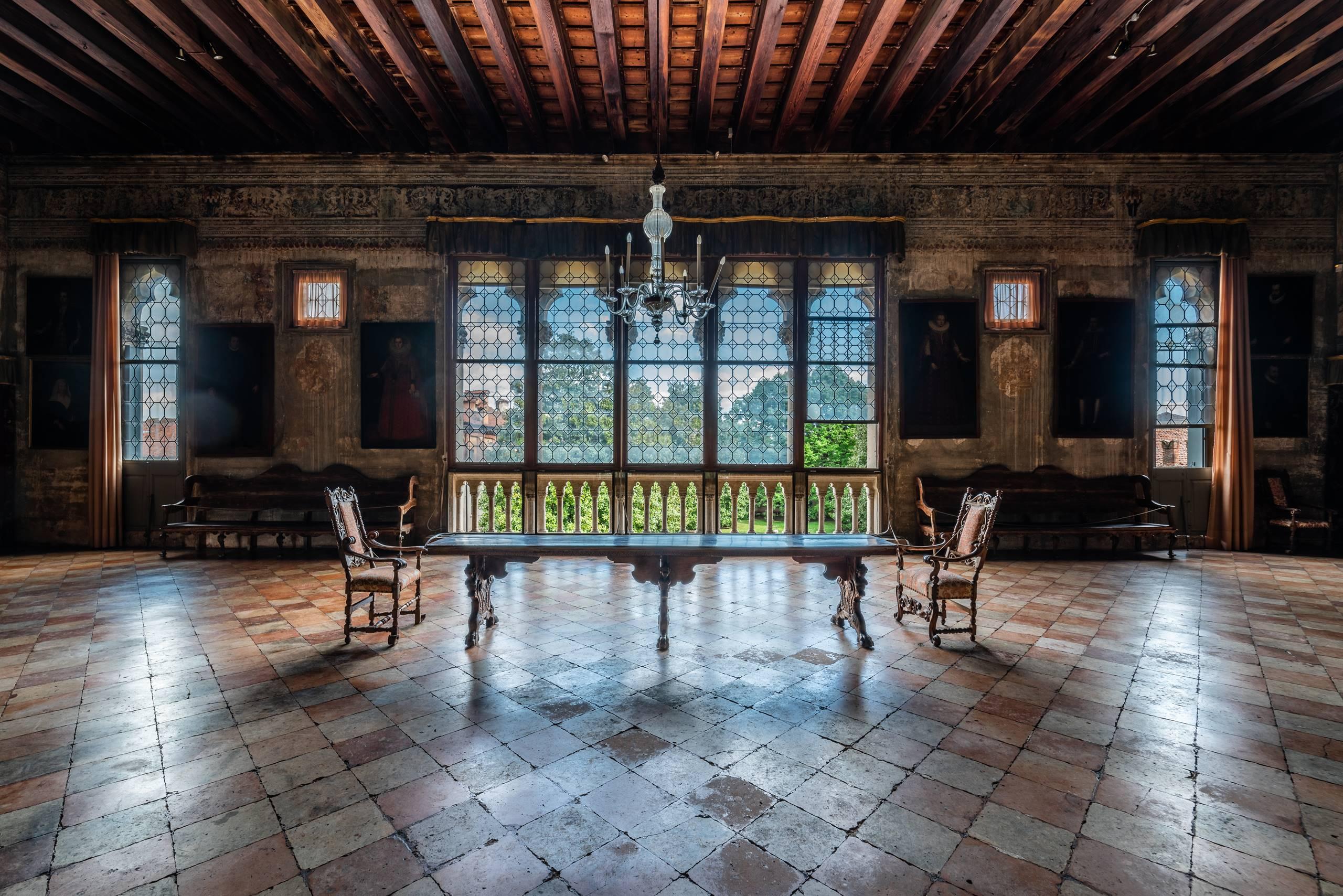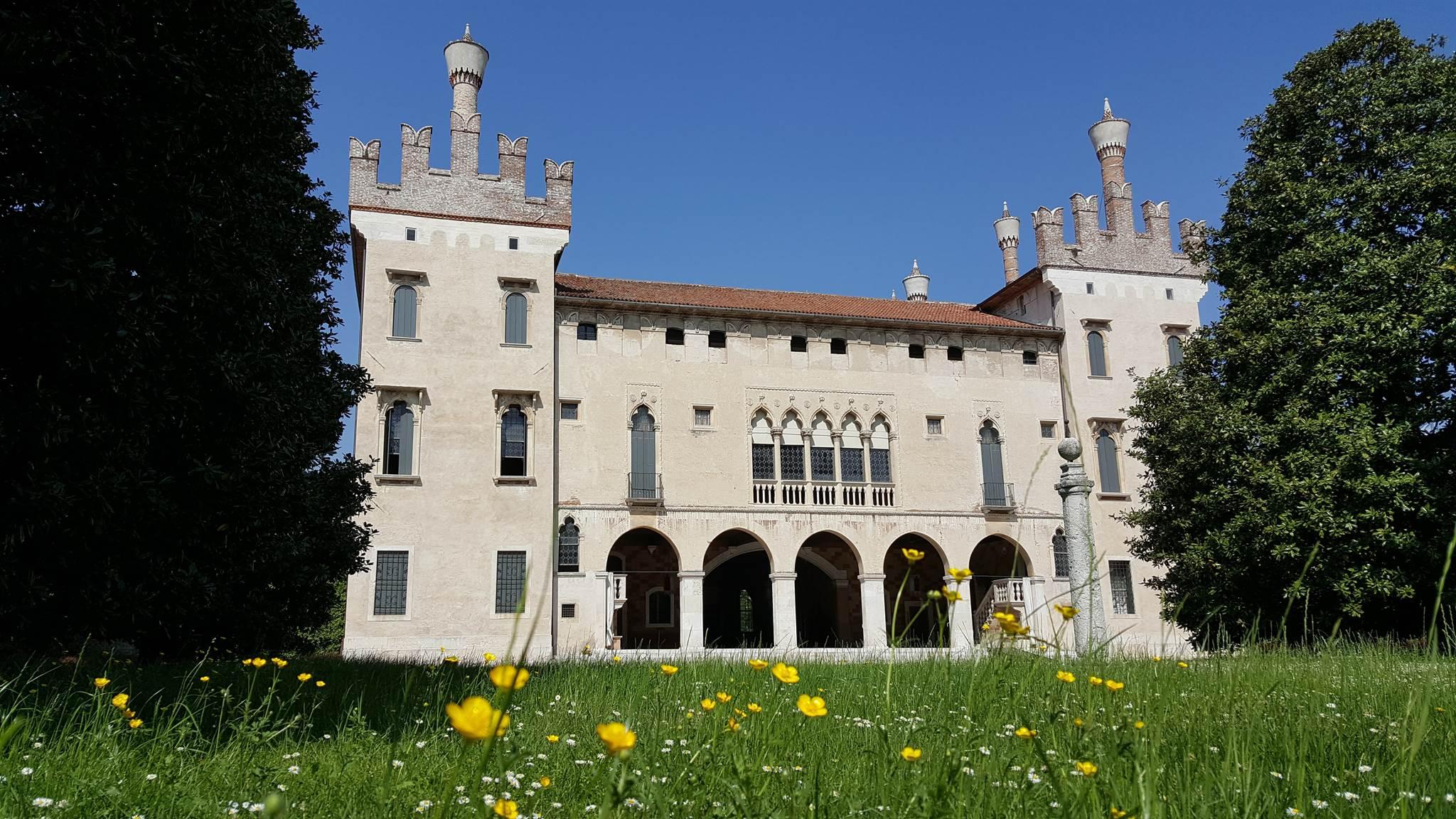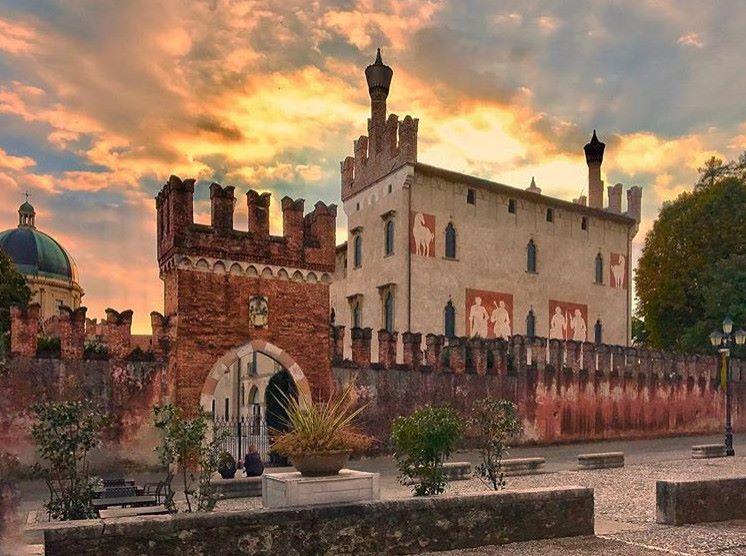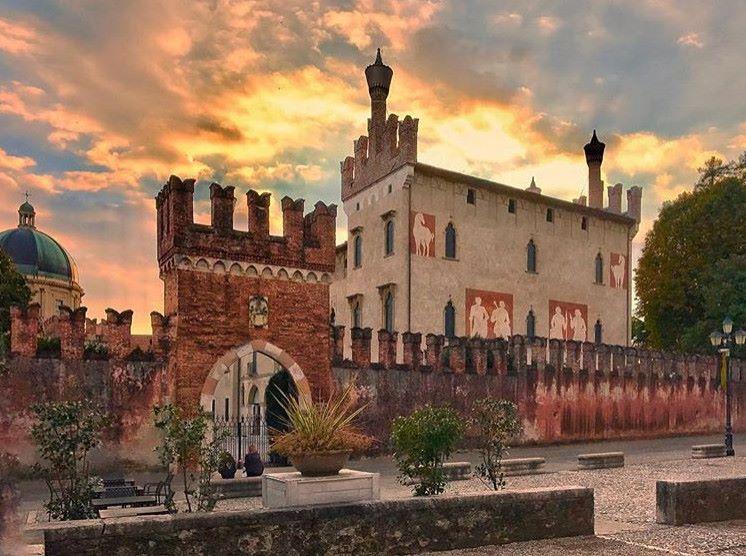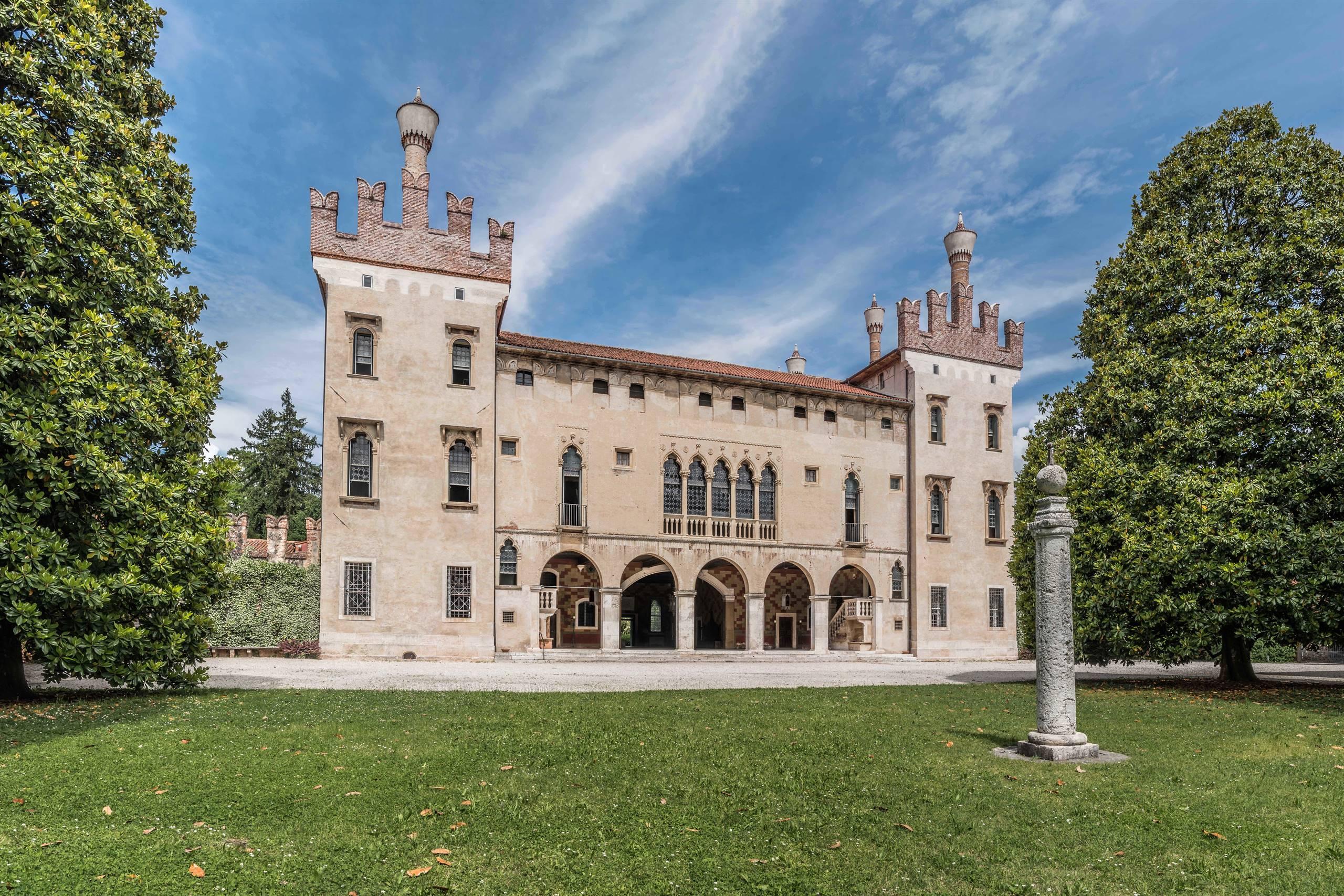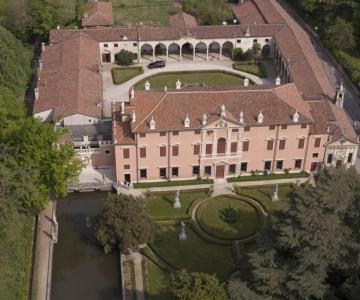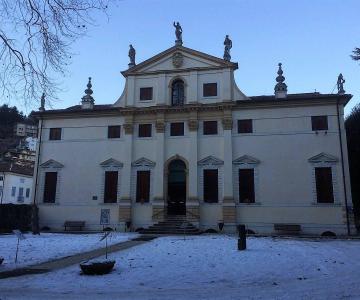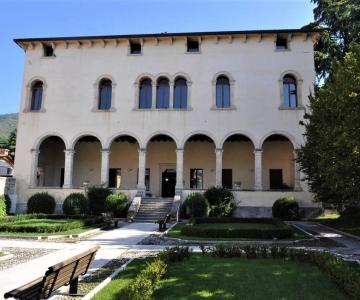


The sumptuous residence was commissioned by Count Tommaso Piovene in 1514 on pre-existing structures; a few decades later it was renovated and expanded.
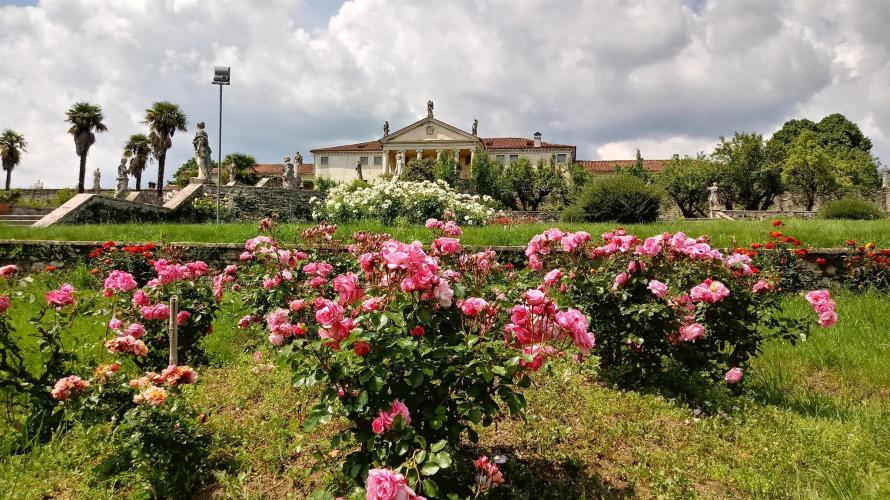
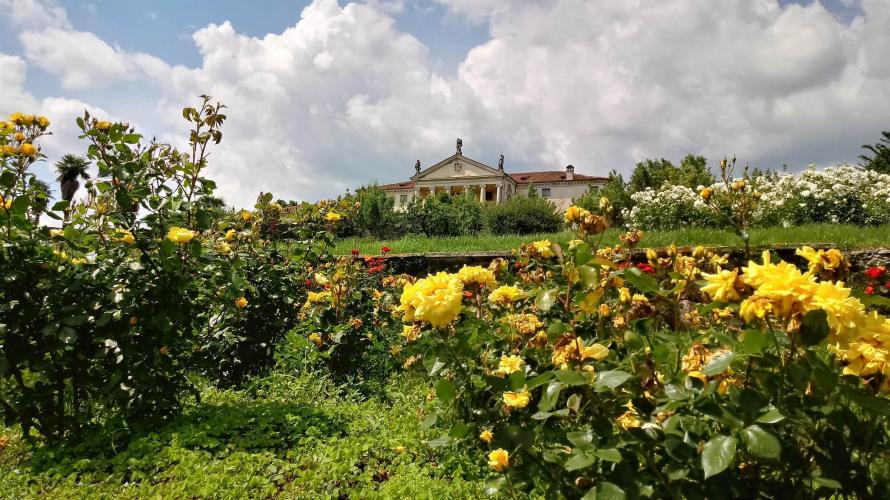
The attribution to Palladio of this magnificent villa is uncertain, which exhibits the typical characteristics of the great architect: a central body with a pronaos crowned by a pediment and two large barchesse with columns opening towards the countryside.
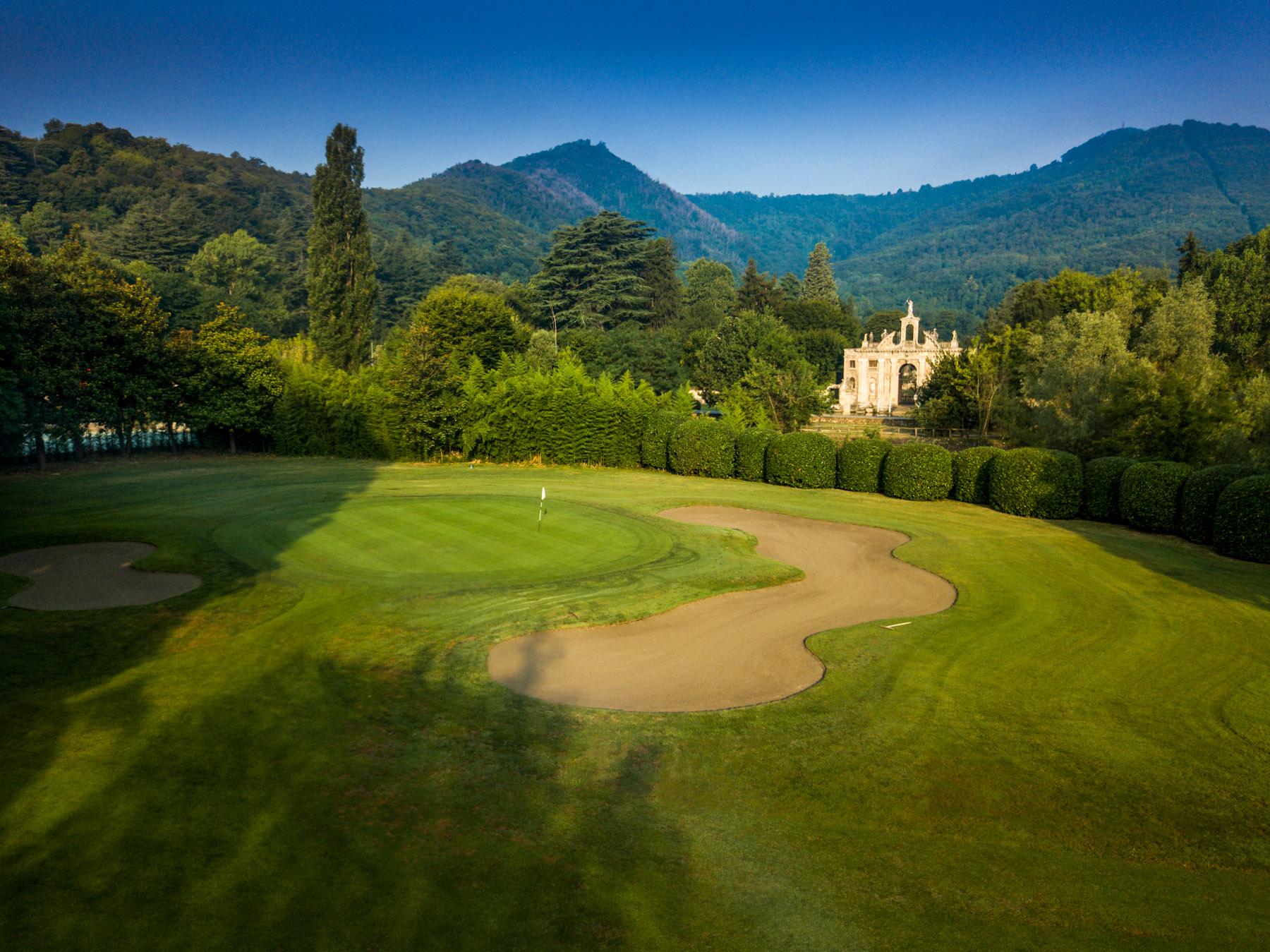
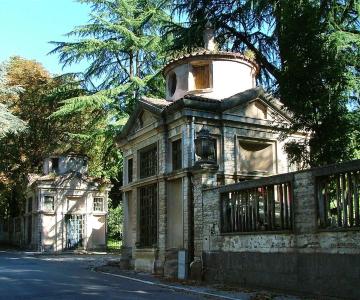
At the beginning of the eighteenth century, the Lugano architect Francesco Muttoni intervened in the villa but mainly designed the external layout with the access gate, rich in statues and wrought iron work, and the sumptuous staircase that covers the elevation, crossing the beautiful Italian gardens.
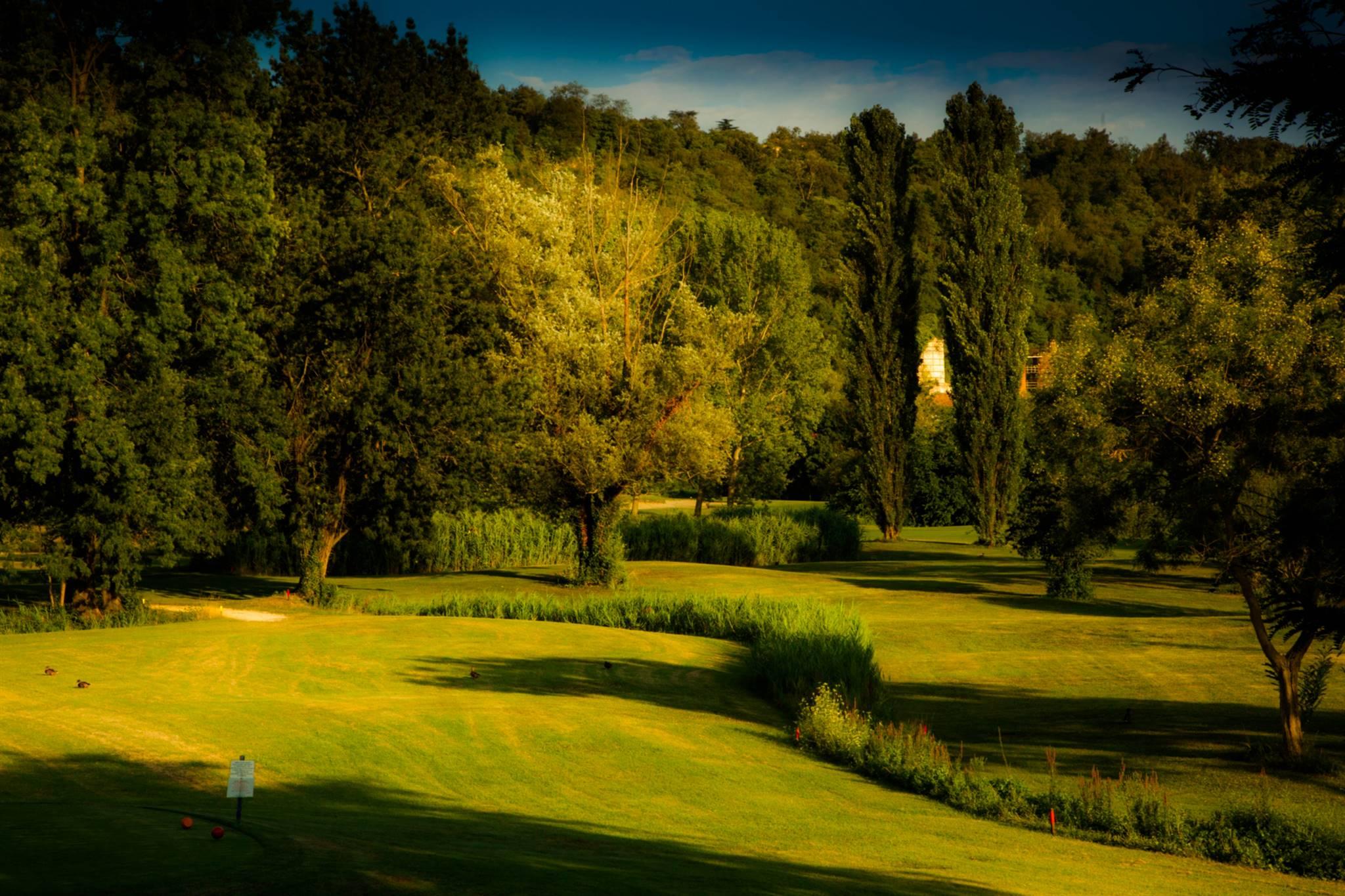
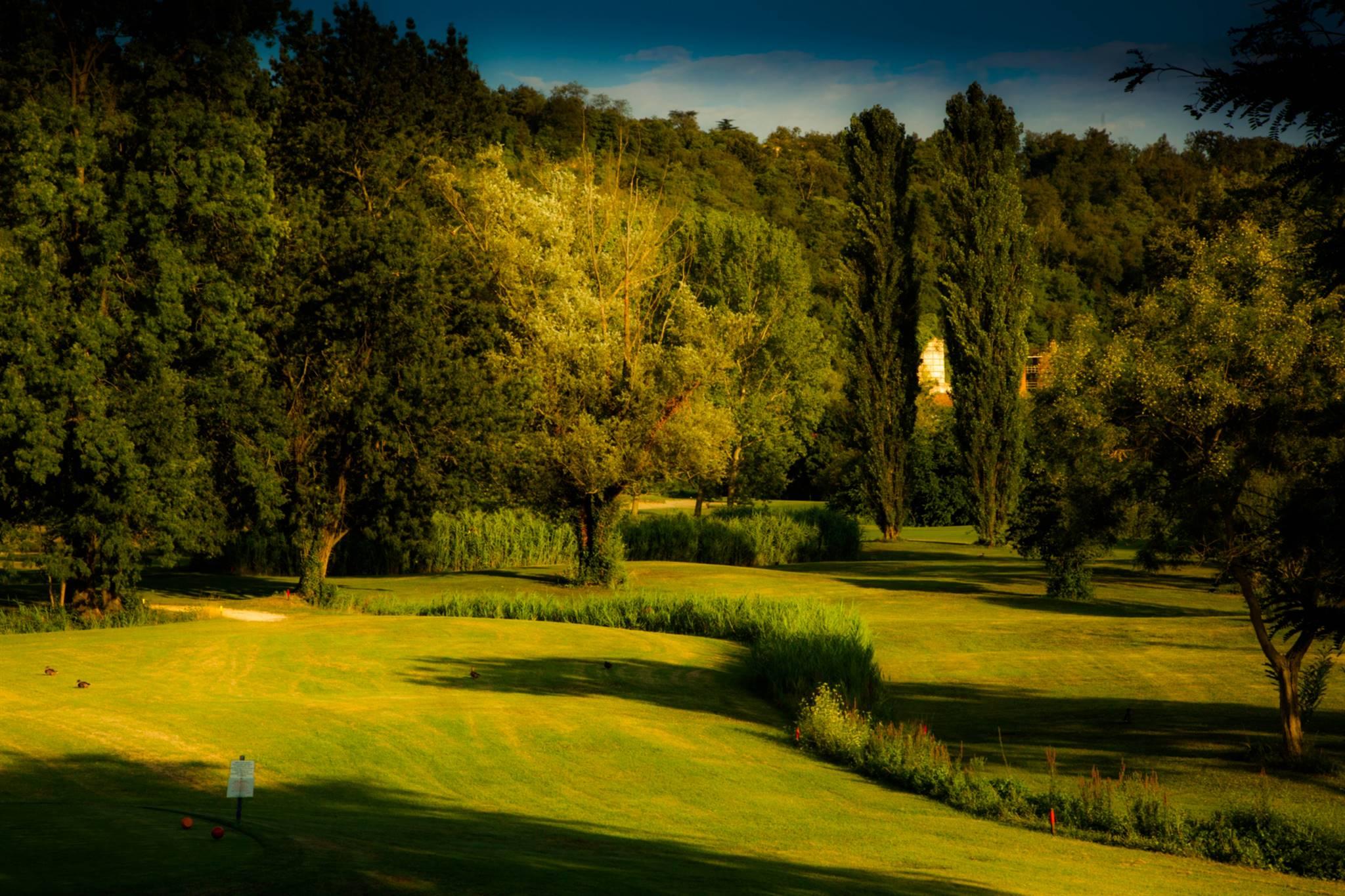
The large English park with its silent avenues, caves, and ancient trees, including large cedars of Lebanon, designed by A. Piovene in the early nineteenth century, is worth a visit.
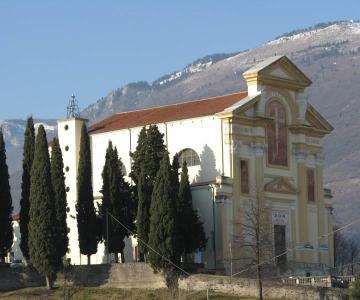
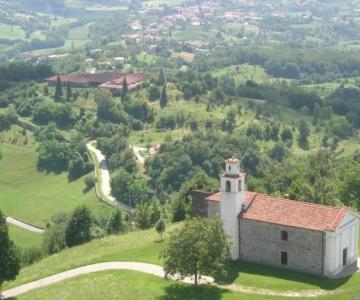
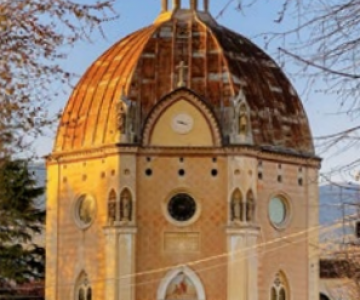
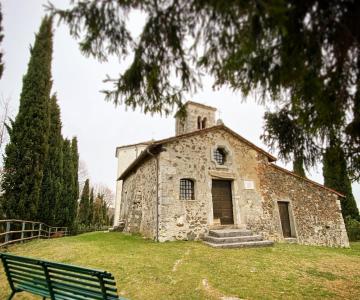
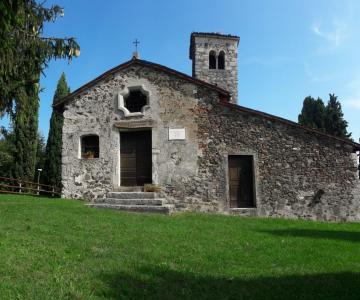
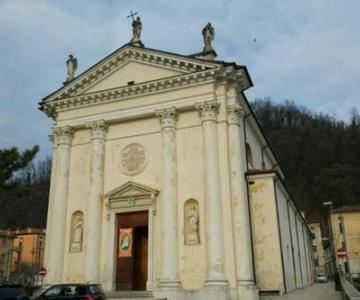
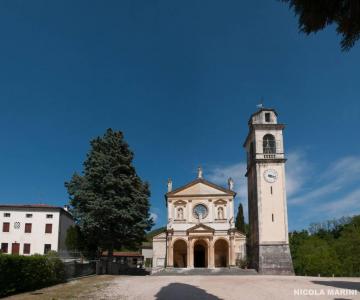
The private oratory of San Girolamo, from 1496, fits well into the surrounding environment.
Villa Piovene Porto Godi has opened its gates to the public in recent years, revealing its unpublished spaces. It is possible to visit the garden, the private chapel, and the large English park.