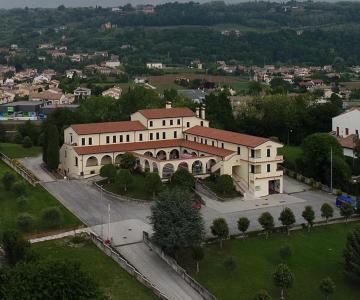
The origins of Villa Ancilotto are closely related to the history of the territory of Crocetta del Montello and to the development it has undergone over the last four hundred years. In the 17th century, in the same place where the Villa now stands, there was a tavern-hotel called "Hosteria alla Crosetta," very well-known and frequented due to its proximity to the intersection of four roads, near a branch of the important Brentella canal.
In the early years of the 19th century, Giovanni Marcato purchased the Hosteria from the noble Sandi: later, his son Giovan Battista, taking advantage of the abundant water from the nearby canal, built the first nucleus of a silk mill that became an important industrial venture. When Giovanna Marcato married Count Riccardo Ancilotto, the Crosetta and the adjoining building were transformed into the owners' residence.
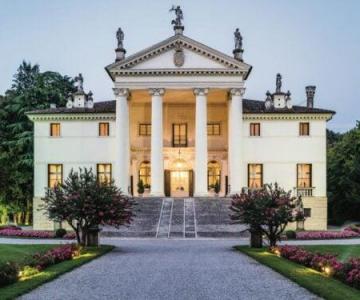
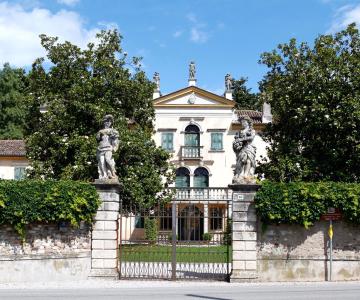
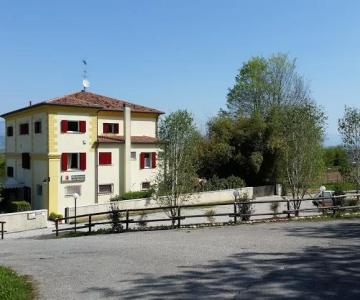
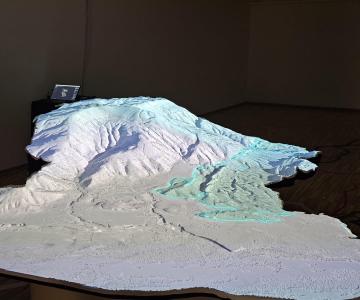
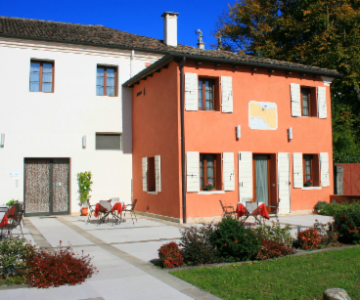
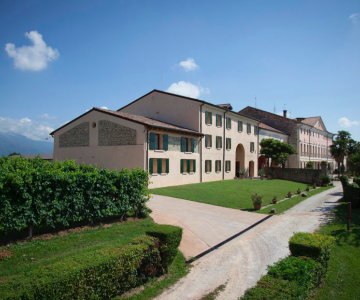
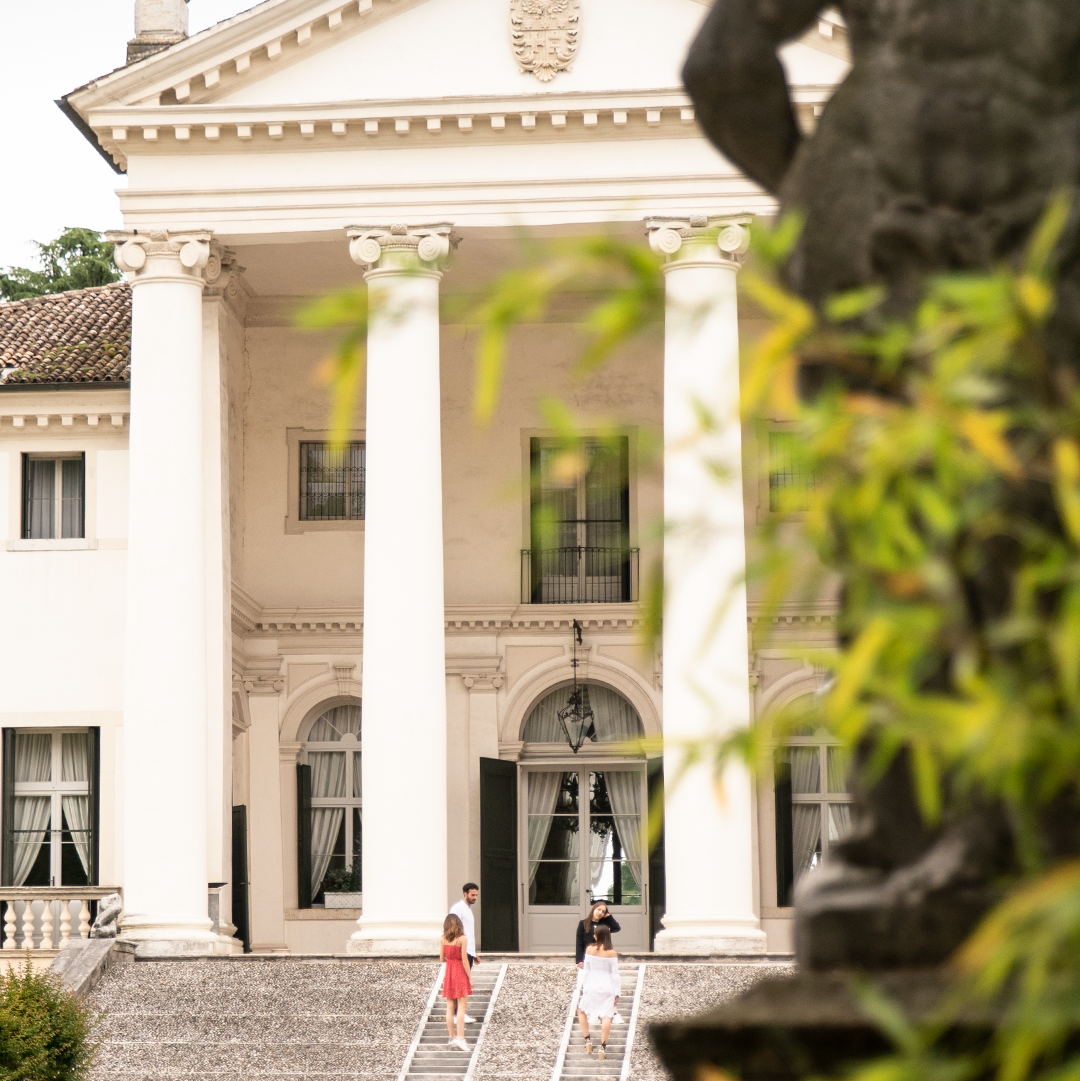
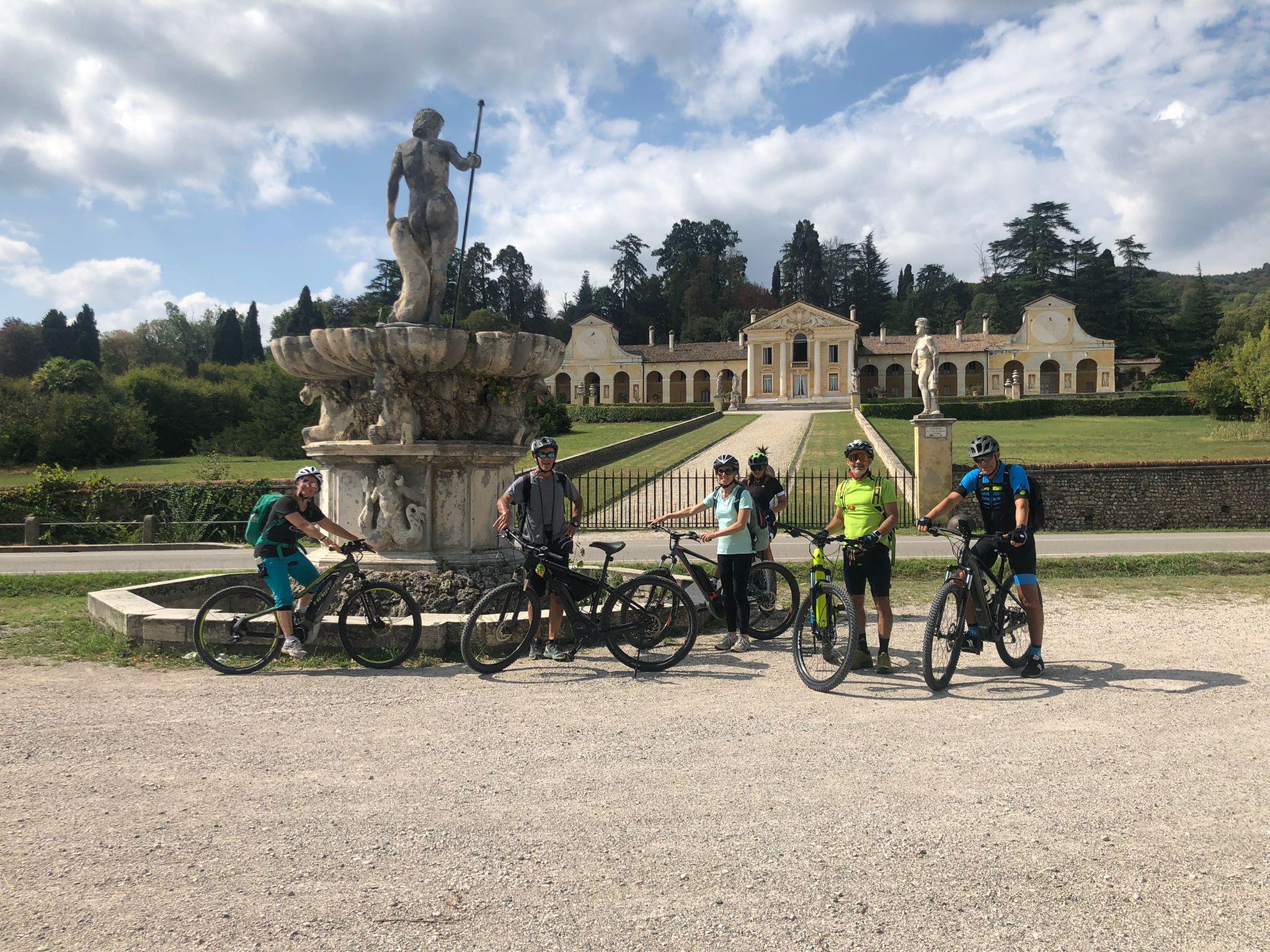
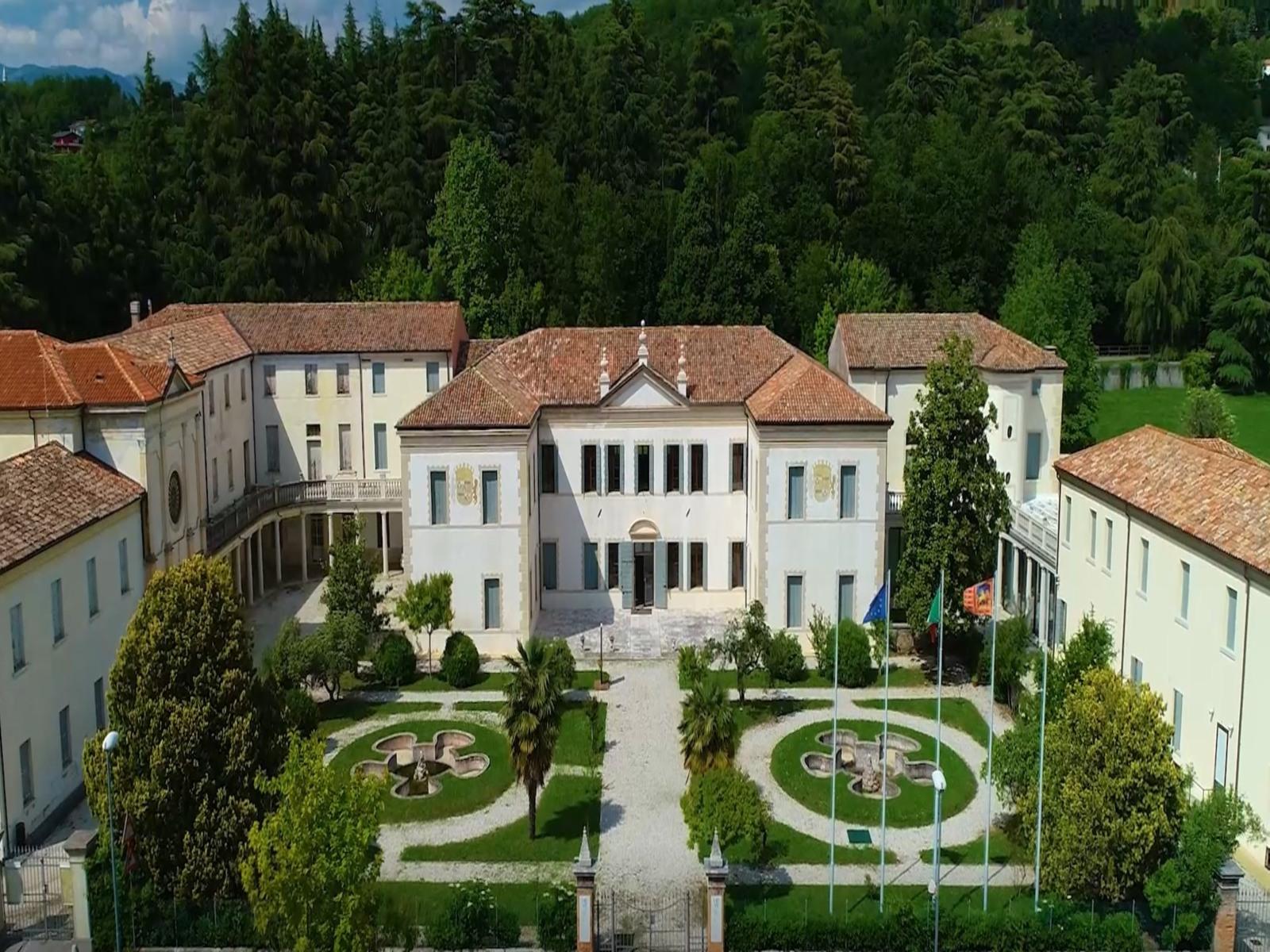
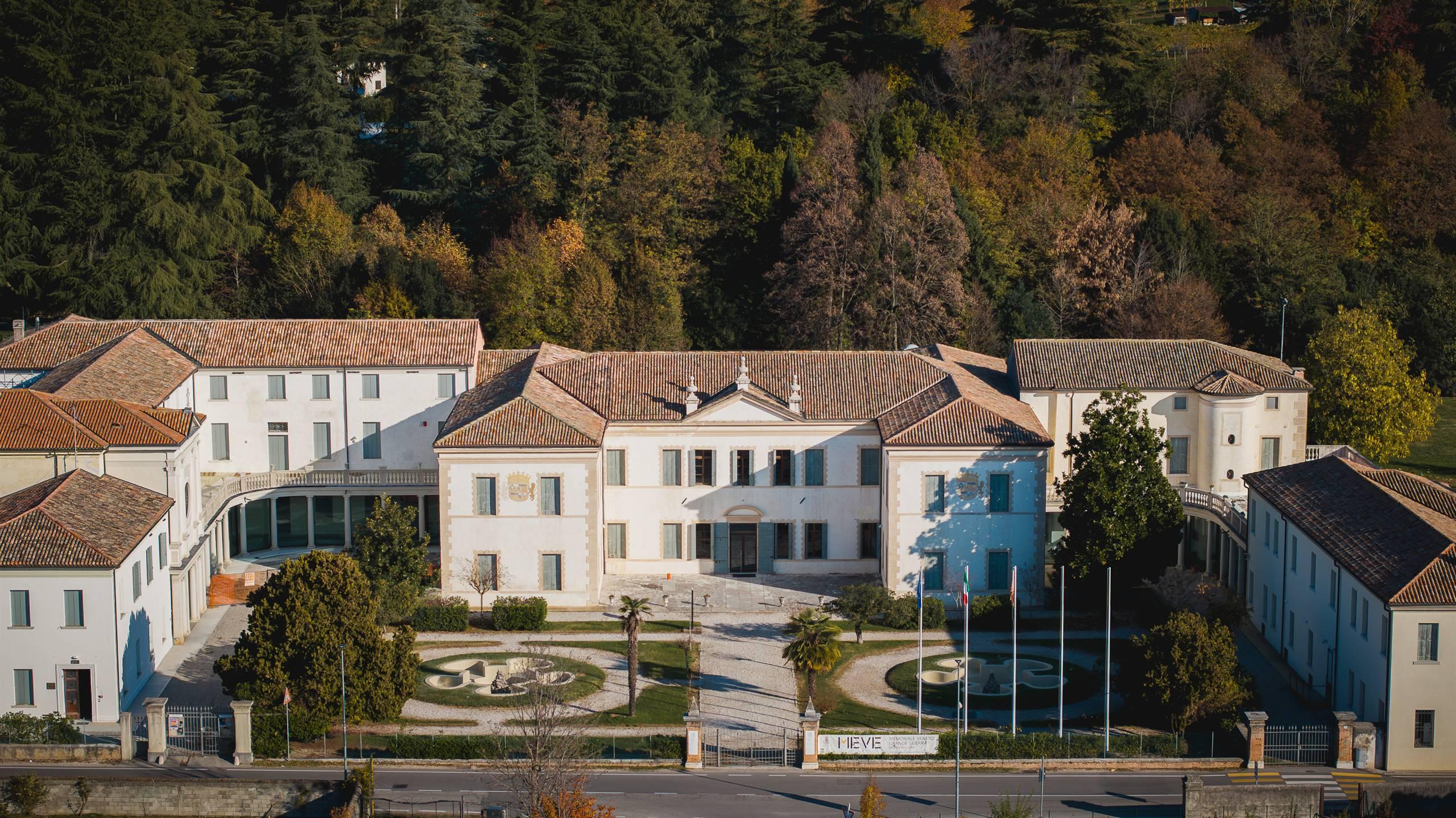
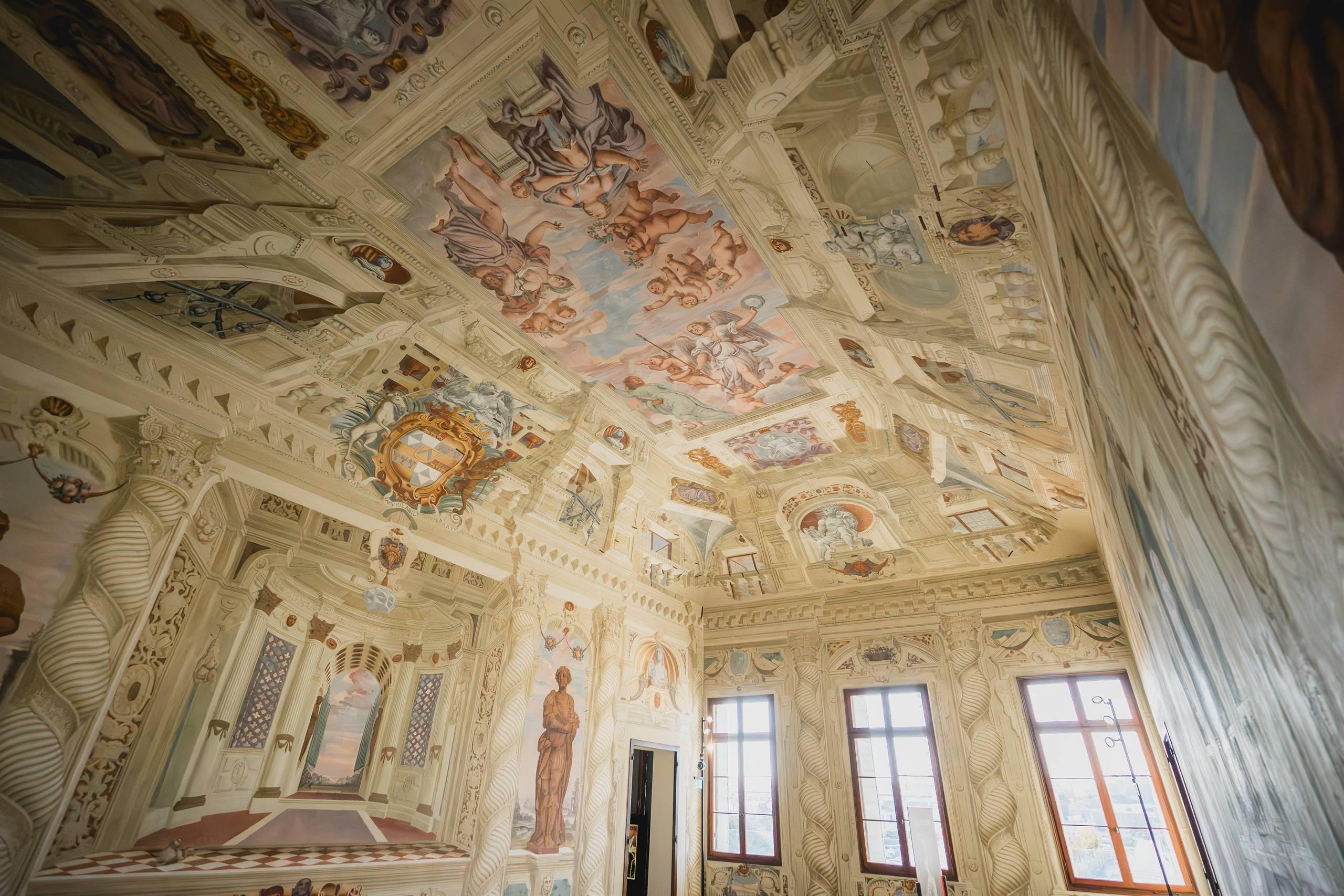
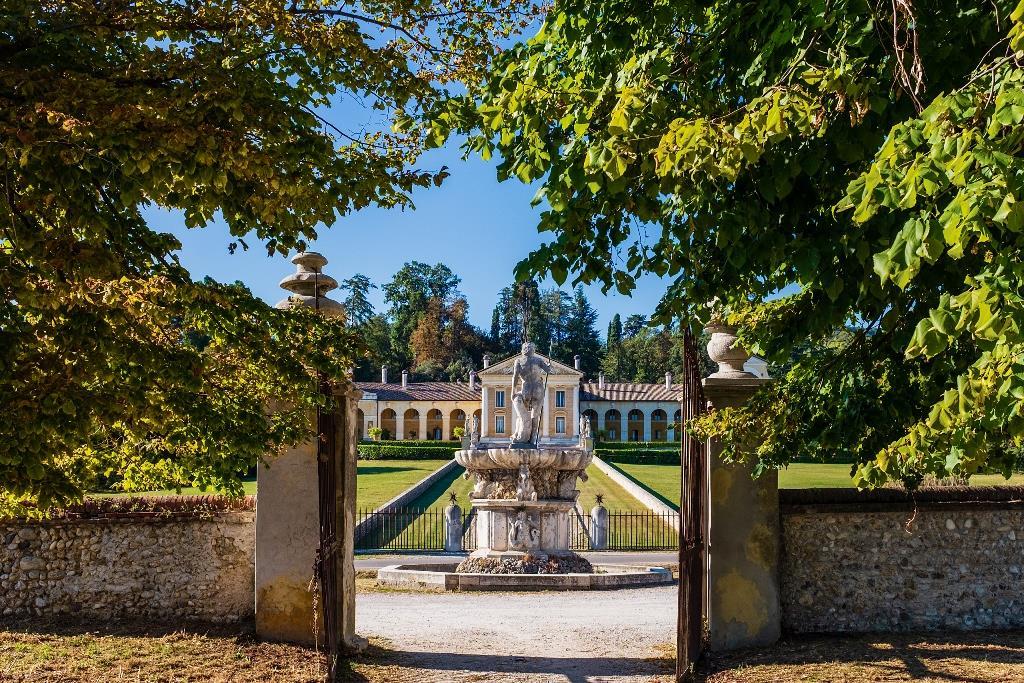
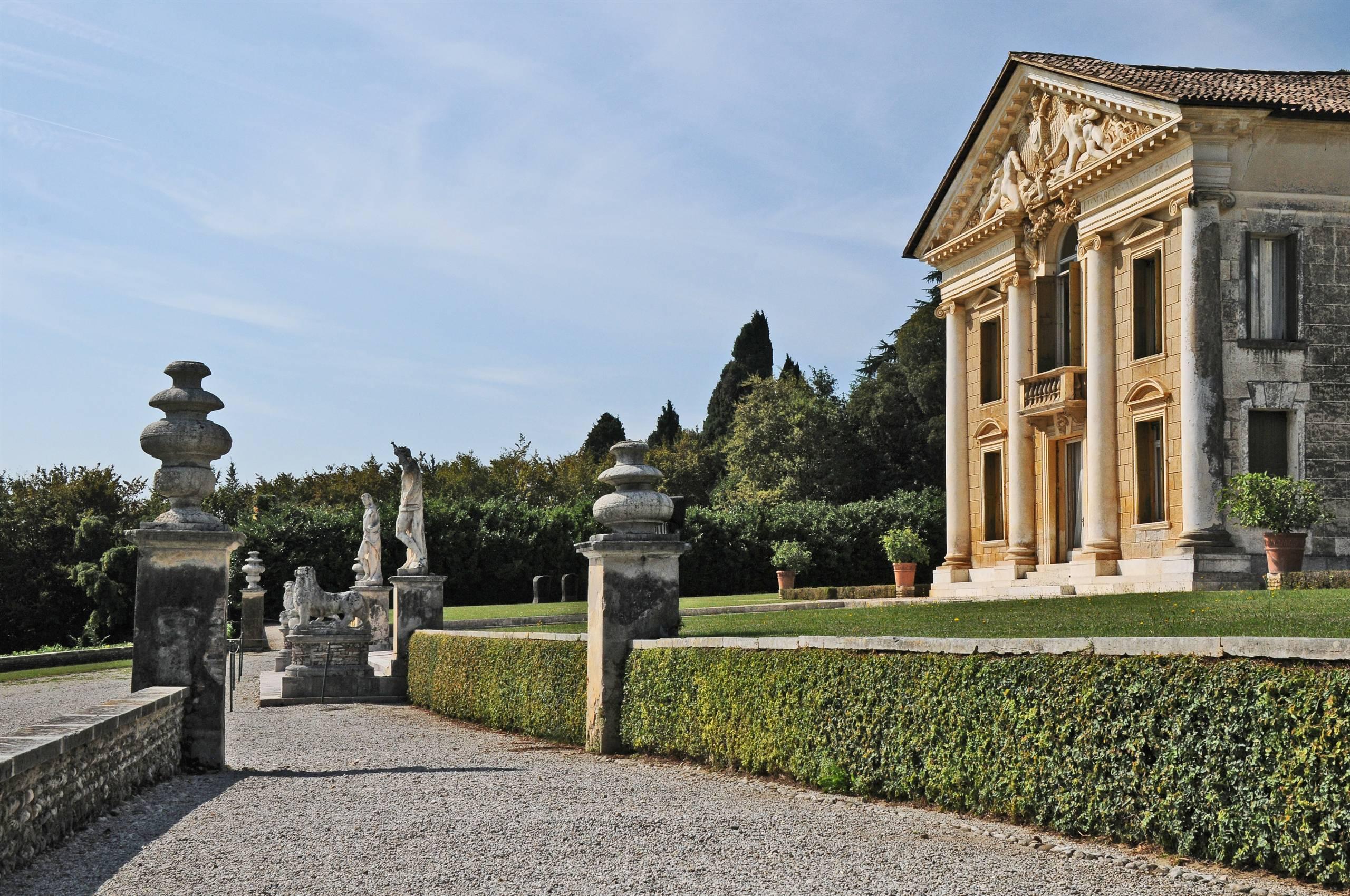
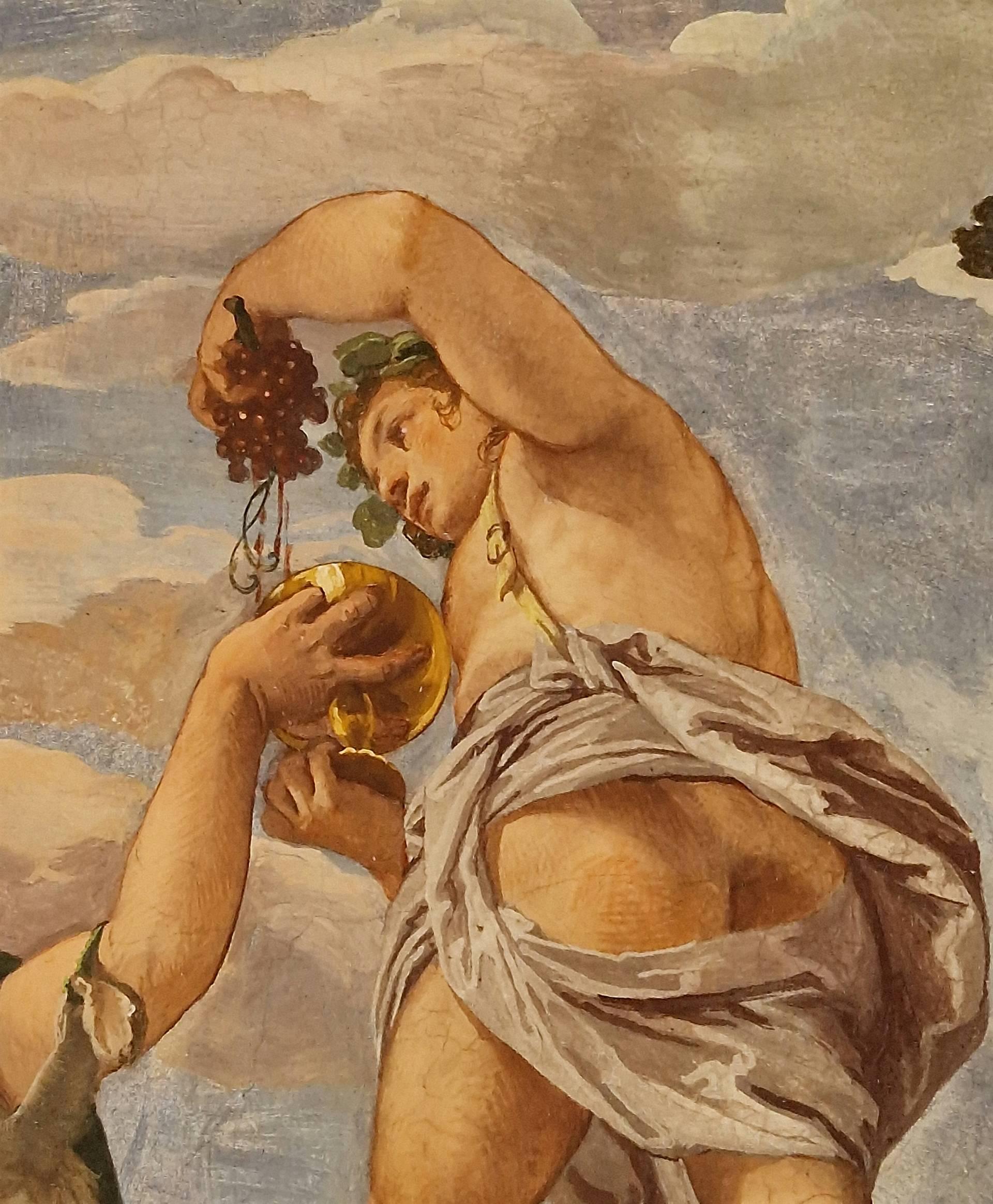
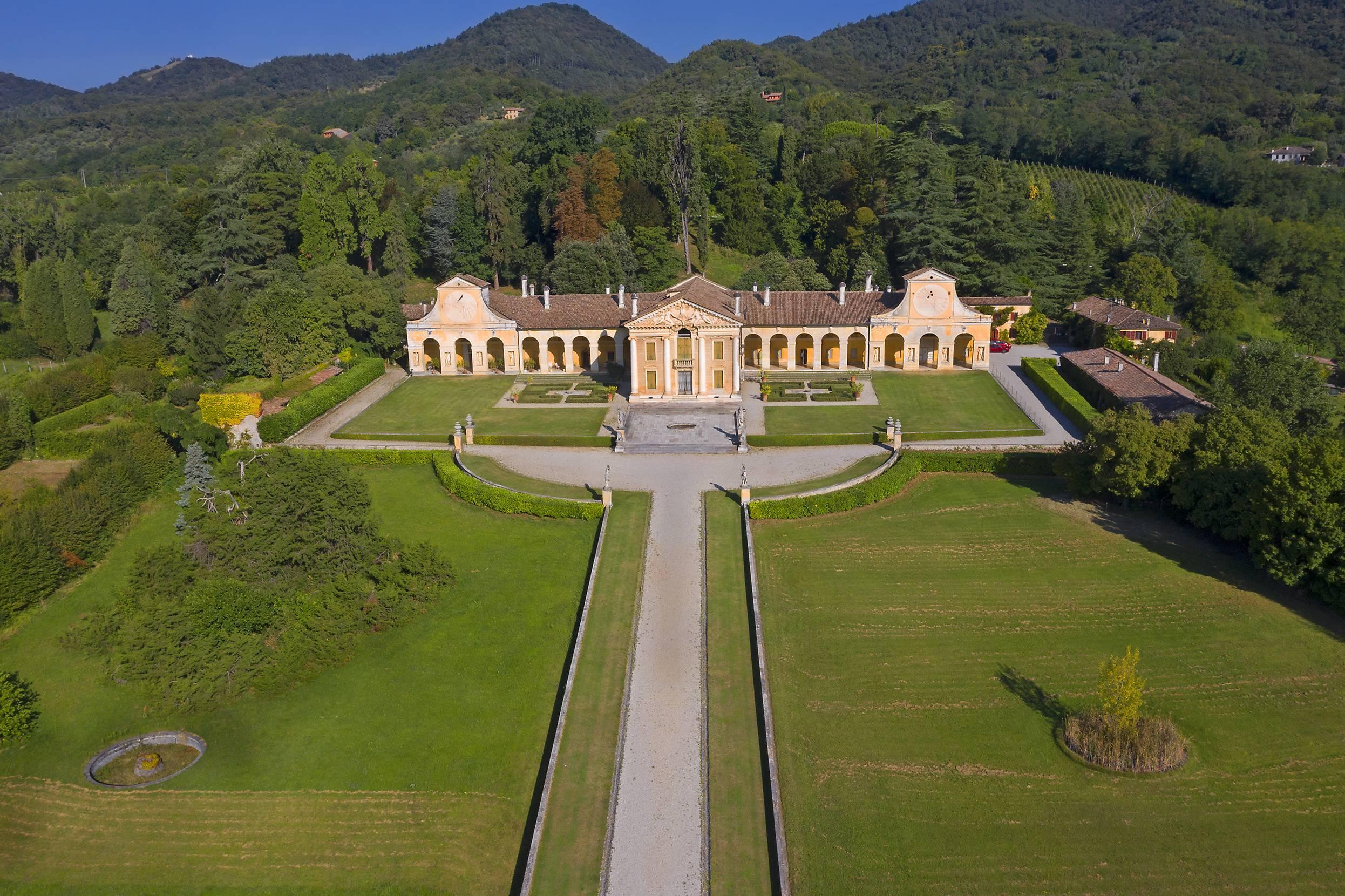
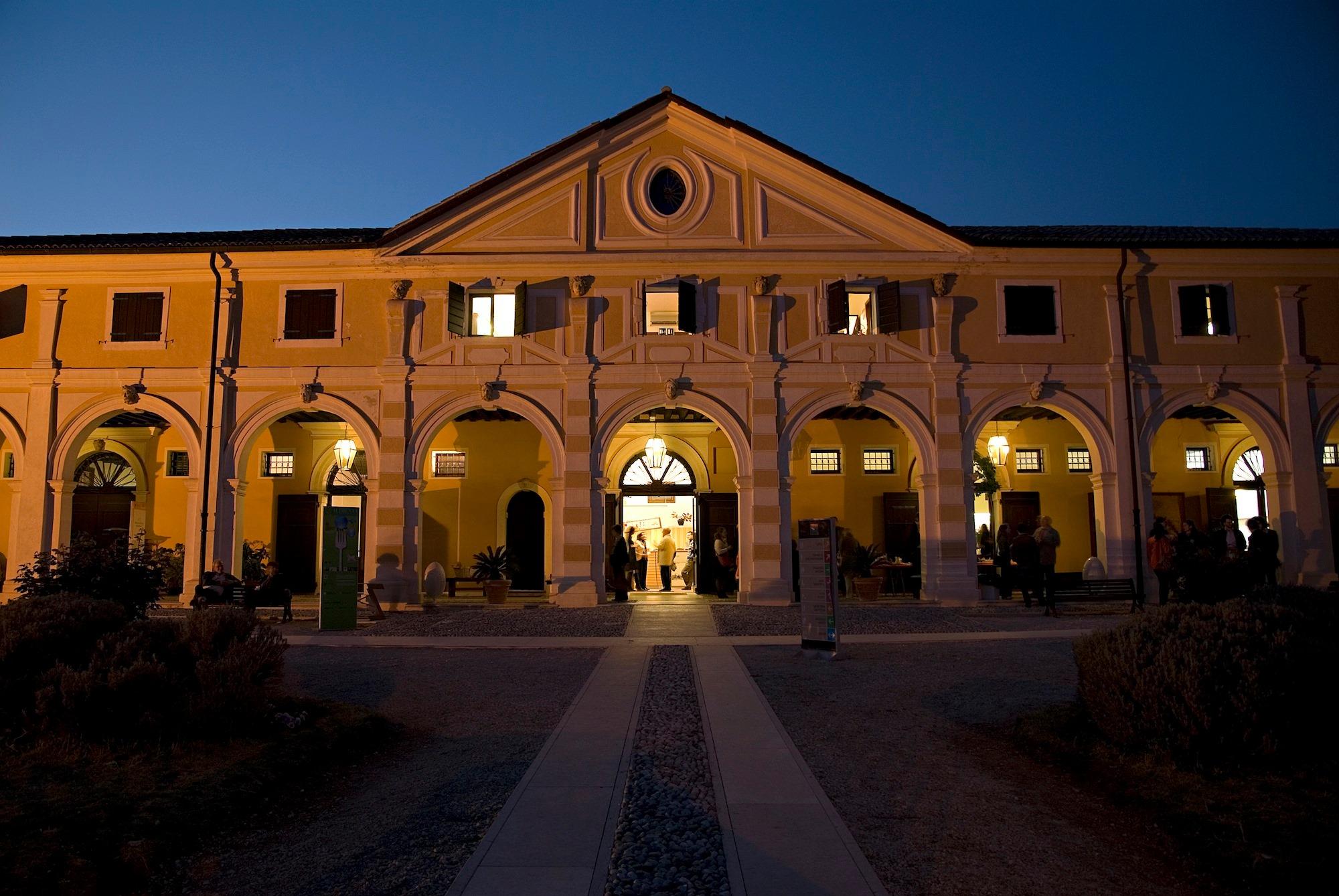
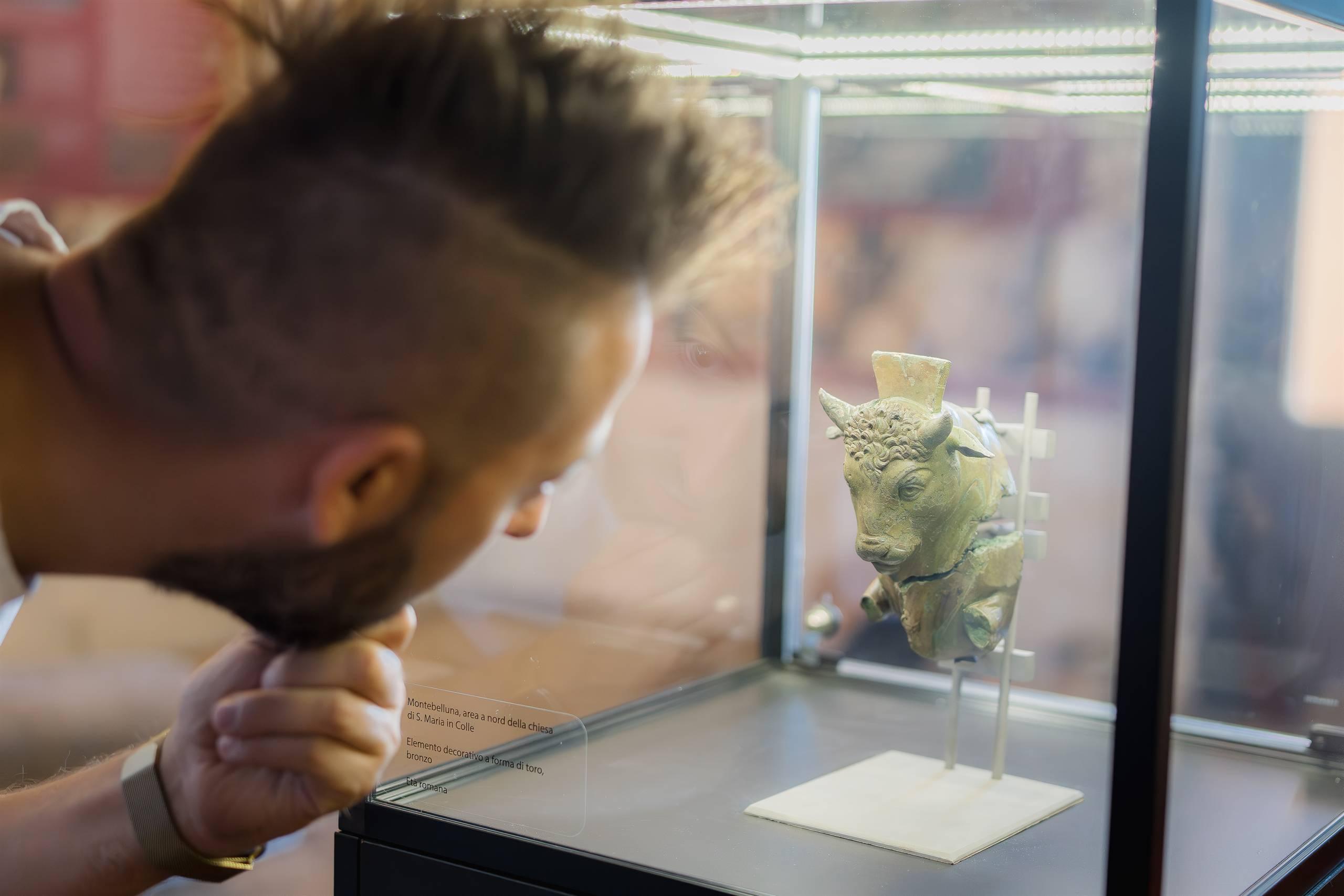
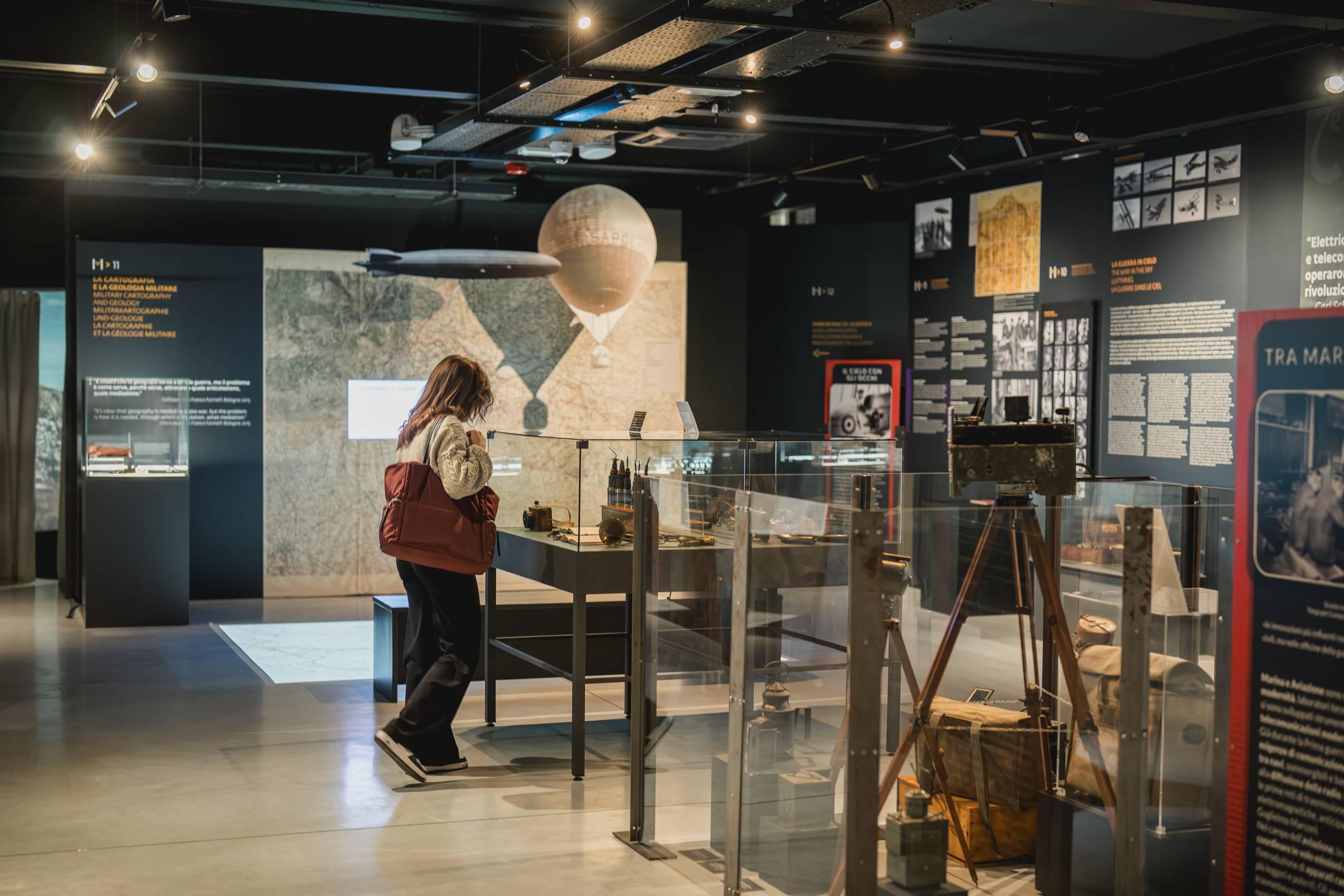
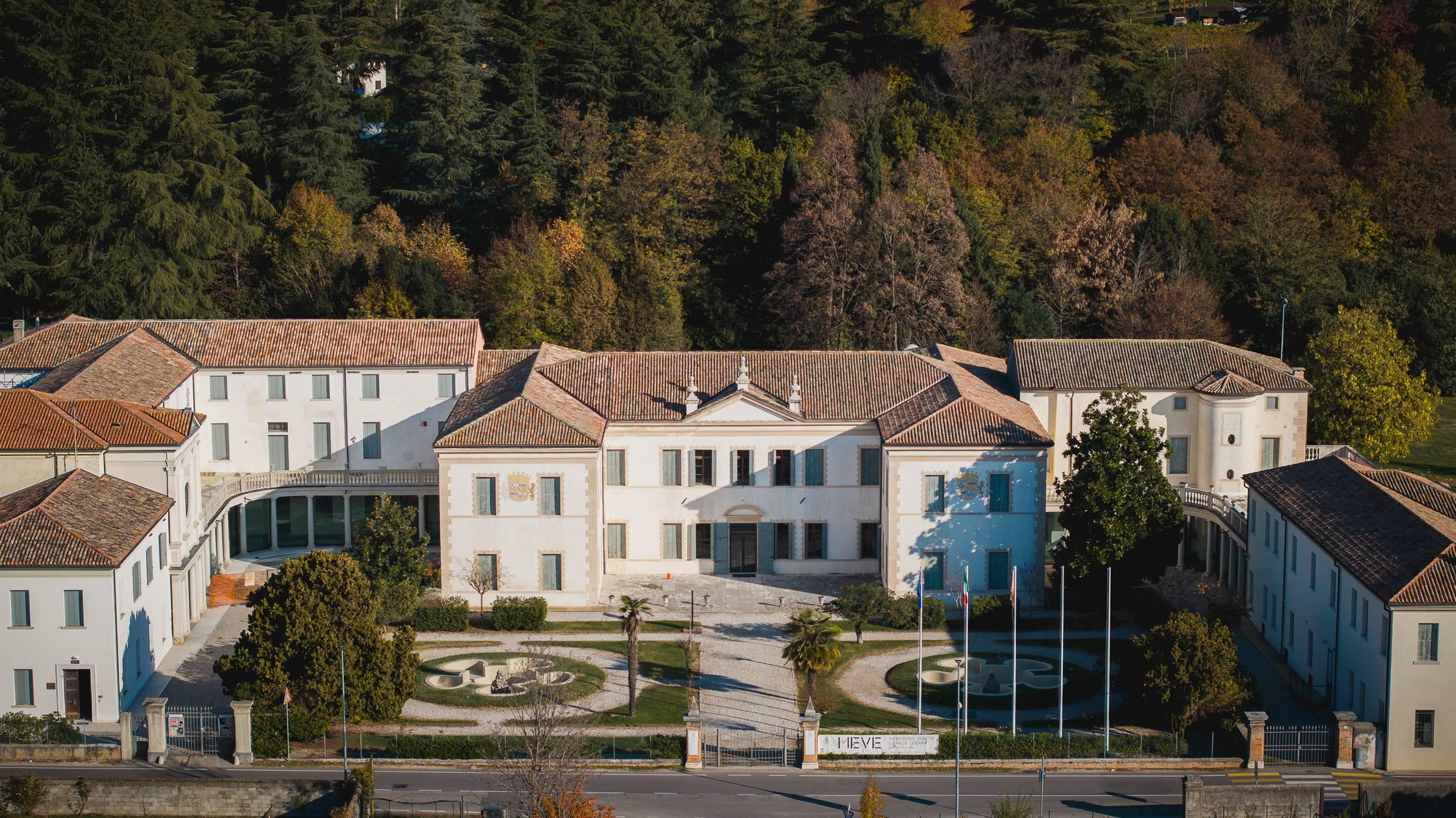
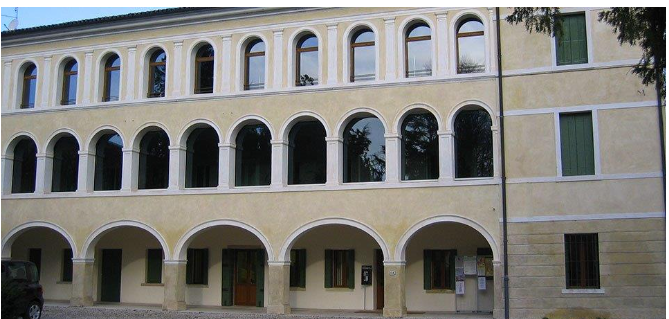
The Villa was structured on three floors with a series of openings of varying sizes that lighten the façade and bring dynamism to the entire structure. The first floor is traversed longitudinally by a loggia (with frescoes from the late 1800s) that transmits airiness and brightness even to the adjoining rooms. To the south, there is a large park that embellishes the Villa and envelops it in an inviting and relaxing area. Now owned by the Municipality of Crocetta del Montello, it houses the library, delicately decorated exhibition halls, and since 1978, the paleontology museum "The Earth and Man" with collections from Pasqualetto and Krull. From the very beginning, the museum has benefited from close cooperation with the Ligabue Research Study Center in Venice and over time has acquired the designation of Global Museum for Sustainability. It has annual visitor frequencies of over 12,000. Villa Ancilotto is a hub for artistic and cultural events, a meeting point to revisit history and traditions, and a training and study center open to the needs of the territory.
Highlights of the villa: The body of the Villa presents itself on three floors, with reduced spaces on the ground floor and first floor and a single large hall characterized by exposed wooden trusses on the last floor. In the loggia on the first floor, there are frescoes from the late 1800s, while the remaining rooms are finely decorated with frames outlined by stucco friezes. The tripartite façade features openings of varying sizes that give dynamism and liveliness to the entire structure. The Villa overlooks a beautiful park characterized by an avenue of ancient linden trees.
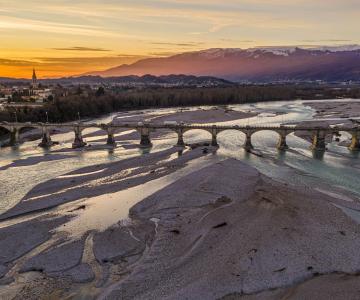
Highlights of the context: The Villa is located in the Municipality of Crocetta del Montello, in a strategic and central position relative to important historical, cultural, environmental, and landscape sites in Treviso and beyond. It is situated at the crossroads between the hills of Valdobbiadene (a UNESCO World Heritage site), Montello and Piave (historical scenes of the Great War and even earlier of the Most Serene Republic of Venice), the hills of Asolo, and the Massif of Monte Grappa. Additionally, it is just a stone's throw away from the charm of the Dolomites and the magic of the Lagoon.