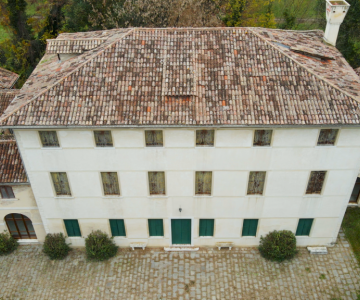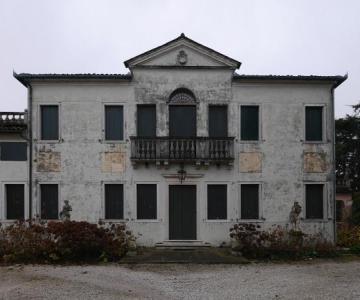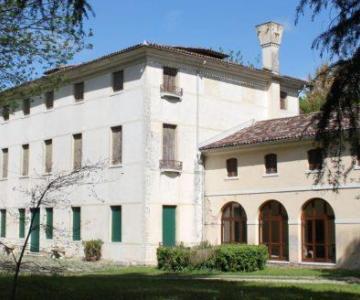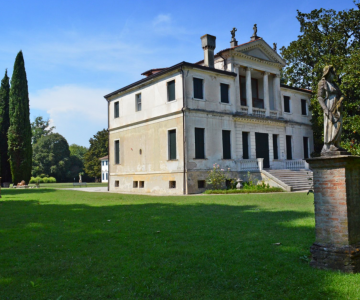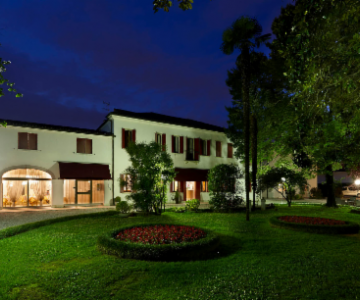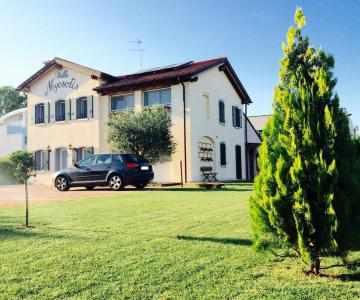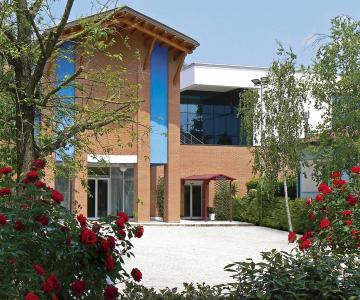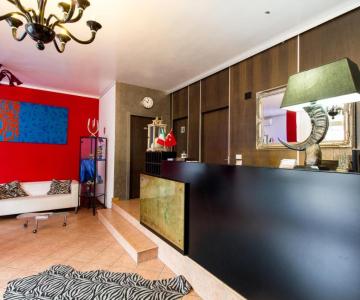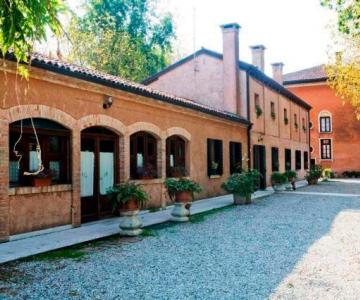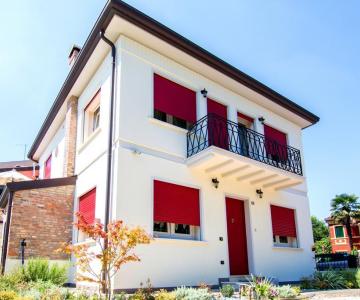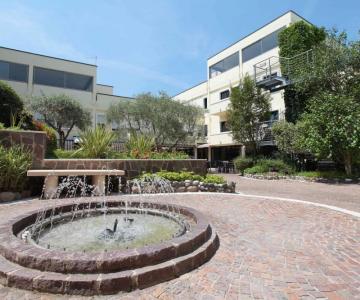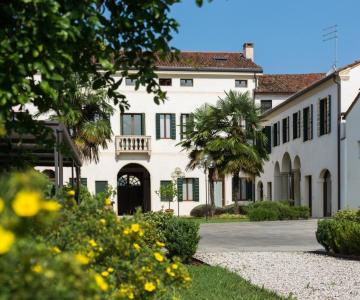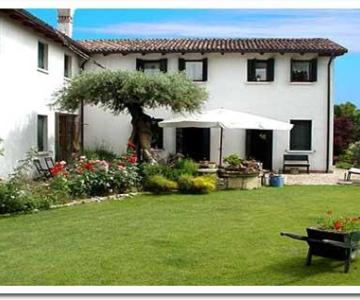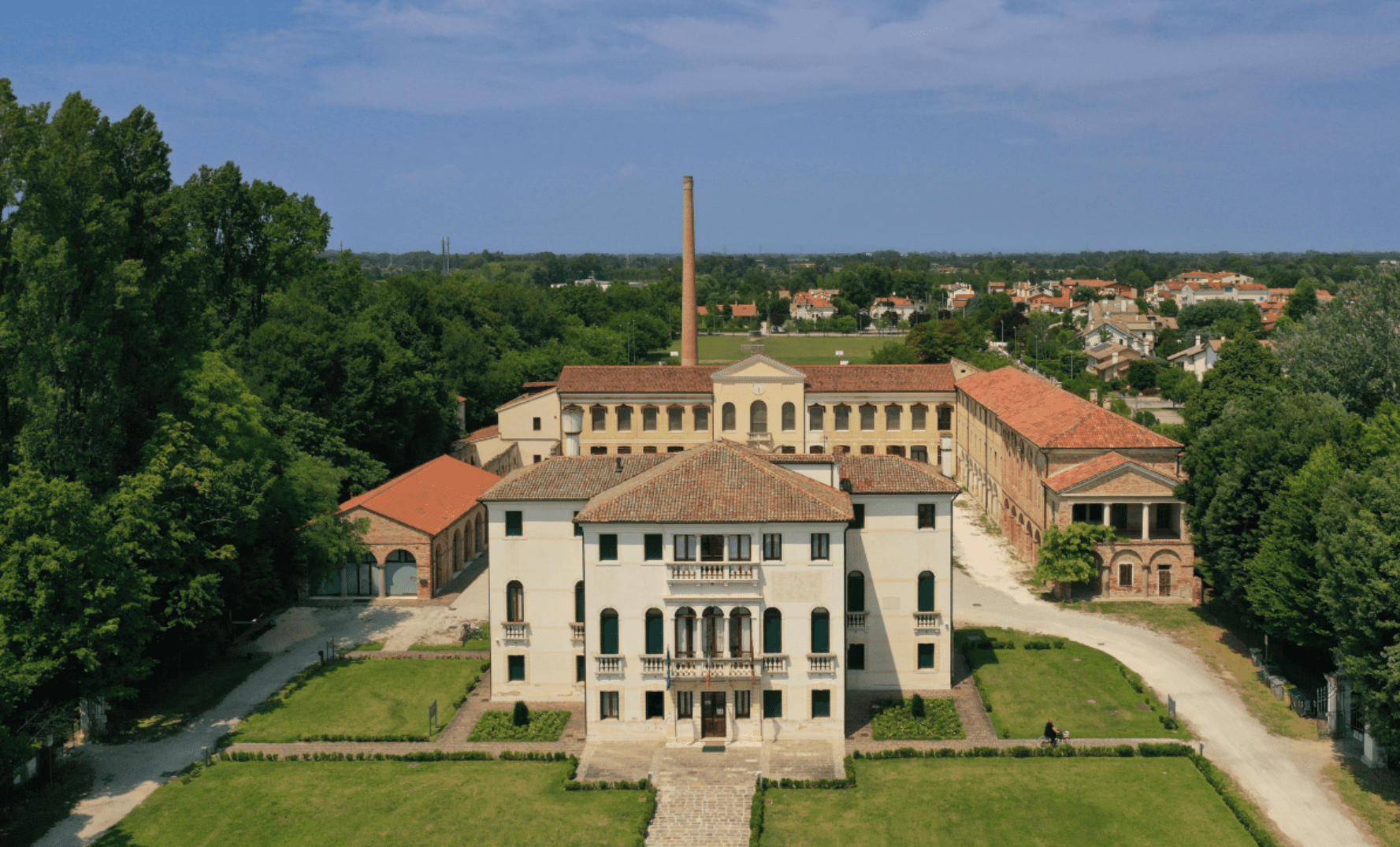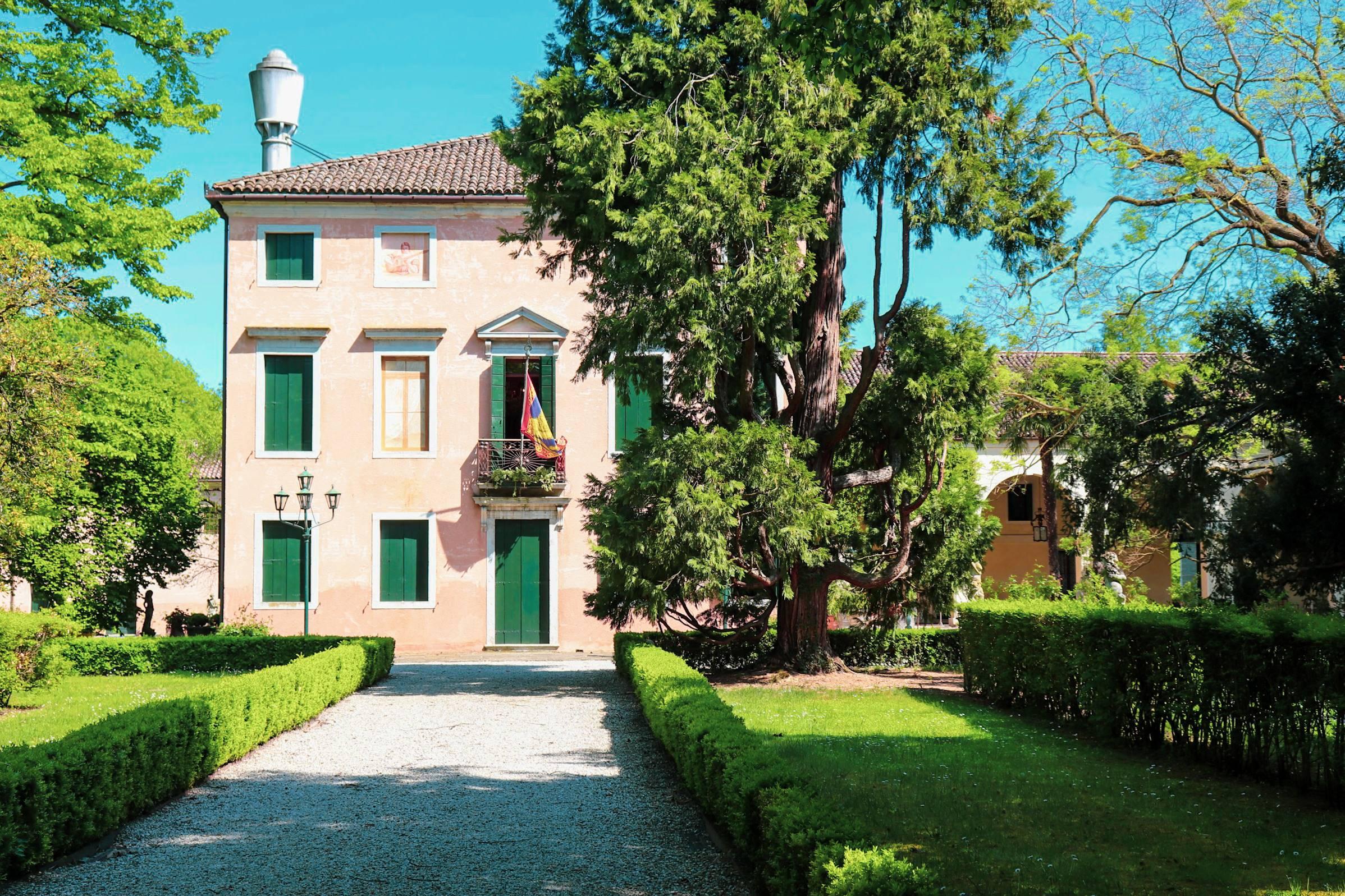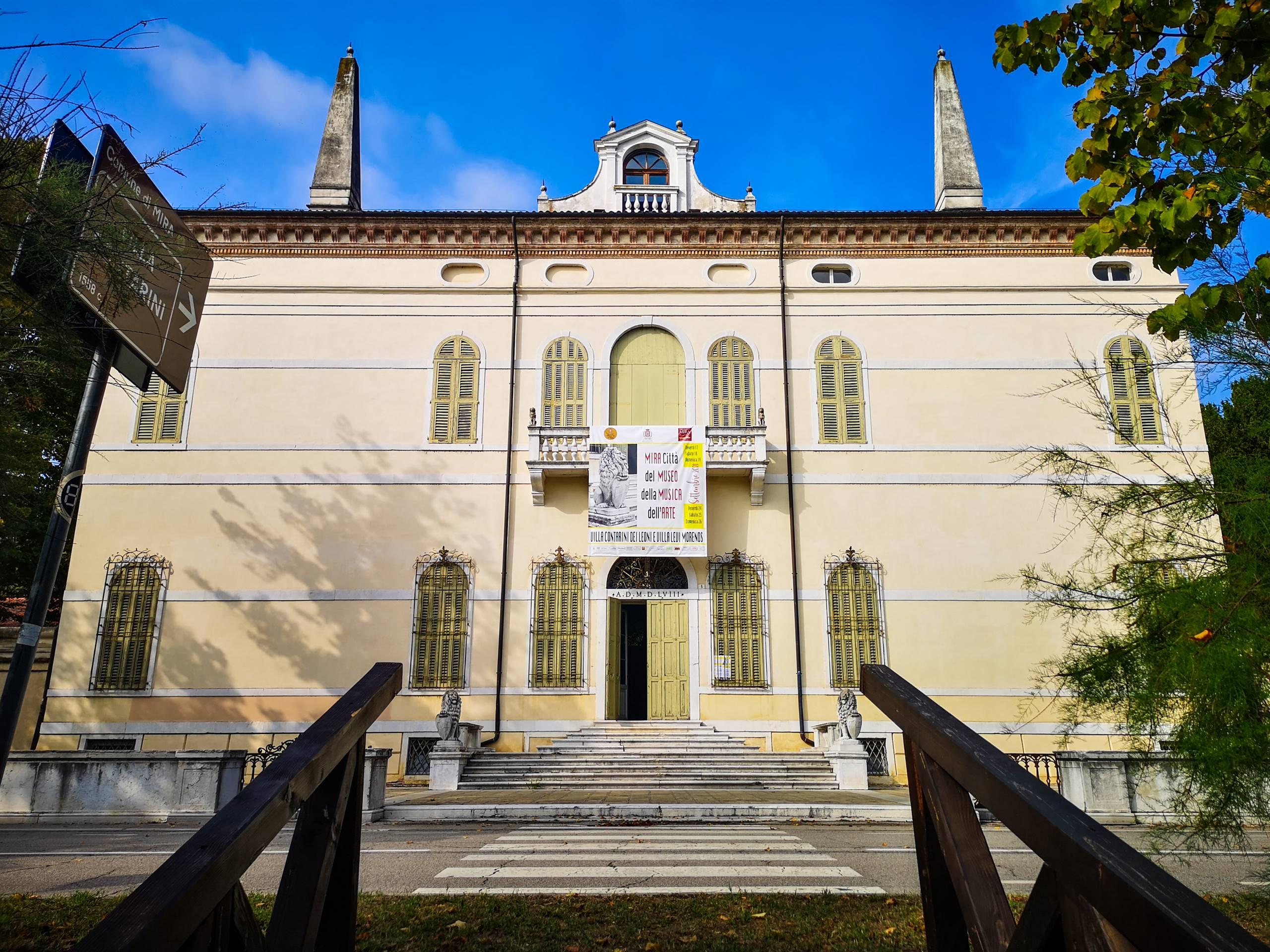
As strange as it may seem, very little is known for certain about the villa: the date of construction is unknown, its architect is unknown, and the events surrounding it are vague. It was most likely commissioned by the Venetian patrician family of the Donà, who built it in the early decades of the 17th century, on the remains of a previous late 16th-century square-plan manor house.
In 1847, the Villa was acquired by the Jewish banking family Jacur from Padua. Internally, the layout is traditional with central halls, side rooms, and the staircase located to the east.
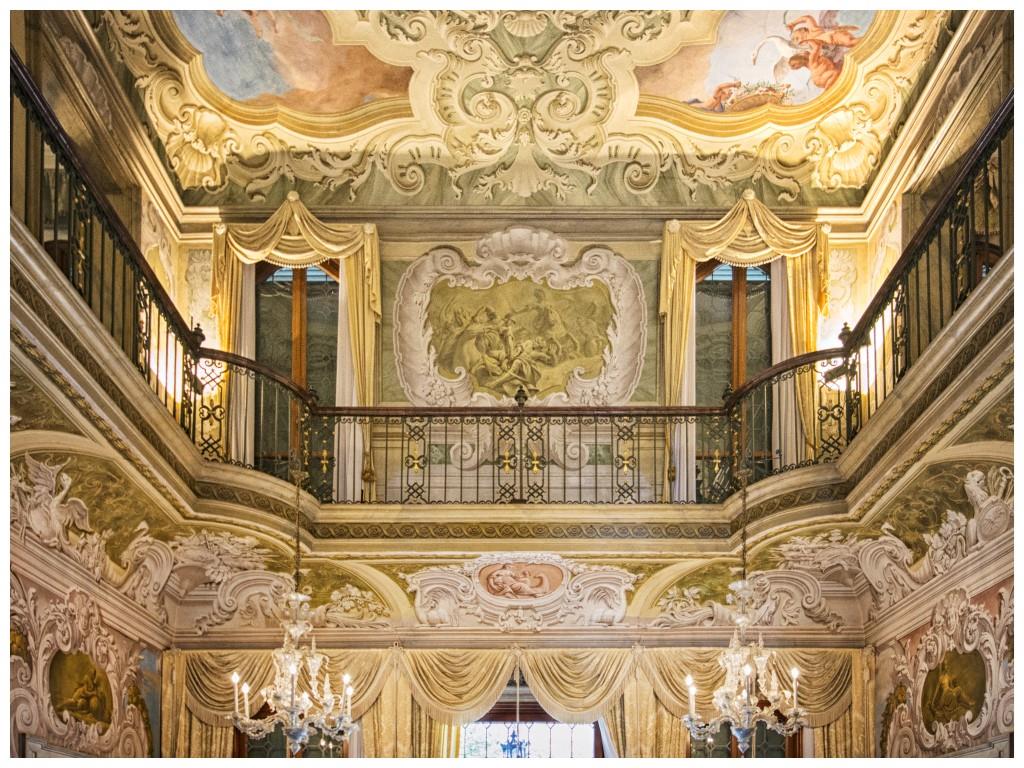
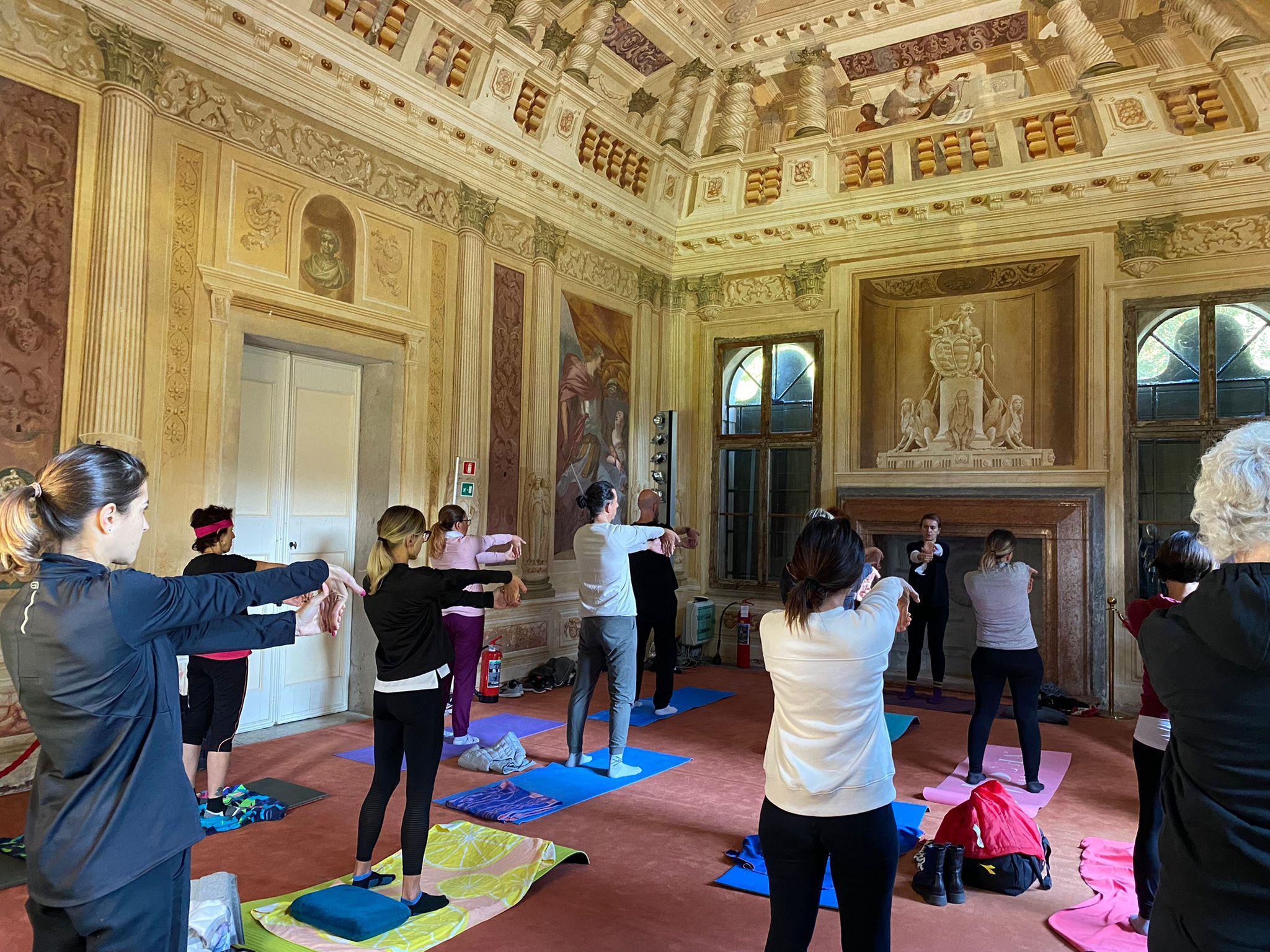
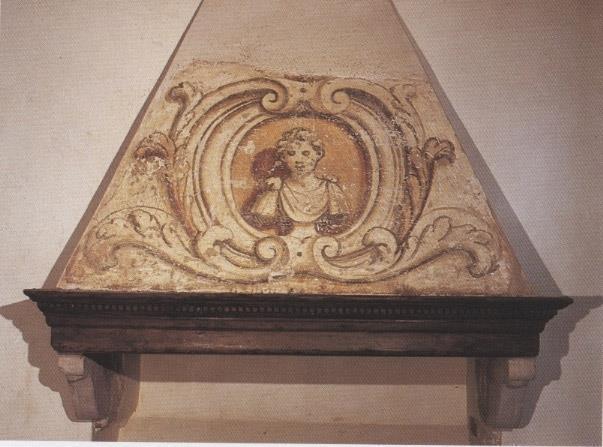
Only some parts of the frescoes in the ground floor hall remain visible. It is the hall located in the northeast that stands out as the most important room on the ground floor, perhaps of the entire Villa: a charming "sitting room" features frescoes of remarkable quality on mythological/religious themes, where putti rise to frame the windows and surround “mirrors” of marmorino—which originally were meant to host paintings, tapestries, or actual mirrors—giving the hall a scenic and sumptuous beauty.
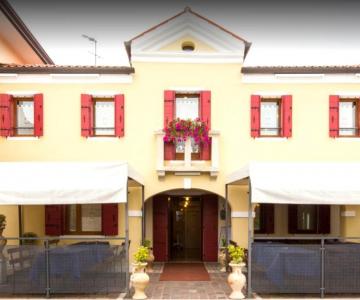
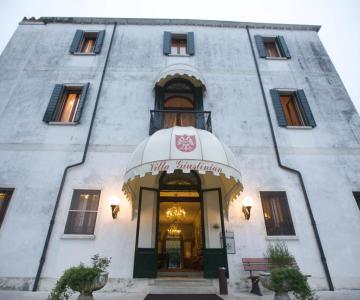
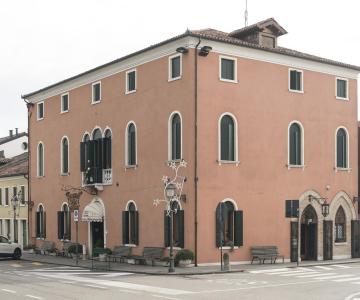
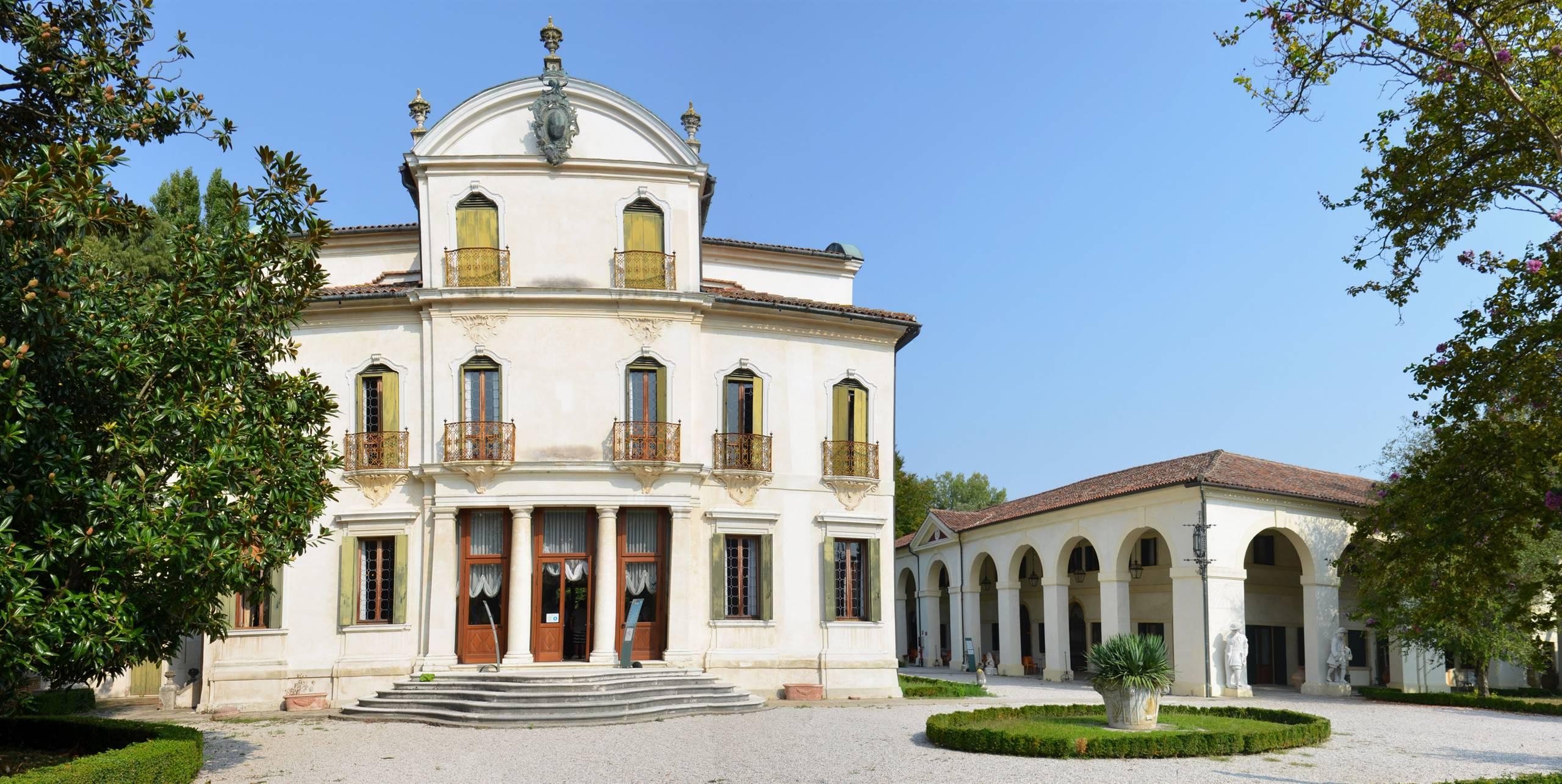
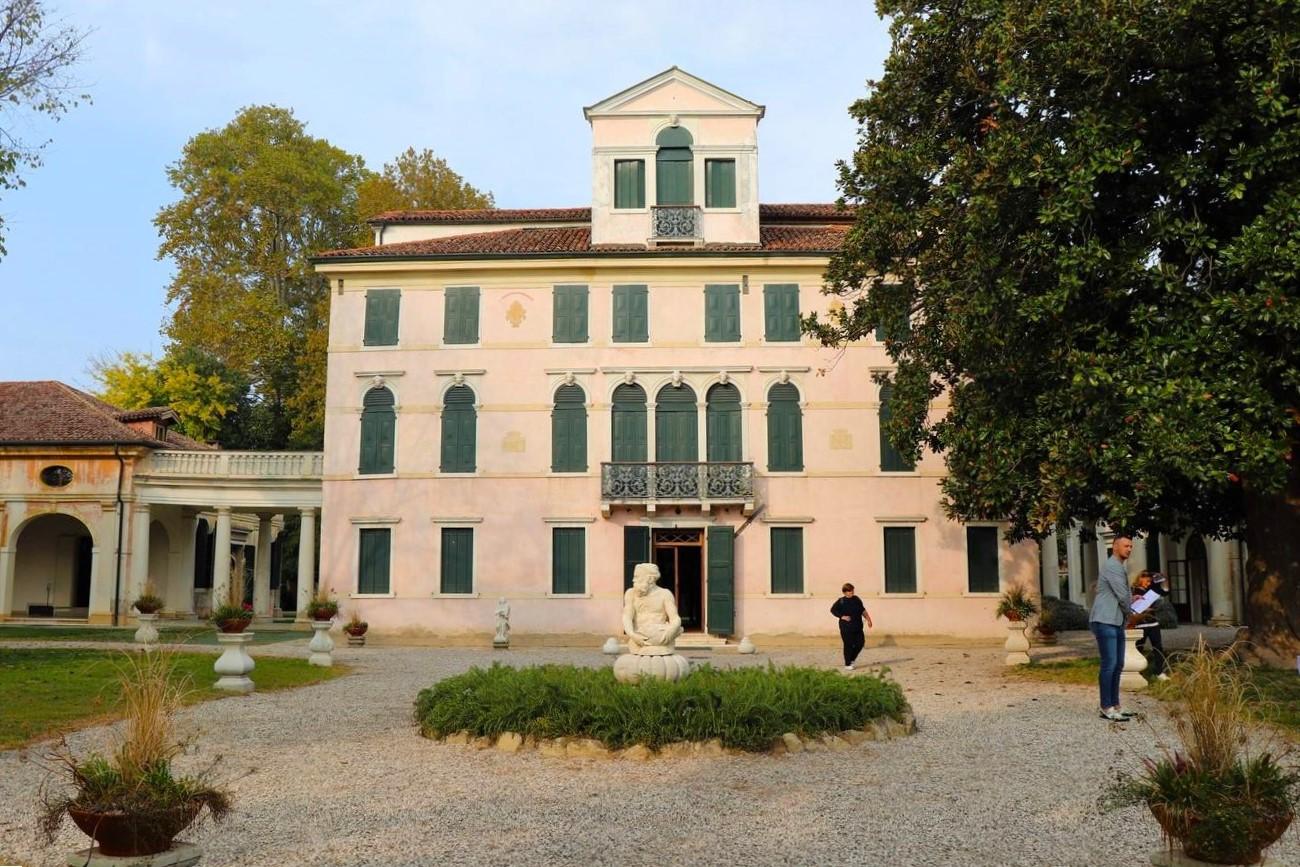
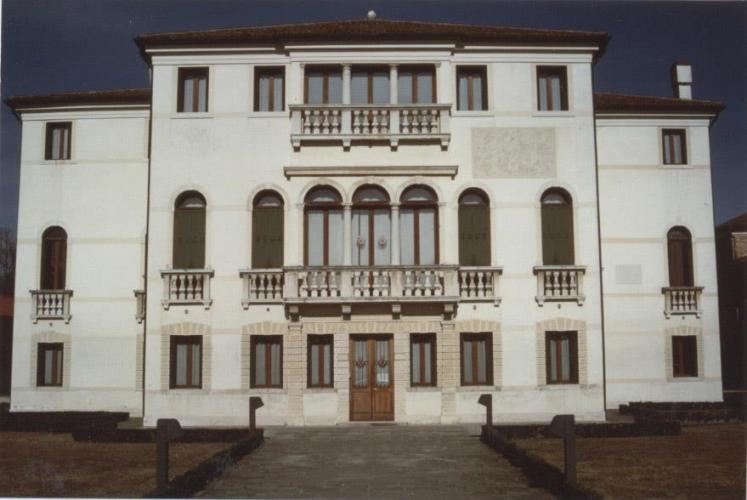
The facade presents the classic modulation of Venetian villas with openings on three levels.