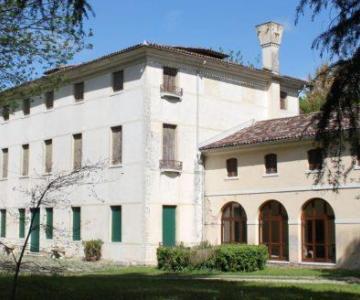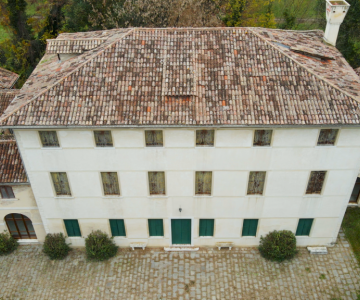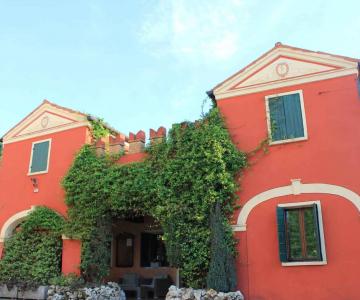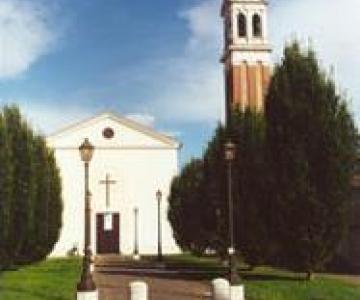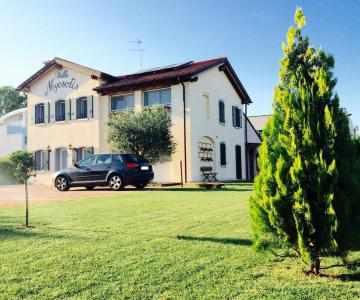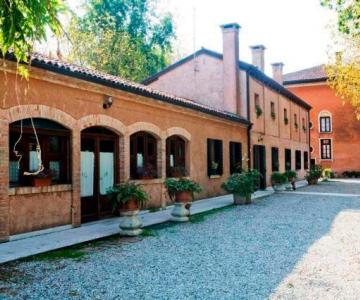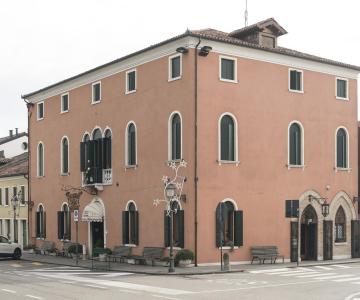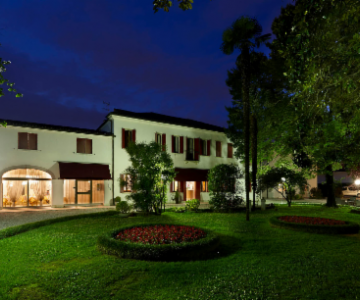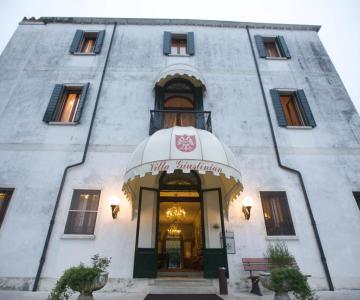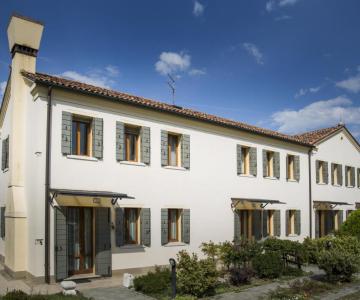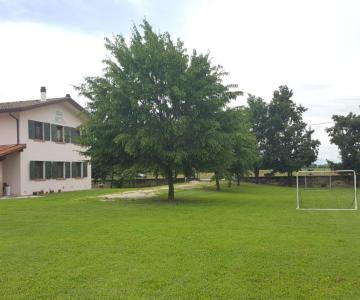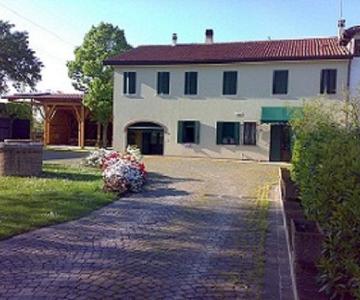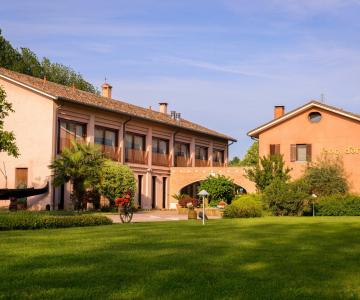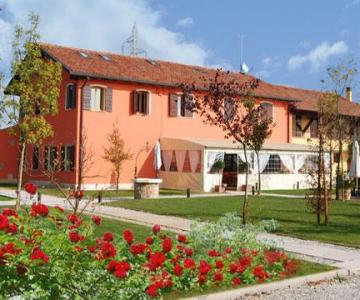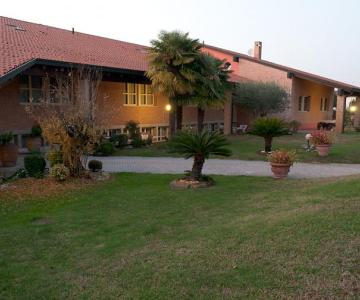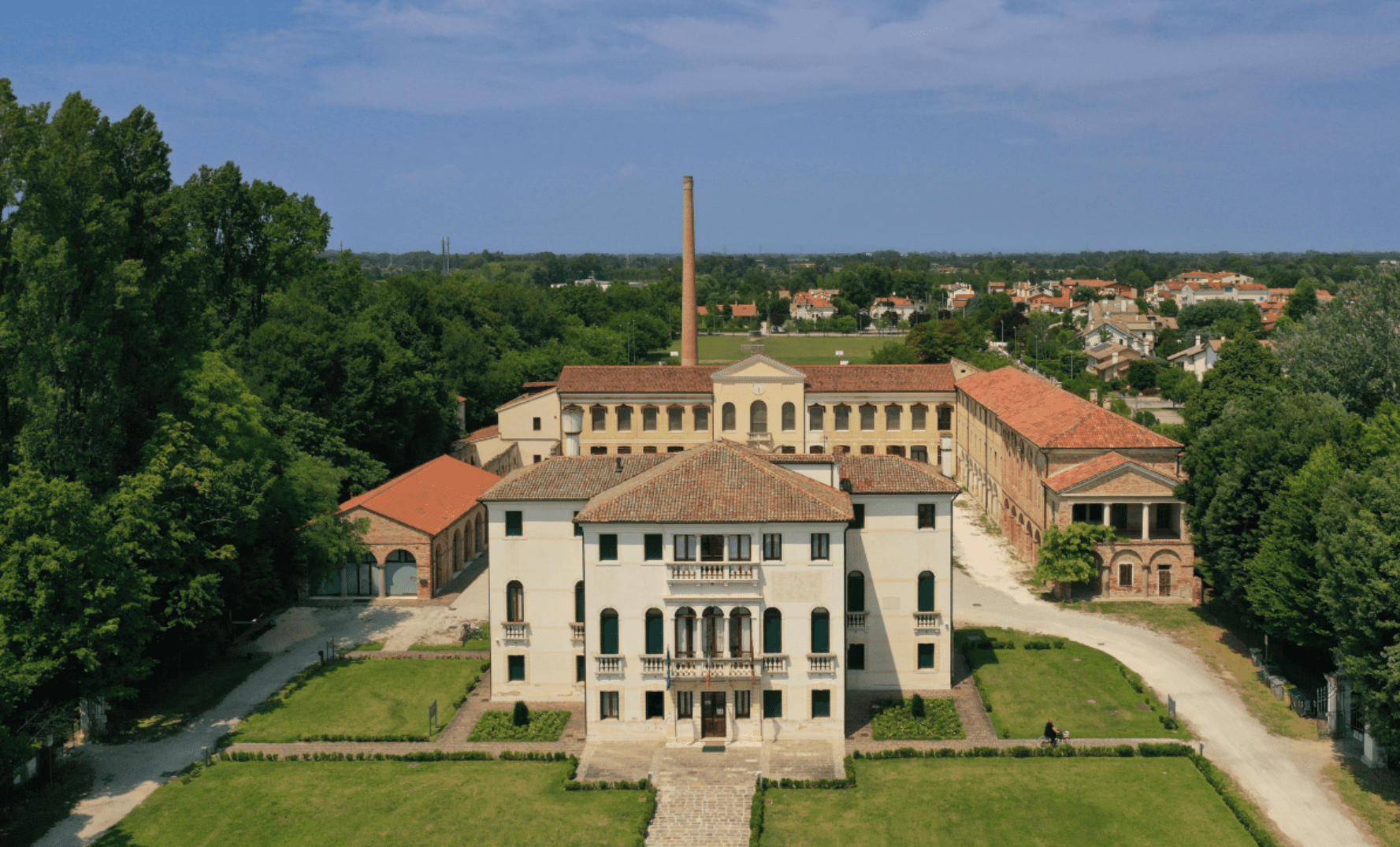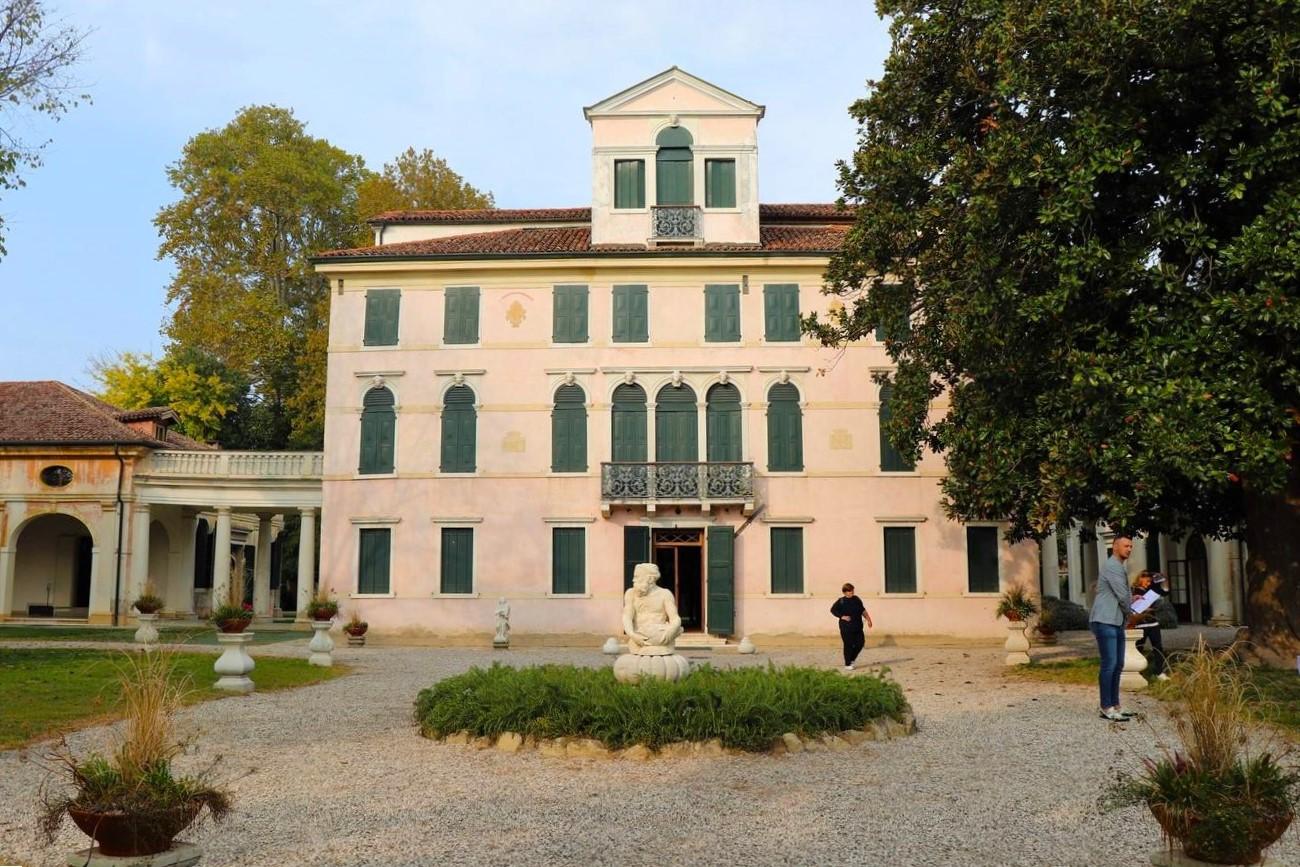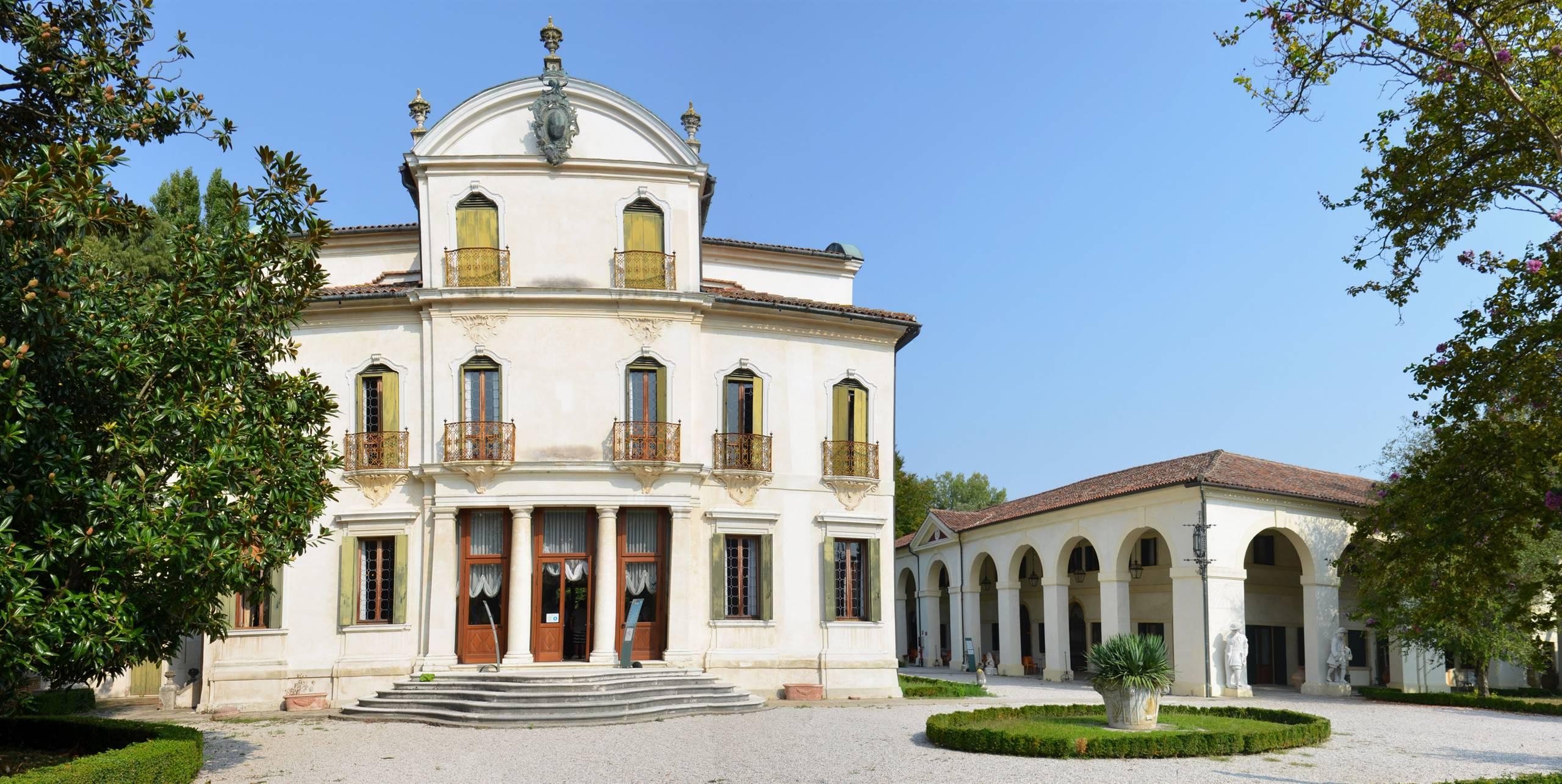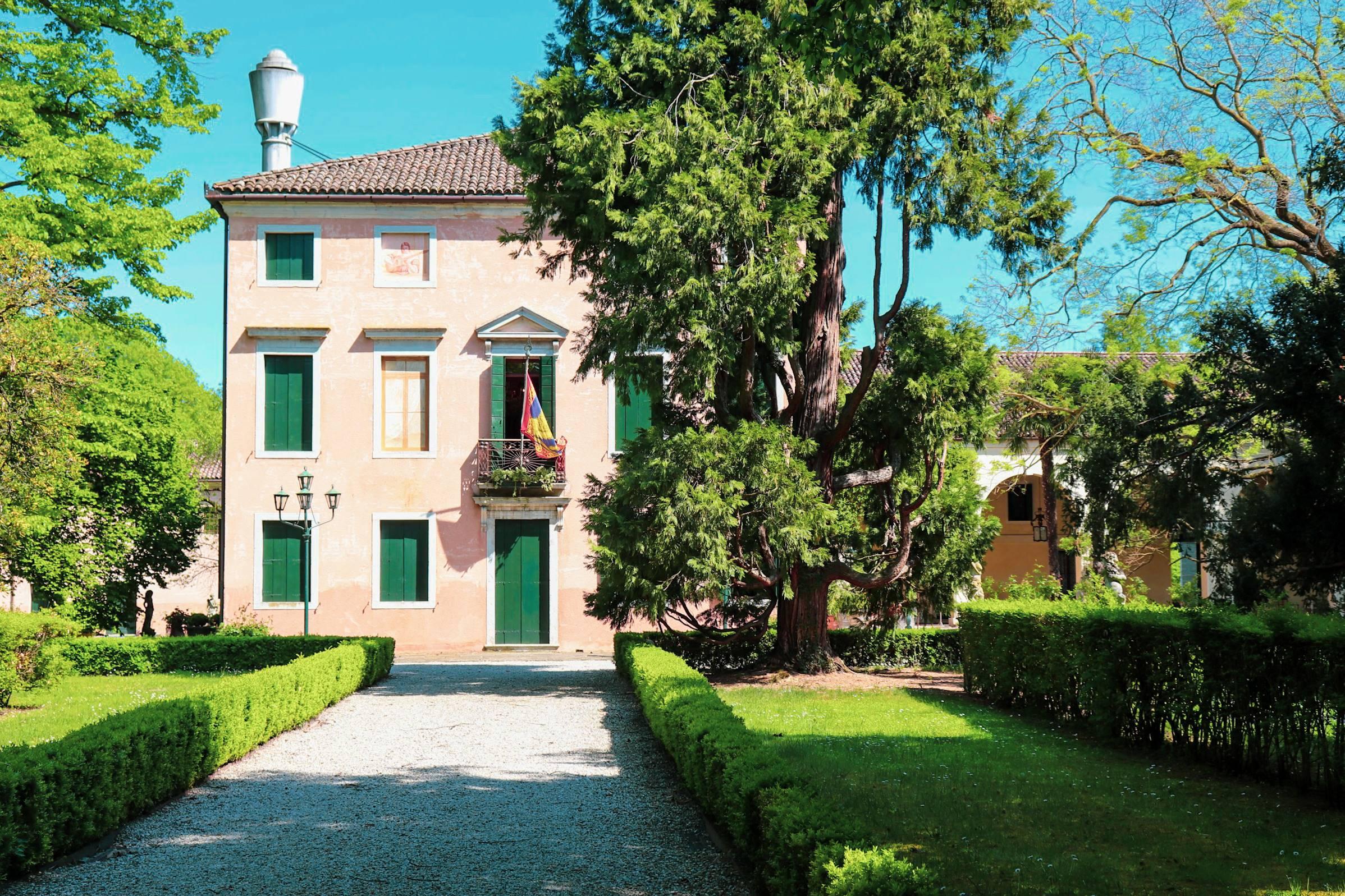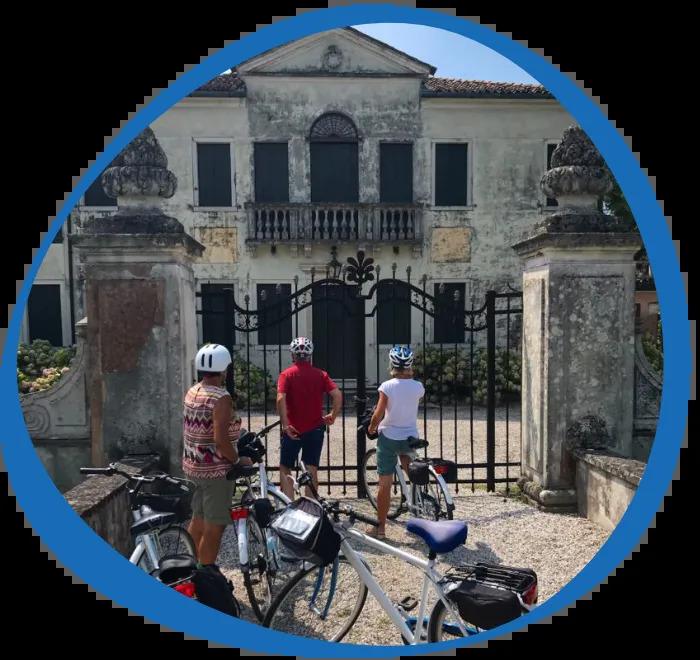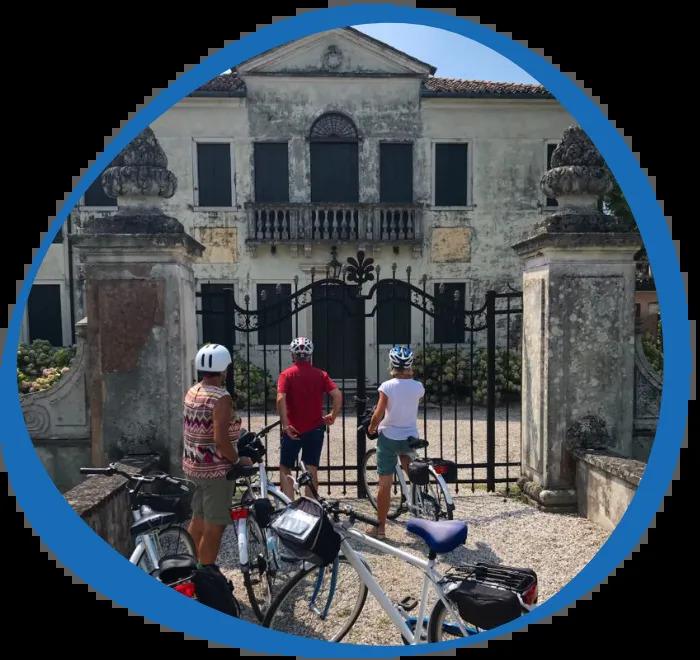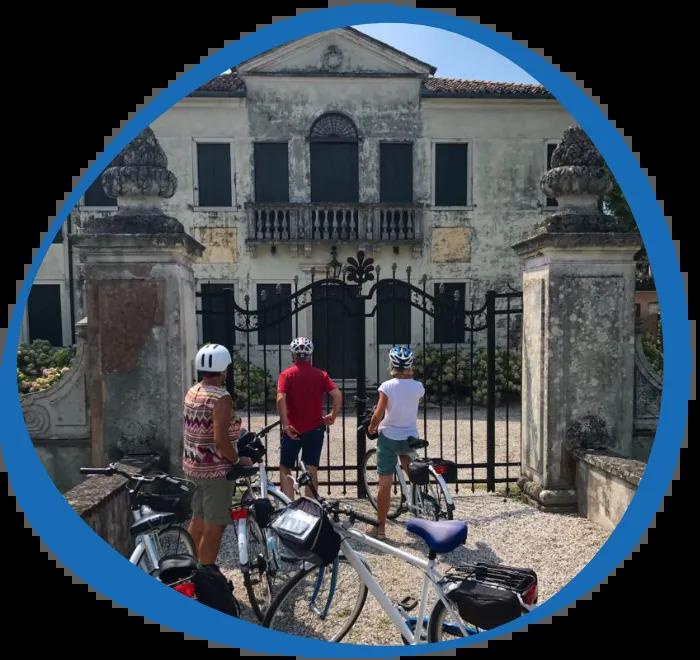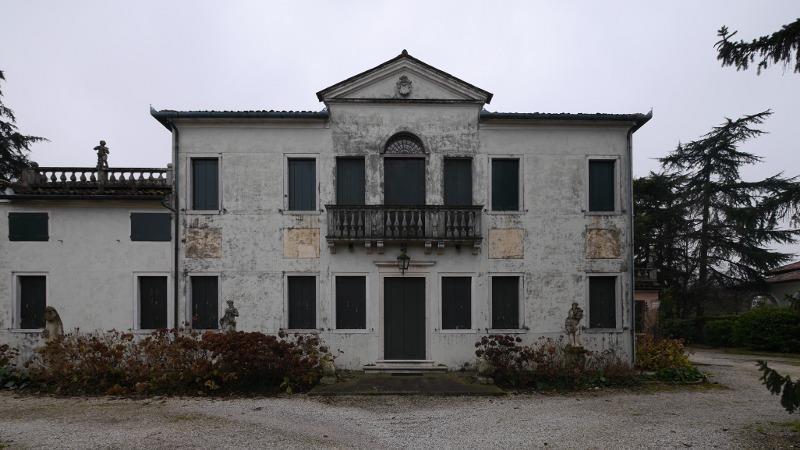

The building, a typical example of a small Venetian villa, is located about one kilometer from the center of Mirano and was built for Cristoforo Angeloni in 1688. The villa was sold to Giambattista Tiepolo in 1757. Giambattista had no opportunity to stay for a long time in the villa, as in March 1762 he left with his sons Giandomenico and Lorenzo for Madrid, where he was called to decorate the Royal Palace and where he died in 177.0
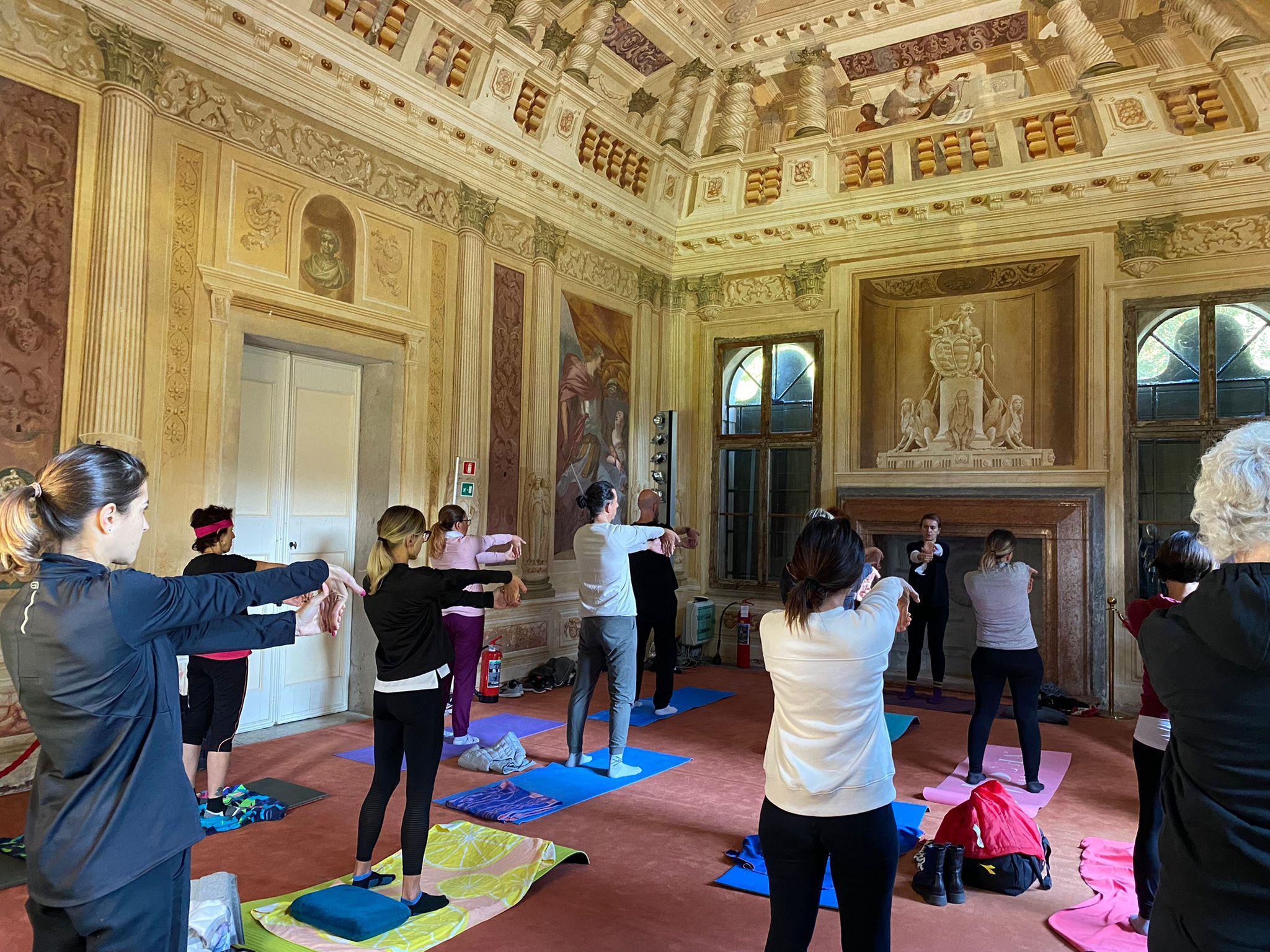
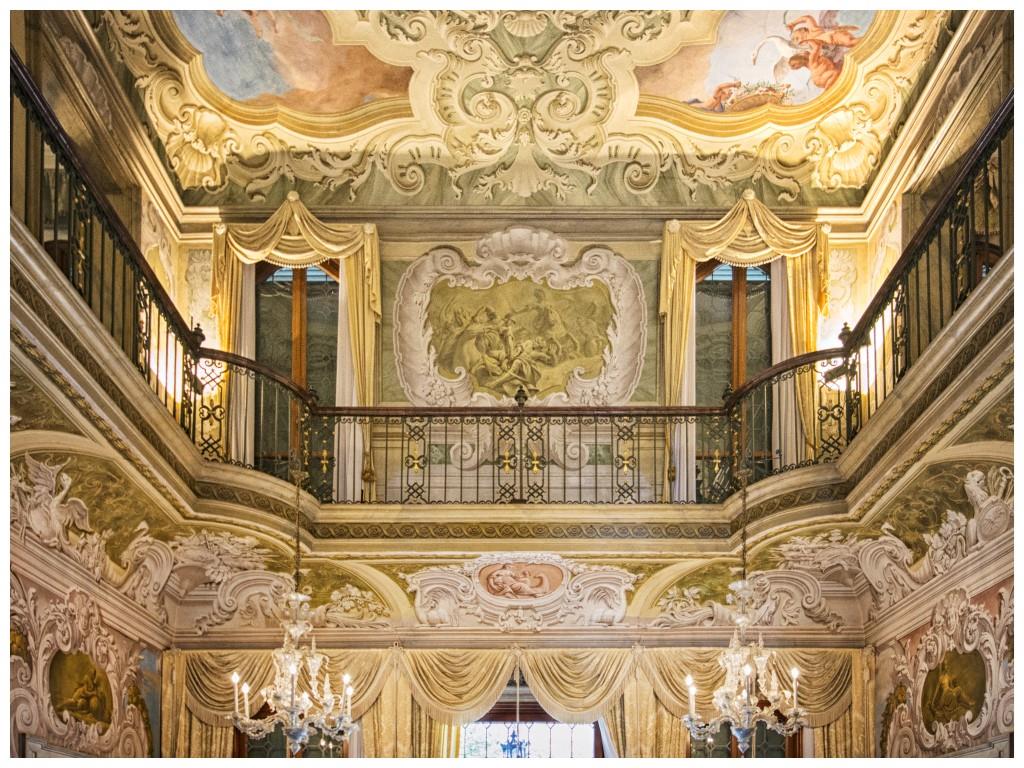
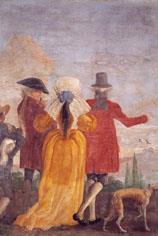
The Tiepolo villa in Zianigo, like Goya's Quinta del Sordo, is one of the few surviving houses that painters of the past built and decorated for themselves. It is here that Giandomenico wanted to leave an evident mark, almost the story of his life. Giambattista did not have the opportunity to stay in the villa for long, since in March 1762 he left with his sons Giandomenico and Lorenzo for Madrid, where he was called to decorate the Royal Palace and where he died in 1770. The inheritance of the villa passed to his son Giandomenico, who lived here in the last years of his life and where, free from all conditioning, he dedicated himself to fresco the rooms of the villa, working for short periods over forty years (1759-1797), painting complex scenes and small compositions depicting subjects of country costume and carnival. The villa is well known for the fresco decoration of the rooms on the ground floor, the stair front and the hall on the main floor, which was badly damaged by humidity and was completely torn off in 1907 and purchased by the Municipality of Venice. The frescoes have found their place in Ca 'Rezzonico, seat of the section of the civic collections dedicated to the eighteenth century of the Correr Museum, where they are exhibited to the public.