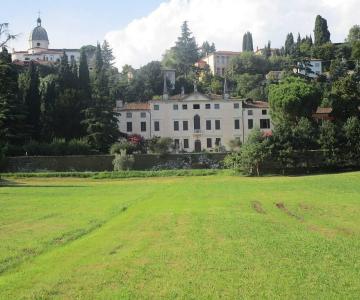
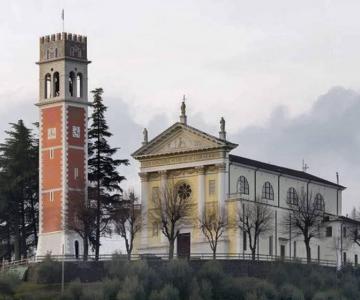
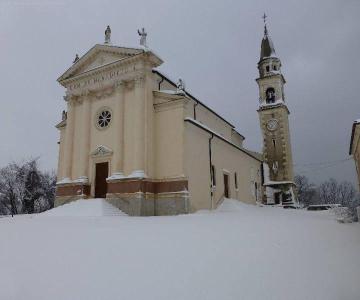
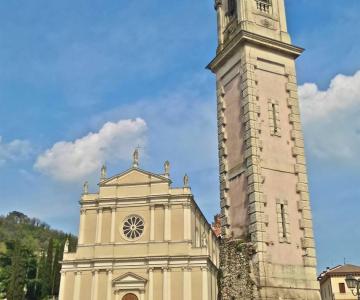
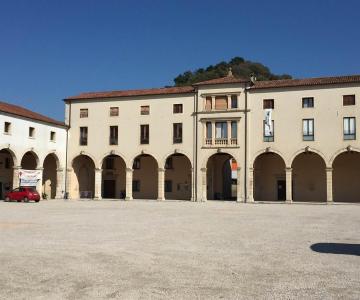
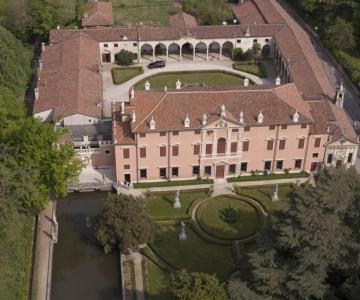
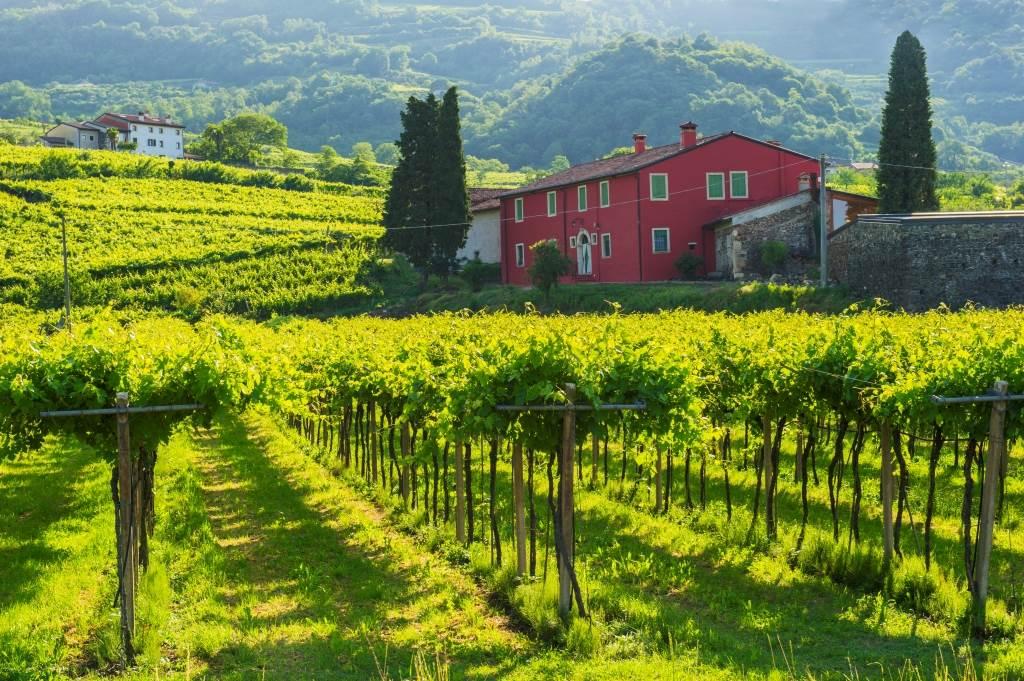
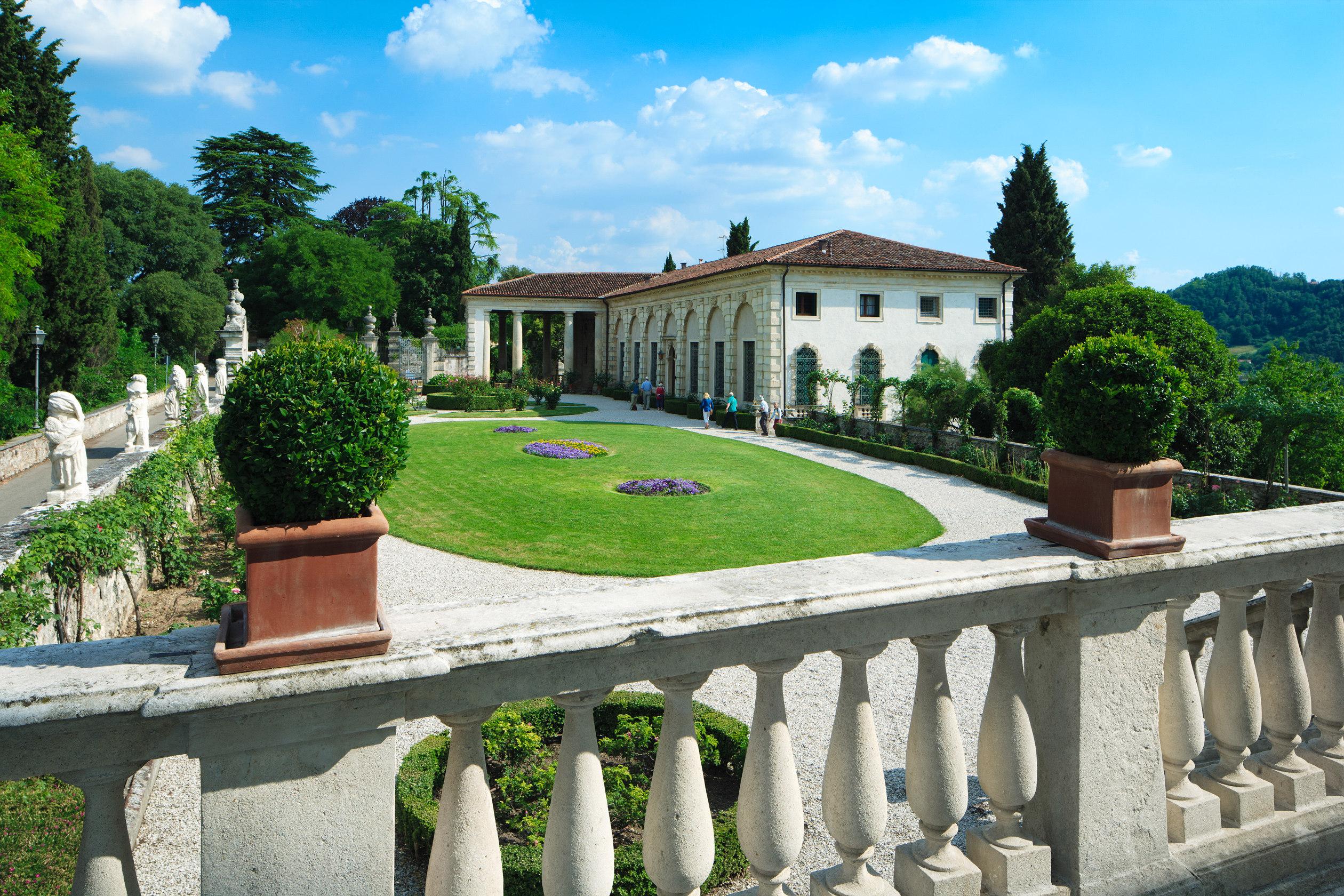
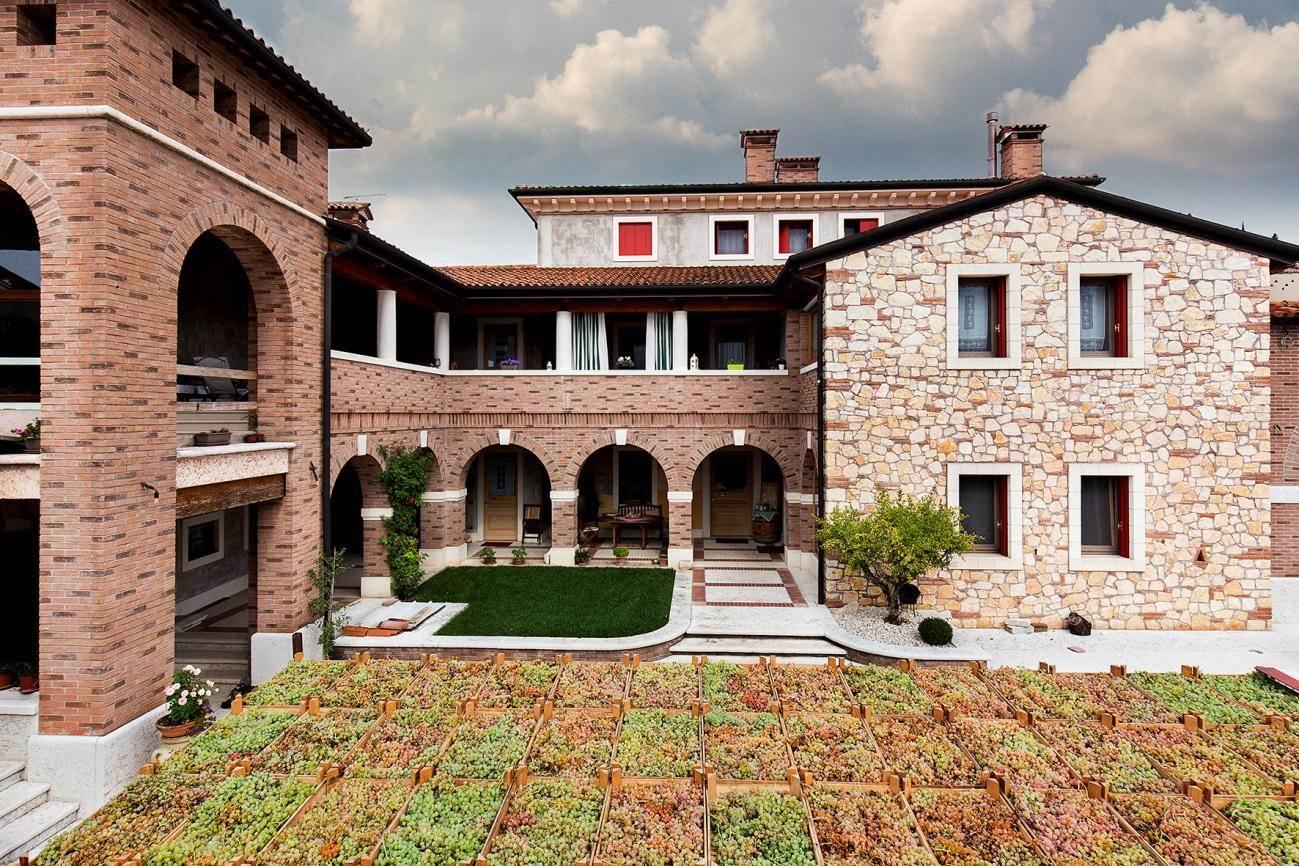
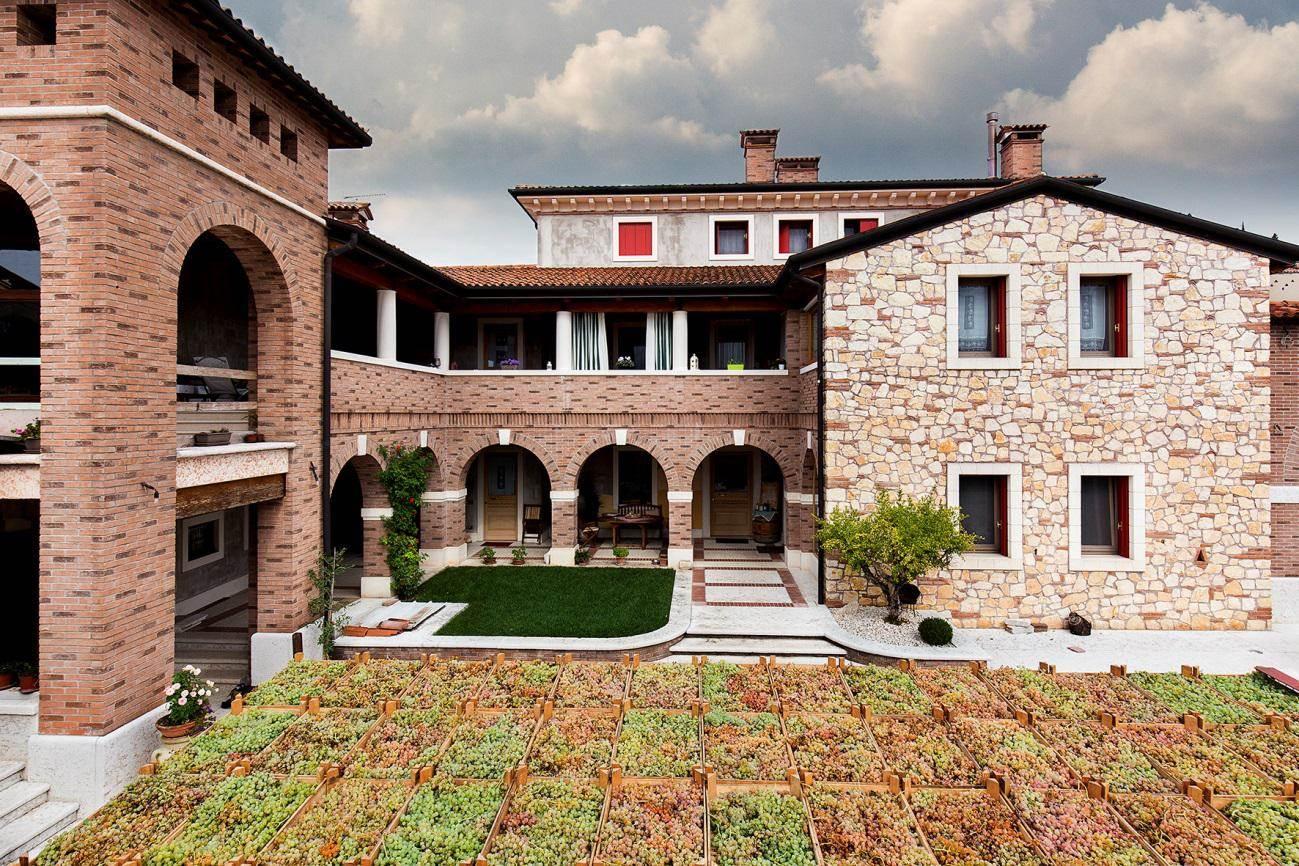
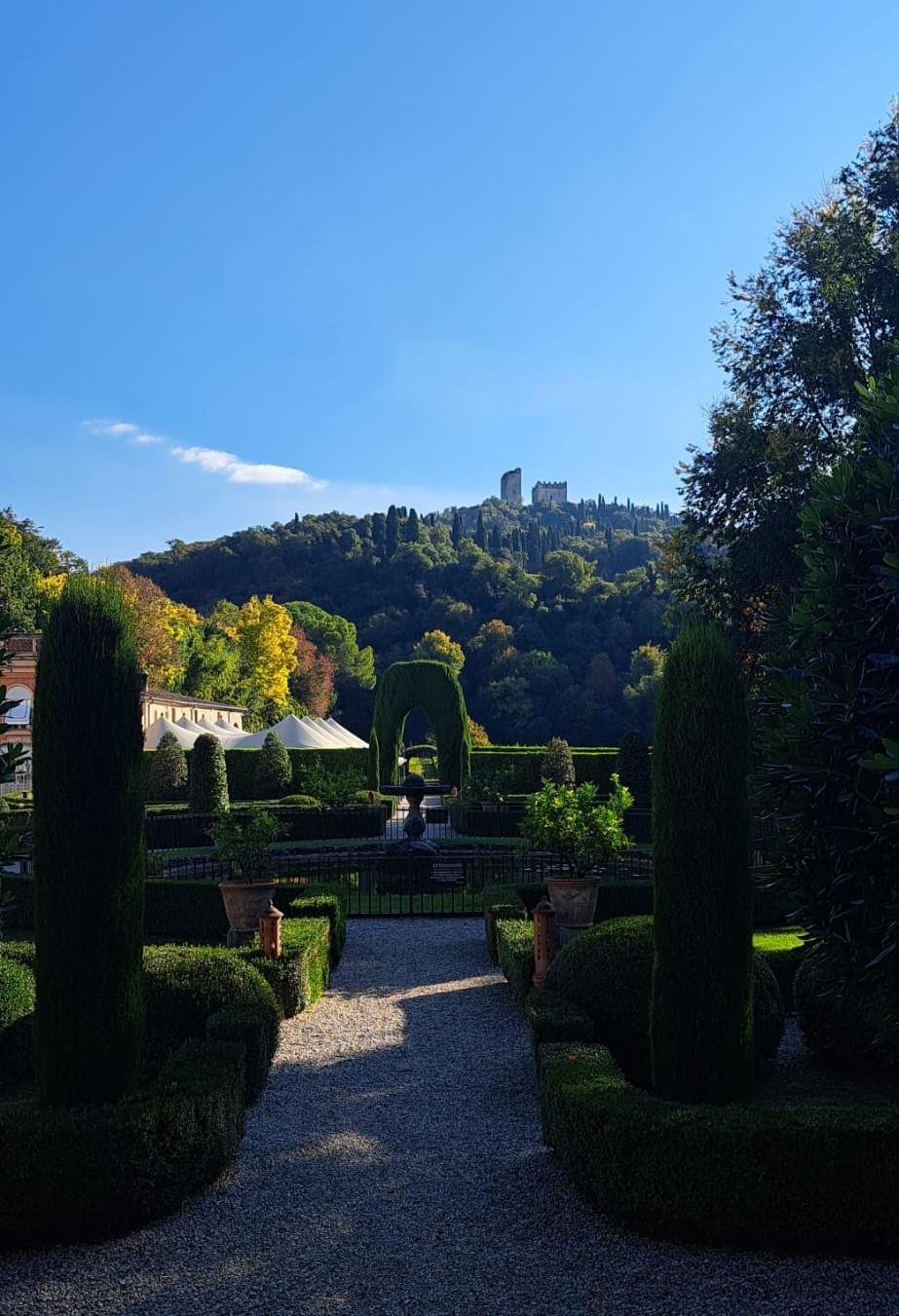
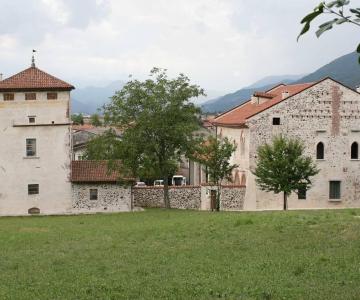
Villa Trissino Paninsacco is located in a panoramic position on the slopes of the Trissino hill.
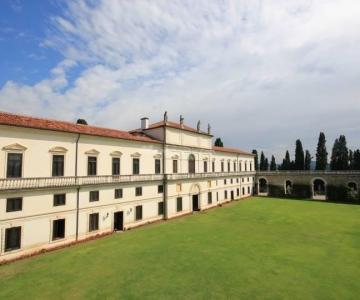
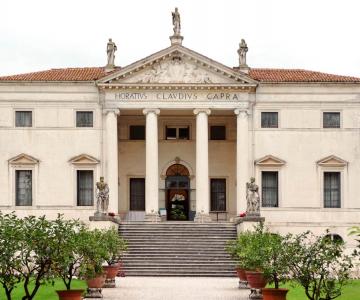
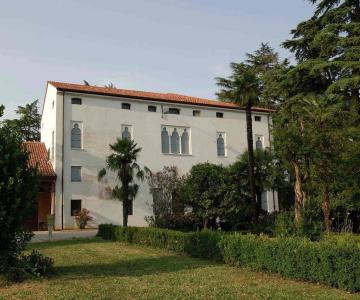
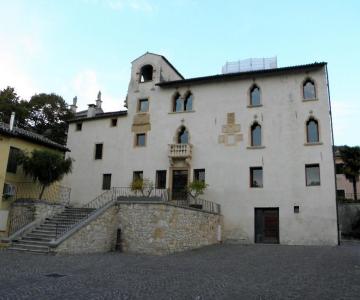
Built at the end of the 1400s, it features two facades typical of the Vicentine Renaissance period. The irregular shape of the building seems to confirm the hypothesis that it was constructed on the foundations of ancient defensive bastions dating back to the Middle Ages. The construction was completed in 1510, and there have been few modifications to the original form. Both facades reflect the Vicentine Renaissance taste, attentive to the symmetric rules imposed by classicism.
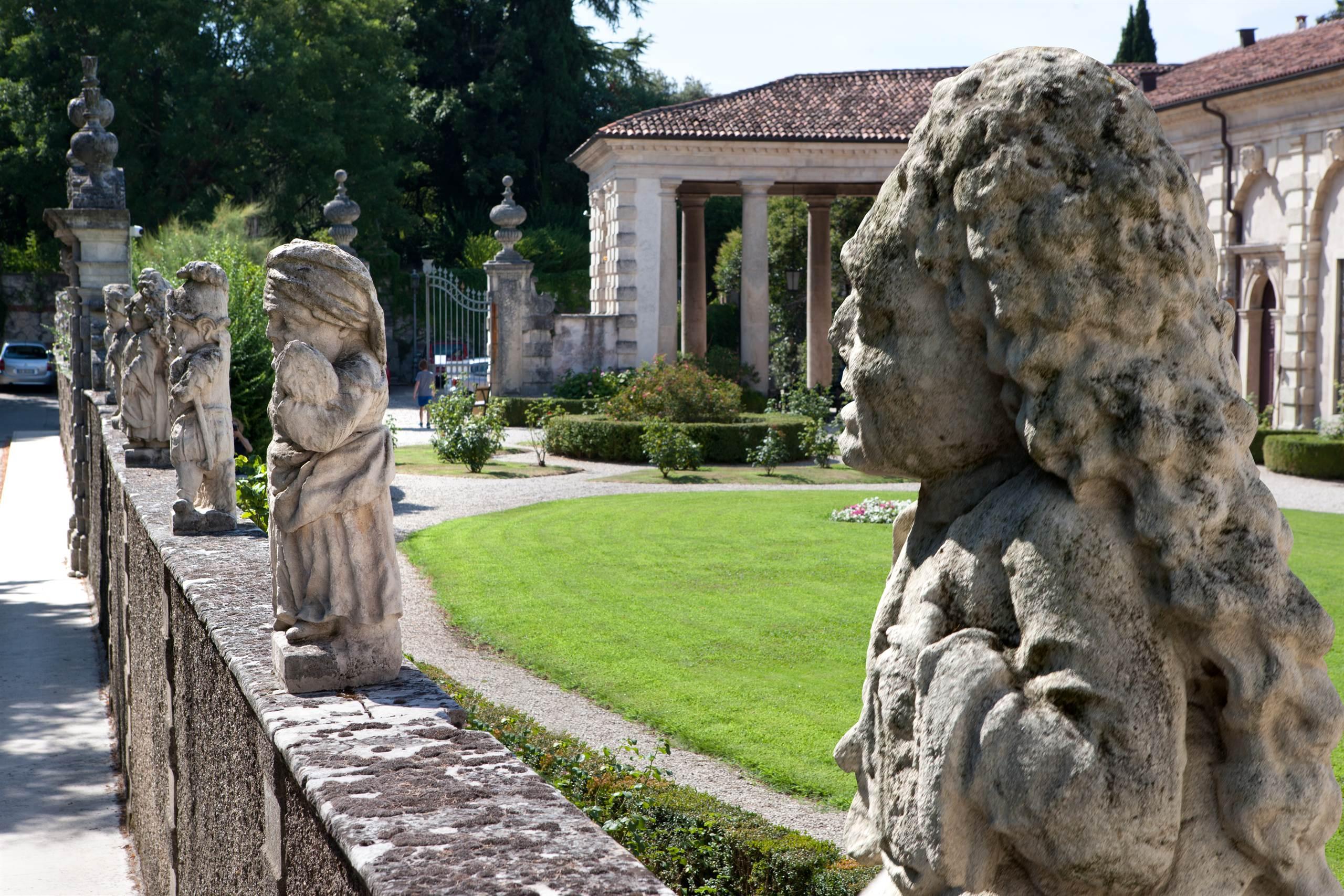
The shapes of the pentafora and the four monoforas on the main facade date back to the 1400s, as do the two monoforas on the north side of the same level. From the same period is the construction system of the eaves of the roof, whose stone slabs are supported by sturdy brackets. The small convex staircase in front of the main facade door is original. Taking advantage of the slope of the hill, the architect created three floors on the front facade, while there are only two on the mountain-facing facade. The entrance hall from the rear garden coincides with the central hall of the main floor, illuminated by the pentafora of the other facade. Inside, the two fireplaces dating from the early 1500s are of particular interest. The walls of the central hall are adorned with 19th-century busts of members of the Trissino Paninsacco family; it is worth noting that this is one of the few Venetian villas that has always remained in the same family's ownership. The rear garden is decorated with statues from the second half of the 1600s, crafted with excellent workmanship.

Villa Trissino Paninsacco
Via Paninsacco, 6 , Trissino - 36070
- Contacts
- tel. (0039) 0445 962009
TAKE ME HERE: Via Paninsacco, 6