The centerpiece of the museum is the impressive machinery of the hammer, which, due to its characteristic shape and movement, was called "donkey-head" by blacksmiths.
Built with "simple" materials: stone, wood, iron, it has managed to remain virtually unchanged in structure to this day, a true "living fossil". Another notable machine is the large water mill, where the blacksmith, suspended on a workbench, smoothed and finished the forged tools.
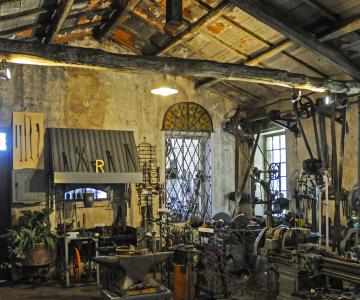
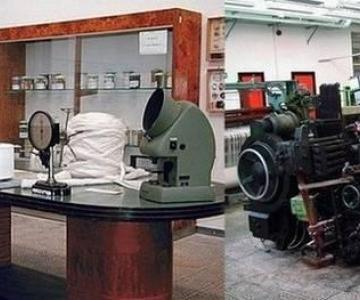
Inside the workshop, it is possible to observe a series of "simple machines" - such as drills, grindstones, lathes, etc. - powered by gears, pulleys, and belts from an internal water wheel. On the walls are the original series of tools used by the last blacksmith (recently cataloged) and samples of the tools he made in the workshop, all left as they were at the end of his work.
In the charcoal kiln, one can also see the structure of a machine for ice production, created in 1933, based on an idea by Attilio Tamiello, brother of Angelo Giusto, this machine is also powered by the internal water wheel.
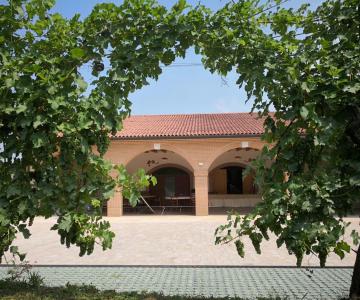
Adjacent to the workshop, there are some rooms equipped for temporary art or technical exhibitions, which, in addition to the reception, host old objects from the daily life of the Tamiello family. Through these spaces, which cross over the irrigation canal, one can access the "brolo", a large enclosed green space equipped with tables and benches for picnics, from where it is possible to observe the flow of water in the canal and the water wheels of the hammer and the mill.
Cultural evenings with personalities from the cultural and entertainment fields are held here during the summer.