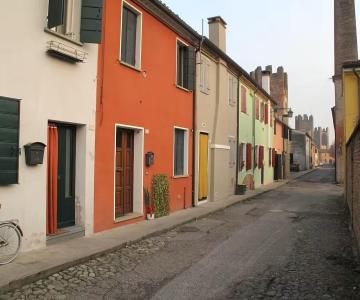
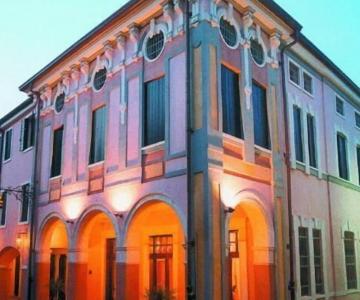
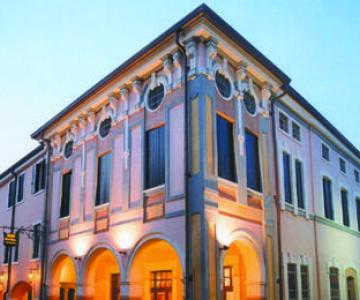
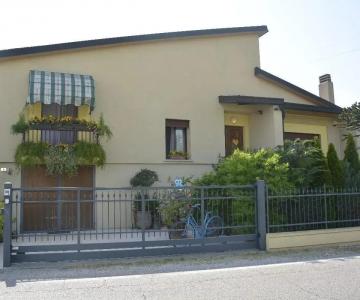
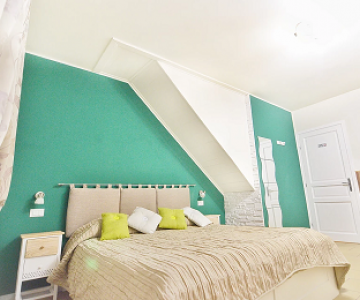
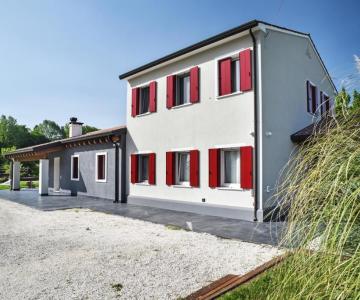
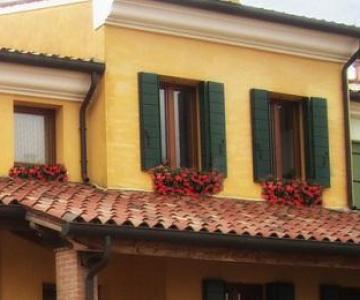
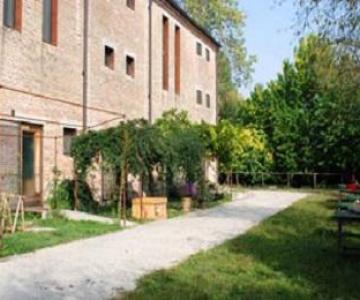
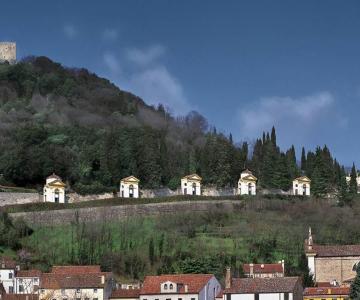
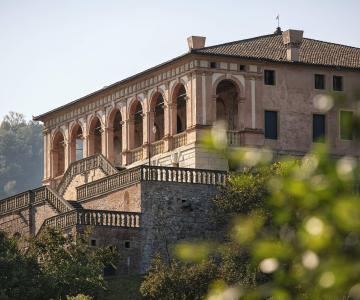
A quiet shelter along the pilgrims' route.
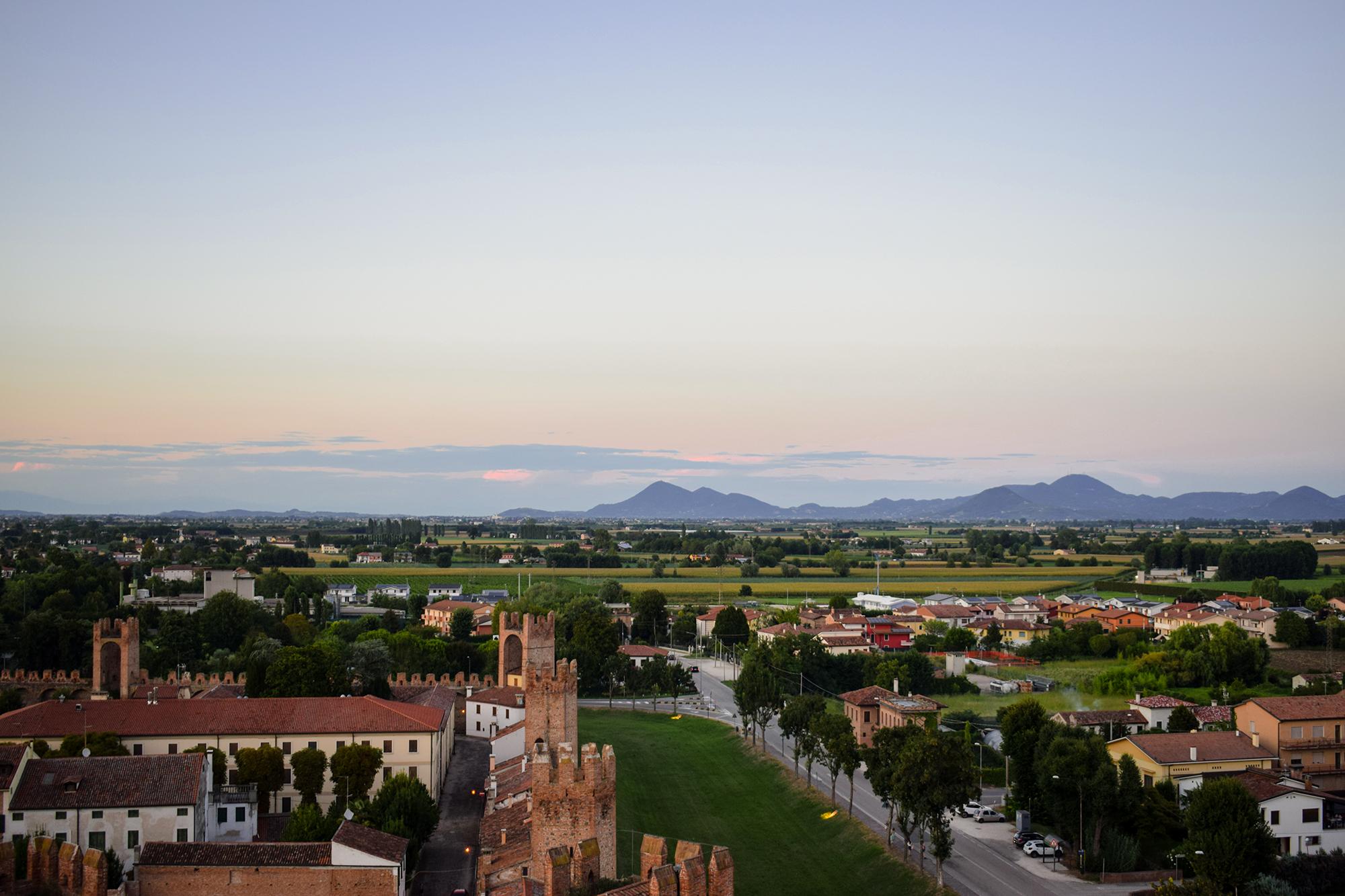
The center of the town encloses a deep spirituality, also due to the pilgrimage route called Romea Strata. Along the town streets, there can be found old places of devotion and some hospitalis, safe shelters for travellers.
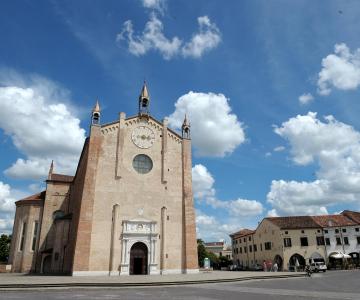
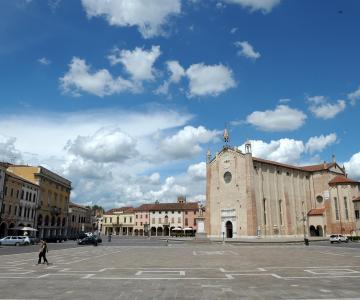
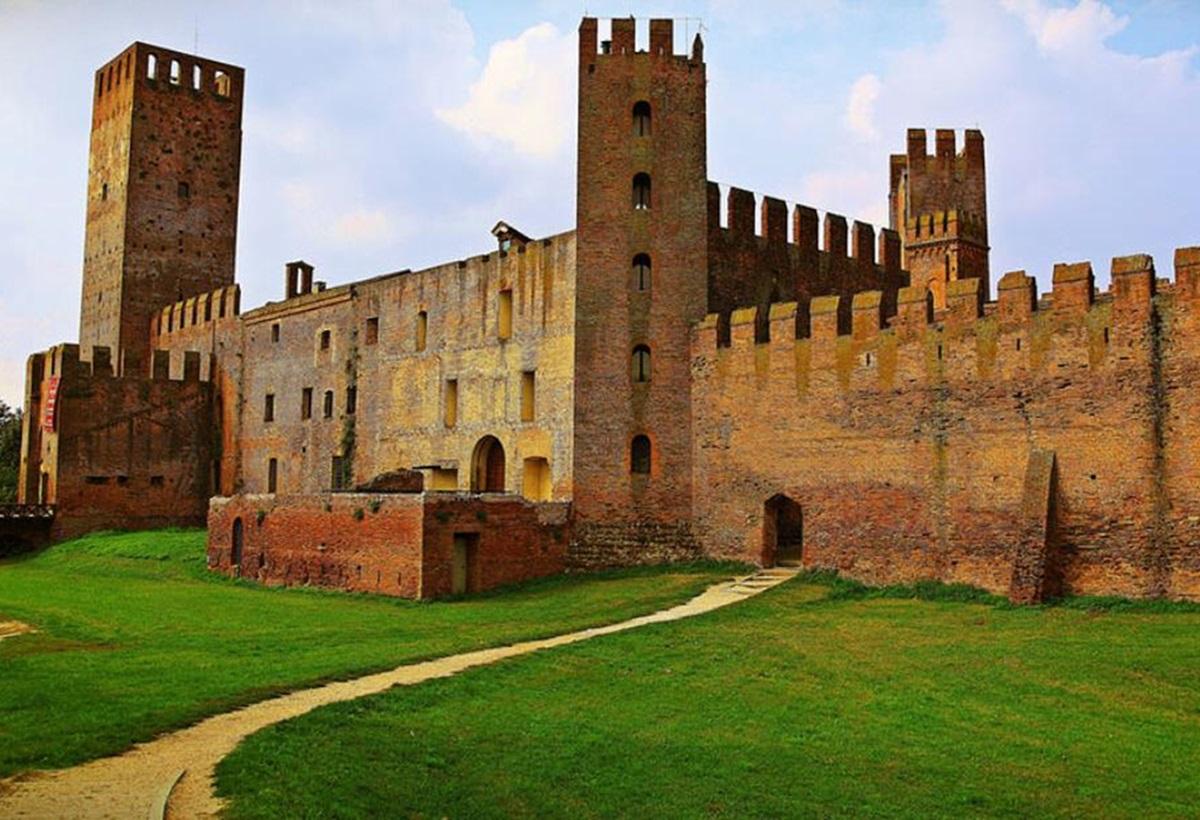
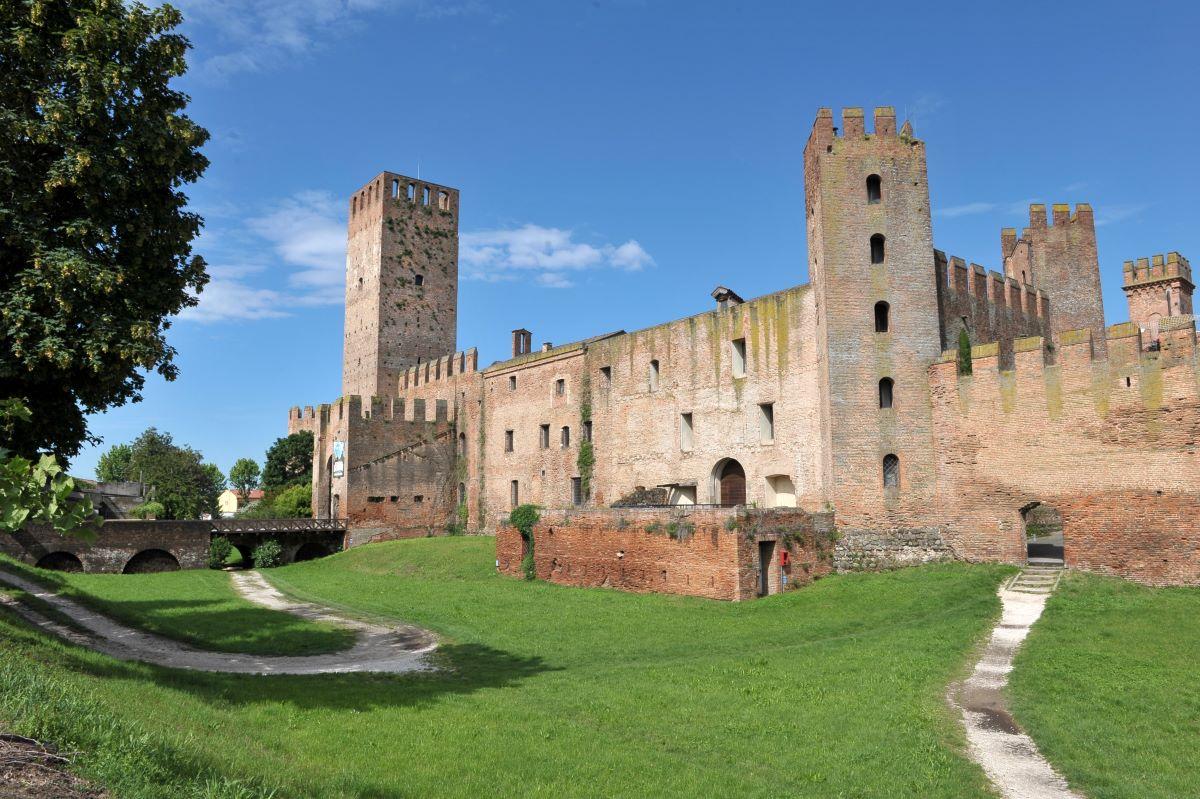
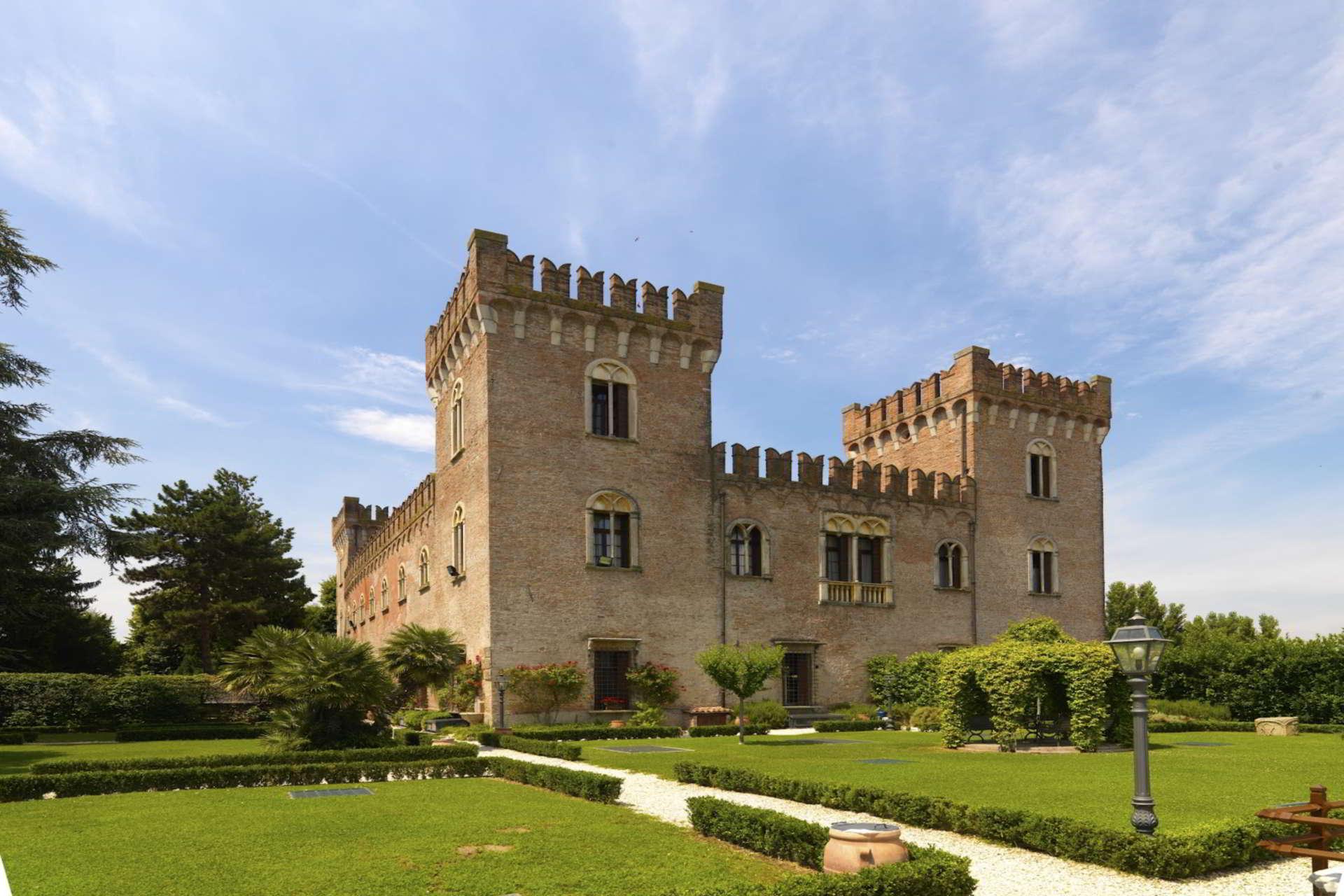
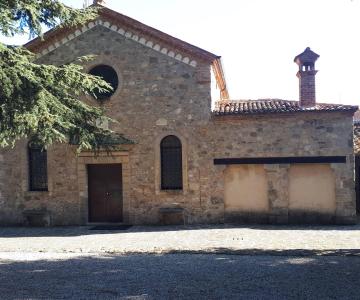
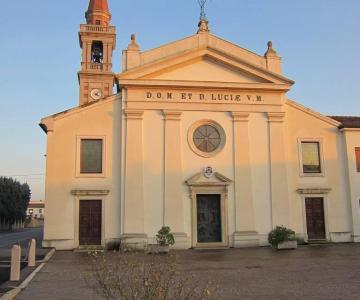
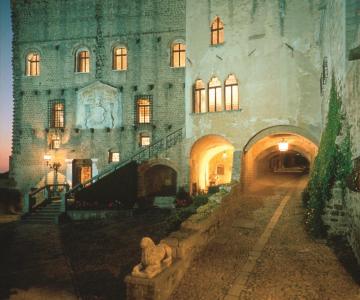
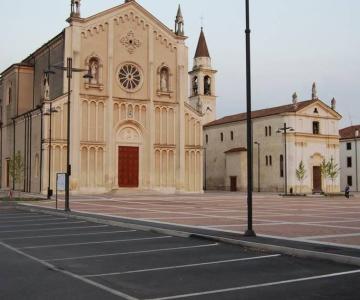
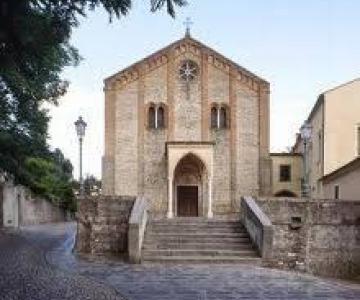
A path around the streets of the city center will allow you to feel the deep spirituality of the town which is testified by a religious tradition that has been on for centuries. Montagnana was quarreled over for very long by the dioceses of Verona and Padua, and over time it lined up with the latter, sealing a deep alliance to support their political partnership. As a land of border, since the first centuries of Christianity Montagnana has been an important stopover along an ancient pilgrimage route, the Romea Strata. This followed along the ancient route Aemilia Altinate to connect the cities of Modena and Aquileia, favoring the building of churches and to the birth of religious institutions. Starting from the 16th century, the increased importance of the center and the political, social and economical fervor thanks the Serenissima contributed to embellish the places of worship. Setting off from the Castle of San Zeno, you can discover them after a quick walk which will lead you to the main square, where there is the Cathedral of Santa Maria Assunta. It was built between the 15th and the 16th century, it has an imposing architecture, and it hosts some valuable works of art. After, you can continue to the Church of San Benedetto, built in the 14th century probably over an older complex, and renewed in the following centuries in baroque style. Further on, there is the ancient Hospital of the Nativity, an interesting stop for the soldiers, pilgrims, merchants, or ordinary peasants who needed shelter a shelter to be treated, or helped physically or spiritually on their way. You can now get to the church of San Francesco, with simple architectural lines which reflect the style of the mendicant orders which are still here in the annex convent of Clarisse nuns. At the back of the church, you can see a small opening along the southern side of the walls, a postern opened in 1925 to ease the communication between the inside and the outside of town. Go out of the walls and go straight on. On your right you will see the church of Sant’Antonio Abate. According to ascertained sources, this church was already there in the 12th century, and this would make it the most ancient religious building in town. Enlarged and embellished in several stages, over the centuries it was officiated by different monk orders. According to a commendable study, also the Templars were here and had a hospitale.