The Counts Capra, feudal lords since the early 12th century, were often in conflict with the neighboring lords of Piovene and Thiene for control of the area. With the arrival of the dominion of the Serenissima, they were forced to abandon the castle and move their residence to the plain.
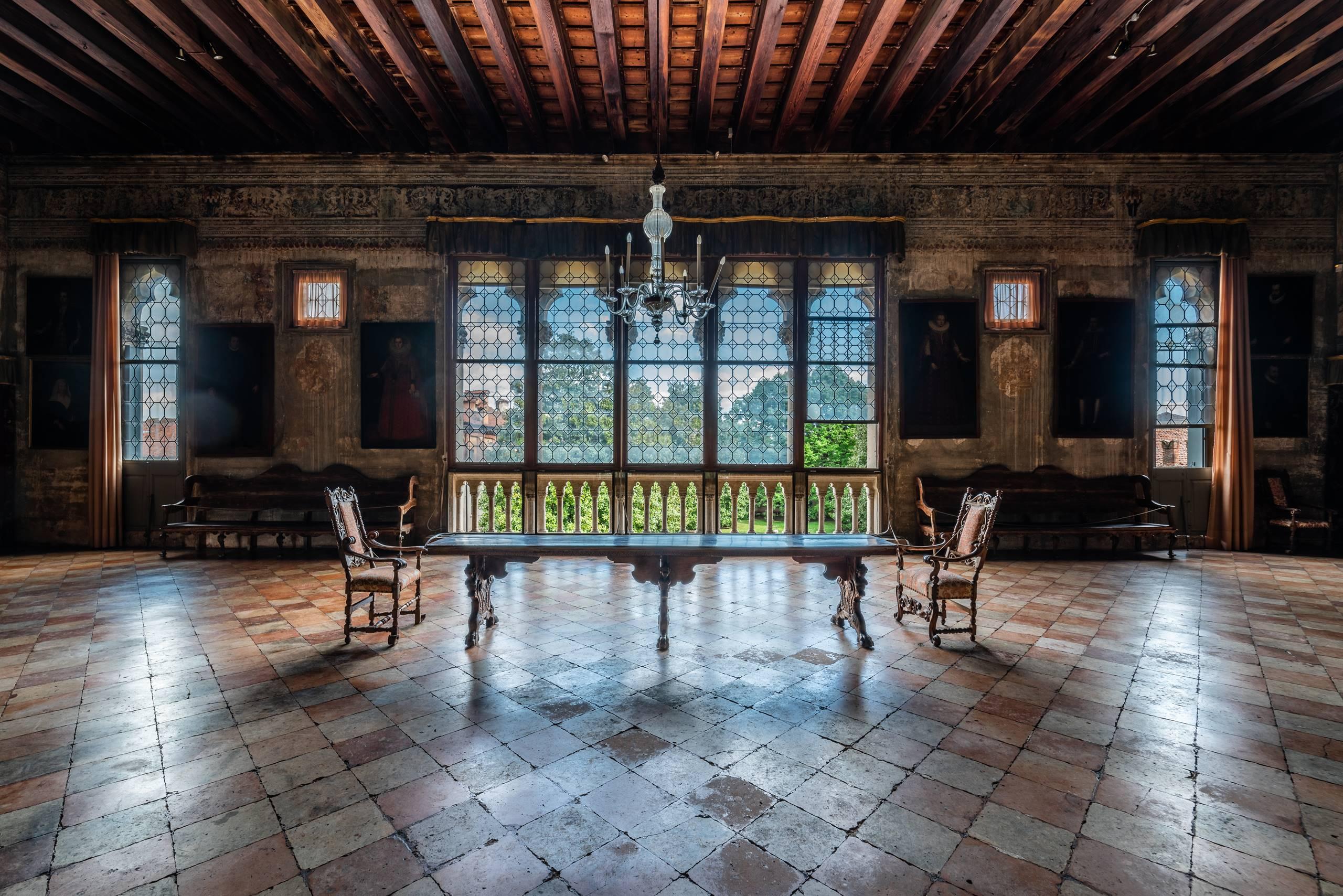
The noble residence was built between 1444 and 1446, as evidenced by the "millésimes" carved in the porch of the main body.
From the mid-16th century onward, the villa gained particular importance as the properties of the Counts Capra in Carrè were elevated to a county in 1552, and Count Odorico Capra was granted the title of marquis in 1648 by Emperor Ferdinand III.
Around 1860, the villa was acquired by the Filippi family.
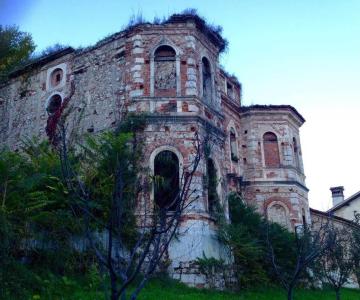
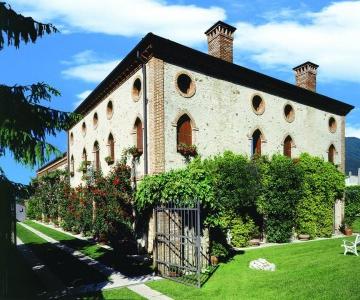
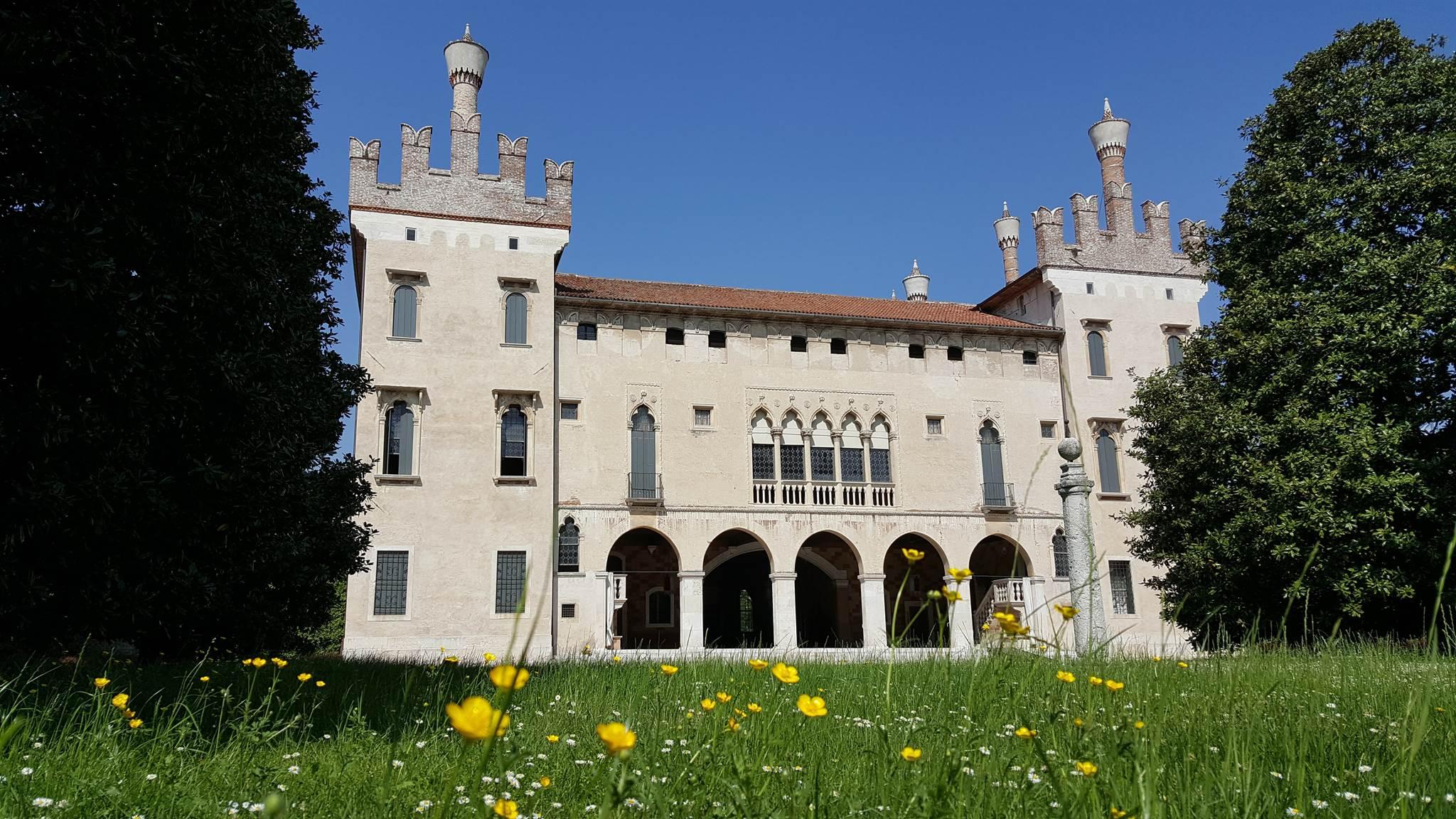
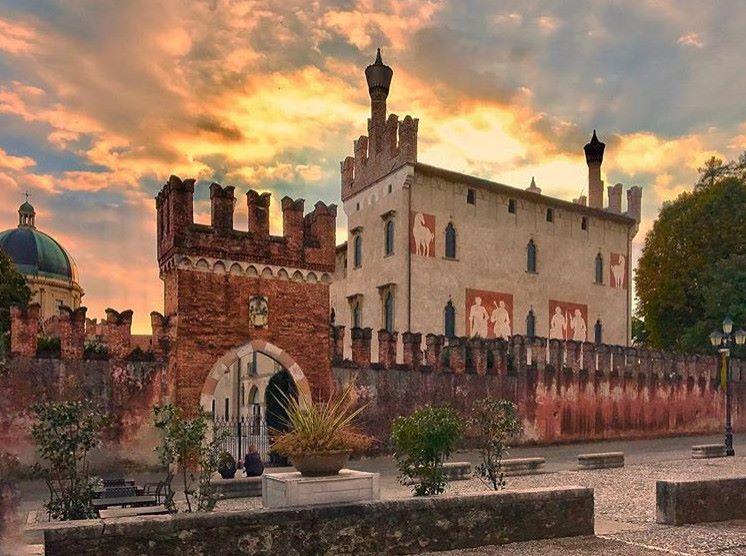
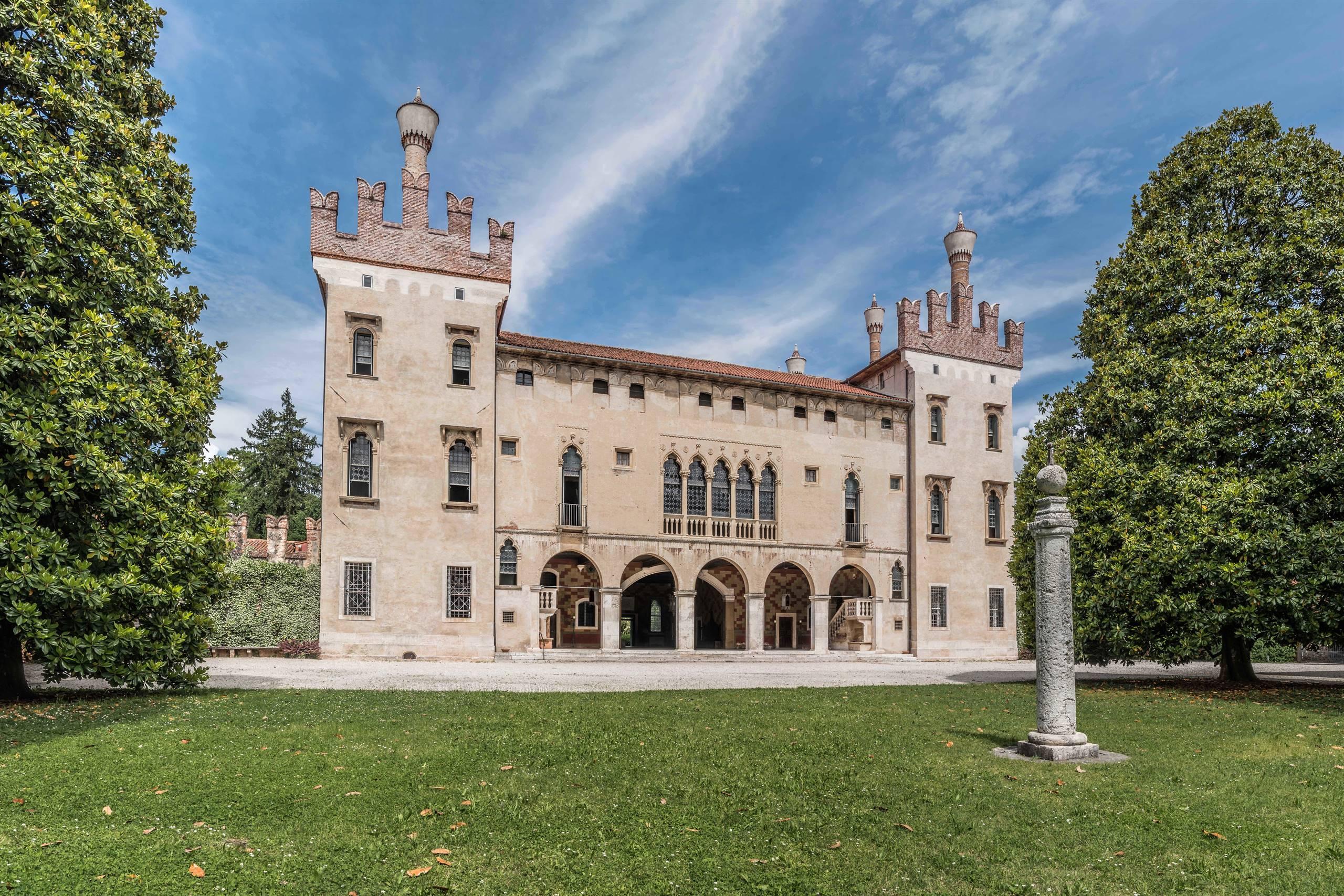
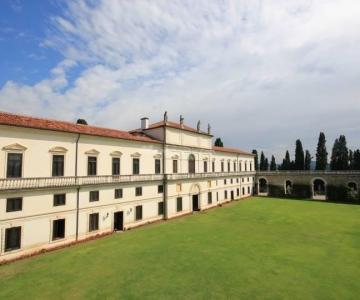
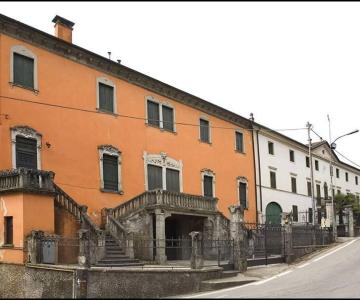
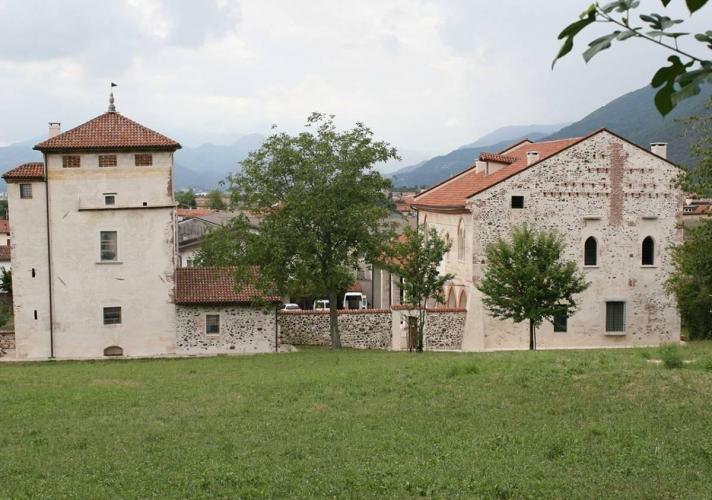
The layout of the villa is that of a closed courtyard: facing south is the main façade with an adjacent barchessa; separated is the dovecote tower, linked to the residence by a surrounding wall.
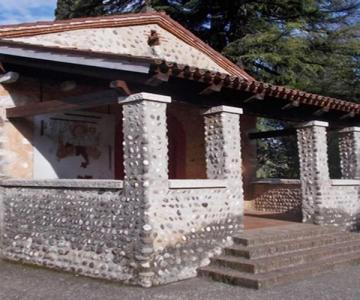
At the back, there are still numerous rustic annexes, such as a fountain made from an ancient Roman tomb, which have undergone significant modifications over time.
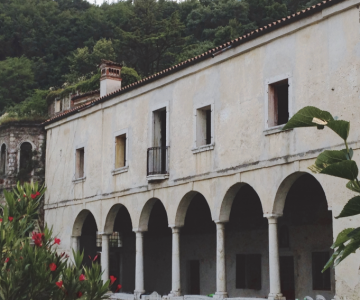
The villa is still clearly recognizable in its original form: the façade of the main body, built in Gothic style, features a loggia composed of five large pointed arches resting on Doric capitals.