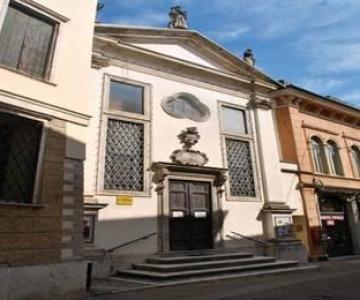
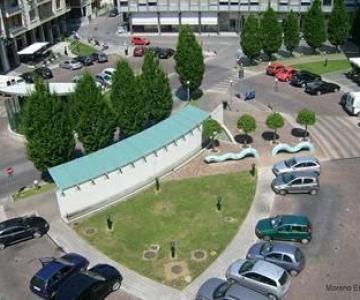
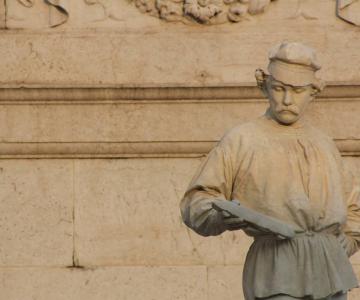
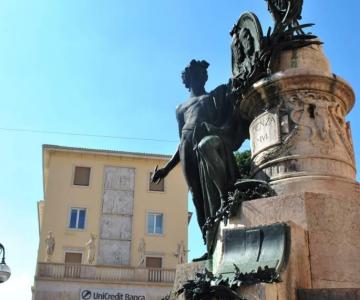
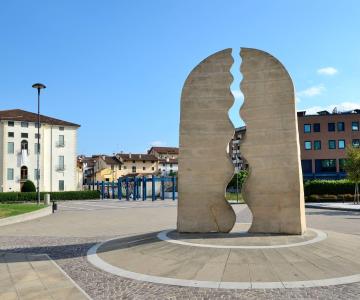
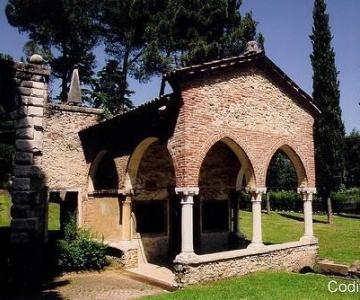
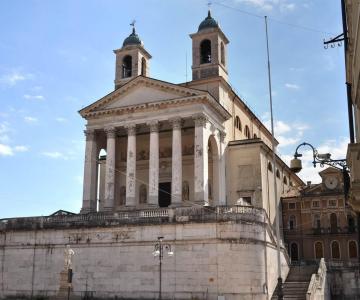
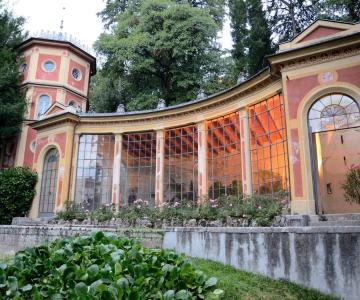
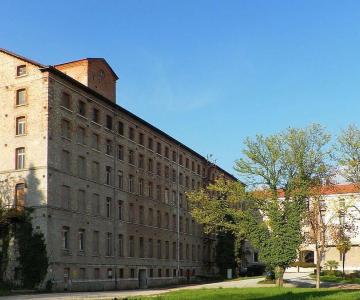
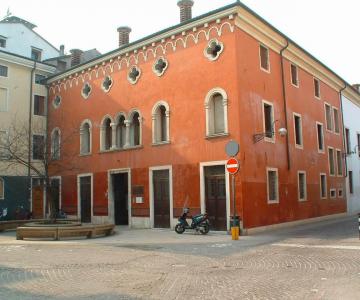
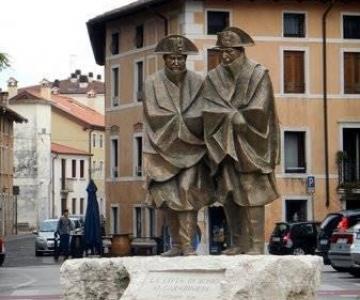
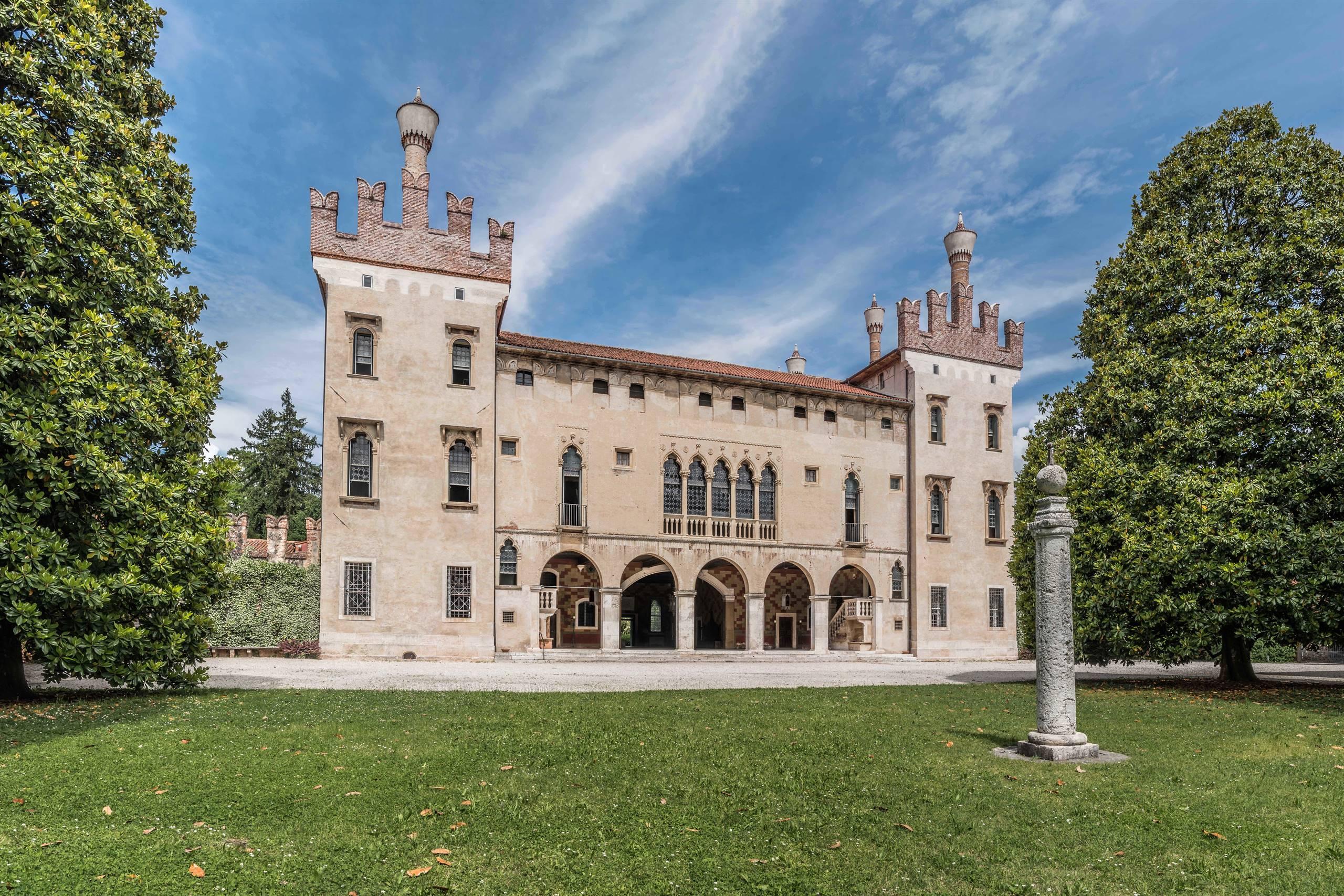
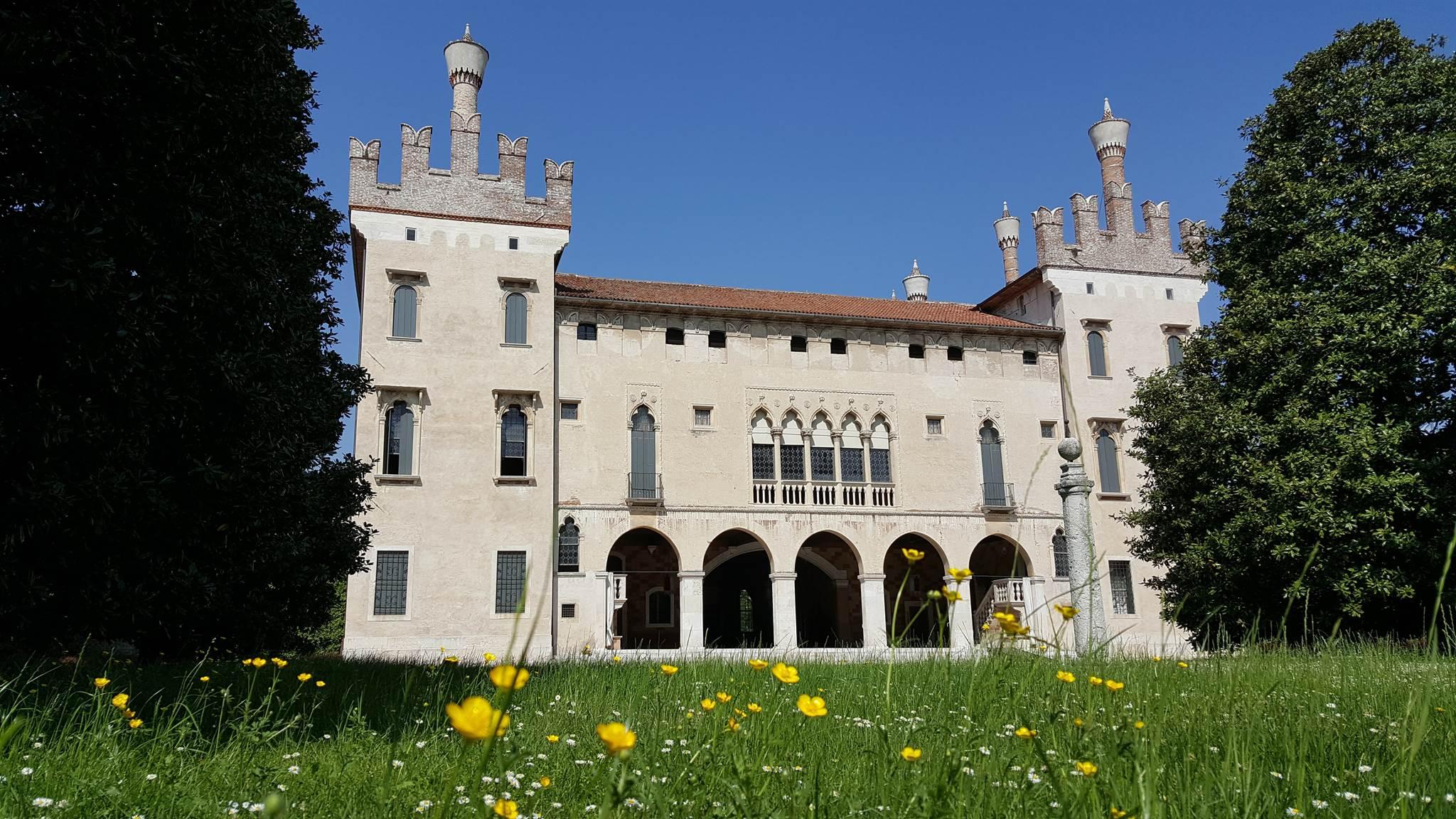
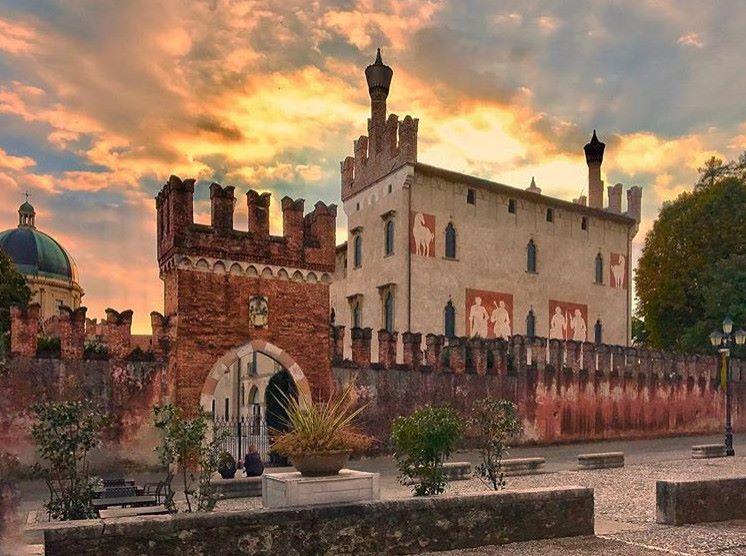
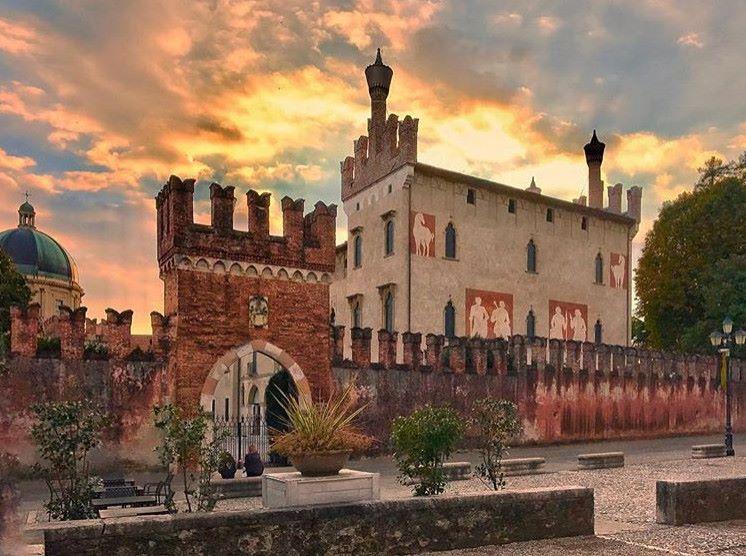
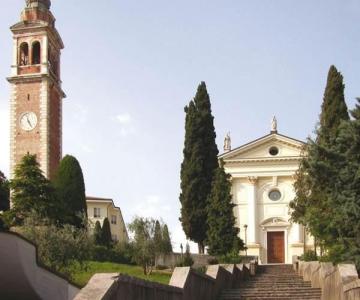
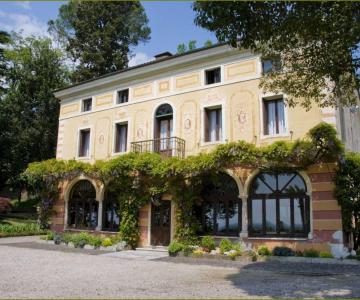
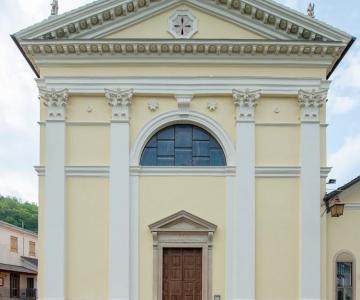
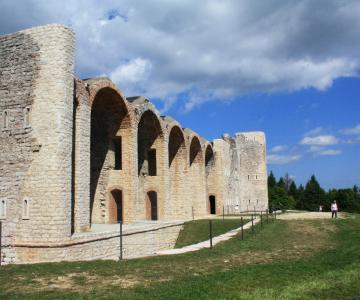
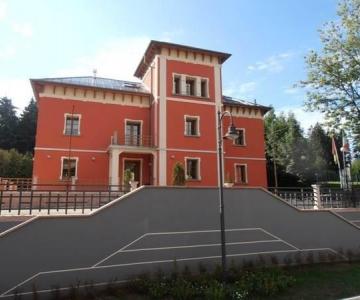
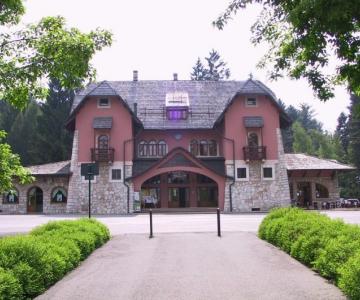
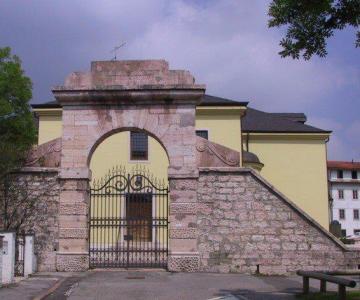
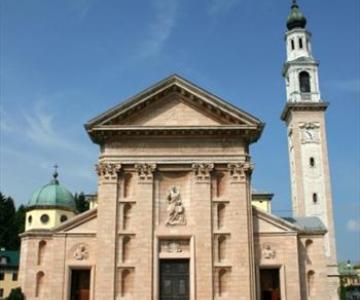
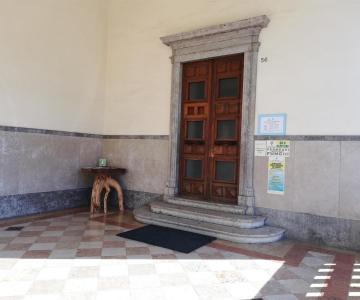
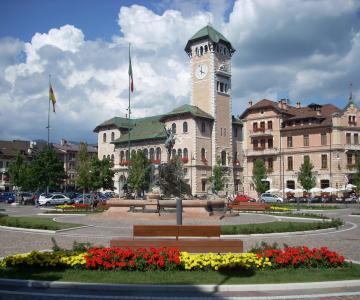
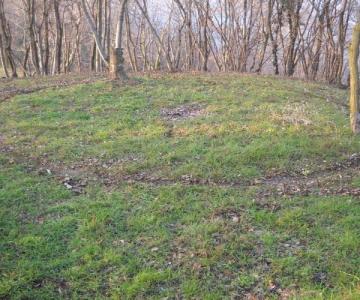
The Schio Castle, situated on a hill overlooking the historic center, is, along with the statue of the Weaver, one of the symbolic monuments of the City. The entire area of the Castle is bordered by a small hill that rises in the heart of the city, and is used as a public park. The first construction of some kind of defense works, as revealed by archaeological excavations from 1914-1919, appears to date back to the Iron or Bronze Age and may therefore have been built by the Euganean or Venetian population. In the Middle Ages, the Maltraversi, counts of Vicenza, built their Castle here and maintained control over it. The Castle then passed to the City of Vicenza, to the Scaliger family, and in 1382 to the Visconti family, who gave it to the Kingdom of Venice. Based on recent documentary research, it can be confirmed that the fortification was demolished in 1412, commissioned by Vicenza, likely due to the pro-imperial tendencies of the Schiavi. Today, only some foundations of masonry and towers remain from the original construction. Built in the last years of the 14th century and expanded in the 1700s, the Church of Santa Maria della Neve was the seat of the confraternity of the Gonfalone. Deconsecrated in 1810, the sacred building, which is owned by the municipality, later served as the headquarters for French and Austrian military districts. The construction was restored in the 1980s and now features exposed stone and brick with a gable façade and a quadrangular tower, complete with a clock and ornamental battlements. In a painting by Francesco Verla from 1512, located inside the Church of San Francesco, the ancient city castle seems to be depicted, testifying to the citizens' attachment to this fortress and perhaps also demonstrating the desire of the Schiavi to free themselves from submission to Vicenza, preferring a podestà sent by Venice over the vicar appointed by Vicenza.
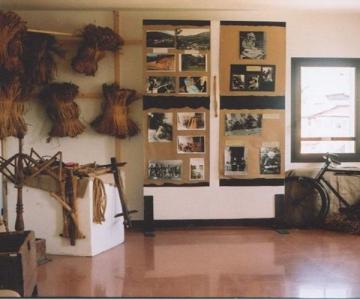
Today, it is home to the Scledense Photographic Club.
Photo: archive of the Municipality of Schio.