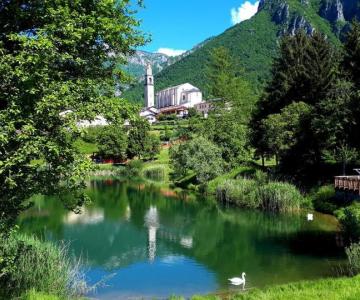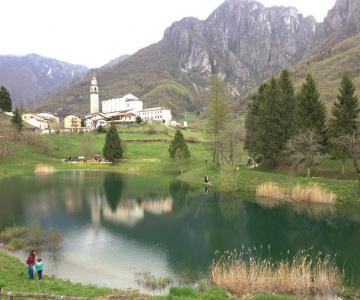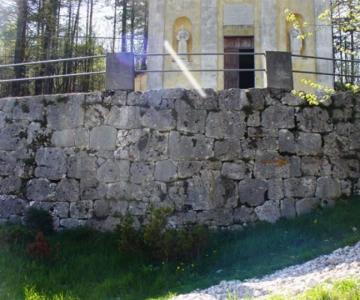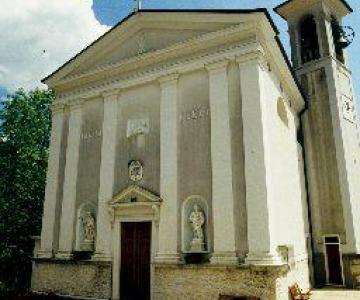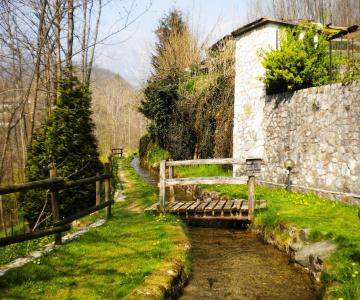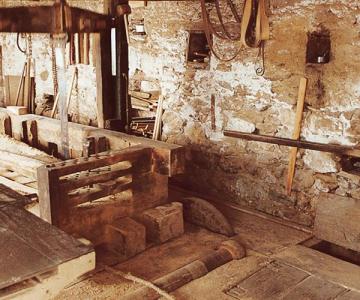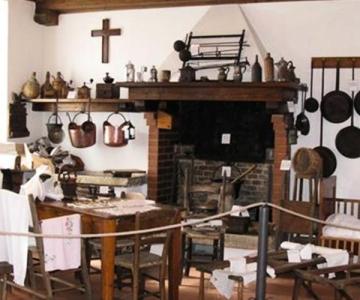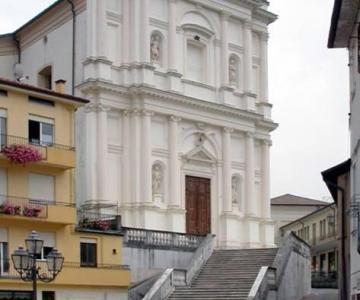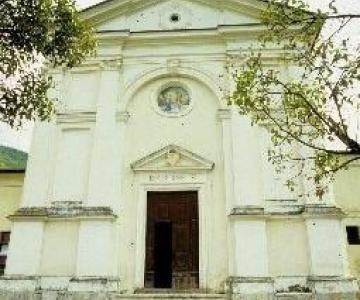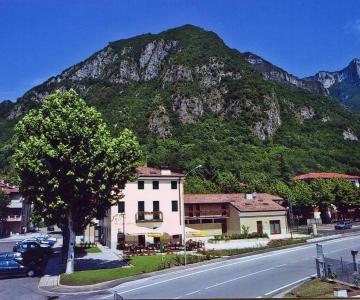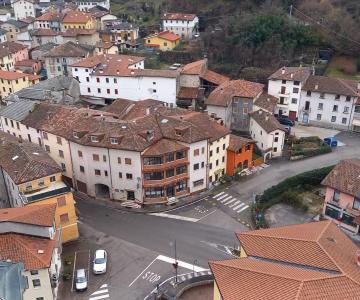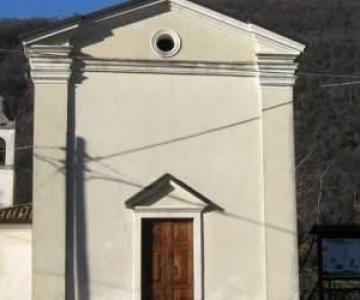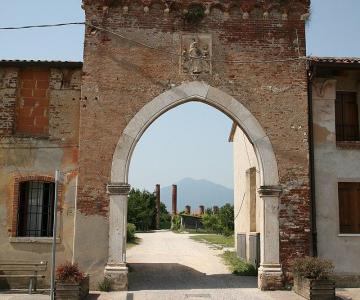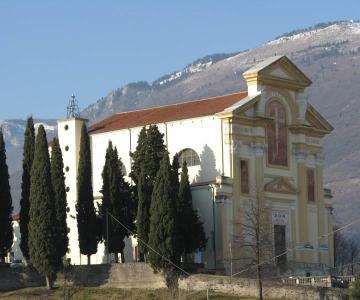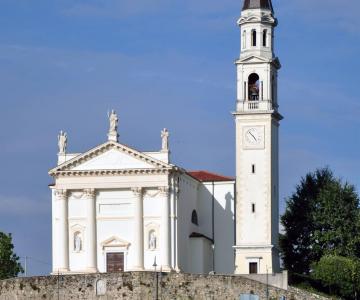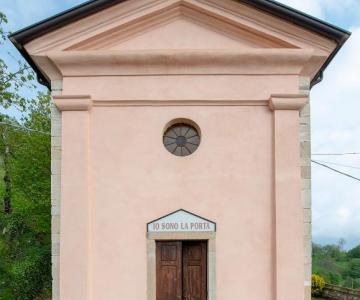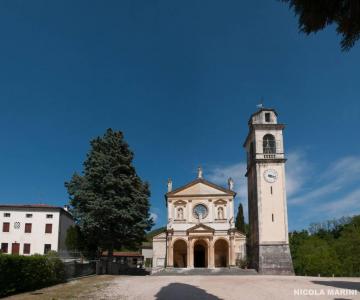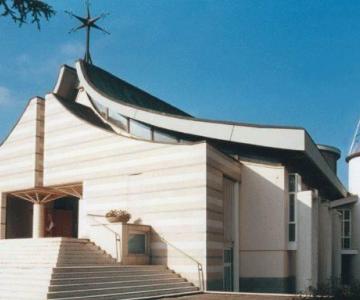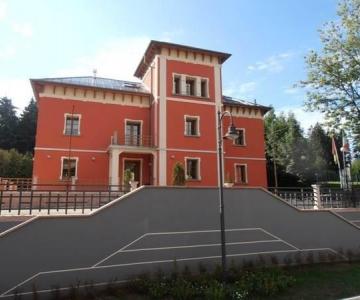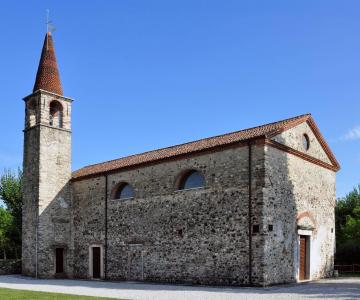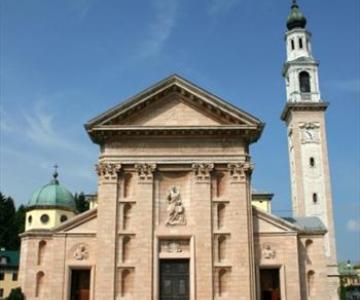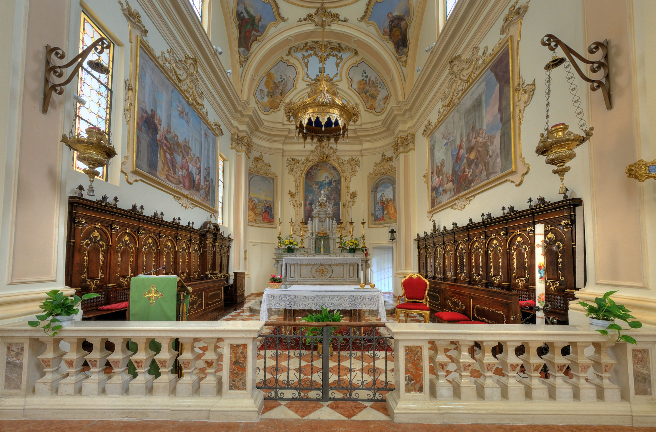

The parish church of St. Margherita in Posina stands in the small center near the Val d’Astico. The first historical references date back to the 1400s, but the current configuration is the result of a long series of transformations that have taken place since the 1700s. The architectural layout of the church is a single nave with a square apse, side chapels, and a large octagonal chapel to the north; covered by a large barrel vault.
Next to the church stands the bell tower, rebuilt during the 1920s following the severe damage caused by the war.
After an impressive restoration and consolidation work lasting more than a year, the parish church of Posina has reopened its doors to its faithful. The temple of the village has regained its original beauty, evoking admiration and enthusiasm among those who come to visit it.
The building has resolved issues of decay due to underground water infiltration. A careful intervention has allowed for the restoration of the walls and the renovation of the wooden works. It was a unique opportunity to restore the window of the main facade and return the ancient baptismal font to the public.
One particularity: this church is located along the ancient Via dei Pastori, which allowed for the seasonal migration from Lessinia to Asiago. Every place of worship along this road is still dedicated to St. Margherita.
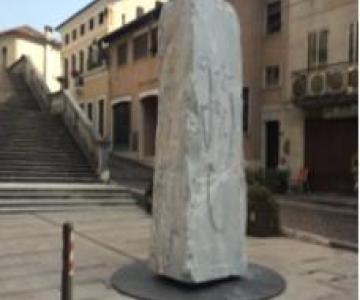
The churchyard of St. Margherita is designated to commemorate the many citizens who have emigrated. In the center of this space, now renewed and made pedestrian, a bronze statue "to the emigrant" has been installed, donated by Vittorio Ledra, the son of Posina emigrants to Brazil in the 1800s.
The monument aims to be an acknowledgment from the village of the sacrifice of its citizens who, in past centuries, scattered around the world, while still maintaining a strong bond with their origins.