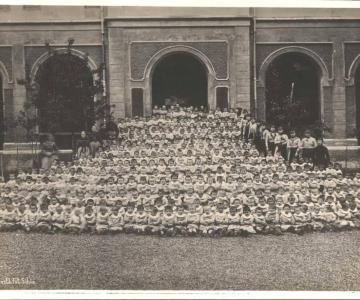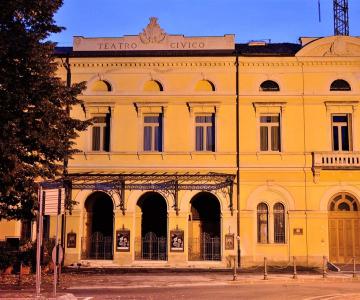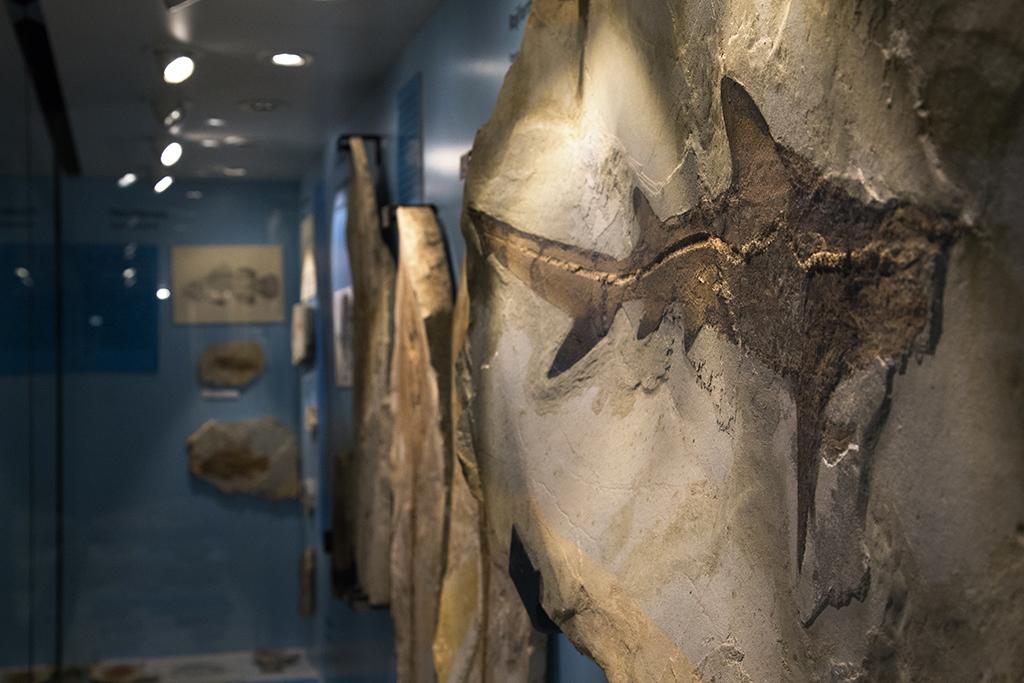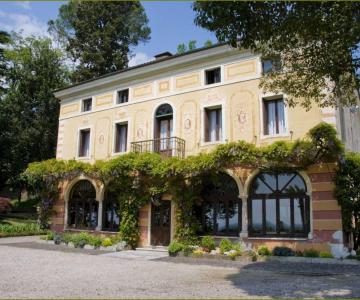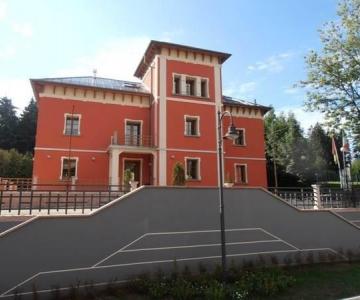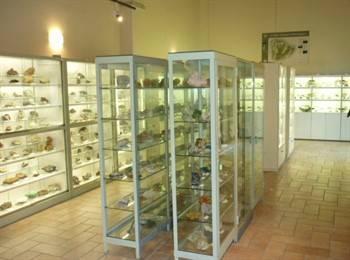
The Geomineralogical and Kaolin Museum is a museum that collects numerous samples of minerals and various testimonies regarding the kaolin extraction activity, typical of the Tretto area. The museum officially opened in December 2006 with the loan of the collection from Ugo De Grandis, a member of the "Scledense Mineralogical Group" established in the 1970s.
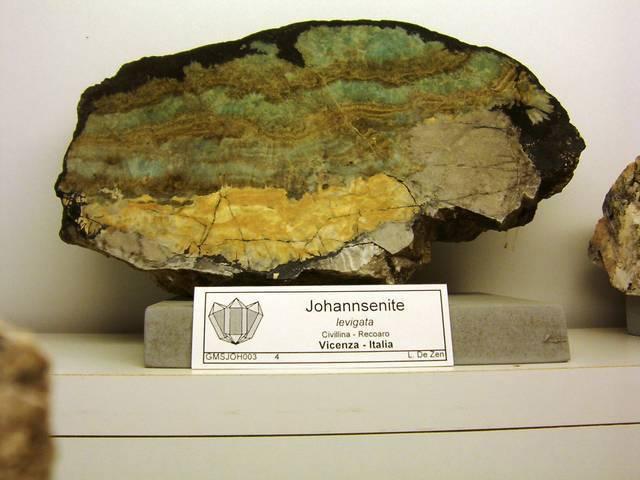
The museum is part of the network of Vicenza museums called Musei Altovicentino. The exhibition is structured in two rooms: the geomineralogical room and the kaolin room. The geomineralogical room, which includes more than 3000 pieces, is further divided into four sections: the first illustrating the lithology of the Scledense and Vicentine territory; the second that collects a systematic mineralogical collection and includes pieces of local, national, and foreign origin; the third that includes various "curiosities" (false minerals, synthetic minerals, etc.); and the fourth that displays the mineral varieties of the territory.
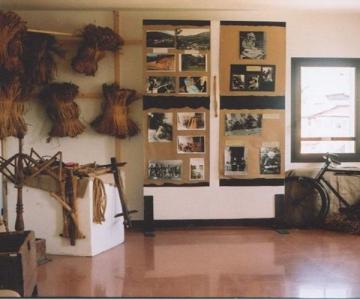
The kaolin room collects various artifacts such as equipment, objects, photographs, laboratory materials, and samples of raw and processed kaolin extracted from the Val dei Mercanti mines in Torrebelvicino and Pozzani in Tretto, as a testimony to the traditional extraction activity.
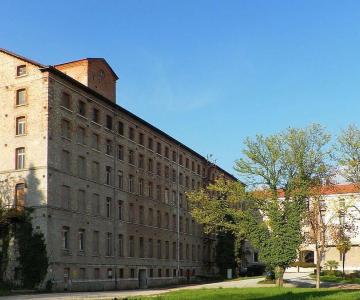
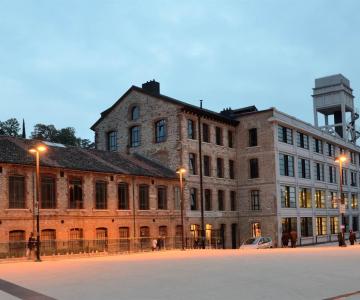
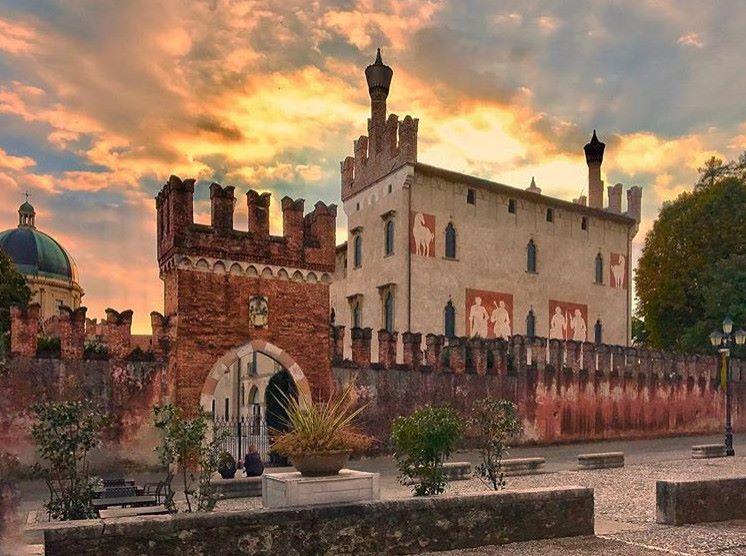
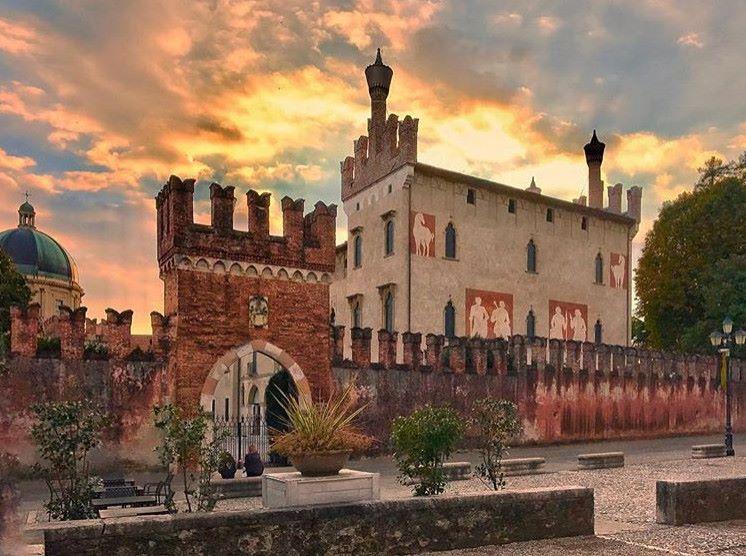
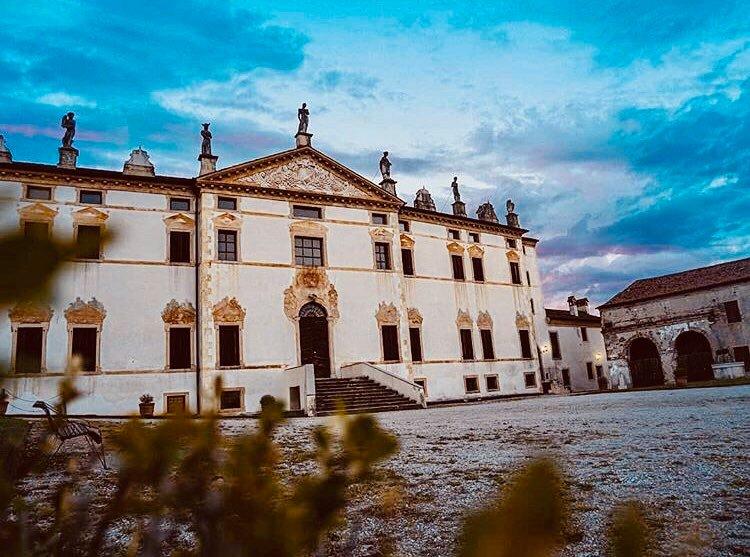
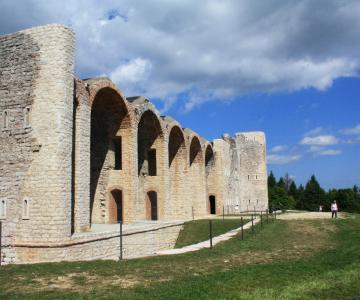
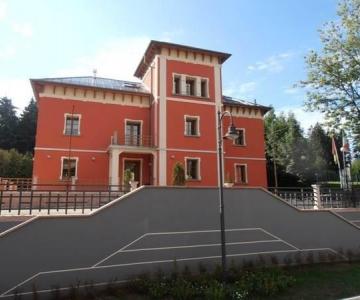
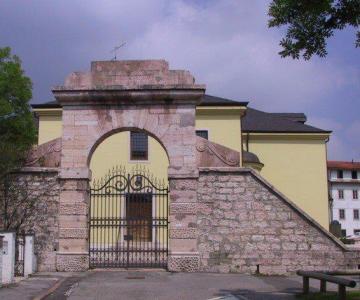
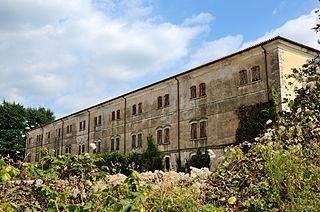
The first location was in some premises of the Magrè neighborhood council; in October 2013, the museum was moved to the stables of the disused barracks of the Alpini in Schio, owned by the Municipality.
The Cella barracks, in operation since 1884, is dedicated to Captain Pietro Cella, who fell in Adua in 1886 and was the first Alpine soldier to individually receive the gold medal. After the two World Wars, it was used for many years as a warehouse for the military command of the Vicenza area until the 1980s. It then underwent a period of stagnation, but was subsequently acquired by the Municipality, which renovated it, starting with the former stables, fixing the roof and the internal areas.
The barracks represent one of the places of collective memory, both during the First World War and the Second.
On the night between September 9 and 10, 1943, just over 24 hours after Marshal Badoglio announced via radio the news of Italy's surrender to the Allies, it was stormed by the German SS, resulting in four deaths and nine injuries, while the thousand infantrymen, Alpine soldiers, and airmen stationed there were deported.
For the Scledense population, it was a trauma, awakened by the gunfire while they slept and shocked by the deaths of four Italian soldiers: airman Giuseppe Moretto, infantryman Masiero Marchi, airman Vincenzo Bernardi, and Alpine soldier Bruno Zavarise, to the extent that they took to the streets two days later, on September 11, in an attempt to prevent the transfer of the captured soldiers.