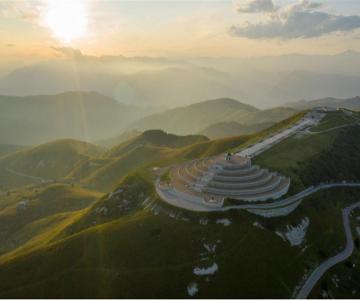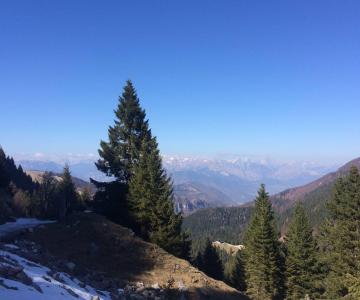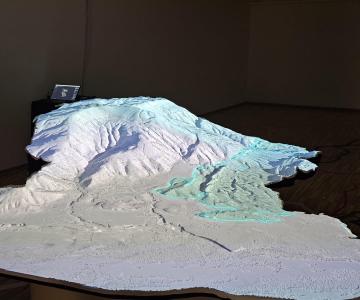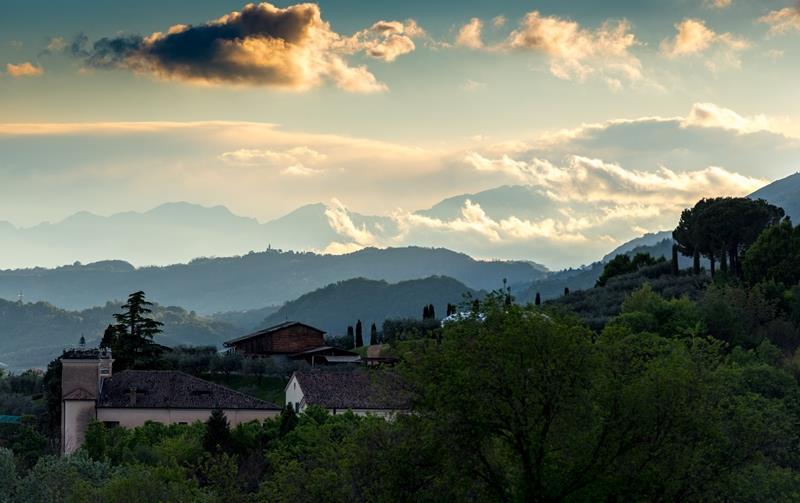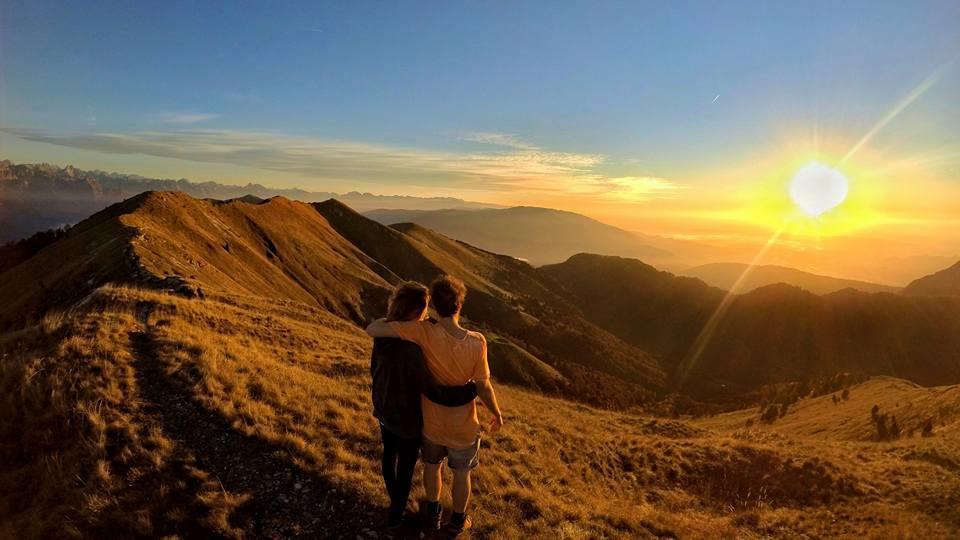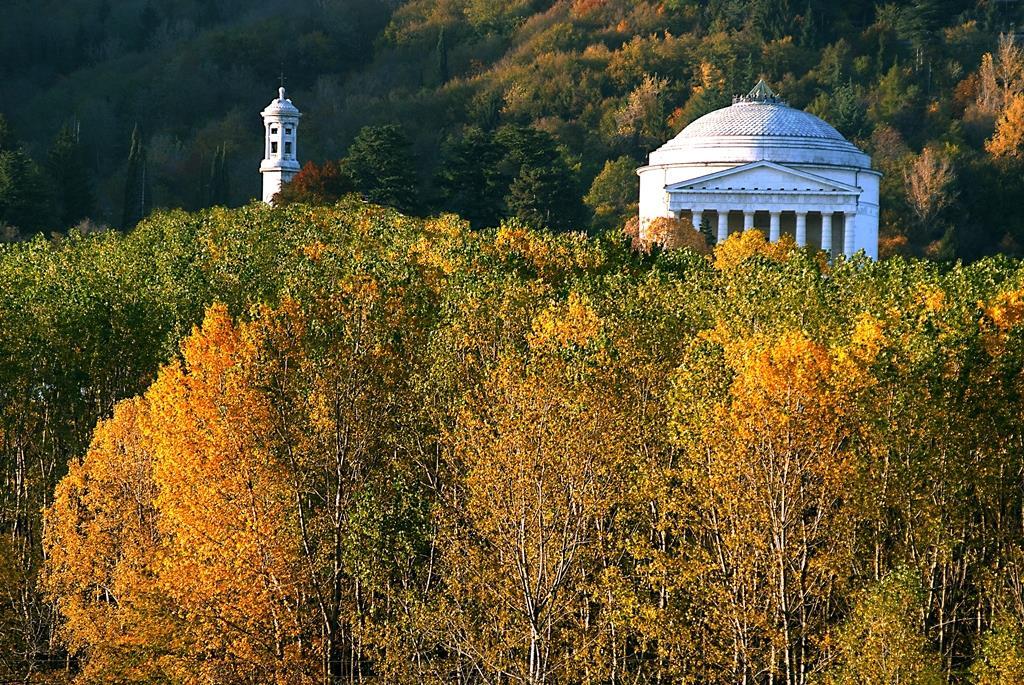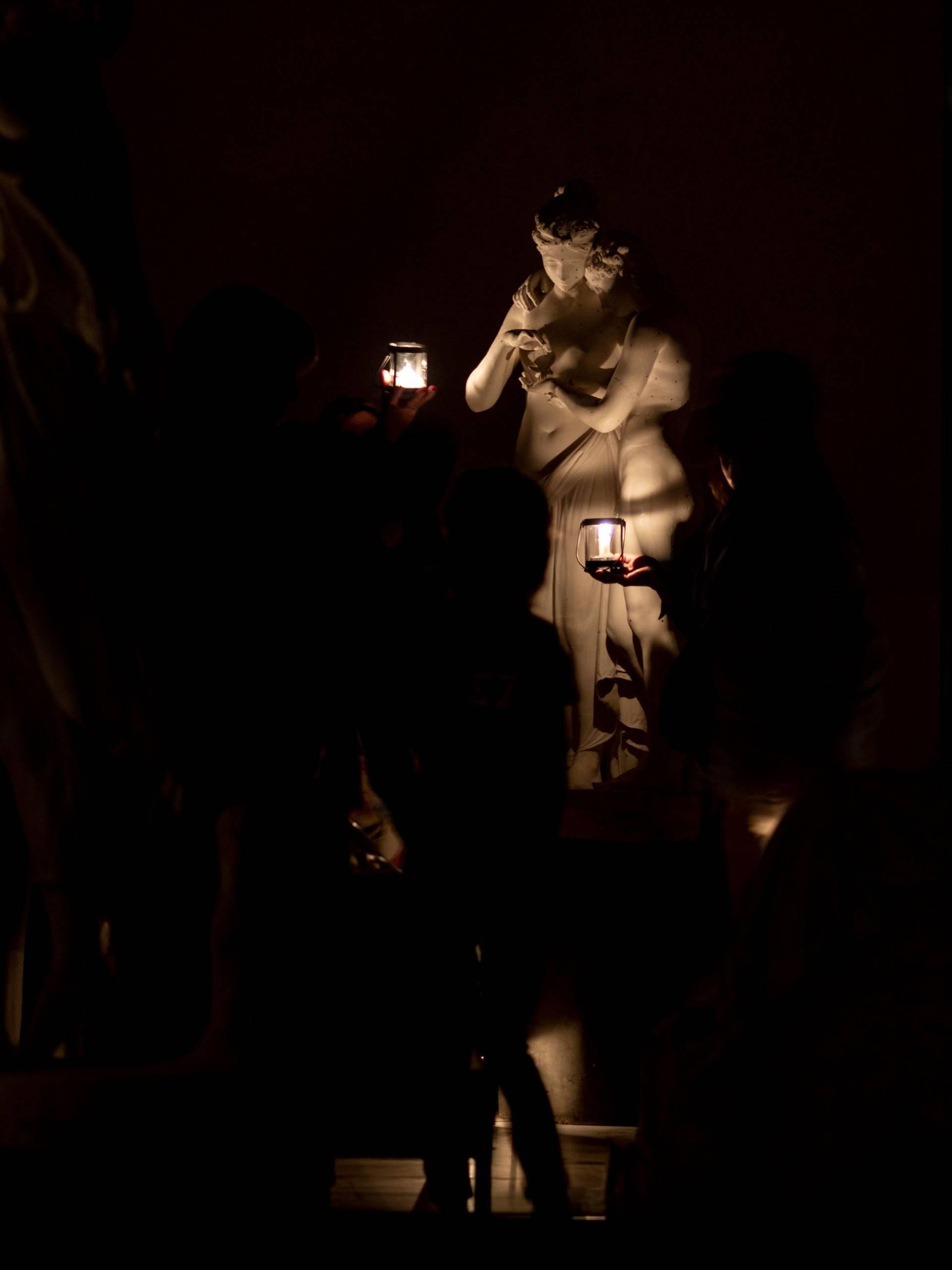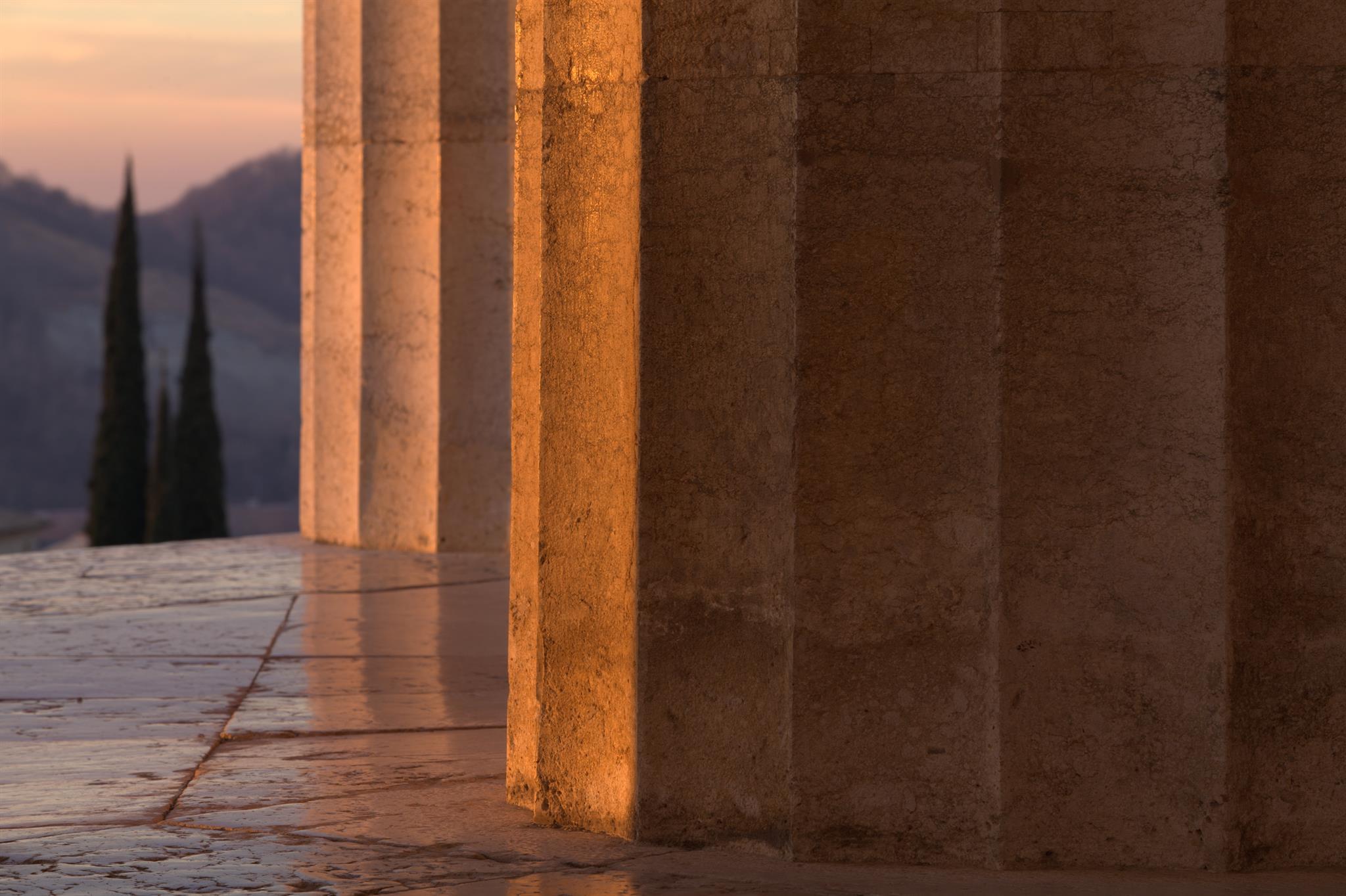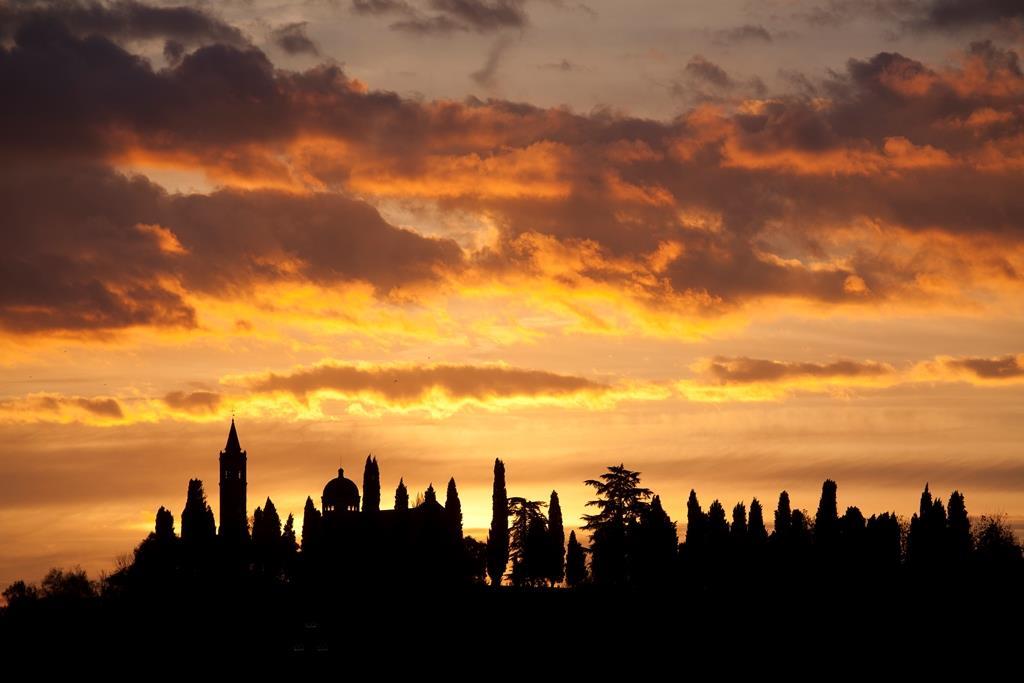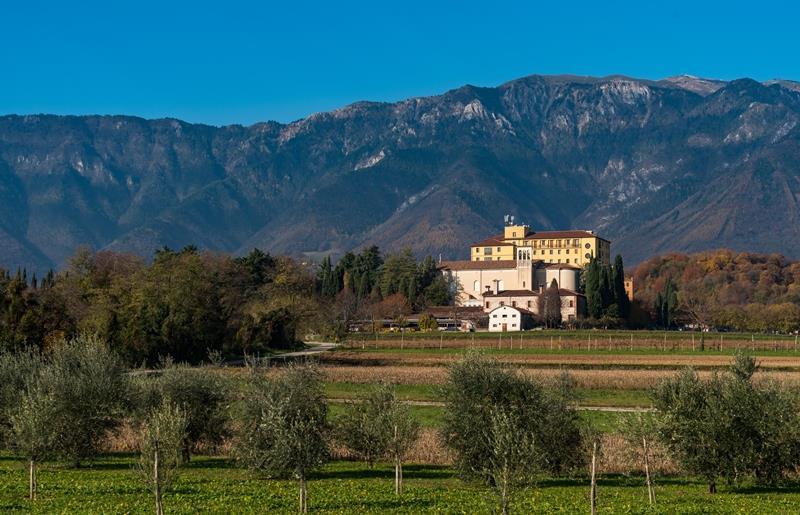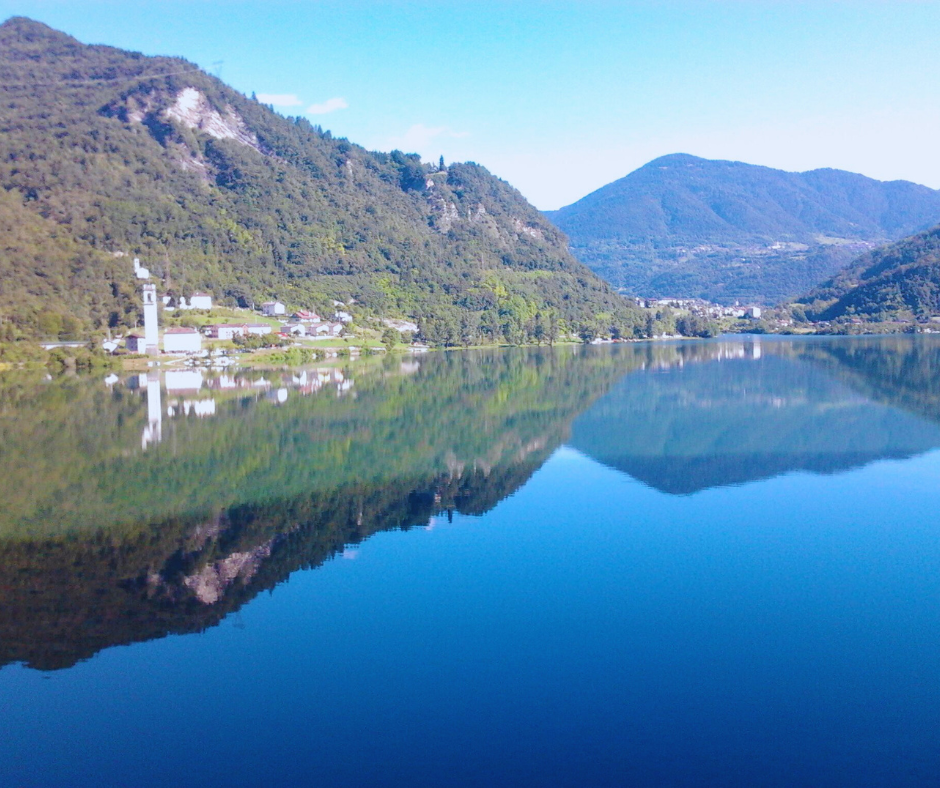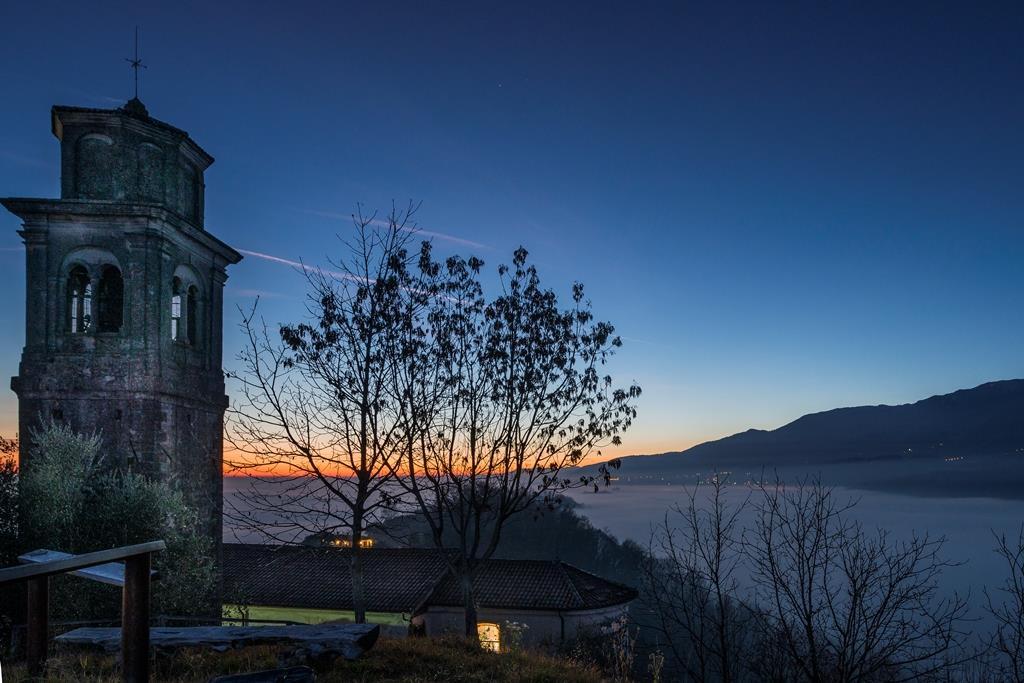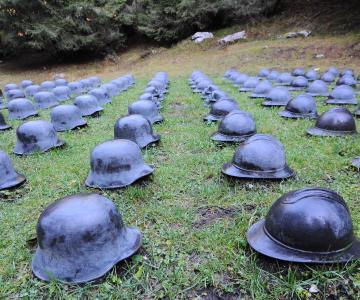
Monte Grappa, the highest peak of the homonymous massif of the Venetian Pre-Alps, is divided between the provinces of Vicenza, Treviso and Belluno, standing isolated between the valleys of the rivers Brenta and Piave. In the collective memory, this mountain is linked to the war events of the two World Wars. During the first Great War in particular, after the defeat of Caporetto, the summit became one of the central points of the Italian defense and remained impregnable until the final victory in October 1918.
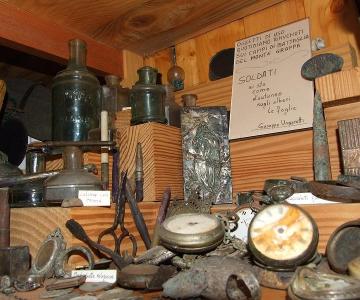
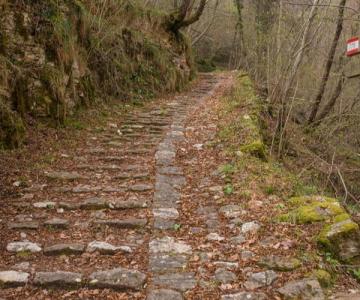
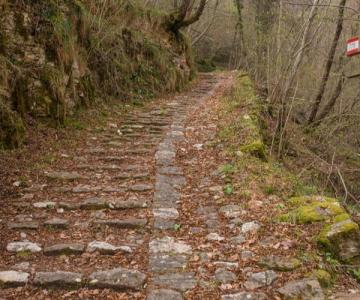
A classic itinerary to discover the testimonies of that last, dramatic year of war is the one on the Strada Cadorna, named after the general who ordered its construction in 1916. From Romano d'Ezzelino, five kilometers from Bassano del Grappa, the road leads to the top of the massif. Once in Cima Grappa, a convenient car park allows you to stop and visit the War Historical Museum 1915-1918, set up in the former Caserma Milano. Inside, documents, photos, weapons and memorabilia.
Next to the Museum is the entrance to the Gallery "Vittorio Emanuele", built in 1917. The ambitious work of fortification develops for over a kilometer (but comes to five considering the ramifications) entirely dug into the rock under the ridge of Cima Grappa. From the main corridor side corridors branch off, where artillery, observers and machine gun positions were located.
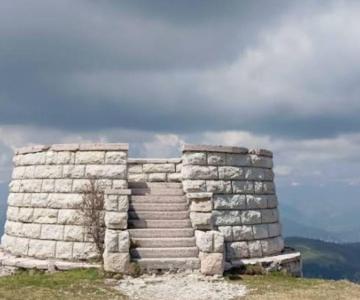
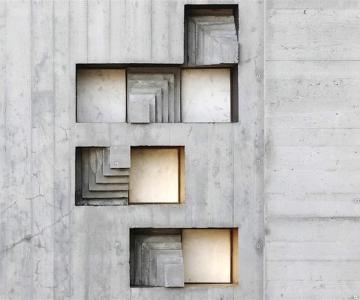
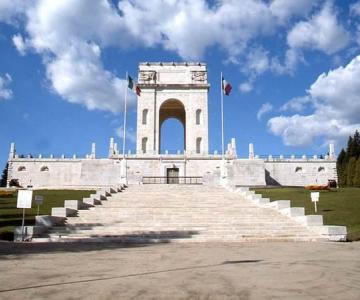
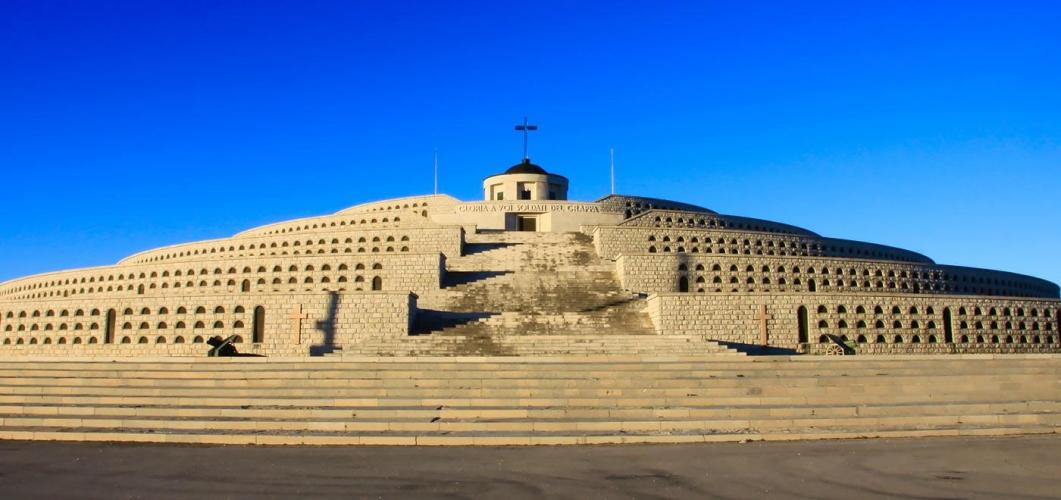
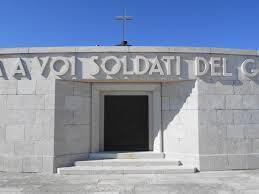
Continuing along the Strada Cadorna you come across the imposing and severe geometric shape of the Sacrario of Cima Grappa that preserves the remains of tens of thousands of Italian and Austro-Hungarian soldiers fallen in combat on this mountain. From the adjacent square there is the Via Eroica, defined by two rows of stone on which are carved the names of the places linked to the battles of Grappa. Folllowing this trail, you can reach the Rome Portal with its large panoramic terrace.