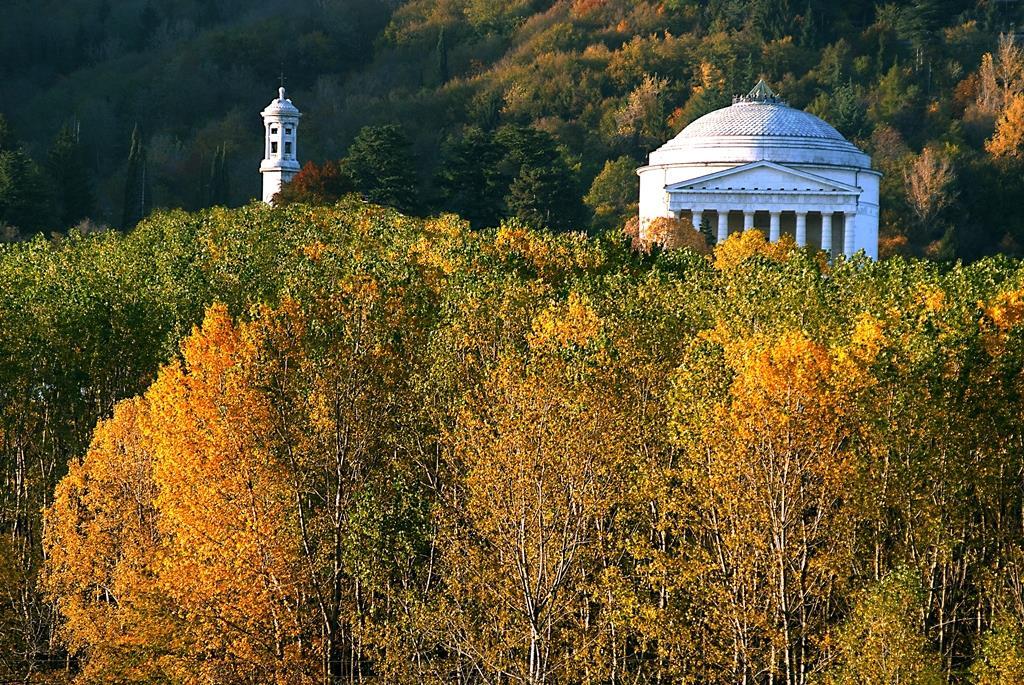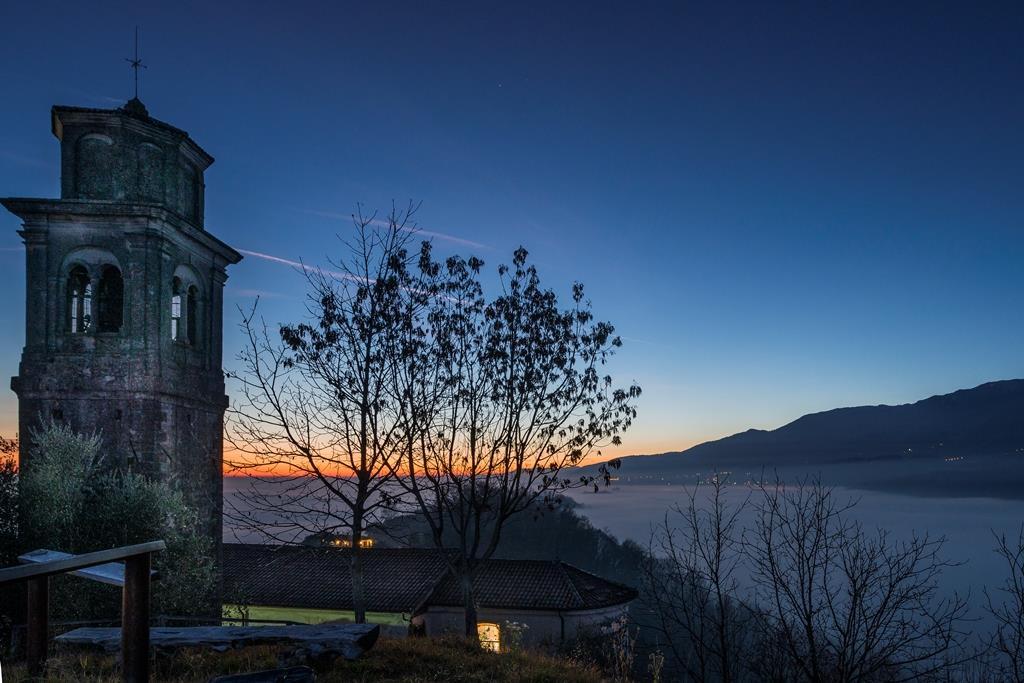

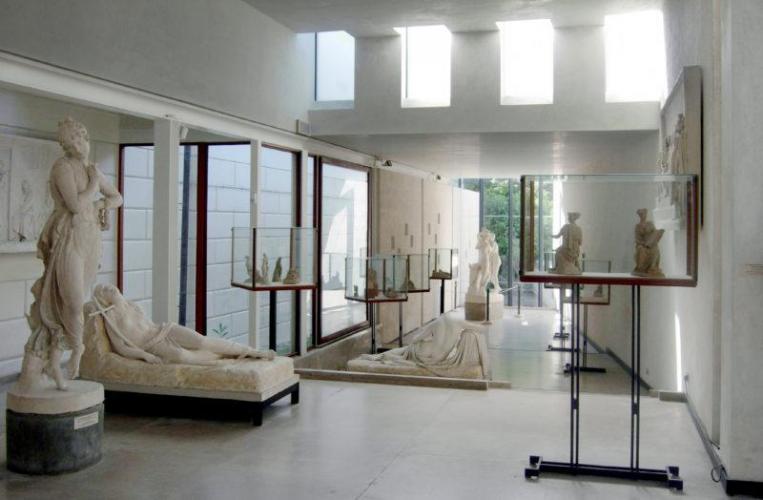


The Gypsotheca Antonio Canova Museum in Possagno preserves the historical and artistic heritage of Antonio Canova (Possagno 1757 - Venice 1822), the greatest sculptor of the Neoclassical period.
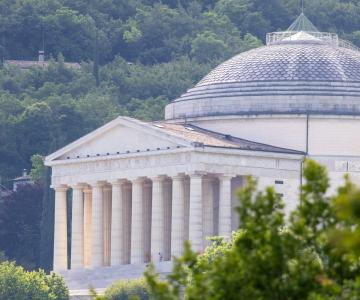
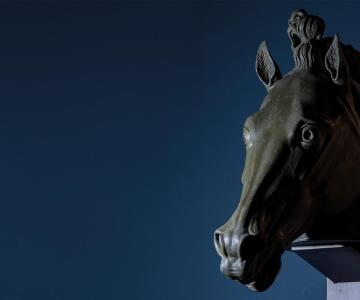
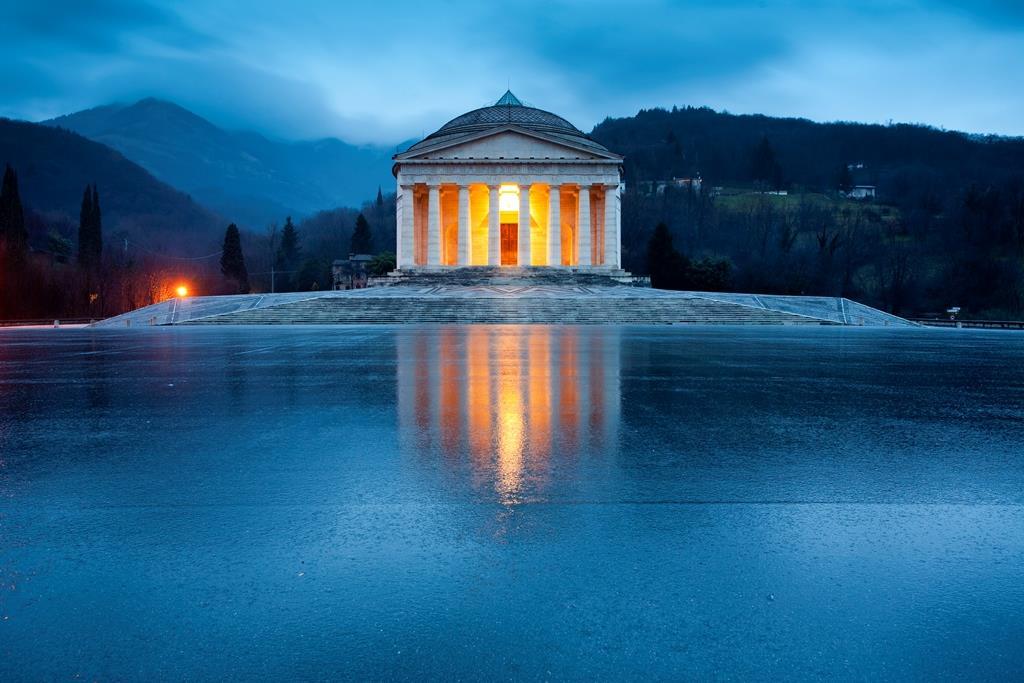
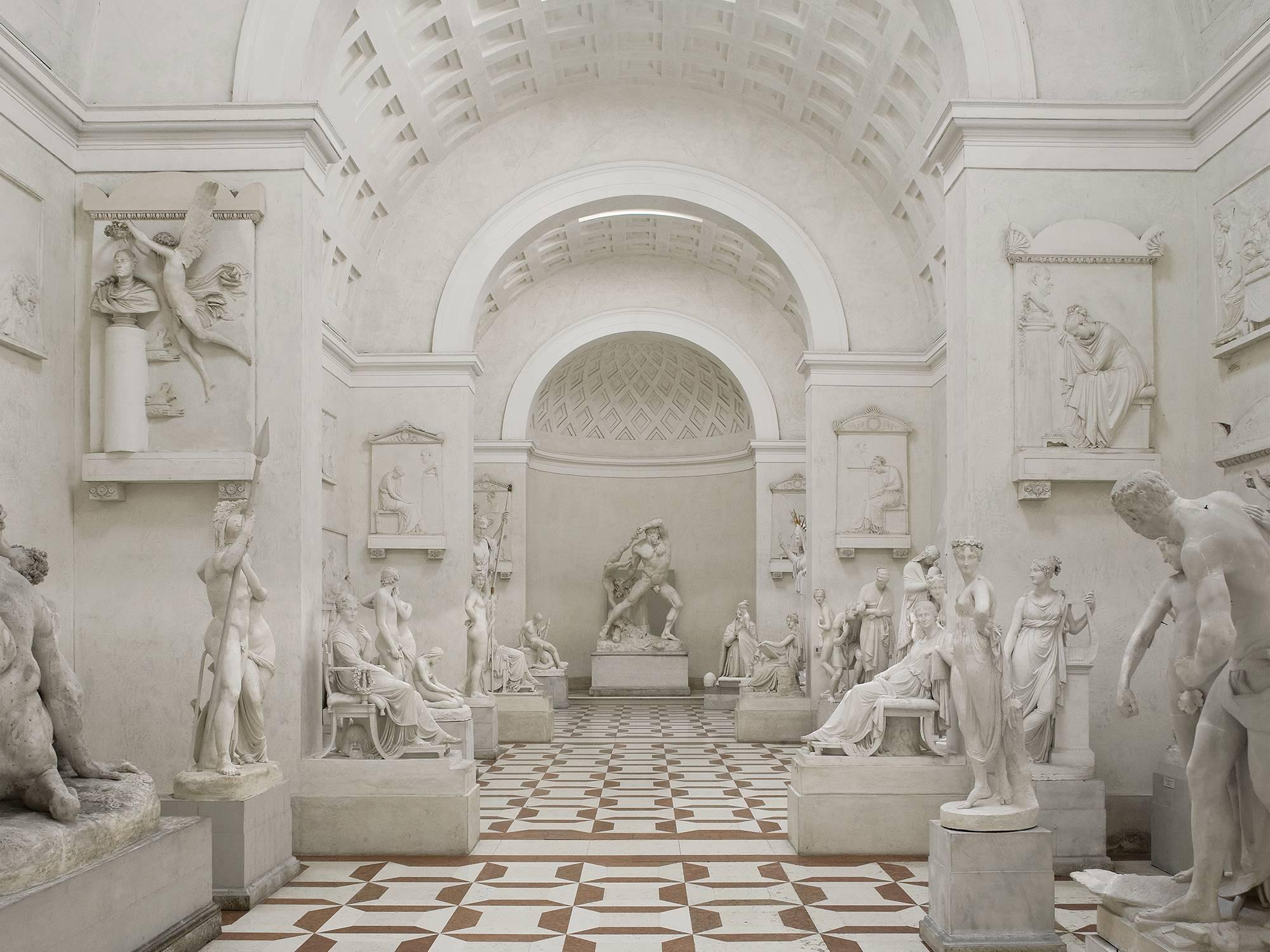
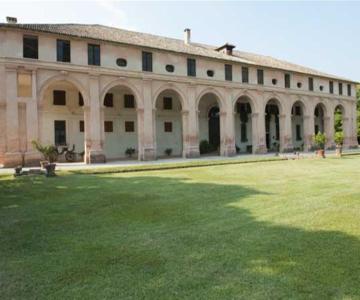
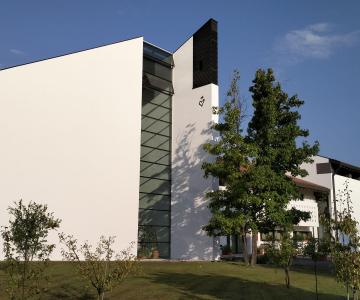
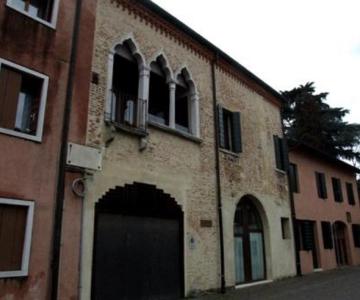
The museum complex consists of the house in which he was born and the Gyspotheca, located in the original basilica (1836) and in the extension designed by Carlo Scarpa (1957), which gathers the original plaster models that served as the basis for the marble pieces that are nowadays found in the most important museums in the world. The house in which he was born contains the artist's paintings, drawings, engravings and personal effects.
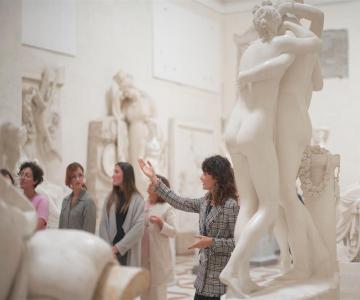
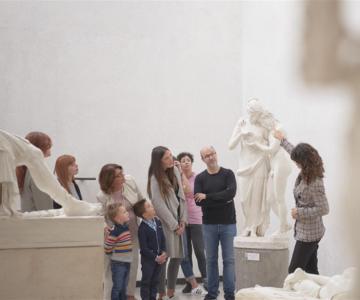
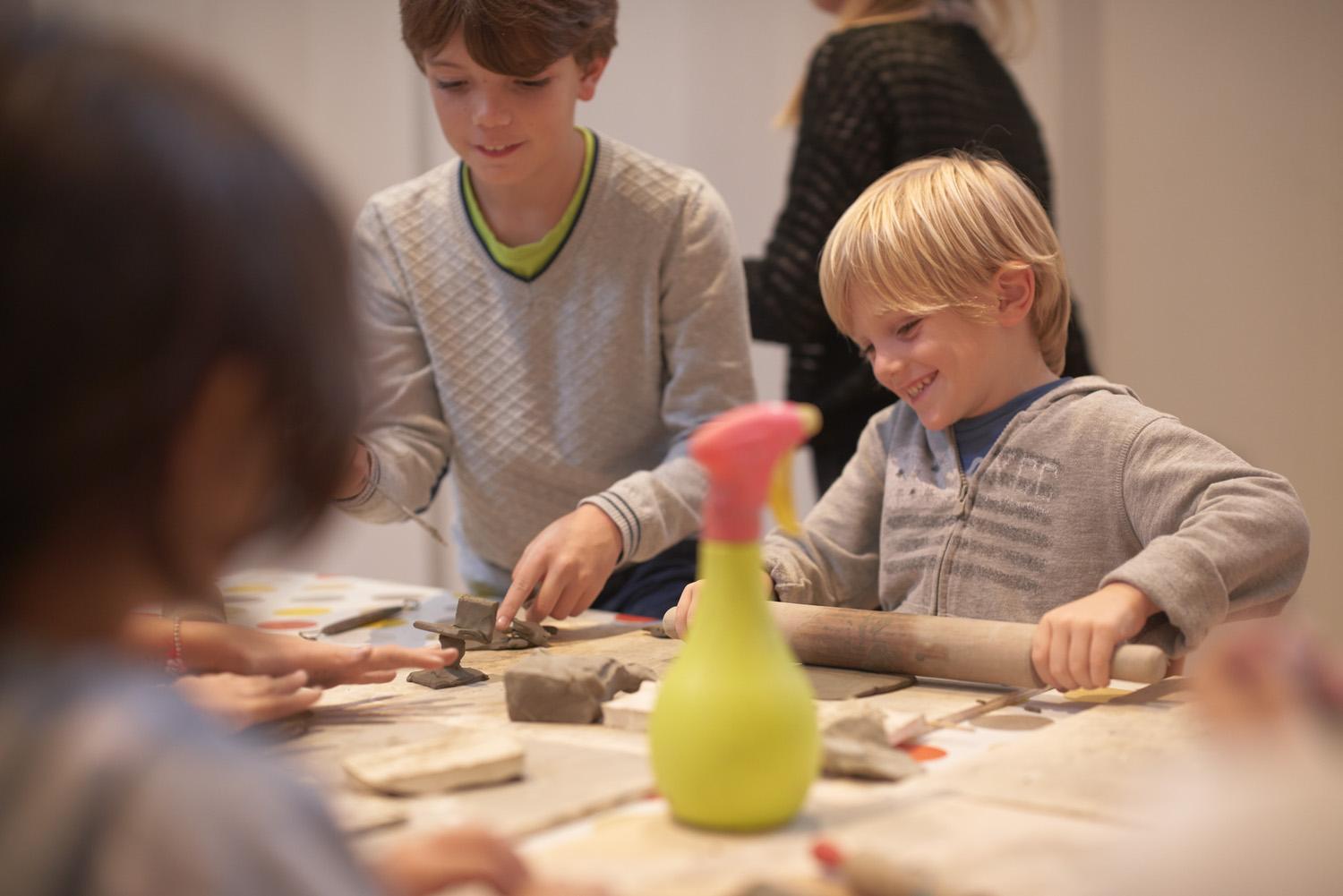
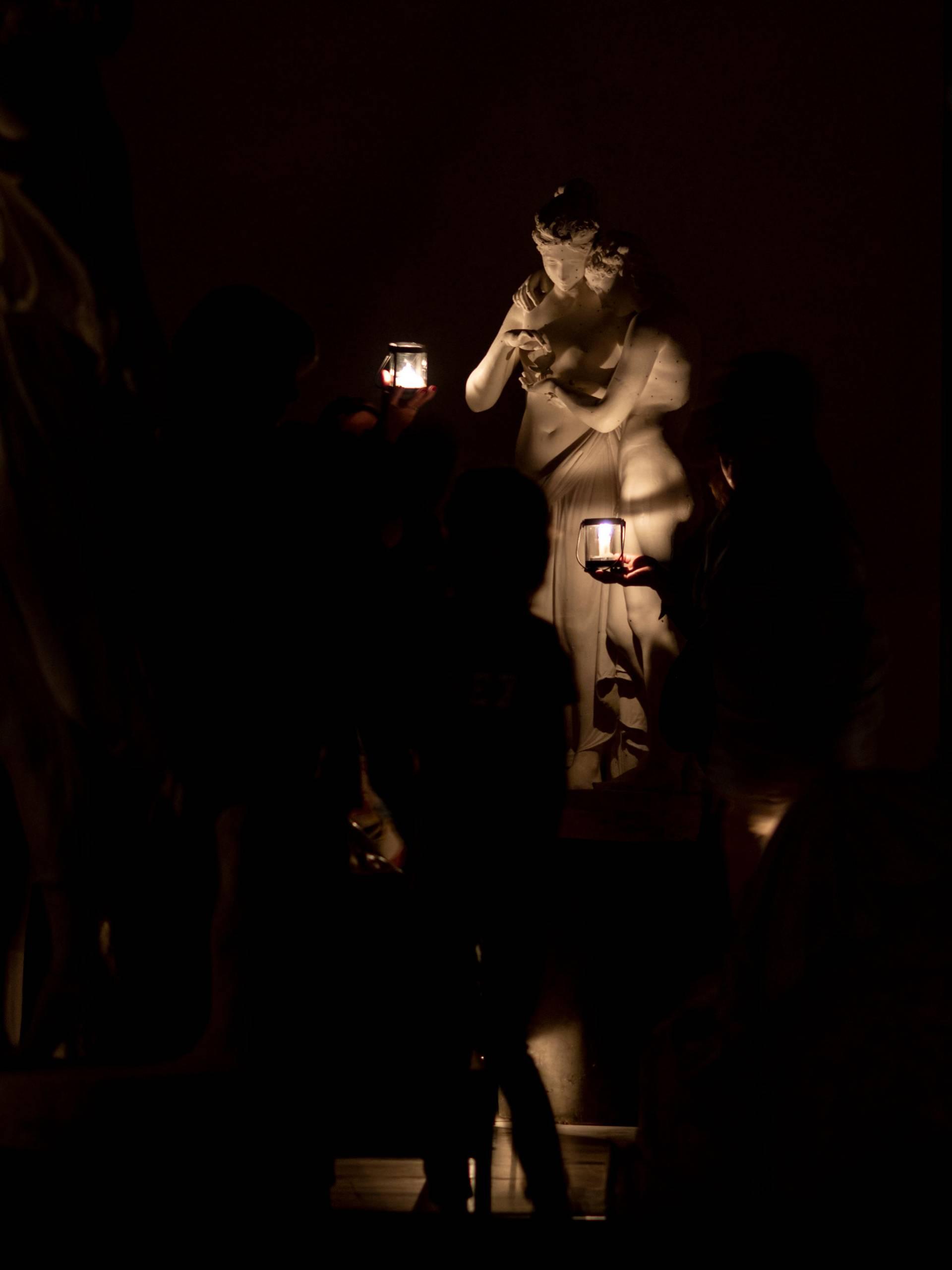
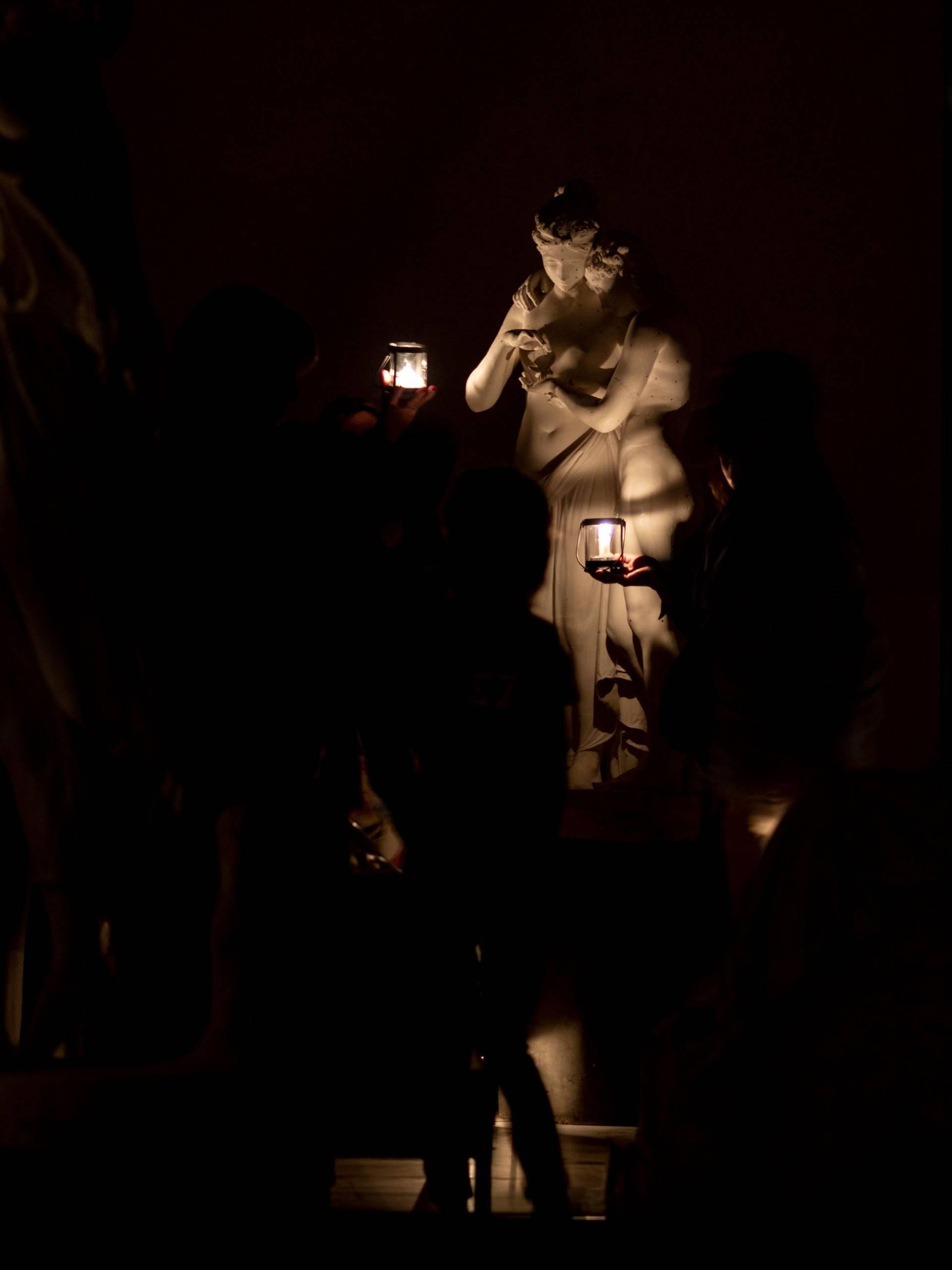
The Museum offers visitors numerous experiences, from guided tours to educational workshops to candlelit night tours.
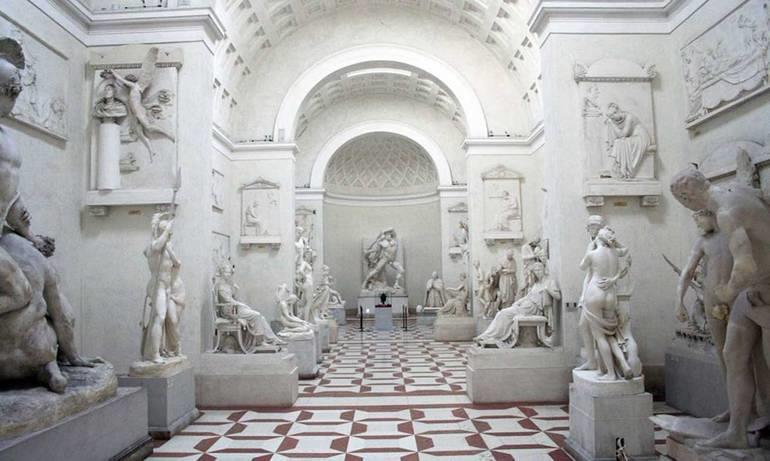
The Gypsotheca in Possagno is the largest in Europe.
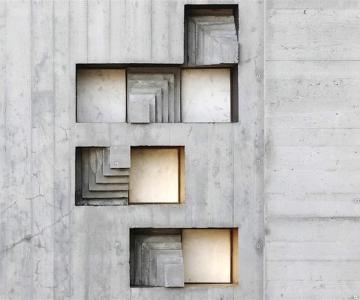
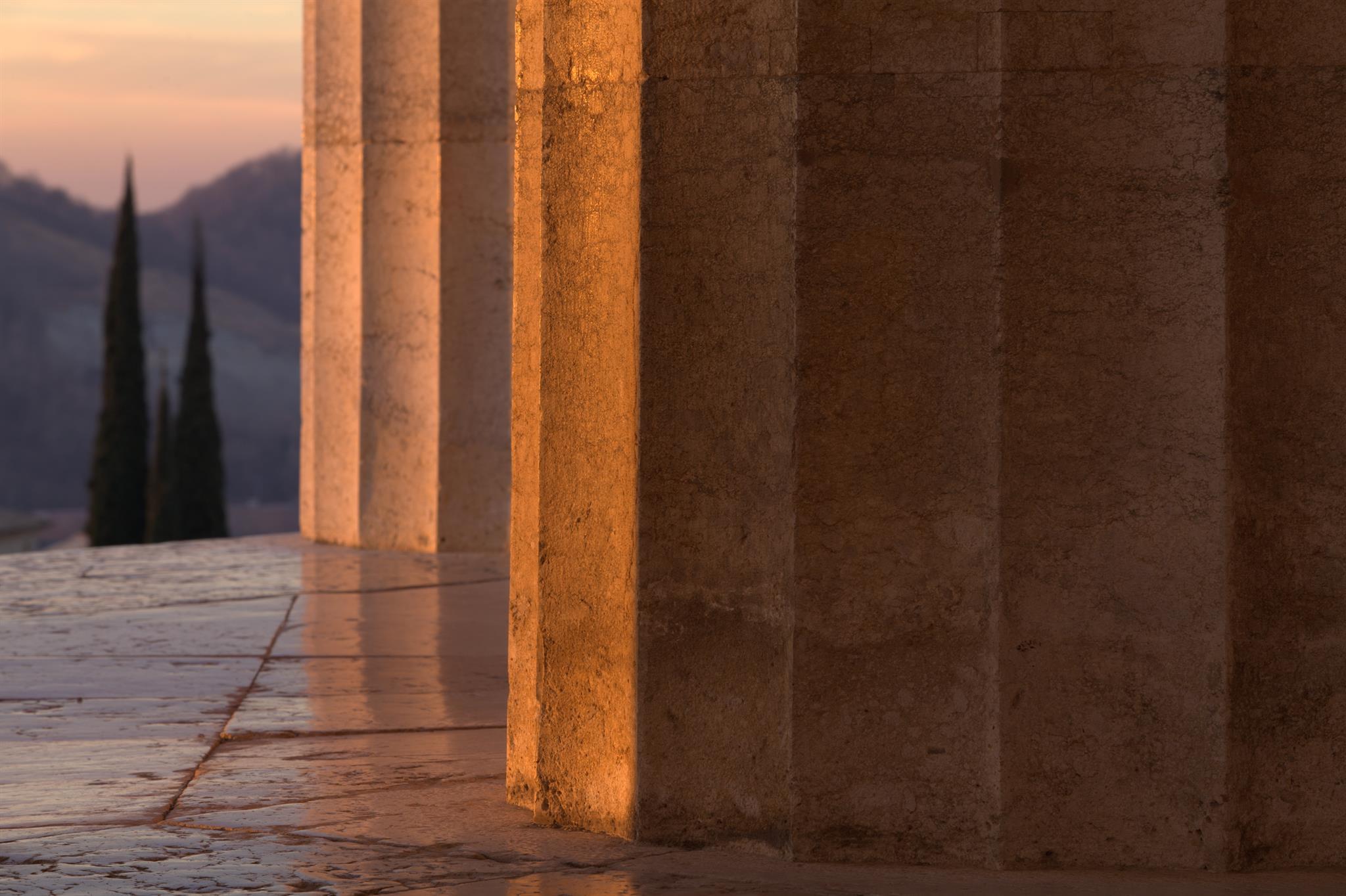
It was built at the behest of Giovanni Battista Sartori, who entrusted the project to Francesco Lazzari, and is envisioned as a large basilica 1 divided into three sections, illuminated from above by three large skylights. After the restoration following the bombing of 1917, from 1955 to 1957, architect Carlo Scarpa was entrusted with extending the Gypsotheca and rearranging the works. The architect conceived the first entrance hall and the Ala Scarpa 2 itself, prioritising the clay drafts and scenically arranging the works within an architectural project that allows the overhead light to emphasise the white Canovian plaster.